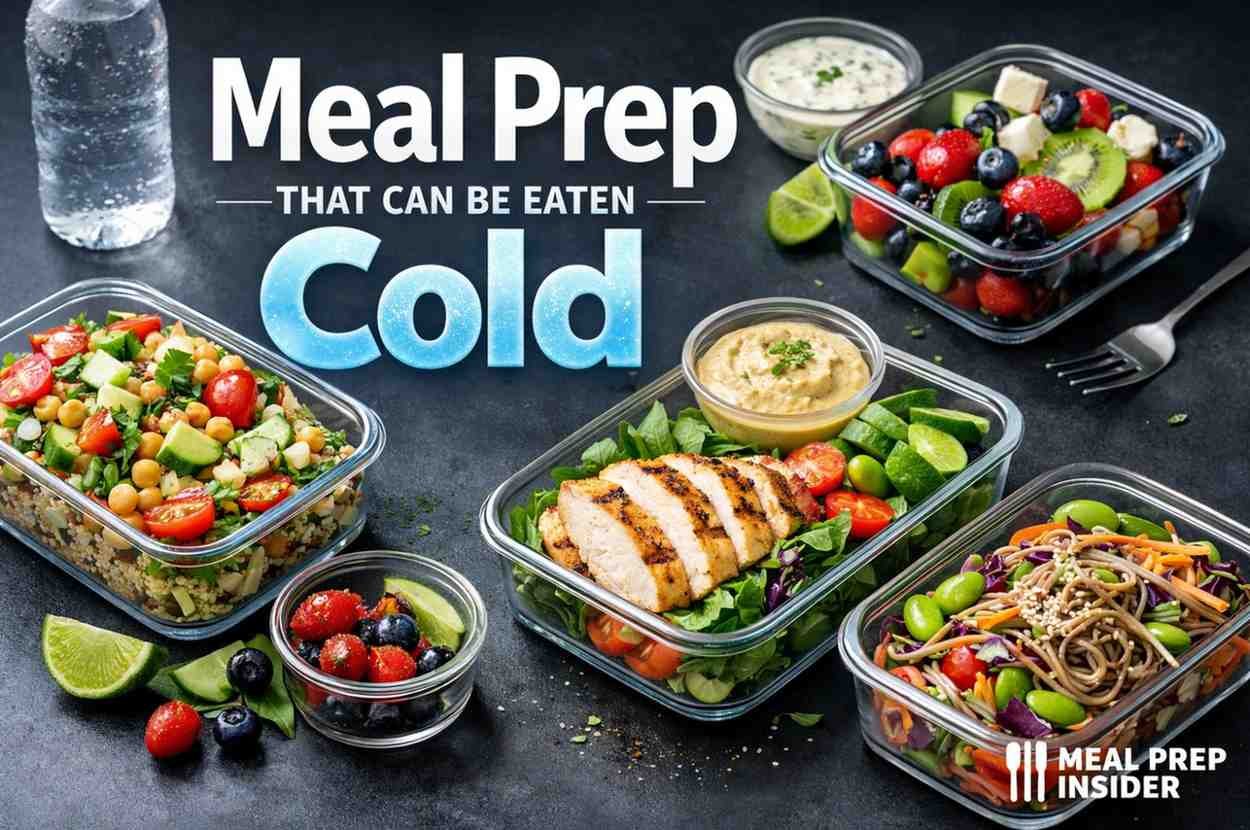
Meal Prep That Can Be Eaten Cold: 14 Amazing No-Reheat Ideas

Meal Prep That Can Be Eaten Cold: Tired of hunting for a microwave? These cold meal prep ideas are made for busy Americans who want real food, fast — no reheating required. Recipes, tips, and a full guide inside.
Meal Prep That Can Be Eaten Cold
There’s a version of lunch that doesn’t require a microwave hunt, a 10-minute wait, or that burnt-plastic smell in the break room. Cold meal prep is that version.
More Americans are figuring this out. Whether you’re packing a lunch for work, fueling up between errands, or just tired of reheating the same sad leftovers, prepping food that tastes just as good — or better — straight from the fridge is genuinely worth your time.
This guide covers everything: what foods hold up cold, how to build meals that don’t turn soggy or weird overnight, a full week of ideas, and a few honest tips that most blog posts skip.
Why Cold Meal Prep Actually Makes Sense
Most meal prep advice assumes you’ll reheat everything. But that’s not always realistic. Offices don’t always have microwaves. Gyms don’t have kitchens. Road trips, park benches, camping — none of that has a convection oven.
And here’s the thing: some food is genuinely better cold. Pasta salad. Overnight oats. Grain bowls. A good sandwich. These weren’t designed to be heated up. They were designed to be eaten as-is, and they deliver.
Cold meal prep also saves time in a very specific way. You’re not just prepping in advance — you’re removing a step entirely. No reheating, no transferring to a microwave-safe dish, no forgetting it in there for 20 minutes.
It’s quieter, too. No one in your office will smell your lunch coming from three cubicles away.
What Makes a Meal “Cold-Friendly”?
Not every food survives the fridge-to-fork journey intact. Some things get rubbery. Others go soggy. A few become genuinely unpleasant textures. So the first skill in cold meal prep is knowing what works.
Foods that hold up well when eaten cold:
- Cooked grains (rice, quinoa, farro, bulgur)
- Roasted vegetables
- Hard-boiled eggs
- Canned or cooked beans and lentils
- Pasta (with oil-based or vinaigrette dressings)
- Cooked chicken breast or turkey
- Smoked salmon
- Raw vegetables (carrots, cucumbers, bell peppers, celery)
- Cheese
- Hummus and other dips
- Overnight oats and chia pudding
- Most salads (with dressing stored separately)
- Wraps (packed carefully)
- Deli-style sandwiches on sturdy bread
Foods that don’t do well cold:
- Rice dishes with creamy or thick sauces (clump badly)
- Fried foods (lose all texture)
- Hot soups or stews (fine cold technically, but rarely satisfying)
- Scrambled eggs (texture gets rubbery and dense)
- Anything with cooked leafy greens as the main component
Once you know this, prepping becomes much more intuitive. You start building meals around cold-stable ingredients by default.
Building a Cold Meal Prep System
The biggest mistake people make is prepping full meals that weren’t designed to be eaten cold. They take Tuesday’s leftovers, stuff them in a container, and wonder why Thursday’s lunch is disappointing.
Cold meal prep works better when you build it with it in mind from the start.
The component method is the most flexible approach. Instead of prepping five identical full meals, you prep individual components and mix and match throughout the week.
Here’s how it works in practice:
| Component | Example | Storage Life |
|---|---|---|
| Grain base | Cooked quinoa | 4–5 days |
| Protein | Sliced chicken, hard-boiled eggs, canned tuna | 3–5 days |
| Roasted veg | Bell peppers, zucchini, broccoli | 4–5 days |
| Raw crunch | Shredded cabbage, sliced cucumbers | 3–4 days |
| Dressing/sauce | Tahini, vinaigrette, lemon-olive oil | 5–7 days |
| Extras | Olives, chickpeas, nuts, seeds | 5–7 days |
With five components in the fridge, you can build six or seven different combinations before the week is out. That’s actual variety — not just the same container five times.
A Full Week of Cold Meal Prep Ideas
Here’s a real week of meals you can prep on Sunday and eat cold through Friday. These are built for the American palate — familiar ingredients, nothing too obscure, and stuff you can actually find at a regular grocery store.
Monday
Lunch: Southwest Quinoa Bowl
Quinoa, black beans, corn, diced red onion, cherry tomatoes, shredded rotisserie chicken, sliced avocado (added day-of), and a lime-cumin vinaigrette.
Store the dressing separately. The quinoa and beans sit happily for days. The tomatoes hold fine through Monday. Avocado goes in fresh — takes 30 seconds.
Snack: Hummus + Veggie Pack
Pre-portion hummus into small containers. Pack carrot sticks, celery, sliced cucumber, and bell pepper. It’s simple. It works. It’s filling enough to get you to dinner without a vending machine stop.
Tuesday
Lunch: Italian Pasta Salad
Rotini pasta tossed in Italian dressing while warm (to absorb the flavor), then cooled. Add salami, banana peppers, black olives, red onion, mozzarella pearls, and sun-dried tomatoes.
This one actually improves overnight. The flavors settle. By Tuesday, it’s better than it was Sunday evening. Pasta salad is one of those cold meal prep situations that genuinely wins.
Wednesday
Lunch: Turkey and Avocado Wrap
Flour tortilla, deli turkey, sharp cheddar, romaine, thinly sliced red onion, tomato, and a smear of Dijon mustard. Wrap tightly in parchment paper, then foil. Twist the ends.
Slice in half before eating. Pack a side of grapes or apple slices for something sweet.
The key is not overdressing it. A lot of wraps go soggy because someone added too much sauce. Mustard is thin. Use it sparingly. Skip the mayo unless you’re eating the same day.
Thursday
Lunch: Asian-Inspired Noodle Salad
Soba noodles (cook and rinse under cold water right away), shredded purple cabbage, shredded carrots, edamame, sliced scallions, and sesame seeds. Dress with a ginger-soy-sesame oil vinaigrette.
This one travels exceptionally well. Soba doesn’t clump like regular pasta. The cabbage keeps its crunch for several days. And the dressing doubles as a marinade for the noodles.
Add sliced soft-boiled eggs on top for more protein.
Friday
Lunch: Caprese Grain Bowl
Farro base, fresh mozzarella, halved cherry tomatoes, fresh basil (added just before eating), and a drizzle of balsamic glaze and olive oil.
Farro has more bite than rice or quinoa when cold — it doesn’t go mushy. It’s a good Friday option because it feels a little more special than a basic grain bowl. You’ve made it to the end of the week. Your lunch should reflect that.
RELATED POST >> Healthy Meal Prep Ideas for the Week: Busy People’s Guide
High-Protein Cold Meal Prep Options
If you’re eating with specific fitness goals in mind, cold meal prep works just as well. You don’t have to sacrifice macros to eat cold.
Hard-boiled eggs are a cornerstone. They’re cheap, high in protein, and last up to a week in the shell in the fridge. Peel them the night before or the morning of. A little flaky salt goes a long way.
Canned tuna and salmon are underutilized. Mix tuna with white beans, lemon zest, parsley, and a drizzle of olive oil. It’s protein-dense, cold-stable, and genuinely good. Not the sad cafeteria tuna salad you remember — something with actual flavor.
Greek yogurt works as a base for savory dips (add cucumber and dill for a tzatziki situation) or as a high-protein breakfast when layered with berries and granola.
Cottage cheese has made a serious comeback in American eating culture. It pairs well with sliced peaches, cucumber, or everything bagel seasoning. Pack it in small containers. It’s a surprisingly satisfying snack.
Edamame is already prepped — buy it frozen, steam it, salt it, and eat it cold straight from the container.
Overnight Oats: The Cold Breakfast Game-Changer
If you haven’t committed to overnight oats yet, it’s time.
The formula is simple:
- ½ cup rolled oats
- ½ cup milk (any kind)
- ¼ cup Greek yogurt (optional, adds protein and creaminess)
- 1 tsp chia seeds
- Sweetener of choice (honey, maple syrup, or just fruit)
- Flavor additions: vanilla extract, cinnamon, cocoa powder, nut butter
Mix everything in a jar. Seal. Refrigerate overnight. Eat straight from the jar in the morning — cold, creamy, and ready in zero minutes.
You can prep five jars on Sunday. They’ll last through Friday. Vary the toppings so you’re not eating the exact same thing every day.
Flavor variations worth trying:
| Flavor | Add-ins |
|---|---|
| PB & Banana | Peanut butter, sliced banana, honey |
| Berry Almond | Mixed berries, almond extract, sliced almonds |
| Chocolate Cherry | Cocoa powder, dried cherries, dark chocolate chips |
| Apple Pie | Diced apple, cinnamon, nutmeg, walnuts |
| Mango Coconut | Diced mango, coconut flakes, lime zest |
Dressings and Sauces That Make Cold Meals Sing
Here’s something that doesn’t get enough attention: the dressing is often what makes or breaks a cold meal. Dry grain bowls are sad. Underdressed noodle salads are forgettable. You want something that coats the ingredients, adds brightness, and holds up over several days.
Oil-based dressings last longest and don’t compromise the texture of other ingredients. A simple lemon-olive oil-Dijon-honey-garlic situation takes three minutes and elevates almost anything.
Tahini dressings are thick, slightly nutty, and work well over roasted vegetables, grain bowls, and noodles. Thin with lemon juice and water to get the right consistency.
Soy-sesame dressings are versatile. Mix soy sauce, rice vinegar, sesame oil, a little honey, and fresh ginger. Works on noodles, rice, shredded cabbage, edamame, and grilled chicken.
Avoid mayo-heavy dressings if prepping more than two days out. Mayo-based dressings break down in texture and can be a food safety issue if the meal gets warm mid-transit.
Food Safety: The Part Nobody Wants to Talk About
Cold meal prep doesn’t mean leaving food at room temperature and hoping for the best. There are real rules here, and they matter.
- Keep prepped meals refrigerated at or below 40°F at all times
- Use an insulated lunch bag with a cold pack if you’re away from a fridge for more than two hours
- Don’t leave perishable food (meat, eggs, dairy) out for more than two hours — one hour if it’s above 90°F outside
- Label your containers with the prep date, so you’re not guessing
- When in doubt, throw it out. A $12 lunch is not worth a miserable, sick day
Most prepped meals are safe for 3–5 days in the fridge. Some things (grains, roasted vegetables, hard-boiled eggs in shell) push closer to five. Fresh ingredients like cut avocado or sliced tomatoes should be added the same day.
The Best Containers for Cold Meal Prep
Your container situation matters more than most people admit.
Glass containers are the gold standard. They don’t absorb odors or stains, they’re easy to clean, and they feel more satisfying to eat from. The downside: heavier to carry.
BPA-free plastic is fine for everyday use if glass isn’t practical. Look for airtight lids that actually seal. Flimsy lids lead to dressing disasters in your bag.
Mason jars are great for overnight oats, layered salads (dressing at the bottom, greens on top), and soups if you’re eating warm. They’re also cheap and widely available.
Small condiment containers are underrated — the little ones with snap lids. Use them for dressings, nut butters, hummus portions, and sauces. Keeps everything separate until you’re ready to eat.
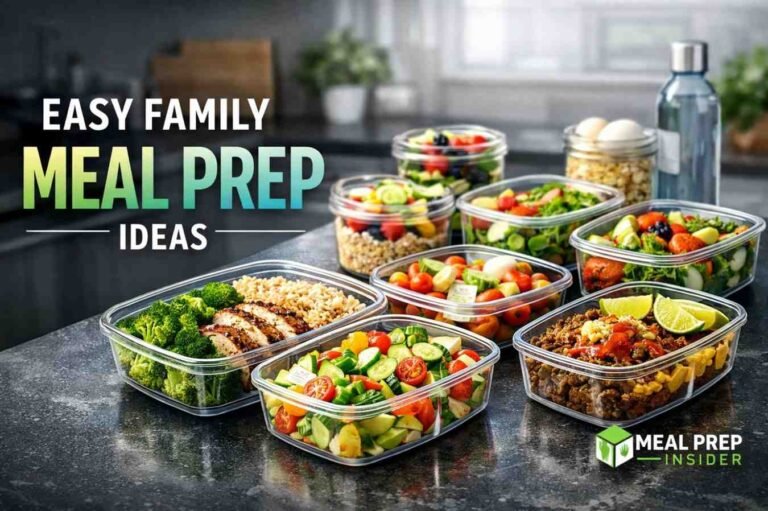
A good setup: two or three medium glass containers for the main meal, one small container for the dressing, and a snack bag or small container for extras.
Cold Meal Prep for Specific Lifestyles
For office workers: Focus on no-smell options. Fish is delicious, but not a great office choice. Go with grain bowls, wraps, pasta salads, and egg-based snacks. Keep a set of real utensils at your desk — it makes eating feel less like a punishment.
For parents packing school lunches: Wraps over sandwiches (hold up better). Pre-cut fruit, cheese cubes, and hummus with crackers are easy and kid-approved. Keep it simple and familiar — kids are not interested in your soba noodle salad.
For people with dietary restrictions: Cold meal prep is actually easier if you’re gluten-free or dairy-free. Grain bowls, salads, and protein-forward meals naturally accommodate both. Swap grains as needed. Coconut yogurt works fine in overnight oats.
For athletes: Prioritize protein-forward builds. Chicken, eggs, tuna, edamame, Greek yogurt, and cottage cheese should anchor your preps. Load up on carbohydrates if you’re training hard — cold rice with soy sauce and edamame is a legitimate post-workout meal that takes zero effort.
5 Common Cold Meal Prep Mistakes
1. Dressing the salad in advance. It turns everything limp. Store dressing in a separate container, always. This is non-negotiable.
2. Prepping avocado too early. Avocado oxidizes fast. Prep it morning-of, not Sunday night. Or store it with the pit in and a squeeze of lemon juice to slow browning if you must.
3. Using the wrong pasta. Pasta shapes with ridges (rotini, penne, fusilli) hold dressing better than smooth shapes (spaghetti, rigatoni). Small difference, noticeable result.
4. Under-seasoning cold food. Cold temperatures mute flavors. Food you prep for eating warm needs more seasoning when intended to be eaten cold. Taste your grain bowls and pasta salads at fridge temperature, not right out of the pot.
5. Overcomplicating it. You don’t need 12 components and two different sauces. Pick three good elements, prep them well, and mix. Simplicity wins here.
Frequently Asked Questions
Q: How long can cold meal prep last in the fridge? Most cold meal preps last 3–5 days when stored properly in airtight containers. Grains, roasted vegetables, and hard-boiled eggs stay good toward the 5-day mark. Fresh additions like cut avocado, tomatoes, or sliced fruit should be added day-of.
Q: Can I prep salads ahead of time without them getting soggy? Yes — with the right approach. Store dressing separately. Keep wet ingredients (tomatoes, cucumbers) in a different section of the container or add them the day you eat. Use hearty greens like romaine, kale, or arugula instead of iceberg. Layered mason jar salads — dressing at the bottom, greens on top — work particularly well.
Q: Is cold chicken safe to eat straight from the fridge? Yes, as long as it was cooked fully and stored properly. Cooked chicken stays safe in the fridge for 3–4 days. Slice or shred it before storing so it’s ready to go without extra prep on your lunch break.
Q: What’s the best way to keep wraps from getting soggy? Layer strategically: cheese or deli meat first, then protein, then vegetables, then greens closest to the center. Avoid wet sauces unless you’re eating the same day. Wrap tightly in parchment or foil — this helps the wrap hold its structure better than plastic wrap.
Q: Can overnight oats be eaten warm? Technically, yes — microwave for 60–90 seconds if preferred. But the texture is designed for cold eating. Eating them straight from the fridge, especially in warmer months, is the intended experience and doesn’t require any extra steps.
Q: What are the best proteins for cold meal prep? Rotisserie chicken, canned tuna or salmon, hard-boiled eggs, sliced deli turkey or turkey breast, cooked shrimp, edamame, white beans, black beans, chickpeas, and Greek yogurt. All of these hold up well at cold temperatures and don’t develop off-putting textures like some meats can.
Q: Do I need special containers? No, but good containers make a difference. Airtight lids are essential. Glass is best for longevity and odor-resistance, but BPA-free plastic works. Separate small containers for dressings are genuinely helpful and worth having a few of.
Final Thoughts
Cold meal prep isn’t a trend. It’s a practical approach to eating well without being chained to a kitchen or a microwave. It’s cheaper than takeout, faster than cooking from scratch every day, and — when done right — genuinely enjoyable to eat.
The adjustment is small. You just start planning for cold instead of reheating. That’s it.
Pick two or three recipes from this guide. Try one week. See how it changes your relationship with lunch. You might not go back.
SUGGESTED POST >> Cheapest Meal Prep Services for Seniors Under $7 Per Meal
Discover more from Meal Prep Insider
Subscribe to get the latest posts sent to your email.