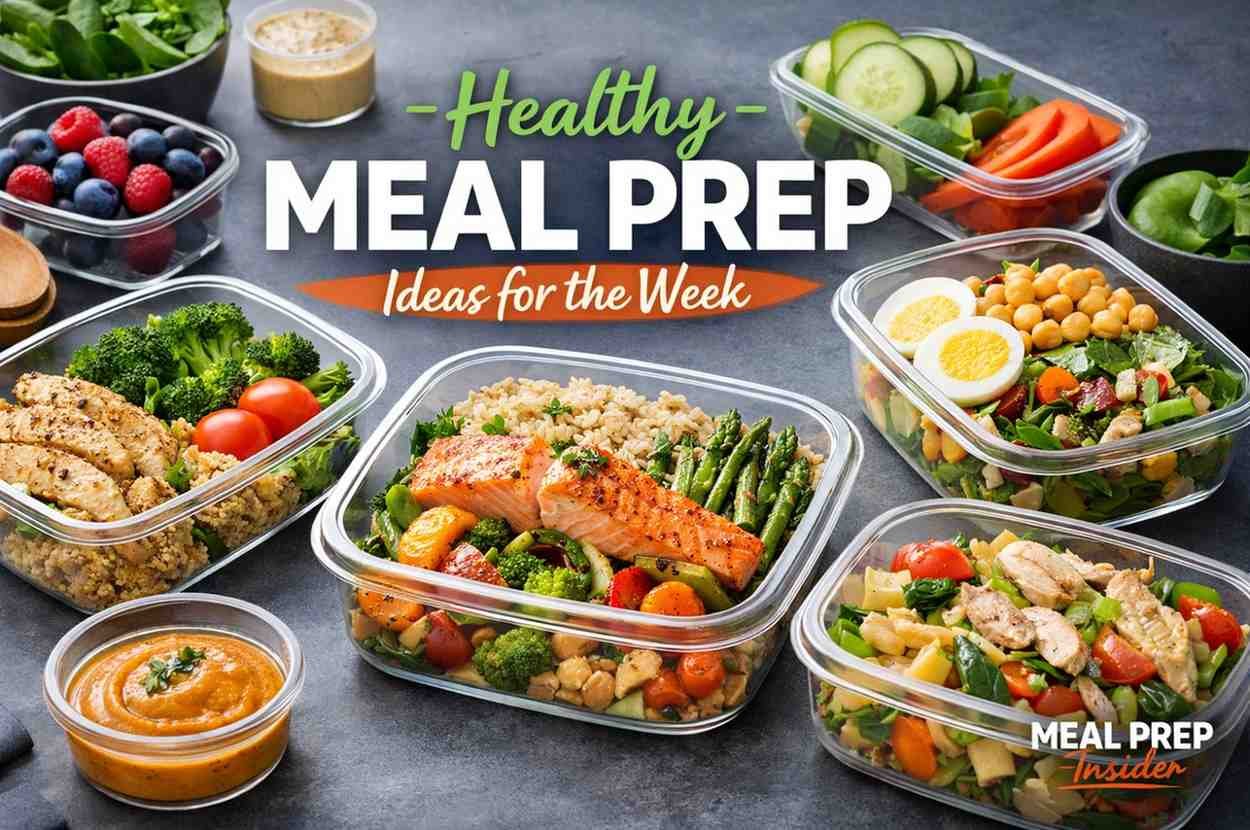
Healthy Meal Prep Ideas for the Week: Tired of grabbing takeout by Wednesday? This guide covers practical, healthy meal prep ideas for the week — with real food, honest strategies, and zero fluff. Built for busy Americans who want to eat better without losing their minds.
Healthy Meal Prep Ideas for the Week
Let’s be straight about something. Most people don’t fail at eating healthy because they lack willpower. They fail because Tuesday at 6 p.m. hits, they’re exhausted, and there’s nothing ready to eat. So they order pizza. Again.
Meal prep fixes that problem. Not perfectly, not magically — but it works. This guide is for anyone in the U.S. who wants practical, realistic, healthy meal ideas they can actually prep on a Sunday (or Saturday, no judgment) and eat through the week without getting bored or going broke.
No meal kits. No chef-level skills required. Just real food, simple systems, and a little planning.
Why Meal Prep Is Worth the Sunday Grind
People underestimate how much time they lose during the week making decisions about food. What to eat. What to buy. How long will it take? Research actually calls this “decision fatigue,” and it’s real. By the time you’ve worked eight hours and sat in traffic, deciding what’s for dinner feels enormous.
Meal prep removes that friction.
You already decided. You already cooked. You just eat.
Beyond saving time, prepping your meals ahead cuts costs significantly. The average American household spends over $3,000 a year on food away from home, according to the USDA. Even prepping three or four dinners a week chips away at that number fast.
And then there’s the health side. When you control what goes in the pan, you control what goes in your body. Sodium, sugar, portions — all of it becomes something you can actually manage.
Before You Start: The Mindset Shift You Need
Here’s where most meal prep guides go wrong. They hand you a five-day plan with eighteen ingredients and act like you have three hours on a Sunday and zero kids screaming in the background.
Realistic meal prep doesn’t look like that.
Start with this question: How many meals do I actually need to prep? Not all of them. Maybe it’s just lunches. Maybe it’s dinner proteins and a couple of snacks. Maybe it’s only breakfasts because mornings are your problem.
Pick your problem meal first. Solve that. Then expand.
The Core Strategy: Build-a-Bowl Thinking
The most flexible, scalable meal prep system isn’t recipes. Its components.
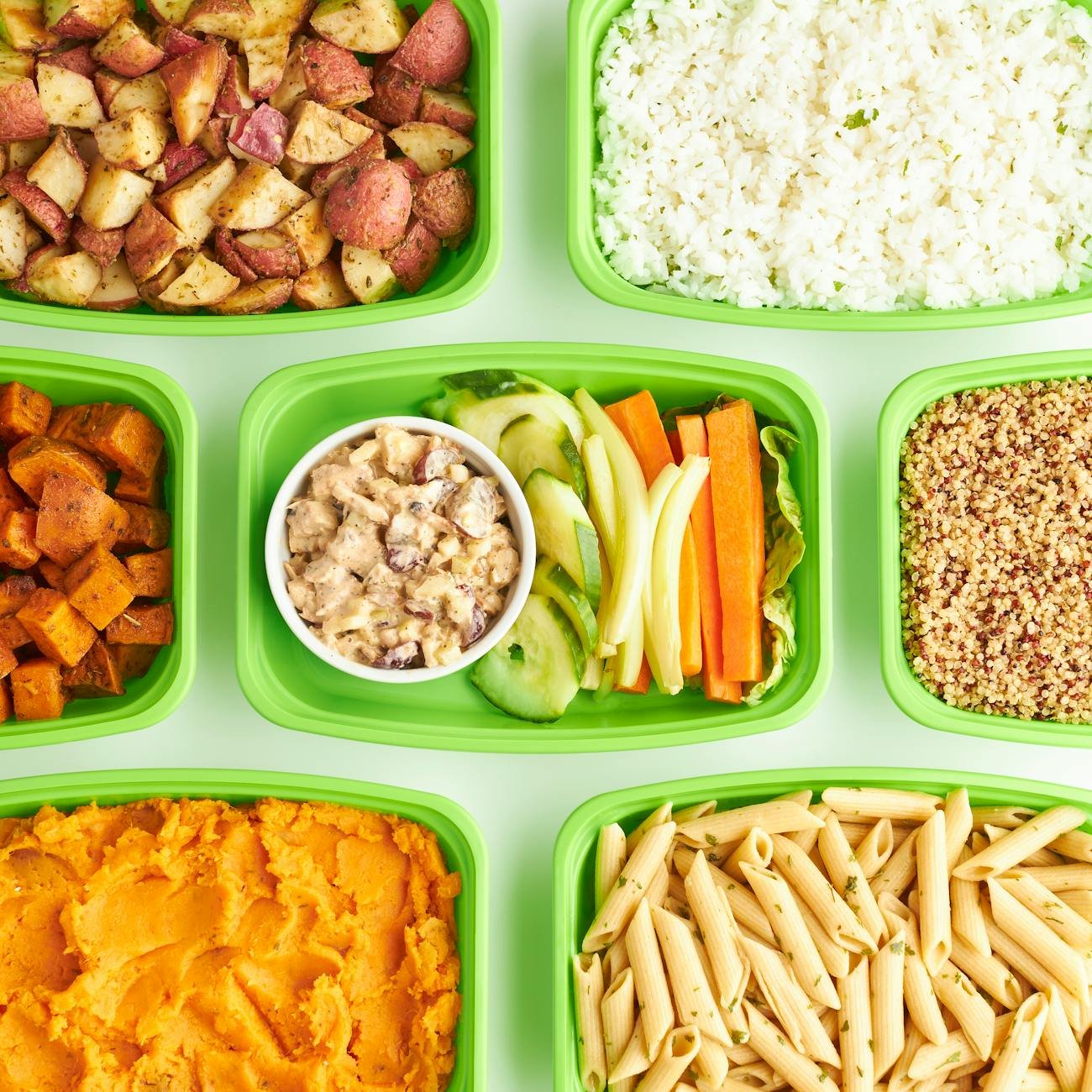
Think of it this way: if you cook a big batch of grains, roast a few vegetables, and prep two or three proteins at once, you can mix and match them into completely different meals across the week. Same ingredients, different vibes.
This is sometimes called “modular meal prep” or “component cooking.” Whatever you call it, it works.
Here’s a simple breakdown of what to prep:
| Component | Examples | Prep Time |
|---|---|---|
| Grains | Brown rice, quinoa, farro, barley | 20–40 min |
| Proteins | Chicken breast, hard-boiled eggs, chickpeas, ground turkey | 20–30 min |
| Roasted vegetables | Broccoli, sweet potato, zucchini, Brussels sprouts | 25–35 min |
| Raw vegetables | Sliced cucumber, shredded cabbage, cherry tomatoes | 10 min |
| Sauces/dressings | Tahini dressing, vinaigrette, salsa, hummus | 5–10 min |
With those five categories handled, you can build:
- A grain bowl with roasted veggies and tahini
- A wrap with shredded chicken, cabbage, and salsa
- A simple salad with quinoa, cucumber, and vinaigrette
- Scrambled eggs over brown rice with hot sauce
Same prep. Four different meals. That’s the point.
Healthy Breakfast Prep Ideas
Breakfast is often the first casualty of a busy morning. These options are quick to prep and easy to grab.
Overnight Oats
This one is almost embarrassingly simple. Combine rolled oats with milk (dairy or non-dairy), a tablespoon of chia seeds, and whatever fruit or nut butter you like. Seal it in a jar. Stick it in the fridge. Done.
By morning, the oats have absorbed the liquid and softened. You eat it cold, straight from the jar. Make five jars on Sunday, and breakfast is handled all week.
Flavor variations worth trying:
- Peanut butter and banana
- Blueberry and honey
- Apple cinnamon with a pinch of nutmeg
- Cocoa powder and sliced almonds (feels like dessert, isn’t)
Egg Muffins
These are mini frittatas baked in a muffin tin. Whisk eggs, pour them into a greased muffin tin, add whatever fillings you have (spinach, diced peppers, turkey sausage, shredded cheese), and bake at 350°F for 18–20 minutes.
They keep in the fridge for five days. Reheat in the microwave for 45 seconds. High protein, portable, and actually filling.
Greek Yogurt Parfait Jars
Layer plain Greek yogurt (full-fat holds up better), granola, and fresh or frozen berries in a mason jar. If you don’t want the granola to get soggy, keep it separate until you’re ready to eat. Straightforward and genuinely good.
Healthy Lunch Prep Ideas
Lunches are where meal prep really shines. You’re usually eating at a desk or on a break — convenience matters.
Mason Jar Salads
The trick to a salad that doesn’t turn into a sad, wilted mess is layering. Dressing goes in the bottom. Then hard vegetables (carrots, cucumbers, chickpeas). Then grains or proteins. Leafy greens go on top, completely away from the dressing.
When you’re ready to eat, shake the jar or dump it into a bowl. The greens never touch the dressing until the last second.
A solid combination: quinoa, roasted red peppers, cucumber, chickpeas, feta, and a lemon-herb vinaigrette. Holds up beautifully for four days.
YOU MAY ALSO LIKE >> High Protein Meal Prep Ideas: Stop Guessing, Start Eating!
Turkey and Hummus Wraps
Sliced turkey, hummus, shredded carrots, and spinach in a whole-wheat wrap. Wrap tightly, cut in half, and store in a sealed container. These take about 4 minutes to make and are significantly better than anything you’d find in a vending machine.
Lentil Soup
A big pot of lentil soup costs almost nothing to make and makes six or seven meals. Red lentils cook fast (no soaking needed), and the base is simple: onion, garlic, cumin, turmeric, diced tomatoes, and broth. Simmer for 25 minutes. Done.
High in fiber, plant-based protein, and iron. Freezes perfectly if you make more than you’ll eat in a week.
Healthy Dinner Prep Ideas
Dinners need a little more thought, mainly because people expect more from dinner. But that doesn’t mean more work — it means smarter prep.
Sheet Pan Meals
The sheet pan method is ideal for meal prep. You season a protein and vegetables, spread them on a pan, roast everything at once, and eat them over a few days.
A few combinations that work really well:
- Salmon + asparagus + lemon slices — roast at 400°F for 15 minutes
- Chicken thighs + sweet potato + broccoli — roast at 425°F for 30 minutes
- Tofu + zucchini + cherry tomatoes — roast at 400°F for 25 minutes
Season aggressively. Sheet pan meals can taste flat if you’re too cautious with spices. Garlic powder, smoked paprika, onion powder, cumin — these do a lot of heavy lifting.
Stir-Fry Base
Cook a protein (chicken, shrimp, tofu, beef) with a sauce — soy sauce, sesame oil, ginger, garlic, a little honey — and a pile of vegetables. Don’t mix the rice ahead of time; keep them separate so nothing gets mushy.
When you’re ready to eat during the week, reheat the stir-fry separately, then spoon it over fresh or reheated rice. Tastes close to freshly made.
Turkey Chili
Ground turkey chili is one of the best bulk-cook meals in existence. It improves as it sits. Make a big batch on Sunday, and the Tuesday bowl will taste better than the Sunday bowl.
Basic recipe logic: brown the turkey, add diced onion and garlic, add canned tomatoes, kidney beans, black beans, chicken broth, and a chili seasoning blend. Simmer 30–40 minutes. That’s it. Serve with a little shredded cheese or avocado.
Makes 6–8 servings. Freezes great.
Healthy Snack Prep Ideas
Snacks are where people blow their diet almost accidentally. The “I’ll just grab something” mentality leads to chips, candy, or a gas station hot dog.
Prepping snacks eliminates that.
- Hard-boiled eggs — cook a dozen at once, store in the shell, eat within a week
- Cut vegetables with hummus — carrots, celery, bell pepper strips in individual containers
- Apple slices with almond butter — cut a few apples, add a squeeze of lemon to slow browning
- Trail mix portions — buy nuts, seeds, and dried fruit in bulk and portion into small bags or containers
- Edamame — buy frozen, steam, lightly salt, store in containers; great cold or room temperature
None of these takes more than 15 minutes total. But having them ready changes your whole snacking behavior during the week.
A Sample Weekly Meal Prep Menu
Here’s how a full week might look using component cooking:
| Meal | Monday | Wednesday | Friday |
|---|---|---|---|
| Breakfast | Overnight oats (PB banana) | Egg muffins | Greek yogurt parfait |
| Lunch | Mason jar salad (quinoa + chickpeas) | Turkey wrap | Lentil soup |
| Dinner | Sheet pan chicken + sweet potato | Turkey chili | Stir-fry over rice |
| Snack | Hard-boiled eggs + veggies | Apple + almond butter | Trail mix |
You’re not locked in. Swap meals around depending on what sounds good. The whole point of component cooking is flexibility.
READ ALSO >> High Protein Meal Prep: Build Muscle, Save Time – No-BS Deal
Grocery Shopping for Meal Prep: What to Actually Buy
Shopping without a meal prep list is a disaster waiting to happen. You either buy too much and waste food, or you forget key items and have to improvise all week.
A smart meal prep grocery list focuses on:
Proteins
- Boneless skinless chicken thighs or breasts
- Ground turkey
- Canned chickpeas or lentils
- Eggs (at least a dozen)
- Greek yogurt (plain, full-fat)
Grains
- Brown rice or jasmine rice
- Quinoa
- Rolled oats
Produce
- Sweet potatoes
- Broccoli
- Spinach or mixed greens
- Bell peppers
- Carrots
- Garlic and onions (always)
Pantry
- Olive oil
- Low-sodium soy sauce
- Canned diced tomatoes
- Chicken or vegetable broth
- A solid spice collection: cumin, smoked paprika, garlic powder, turmeric, Italian seasoning
These basics cover most of the recipes above and cost between $60 and $90 at a standard U.S. grocery store, depending on your region.
Storage: The Part Nobody Talks About Enough
Your food can be prepped perfectly, but still go bad due to poor storage. A few rules:
Use airtight containers. Glass containers are great — they don’t stain, don’t absorb odors, and can go in the oven. But BPA-free plastic containers work fine too. Just make sure the lids actually seal.
Cool food before refrigerating. Putting a steaming-hot pot of chili directly into the fridge raises the internal temperature, which can affect nearby items. Let it cool for 20–30 minutes first.
Label your containers. Date them too. This isn’t overthinking it — it’s just useful when you’re staring into the fridge at 7 a.m. half-asleep.
General shelf life guide:
| Food | Fridge | Freezer |
|---|---|---|
| Cooked chicken | 3–4 days | 2–3 months |
| Cooked grains | 4–5 days | 1–2 months |
| Soups and chilis | 4–5 days | 2–3 months |
| Hard-boiled eggs | 1 week (in shell) | Not recommended |
| Cut fruit/veggies | 3–5 days | Varies |
If you’re making food for more than five days, freeze half. Don’t try to push cooked chicken to day seven. It’s not worth it.
Common Meal Prep Mistakes to Avoid
Prepping too many things at once. Ambitious is good. Burning out by 3 p.m. on Sunday and never meal prepping again is not. Start with two or three components and build from there.
Forgetting sauces. Dry, unsauced food is what makes people bored and gives up. A great sauce can completely transform the same ingredients. Spend ten minutes making one or two sauces each week.
Undercooking or overcooking grains. Follow the ratios on the package and don’t peek too often. Rice especially needs to be steamed undisturbed.
Not tasting as you go. Season your food. This seems obvious, but under-seasoned meal prep food tastes like sadness. Salt, acid (lemon juice or vinegar), and fat (olive oil) are your best friends.
Buying ingredients you’ve never used before. Your first meal prep week isn’t the time to experiment with fermented black bean paste. Stick with flavors you know you enjoy. You can get adventurous once the habit is established.
Tips for Staying Consistent Long-Term
Meal prep works — but only if you keep doing it. Here’s what actually helps:
- Block time on your calendar. Treat it like an appointment. Two to three hours on Sunday is usually plenty.
- Keep your prep sessions music or podcast-friendly. The time passes faster when you’re listening to something good.
- Don’t aim for variety every single week. If turkey chili is a hit, make it again next week. Repeating winners is fine.
- Batch freeze when you have extra time. On a week when you have more time or energy, make extra and freeze it. You’ll thank yourself during a hectic week.
- Let the fridge speak. Before shopping, check what you already have. Meal prep doesn’t mean buying everything new every week.
Consistency beats perfection every time. A mediocre meal prep session beats no session.
Frequently Asked Questions
How long does meal-prepped food actually last in the fridge?
Most cooked proteins and grains stay good for 3–5 days in the refrigerator when stored in airtight containers. Soups and stews can go up to 5 days. Anything beyond that, freeze it. Hard-boiled eggs are an exception — they last up to a week when stored unpeeled.
Is meal prepping actually cheaper than eating out?
Yes, significantly. Even a modest meal prep session with $70–$90 worth of groceries can cover 15–20 meals. That works out to roughly $4–$6 per meal. A typical lunch out in a U.S. city easily runs $12–$18. The savings are real.
Can I meal prep if I have dietary restrictions?
Absolutely. The component cooking method is especially flexible. Swap proteins for plant-based options, use gluten-free grains, and skip dairy. The structure stays the same — you just customize the ingredients to what works for your body.
What containers are best for meal prep?
Glass containers with airtight lids are widely considered the best option — they’re durable, don’t absorb smells, and are microwave and oven-safe. Brands like Pyrex, OXO, and Rubbermaid Brilliance are popular in the U.S. If you prefer plastic, make sure it’s BPA-free. Wide, shallow containers are generally better than deep ones because food cools evenly and reheats faster.
What if I get bored eating the same thing?
This is the biggest objection to meal prep, and it’s valid. The solution is the sauce. Literally. The same chicken and rice tastes completely different with a tahini drizzle, buffalo sauce, or a lemon-herb vinaigrette. Change your sauce mid-week and the meal feels new. Changing your spice profile when prepping also helps — one week go Mediterranean, next week go Tex-Mex.
Do I have to prep every meal?
No. Meal prep doesn’t have to be all-or-nothing. Prepping just lunches, or just dinners, or just having healthy snacks ready is a win. Any prepped food is better than no prepped food. Start wherever the pain point is and go from there.
Is meal prep healthy if I’m trying to lose weight?
It can be an effective tool for weight management because it helps control portion sizes and reduce impulsive eating. That said, meal prep isn’t a diet — it’s a system. What you prep determines whether it supports your goals. Focus on lean proteins, lots of vegetables, fiber-rich grains, and reasonable portions, and yes, it helps.
Meal prep isn’t glamorous. It’s not trending content. It’s just one of the most practical things you can do to eat better and stress less during the week. Pick a few ideas from this guide, block out a couple of hours this weekend, and see what a stocked fridge does for your Monday.
It’ll probably do more than you expect.
SUGGESTED POST >> High Protein Meal Prep on a Budget for Under $5 a Day