Is Clam Chowder Healthy? The Creamy Truth & Nutrition Facts

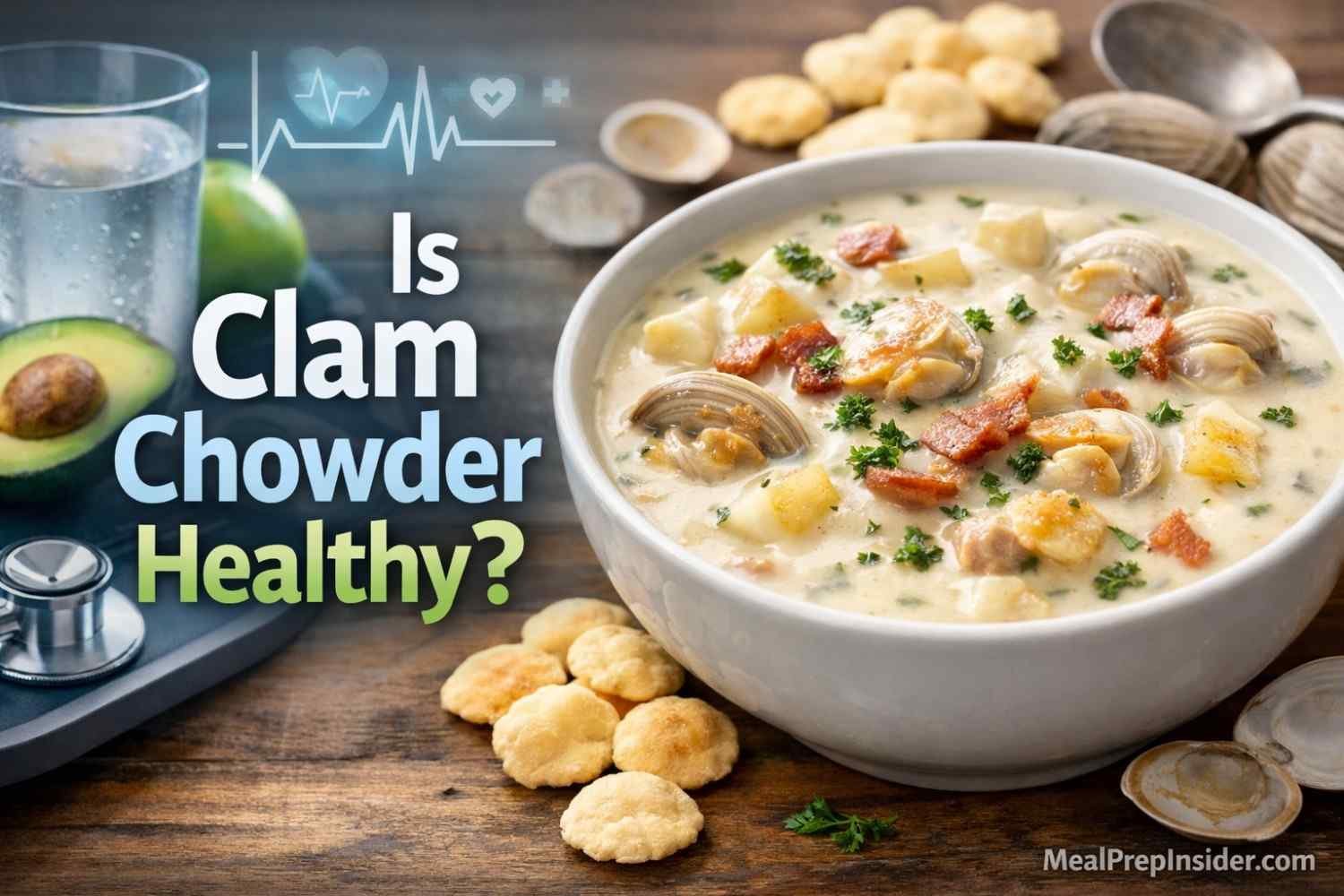
Is clam chowder healthy enough to enjoy regularly, or should you save it for special occasions? That bowl of thick, creamy soup sitting in front of you might be more complicated than you think. What looks like comfort food could be hiding some surprising nutritional secrets.
Let’s cut through the confusion.
Most people assume all soup equals healthy. That’s not always true. Clam chowder walks a fine line between wholesome ingredients and potential calorie bombs. The answer depends on which version you’re eating, how it’s prepared, and what your body needs.
Here’s what makes this question so interesting: clam chowder isn’t just one thing. New England style versus Manhattan style. Restaurant portions versus homemade batches. Canned soup versus fresh preparations. Each variation tells a completely different nutritional story.
You might be shocked by what’s really in that bowl.
Understanding What Goes Into Your Bowl of Clam Chowder
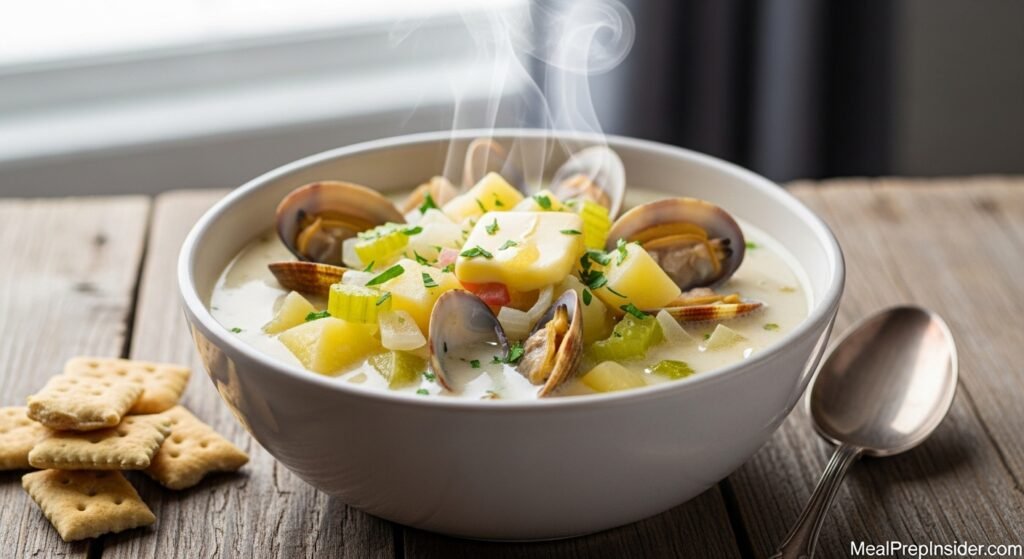
The ingredients list matters more than you’d expect. Traditional clam chowder recipes combine clams, potatoes, onions, celery, and some type of dairy base. But restaurants and manufacturers often add extras that dramatically change the nutritional profile.
Real clams bring protein, iron, and vitamin B12. These aren’t empty calories. The mollusks themselves pack legitimate nutritional value that seafood lovers specifically seek out. Fresh clams contain selenium, zinc, and omega-3 fatty acids that support various bodily functions.
Potatoes add carbohydrates and potassium. Some people view potatoes as unhealthy, but they’re misunderstood vegetables. They provide fiber when the skin is included and offer vitamin C along with those carbs. The problem isn’t potatoes themselves—it’s how much butter and cream get added around them.
Heavy cream transforms everything. This ingredient alone can push a healthy soup into indulgent territory. Just one cup of heavy cream contains roughly 800 calories and 88 grams of fat. Most restaurant clam chowders use cream generously, creating that signature rich texture people crave.
Butter enters the equation during the sautéing process. Onions and celery get cooked down in butter before other ingredients join the pot. This adds flavor depth but also increases saturated fat content significantly. Some recipes call for multiple tablespoons.
Bacon appears in many versions. Especially in New England clam chowder, crispy bacon bits add smoky flavor and textural contrast. But they also contribute sodium, nitrates, and additional saturated fat. Even a small amount changes the nutritional calculation.
Thickening agents vary by recipe. Flour creates a roux in traditional preparations. Cornstarch offers a gluten-free alternative. Some modern recipes skip thickeners entirely, relying on pureed potatoes or reduced cream for body.
New England Clam Chowder Versus Manhattan Clam Chowder: The Health Showdown
These two styles couldn’t be more different nutritionally. The rivalry between them runs deep in American food culture, but from a health perspective, there’s a clear winner.
New England clam chowder uses cream as its base. That creamy white appearance comes from heavy cream or whole milk, sometimes both. This style originated in Massachusetts and became the default “clam chowder” most Americans picture. The richness makes it incredibly satisfying but also calorically dense.
A typical restaurant serving contains 300-450 calories per cup. That’s just for one cup, and most restaurant bowls hold at least two cups. The fat content ranges from 20 to 30 grams per serving, with significant saturated fat. Sodium levels frequently exceed 1,000 milligrams per serving.
Manhattan clam chowder takes a tomato-based approach. This version was developed in New York and uses tomatoes instead of dairy. The broth stays lighter, thinner, and generally lower in calories. It’s essentially a vegetable soup with clams.
The calorie difference is substantial. Manhattan clam chowder typically contains 120-180 calories per cup. Fat content drops to 3-8 grams per serving. The tomato base adds lycopene and vitamin C without the saturated fat burden.
From a pure health standpoint, Manhattan wins. But taste preferences complicate this conclusion. Many people find Manhattan clam chowder less satisfying because it lacks that creamy richness. If you can’t enjoy the lighter version, you probably won’t stick with it as a regular choice.
Regional pride influences these preferences. New Englanders often refuse to acknowledge Manhattan clam chowder as “real” chowder. This isn’t about health—it’s about tradition, identity, and what people grew up eating.
Breaking Down the Nutritional Profile
Let’s examine what you’re getting in a standard bowl. These numbers reflect typical restaurant-style New England clam chowder, which most Americans encounter most often.
Per 1.5 cup serving:
- Calories: 400-650
- Total Fat: 25-40g
- Saturated Fat: 15-24g
- Cholesterol: 80-120mg
- Sodium: 1,200-1,800mg
- Total Carbohydrates: 30-45g
- Dietary Fiber: 2-4g
- Sugars: 3-6g
- Protein: 15-25g
- Vitamin A: 15-25% Daily Value
- Vitamin C: 10-20% Daily Value
- Calcium: 20-30% Daily Value
- Iron: 40-70% Daily Value
- Vitamin B12: 60-100% Daily Value
The protein content deserves recognition. Clams deliver high-quality protein with all essential amino acids. For people looking to increase protein intake, this represents a genuine benefit. The 15-25 grams per serving contribute meaningfully toward daily requirements.
Iron levels stand out dramatically. Clams rank among the best dietary iron sources available. A single serving can provide more than half your daily iron needs. For women of childbearing age or anyone dealing with iron deficiency, this matters considerably.
Vitamin B12 content reaches impressive levels. This vitamin exists almost exclusively in animal products, making clam chowder valuable for B12 intake. Vegetarians who occasionally eat seafood could benefit from the concentrated B12.
The sodium situation requires honest discussion. Those numbers aren’t typos. Restaurant clam chowder often contains shocking sodium amounts. One bowl could max out your entire recommended daily limit. People managing blood pressure need to approach this carefully.
Saturated fat creates another concern. The 15-24 grams per serving represents nearly a full day’s worth for someone following a 2,000-calorie diet. Current dietary guidelines suggest limiting saturated fat to reduce heart disease risk.
Carbohydrate content comes primarily from potatoes. These are complex carbs with some fiber, not refined sugars. For people managing blood sugar, this creates a moderate glycemic impact rather than a sharp spike.
The Hidden Dangers Lurking in Restaurant Versions
Restaurants aren’t transparent about what goes into that bowl. Commercial kitchens prioritize taste over nutrition, understandably. But the modifications they make transform chowder into something quite different from homemade versions.
Portion sizes exceed reasonable amounts. A “bowl” at most restaurants contains 2-3 cups of chowder, sometimes more. Restaurants know customers equate value with volume, so they serve massive portions. This triples the calorie and sodium counts before you add crackers or bread.
Heavy cream gets used liberally. Home recipes might call for one cup of cream for six servings. Restaurants often double or triple this proportion to achieve ultra-rich texture and flavor. The cream-to-other-ingredients ratio skews heavily toward fat.
Butter appears in multiple stages. Vegetables get sautéed in butter. Butter gets whisked into the finished soup for shine. Some recipes add butter to the serving bowl before ladling in the chowder. Each additional compound compounds the saturated fat problem.
Salt levels reach extreme heights. Restaurant kitchens salt aggressively to enhance flavor. Base ingredients like clam juice already contain sodium. Canned clams add more sodium. Then cooks season the soup itself. The cumulative effect produces sodium counts that seem almost unbelievable.
Bacon becomes a standard garnish. While traditional recipes might cook one or two slices in a whole pot, restaurants top each bowl with crispy bacon pieces. This adds visual appeal and flavor but also nitrates, sodium, and saturated fat per serving.
Thickeners add empty calories. Some commercial operations use large amounts of flour or cornstarch to achieve a thick consistency quickly. This increases carbohydrate content without adding nutritional value.
Flavor enhancers might include MSG or other additives. Not all restaurants use these, but budget-conscious operations sometimes do. While MSG isn’t the demon it was once portrayed as, people sensitive to it should inquire.
Clam content varies wildly. Premium restaurants pack their chowder with actual clam meat. Budget spots might use minimal clams, relying on a clam-flavored base and small pieces. You’re paying for and consuming mostly cream and potatoes.
Canned Clam Chowder: Convenience With Consequences
That can in your pantry offers speed and shelf stability. But canned versions present their own nutritional concerns that differ from fresh or restaurant chowder.
Sodium levels often exceed fresh versions. Canning requires salt as a preservative. Manufacturers add enough to ensure safety and shelf life. A single cup of canned clam chowder commonly contains 800-1,200 milligrams of sodium. Some brands push even higher.
Condensed varieties require careful preparation. Many people forget that “condensed” means you should add liquid. But the canned directions often suggest adding whole milk, which increases fat and calories. Water creates a lighter result but dilutes flavor significantly.
Preservatives and stabilizers appear throughout. Ingredient lists include items like modified food starch, disodium phosphate, and various gums. These maintain texture during storage but add components that wouldn’t appear in from-scratch cooking.
Real clam content runs minimal. Reading ingredient labels reveals that many canned versions contain surprisingly little actual clam. Clam juice and clam flavoring create the seafood taste, but the meat content disappoints.
Quality varies dramatically between brands. Premium brands like Bar Harbor use better ingredients and less sodium. Budget grocery store brands prioritize cost over quality. The nutritional differences between these extremes are substantial.
Some newer options offer reduced-sodium versions. These still contain more salt than ideal, but cut sodium by 25-30% compared to regular versions. The flavor sacrifice remains noticeable but manageable.
Organic and “natural” canned chowders cost more but deliver cleaner ingredient lists. Brands like Pacific Foods and Amy’s Kitchen avoid artificial additives and use organic dairy. The nutritional profiles improve somewhat, though sodium remains elevated.
Making Healthier Clam Chowder at Home
You control everything when you cook it yourself. Homemade chowder lets you adjust ingredients to match your nutritional priorities without sacrificing too much flavor.
Start with fresh or frozen clams rather than canned. Fresh clams deliver better flavor and let you control sodium. You’ll use the clam liquid in the soup, but it contains less sodium than commercial clam juice or canned clam liquid.
Replace heavy cream with lighter alternatives. Half-and-half cuts fat and calories substantially while maintaining creaminess. For even lighter results, try whole milk or a combination of milk and Greek yogurt. The yogurt adds protein and tanginess that works surprisingly well.
Use vegetable or seafood stock as the base. Homemade stock contains minimal sodium. Even low-sodium commercial stock dramatically reduces salt compared to full-sodium versions or clam juice. Build flavor through herbs, garlic, and quality ingredients rather than relying on salt.
Increase the vegetable proportion. Add more celery, onions, carrots, and potatoes. These bulk up the soup, adding fiber and nutrients while reducing the cream-to-solids ratio. You’ll get a heartier, more filling soup with fewer calories per cup.
Skip or minimize bacon. If you can’t imagine chowder without bacon, use one slice for the whole pot rather than topping each bowl. Or substitute turkey bacon, which cuts saturated fat. Smoked paprika provides a smoky flavor without meat.
Thicken with pureed vegetables instead of roux. Blend some of the cooked potatoes and return them to the pot. This creates body and thickness without flour and butter. You’ll actually increase nutrient density this way.
Season with herbs and spices, not just salt. Fresh thyme, bay leaves, white pepper, and a touch of cayenne add complexity. These flavors reduce how much salt you need to satisfy taste.
Control your portions. Make chowder a side dish alongside salad rather than the entire meal. Or serve smaller portions in actual cups rather than large bowls. You’ll enjoy the flavors without overconsuming.
When Clam Chowder Becomes Problematic for Your Health
Certain health conditions make clam chowder particularly concerning. Understanding these situations helps you make informed choices.
High blood pressure requires strict sodium monitoring. The typical restaurant serving contains more than a full day’s sodium allowance for someone managing hypertension. Even one bowl can elevate blood pressure for days afterward. People in this category should avoid restaurant versions entirely.
High cholesterol demands attention to saturated fat. Clam chowder’s heavy cream and butter contribute significant saturated fat, which raises LDL cholesterol levels. If you’re managing cholesterol through diet, frequent chowder consumption works against your goals.
Diabetes management involves carbohydrate counting. The potatoes in chowder create a glycemic load that affects blood sugar. Combined with the saturated fat, which impairs insulin sensitivity, this creates challenges for diabetics. Occasional small portions work better than regular large servings.
Heart disease patients should approach cautiously. The combination of high sodium and high saturated fat specifically stresses the cardiovascular system. While the omega-3s from clams provide some benefit, they can’t overcome the negative impacts of other ingredients in traditional recipes.
Lactose intolerance makes cream-based chowders uncomfortable. The dairy content in New England chowder causes digestive distress for lactose-intolerant individuals. Manhattan style offers a lactose-free alternative, or homemade versions can use lactose-free dairy products.
Shellfish allergies obviously make clam chowder completely off-limits. Even small amounts of clam protein can trigger severe allergic reactions. Cross-contamination in restaurant kitchens presents additional risks for highly sensitive individuals.
Weight management goals conflict with high-calorie chowders. A single restaurant bowl can contain 1,000+ calories, representing half a day’s intake for someone eating 2,000 calories daily. Regular consumption makes calorie deficits nearly impossible to maintain.
Kidney disease requires careful sodium and potassium management. Clam chowder delivers problematic amounts of both minerals. The potassium from clams and potatoes, combined with excessive sodium, creates metabolic stress for compromised kidneys.
The Surprising Benefits of Clam Chowder
Despite the concerns, legitimate nutritional advantages exist. Dismissing chowder entirely overlooks some genuine health benefits.
Protein quality ranks exceptionally high. Clams provide complete protein with excellent amino acid profiles. The protein supports muscle maintenance, immune function, and numerous metabolic processes. For older adults struggling to meet protein needs, chowder offers an appealing delivery method.
Iron bioavailability from clams exceeds that of most plant sources. The heme iron in clams gets absorbed more efficiently than non-heme iron from vegetables or fortified foods. People with iron-deficiency anemia specifically benefit from this highly absorbable form.
Vitamin B12 addresses a common deficiency. Many Americans, especially older adults and those with digestive issues, struggle to absorb adequate B12. The concentrated amounts in clams make chowder valuable for maintaining B12 status. Just one serving can meet or exceed daily requirements.
Selenium content supports thyroid function and immunity. Clams contain impressive selenium levels, a trace mineral many people don’t consume enough of. Selenium acts as an antioxidant and plays roles in metabolism and DNA synthesis.
Omega-3 fatty acids from clams fight inflammation. While not as concentrated as in fatty fish, clams still provide EPA and DHA omega-3s. These support brain health, reduce inflammation, and benefit cardiovascular function.
Potassium from potatoes helps regulate blood pressure. Yes, sodium creates concerns, but potassium provides a counterbalance. The potatoes in chowder deliver meaningful potassium amounts that support healthy blood pressure when sodium is controlled.
Comfort food benefits mental health. This might sound unscientific, but food enjoyment affects overall well-being. Chowder connects many people to positive memories, traditions, and social experiences. The psychological benefits of occasional indulgence shouldn’t be dismissed entirely.
How to Order Clam Chowder When Dining Out
You can minimize damage with smart ordering strategies. Restaurants won’t always accommodate special requests, but many will make reasonable modifications.
Ask for a cup instead of a bowl. This simple switch immediately cuts the portion in half or more. You’ll still enjoy the flavors and experience without consuming excessive calories and sodium.
Request it as an appetizer, not an entree. Share the cup with dining companions or have it before a lighter main course. Positioning it as a small part of your meal rather than the centerpiece changes the nutritional impact significantly.
Inquire about preparation methods. Some restaurants offer a “lighter” version upon request. They might use milk instead of cream or reduce butter. You won’t know unless you ask.
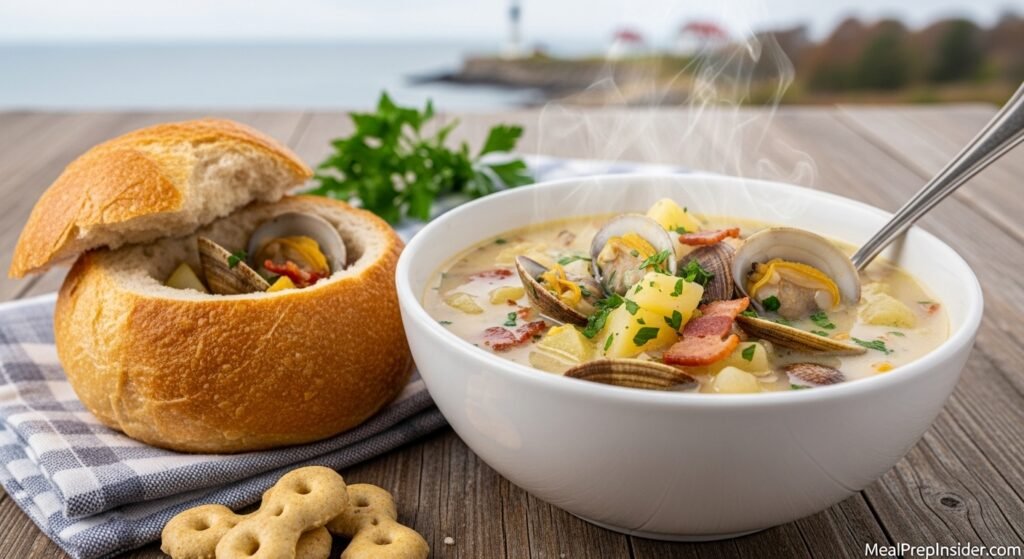
Skip the bread bowl presentation. Bread bowls add 300-500 calories of refined carbohydrates. The sourdough might taste amazing, but it transforms chowder from a meal into a calorie bomb. Get your chowder in a regular cup or bowl.
Hold the crackers and bread on the side. Those “complimentary” crackers add empty calories and sodium. If you need something crunchy, use one or two crackers rather than the whole packet.
Choose restaurants known for quality ingredients. Seafood-focused restaurants near coasts typically use fresher clams and better ingredients overall. Tourist-trap chains often cut corners with canned products and excessive cream.
Check nutrition information when available. Chain restaurants must provide nutritional data. Review it before ordering to understand what you’re getting. The numbers might shock you enough to reconsider.
Balance the rest of your meal. If you’re having chowder, skip other high-sodium, high-fat items. Order grilled fish or a salad as your main course. Don’t compound the issue with fried foods or heavy sauces.
Healthier Clam Chowder Recipe to Try
This version delivers authentic flavor while cutting calories, fat, and sodium significantly. You won’t mistake it for diet food, but it’s substantially healthier than restaurant versions.
Ingredients:
- 2 pounds fresh clams or 3 cans (6.5 oz each) chopped clams with juice
- 4 cups low-sodium seafood or vegetable stock
- 2 cups Yukon gold potatoes, diced small
- 1 cup celery, chopped
- 1 cup onion, diced
- 3 cloves garlic, minced
- 1 cup half-and-half
- 1/2 cup plain Greek yogurt
- 2 tablespoons olive oil
- 2 tablespoons flour (or cornstarch for gluten-free)
- 2 bay leaves
- 1 teaspoon fresh thyme
- 1/2 teaspoon white pepper
- 1/4 teaspoon smoked paprika
- Fresh parsley for garnish
- Salt to taste (likely need very little)
Directions:
If using fresh clams, steam them in 1 cup of stock until they open. Remove meat and chop. Reserve all liquid.
Heat olive oil in a large pot over medium heat. Add onion and celery, cooking until softened, about 5 minutes. Add garlic and cook one minute more.
Sprinkle flour over vegetables and stir to coat. Cook for 2 minutes, stirring constantly.
Slowly whisk in the remaining stock and the reserved clam liquid. Add potatoes, bay leaves, thyme, and white pepper.
Bring to a boil, then reduce the heat and simmer until potatoes are tender, about 15 minutes.
Remove from heat. Take out about 1 cup of the potato mixture and blend until smooth. Return to the pot for thickness.
Stir in half-and-half, Greek yogurt, and chopped clams. Heat gently without boiling (boiling can make yogurt separate).
Add smoked paprika. Taste and adjust seasoning with minimal salt if needed.
Serve garnished with fresh parsley.
Nutritional Information Per Serving (makes 6 servings):
- Calories: 240
- Total Fat: 9g
- Saturated Fat: 3.5g
- Sodium: 380mg
- Carbohydrates: 22g
- Fiber: 2g
- Protein: 18g
This version cuts calories by nearly half compared to restaurant chowder. Sodium drops by 70% or more. You’ll still enjoy creamy texture and authentic flavor.
The Clam Chowder Pitfalls People Fall Into
Smart people make predictable errors with chowder. Recognizing these patterns helps you avoid them.
Treating soup as a free food because it’s “just soup.”
Soup carries a health halo it doesn’t always deserve. People consume large portions of chowder, thinking soup equals healthy by default. This assumption ignores the cream, butter, and sodium that make chowder nutritionally similar to other indulgent foods.
Ignoring what comes with the chowder
The crackers, bread, or bread bowl aren’t neutral additions. They significantly increase the total calorie and carbohydrate load. Many people focus solely on the chowder itself while mindlessly eating accompaniments.
Believing “seafood” automatically means healthy
Clams themselves are nutritious, but that doesn’t mean clam chowder is automatically healthy. The preparation method matters more than the base ingredient. Deep-fried fish and grilled fish both count as seafood, but their health profiles differ dramatically.
Assuming homemade is always better
Homemade can be better, but only if you modify traditional recipes. Following grandma’s original recipe with cups of heavy cream doesn’t create healthy food. Homemade gives you control, but you have to exercise it.
Drinking the entire bread bowl of liquid
After eating the bread bowl itself, some people tip it back to drink the remaining chowder. This adds unexpected calories and sodium beyond the already substantial amounts consumed. You’ve essentially had a double portion.
Ordering chowder as an appetizer plus a heavy entree
Chowder contains enough calories to be a light meal. Adding it before a full entree creates a meal with 1,500+ calories easily. The appetizer designation doesn’t change its caloric density.
Not accounting for frequency
Having chowder occasionally creates minimal health impact. Eating it twice weekly or more creates a pattern that affects overall diet quality. Frequency matters as much as portion size.
Believing low-fat or reduced-sodium versions are healthy
These modified versions improve on the originals but still contain concerning amounts of sodium or calories. “Better than terrible” doesn’t equal “good.” They’re a step in the right direction, not a green light.
What Nutrition Experts Really Think About Clam Chowder
Dietitians don’t universally condemn or celebrate chowder. Their perspectives are more nuanced than you’d expect.
Most registered dietitians acknowledge the protein and micronutrient benefits. They recognize that clams deliver valuable nutrients that many Americans lack. The iron and B12 are of particular interest to nutrition professionals working with clients who have deficiencies.
However, they consistently flag the sodium as the biggest concern. Excess sodium contributes to hypertension, which affects nearly half of American adults. In their view, the sodium in restaurant chowder outweighs most benefits for the general population.
Saturated fat creates another professional concern. Current evidence links saturated fat to increased cardiovascular disease risk. Dietitians typically recommend limiting saturated fat, making cream-based chowders problematic for regular consumption.
The context matters significantly to nutrition experts. They distinguish between occasional enjoyment and regular consumption. Having chowder once a month creates minimal impact. Weekly consumption affects overall dietary patterns meaningfully.
Many dietitians suggest Manhattan clam chowder as a compromise. This recommendation appears frequently in nutrition blogs and counseling sessions. The tomato base provides similar satisfaction for some people with dramatically better nutritional stats.
Homemade modifications receive enthusiastic support. Nutrition professionals actively encourage cooking at home with recipe adjustments. They view this as the best way to enjoy chowder while managing health concerns.
The psychological aspects receive consideration from modern dietitians. Rigid food rules and complete restrictions often backfire. Many practitioners advocate for occasional indulgence in foods people love, including chowder, within an overall healthy pattern.
Cultural and regional food traditions are respected. Dietitians working in New England understand that clam chowder represents more than just nutrition. They work with clients to find sustainable approaches that honor food traditions while supporting health goals.
RELATED POST >> What Does Clam Chowder Taste Like? I Will Be Sincere
Clam Chowder Compared to Other Creamy Soups
How does chowder stack up against similar comfort soups? The comparison reveals interesting patterns.
Clam Chowder vs. Potato Soup
Potato soup typically contains 250-400 calories per serving with similar fat content. The main difference is protein—clam chowder delivers significantly more. Sodium levels run comparable in restaurant versions. Potato soup misses the iron, B12, and selenium from clams.
Clam Chowder vs. Lobster Bisque
Lobster bisque often exceeds clam chowder in calories, running 400-550 per serving. Fat content tends to be higher because bisque uses more cream and often incorporates sherry or wine reduced with butter. Sodium levels stay similarly high. Protein amounts are comparable. Bisque costs substantially more.
Clam Chowder vs. Chicken and Wild Rice Soup
Chicken and wild rice soup contains 200-350 calories typically. Fat content runs lower unless made with excessive cream. Sodium levels in restaurant versions match clam chowder. Protein amounts are similar. The wild rice adds more fiber. This soup generally rates healthier overall.
Clam Chowder vs. Broccoli Cheddar Soup
Broccoli cheddar soup delivers 300-450 calories per serving with substantial saturated fat from cheese and cream. Sodium levels tend to be equally high. Protein is moderate. The broccoli adds vitamins K and C plus fiber. Neither wins a health competition, but broccoli cheddar offers different micronutrients.
Clam Chowder vs. French Onion Soup
French onion soup ranges from 300 to 500 calories, depending on the amount. The broth base keeps it lighter than cream soups, but the cheese and bread add fat and calories. Sodium levels run extremely high. Protein comes primarily from cheese. The onions provide some antioxidants. Health-wise, they’re roughly equivalent.
Clam Chowder vs. Butternut Squash Soup
Butternut squash soup made without cream contains just 150-200 calories. Cream versions reach 250-350 calories. Fat content stays much lower even in creamy versions. Sodium is typically more moderate. However, protein amounts are minimal. The squash provides vitamin A, fiber, and antioxidants. This represents a healthier choice overall.
The pattern shows that cream-based soups generally create similar nutritional challenges. The specific ingredients determine whether you get valuable nutrients along with the calories and sodium.
Should You Give Up Clam Chowder Entirely?
Probably not, unless you have specific health conditions requiring complete avoidance.
For most people, clam chowder fits into a healthy diet as an occasional food. The keyword is occasional. Defining “occasional” matters—monthly or a few times yearly makes sense. Weekly consumption creates patterns that undermine health goals.
The preparation method determines whether it’s reasonable. Homemade chowder made with the modifications discussed earlier becomes much more defensible. Restaurant and canned versions should be rare indulgences rather than regular choices.
Your overall dietary pattern provides context. If you generally eat nutritious foods with plenty of vegetables, reasonable portions, and limited processed foods, periodic chowder won’t derail your health. If your diet already includes excessive sodium, saturated fat, and calories, adding chowder compounds existing problems.
Personal health status affects the equation. People with high blood pressure, heart disease, or high cholesterol need to be more restrictive. Those managing these conditions should save chowder for truly special occasions and choose the lightest preparations available.
Individual values and priorities play a role. Some people value culinary experiences and cultural traditions enough to accept some health tradeoffs. Others prioritize optimal nutrition and prefer to avoid problematic foods. Neither approach is inherently wrong.
Satisfaction and sustainability matter more than perfection. If completely avoiding chowder makes you feel deprived and leads to eventual overindulgence, occasional controlled portions work better. Sustainable eating patterns beat rigid rules you can’t maintain.
The pleasure factor deserves consideration. Food provides more than just nutrients—it offers enjoyment, social connection, and cultural participation. A food that brings significant pleasure might be worth the nutritional tradeoffs in moderation.
Creative Ways to Enjoy Clam Flavor With Less Baggage
You can satisfy clam cravings with alternatives that deliver similar satisfaction.
Steamed clams with broth
Order steamed clams in white wine and garlic broth at restaurants. You’ll get pure clam flavor, plenty of protein, and the minerals clams provide without heavy cream. Dip good bread in the broth for a satisfying meal with far fewer calories.
Manhattan clam chowder made lighter
Embrace the tomato-based version and make it even healthier by loading it with vegetables. Add carrots, zucchini, bell peppers, and extra celery. You’ll create a filling, nutritious soup that satisfies without cream.
Clam pasta with white wine sauce
Linguine with white clam sauce provides similar flavors in a different form. Use olive oil instead of butter, lots of garlic, white wine, clam juice, and fresh clams. Add parsley and red pepper flakes. You’ll get satisfaction without cream-based soup issues.
Clam dip with vegetables
Make a lightened clam dip using Greek yogurt instead of sour cream and cream cheese. Serve with raw vegetables instead of chips. You’ll enjoy clam flavor as a snack with better nutrition.
Clam risotto portion-controlled
Risotto offers a creamy texture without cream. Use clam juice and white wine for liquid, add fresh clams near the end, and finish with a small amount of Parmesan. Serve a proper portion (about 1 cup) as a side dish.
Grilled or roasted clams
Try clams prepared simply—grilled with herb butter, roasted with breadcrumbs and garlic, or baked with a small amount of cheese. These preparations highlight clam flavor without the soup’s excess sodium and calories.
New England clam chowder shooters
Make traditional chowder but serve it in small shot glasses as an appetizer. The tiny portion lets you enjoy authentic flavor without consuming a full bowl. Two or three ounces delivers the experience without excessive intake.

Is Clam Chowder Healthy: Frequently Asked Questions
Is clam chowder good for weight loss?
Not particularly. Restaurant clam chowder contains too many calories and not enough volume to support weight loss effectively. A bowl might contain 600-900 calories, but it won’t keep you full for long. The high fat content packs calories into a relatively small serving. If you’re trying to lose weight, choose lower-calorie, higher-volume foods. However, homemade lightened versions could work occasionally as part of a calorie-controlled plan.
Can diabetics eat clam chowder?
Diabetics can eat clam chowder in moderation with some caveats. The potatoes create a glycemic load that affects blood sugar. The saturated fat may worsen insulin resistance over time. Portion control becomes critical—a small cup rather than a large bowl. Pairing it with protein and vegetables helps moderate the blood sugar impact. Homemade versions with more clams and vegetables, fewer potatoes, and controlled portions work better than restaurant versions.
Does clam chowder have a lot of cholesterol?
Yes, clam chowder contains significant dietary cholesterol from the clams themselves—typically 80-120mg per serving. However, dietary cholesterol affects blood cholesterol less than previously thought for most people. The saturated fat from cream and butter creates bigger concerns for cholesterol levels than the cholesterol in the clams. If you’re managing high cholesterol, the saturated fat matters more than the dietary cholesterol.
Is canned clam chowder as healthy as homemade?
No, canned clam chowder generally rates worse nutritionally than homemade. Sodium levels in canned versions typically exceed those in homemade by significant margins due to preservation needs. The clam content often runs lower, with more filler ingredients. Preservatives and stabilizers add chemicals you’d never use at home. However, canned chowder beats restaurant versions on portion control since you can measure servings precisely.
What’s the healthiest clam chowder you can buy?
Among commercial options, look for brands like Bar Harbor, Pacific Foods, or Amy’s Kitchen that prioritize quality ingredients. Choose reduced-sodium versions when available. Manhattan clam chowder from these brands beats New England style nutritionally. Read labels carefully—sodium content varies wildly between brands. The healthiest option you can buy is still less healthy than a well-made homemade version with ingredient modifications.
How often can you safely eat clam chowder?
For most healthy adults, once or twice monthly fits into a balanced diet without causing problems. People with hypertension, heart disease, or high cholesterol should limit consumption to special occasions only—perhaps monthly or less. The frequency depends on portion size and preparation method, too. A cup of lightened homemade chowder could be weekly, while a large bowl of restaurant chowder should be monthly or less.
Does clam chowder count as a serving of seafood?
It depends on the clam content. To count as a seafood serving, you’d need about 3-4 ounces of cooked clams. Many restaurant chowders contain less than this per bowl, relying on cream and potatoes for volume. Quality versions with generous clam amounts could count, but budget versions probably don’t contain enough actual seafood. Check or ask about clam content before counting it toward your seafood goals.
Is it safe to eat clam chowder during pregnancy?
Generally, yes, with precautions. Clams should be thoroughly cooked, which they are in chowder. The high iron and B12 content actually benefits pregnancy. However, pregnant women should be more careful about sodium intake due to blood pressure concerns. The bacteria risk from undercooked seafood doesn’t apply to properly prepared hot chowder. Choose reputable restaurants with high turnover to ensure freshness. Homemade with fresh clams is safest.
Can you make clam chowder dairy-free?
Absolutely. Replace dairy with coconut milk for a creamy texture. Full-fat coconut milk mimics heavy cream’s richness. Some people use cashew cream made from soaked cashews blended with water. Nutritional yeast adds savory depth that partially replaces cheese flavor. Dairy-free versions won’t taste identical, but create their own appealing flavor profile. They’ll be lower in saturated fat than traditional versions.
Does reheated clam chowder lose nutritional value?
Reheating doesn’t significantly affect most nutrients in clam chowder. Protein, minerals, and fats remain stable with reheating. Some vitamin C and B vitamins may degrade slightly, but the losses are minimal with proper reheating. The bigger issue is food safety—refrigerate leftover chowder within two hours and reheat to 165°F to kill any bacteria. From a nutrition perspective, leftover chowder is nearly equivalent to freshly made.
Is there a keto-friendly clam chowder option?
Yes, keto clam chowder works well since the traditional ingredients fit keto macros. Use heavy cream freely, skip or minimize potatoes, and thicken with xanthan gum instead of flour. Increase the clam content for protein. Add extra butter for fat. The result actually becomes more keto-friendly than low-fat versions. However, sodium remains a concern even on keto diets, so don’t ignore salt levels.
What makes clam chowder smell fishy, and is that normal?
Fresh clam chowder should smell briny and slightly sweet, not strongly fishy. A fishy smell indicates old clams or improper storage. Fresh clams smell like clean ocean water. If chowder smells unpleasantly fishy, don’t eat it—the clams were likely past their prime. Quality chowder has a mild, appealing aroma. Strong fish odors signal safety concerns, not just quality issues.
Final Thoughts on Clam Chowder and Your Health
Is clam chowder healthy? The honest answer lands somewhere between “not really” and “it depends.”
Restaurant clam chowder definitely doesn’t qualify as health food. The sodium alone disqualifies it for regular consumption. The saturated fat creates cardiovascular concerns. The calories add up faster than most people realize.
But context changes everything.
An occasional bowl doesn’t destroy an otherwise healthy diet. The protein, iron, and B12 provide genuine nutritional value. Satisfaction and enjoyment contribute to the overall quality of life.
Homemade versions modified for better nutrition become much more defensible. You can create chowder that delivers authentic flavor while cutting sodium by 70%, saturated fat by 50%, and calories by 40%. These modifications transform it from problematic to occasional-food territory.
Manhattan clam chowder offers a lighter alternative that many people overlook. The tomato base provides different but equally appealing satisfaction for people willing to break from cream-based tradition.
Your personal health status matters more than general advice. Someone with perfect blood pressure and cholesterol can handle chowder more freely than someone managing cardiovascular disease. Individualize your approach based on your lab results and health conditions.
The bigger pattern matters most. One food doesn’t make or break health. Your overall dietary pattern, exercise habits, stress management, and sleep quality create health outcomes. Chowder is one piece of a much larger picture.
Enjoy clam chowder when it truly matters to you. Skip it when it’s just convenient or unremarkable. Save it for the best versions from quality restaurants or homemade batches. Make it count rather than consuming mediocre versions mindlessly.
Cook it at home when possible. The control you gain over ingredients transforms the nutritional profile dramatically. You’ll likely find that homemade versions taste better anyway once you develop the skill.
Balance indulgence with intention. Know what you’re eating. Understand the tradeoffs. Make conscious choices rather than defaulting to old habits.
That bowl of clam chowder isn’t your enemy. It’s not healthy food either. It’s somewhere in between—a comfort food with some redeeming qualities that fits into a healthy life when approached thoughtfully.
SUGGESTED POST >> Rhode Island Clam Chowder Recipe: Favorite Delicious Soup
Discover more from Meal Prep Insider
Subscribe to get the latest posts sent to your email.