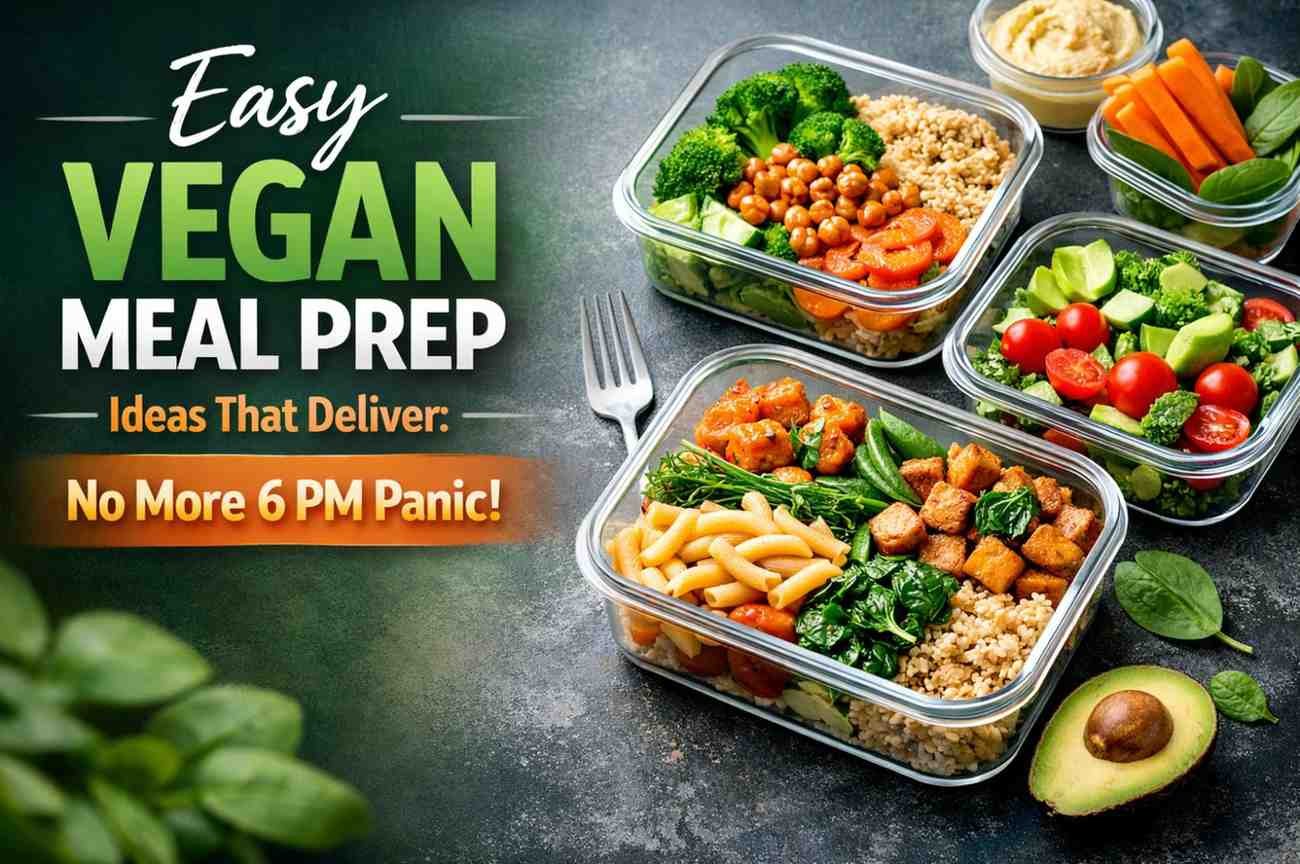
Looking for practical vegan meal prep ideas that actually work for your week? This guide covers easy recipes, smart strategies, and real tips to keep your plant-based meals fresh, fast, and flavorful — without spending your entire Sunday in the kitchen.
Vegan Meal Prep Ideas That Actually Make Your Week Easier
Let’s be real. Most people don’t fail at eating vegan because the food is bad. They fail because life gets busy, and when 6 PM hits, and you’ve got nothing ready, the drive-through wins every time.
Meal prep fixes that.
It doesn’t have to be complicated. You don’t need to cook for five hours or fill your fridge with twelve matching containers. What you need is a loose plan, a few solid recipes, and the right mindset going in.
This guide will walk you through all of it — from what to prep first to how to keep things from getting boring by Wednesday.
Why Vegan Meal Prep Is Worth Your Time
The biggest benefit isn’t health, surprisingly. It’s decision fatigue. When your meals are already figured out, you stop wasting mental energy every day trying to figure out what to eat.
That matters more than people give it credit for.
On top of that, vegan ingredients — grains, legumes, vegetables, and sauces — hold up really well in the fridge. Better than meat-based meals in many cases. A pot of lentil soup made on Sunday tastes just as good on Thursday, sometimes better. Flavors have more time to develop.
Cost is another reason. Dried beans, rice, oats, sweet potatoes — these are some of the cheapest foods at any grocery store in the country. Meal prepping with them means you stretch your grocery budget without sacrificing much at all.
What to Prep First: Building Your Base
Before you cook anything specific, think in terms of building blocks. Not full meals. Building blocks.
These are things that work across multiple dishes throughout the week.
Grains are your foundation. Cook a big batch of brown rice, quinoa, farro, or barley at the start of the week. One grain, one pot, done. From there, you can use it as a base for bowls, stir it into soups, toss it with roasted vegetables, or eat it with a fried egg if you’re not fully plant-based.
Legumes are your protein. Chickpeas, black beans, lentils, white beans — all of them prep beautifully. If you’re using canned, just drain and rinse them. If you’re cooking from dried, a big batch on Sunday lasts all week easily.
Roasted vegetables are your workhorse. Pick two or three vegetables, cut them up, toss with olive oil and salt, and roast at 400°F until they’re golden and slightly caramelized. Broccoli, cauliflower, sweet potato, zucchini, Brussels sprouts — all great options.
With just those three things, you can put together a solid meal in under five minutes any day of the week.
Vegan Meal Prep Ideas for Breakfast
A lot of people skip breakfast prep entirely, which is a mistake. Morning is usually the most rushed part of the day.
Overnight oats are the obvious one, but they work because they actually work. Mix rolled oats with plant-based milk, a spoonful of chia seeds, a little maple syrup, and whatever fruit you like. Seal it in a jar and refrigerate overnight. Prep five jars on Sunday, and breakfast is handled for the whole week.
Rotate your toppings to avoid boredom. Sliced a banana and put peanut butter on it one day. Frozen mixed berries and coconut flakes next. A swirl of almond butter and dark chocolate chips when you’re feeling indulgent.
Chia pudding is another make-ahead breakfast worth knowing. Three tablespoons of chia seeds in a cup of coconut milk. Stir well, refrigerate overnight, and by morning, it’s thick and creamy. Add mango, kiwi, or a drizzle of tahini on top.
Breakfast burritos are ideal if you want something warm and filling. Scramble tofu with bell peppers, onion, and black beans. Season with cumin, garlic powder, smoked paprika, and nutritional yeast. Wrap in a flour tortilla, foil each one individually, and freeze them. Pull one out the night before and heat it in the morning.
That’s a real, filling breakfast. Takes less than two minutes once they’re prepped.
Vegan Lunch Prep Ideas
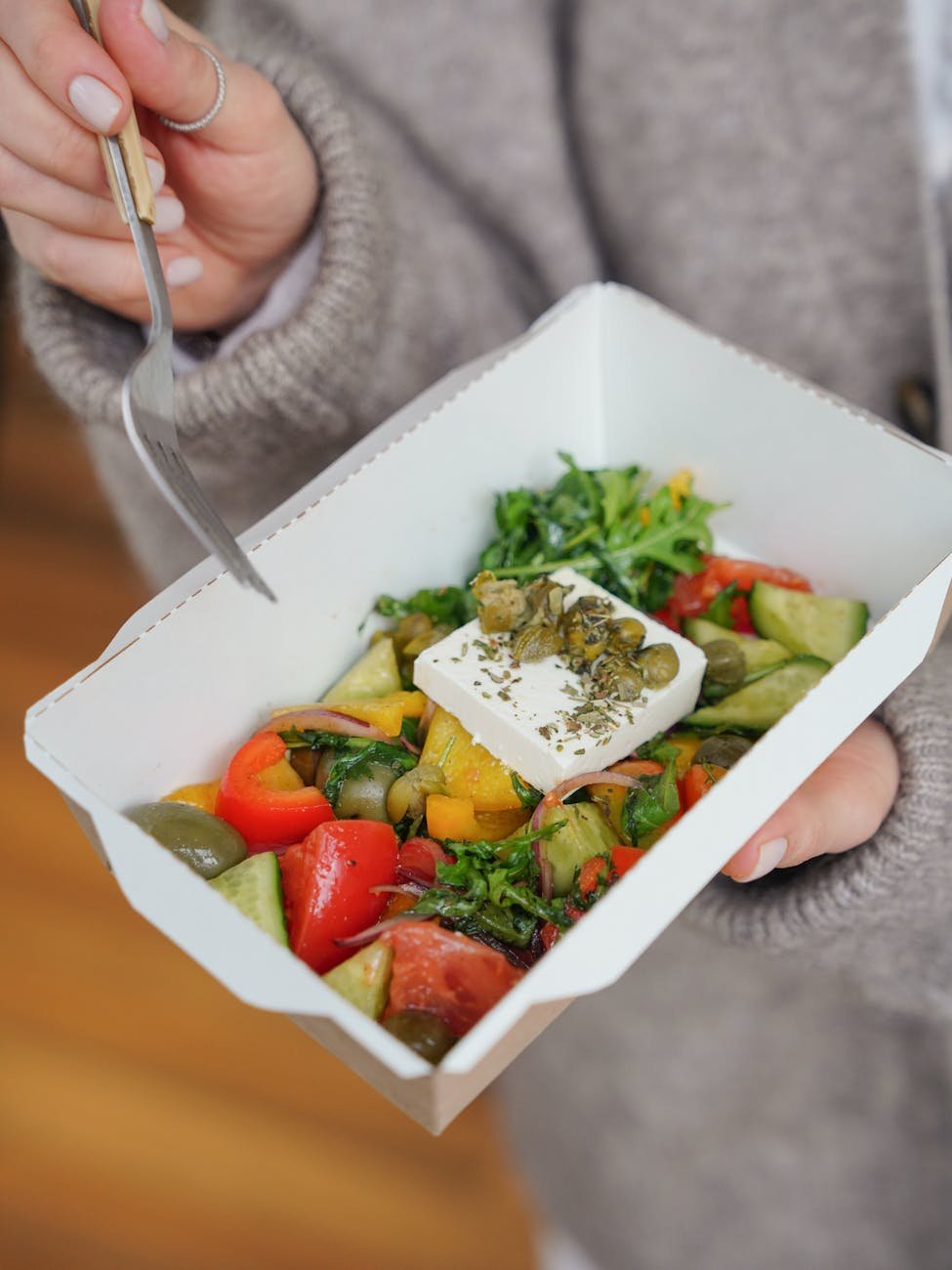
Lunch is where most meal prep systems fall apart. People get bored fast. The trick is building lunches that feel fresh even when they’re not.
Mason jar salads are a well-known trick for a reason. Layer the dressing at the bottom, then hard vegetables, then grains or beans, then softer greens on top. When you flip the jar to serve, everything gets coated, but nothing gets soggy. They stay good for up to four days in the fridge.
A solid combination: lemon tahini dressing at the bottom, then cucumber and cherry tomatoes, then chickpeas and quinoa, then spinach on top. Simple. Takes maybe ten minutes to make a week’s worth.
Buddha bowls are flexible by design. Start with a grain, add a protein (roasted chickpeas, edamame, or marinated tofu), pile on roasted and fresh vegetables, then add a sauce. The sauce is what makes or breaks it. Miso ginger dressing, peanut sauce, or a simple lemon-garlic tahini all work great.
Prep each component separately and mix them fresh at lunchtime. They stay better that way. Soggy bowls are nobody’s friend.
Lentil soup is one of those prep staples that never gets old. Red lentils cook down into a thick, naturally creamy soup with almost no effort. Sauté onion, garlic, and carrot. Add red lentils, canned tomatoes, vegetable broth, cumin, and turmeric. Let it simmer. Done. It freezes well, too, if you want to make a double batch.
Vegan Dinner Prep Ideas
Dinner prep is less about cooking full meals ahead and more about cutting down the cooking time on weeknights.
Sheet pan meals are your best friend here. Everything goes on one pan, goes into the oven, and you’re mostly hands-off while it cooks. Toss chickpeas with olive oil, smoked paprika, and garlic powder on one side of the pan. On the other side, add broccoli florets and cubed sweet potato with the same seasoning. Roast at 425°F for 25 to 30 minutes. Serve over rice with tahini drizzled on top.
Prep the chickpeas and chop the vegetables ahead of time. On weeknights, assembly takes three minutes.
Tofu stir fry is another reliable dinner. Press firm tofu, cube it, and pan-fry until golden on all sides. This part can be done in advance — cooked tofu keeps in the fridge for four days. When it’s time to eat, toss it with whatever vegetables you have and a sauce made from soy sauce, sesame oil, rice vinegar, garlic, and a little cornstarch to thicken. Serve over rice.
The whole thing takes maybe fifteen minutes on a weeknight when your tofu is already cooked.
Vegan chili is one of the best prep meals out there. It feeds a crowd, it freezes perfectly, and it tastes better the longer it sits. Use kidney beans, black beans, canned tomatoes, corn, onion, garlic, and a solid mix of chili powder, cumin, and oregano. Let it simmer low and slow. Top with avocado, cilantro, and a squeeze of lime.
Make a big pot over the weekend. You’ll have lunches and dinners covered for days.
Sauces and Dressings: The Underrated Part of Meal Prep
Nobody talks about this enough. The right sauce can turn a boring bowl of rice and vegetables into something you actually look forward to eating.
Make at least two sauces when you prep. Here are a few that keep well in the fridge:
Tahini lemon dressing — tahini, lemon juice, garlic, water, a pinch of salt. Whisk together. Add more water until you get a pourable consistency. This goes on everything.
Peanut sauce — peanut butter, soy sauce, lime juice, garlic, a little sriracha, and warm water to loosen it up. Good on noodles, spring rolls, tofu, or roasted vegetables.
Miso ginger dressing — white miso paste, rice vinegar, sesame oil, fresh ginger, and a touch of maple syrup. Bright, savory, and a little funky in the best way.
Cashew cream — blend soaked cashews with water, lemon juice, and nutritional yeast until smooth. Use it like a cream sauce over pasta or grain bowls. It’s rich and honestly pretty satisfying.
These sauces keep for a week in the fridge. Having them ready changes the whole game.
Vegan Snack Prep
Snacks don’t need a ton of prep, but having something ready means you’re less likely to reach for something terrible at 3 PM.
Roasted chickpeas are crunchy, high in protein, and dead simple. Drain and dry a can of chickpeas. Toss with olive oil, salt, and whatever spice you want — cumin, chili powder, garlic powder. Roast at 400°F for 30 to 35 minutes until crispy. Eat them like chips.
Energy balls are a good make-ahead snack for people who want something sweet. Blend dates, oats, peanut butter, and a handful of dark chocolate chips. Roll into balls and refrigerate. They last about a week and feel more satisfying than most store-bought snacks.
Hummus is better homemade, and it’s genuinely easy to make. One can of chickpeas, two tablespoons of tahini, one clove of garlic, lemon juice, and a little olive oil in a blender. Blend until smooth. Done. Serve with cucumber, carrot sticks, or pita bread.
How to Store Everything Without Wasting Food
Storage matters more than most people think.
Glass containers are worth the investment. They don’t absorb smells or stains, they’re microwave-safe, and they actually seal well. Plastic containers work too, but tend to hold on to odors after a while.
Keep sauces and dressings in small jars separate from everything else. Don’t dress salads until you’re ready to eat them.
Label things. Even if it feels unnecessary. Sharpie on masking tape takes five seconds and saves you from playing “what is this?” with mystery containers a week later.
Most prepped vegan meals last four to five days in the fridge. Cooked grains last about five days. Roasted vegetables, four days. Soups and stews, five to six days. Tofu once cooked, four days.
Freeze what you won’t eat within that window. Chili, soups, burrito filling, and cooked beans all freeze great.
Common Mistakes People Make With Vegan Meal Prep
Prepping too much at once. It sounds counterintuitive, but making too much food leads to food fatigue. You start dreading meals by midweek. Keep it to two or three different options, not six.
Not seasoning well enough. Bland food is the reason a lot of people give up on vegan eating entirely. Season generously. Taste as you go. Don’t be afraid of salt, acid, and fat — those three things make plant-based food taste good.
Skipping protein. It’s easy to end up with bowls full of grains and vegetables, but not enough protein. Make sure every meal has a meaningful protein source — beans, lentils, tofu, tempeh, edamame, or hemp seeds.
Forgetting variety in textures. All soft food gets boring fast. Make sure you have something crunchy — roasted chickpeas, seeds, toasted nuts, or raw vegetables — alongside softer elements.
A Simple Sunday Meal Prep Routine
Here’s what a basic two-hour Sunday prep session might look like:
Start by putting a pot of grains on the stove. While that cooks, prep your vegetables and get them into the oven. While those roast, cook a pot of beans or open and drain a few cans. Make two sauces while everything else does its thing. Then prep your breakfast jars and snacks last.
By the time you’re cleaning up, you’ll have a week’s worth of meals ready in the fridge. It’s not glamorous. But it works.
FAQs
How long does vegan meal prep last in the fridge? Most cooked vegan meals last four to five days when stored properly in sealed containers. Soups and stews can last for six days. If you’re not going to eat something within that window, freeze it.
Is vegan meal prep actually cheaper? Yes, significantly. Legumes, grains, and vegetables are among the most affordable foods at any grocery store. A week of vegan meal prep can cost $30 to $50 for one person, depending on where you shop and what you buy.
Can I meal prep vegan food without it getting boring? Absolutely. The key is rotating your sauces and seasonings rather than changing the core ingredients every week. The same base of rice, beans, and roasted vegetables tastes completely different with tahini dressing, peanut sauce, versus miso ginger.
What’s the best protein source for vegan meal prep? Lentils and chickpeas are the most versatile and easiest to prep in large batches. Tofu and tempeh are great if you want something with more texture. Hemp seeds and edamame are convenient high-protein add-ons that don’t require cooking.
Do I need special equipment for vegan meal prep? Not really. A large pot, a sheet pan, a good knife, and a blender or food processor cover most of it. Glass meal prep containers are a worthwhile buy, but not strictly necessary to get started.
Can vegan meals be frozen for longer storage? Yes. Most soups, stews, chili, and cooked beans freeze very well for up to three months. Grains freeze okay, but can change texture slightly. Roasted vegetables don’t freeze particularly well — they tend to go mushy. Best to eat those fresh.
How do I stop vegan food from tasting bland? Season in layers. Salt your vegetables before roasting. Add acid — lemon juice, lime juice, or vinegar — to finish a dish. Use umami-rich ingredients like miso, soy sauce, nutritional yeast, or tomato paste. And don’t skip the fat: olive oil, tahini, peanut butter, and avocado all make plant-based food taste richer and more satisfying.
Meal prep isn’t about perfection. It’s about having something decent to eat when you’re tired and don’t feel like thinking. Even a half-done prep session — just some grains and a sauce — puts you in a better position than starting from nothing every night.
Start small. Pick one or two things to prep this week. Build from there.