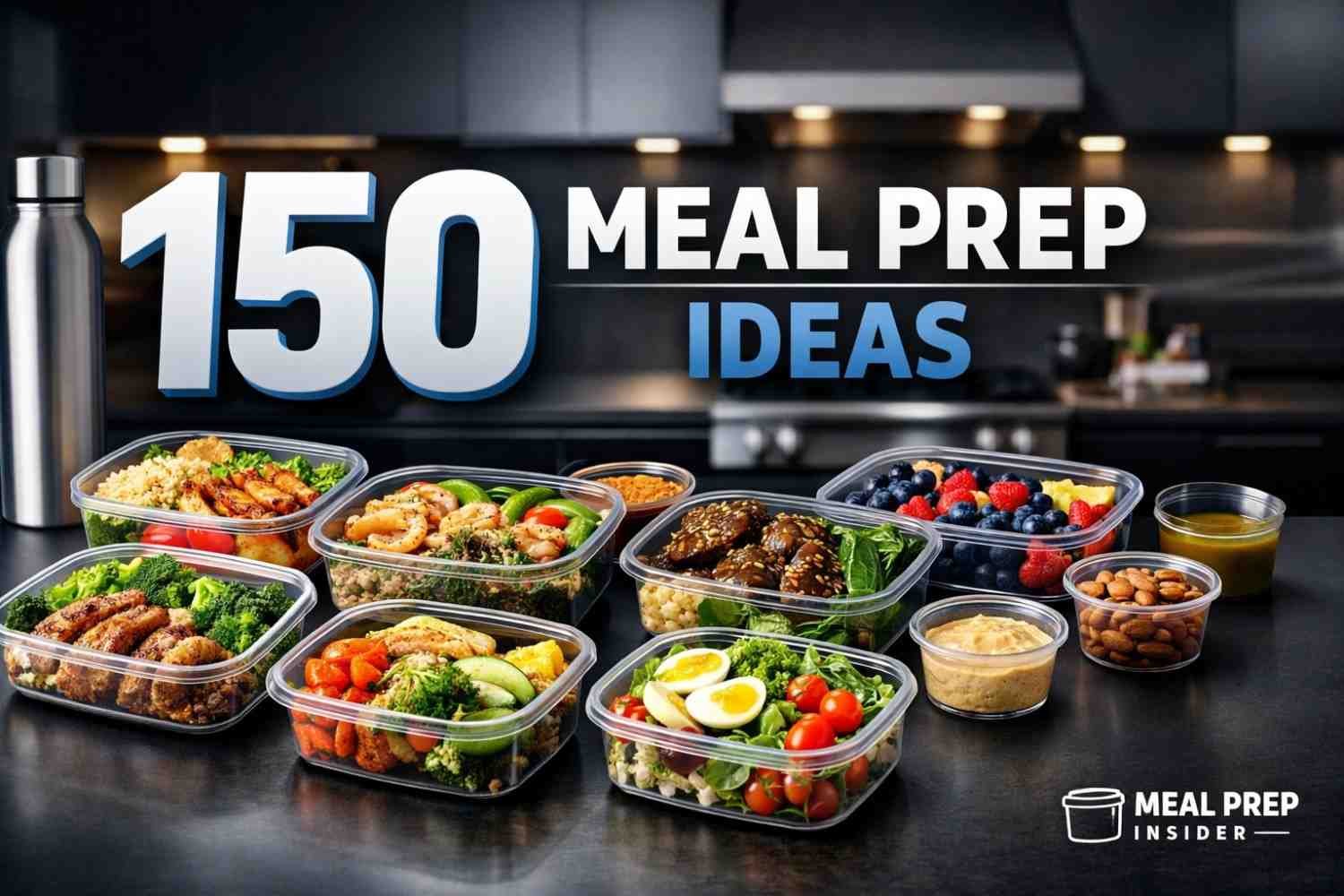
Stuck on what to prep this week? These 150 meal prep ideas cover breakfast, lunch, dinner, snacks, and budget-friendly options that actually work for real American kitchens and busy schedules.
Meal Prep Ideas
Meal prep used to be a niche thing. The kind of habit that fitness influencers swore by, while the rest of us ate cereal for dinner on a Tuesday.
Not anymore.
Millions of Americans now spend a few hours on Sunday — or whatever day works — to set themselves up for a smoother, cheaper, and, honestly, less stressful week. And the best part? You don’t need to be a great cook. You just need a plan.
This list gives you 150 real, practical meal prep ideas across every category you need. Breakfast, lunch, dinner, snacks, soups, sauces, and more. Ideas for families, solo households, people on tight budgets, and people with dietary restrictions.
No fluff. Just food.
Why Meal Prep Works (When You Do It Right)
Most people fail at meal prep because they try to do too much at once. They prep seven different lunches, three dinners, and snacks for the whole family in one sitting — and burn out by week two.
The smarter approach is to prep components, not always full meals.
Cook a big batch of rice. Roast a sheet pan of vegetables. Make a versatile protein. Then mix and match throughout the week. That single shift makes meal prep feel less like a chore and more like stocking a personal fridge buffet.
There’s also the financial side. The USDA estimates the average American family of four wastes over $1,500 in food per year. Prepping meals in advance means fewer “I don’t know what to make” moments that end in a $40 takeout order.
Time, money, and less waste. That’s the pitch.
What to Prep First: A Simple Priority System
Before we get into the 150 ideas, it helps to think in categories. Here’s a quick breakdown of the types of meal prep that make the biggest impact:
| Prep Type | What It Includes | Why It Helps |
|---|---|---|
| Batch cooking | Full meals made in large quantities | Saves the most time during the week |
| Component prep | Grains, proteins, veggies prepped separately | Offers flexibility for different meals |
| Freezer prep | Meals made ahead and frozen | Best for longer-term planning |
| Snack prep | Portioned snacks ready to grab | Reduces mindless eating and spending |
| Sauce/base prep | Sauces, dressings, marinades made ahead | Elevates simple meals quickly |
Now — let’s get into the ideas.
Breakfast Meal Prep Ideas (1–30)
Breakfast is the easiest place to start with meal prep. Most options reheat well, freeze beautifully, and take very little effort.
Egg-Based Breakfasts
- Sheet pan scrambled eggs — Cook a full sheet pan of scrambled eggs with your favorite mix-ins (peppers, onions, cheese). Portion into containers. Done in under 20 minutes.
- Egg muffins — Basically, crustless mini quiches. Beat eggs, pour into a greased muffin tin, then fill with fillings, and bake at 350°F for 18–20 minutes. These freeze exceptionally well.
- Breakfast burritos — Scrambled eggs, sausage or black beans, cheese, and salsa wrapped in a flour tortilla. Wrap individually in foil, freeze, and reheat in the microwave or oven.
- Hard-boiled eggs — Old faithful. Boil a full dozen on Sunday and use them all week in salads, as snacks, or on their own.
- Shakshuka base — Make the tomato-pepper sauce ahead, store it in the fridge, and just poach eggs directly in it each morning. Ready in five minutes.
- Frittatas — Similar to egg muffins but baked in a skillet and sliced like a pizza. One frittata feeds four people all week.
- Egg bites — Think Starbucks-style egg bites made at home. Blended eggs with cheese and mix-ins, baked in a water bath for that creamy texture. Cheaper and better than the coffee shop version.
- Denver omelette meal prep — Batch-cook omelettes with ham, peppers, and onions. Reheat gently in a pan or microwave.
- Breakfast casserole — Layer bread, sausage, eggs, and cheese in a baking dish. Bake, slice, refrigerate. The classic American potluck dish works perfectly as weekly prep.
- Boiled egg and avocado containers — Pre-halve avocados, add a spritz of lemon to prevent browning, pair with hard-boiled eggs and salt. Fast, filling, no cooking required once prepped.
Grain and Oat Breakfasts
- Overnight oats — Combine oats, milk (or a milk alternative), chia seeds, and your preferred sweetener in mason jars the night before. Customize with fruit, nut butter, or granola. Keeps up to five days.
- Baked oatmeal — Pour the oat mixture into a baking dish with fruit and a sweetener, bake once, slice, and serve all week. Think oatmeal that holds its shape.
- Grain bowls with eggs — Pre-cook farro, quinoa, or wheat berries. In the morning, top with a soft-boiled egg, greens, and a drizzle of olive oil.
- Steel-cut oats (slow cooker) — Add oats, water, and salt to a slow cooker, cook overnight on low, wake up to a week’s worth of breakfast.
- Chia pudding — Mix chia seeds with coconut milk and a sweetener, let it set overnight. Layer with mango or berries for an indulgent breakfast.
- Granola (homemade) — Toss oats, nuts, seeds, oil, and maple syrup together, bake low and slow. Stays fresh in a jar for two weeks. Miles better than store-bought.
- Breakfast grain salad — Cook farro or barley, toss with dried cranberries, walnuts, and a honey-lemon dressing. Eat cold. Yes, it works.
- Millet porridge — Underrated grain. Cooks quickly, stores well, and has a slightly nutty flavor that pairs well with both sweet and savory toppings.
- Brown rice breakfast bowls — Leftover brown rice topped with a fried egg, kimchi, and sesame oil. Filling and weirdly satisfying at 7 a.m.
- Buckwheat groats — Soak overnight, drain, and eat raw with fruit and honey. Or cook lightly for a warm porridge. High protein, gluten-free.
Quick-Grab Breakfasts
- Smoothie packs — Portion out smoothie ingredients (frozen fruit, spinach, protein powder) into zip-lock bags or containers. In the morning, dump the bag into a blender with liquid. Done in 90 seconds.
- Banana muffins — Make a batch on Sunday. No frosting, no fuss. Just ripe bananas, flour, eggs, oil, and sugar. Freeze half.
- Protein pancakes (stacked and frozen) — Make a full batch, let them cool, stack with parchment between each, freeze. Toast or microwave in the morning.
- Homemade breakfast bars — Oats, honey, peanut butter, and chocolate chips pressed into a pan and refrigerated. Cut into bars. Cheaper than Kind bars.
- Mini quiches (pastry crust) — Make small quiches using store-bought mini pie shells. Fill with egg and veggie mixture, bake, freeze. Pop in the toaster oven in the morning.
- Yogurt parfait cups — Layer Greek yogurt, granola, and berries in individual cups. Seal with plastic wrap. Ready to grab for five days.
- Banana oat cookies — Mash ripe bananas with oats and mix-ins, form into cookies, and bake at 350°F. Two ingredients at the base. No sugar required.
- Almond flour muffins — Gluten-free, denser than standard muffins, and store well. Great for anyone avoiding wheat.
- Toast toppings prepped ahead — Roast a batch of sliced tomatoes, caramelize onions, or prep smashed avocado in a sealed container. Breakfast assembly is faster when toppings are ready.
- Date and nut energy balls — Blend dates, almonds, oats, and cocoa powder. Roll into balls. Refrigerate. Grab two on the way out the door.
Lunch Meal Prep Ideas (31–70)
Lunch is where most Americans reach for delivery or expensive takeout. A solid prepped lunch changes that habit fast.
Salads and Grain Bowls
- Mason jar salads — Layer dressing at the bottom, then hearty vegetables, then greens on top. Keeps for four days without getting soggy.
- Quinoa power bowls — Cooked quinoa topped with roasted chickpeas, cucumber, cherry tomatoes, red onion, and lemon-tahini dressing.
- Farro and roasted veggie bowls — Nutty farro works brilliantly with roasted sweet potatoes, beets, and goat cheese.
- Greek salad with protein — Chopped cucumber, tomato, olives, red onion, feta, and chicken or chickpeas. Keeps well for four days.
- Kale Caesar salad — Kale holds up better than romaine in the fridge. Massage the leaves, toss with Caesar dressing, and add croutons only at the table.
- Cobb salad — Pre-chop all components (egg, bacon, avocado, chicken, tomato) and store separately. Assemble at lunchtime.
- Brown rice and black bean bowls — Add corn, salsa, shredded cheese, and sour cream or Greek yogurt. Basically a deconstructed burrito.
- Tabbouleh — Bulgur wheat, parsley, tomato, cucumber, lemon, and olive oil. Tastes better on day two than day one.
- Wild rice salad with cranberries — Wild rice, dried cranberries, toasted pecans, orange zest, and a simple vinaigrette. Elegant but easy.
- Warm falafel bowls — Make a large batch of falafel, freeze half, and serve over greens with hummus and tzatziki.
Wraps, Sandwiches, and Handheld Lunches
- Chicken Caesar wraps — Flour tortilla, Caesar-dressed romaine, grilled chicken, parmesan. Wrap tightly in foil or plastic.
- Turkey and hummus pinwheels — Spread hummus on a tortilla, add turkey, spinach, and roasted red peppers, roll tightly, and slice into rounds.
- Tuna salad (prepped ahead) — Mix canned tuna with mayo, celery, red onion, and lemon. Store in a container and use on sandwiches or with crackers throughout the week.
- Egg salad — Chopped hard-boiled eggs, mayo, mustard, salt, and dill. Keep in the fridge and serve on whole-grain bread.
- BLT prep components — Cook a full pack of bacon, store slices in the fridge on a paper towel. Wash and dry lettuce. Keep tomatoes on the counter. Assemble fresh.
- Chicken salad wraps — Shredded rotisserie chicken, grapes, celery, mayo, and a little Dijon. Classic American lunch.
- Smashed chickpea wraps — Mash chickpeas with lemon, garlic, and olive oil. Add cucumbers and arugula. A solid plant-based option.
- Buffalo chicken lettuce wraps — Slow-cooked buffalo chicken portioned into containers. Scoop into butter lettuce cups at lunchtime.
- Caprese sandwich prep — Slice fresh mozzarella, store it in olive oil and salt. Build on ciabatta with tomato and basil when ready to eat.
- Deli meat and cheese snack trays — Portion sliced turkey, salami, cheddar, grapes, and crackers into divided containers. No assembly required.
Soups and Stews for Lunch
- Tomato basil soup — Blended, smooth, freezes well. Pair with a grilled cheese sandwich.
- Chicken noodle soup — Make a huge pot and freeze in individual portions. American comfort food, prepped ahead.
- Minestrone — Hearty, vegetable-packed, and improves with age in the fridge.
- Lentil soup — Cheap, filling, high in protein. Season with cumin, turmeric, and lemon juice.
- Black bean soup — Blend half the beans for creaminess. Top with sour cream and cilantro.
- Split pea soup — Old-school American classic. Ham optional.
- Butternut squash soup — Roast the squash first for a deeper flavor. Blend with vegetable broth and nutmeg.
- White bean and kale soup — Italian in flavor, American in convenience. Hearty enough to skip a side.
- Clam chowder base — Make the chowder base without the cream, and add cream when reheating to prevent texture changes.
- Turkey chili — Leaner than beef chili. Make a big batch, freeze in portions, and eat all winter.
Lunches for On-the-Go
- Bento boxes — Divide a container into sections: protein, grain, fruit, and vegetable. The Japanese concept works perfectly for American lunch habits.
- Snack plate lunches — Hard-boiled eggs, cheese cubes, cherry tomatoes, pretzels, hummus, and grapes. No cooking.
- Nut butter and apple boxes — Almond or peanut butter in a small container, sliced apples, a handful of walnuts, and some string cheese.
- Sushi rice with smoked salmon — Seasoned rice, smoked salmon, cucumber, avocado, and soy sauce packets. Easier than actual sushi.
- Stuffed bell peppers (small) — Use mini sweet peppers stuffed with herbed cream cheese or hummus. Snack-sized and tidy.
- Cold sesame noodles — Cook noodles, toss in a sesame-soy sauce, and add cucumbers and scallions. Eat cold. Incredibly good.
- Pasta salad — Rotini, mozzarella pearls, cherry tomatoes, salami, olives, and Italian dressing. The definitive American potluck food is equally good as a prepped lunch.
- Quinoa-stuffed avocados — Halve avocados, fill with seasoned quinoa and salsa. Pre-make the filling; assemble fresh.
- Loaded baked potato bar — Bake potatoes ahead, refrigerate whole. At lunch, microwave and load with toppings.
- Greek pita pockets — Warm pita, chicken, tzatziki, cucumber, and tomato. Keeps well if the sauce is stored separately.
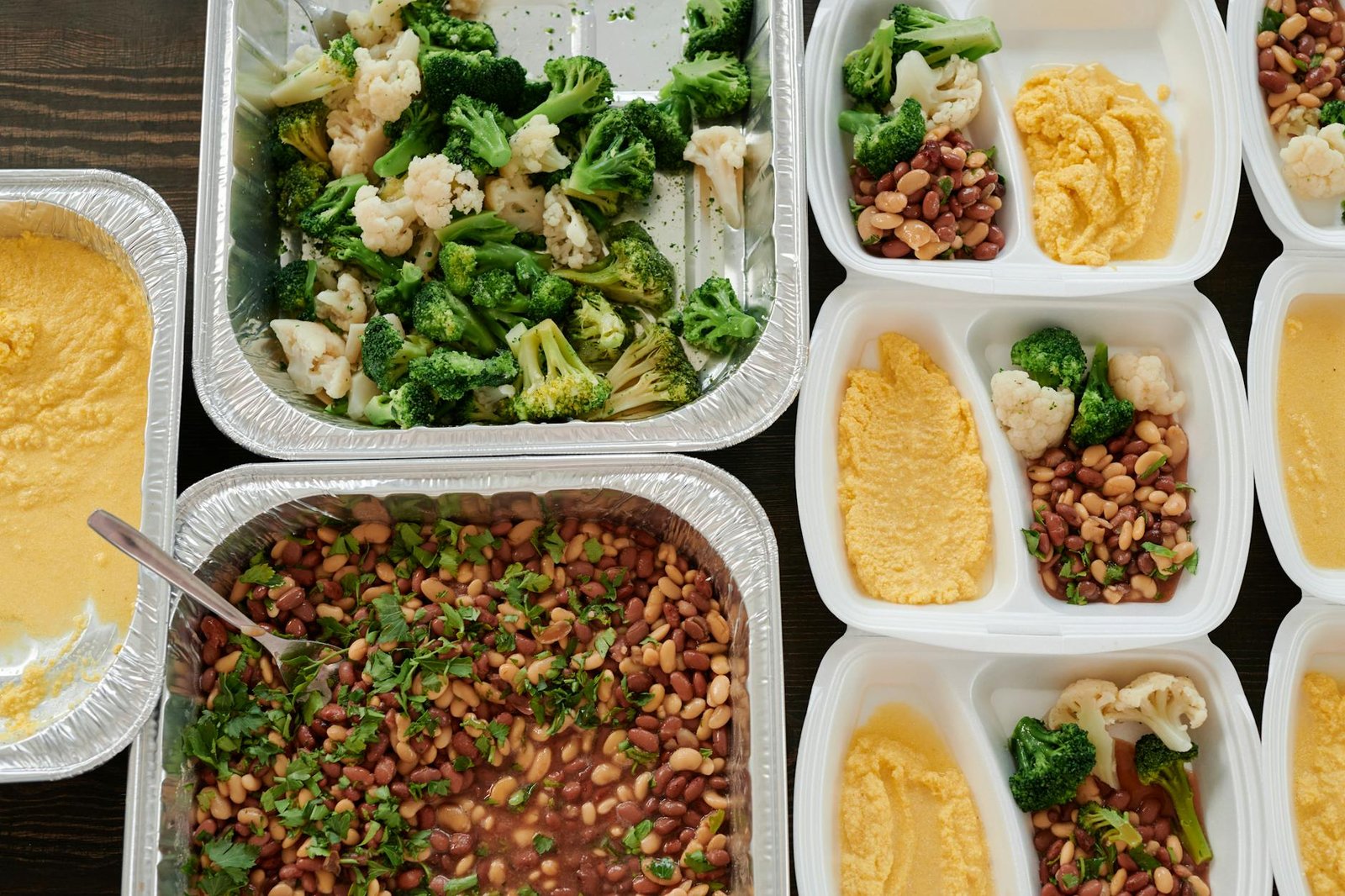
RELATED POST >> High Protein Meal Prep Ideas: Stop Guessing, Start Eating!
Dinner Meal Prep Ideas (71–110)
Dinner is the hardest meal to prep for because most people want variety and something that doesn’t taste like leftovers. The trick is sauces, variety in toppings, and smart portioning.
Chicken Dinners
- Meal prep grilled chicken — Season chicken breasts or thighs four or five ways and grill or roast in one session. Store separately and use throughout the week in different dishes.
- Sheet pan chicken thighs with vegetables — Chicken thighs, broccoli, bell peppers, olive oil, and garlic powder. One pan, one oven, minimal cleanup.
- Baked lemon-herb chicken — Marinate overnight, then bake the next day. Simple, clean flavor that works in many dishes.
- Chicken stir-fry base — Cook chicken with garlic and ginger, store without sauce. Add different sauces each day for variety.
- Slow cooker pulled chicken — Four chicken breasts, one jar of salsa, four hours on high. Shred and use for tacos, bowls, sandwiches, or pizza.
- Teriyaki chicken bowls — Chicken cooked in teriyaki sauce served over rice with steamed broccoli and sesame seeds.
- Chicken tikka masala — Make a large batch, freeze in portions. The sauce only gets better over time.
- White chicken chili — Chicken, white beans, green chiles, cumin, and chicken broth. Thicker and creamier than traditional chili.
- Chicken and rice (arroz con pollo style) — One-pot dish with saffron or turmeric, olives, and tomatoes. Reheats perfectly.
- Chicken sausage and peppers — Sliced chicken sausage, onions, bell peppers, and marinara. Serve over pasta or in a hoagie roll.
Beef and Pork Dinners
- Ground beef taco meat — Cook a large batch of seasoned ground beef. Use in tacos, burrito bowls, nachos, stuffed peppers, or pasta.
- Slow cooker beef chuck roast — Low and slow with vegetables and broth. Shred and use in multiple dinners.
- Meatballs (baked, not fried) — Make a large batch, bake at 400°F until browned. Freeze and add to pasta, subs, or soup.
- Beef and broccoli — Better than takeout, and it reheats well. Slice the beef thinly, cook quickly in a hot pan, and toss in the sauce.
- Slow cooker pork carnitas — Pork shoulder, orange juice, cumin, garlic, and oregano. Shred it, crisp it in the oven, and use it all week.
- Stuffed peppers (beef) — Ground beef, rice, tomato sauce, and cheese stuffed into bell peppers. Bake, cool, refrigerate.
- Pork fried rice — Use leftover rice and cooked pork. This dish was made for meal prep.
- Sloppy Joe filling — Make a large batch of the filling, store it without buns. Serve on buns, over rice, or stuffed in potatoes.
- Lasagna — Made once, sliced into portions, freezes brilliantly. Still the greatest make-ahead dinner in American cooking.
- Beef stew — Chuck beef, potatoes, carrots, and a dark broth. Freezes well, improves with reheating.
Plant-Based Dinners
- Roasted vegetable grain bowls — Roast three sheet pans of different vegetables simultaneously, serve over different grains throughout the week.
- Black bean tacos — Seasoned black beans, corn, cabbage slaw, and avocado. Fast to prep and assemble in minutes.
- Chickpea curry — Canned chickpeas, canned tomatoes, coconut milk, and spices. Ready in 25 minutes, tastes like it cooked all day.
- Tofu stir-fry — Press extra-firm tofu, cube it, bake until crispy, then toss in sauce. The crispy texture holds well in the fridge.
- Mushroom bolognese — Finely chopped mushrooms cooked down with tomato paste, red wine, and herbs. Meaty texture without the meat.
- Veggie chili — Sweet potatoes, kidney beans, black beans, corn, and a smoky tomato base. This is a crowd-pleaser even for meat eaters.
- Lentil bolognese — Brown lentils cooked with the same aromatics as meat sauce. Serve over pasta or zucchini noodles.
- Stuffed zucchini boats — Halved zucchini filled with quinoa, sun-dried tomatoes, feta, and herbs. Bake, store, reheat.
- Butternut squash mac — Blend roasted squash with broth and nutritional yeast for a creamy, cheese-adjacent sauce. Stir into cooked pasta.
- Eggplant parmesan — Sliced, breaded, and baked eggplant layered with sauce and cheese. Just as satisfying as the original.
Seafood Dinners
- Baked salmon (multiple filets) — Season four or five salmon filets differently, bake together. Use in bowls, pasta, tacos, or as a main with sides.
- Shrimp stir-fry base — Cook shrimp quickly, store, and toss in sauces throughout the week.
- Tuna noodle casserole — Nostalgic and practical. Canned tuna, egg noodles, cream of mushroom soup, and peas. Bakes ahead and reheats well.
- Fish tacos (baked) — Bake white fish with cumin and chili powder. Store separately from toppings, assemble fresh.
- Garlic butter shrimp — Toss cooked shrimp in garlic butter and store. Add to pasta, rice, or eat with crusty bread.
- Salmon burgers (homemade) — Canned salmon, breadcrumbs, egg, and spices formed into patties. Refrigerate or freeze before cooking.
- Clam linguine base — Make the white clam sauce separately, refrigerate, and cook fresh pasta when ready.
- Shrimp fried rice — Frozen shrimp, leftover rice, eggs, soy sauce, and sesame oil. Quintessential prep-ahead meal.
- Baked cod with herb crust — Cod filets with breadcrumbs, parmesan, parsley, and lemon zest. Reheats gently in an oven.
- Salmon grain bowls with miso dressing — Baked salmon over farro with edamame, cucumber, avocado, and miso-ginger dressing.
Snack and Side Prep Ideas (111–135)
People overlook snacks in meal prep. They shouldn’t. Pre-made, portioned snacks stop you from raiding the pantry or ordering DoorDash at 3 p.m.
- Roasted chickpeas — Toss canned chickpeas in olive oil and spices, roast at 400°F until crispy. They stay crunchy for a few days.
- Veggie and hummus packs — Pre-cut carrots, celery, cucumbers, and bell peppers. Store with individual hummus portions.
- Apple slices with nut butter — Pre-slice apples and toss lightly in lemon juice to prevent browning. Pair with almond or peanut butter in small containers.
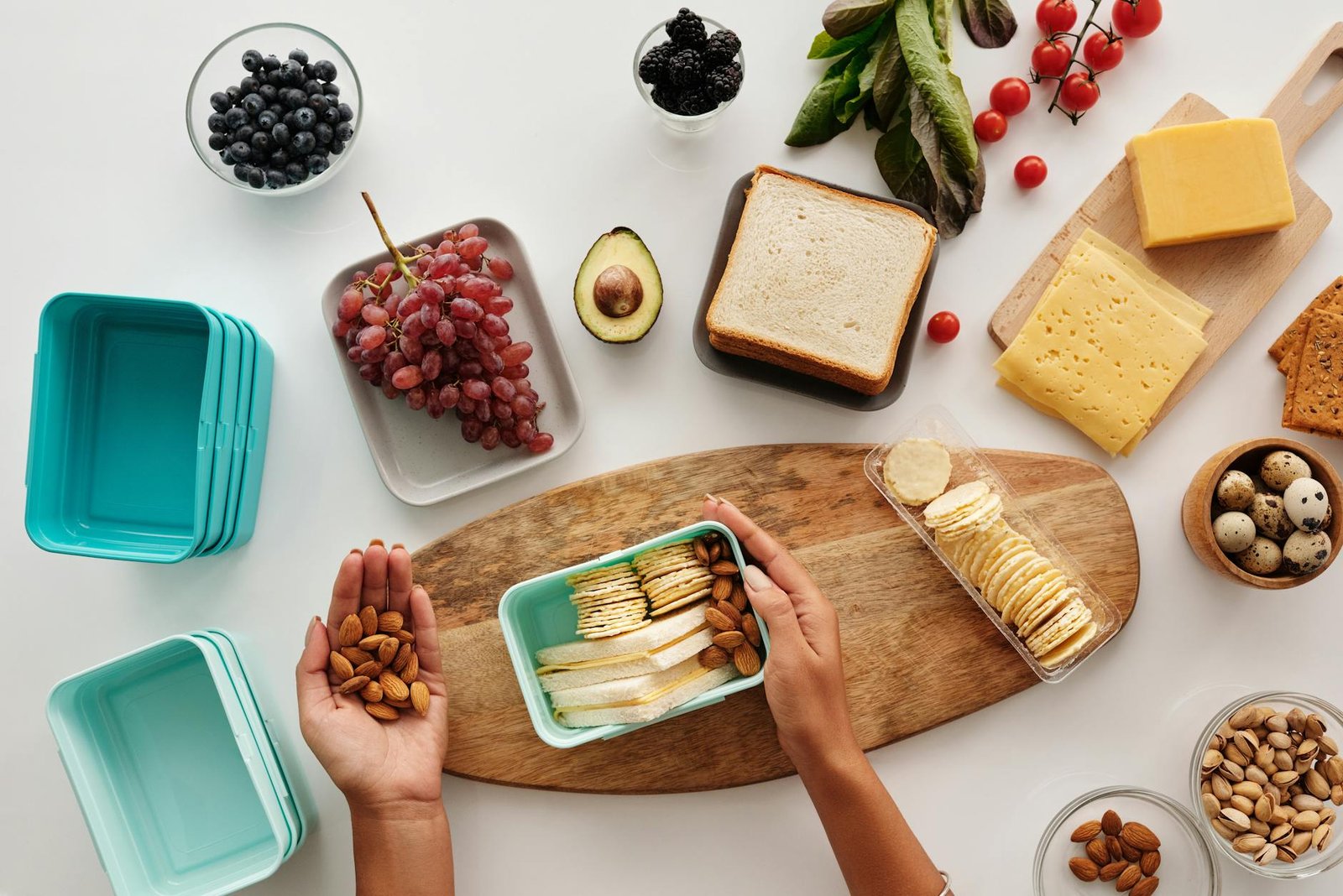
- Cheese and cracker boxes — Cubed or sliced cheese, assorted crackers, and dried fruit in compartmentalized containers.
- Edamame (shelled) — Buy frozen, steam, season with sea salt, refrigerate. Eat cold or warm as a protein-packed snack.
- Turkey and cheese rolls — Lay a slice of deli turkey flat, add a strip of cheese, and roll tightly. No bread required.
- Deviled eggs — Make a batch once a week. Classic American snack that doubles as a party appetizer.
- Guacamole — Make fresh with lime juice to slow browning. Store with a layer of plastic pressed directly on the surface.
- Salsa (homemade) — Blend tomatoes, jalapeño, onion, cilantro, and lime. Stores for a week in the fridge and tastes nothing like jarred salsa.
- Tzatziki — Greek yogurt, cucumber, garlic, lemon, and dill. Ready in five minutes, keeps for a week.
- Roasted mixed nuts — Toss nuts in olive oil, rosemary, and a little cayenne. Roast and store in a jar.
- Kale chips — Strip leaves from stems, toss in olive oil and salt, bake at 300°F low and slow until crispy. Eat the same day.
- Popcorn in bulk — Pop a large batch, season creatively (nutritional yeast and garlic, cinnamon sugar, buffalo hot sauce). Store in paper bags.
- Banana bread (sliced and bagged) — Bake one loaf, cool completely, slice, and bag in individual portions. Freeze half.
- No-bake protein balls — Oats, peanut butter, honey, flax, and dark chocolate chips. Roll into balls and refrigerate.
- Homemade trail mix — Build your own from bulk ingredients. Nuts, seeds, dried fruit, dark chocolate, and coconut flakes.
- Steamed edamame in pods — More satisfying to eat than shelled. The act of popping them out slows snacking down.
- Corn salsa — Grilled or canned corn, red onion, jalapeño, lime, and cilantro. Use on tacos, bowls, or with chips.
- Pickled vegetables — Quick pickled cucumbers, carrots, or red onions ready in as little as two hours. Adds punch to any meal.
- Roasted sweet potato fries — Cut sweet potatoes into fries, roast until crispy, reheat in an air fryer or hot oven.
Side Dish Prep
- Steamed and stored rice — Cook two to three cups of dry rice at once. Store in a container and use throughout the week.
- Mashed potatoes — Make a big batch on Sunday. Reheat with a splash of cream for the best texture.
- Roasted asparagus — Drizzle with olive oil, roast at 425°F for 12 minutes. Still one of the fastest side dishes alive.
- Honey-glazed carrots — Cook in a skillet with butter, honey, and thyme. Stores and reheats well.
- Sautéed garlic green beans — Blanch, shock in ice water, refrigerate. Finish in a hot pan with garlic and olive oil when serving.
Sauces, Dressings, and Bases (136–150)
This category is where meal prep gets genuinely transformative. One sauce can turn a boring bowl of rice and chicken into something people actually look forward to eating.
- Homemade tahini dressing — Tahini, lemon, garlic, water, and salt. Thin to your preference. Goes on everything.
- Creamy Caesar dressing — Make from scratch with mayo, anchovy paste, garlic, lemon, and parmesan. Store up to a week.
- Balsamic vinaigrette — Whisk together olive oil, balsamic, Dijon, and honey. Done in 30 seconds.
- Green goddess dressing — Avocado, herbs, Greek yogurt, and lemon. Stunning on grain bowls and salads.
- Spicy peanut sauce — Peanut butter, soy sauce, lime juice, sriracha, ginger, and garlic. Use on noodles, stir-fry, or as a dip.
- Miso ginger dressing — White miso, rice vinegar, sesame oil, ginger, and a little honey. Pairs beautifully with salmon and grain bowls.
- Garlic herb butter — Soft butter mixed with garlic, parsley, and lemon zest. Roll in plastic wrap, freeze, and slice off rounds as needed.
- Chipotle crema — Sour cream, chipotle peppers in adobo, lime juice, and garlic. Smoky and versatile.
- Tomato-based sauce (big batch) — A versatile, lightly seasoned marinara. Use on pasta, pizza, shakshuka, or as a dipping sauce.
- Avocado crema — Blended avocado, lime, Greek yogurt, and salt. Brighter and lighter than guacamole.
- Romesco sauce — Roasted red peppers, almonds, tomatoes, and olive oil. Spanish in origin, excellent on eggs, fish, or grilled vegetables.
- Harissa paste — Chiles, garlic, olive oil, cumin, and coriander. Store-bought works, but homemade is another level. Swirl into hummus, soups, or eggs.
- Pesto (big batch) — Basil, pine nuts (or walnuts), parmesan, garlic, and olive oil. Pour a thin layer of olive oil over the top before refrigerating to keep it green.
- Quick-pickled red onions — Thinly sliced red onions in warm vinegar, sugar, and salt. Ready in an hour. Use on tacos, burgers, grain bowls, and sandwiches.
- Everything bagel seasoning blend — Sesame seeds, poppy seeds, dried garlic, dried onion, and flaky salt. Sprinkle on eggs, avocado toast, cream cheese, roasted vegetables, or anything that needs a boost.
How to Build a Weekly Meal Prep Routine
Having 150 ideas is great. Actually doing the thing every week? That’s where most people need a simple framework.
Pick a prep day. Sunday works for most Americans, but Friday evening, Saturday morning, or any consistent day works for them. Consistency matters more than which day.
Keep the prep session to two hours or under. If you’re spending five hours in the kitchen, you’ve over-committed. Start smaller.
Here’s a simple two-hour prep session structure:
| Time Block | Activity |
|---|---|
| 0:00 – 0:15 | Portion everything into containers, label, and store |
| 0:15 – 0:45 | Prep all proteins (season, marinate, or cook) |
| 0:45 – 1:15 | Prep grains and roasted vegetables |
| 1:15 – 1:45 | Make sauces, dressings, or snack items |
| 1:45 – 2:00 | Portion everything into containers, label and store |
Two containers that changed many home cooks’ prep routine: wide-mouth glass jars (for salads, overnight oats, and sauces) and divided bento-style containers (for lunches). Invest once. Use for years.
Meal Prep Storage Guide
Knowing how long prepped food lasts is non-negotiable.
| Food Type | Fridge | Freezer |
|---|---|---|
| Cooked grains | 5–7 days | 3 months |
| Cooked chicken/beef | 3–4 days | 3–4 months |
| Cooked seafood | 2–3 days | 2–3 months |
| Soups and stews | 4–5 days | 4–6 months |
| Raw marinated meat | 1–2 days | 3 months |
| Dressings and sauces | 5–7 days | Not recommended |
| Cut fruit/vegetables | 3–5 days | Varies |
| Egg dishes | 3–4 days | 2 months |
When in doubt, freeze it.
Label everything with a date. It sounds obsessive until you open a mystery container and have no idea if it’s safe to eat.
Meal Prep for Specific Diets
The 150 ideas above cover a wide range, but if you’re eating for a specific goal or dietary need, here’s a quick reference.
High protein: Focus on egg muffins (1–7), grilled chicken prep (71–76), salmon (101–110), roasted chickpeas (111), and no-bake protein balls (125).
Vegetarian/vegan: Black bean tacos (92), chickpea curry (93), mushroom bolognese (95), lentil bolognese (97), veggie chili (96), and any of the grain bowls.
Gluten-free: Grain bowls with rice or quinoa, roasted vegetable plates, egg-based breakfasts, smoothie packs, and all the sauce and dressing options.
Budget-conscious: Beans, lentils, canned tuna, eggs, rice, oats, and seasonal vegetables are the backbone of cheap meal prep. Many of the options in this list cost under $2 per serving when prepped in bulk.
Low-carb/keto: Egg muffins, frittata, hard-boiled eggs, sheet pan chicken, shrimp stir-fry, roasted vegetables, cauliflower rice, and any high-fat sauces.
Common Meal Prep Mistakes (And How to Avoid Them)
Prepping food you don’t actually like. Seems obvious, but people prep “healthy” meals they don’t enjoy and then order pizza on Wednesday. Prep the food you want to eat.
Using the wrong containers. Thin plastic warps, stains, and doesn’t seal well. Glass containers are heavier but last longer and reheat better. Meal prep containers aren’t a luxury.
Not cooling food before refrigerating. Placing hot food directly in the fridge raises the internal temperature and can spoil other items. Cool for 30–60 minutes on the counter, then refrigerate.
Over-dressing salads. Dress salads right before eating, not during prep. Store dressing separately.
Prepping too much of the same thing. Seven identical chicken-and-rice bowls feel exhausting by Wednesday. Vary the sauces, proteins, or grains even slightly.
Skipping the label. Every container should have the contents and the prep date. Takes five seconds.
FAQs
How many meals should I prep at one time? Most people do best prepping 3–5 days of meals at once. Prepping a full week of food can feel monotonous, and some items won’t stay fresh for the full week. Start with prepping lunches only, then expand.
Is meal prepping worth it for one person? Absolutely. Solo meal prep often makes more financial sense than cooking for a family, since buying in bulk lowers per-serving costs. The trick for one person is to freeze half of everything to avoid eating the same meal four days in a row.
What containers are best for meal prep? Glass containers with airtight lids are the most durable and microwave-safe option. For salads, wide-mouth mason jars work perfectly. For lunches on the go, divided BPA-free plastic containers, such as those from Prep Naturals or OXO, work well.
Can I freeze most of these meal prep ideas? Most cooked items in this list freeze well. Exceptions include anything with fresh lettuce, raw avocado (once in a dish), or creamy dressings. Soups, stews, cooked meats, grains, and baked goods all freeze excellently.
How do I keep meal-prepped salads from getting soggy? Use the mason jar layering method: dress on the bottom, then hearty vegetables (cucumbers, carrots, chickpeas), then softer ingredients, and finish with greens on top. Only mix when you’re ready to eat.
What’s the cheapest way to meal prep? Build your prep around dried or canned beans, lentils, eggs, oats, rice, seasonal vegetables, and whole cuts of meat rather than pre-sliced or marinated ones. A $30 weekly grocery run can generate 10–15 prepped meals with smart planning.
Do I need special equipment to start meal prepping? No. A large sheet pan, a Dutch oven or large pot, a set of containers, and a sharp knife handle 95% of prep sessions. A slow cooker and an Instant Pot are useful additions, but not necessary to start.
How do I add variety so meal prep doesn’t feel boring? Prep components instead of full meals. Cook one protein, one or two grains, and two or three vegetable options — then combine them differently each day. Rotating your sauces (see ideas 136–150) is the fastest way to make the same base ingredients feel entirely different.
SUGGESTED POST >> 25 Easy Carnivore Recipes for Digital Nomads Now