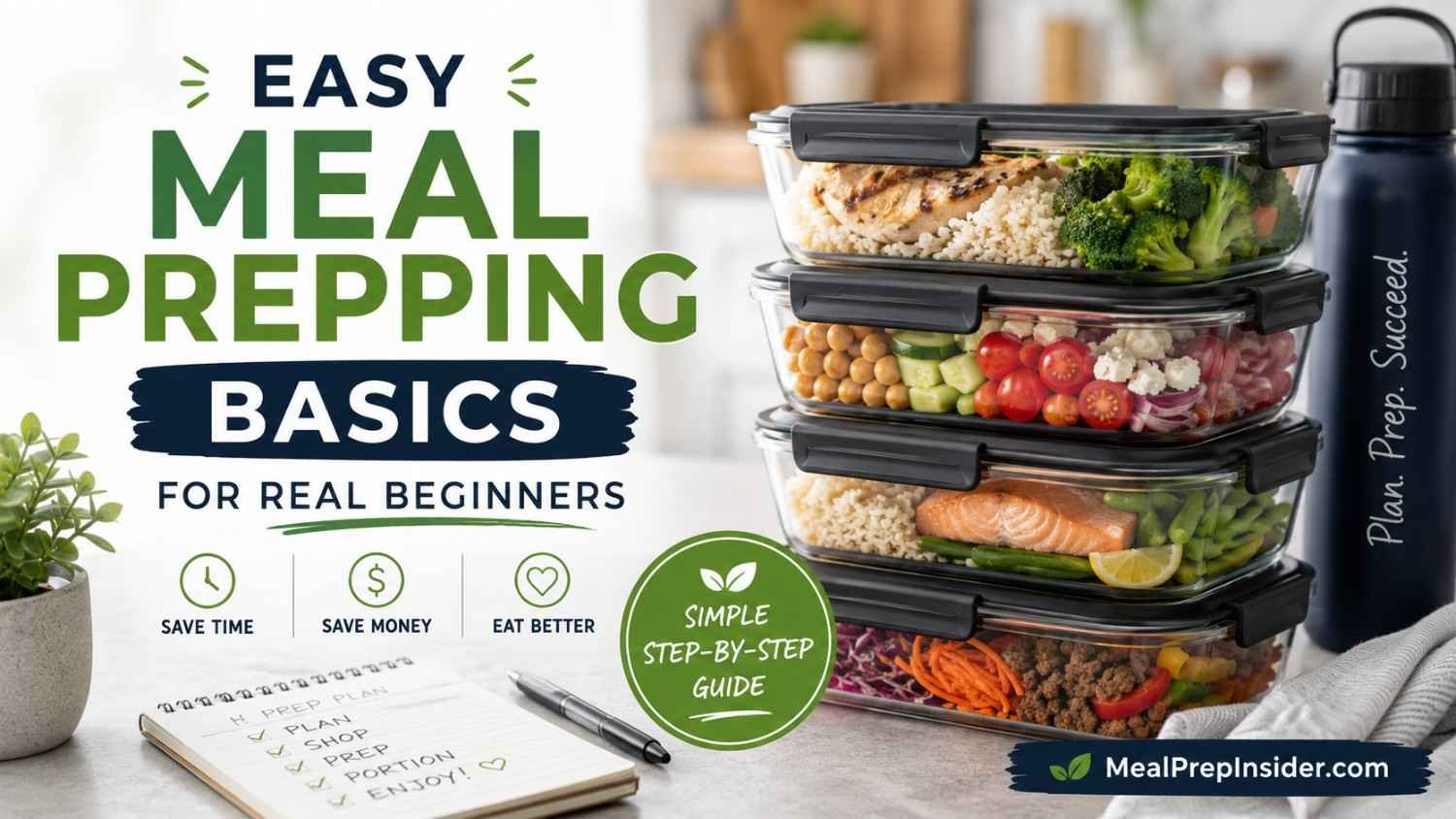
Meal prepping basics can feel overwhelming when you’ve never done it before — and honestly, most guides out there don’t help. They throw around terms like “macro-balanced containers” and “batch cooking rotations” like you were born knowing what those mean. You weren’t. Neither was I.
A sneak peek into what you should understand about meal prepping: the people posting those perfect Sunday prep photos on Instagram didn’t start there.
They started with burned rice, soggy vegetables, and containers they forgot in the back of the fridge for two weeks. The difference between them and someone who gave up? They kept it stupid simple at first.
That’s what this guide is. Stupid simple. No culinary degree required. No $300 container set. No six-hour Sunday commitment. Just real, practical steps that work even if the most complex thing you’ve ever cooked is a frozen pizza.
And if you stick around past the first few sections, you’ll find the one strategy that cuts most beginners’ prep time in half. Nobody talks about it because it seems too obvious. But it works.
Let’s dive in right away.
What Meal Prepping Really Means (Forget What You’ve Seen Online)
Meal prepping is cooking or preparing some or all of your meals ahead of time. That’s it. Full stop.
It doesn’t mean you need twenty identical containers lined up on your counter. It doesn’t require a Pinterest-worthy kitchen. And it absolutely doesn’t demand that every single meal for the week be ready by Sunday evening.
The version of meal prepping that works for beginners looks more like this:
- Cooking a big batch of one protein on Sunday
- Chopping vegetables so they’re ready when you need them
- Making a pot of rice or quinoa that lasts a few days
- Portioning out snacks so you’re not grabbing fast food at 3 PM
That’s meal prepping. Unsexy? Sure. Effective? Incredibly.
The elaborate setups you see online represent the advanced version. Jumping straight to that level is like trying to run a marathon when you haven’t jogged around the block. You’ll burn out, waste food, and convince yourself that meal prepping “isn’t for you.”
It is for you. You just need the right starting point.
Why Bother With Meal Prepping in the First Place
Let’s be direct. If meal prepping didn’t save time and money, nobody would do it. The benefits are practical, not trendy.
Time savings. When your lunch is already packed, you skip the 20-minute debate about where to eat, the 15-minute drive, and the 10-minute wait. You just eat. Over a typical work week, that’s roughly 3 to 4 hours saved.
Money savings. The average American spends about $3,500 per year on lunch alone, according to data from the Bureau of Labor Statistics. Meal prepping drops that number dramatically. A prepped lunch costs between $2 and $4. A bought lunch? $10 to $15 on the low end.
Less food waste. When you plan what you’re cooking, you buy what you need. No more wilting lettuce or mystery leftovers growing science experiments in the back of the fridge.
Healthier eating. This one’s straightforward. When food is already prepared, you eat it. When it’s not, you order delivery. Prepped meals tend to be more balanced because you’re making decisions when you’re calm and not starving.
Less decision fatigue. You make roughly 35,000 decisions a day. Removing “what am I eating?” from that list frees up mental energy for things that matter more.
The Only Equipment You Need to Start
Beginners love to over-buy. Resist that urge.
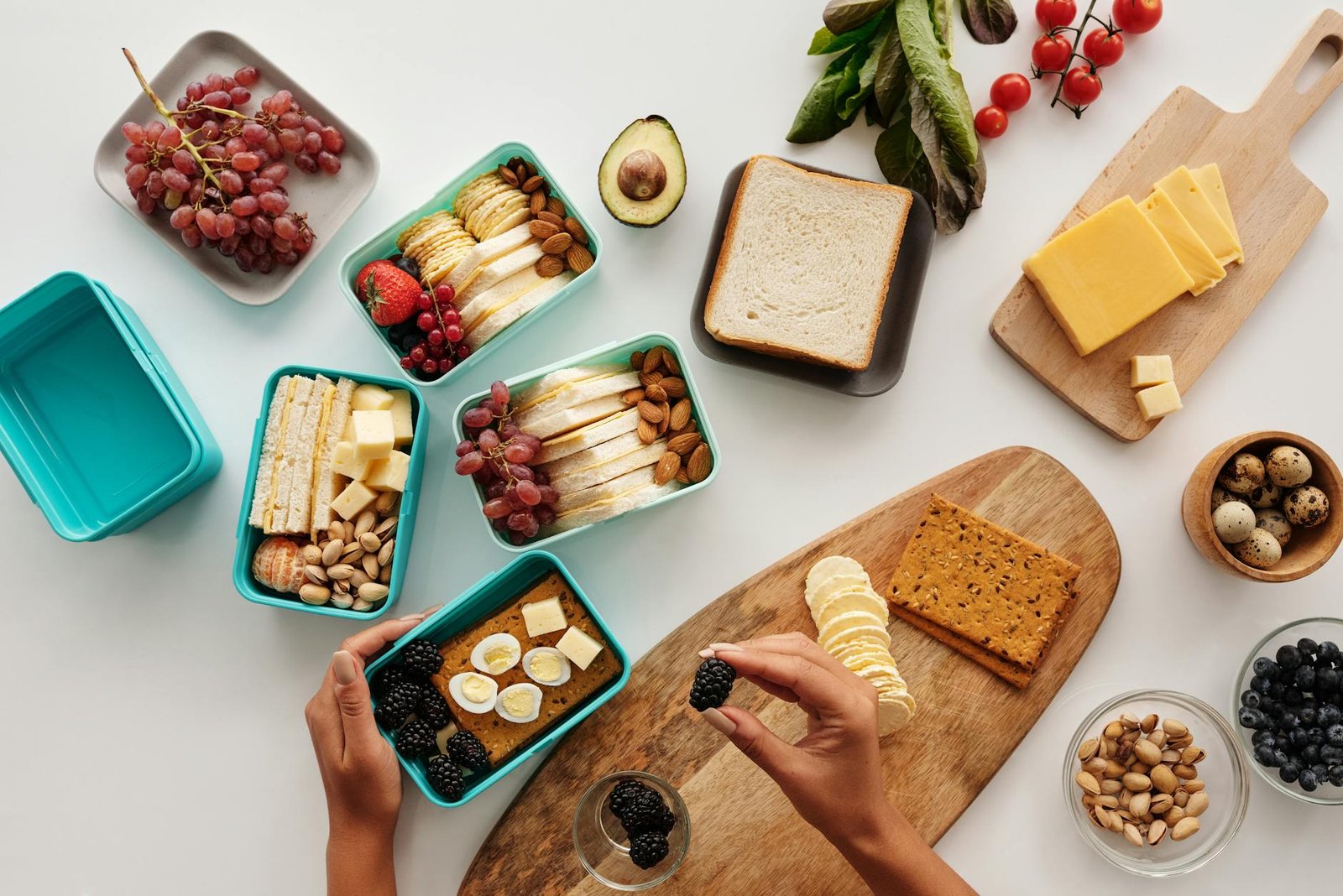
Here’s what you genuinely need for your first few weeks of meal prepping:
| Item | Why You Need It | Approximate Cost |
|---|---|---|
| Glass or BPA-free plastic containers (set of 10) | Storage and portioning | $15–$25 |
| One good knife | Chopping everything | $10–$30 |
| One cutting board | Protecting your counters and fingers | $8–$15 |
| A large skillet or pan | Cooking proteins and vegetables | $15–$30 |
| A large pot | Rice, pasta, soups, grains | $15–$25 |
| A sheet pan | Roasting vegetables, baking proteins | $8–$12 |
| Measuring cups | Portioning (especially for grains) | $5–$8 |
That’s the whole list. You probably own half of it already.
Skip the fancy gadgets for now. An Instant Pot is great, but it’s not essential on day one. A food processor is useful but unnecessary when you’re making basic meals. A vacuum sealer is wonderful if you’re prepping for a family of six. You’re not there yet.
Start bare-bones. Upgrade later when you know what you’re doing and what tools would genuinely make your life easier.
How to Plan Your First Meal Prep (Step by Step)
Planning is where most beginners either overthink or skip entirely. Both are mistakes. Here’s a middle-ground approach that takes about 15 minutes.
Step 1: Pick three meals you already like.
Not recipes from a food blog. Not something a fitness influencer recommended. Meals you already eat and enjoy. Maybe that’s chicken and rice. Maybe it’s pasta with ground turkey and marinara. Maybe it’s simple grain bowls. Start with familiar territory.
Step 2: Write down the ingredients.
Open your phone’s notes app. List every ingredient for those three meals. Check your kitchen for what you already have. The remaining items become your shopping list.
Step 3: Choose your prep day.
Sunday works for most people, but it’s not sacred. Wednesday works too. Saturday afternoon works. Pick a day when you have 1 to 2 free hours and aren’t exhausted.
Step 4: Decide how many days you’re prepping for.
For your first round, prep for three days. Not five. Not seven. Three. This keeps food fresh, limits waste if something goes wrong, and doesn’t overwhelm you.
Step 5: Shop with your list.
Go to the store with your list and buy only what’s on it. This alone saves most people $20 to $40 per trip.
The Strategy That Cuts Prep Time in Half
Here’s that tip I mentioned earlier. It’s called component prepping, and it’s the single most useful approach for beginners.
Instead of making three completely different meals, you prep components — individual ingredients that mix and match throughout the week.
Think of it this way:
- One protein: Bake 2 pounds of chicken thighs seasoned simply with salt, pepper, and garlic powder
- One grain: Cook a big pot of rice or quinoa
- Two vegetables: Roast a sheet pan of broccoli and another of sweet potatoes
- Sauces/toppings: Keep salsa, soy sauce, hot sauce, or dressing on hand
Now watch what happens:
- Monday: Chicken + rice + broccoli + soy sauce = Asian-inspired bowl
- Tuesday: Chicken + sweet potatoes + salsa = Southwestern plate
- Wednesday: Chicken + rice + broccoli + hot sauce = Spicy rice bowl
Same base ingredients. Three different-tasting meals. One prep session.
This approach works because it respects a truth about meal prepping: eating the same meal five days straight is miserable. Most people quit because of boredom, not difficulty. Component prepping solves boredom without creating extra work.
Your First Prep Day: A Realistic Walkthrough
Let’s say it’s Sunday afternoon. You’ve got your groceries. Here’s how to use the next 90 minutes effectively.
Minutes 1–5: Preheat and organize.
Turn your oven to 400°F. Pull out all your ingredients. Set your containers on the counter. Having everything visible and accessible prevents that chaotic mid-cook scramble.
Minutes 5–15: Start the grain.
Put your rice or quinoa on the stove. This cooks passively while you handle other things. Set a timer.
Minutes 15–25: Prep and season the protein.
Pat chicken dry. Season both sides. Lay it on a sheet pan. Slide it into the oven. Set another timer for 25 minutes (or until the internal temperature hits 165°F for chicken).
Minutes 25–40: Chop and season vegetables.
Cut broccoli into florets. Cube sweet potatoes. Toss each with olive oil, salt, and pepper on separate sheet pans (or opposite sides of one large pan). These go into the oven when the chicken comes out — or alongside it if you have room.
Minutes 40–60: Roast vegetables, portion the protein.
While the vegetables roast, slice or shred the cooked chicken. Divide it among your containers. Check on the rice.
Minutes 60–80: Portion everything else.
Vegetables come out. Rice is done. Divide both among the containers. Add sauce containers or packets on the side.
Minutes 80–90: Clean up and store.
Let containers cool slightly before sealing. Refrigerate what you’ll eat in the next three days. If you prepped extra, freeze the rest.
Ninety minutes. Three days of meals. Done.
Grocery Shopping Tips That Save Money and Headaches
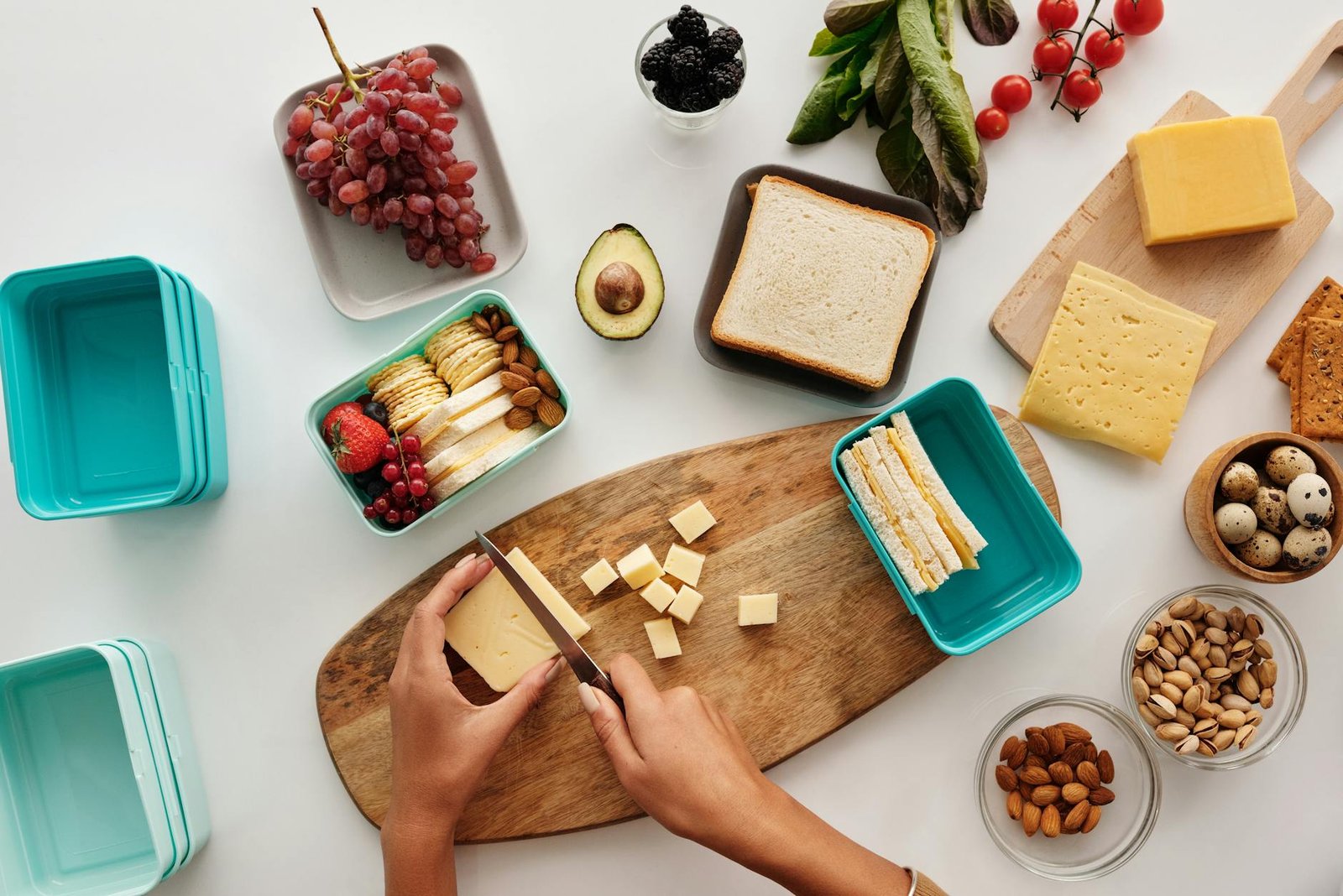
The grocery store is where meal prep either stays affordable or quietly drains your wallet. A few principles keep costs low:
Buy proteins in bulk when they’re on sale. Chicken thighs, ground turkey, and pork loin frequently go on sale at major US grocery chains like Kroger, Walmart, and Costco. When the price drops, buy more than you need and freeze the excess.
Frozen vegetables are not inferior. They’re flash-frozen at peak ripeness, which means they often retain more nutrients than “fresh” produce that’s been sitting in a truck for a week. Frozen broccoli, spinach, mixed vegetables, and green beans are all fair game. And they’re cheaper.
Store-brand everything. The Kroger, Great Value, or Kirkland versions of rice, canned beans, canned tomatoes, and spices are nearly identical to name brands. The savings add up fast — often 25% to 40% less per item.
Don’t buy what you won’t use. That exotic spice blend sounds exciting until it sits in your cabinet for eight months. Stick with basics: salt, pepper, garlic powder, onion powder, paprika, cumin, and Italian seasoning. These cover an enormous range of flavors.
Check the per-unit price. That bigger bag of rice might look more expensive, but the cost per ounce is usually lower. The small sticker on the shelf edge shows this number. Use it.
RELATED POST >> How to Meal Prep on a Budget: Steal These Best 5 Formulas
How Long Does Prepped Food Last?
Food safety matters. Here’s a general guide for properly stored, refrigerated, prepped food:
| Food Type | Refrigerator (40°F or below) | Freezer (0°F or below) |
|---|---|---|
| Cooked chicken, turkey, pork | 3–4 days | 2–3 months |
| Cooked ground meat | 3–4 days | 2–3 months |
| Cooked rice and grains | 4–6 days | Up to 6 months |
| Roasted vegetables | 3–5 days | Up to 8 months |
| Soups and stews | 3–4 days | 2–3 months |
| Hard-boiled eggs | 7 days | Not recommended |
| Cut raw vegetables | 3–5 days | Varies by type |
A critical note: Always let food cool to room temperature before sealing containers and refrigerating. Putting hot food in a sealed container creates condensation, which breeds bacteria faster.
When in doubt, smell it and look at it. If the color has changed, there’s a slimy texture, or it smells off — toss it. No meal is worth food poisoning.
Pitfalls That Trip Up Nearly Every Beginner
Certain traps catch new meal preppers over and over. Recognizing them in advance saves you frustration.
Trying to prep an entire week on the first attempt. Five to seven days of food is a lot of cooking, a lot of containers, and a lot of pressure. Start with three days. Build up gradually.
Choosing overly complex recipes. A recipe with 14 ingredients and a 90-minute cook time is not a beginner meal prep recipe. It’s a Saturday dinner project. Keep prep recipes to 5–7 ingredients maximum.
Ignoring the seasoning variety. Bland food kills motivation. Even if you’re cooking the same chicken all week, change the seasoning. Garlic and herb, one batch. Cajun spice the next. Teriyaki sauce on the third. Small changes make a big difference.
Not labeling containers. This sounds minor until you’re staring at three identical containers on Thursday, trying to figure out which one was made on Sunday versus Wednesday. A small piece of tape with the date takes five seconds and prevents guessing games.
Skipping snacks. Prepping only main meals leaves you vulnerable to vending machines and gas station runs at 2 PM. Portion out almonds, trail mix, fruit, yogurt cups, or cheese sticks alongside your meals.
Forgetting to eat the food. This sounds ridiculous, but it happens constantly. You prep everything beautifully, then grab takeout because you forgot your container at home. Set a reminder on your phone. Put the container by your keys the night before. Build the habit.
Easy Starter Recipes to Get You Going
You don’t need a cookbook. These five recipes are intentionally simple and forgiving.
1. Sheet Pan Chicken and Vegetables
Season chicken breasts with olive oil, salt, pepper, and paprika. Arrange on a sheet pan with chopped bell peppers, zucchini, and onions. Roast at 400°F for 25–30 minutes. Pair with rice.
2. Turkey Taco Bowls
Brown ground turkey with taco seasoning. Serve over rice with black beans, corn, salsa, and shredded cheese. Prep all components separately; assemble in containers.
3. Pasta with Meat Sauce
Cook your preferred pasta. Brown ground beef or turkey with jarred marinara sauce. Combine in containers. Add frozen spinach to the sauce for extra nutrition — it practically disappears once cooked.
4. Egg Muffins
Whisk 12 eggs with diced bell peppers, spinach, and shredded cheese. Pour into a greased muffin tin. Bake at 375°F for 20 minutes. These make perfect grab-and-go breakfasts.
5. Overnight Oats
Combine ½ cup oats, ½ cup milk, ¼ cup yogurt, and 1 tablespoon chia seeds in a jar. Refrigerate overnight. Top with fruit and honey in the morning. Zero cooking required.
Meal Prepping on a Tight Budget
Money is a real barrier for many people, so let’s address it honestly.
A single person in the US can meal prep effectively for around $30 to $50 per week. That covers lunches and dinners for five days if you lean on affordable staples:
- Rice (10 lb bag): $6–$8 at Walmart. Lasts weeks.
- Dried beans or lentils: $1–$2 per bag. Packed with protein and fiber.
- Chicken thighs (bone-in, skin-on): $1–$2 per pound. Cheaper than breasts, more flavor.
- Frozen vegetables: $1–$2 per bag. As nutritious as fresh.
- Eggs (18-count): $3–$5. Versatile for any meal.
- Canned tomatoes: $0.75–$1.50 per can. Base for countless sauces and soups.
- Oats: $2–$3 for a large canister. Breakfast for a month.
The trick is building meals around these cheap foundations and adding flavor through spices, sauces, and small amounts of more expensive ingredients like cheese, avocado, or fresh herbs.
Avoid pre-cut, pre-washed, and pre-seasoned anything. You’re paying a significant premium for labor you can do yourself in minutes.
How to Keep Yourself From Getting Bored
Boredom is the number one reason people abandon meal prepping. Here’s how to fight it without complicating your routine.
Rotate proteins weekly. Chicken one week. Ground turkey next. Pork the week after. Even if the vegetables and grains stay the same, switching the protein changes the meal’s character.
Invest in five to six different sauces. Soy sauce, sriracha, ranch, barbecue sauce, salsa verde, and a good vinaigrette cover a wide range of flavor profiles. The same chicken and rice become a fundamentally different experience depending on which sauce you add.
Change one element each week. Don’t overhaul everything at once. Swap broccoli for green beans. Switch rice for sweet potatoes. Replace bell peppers with zucchini. Small shifts keep things interesting without increasing complexity.
Try a new recipe once a month. Not every week — that’s too much pressure. Once a month, attempt something slightly outside your comfort zone. If it works, add it to your rotation. If it doesn’t, no big deal.
When to Level Up Your Meal Prep
After three to four weeks of consistent prepping, you’ll notice something. It feels automatic. The shopping, the chopping, the cooking — it all flows without much thought. That’s when you’re ready to expand.
Signs you’re ready to level up:
- You finish your prep in under an hour
- You’re not wasting food anymore
- You find yourself wanting more variety
- You’re prepping for three days easily and want to try four or five
At this point, consider adding breakfast to your prep rotation, experimenting with slow cooker or Instant Pot recipes, or prepping freezer meals for extra-busy weeks.
But don’t rush it. The foundation matters more than the upgrades.
Frequently Asked Questions
Is meal prepping worth it if I live alone?
In many ways, it’s even more beneficial for single-person households. Cooking for one from scratch every night is inefficient and often leads to food waste. Prepping allows you to cook a reasonable batch, portion it out, and freeze extras. You save time, money, and energy without throwing out half-used ingredients.
Can I meal prep if I don’t know how to cook?
Yes. The recipes in this guide require almost no cooking skill. If you can boil water and operate an oven, you can meal prep. Start with the simplest recipes — overnight oats, sheet pan meals, and basic grain bowls — and your skills will naturally improve over time.
How do I prevent my prepped meals from getting soggy?
Store wet components separately from dry ones. Keep sauces and dressings in small, separate containers. Don’t add leafy greens to a container until you’re ready to eat. And avoid overloading containers — leaving a little space helps air circulate.
What if I don’t have time on Sundays?
Pick any day that works. There’s nothing magical about Sunday. Some people prep on Wednesday evenings. Others split it — prepping proteins on Saturday and grains on Tuesday. Flexibility is more important than perfection.
Should I buy glass or plastic containers?
Glass is heavier but doesn’t stain, absorb odors, or warp in the microwave. Plastic is lighter and cheaper but can degrade over time. If the budget is tight, BPA-free plastic works fine. If you can afford it, glass containers are a better long-term investment.
How do I handle meal prepping with dietary restrictions?
The component prepping approach works especially well here. Prep base components that fit your dietary needs — whether that’s gluten-free grains, dairy-free proteins, or plant-based options — and customize from there. The principles are identical regardless of what you eat or avoid.
Won’t I get tired of eating the same thing?
You might, which is why sauce variety and weekly protein rotation are so important. But also keep in mind that most people eat the same seven to ten meals on repeat already — they just don’t realize it. Meal prepping simply makes that pattern intentional.
Can I freeze all my prepped meals?
Most cooked proteins, grains, soups, and stews freeze well. Certain vegetables (like raw tomatoes, cucumbers, and lettuce) don’t freeze well. Pasta can get mushy after freezing. A good rule of thumb: if it has a high water content and you eat it raw or crisp, skip the freezer.
The Bottom Line
Easy meal prepping basics come down to this: start small, keep it simple, and permit yourself to be imperfect. Your first prep session won’t be Instagram-worthy. Your rice might be slightly undercooked. Your chicken might be a little dry. None of that matters.
What matters is that you did it. You saved time. You saved money. You ate something you made with your own hands instead of pulling through a drive-through.
Next week, you’ll do it a little better. The week after that, even better. And before long, you’ll wonder why you didn’t start sooner.
The only wrong way to meal prep is to never start. So pick a day, pick three meals you like, buy the ingredients, and give yourself 90 minutes. That’s all it takes to build a habit that genuinely changes how you eat, spend, and feel — every single week.
SUGGESTED POST >> Easy Meal Prep for Couples on a Budget: Saving $475 Monthly