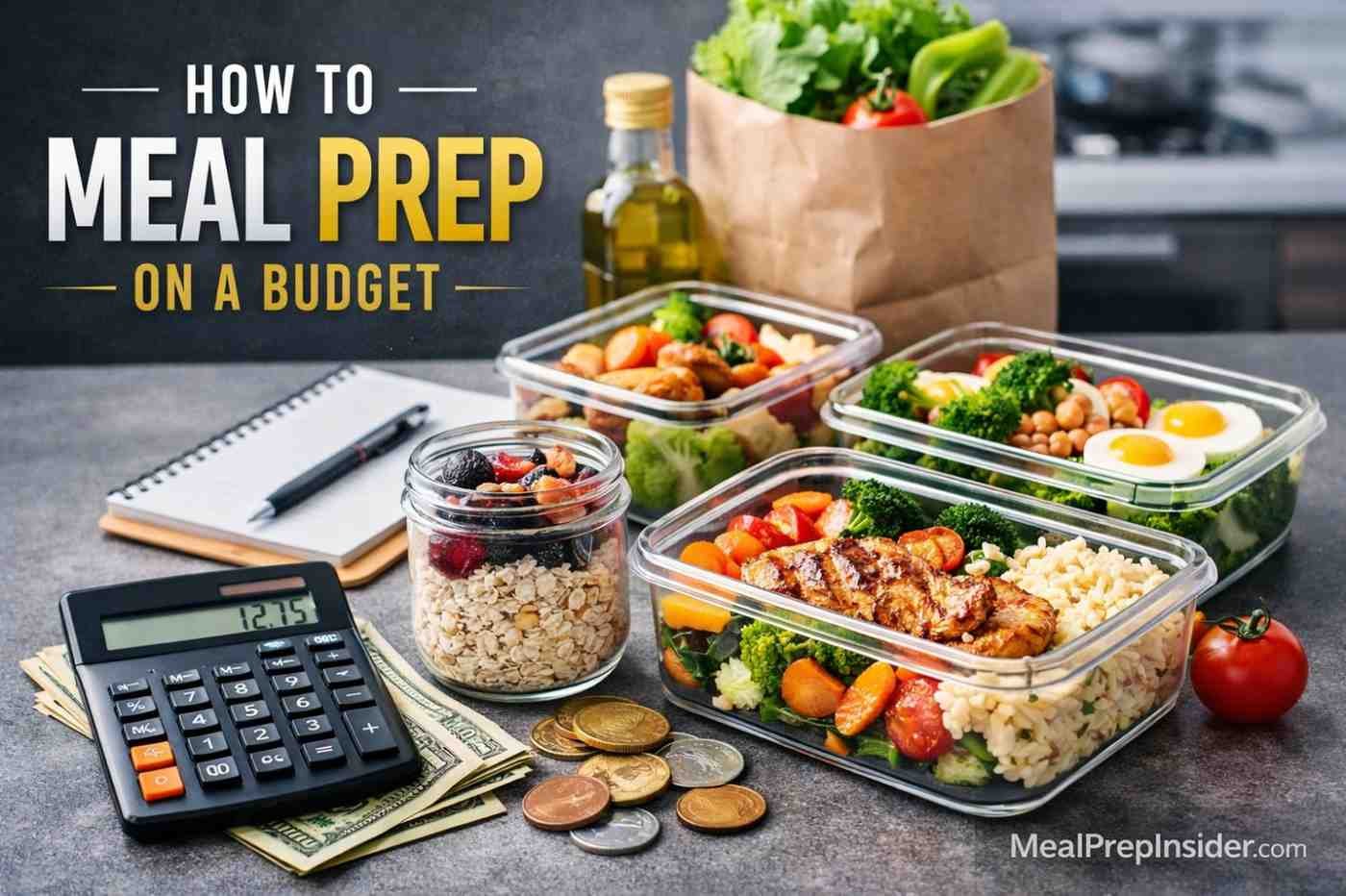
How to Meal Prep on a Budget: Meal prep on a budget is the fastest way to stop the “What’s for dinner?” panic from turning into a $18 takeout order.
Because it always starts small.
One long day.
A “quick” drive-thru.
A receipt that feels personal.
Then it repeats.
Here’s the part most people don’t see coming: the money leak usually isn’t one giant splurge. It’s the steady drip of last-minute food decisions. The kind you make when you’re hungry, tired, and standing in front of an open fridge as it owes you answers.
This post is your plan. Not a perfect plan. A realistic one.
You’ll learn how to prep meals that are cheap, filling, and still… good. Not sad desk lunches. Not flavorless chicken and rice forever. Real food. Real strategy. Built for the U.S. grocery landscape, real prices, and real schedules.
Stay with me, because the “secret” isn’t a secret at all. It’s a sequence.
And once you see it, you can’t unsee it.
Meal prep on a budget: the mindset that makes it work
Meal prepping isn’t about cooking like a fitness influencer. It’s about controlling the variables that drain your wallet:
- Last-minute groceries
- Overbuying “aspirational” ingredients
- Food waste
- Convenience spending
- Eating out because nothing is ready
The winning mindset is simple: buy flexible ingredients, cook in batches, and remix them into different meals.
That’s it. That’s the engine.
And yes, it can be cheap. Even now.
What “budget” meal prep really means in the U.S.
Prices vary by city and store. But budgeting works the same everywhere: you want a low cost per serving, with high reuse of ingredients.
A realistic target for many U.S. households:
- $1.50–$3.50 per serving for breakfasts/lunches
- $2.50–$5.00 per serving for dinners
You can go lower. You can go higher. But that range is a strong, sane starting point.
Why most people fail at budget meal prep (and how to avoid the traps)
People don’t quit meal prep because they’re lazy. They quit because their system is fragile.
Here are the biggest budget-busting pitfalls (and the fixes).
1) They prep meals, not building blocks
If you cook five identical containers of one meal, you’ll get tired of it. Fast.
Fix: Prep components that mix and match:
- A big tray of roasted veggies
- A pot of rice or quinoa
- One or two proteins
- A sauce
- A salad base
Different combos. Same groceries. Less boredom.
2) They shop without a price anchor
Walking into a grocery store without a cost plan is like shopping on an empty stomach. You’ll “somehow” spend $140.
Fix: Pick your anchor proteins and carbs first:
- Proteins: chicken thighs, eggs, canned tuna, beans, ground turkey, tofu
- Carbs: rice, pasta, potatoes, oats, tortillas
Then build flavors around them.
3) They overbuy produce with good intentions
You meant well.
You bought spinach, cilantro, and three kinds of berries.
Then life happened.
Fix: Use a product hierarchy:
- Long-lasting: carrots, cabbage, onions, potatoes, apples
- Medium: bell peppers, broccoli, grapes
- Short: berries, herbs, spring mix
If your week is busy, lean long-lasting.
4) They chase “healthy” as a vibe
That’s when the cart fills with pricey snacks, specialty milks, powders, and “clean” products.
Fix: Keep it boring in the best way:
- Oats
- Eggs
- Frozen vegetables
- Beans
- Greek yogurt
- Peanut butter
These foods are affordable, filling, and do not need a rebrand.
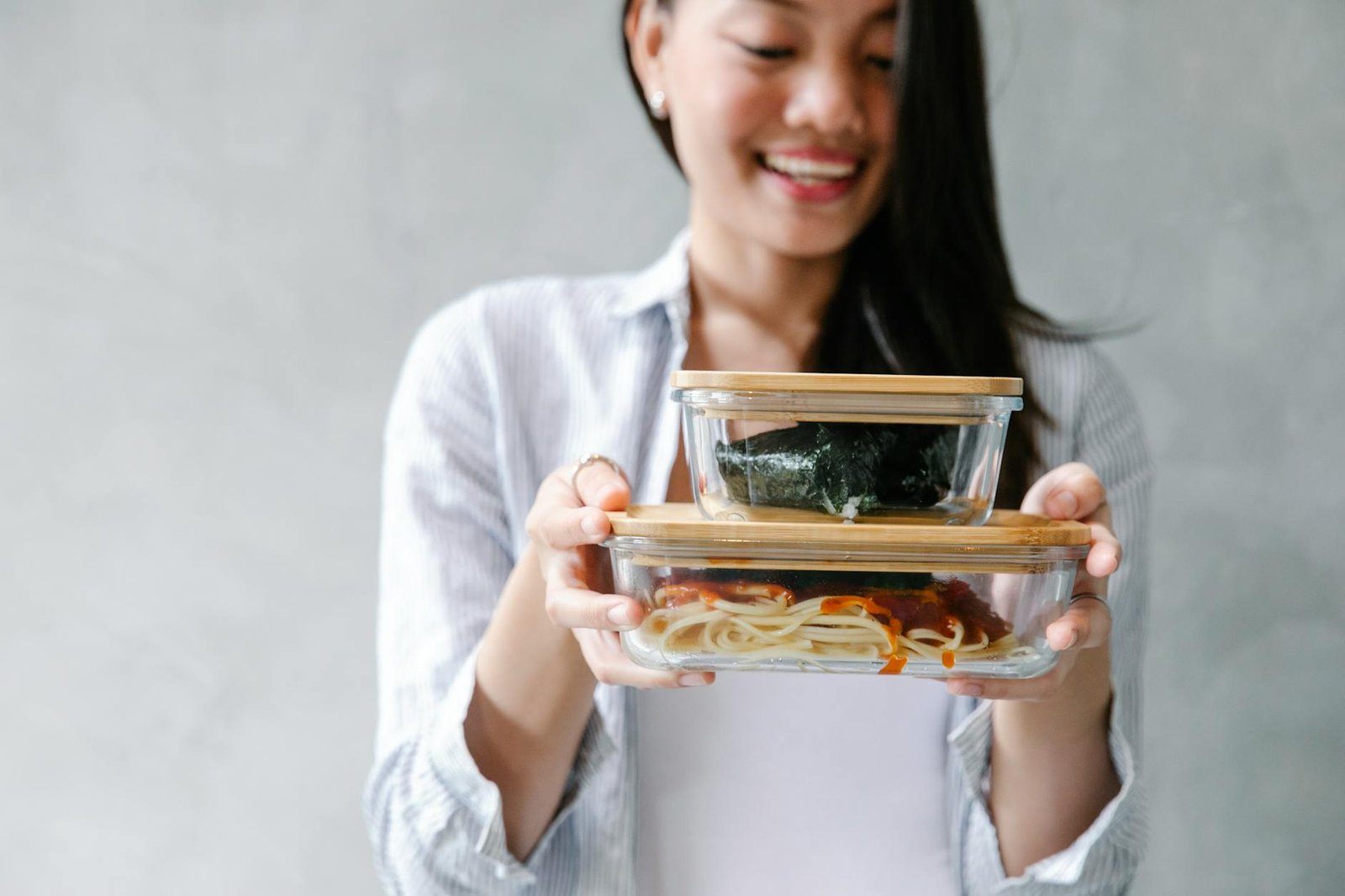
5) They don’t plan for convenience moments
If nothing is grab-and-go, you’ll buy something.
Fix: Always prep:
- 2–3 emergency meals (freezer-friendly)
- 5-minute snacks (fruit, yogurt, boiled eggs)
- One “no-cook” option (tuna salad, deli chicken, hummus plate)
In other words: make the easy choice the cheap choice.
The Budget Meal Prep Formula (steal this)
Use this formula every week. It keeps costs predictable.
Step 1: Choose 2 proteins
Pick what’s on sale. Or pick what’s reliable and cheap.
Budget-friendly staples:
- Eggs
- Chicken thighs (usually cheaper than breasts)
- Ground turkey or ground beef on sale
- Canned tuna/salmon
- Dry lentils, black beans, chickpeas
- Tofu
Step 2: Choose 2 carbs
- Rice (white, brown, jasmine—whatever you’ll eat)
- Pasta
- Potatoes or sweet potatoes
- Tortillas
- Oats
- Bread (freeze extra)
Step 3: Choose 3 vegetables
Use at least one frozen vegetable. It’s often cheaper per usable ounce and wastes less.
Good picks:
- Frozen broccoli
- Frozen mixed veg
- Cabbage
- Carrots
- Onions
- Bell peppers (fresh or frozen strips)
Step 4: Choose 1–2 sauces or flavor “identities”
This is where budget meal prep stops tasting like punishment.
Low-cost flavor builders:
- Salsa
- Soy sauce
- BBQ sauce
- Buffalo sauce
- Italian dressing
- Peanut butter + soy sauce + vinegar (quick satay vibe)
- Taco seasoning
- Curry powder + coconut milk (optional, but powerful)
Step 5: Add 1 snack plan
Not “snacks.” A plan.
Examples:
- Apples + peanut butter
- Yogurt + frozen berries
- Popcorn kernels (cheap and underrated)
- Hard-boiled eggs
- Cottage cheese + fruit
Your $50–$80 weekly grocery list (U.S.-friendly)
This is a template, not a rule. Prices vary by region and store. But the structure holds.
Budget grocery list template
Proteins
- 2–3 lb chicken thighs or drumsticks
- 1 dozen eggs
- 1–2 cans of tuna
- 1 lb dry lentils or 2–4 cans beans
Carbs
- 2–5 lb rice
- 1 lb pasta
- Oats (large container)
- Tortillas or bread (optional)
Vegetables/Fruit
- 2 lb carrots
- 1 head of cabbage
- 2–3 onions
- Frozen broccoli (1–2 bags)
- Bananas or apples
Flavor
- Salsa
- Soy sauce
- Taco seasoning (or DIY spices)
- Garlic powder + chili powder (if you don’t have them)
Dairy (optional)
- Greek yogurt or cottage cheese
- Shredded cheese (buy on sale, freeze extra)
Quick cost-control tip: shop by unit price
In the U.S., the shelf tag usually shows price per ounce or price per pound. Use it.
Bigger isn’t always cheaper. But it often is for:
- Rice
- Oats
- Frozen veg
- Family-pack meat (if you freeze portions)
The meal prep method that saves the most money: cook once, remix all week
You’re not prepping “Monday lunch.” You’re prepping a base.
Here’s a simple Sunday prep that turns into multiple meals without feeling repetitive.
The 90-minute budget prep session
Cook
- Rice (6–8 cups cooked)
- Lentils (or beans)
- One tray of roasted vegetables
- One protein (baked chicken thighs or ground turkey)
Prep
- Wash fruit
- Make one sauce
- Portion 2–3 grab-and-go snacks
That’s it.
No 4-hour kitchen marathon. No complicated recipes.
A sample 5-day meal prep plan (with remixing)
Below is an example using widely available U.S. grocery items.
Meal plan overview
- Breakfast: Overnight oats or egg muffins
- Lunch: Rice bowls (rotate sauce/toppings)
- Dinner: Two main dinner options, alternating
- Snacks: Fruit + protein or yogurt
Simple remix schedule
Monday
- Lunch: Taco rice bowl (chicken + salsa + cabbage)
- Dinner: Lentil curry over rice
Tuesday
- Lunch: Soy-garlic chicken bowl (frozen broccoli + soy sauce)
- Dinner: Pasta with roasted veg + eggs (or tuna)
Wednesday
- Lunch: BBQ chicken bowl (BBQ sauce + carrots + cabbage slaw)
- Dinner: Leftover curry + roasted veg
Thursday
- Lunch: “Fried rice” style (use leftover rice + egg + frozen veg)
- Dinner: Sheet-pan chicken + potatoes
Friday
- Lunch: Tuna salad wraps + fruit
- Dinner: Freezer meal or “clean out the fridge” bowls
You’re not cooking five brand-new dinners. You’re rotating.
That’s the move.
Budget meal prep recipes (cheap, flexible, not boring)
These recipes are designed for:
- Low cost per serving
- Minimal waste
- Easy scaling
- Normal U.S. grocery stores
1) Sheet-Pan Chicken Thighs + Roasted Veg (core dinner)
Why it saves money: thighs are often cheaper and more forgiving than breasts.
Ingredients
- 2–3 lb chicken thighs
- Carrots, onions, cabbage, or broccoli
- Oil, salt, pepper
- Optional: paprika, garlic powder, chili powder
Method
- Heat oven to 425°F.
- Toss the veggies with oil and seasoning.
- Place chicken on the sheet pan. Season well.
- Roast 30–40 minutes (until chicken reaches 165°F internal temp).
Use it as
- Rice bowls
- Wraps with slaw
- BBQ chicken plates
- Chicken salad (chop + mix with yogurt or mayo)
RELATED POST >> High Protein Meal Prep on a Budget for Under $5 a Day
2) Big-Pot Lentils (your cheapest “protein”)
Ingredients
- 1 lb dry lentils
- Onion + carrot
- Salt, pepper, cumin, or curry powder
- Optional: canned tomatoes
Method
- Rinse lentils.
- Simmer with aromatics 20–30 minutes.
- Season aggressively.
Use it as
- Lentil bowls with rice
- Taco lentils (add chili powder)
- Lentil soup (add broth/water + frozen veg)
Lentils are quietly elite. Cheap. Filling. Adaptable.
3) Taco Rice Bowls (lunch hero)
Ingredients
- Cooked rice
- Chicken or beans
- Salsa
- Shredded cabbage (cheap “lettuce”)
- Optional: cheese, sour cream, jalapeños
Assembly
- Rice + protein + salsa + cabbage + toppings
This stays good, travels well, and doesn’t demand expensive produce.
4) Budget “Fried Rice” (uses leftovers on purpose)
Ingredients
- Cold cooked rice
- 2–4 eggs
- Frozen mixed vegetables
- Soy sauce
- Optional: green onions (if you have them)
Method
- Scramble eggs. Set aside.
- Sauté frozen veg.
- Add rice. Add soy sauce.
- Stir eggs back in.
This is one of the best “end of the week” meals because it turns scraps into dinner.
5) Overnight Oats (breakfast that costs almost nothing)
Ingredients
- 1/2 cup oats
- 1/2–3/4 cup milk (or water + yogurt)
- Banana or frozen berries
- Peanut butter (optional)
Method
- Mix in a jar. Refrigerate overnight.
You can make five at once. You should.
A realistic cost-per-serving example (table)
Prices vary by location. This is a practical U.S. estimate using mid-range grocery pricing.
| Item | Est. Cost | Servings | Cost per Serving |
|---|---|---|---|
| 3 lb chicken thighs | $9.00 | 6 | $1.50 |
| 2 lb rice | $2.50 | 10 | $0.25 |
| 1 lb lentils | $1.75 | 6 | $0.29 |
| Frozen broccoli (2 bags) | $4.00 | 6 | $0.67 |
| Carrots + onions + cabbage | $6.00 | 10 | $0.60 |
| Eggs (dozen) | $3.00 | 6 | $0.50 |
| Salsa | $3.00 | 8 | $0.38 |
| Oats (large container) | $4.00 | 10 | $0.40 |
Combine a few components and many meals land around $2–$4 per serving, depending on how you portion and what extras you add.
Where to shop in the U.S. for the best budget meal prep wins
You don’t have to chase five stores. But you should know the strengths.
Best places for low-cost staples
- Aldi: excellent for basics, cheese, frozen veg, pantry items
- Walmart: consistent low prices, big pantry sizes
- Costco/Sam’s Club: great if you’ll freeze meat and use bulk items
- Kroger/Safeway/Publix: watch weekly ads and digital coupons
A simple store strategy
- Do 80% of shopping at one store.
- Use a second store only for one reason: loss leaders (deep sale items).
If chicken is $0.99/lb somewhere this week, that’s worth the stop. Otherwise, keep it simple.
The tools you need (and what you can skip)
You don’t need fancy containers. You need a system that doesn’t annoy you.
Worth it
- Sheet pan
- Large pot
- Rice cooker (optional but life-changing)
- Basic knife
- Cutting board
- Food scale (optional, great for portion control)
- Reusable containers (even mismatched ones are fine)
Skip for now
- Specialty organizers
- Tiny single-use gadgets
- “Meal prep subscription” anything
If your budget is tight, spend money on food. Not aesthetics.
Food safety and storage (so you don’t waste what you cooked)
Wasting food is the quiet villain of “budget” cooking.
How long does meal prep last (general guidance)
- Cooked chicken: 3–4 days in the fridge
- Cooked rice: 3–4 days in the fridge
- Cooked lentils/beans: 3–5 days in the fridge
- Cut vegetables: 3–5 days depending on type
If you’re prepping for 5–7 days, freeze a portion on day one.
Freezing tips that keep food from tasting like a freezer
- Cool food before freezing (but don’t leave it out for hours)
- Freeze in flat portions (bags laid flat, stack well)
- Label with date + meal name
- Freeze sauces separately when possible
And yes, you can freeze rice. It reheats shockingly well with a splash of water.
How to keep budget meal prep from getting boring
This is where most advice falls apart. You can’t “discipline” your way through bland food forever.
Here’s a smarter approach: rotate flavors, not groceries.
The “same base, different world” trick
Use the same chicken and rice, but change the identity:
- Mexican-ish: salsa, cumin, chili powder, lime
- Asian-inspired: soy sauce, garlic, ginger, sesame oil (optional)
- BBQ: BBQ sauce, coleslaw-style cabbage
- Italian-ish: jarred marinara, oregano, Parmesan (optional)
- Buffalo: hot sauce + a little butter, ranch (optional)
One protein. Five moods.
Suddenly, it feels new.
The budget meal prep schedule for busy people
You don’t need a perfect Sunday. You need repeatable blocks.
Option A: One big prep day (90 minutes)
- Cook 2 mains + 2 sides
- Portion lunches
- Prep snacks
Option B: The “split prep” (30 minutes twice)
- Day 1: cook protein + rice
- Day 2: roast veg + make sauce + portion
Option C: The “minimalist” approach (15 minutes nightly)
- Cook a double dinner
- Pack tomorrow’s lunch from leftovers
This is meal prep. Just quieter.
Sneaky spending leaks (and how to stop them)
These are the subtle budget killers people rarely admit.
“I deserve a treat” grocery items
Individually packaged snacks, fancy drinks, and impulse bakery items.
Fix: Build one treat into the plan:
- A frozen pizza for Friday
- Ice cream pints on sale
- A coffee creamer you love
Planned treats cost less than spontaneous ones.
Throwing away half-used condiments
Condiments are cheap until you buy five and use none.
Fix: Pick one “main sauce” per week and finish it.
Buying ingredients for one recipe only
That one jar of capers. That specialty flour. That weird spice you’ll never touch again.
Fix: If an ingredient can’t be used in 2–3 meals that week, skip it.
Or substitute.
Budget meal prep for different households
If you’re meal prepping for one
- Freeze 30–50% immediately
- Use smaller containers
- Choose foods that reheat well (soups, curries, chili, rice bowls)
If you’re feeding a family
- Double the carbs and veggies first (cheaper)
- Keep one “kid-safe” option (pasta, quesadillas, breakfast-for-dinner)
- Use DIY bars: taco bar, rice bowl bar, baked potato bar
If you’re trying to lose weight, too
Budget meal prep can do both. Focus on:
- High-protein staples (eggs, chicken, Greek yogurt, beans)
- High-fiber carbs (oats, potatoes, beans, brown rice if you like it)
- Big-volume veggies (cabbage, frozen broccoli)
No expensive “diet” foods needed.
A 7-day budget meal prep blueprint (copy/paste)
This is a full week structure using overlapping ingredients.
Breakfast (pick one for the week)
- Overnight oats with banana + peanut butter
- Egg muffins (egg + frozen veg + cheese)
Lunch (prep 4–5 portions)
- Taco rice bowls (chicken or beans + salsa + cabbage)
Dinner (2 main dinners, alternate)
- Sheet-pan chicken + roasted carrots/onions
- Lentil curry or lentil stew over rice
Snacks
- Apples or bananas
- Yogurt
- Popcorn (kernels)
- Hard-boiled eggs
If you want variety, rotate sauces and toppings. Not the entire grocery cart.
FAQs
How do I start meal prep on a budget if I have zero containers?
Use what you already own first:
- Mason jars
- Old takeout containers (washed well)
- Reusable sandwich bags
- Any food-safe containers with lids
When you buy containers, buy a few at a time. Not a whole influencer set.
Is meal prepping cheaper than cooking fresh every day?
Usually, yes. Not because fresh is “bad,” but because prepping reduces:
- food waste
- impulse takeout
- duplicate grocery trips
- forgotten ingredients
Put differently: meal prep makes your groceries get eaten.
What are the cheapest proteins for meal prep in the U.S.?
Often:
- eggs
- chicken thighs/drumsticks
- canned tuna
- dry lentils and beans
- tofu (varies by store)
- ground turkey on sale
Check weekly ads. Protein price swings the most.
How long does meal prep last in the fridge?
Many cooked foods are best within 3–4 days. If you’re prepping beyond that, freeze portions early so you’re not gambling with quality (or safety).
Can I meal prep without a big cooking day?
Yes. The simplest method is to cook double at dinner and pack leftovers for tomorrow’s lunch. That’s meal prep with almost no extra time.
What’s the biggest rookie error that ruins budget meal prep?
Overcomplicating it.
Too many recipes. Too many ingredients. Too much optimism.
Start with two proteins, two carbs, three vegetables, and one sauce. Repeat weekly.
How do I keep meal prep from tasting repetitive?
Change the flavor profile using sauces and spices:
- salsa/taco seasoning
- soy/garlic
- BBQ
- curry powder + coconut milk (optional)
- marinara + Italian seasoning
Same base. Different vibe. More satisfaction.
Final thoughts: the goal isn’t perfect meals, it’s fewer expensive decisions
Meal prep on a budget works when it reduces decision-making. That’s the real win.
Cook a few flexible staples.
Make them easy to grab.
Freeze what you won’t eat in time.
Rotate flavors like you mean it.
Your future self will open the fridge, see ready food, and feel something rare.
Relief.
SUGGESTED POST >> 13+ Easy Macrobiotic Recipes for Nurses: Shift-Work Zen