Is Pyrex Microwave Safe? Quick Answer Before Next Reheat

Is Pyrex microwave safe? The short answer is yes, but there’s way more to this story than a simple yes or no. Before you toss that leftover lasagna into the microwave, you’ll want to understand exactly what makes Pyrex safe (or not) for microwave use.
You’ve probably heard horror stories. Someone’s casserole dish is exploding. Glass shards are everywhere. A ruined dinner and a dangerous mess. These aren’t urban legends. They happen. But they’re also preventable when you know what you’re doing.
Here’s the thing about Pyrex that most people don’t realize. Not all Pyrex is created equal. The Pyrex your grandmother used isn’t the same as what you bought at Target last year. The composition changed. The safety considerations shifted. And understanding this difference could save you from a kitchen disaster.
Let’s dig into everything you need to know about using Pyrex in your microwave safely, effectively, and without fear.
What Makes Pyrex Different From Regular Glass
Pyrex isn’t your typical glass. It’s specially formulated to handle temperature changes better than standard glassware. This heat-resistant quality is precisely what made it a kitchen staple for over a century.
The original Pyrex used borosilicate glass. This material could handle extreme temperature swings without shattering. You could take it from the freezer to the oven without thinking twice. The thermal shock resistance was exceptional.
Then something changed in the 1980s.
American Pyrex manufacturers switched to soda-lime glass. This change reduced production costs but altered the product’s thermal properties. European Pyrex still uses borosilicate glass today, creating a confusing situation for consumers worldwide.
Does this matter for microwave use? Absolutely, but perhaps not in the way you think.
Understanding How Microwaves Heat Food and Glass
Microwaves work differently from conventional ovens. They generate electromagnetic waves that agitate water molecules in food, creating heat through friction. Glass itself doesn’t absorb microwave energy the way food does.
This is crucial information.
The glass container remains relatively cool while the food inside heats up. The heat you feel on a Pyrex dish after microwaving comes primarily from the hot food transferring warmth to the glass, not from the microwaves directly heating the glass.
This indirect heating process makes Pyrex generally safer in microwaves than in conventional ovens, where rapid temperature changes occur more frequently.
The Official Stance on Pyrex and Microwave Safety
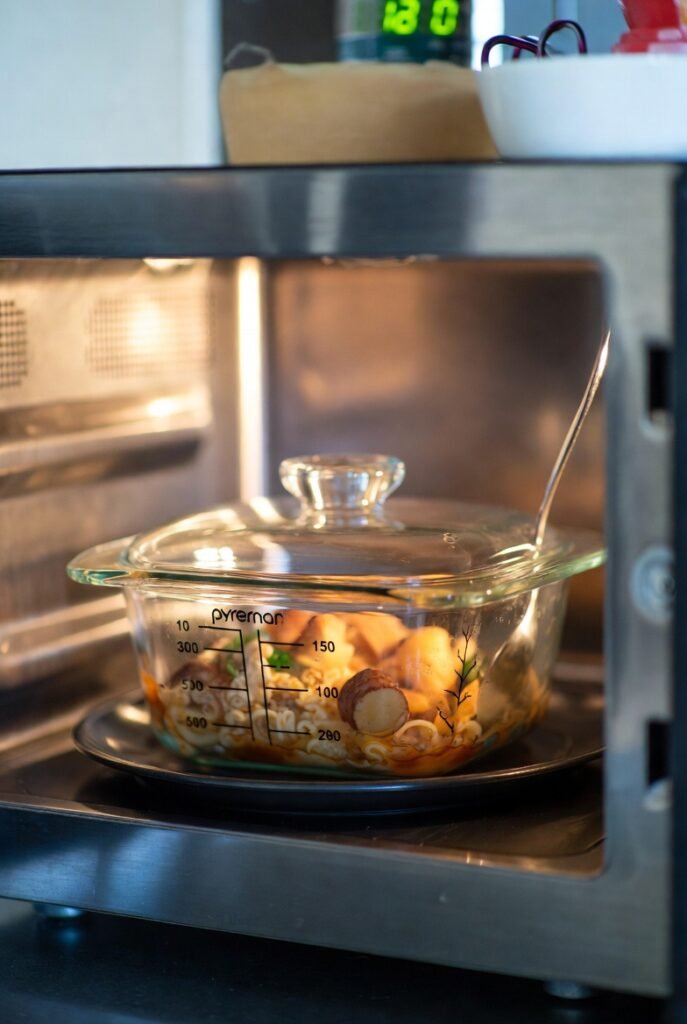
Corning, the original manufacturer of Pyrex, explicitly states that Pyrex glass bakeware is microwave-safe. Current manufacturer World Kitchen maintains this position for its Pyrex products sold in the United States.
You’ll find a microwave-safe symbol on the bottom of authentic Pyrex dishes. This symbol looks like three wavy lines stacked on top of each other, representing microwave radiation.
Check your dish. If you don’t see this symbol, you might not have genuine Pyrex. Or you might have a vintage piece that predates modern labeling standards.
The manufacturer’s guidelines come with important caveats:
- Never microwave an empty Pyrex dish
- Avoid heating Pyrex dishes that are cracked or chipped
- Don’t use Pyrex lids in the microwave unless they’re specifically marked microwave-safe
- Allow dishes to cool before washing or placing on cold surfaces
- Use oven mitts when removing hot Pyrex from the microwave
Why Some Pyrex Dishes Explode (And How to Prevent It)
The horror stories are real. Pyrex dishes can shatter explosively under certain conditions. But thermal shock is usually the culprit, not microwave use itself.
Thermal shock happens when different parts of the glass experience drastically different temperatures simultaneously. The material tries to expand and contract at different rates, creating stress that exceeds the glass’s structural limits.
Boom. Shattered glass everywhere.
In microwaves, this rarely happens during the heating process. The danger zone comes afterward. When you remove that piping hot dish and set it on a cold countertop. When you add cold water to a hot dish. When you transfer hot Pyrex to the refrigerator.
These actions create the temperature differentials that cause shattering.
Soda-lime Pyrex (the modern American version) is more susceptible to thermal shock than borosilicate Pyrex. This explains why explosion reports increased after the formulation change, even though the Pyrex name remained the same.
Temperature Limits You Need to Respect
Modern Pyrex can handle temperatures up to 450°F in conventional ovens. But microwaves present a different situation entirely. Since the glass doesn’t heat directly from microwave energy, temperature limits work differently.
The food temperature matters more than the appliance setting.
When you microwave something that reaches boiling or near-boiling temperatures, the food transfers significant heat to the Pyrex. Soups, stews, sauces, and liquids pose the highest risk because they can superheat beyond visible boiling.
Superheating is dangerous. Liquids heated in a microwave can exceed their boiling point without appearing to boil. When disturbed, they can erupt violently, causing burns and potentially stressing the container.
To avoid superheating:
- Stir liquids halfway through heating
- Place a wooden spoon or microwave-safe object in the liquid
- Heat in shorter intervals rather than one long cycle
- Let the dish stand for 30 seconds before removing it
Identifying Genuine Microwave-Safe Pyrex
Not everything labeled “Pyrex” meets modern safety standards. Vintage Pyrex, while beautiful and collectible, may lack the testing and certification of contemporary products.
Look for these indicators:
Official microwave-safe marking – The three-wave symbol or text stating “microwave safe.”
Brand authenticity – Genuine Pyrex has consistent, clear branding on the bottom
Purchase source – Buying from reputable retailers reduces counterfeit risk
Product age – Newer products have been tested against current safety standards
Condition – Undamaged glass without chips, cracks, or scratches
Vintage Pyrex from the 1940s through 1970s is technically more heat-resistant due to its borosilicate composition. However, decades of use may have created microscopic damage that compromises structural integrity.
When in doubt, use it for serving or storage, not heating.
Microwave Safety Best Practices for Pyrex Users
Following manufacturer guidelines dramatically reduces risk. But going beyond the basics ensures you’re using Pyrex as safely as possible in your microwave.
Start with room temperature dishes whenever possible. Taking Pyrex directly from the refrigerator to the microwave isn’t necessarily dangerous, but it does create a greater temperature differential. If you can, let refrigerated dishes sit at room temperature for 10-15 minutes before microwaving.
Use lower power settings for longer periods. This approach heats food more evenly and reduces the likelihood of creating hot spots that could stress the glass. A dish heated at 50% power for four minutes experiences less thermal stress than one heated at 100% power for two minutes.
Add liquid to dry foods. Moisture helps distribute heat evenly and prevents food from becoming extremely hot in isolated areas. This protects both your food quality and your dish integrity.
Never use the Browning function with Pyrex. Some microwaves have convection or browning features that dramatically increase surface temperatures. These functions can exceed Pyrex’s safe temperature range.
Inspect dishes regularly. That tiny chip might seem insignificant, but it’s a stress point where cracks can propagate. Compromised dishes should be retired from heating duty.
What About Pyrex Lids in the Microwave
This question trips people up constantly. The glass dish is microwave-safe, but what about the plastic lid that came with it?
Pyrex lids fall into different categories:
Glass lids – Generally microwave-safe when they bear the appropriate marking
Plastic lids – Some are microwave-safe, others aren’t
BPA-free plastic lids – Often microwave-safe, but should be vented
Older plastic lids – May contain materials that aren’t microwave-appropriate
Check each lid individually. The dish being microwave-safe doesn’t automatically make the lid safe. Manufacturers often sell dishes with storage lids that aren’t designed for heating.
When using microwave-safe plastic lids, leave a corner or vent open. This allows steam to escape and prevents pressure buildup that could warp the lid or cause it to pop off during heating.
For maximum safety, skip the lid entirely or use a microwave-safe plate or paper towel as a cover instead.
Comparing Pyrex to Other Microwave-Safe Materials
Pyrex isn’t your only option for microwave cooking. Understanding how it compares to alternatives helps you make informed choices.
| Material | Microwave Safety | Advantages | Disadvantages |
|---|---|---|---|
| Pyrex Glass | Generally safe | Doesn’t absorb odors, non-reactive, durable | Can shatter with thermal shock, heavier |
| Ceramic | Usually safe | Retains heat well, attractive presentation | Can chip easily, some glazes contain metal |
| Paper | Safe for brief heating | Disposable, lightweight | Can’t contain liquids, may catch fire if overheated |
| Plastic (microwave-safe) | Safe when labeled | Lightweight, won’t shatter | Can stain, may leach chemicals when overheated |
| Silicone | Safe | Flexible, heat-resistant | Can retain odors, limited structure |
Pyrex offers unique advantages for microwave cooking. It doesn’t retain odors like plastic or silicone. You can see your food while it cooks. It transitions seamlessly from microwave to table for serving.
The transparency factor is underrated. Being able to monitor your food visually while microwaving helps prevent overcooking and allows you to catch problems before they escalate.
When You Shouldn’t Use Pyrex in the Microwave
Despite being microwave-safe, certain situations call for different containers.
Reheating small portions. Pyrex dishes are often larger and heavier than necessary for a single serving. The extra glass mass absorbs heat from your food, making reheating less efficient.
Cooking foods that pop or splatter extensively. While Pyrex can handle this, cleanup becomes more tedious than with disposable options.
When you’re in a rush and might set it on a cold surface. If you can’t commit to proper cooling practices, use something less susceptible to thermal shock.
Heating foods that could create a vacuum seal. Dense foods like thick sauces can create suction against the dish when cooling, making them difficult to remove and potentially creating stress on the glass.
Using damaged or questionable Pyrex. That garage sale find might be a great deal, but unknown history makes it a risky choice for heating.
Troubleshooting Problems When Microwaving with Pyrex
Sometimes things go wrong. Knowing how to handle common issues prevents minor problems from becoming dangerous situations.
Food heats unevenly – This happens with all microwave cooking, but can be more noticeable in glass because you can see it. Solution: Pause halfway through and stir thoroughly. Arrange food with thicker portions toward the outside.
The dish is extremely hot, but the food is lukewarm – Your food likely has low water content or is frozen solid. The extended microwave time is heating the glass through prolonged exposure to hot air inside the microwave. Solution: Add moisture, use defrost settings for frozen items, or choose a different heating method.
Lid won’t stay on during heating – Pressure is building inside. Solution: Create a vent opening or remove the lid entirely. Never seal a dish completely when microwaving.
Dish feels stuck to the microwave turntable – Moisture between the glass and turntable created suction. Solution: Slide a thin utensil under the edge to break the seal. Let it cool slightly before attempting removal.
Glass makes popping or pinging sounds – This can indicate thermal stress. Solution: Stop the microwave immediately. Let it cool completely. Inspect for cracks before using again.
The Science Behind Glass Composition and Microwave Interaction
Getting slightly nerdy here, but this information helps you understand why Pyrex behaves the way it does.
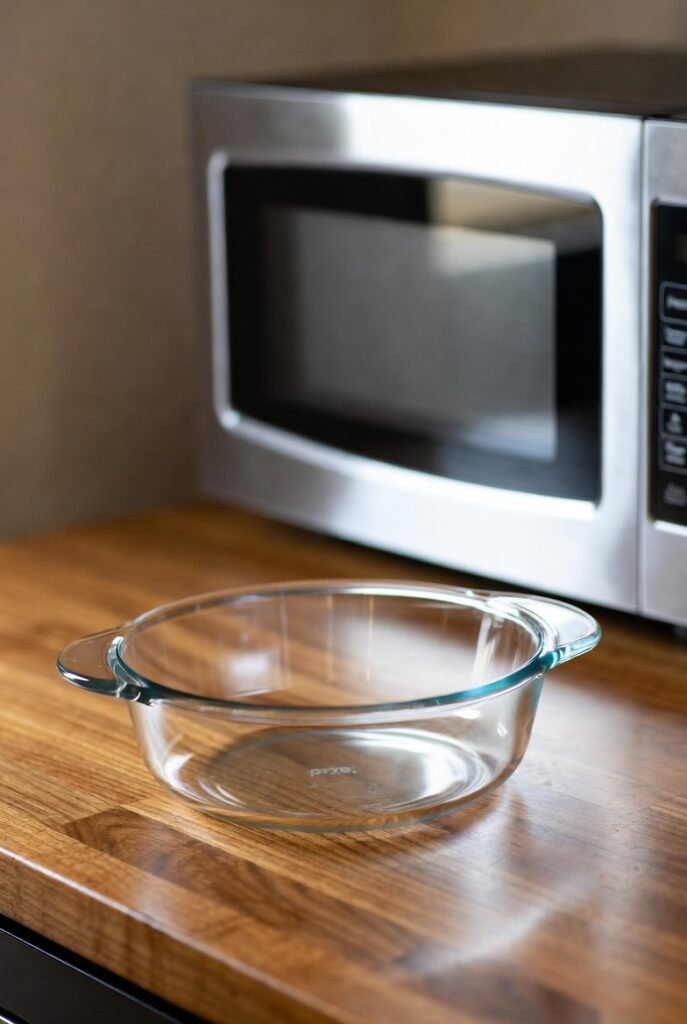
Microwave radiation operates at approximately 2.45 gigahertz. At this frequency, the waves interact primarily with polar molecules, especially water. Glass has a very low dielectric loss factor, meaning it converts very little microwave energy into heat.
This property makes glass ideal for microwave use.
The molecular structure of glass is stable and doesn’t respond significantly to electromagnetic radiation at microwave frequencies. While metal reflects microwaves and water absorbs them, glass allows them to pass through relatively undisturbed.
Temperature changes in Pyrex during microwave use occur through conduction (heat transfer from hot food) rather than through direct microwave absorption. This indirect heating process is gentler on the material than direct heating methods.
The switch from borosilicate to soda-lime glass didn’t change how Pyrex interacts with microwaves. Both formulations are equally microwave-safe. The difference lies in thermal shock resistance when exposed to extreme temperature changes through other means.
RELATED POST >> 10 Best Meal Prep Containers That Are Durable & Sturdy
Environmental and Health Considerations
Glass offers significant advantages from health and environmental perspectives.
Unlike plastic containers, Pyrex doesn’t leach chemicals into food when heated. Concerns about BPA, phthalates, and other additives don’t apply. For health-conscious individuals, this provides peace of mind when reheating meals.
From an environmental standpoint, Pyrex is endlessly reusable. One dish can last decades with proper care, eliminating the need for disposable containers. When a dish finally does break, glass is recyclable in most municipal programs.
The durability factor is real. My mother still uses Pyrex she received as wedding gifts in the 1980s. That’s forty-plus years of service from a single purchase.
Compare that to plastic containers that warp, stain, and need replacement every few years. The upfront cost of Pyrex becomes an investment rather than an expense.
Mistakes People Make with Pyrex in Microwaves
Learning from others’ errors saves you from painful lessons.
Assuming all glass is microwave-safe – Regular drinking glasses, decorative glassware, and crystal are not designed for microwave use. They lack the tempering process that makes Pyrex durable.
Ignoring the time factor – Just because Pyrex can handle microwave use doesn’t mean it can withstand extended exposure. Heating something for 20 minutes creates more stress than heating it for 2 minutes.
Using chipped or cracked dishes – That tiny flaw is a crack waiting to happen. Damage concentrates stress and can lead to catastrophic failure.
Placing hot Pyrex directly on cold surfaces – Granite countertops, marble, wet towels, and metal trivets can all be significantly cooler than hot glass, creating thermal shock conditions.
Filling dishes to the absolute brim – Liquids expand when heated and can boil over, creating a mess and potentially causing burns when you remove the dish.
Mixing heating methods carelessly – Taking Pyrex from microwave to conventional oven (or vice versa) without cooling creates extreme temperature differentials.
Forgetting about the handles – Those convenient handles get hot, too. Always use oven mitts or thick towels when removing Pyrex from the microwave.
How to Extend Your Pyrex’s Lifespan
Proper care keeps your Pyrex safe and functional for decades.
Hand washing is gentler than dishwasher cycles. While Pyrex is dishwasher-safe, the harsh detergents and extreme temperature changes in dishwashers can gradually weaken the glass. Hand washing in warm (not hot) water preserves the material better.
Store with care. Avoid stacking heavy items on top of Pyrex or allowing metal utensils to bang against it during storage. Each impact creates tiny stress points.
Cool completely before washing. Let the heated Pyrex return to room temperature before introducing water, especially cold water. This simple practice prevents most thermal shock incidents.
Use wooden or silicone utensils. Metal spoons and spatulas can create microscopic scratches that accumulate over time and weaken the structure.
Avoid abrasive cleaners. Baking soda, vinegar, and gentle dish soap handle most cleaning needs without damaging the glass surface.
Keep lids and dishes together. Mismatched lids might not vent properly and could create pressure problems during heating.
Alternatives When Pyrex Isn’t the Right Choice
Sometimes other options work better for specific situations.
For single servings: Microwave-safe ceramic mugs or small bowls heat individual portions more efficiently than large Pyrex dishes.
For steaming vegetables: Specialized microwave steamers with vented lids provide better results than covered Pyrex dishes.
For popcorn and expanding foods: Paper bags designed for microwave popping work better than rigid glass containers.
For acidic foods stored long-term: While Pyrex is non-reactive, plastic containers with reliable seals might preserve flavor better in some cases.
For travel and portability: Lightweight plastic containers eliminate the risk of broken glass in lunch bags and backpacks.
The right tool for the job matters. Pyrex excels at many tasks but isn’t necessarily the optimal choice for every situation.
The Pyrex Warranty and What It Covers
Understanding warranty coverage helps you know your rights and recourse options.
Pyrex products typically come with a two-year limited warranty covering defects in materials and workmanship. This warranty does not cover breakage from misuse, thermal shock, or normal wear and tear.
If your Pyrex shatters during normal, proper use within the warranty period, document everything. Take photos of the broken pieces, the product markings, and your purchase receipt. Contact the manufacturer through their customer service channels.
Be honest about how you were using the product. Warranty claims based on misuse get denied, wasting everyone’s time.
Third-party sellers and vintage items don’t carry manufacturer warranties. That beautiful, patterned Pyrex from the antique store is sold as-is.
Real-World Testing and Consumer Reports
Independent testing organizations have evaluated Pyrex microwave safety extensively.
Consumer Reports testing confirmed that properly used Pyrex performs safely in microwave applications. Their tests involved hundreds of heating cycles with various food types, monitoring both food safety and container integrity.
The organization did note that soda-lime Pyrex showed higher failure rates under extreme thermal shock conditions compared to borosilicate formulations. However, these tests involved scenarios beyond normal use patterns, like transferring dishes directly from boiling water to ice baths.
For standard microwave reheating and cooking, both formulations performed acceptably when users followed basic safety guidelines.
User reviews across retail platforms generally rate Pyrex highly for microwave use, with most negative reviews stemming from situations involving thermal shock rather than microwave-specific problems.
Special Considerations for Different Food Types
Not all foods behave the same way in Pyrex containers.
Liquids and soups: These distribute heat relatively evenly but can superheat. Use lower power settings and stir frequently.
Dense casseroles: These heat unevenly with hot spots near edges and cooler centers. Rotate and stir when possible.
Frozen items: These create the greatest temperature differentials. Thaw partially before microwaving in Pyrex, or use defrost settings.
High-sugar foods: Sugar heats to extremely high temperatures in microwaves. Candies, syrups, and sweet sauces can become hot enough to stress glass. Monitor carefully.
Fatty foods: Like sugar, fats reach very high temperatures quickly. Bacon, butter, and oil-based dishes need special attention.
Eggs in shells: Never microwave eggs in shells in any container. They can explode. Scrambled or beaten eggs in Pyrex work fine.
The Bottom Line on Pyrex Microwave Safety
Is Pyrex microwave safe? Yes, when used correctly. The real question isn’t whether you can use Pyrex in your microwave, but whether you’re following the practices that ensure safe, effective use.
Genuine Pyrex marked microwave-safe handles the task reliably. Respecting temperature differentials, avoiding damaged dishes, and following manufacturer guidelines gives you decades of safe service.
The horror stories you’ve heard typically involve thermal shock from improper cooling practices, not microwave use itself. Setting hot Pyrex on cold granite or washing it immediately under cold water creates the conditions for explosive failure.
Your microwave and your Pyrex can coexist peacefully. Just treat them both with respect and understanding.
Choose authentic Pyrex products. Inspect them regularly for damage. Heat them properly and cool them gradually. These simple practices eliminate nearly all risk while giving you the convenience and versatility that made Pyrex a kitchen staple in the first place.
Frequently Asked Questions
Can I put cold Pyrex straight from the fridge into the microwave?
Yes, you can microwave Pyrex directly from the refrigerator. The microwave itself doesn’t create enough thermal shock to cause problems. The risk comes when you remove hot Pyrex and place it on cold surfaces. Allow refrigerated Pyrex to sit for a few minutes before microwaving for more even heating, but it’s not a safety requirement.
Why did my Pyrex explode in the microwave?
Pyrex rarely explodes during microwave use. Explosions typically occur after microwaving when hot glass contacts cold surfaces or water. If your dish actually shattered while in the microwave, it likely had pre-existing damage (chips, cracks, or stress fractures) that failed under the thermal stress of heating.
Is vintage Pyrex safer than modern Pyrex for microwave use?
Vintage borosilicate Pyrex has superior thermal shock resistance compared to modern soda-lime Pyrex. However, both are equally safe for microwave use, specifically because microwaves don’t create rapid temperature changes. The advantage of vintage Pyrex applies more to oven use and resistance to post-heating thermal shock.
Can I microwave Pyrex with metal handles or trim?
No. Never microwave any glass with metallic decorations, handles, or trim. Metal reflects microwaves, causing arcing (sparking) that can damage your microwave and potentially shatter the dish. Check carefully for any metallic elements before microwaving any glassware.
How long can I safely microwave food in Pyrex?
There’s no specific time limit for microwave use with Pyrex. However, the longer the heating time, the hotter your food becomes, and the more heat transfers to the glass. For extended heating (over 10 minutes), check the dish periodically and use lower power settings to prevent excessive heat buildup.
What’s the maximum temperature Pyrex can handle in a microwave?
Microwaves don’t directly heat glass, so the limiting factor is your food’s temperature, not the appliance. Since Pyrex is rated for 450°F in conventional ovens, it can handle any temperature your microwaved food reaches. Superheated liquids pose the greatest concern, potentially exceeding boiling temperatures.
Can I microwave empty Pyrex to warm the dish?
Never microwave an empty Pyrex or any other empty glass container. Without food to absorb microwave energy, the oven’s energy bounces around and can eventually heat the glass unevenly, potentially damaging both the dish and the microwave.
Is the microwave-safe symbol always present on Pyrex?
Modern Pyrex intended for microwave use carries the three-wave microwave-safe symbol or text indicating microwave safety. Older pieces might lack this marking but are often still safe to use. When in doubt with unmarked vintage Pyrex, use it for serving or storage rather than heating.
Can I use Pyrex measuring cups in the microwave?
Yes, Pyrex measuring cups marked microwave-safe work great for heating liquids and making sauces. Their spouts make them particularly convenient for microwave use. Follow the same guidelines as with other Pyrex items, especially regarding superheating with liquids.
What should I do if my Pyrex cracks while microwaving?
If you hear cracking or see cracks forming while microwaving, stop the microwave immediately. Don’t open the door right away; let the dish cool for several minutes. When removing it, use thick oven mitts and place it on a heat-safe surface away from cold materials. Dispose of cracked Pyrex safely; don’t attempt to continue using it.
Does the color or pattern on Pyrex affect microwave safety?
Colored or patterned Pyrex (like the vintage turquoise or pink pieces) is generally microwave-safe as long as the decoration doesn’t contain metallic elements. The color is typically baked into the glass or ceramic coating and doesn’t interfere with microwave heating. However, any metallic gold, silver, or copper trim makes the dish unsuitable for microwave use.
Can I use Pyrex to make microwave popcorn?
While you can pop kernels in covered Pyrex, it’s not ideal. Popcorn requires extremely high temperatures, which place more stress on glass than most other foods. Specialized microwave popcorn poppers with venting systems work better and more safely. If you do use Pyrex, use a vented lid and don’t fill more than halfway with kernels.
SUGGESTED POST >> Dense Bean Salad Meal Prep: Best Protein-Packed Make-Ahead
Discover more from Meal Prep Insider
Subscribe to get the latest posts sent to your email.