Heart healthy meal plan ideas don’t have to taste like cardboard.
They don’t have to be bland. Or expensive. Or “perfect.”
But here’s the part most people miss. The first few choices you make—breakfast, the snack you grab at 3 p.m., what’s in your fridge when you’re tired—quietly decide how the rest of your day goes.
Not your willpower.
Not your motivation.
Your setup.
And if your setup is built for your heart? The rest gets easier. Fast.
This post gives you 35 easy, realistic meal plan ideas you can rotate all month. Many are 15–30 minutes. Some are “throw it in a bowl” simple. All are built around what matters for heart health in the U.S.: fiber, unsaturated fats, lean protein, less sodium, fewer ultra-processed foods, and smarter carbs.
No fussy rules.
No weird ingredients.
Just meals you’ll want to repeat.
Heart healthy meal plan ideas: a no-drama blueprint that works in real life
Before we hit the 35 ideas, you need a framework. Not a lecture. A framework you can use in a grocery store aisle.
What “heart-healthy” usually means (in plain English)
Most cardiology-friendly eating patterns (think Mediterranean and DASH-style) overlap on the big rocks:
- More fiber (beans, lentils, oats, veggies, fruit, whole grains)
- More unsaturated fats (olive oil, nuts, seeds, avocado, fatty fish)
- More potassium and magnesium (produce, beans, yogurt, nuts)
- Less sodium (especially from packaged foods and restaurant meals)
- Less added sugar (drinks, sweets, flavored coffees, “healthy” snacks)
- Less saturated fat (fatty red meats, processed meats, butter-heavy meals)
- More minimally processed foods (not perfect, just more often)
If you’re managing high blood pressure, high cholesterol, diabetes, or a family history of heart disease, these patterns are the ones clinicians keep coming back to.
A quick “build-a-plate” rule you can remember
Use this as your default:
- Half your plate: non-starchy veggies (or veggies + fruit)
- One quarter: lean protein (fish, chicken, turkey, tofu, beans, lentils)
- One quarter: high-fiber carbs (brown rice, quinoa, oats, sweet potato, whole wheat)
- Add: unsaturated fat (olive oil, nuts, seeds, avocado)
No measuring cups required.
Sodium: the quiet detail that changes everything
In the U.S., sodium sneaks in through bread, deli meat, canned soups, sauces, and restaurant meals. Many health organizations suggest staying under 2,300 mg/day, and some people benefit from aiming closer to 1,500 mg/day—but your needs depend on your medical situation.
You don’t need to eat “no salt.” You need to stop letting packaged food do all the salting for you.
The sneaky “healthy” foods that can derail a heart-friendly day
Not “bad” foods. Just easy-to-overdo items:
- Giant smoothies with sweetened yogurt + juice
- Store-bought soups (often very high in sodium)
- Deli turkey and ham (sodium + preservatives)
- “Keto” snacks (can be salty, high saturated fat)
- Restaurant salads (dressing + cheese + croutons can stack sodium fast)
As it turns out, your heart doesn’t care about marketing. It cares about the overall pattern.
Stock-your-kitchen list (so these meal ideas are truly easy)
If you want meal plans to feel automatic, keep a short roster of staples.
Heart-smart basics to keep on hand
- Proteins: canned salmon, canned tuna (in water), frozen shrimp, chicken breast/thighs (trim visible fat), eggs, tofu/tempeh, plain Greek yogurt, low-sodium beans/lentils
- Carbs: old-fashioned oats, brown rice, quinoa, whole wheat tortillas, whole grain bread (check sodium), sweet potatoes
- Fats: extra virgin olive oil, avocado, walnuts/almonds, chia/flax, natural peanut butter
- Flavor: garlic, onions, lemons, limes, salsa (watch sodium), vinegar, black pepper, cumin, paprika, cinnamon, dried oregano, chili flakes
- Freezer heroes: frozen berries, frozen broccoli/cauliflower, spinach, mixed veggies, edamame
A fast label-reading cheat sheet (U.S. grocery stores)
When comparing products, look for:
- Sodium: lower is better (especially for soups, sauces, bread, deli items)
- Fiber: higher is better (aim for 3–5g+ per serving when possible)
- Added sugars: keep it low (especially in yogurt, cereal, and sauces)
- Saturated fat: lower is generally better for heart health
35 Easy Heart Healthy Meal Plan Ideas (mix-and-match friendly)
Use these as repeatable “modules.” Pick 1 breakfast, 1 lunch, 1 dinner, and 1–2 snacks per day. Rotate. Stay consistent without getting bored.
Breakfast ideas (1–10)
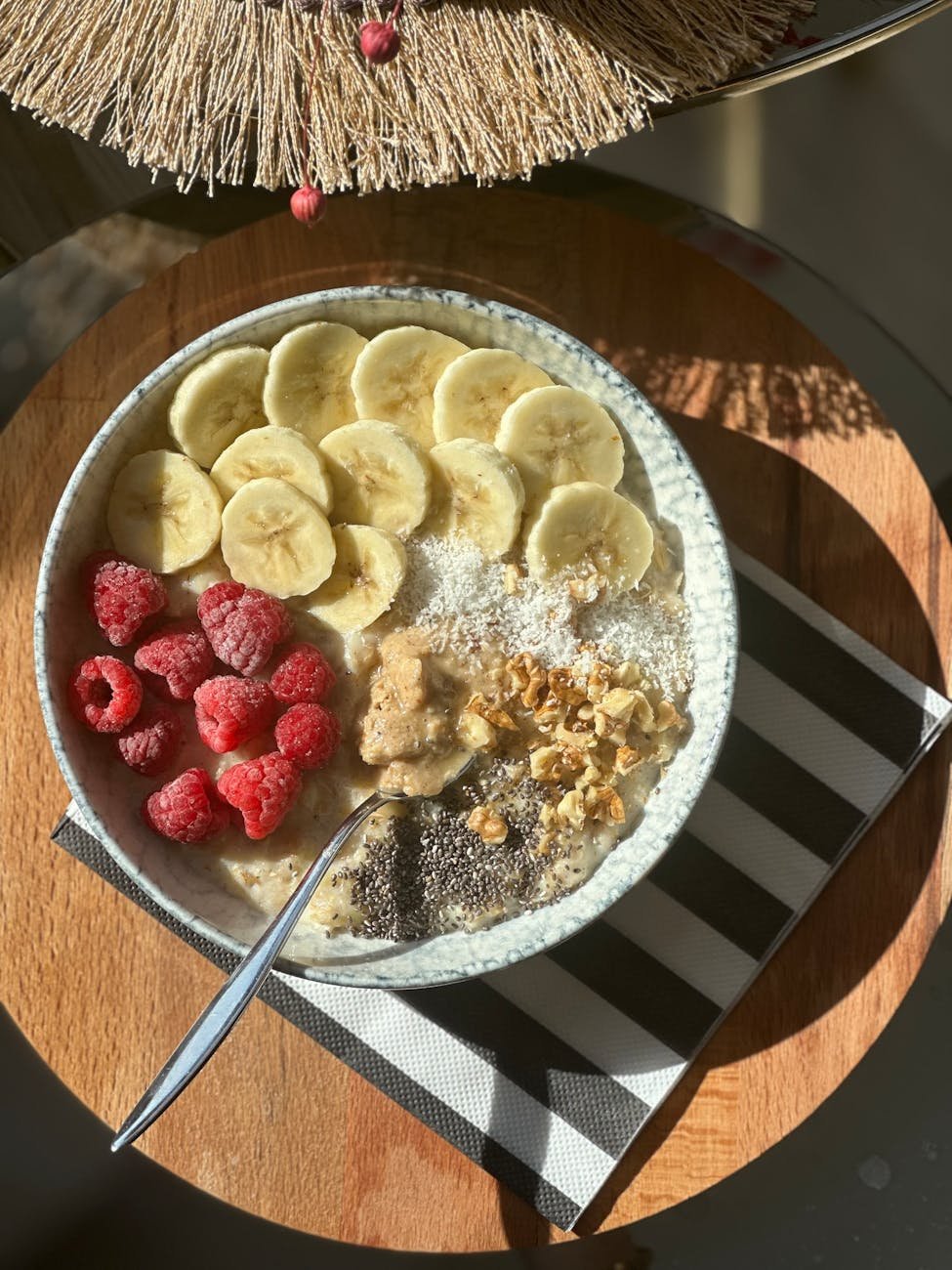
1) Berry-Chia Overnight Oats + Walnuts
Why it’s heart-friendly: oats + chia bring soluble fiber; walnuts add omega-3 fats.
How to do it:
- Oats + chia + milk (dairy or unsweetened soy) + cinnamon + frozen berries
- Top with walnuts in the morning
Shortcut: make 3 jars at once.
2) Savory Oatmeal with Spinach, Egg, and Salsa
Yes, oatmeal can be savory. It’s oddly satisfying.
Why it works: fiber + protein keeps you full; spinach adds potassium.
Tip: Choose a lower-sodium salsa or use a small spoonful.
3) Greek Yogurt Bowl with Sliced Apple, Cinnamon, and Ground Flax
Why it’s heart-smart: protein + probiotics + fiber + healthy fats.
Make it better: add a spoon of peanut butter for extra staying power.
4) Veggie Egg Scramble + Whole Grain Toast
Veg add-ins: peppers, onions, mushrooms, spinach.
Heart-friendly twist: cook in olive oil, not butter; go easy on cheese (or use a small sprinkle).
5) Avocado Toast with Tomato + Hemp Seeds
Why it works: unsaturated fat + fiber.
Protein boost: add a poached egg or smoked salmon (watch sodium; use a smaller amount).
6) Cottage Cheese (or Yogurt) + Pineapple + Pistachios
If you’re watching sodium, pick a lower-sodium cottage cheese or use yogurt instead.
Why it works: quick protein, fruit, and unsaturated fat.
7) Smoothie That Doesn’t Turn Into a Sugar Bomb
Blend:
- unsweetened milk/soy milk
- frozen berries
- handful of spinach
- plain Greek yogurt or silken tofu
- chia or flax
Avoid: juice as the base. It spikes sugar fast.
8) Whole Grain English Muffin + Natural PB + Banana
Why it’s helpful: portable, budget-friendly, no cooking.
Extra fiber: add chia to the peanut butter.
9) Breakfast Tacos: Egg + Black Beans + Pico de Gallo
Why it’s strong: beans add fiber and minerals; tortillas keep it easy.
Tip: Choose corn tortillas or whole wheat. Watch sodium in packaged pico.
10) “Sunday Batch” Steel-Cut Oats with Mixed Berries
Cook once. Reheat all week.
Upgrade: stir in cinnamon and top with almonds.
Lunch ideas (11–20)
11) Salmon Salad Bowl (No Mayo Required)
Mix canned salmon with lemon, olive oil, pepper, and chopped celery. Serve over greens with tomatoes and cucumbers.
Why it works: omega-3 fats + low effort.
12) Turkey + Hummus Wrap with Crunchy Veg
Use low-sodium turkey if possible (or swap in leftover chicken).
Add shredded carrots, spinach, and cucumbers.
Why it works: fiber + protein + better fats from hummus.
13) Lentil Soup + Side Salad (DIY, Low Sodium)
Homemade lentil soup is a heart-health cheat code.
Flavor trick: cumin, smoked paprika, garlic, a splash of vinegar.
14) Brown Rice Bowl with Edamame, Veggies, and Sesame-Lime Dressing
Dressing: lime + a little sesame oil + low-sodium soy sauce (or coconut aminos) + ginger.
Why it works: plant protein + fiber + satisfying texture.
15) Mediterranean Chickpea Salad (No Lettuce Needed)
Chickpeas + cucumber + tomato + red onion + parsley + feta (small amount) + olive oil + lemon.
Why it works: fiber and healthy fats, easy to batch.
16) Leftover Dinner “Glow-Up” Bowl
Take last night’s roasted veggies and protein. Add greens. Add a sauce (yogurt + lemon + herbs).
Why it works: less waste, fewer drive-thru lunches.
17) Tuna + White Bean Salad with Lemon and Dill
Mix tuna (in water) with rinsed white beans, olive oil, lemon, dill, and pepper.
Why it works: protein + fiber combo that keeps blood sugar steadier.
18) Chicken Veggie Soup (Freezer-Friendly)
Use shredded rotisserie chicken if needed—just know it can be salty. Balance with extra veggies and no-salt-added broth.
Why it works: filling, hydrating, and easy.
19) “Snack Plate” Lunch (Adult Lunchable, But Smarter)
- veggies + hummus
- apple or grapes
- a handful of nuts
- a hard-boiled egg or yogurt
Why it works: portion-friendly and quick.
20) Quinoa Tabouli + Grilled Chicken or Tofu
Parsley, cucumber, tomato, lemon, olive oil. Quinoa stands in for bulgur if you want extra protein.
Why it works: bright flavor, low effort, great cold.
RELATED POST >> 25+ Weekly Healthy Meal Plan Ideas: The 60-Minute Prep
Dinner ideas (21–30)
21) Sheet Pan Salmon + Broccoli + Sweet Potato
One pan. Minimal cleanup.
Why it works: omega-3s + fiber + potassium.
Flavor: lemon, garlic, pepper, smoked paprika.
22) Garlicky Shrimp Stir-Fry with Mixed Vegetables
Use frozen shrimp and frozen veggies.
Sauce: ginger + garlic + low-sodium soy sauce + a little honey (optional).
Serve over brown rice or quinoa.
23) Turkey Chili with Beans (Big Batch Winner)
Use lean ground turkey, two kinds of beans, diced tomatoes (no salt added if possible), onions, peppers, and chili powder.
Why it works: high fiber, hearty, freezer-ready.
24) Baked Chicken + Roasted Brussels Sprouts + Quinoa
Simple and classic.
Upgrade: toss quinoa with chopped herbs and lemon zest.
25) Whole Wheat Pasta with Olive Oil, Garlic, Spinach, and White Beans
This feels like comfort food. Because it is.
Why it works: fiber from pasta + beans, unsaturated fat from olive oil.
Optional: Sprinkle Parmesan lightly.
26) Taco Night, Heart-Friendly Edition
- ground turkey or black beans
- sautéed peppers/onions
- corn tortillas
- avocado + cilantro
Watch: Sodium in taco seasoning. Make your own: chili powder, cumin, garlic powder, paprika.
27) “Big Salad” Dinner with Protein and Crunch
Base: greens + chopped veggies + beans or chicken/salmon.
Crunch: pumpkin seeds or slivered almonds.
Dressing: olive oil + vinegar + mustard.
Why it works: high volume, high fiber, satisfying.
28) Stuffed Sweet Potatoes (Beans + Salsa + Yogurt)
Bake sweet potatoes. Split. Fill with black beans, salsa, and a dollop of plain Greek yogurt.
Why it works: fiber, potassium, protein—cheap and filling.
29) Tofu & Vegetable Curry (Quick Pantry Curry)
Use light coconut milk (or a smaller amount of regular) + curry powder + chickpeas + spinach. Serve with brown rice.
Why it works: plant-forward, cozy, easy to scale.
30) Salmon (or Sardine) “Power Cakes” + Slaw
Mix canned fish with egg, oats, diced onion, pepper, and lemon. Pan-sear in olive oil.
Serve with cabbage slaw (vinegar + olive oil).
Why it works: omega-3s + fiber, very meal-prep friendly.
Snacks, mini-meals, and desserts (31–35)
31) Apple + Peanut Butter + Cinnamon
A classic for a reason.
Why it works: fiber + healthy fat = better staying power.
32) Veggies + Hummus + A Handful of Nuts
Crunchy, salty, satisfying.
Tip: if sodium is a concern, choose low-sodium hummus or make your own.
33) Greek Yogurt “Cheesecake” Bowl
Plain Greek yogurt + vanilla extract + berries + crushed walnuts.
Why it works: dessert vibe, heart-friendly reality.
34) Air-Popped Popcorn + Olive Oil Drizzle + Nutritional Yeast
Popcorn is a whole grain.
Watch: butter-drenched movie-theater style versions.
35) Dark Chocolate (1–2 Squares) + Strawberries
Pick a higher-cocoa dark chocolate. Keep it small. Enjoy it slowly.
Why it works: this prevents the “I can’t have anything” spiral that wrecks consistency.
Mix-and-match meal planning table (so you can build endless combos)
Use this table to create heart-healthy meals without overthinking.
| Base (Fiber) | Protein | Color (Produce) | Healthy Fat | Fast Flavor |
|---|---|---|---|---|
| Oats | Greek yogurt | Berries | Walnuts | Cinnamon |
| Brown rice | Salmon | Broccoli | Olive oil | Lemon + garlic |
| Quinoa | Chicken | Cucumber + tomato | Olive oil | Vinegar + herbs |
| Sweet potato | Black beans | Salsa + spinach | Avocado | Lime + cumin |
| Whole wheat pasta | White beans | Spinach | Olive oil | Chili flakes |
| Greens | Tuna | Peppers + onions | Seeds | Mustard dressing |
| Lentils | Tofu | Mixed veggies | Sesame oil (small) | Ginger |
Pick one from each column. Dinner solved.
A 7-day heart-healthy meal plan example (using the 35 ideas)
This is a template, not a commandment. Swap freely.
| Day | Breakfast | Lunch | Dinner | Snack |
|---|---|---|---|---|
| Mon | Berry-chia overnight oats | Mediterranean chickpea salad | Sheet pan salmon + broccoli + sweet potato | Apple + peanut butter |
| Tue | Veggie egg scramble + toast | Tuna + white bean salad | Turkey chili with beans | Popcorn + olive oil |
| Wed | Smoothie (low sugar) | Leftover chili bowl + salad | Shrimp stir-fry + brown rice | Yogurt “cheesecake” bowl |
| Thu | Avocado toast + tomato | Lentil soup + side salad | Whole wheat pasta + beans + spinach | Veggies + hummus |
| Fri | Greek yogurt + apple + flax | Snack plate lunch | Taco night (heart-friendly) | Dark chocolate + berries |
| Sat | Breakfast tacos (egg + beans) | Quinoa tabouli + chicken | Stuffed sweet potatoes | Nuts + fruit |
| Sun | Batch steel-cut oats | Salmon salad bowl | Tofu veggie curry + brown rice | Popcorn or yogurt |
If you want to make this plan lower-sodium
- Use no-salt-added canned tomatoes and beans (or rinse regular beans well).
- Choose low-sodium broths.
- Limit deli meats to occasional use (or pick low-sodium versions).
- Make your own seasoning blends.
If you want to make this plan more cholesterol-friendly
- Prioritize fish, beans, lentils, and tofu more often than red meat.
- Use olive oil instead of butter most days.
- Add oats, beans, and fruit daily (soluble fiber supports healthy cholesterol levels).
Smart grocery list (1 week, heart-healthy and realistic)
Adjust portions for your household size.
Produce
- Berries (fresh or frozen)
- Apples, bananas, citrus
- Spinach or mixed greens
- Broccoli, Brussels sprouts, peppers, onions
- Sweet potatoes
- Tomatoes, cucumbers, fresh herbs (parsley/cilantro)
Proteins
- Canned salmon or tuna
- Chicken breast or thighs (trim fat)
- Lean ground turkey
- Eggs
- Greek yogurt
- Tofu
- Beans/lentils (canned low-sodium or dry)
Grains & carbs
- Old-fashioned oats
- Brown rice or quinoa
- Whole wheat pasta
- Whole-grain bread or tortillas
- Popcorn kernels
Fats, flavor, extras
- Extra virgin olive oil
- Walnuts/almonds
- Chia/flax/hemp seeds
- Hummus
- Salsa (check sodium)
- Vinegar, mustard, spices
Meal prep that doesn’t steal your Sunday
You don’t need a 4-hour kitchen marathon. You need a few “future-you favors.”
The 30–45 minute prep list
- Bake 3–4 sweet potatoes
- Cook 1 pot of brown rice or quinoa
- Chop a few vegetables (onion, peppers, cucumber)
- Make a quick dressing: olive oil + vinegar + mustard
- Portion 2–3 overnight oats
That’s enough to make the week feel suspiciously easier.
The “I’m exhausted” backup plan (still heart-friendly)
Keep a few emergency combos ready:
- Rotisserie chicken + bagged salad + microwave brown rice
- Canned salmon + whole grain toast + fruit
- Frozen shrimp + frozen veggies + quick stir-fry sauce
- Eggs + spinach + whole wheat tortilla
Truthfully, this is where consistency is born. Not in perfect recipes.
Usual missteps (and how to fix them without giving up)
You can eat “healthy foods” and still miss the heart-health target. Here are the frequent slip-ups I see, plus clean fixes.
Pitfall 1: “I’ll just eat less” (and you end up hungry)
If meals are too small, snacks get chaotic.
Fix: add fiber + protein. Beans, yogurt, eggs, tuna, tofu, lentils.
Pitfall 2: Sodium creep
Bread + deli meat + soup + sauce can stack fast.
Fix: pick two items per day to go low-sodium (broth and beans are easy wins).
Pitfall 3: Fear of fats
Going super low-fat often leads to more refined carbs and less satisfaction.
Fix: use olive oil, nuts, seeds, and avocado. Control portion. Keep it enjoyable.
Pitfall 4: “Healthy” snacks that are basically candy
Granola bars and sweet coffee drinks can quietly become dessert.
Fix: choose snacks with protein or fiber: fruit + nuts, yogurt + berries, hummus + veggies.
Pitfall 5: No plan for restaurants
Restaurant meals can be sodium-heavy even when they look “clean.”
Fix:
- Ask for dressing/sauce on the side
- Choose grilled, roasted, or steamed
- Prioritize vegetables and lean protein
- Take half home (easy portion control)
How to tailor these heart-healthy meal plan ideas to your goal
If your main goal is lower blood pressure
- Make half your plate produce most meals
- Use beans and lentils often
- Keep an eye on sodium from sauces, soups, and deli foods
- Choose potassium-rich foods (sweet potato, beans, yogurt, leafy greens)
If your main goal is lower LDL (“bad”) cholesterol
- Increase soluble fiber: oats, beans, lentils, apples, citrus
- Choose fish 1–2 times/week
- Limit processed meats and high-saturated-fat meals
- Use olive oil and nuts more often than butter and fried foods
If your main goal is weight management (without feeling miserable)
- Start with volume: soups, big salads, roasted vegetables
- Pair carbs with protein and fat
- Keep “fun foods” in sane portions so you don’t rebound later
FAQs
What are the best heart healthy meal plan ideas for beginners who hate cooking?
Start with no-cook or low-cook options: Greek yogurt bowls, overnight oats, snack-plate lunches, canned salmon salads, and sheet-pan dinners. Keep ingredients minimal. Repeat meals until they’re automatic.
Is a heart-healthy meal plan the same as the Mediterranean diet?
They overlap a lot. Many heart-healthy meal plans borrow Mediterranean basics: olive oil, nuts, beans, fish, vegetables, and whole grains. But a heart-healthy plan can also be DASH-inspired (more focus on lowering sodium and boosting potassium).
How many times a week should I eat fish for heart health?
Many guidelines commonly suggest about 2 servings per week, especially fatty fish like salmon or sardines for omega-3s. If you don’t eat fish, talk with a clinician about alternatives (like flax/chia/walnuts and whether supplements make sense for you).
Are eggs heart-healthy?
For many people, eggs can fit into a heart-healthy pattern—especially when they replace refined breakfasts and are paired with vegetables and whole grains. If you have specific cholesterol issues or medical guidance to limit dietary cholesterol, follow your clinician’s advice.
How can I make these meals lower-sodium without losing flavor?
Use acid and aromatics: lemon, lime, vinegar, garlic, onion, pepper, smoked paprika, cumin, chili flakes, and fresh herbs. Also, rinse canned beans, choose low-sodium broths, and keep salty sauces portioned (not poured).
What’s the simplest heart-healthy lunch I can pack for work?
Try one of these:
- tuna + white bean salad
- Mediterranean chickpea salad
- snack-plate lunch (hummus, veggies, fruit, nuts, yogurt)
All hold up well and don’t require reheating.
Do I need to avoid red meat completely for a heart-healthy meal plan?
Not always, but frequency and portion matter. Many heart-forward patterns emphasize fish and plant proteins more often. If you eat red meat, keep portions moderate and choose lean cuts; avoid processed meats as much as possible.
Can I follow a heart-healthy meal plan if I’m on a tight budget?
Yes. Build around oats, beans, lentils, frozen vegetables, brown rice, canned fish, eggs, and in-season fruit. These are some of the most cost-effective heart-friendly staples in U.S. grocery stores.
Final note (important)
This post is for general education, not personal medical advice. If you have heart disease, high blood pressure, kidney disease, diabetes, or take medications affected by diet (like blood thinners), check with your healthcare professional for individualized guidance.
If you want, tell me your calorie target (or goal), your cooking time limit, and any dietary restrictions (low-sodium, diabetes-friendly, vegetarian, etc.). I can turn these 35 heart healthy meal plan ideas into a printable 7-day plan with a matched grocery list.
SUGGESTED POST >> 15 Healthy Meal Plan Ideas for One Day: The Perfect Reset