Finding genuinely easy, healthy meal plan ideas on a budget can feel like searching for a lost city of gold. You know it exists, but every map you find leads to a dead end. Your wallet is screaming. Your stomach is rumbling. You open the fridge, hoping for inspiration, but all you see is a half-empty jar of pickles and a looming sense of dread.
Sound familiar?
You’ve seen the posts. The ones with impossibly beautiful photos of meals that require ten obscure ingredients and a culinary degree. They promise “budget-friendly,” but the shopping list reads like a luxury catalog. It’s frustrating. It makes you want to give up and order a pizza. Again.
But what if the problem isn’t your budget? What if the problem is the plan? The truth is, most meal plans fail because they are designed for a perfect life, not your real life. They ignore the chaos of a Tuesday night, the siren song of takeout, and the simple fact that you are tired. This post is different. This is your new map.
Why Most “Budget-Friendly” Meal Plans Fail You
Let’s get real for a second. The internet is saturated with meal plans that look great on paper but collapse in the face of reality. Before we dive into the solutions, we have to understand the typical pitfalls that set you up for failure. It’s not you; it’s the faulty design.
Common oversights include:
- The Exotic Ingredient Trap: That one recipe calls for saffron or black truffle oil. Suddenly, your $50 weekly budget is blown on a single, tiny bottle you’ll use once.
- The “Chef for a Day” Assumption: Many plans assume you have an hour or more to lovingly craft each dinner. That’s a luxury few can afford, time-wise.
- Ignoring the Power of Leftovers: A good budget plan doesn’t see leftovers as a sad consolation prize. It sees them as a strategic head start on your next meal.
- All-or-Nothing Mentality: They often demand you make everything from scratch, from bread to salad dressing. This is overwhelming and, in reality, unnecessary.
This isn’t about deprivation or becoming a gourmet chef overnight. It’s about being strategic, resourceful, and a little bit clever.
The Mindset Shift: From “Scarcity” to “Strategy”
Eating well on a tight budget isn’t about what you can’t afford. It’s about maximizing what you can. This requires a small but powerful mental shift. Stop looking at your pantry and seeing limitations. Start seeing building blocks.
That can of beans isn’t just a can of beans. It’s the base for burgers, a hearty addition to soup, a protein-packed salad topper, or the star of a burrito bowl. That bag of frozen spinach? It’s a nutrient boost for smoothies, eggs, pasta sauce, and stews.
Your goal is to build an arsenal of versatile, low-cost staples. These are your secret weapons against budget-busting impulse buys and last-minute takeout orders.
Your Budget-Friendly Grocery Arsenal: The Foundation
Before you can cook, you must shop. But strategic shopping is where the magic begins. Your cart should be filled with versatile workhorses, not one-hit wonders. Here’s your foundational shopping list.
Proteins That Won’t Break the Bank
- Eggs: The undisputed champion of cheap, high-quality protein.
- Canned Tuna or Salmon: Perfect for salads, sandwiches, and patties.
- Legumes: Lentils (brown, green, or red), chickpeas, and black beans are nutritional powerhouses. Buy them dried for maximum savings.
- Chicken Thighs or Drumsticks: Significantly cheaper than chicken breast and, believe it or not, often more flavorful.
- Ground Turkey or Beef: Look for family packs and freeze in one-pound portions.
- Tofu and Edamame: Excellent plant-based options that are easy on the wallet.
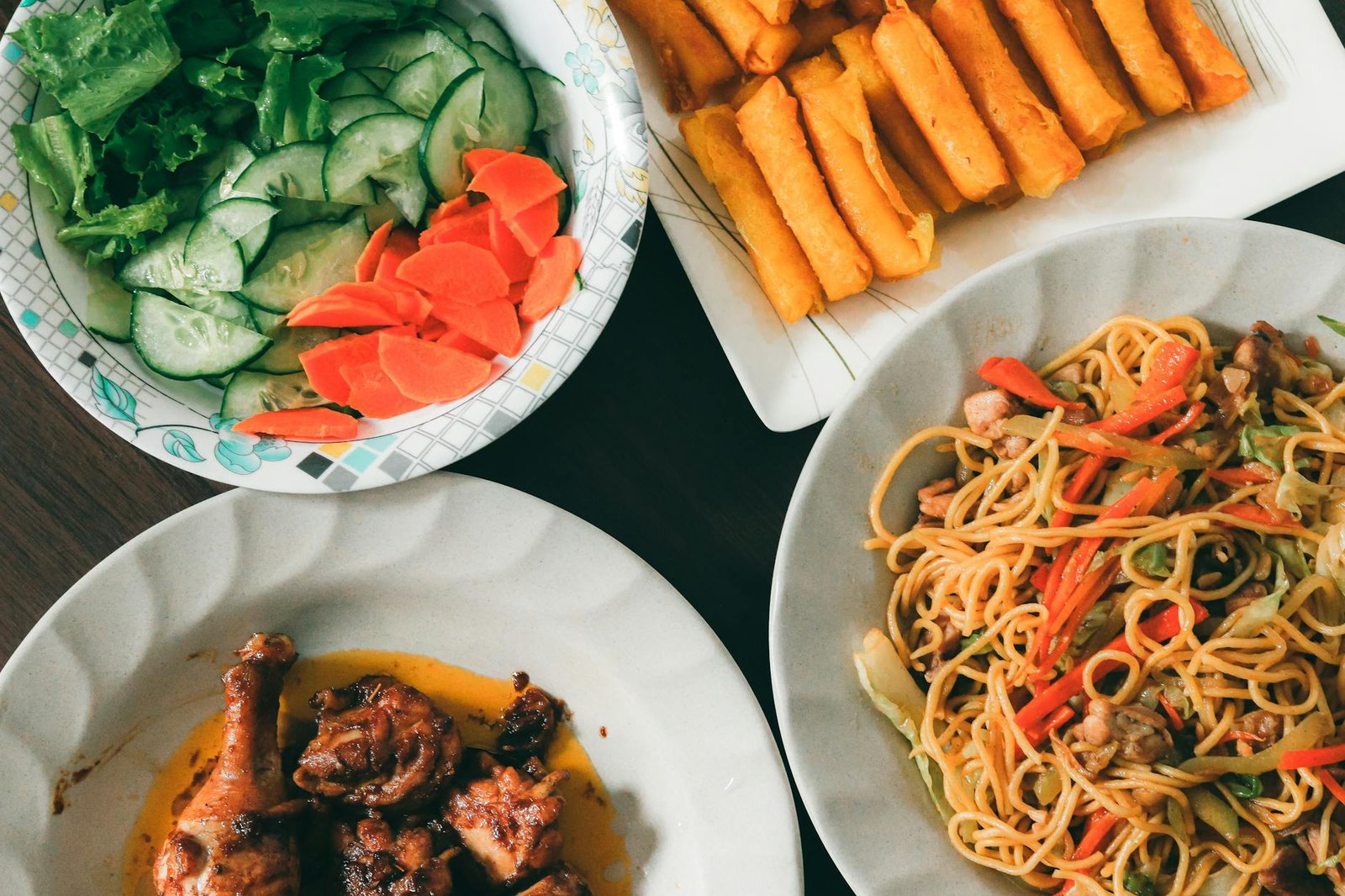
Carbohydrates for Lasting Energy
- Oats: Rolled or steel-cut. Incredibly cheap and versatile for more than just breakfast.
- Brown Rice: A healthy, filling base for countless meals.
- Potatoes (Sweet and Russet): Can be baked, roasted, mashed, or turned into fries.
- Whole-Wheat Pasta: A pantry staple for quick and easy dinners.
- Quinoa: While pricier than rice, a little goes a long way, and it’s packed with protein. Buy it in bulk.
- Whole-Wheat Bread or Tortillas: For quick sandwiches and wraps.
The Vegetable Vanguard
- Go Seasonal: Buying produce that is in season is always cheaper. Strawberries in winter will cost a fortune; apples in the fall will not.
- Embrace Frozen: Frozen vegetables (like spinach, peas, corn, and broccoli) are picked and frozen at peak freshness. They are just as nutritious as fresh—and often much cheaper, with zero waste.
- Sturdy Greens: Cabbage and kale last much longer in the fridge than delicate lettuces.
- Root Vegetables: Carrots, onions, and garlic are the flavor base for almost everything and are consistently inexpensive.
Flavor Builders
- Spices: Instead of buying expensive pre-made sauces, invest in a basic spice rack. Cumin, paprika, oregano, chili powder, and garlic powder can transform any dish.
- Vinegar: Apple cider or red wine vinegar can brighten up salads and marinades.
- Soy Sauce or Tamari: Adds a deep, savory flavor (umami).
- Bouillon Cubes or Paste: A cheap way to make flavorful broth for soups and stews.
- Canned Tomatoes: Diced, crushed, or whole—an essential for sauces and chilis.
The Core Strategy: Cook Once, Eat Thrice
This is the most important principle for busy people on a budget. The idea is to make a large batch of one core component and then repurpose it for several different meals throughout the week.
This saves you time, money, and mental energy. You aren’t starting from scratch every single night.
Example: The Roast Chicken Playbook
- Night 1: The Main Event. Roast a whole chicken with potatoes and carrots. Enjoy a classic, comforting dinner.
- Night 2: The Transformation. Shred the leftover chicken. Use it for chicken tacos, quesadillas, or a creamy chicken salad for sandwiches.
- Night 3: The Finale. Use the chicken carcass to make a simple, nourishing bone broth. Add the last bits of leftover chicken, some frozen veggies, and noodles for a delicious chicken noodle soup.
One main cooking effort, three completely different meals. This strategy works with a large pot of chili, a batch of cooked lentils, or a tray of roasted vegetables.
30+ Easy Healthy Meal Plan Ideas On a Budget
Here is a list of concrete ideas, not just vague concepts. These are designed for real life, using the foundational ingredients we just discussed.
Breakfast Ideas (Fast & Frugal)
- Classic Overnight Oats: 1/2 cup oats, 1/2 cup milk (any kind), 1 tbsp chia seeds. Shake in a jar. In the morning, top with a sliced banana or frozen berries.
- Power Scramble: Scramble two eggs with a handful of frozen spinach and a sprinkle of cheese. Serve with a slice of whole-wheat toast.
- Budget Smoothie: Blend a banana, a scoop of oats, a handful of frozen spinach (you won’t taste it!), and milk or water.
- Avocado Toast’s Cousin: Mash 1/4 of an avocado with a hard-boiled egg, salt, and pepper. Spread on toast.
- Yogurt Parfait: Layer plain Greek yogurt (buy the large tub, it’s cheaper) with a few berries and a sprinkle of oats.
- Breakfast Burrito: Scramble an egg with a spoonful of black beans and salsa. Roll it up in a whole-wheat tortilla. Make a batch and freeze them for grab-and-go mornings.
- Cottage Cheese Bowl: A scoop of cottage cheese topped with canned peaches (in juice, not syrup) and a dash of cinnamon.
- Savory Oatmeal: Cook oats with water or broth, then top with a fried egg and a dash of soy sauce.
- DIY Muffin Tin Eggs: Whisk eggs, pour into a muffin tin with chopped veggies (onions, peppers), and bake. Instant mini-frittatas for the week.
- Banana “Pancakes”: Mash one ripe banana with two eggs and a dash of cinnamon. Pan-fry like small pancakes.
RELATED POST >> 35 Easy Heart Healthy Meal Plan Ideas: DASH Diet 2.0
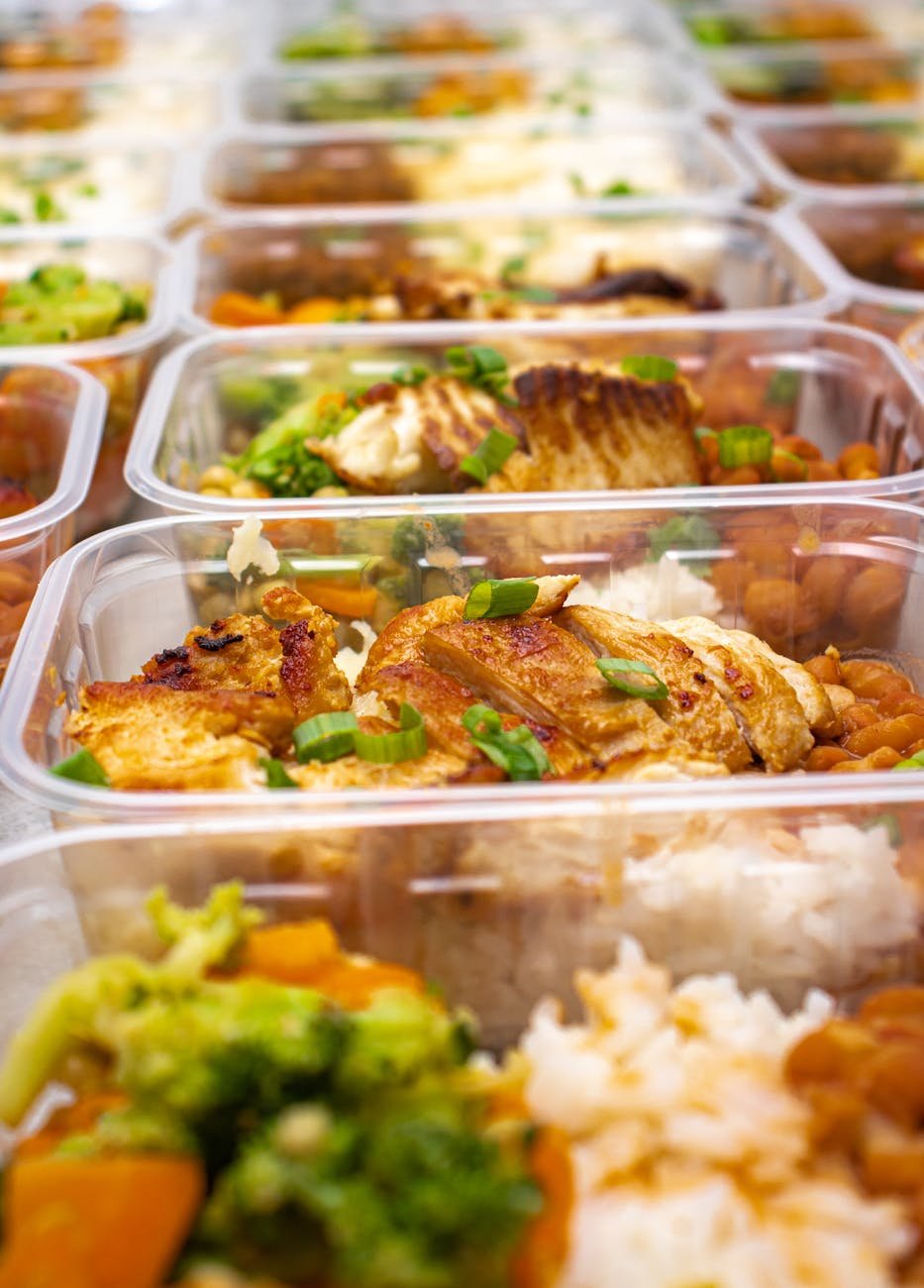
Lunch Ideas (Leftover-Friendly & Packable)
- The “Everything but the Sink” Salad: Start with a base of greens or cabbage. Add a scoop of leftover rice or quinoa, some canned chickpeas, any leftover roasted veggies, and a simple vinaigrette (olive oil, vinegar, salt, pepper).
- Deconstructed Burrito Bowl: A scoop of rice, a scoop of black beans, corn (canned or frozen), salsa, and a dollop of Greek yogurt instead of sour cream. Add leftover chicken or ground turkey if you have it.
- Upgraded Lentil Soup: Use your pre-made batch of lentil soup. It’s hearty, filling, and travels well. Pack a slice of whole-wheat bread for dipping.
- Adult Lunchable: A hard-boiled egg, a few whole-wheat crackers, some cheese cubes, and a handful of baby carrots or an apple.
- Tuna or Salmon Salad Sandwich: Mix canned fish with Greek yogurt or a little mayo, chopped celery or onion, and serve on bread or with crackers.
- Quick Quesadilla: Sandwich cheese and a spoonful of canned beans between two whole-wheat tortillas. Pan-fry until golden. Dip in salsa.
- Mediterranean Quinoa Salad: Mix leftover quinoa with chopped cucumber, tomatoes, canned chickpeas, and a lemon-oil dressing.
- Chicken Salad Lettuce Wraps: Use leftover shredded chicken to make a quick chicken salad. Serve it in large lettuce leaves instead of bread for a low-carb option.
- Sweet Potato & Black Bean Mash: Mash a leftover baked sweet potato with a fork and mix in some seasoned black beans.
- Cold Noodle Salad: Toss leftover whole-wheat spaghetti with chopped veggies, a splash of soy sauce, and a little sesame oil if you have it.
Dinner Ideas (Simple & Satisfying)
- Sheet Pan Sausage & Veggies: Toss sliced chicken sausage (it’s often cheaper than raw chicken) with broccoli, peppers, and onions on a sheet pan. Roast at 400°F (200°C) for 20-25 minutes. Minimal cleanup.
- One-Pot “Lazy Lasagna”: Brown ground turkey or beef. Add a jar of marinara sauce, a cup of water, and uncooked pasta (like rotini or penne). Simmer until the pasta is cooked. Stir in ricotta or cottage cheese at the end.
- Black Bean Burgers: Mash a can of black beans with 1/2 cup of breadcrumbs or oats, a beaten egg, and spices (cumin, chili powder). Form into patties and pan-fry. Serve on buns or over a salad.
- Speedy Chicken & Broccoli Stir-fry: Sauté chicken pieces (thighs work great). Add frozen broccoli florets and a simple stir-fry sauce made from soy sauce, a little water, and cornstarch to thicken. Serve over brown rice.
- “Clean Out the Fridge” Frittata: Whisk 6-8 eggs. Sauté any wilting veggies you have (onions, peppers, spinach, mushrooms). Pour the eggs over the top, sprinkle with cheese, and bake at 375°F (190°C) until set.
- Three-Bean Chili: You don’t even need meat for this. Sauté an onion and garlic. Add a can of diced tomatoes, a can of kidney beans, a can of black beans, and a can of pinto beans. Season heavily with chili powder and cumin. Simmer for at least 20 minutes.
- Baked Sweet Potatoes with BBQ Chicken: Bake sweet potatoes until tender. Shred leftover chicken and toss with your favorite BBQ sauce. Pile it on top of the sweet potato.
- Creamy Tomato & Spinach Pasta: Sauté garlic in olive oil. Add a can of diced tomatoes and a huge handful of spinach. Let it wilt down. Add a splash of milk or cream and toss with cooked whole-wheat pasta.
- Lentil Shepherd’s Pie: A true budget masterpiece. Make a thick, savory stew with brown lentils and mixed frozen vegetables. Top with mashed potatoes (made from real potatoes, not a box) and bake until golden.
- Fish Tacos with Cabbage Slaw: Use frozen tilapia or cod fillets (they’re very affordable). Bake or pan-fry the fish. Serve in warm corn tortillas with a quick slaw made from shredded cabbage and a lime-yogurt dressing.
- One-Pot Sausage and Kale Soup: Sauté sliced sausage and onion. Add garlic, a can of diced tomatoes, broth, and a can of white beans. Simmer for 15 minutes, then stir in a big bunch of chopped kale until it wilts.
A Sample 5-Day Meal Plan & Shopping List
Here’s how this could look in a real week, with a shopping list to match. This plan assumes you have pantry staples like olive oil, salt, pepper, and basic spices.
Table 1: Sample 5-Day Budget Meal Plan
| Day | Breakfast | Lunch | Dinner |
|---|---|---|---|
| Monday | Classic Overnight Oats | Leftover Sheet Pan Sausage & Veggies | Sheet Pan Sausage, Peppers & Broccoli |
| Tuesday | Power Scramble | Leftover Black Bean Burgers on Salad | Black Bean Burgers on Buns w/ Sweet Potato Fries |
| Wednesday | Classic Overnight Oats | Leftover Chili | Big Batch Three-Bean Chili |
| Thursday | Power Scramble | Leftover Chili | “Clean Out the Fridge” Frittata |
| Friday | Muffin Tin Eggs | Leftover Frittata | DIY Pizza on Tortillas |
Table 2: Corresponding Shopping List
| Produce | Protein & Dairy | Pantry & Frozen |
|---|---|---|
| 1 Large Onion | 1 dozen Eggs | Rolled Oats |
| 1 head of Garlic | 1 package Chicken Sausage | 1 can Black Beans |
| 2 Bell Peppers (any color) | 1 block Cheese (e.g., Cheddar) | 1 can Kidney Beans |
| 2 Sweet Potatoes | 1 large tub Plain Greek Yogurt | 1 can Pinto Beans |
| 1 head of Broccoli | Milk | 2 cans Diced Tomatoes |
| 1 bag of Spinach | 1 can Tomato Paste | |
| 1 jar Marinara or Pizza Sauce | ||
| Whole-Wheat Burger Buns | ||
| Whole-Wheat Tortillas | ||
| Frozen Corn |
Smart Shopping Hacks to Squeeze Every Dollar
Knowing what to buy is half the battle. Knowing how to buy it is the other half.
- Shop the Perimeter: Grocery stores are designed to lead you through the center aisles, where the expensive, processed foods live. Stick to the outer perimeter where the fresh produce, dairy, and meat are.
- Unit Price is Your North Star: Don’t just look at the sticker price. Look at the unit price (price per ounce, per pound, etc.). A bigger bag of rice might have a higher price, but it’s almost certainly cheaper per serving.
- Embrace “Ugly” Produce: Many stores now have sections for cosmetically imperfect fruits and veggies at a steep discount. They taste the same.
- The Freezer is Your Time Machine: See a great sale on chicken or bread? Buy extra and freeze it. This lets you buy when the price is lowest, not just when you’re running low.
- Explore Ethnic Markets: Asian, Latin, and Middle Eastern grocery stores are often treasure troves of affordable spices, produce, and grains.
Frequent Blunders to Avoid on Your Budget Journey
As you get into your groove, watch out for these common slip-ups that can quietly derail your progress.
- Ignoring Sales Flyers: Take 10 minutes before you shop to scan the weekly ad. Build your meal plan around what’s on sale, not the other way around.
- Shopping While Hungry: This is the oldest rule in the book for a reason. A hungry shopper is an impulsive shopper. Have a snack before you go.
- Blind Brand Loyalty: You might love a certain brand of canned tomatoes, but if the store brand is 50 cents cheaper and has similar ingredients, it’s time to make the switch.
- Wasting Food: In the United States, food waste is a massive, hidden expense. Letting produce wilt in the crisper is like throwing cash in the trash. The “Clean Out the Fridge” Frittata is your best friend here.
Eating healthy on a budget is not a sacrifice. It’s a skill. It’s a quiet rebellion against the idea that you have to spend a fortune to nourish your body. It’s about taking control of your kitchen, your health, and your finances, one delicious, affordable meal at a time. You have the map now. Go explore.
Frequently Asked Questions (FAQs)
Q1: How much should I budget for groceries per week in the U.S.?
This varies wildly by location and family size, but a common goal for a single person trying to be frugal is around $50-$75 per week. For a couple, $100-$150 is a realistic target. The key is to track your spending for a month to see your baseline, then identify areas to cut back using the strategies above.
Q2: Is frozen produce really as healthy as fresh?
Yes. In fact, sometimes it’s even more nutritious. Frozen fruits and vegetables are typically flash-frozen at their peak ripeness, which locks in vitamins and minerals. Fresh produce, on the other hand, can lose nutrients during its long transit to the store and while it sits on the shelf.
Q3: How can I eat healthy if I have absolutely no time to cook?
Focus on two things: batch cooking and 15-minute meals. Dedicate 1-2 hours on a Sunday to a “power prep” session. Cook a large batch of rice, roast a tray of vegetables, and hard-boil some eggs. This gives you ready-to-use components for the week. For quick meals, lean on eggs, canned fish, and pre-cooked lentils. A can of beans mixed with salsa and served in a tortilla takes less than five minutes.
Q4: What’s the single most important tip for saving money on healthy food?
Reduce food waste. Period. Plan your meals so you use what you buy. Store food properly. Get creative with leftovers. The cheapest food is the food you already bought but didn’t throw away.
Q5: Are organic foods necessary when I’m on a tight budget?
No, they are not necessary for a healthy diet. The health benefits of eating more fruits and vegetables (conventional or organic) far outweigh the potential risks of pesticide residues. If you are concerned, consider the “Dirty Dozen” and “Clean Fifteen” lists from the Environmental Working Group (EWG). It can help you prioritize which items to buy organic (like strawberries and spinach) and which are fine to buy conventional (like avocados and onions).
SUGGESTED POST >> 15 Healthy Meal Plan Ideas for One Day: The Perfect Reset