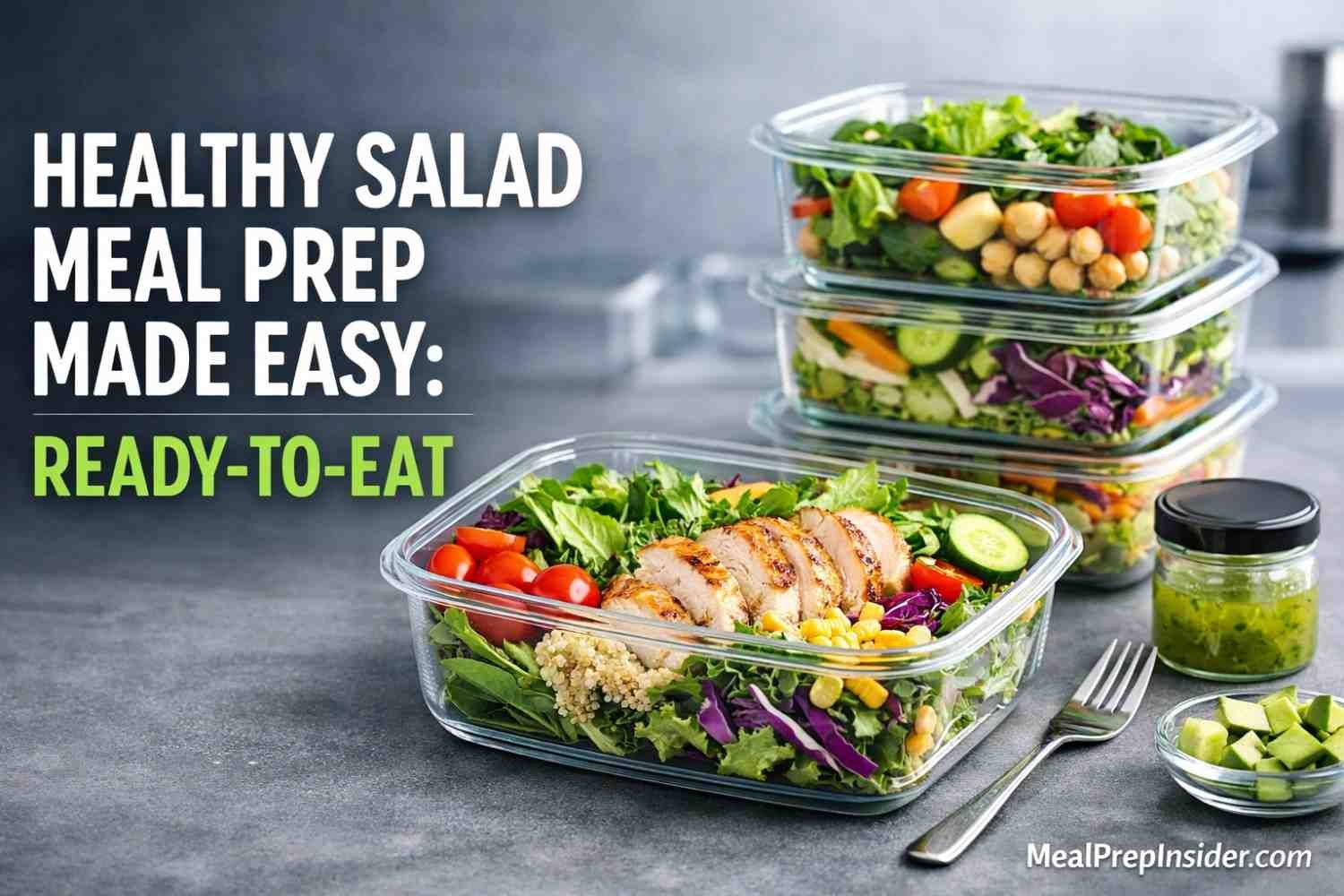
Healthy Salad Meal Prep Made Easy: Ready-to-Eat

Salad Meal Prep: You want quick, healthy lunches that actually taste good and stay fresh all week. With simple planning and the right container tricks, you can build ready-to-eat salads that keep their crunch and flavor so you can grab a balanced meal in seconds.
Make salads ahead by layering dressing and wet ingredients at the bottom, sturdy greens and proteins in the middle, and delicate toppings on top to keep everything fresh and ready. This method saves time, cuts food waste, and makes it easy to eat well on busy days.
You’ll find fast ingredient lists, step-by-step assembly tips, and creative combos that fit every appetite and schedule so meal prep becomes something you look forward to, not dread.
Salad Meal Prep: Key Takeaways
- Plan layers and storage to keep salads crisp and flavorful.
- Pick hearty bases and proteins for lasting meals.
- Use simple assembly steps to make salads grab-and-go.
What Is Healthy Salad Meal Prep?
Healthy salad meal prep means preparing balanced, ready-to-eat salads in advance so you have quick lunches or dinners all week. It focuses on fresh vegetables, a reliable protein, whole grains or legumes, and a dressing stored separately to keep textures and flavors fresh.
Definition and Benefits
Healthy salad meal prep is when you assemble salad components ahead of time into containers. You layer or store ingredients so greens stay crisp, proteins stay safe, and dressings don’t make ingredients soggy. Common containers include airtight glass jars and meal-prep boxes with compartments.
You gain time and consistency. Prepping salads cuts cooking and decision time during busy weekdays. They also help control portions and calories because you measure servings and ingredients in advance.
You reduce food waste by using ingredients across multiple salads. Buying and prepping in batches saves money and helps you eat more vegetables, beans, whole grains, and lean proteins throughout the week.
How Meal Prep Supports a Healthy Lifestyle
Meal prep makes healthy choices easier when you are tired or short on time. If you already have a balanced salad ready, you’re less likely to grab fast, processed foods.
Prepping also supports nutrition goals. You can plan macronutrients—protein (chicken, tofu, tuna), carbs (quinoa, farro, chickpeas), and healthy fats (avocado, olive oil, nuts)—so each meal meets your needs. That helps with weight management, energy, and recovery after exercise.
Consistency matters for health. When you prep, you eat vegetables and fiber every day. That supports digestion and steady blood sugar. Refrigeration and food safety—use cold temperatures and eat within 3–5 days—keep your prepped salads safe and tasty.
Popular Salad Varieties for Meal Prep
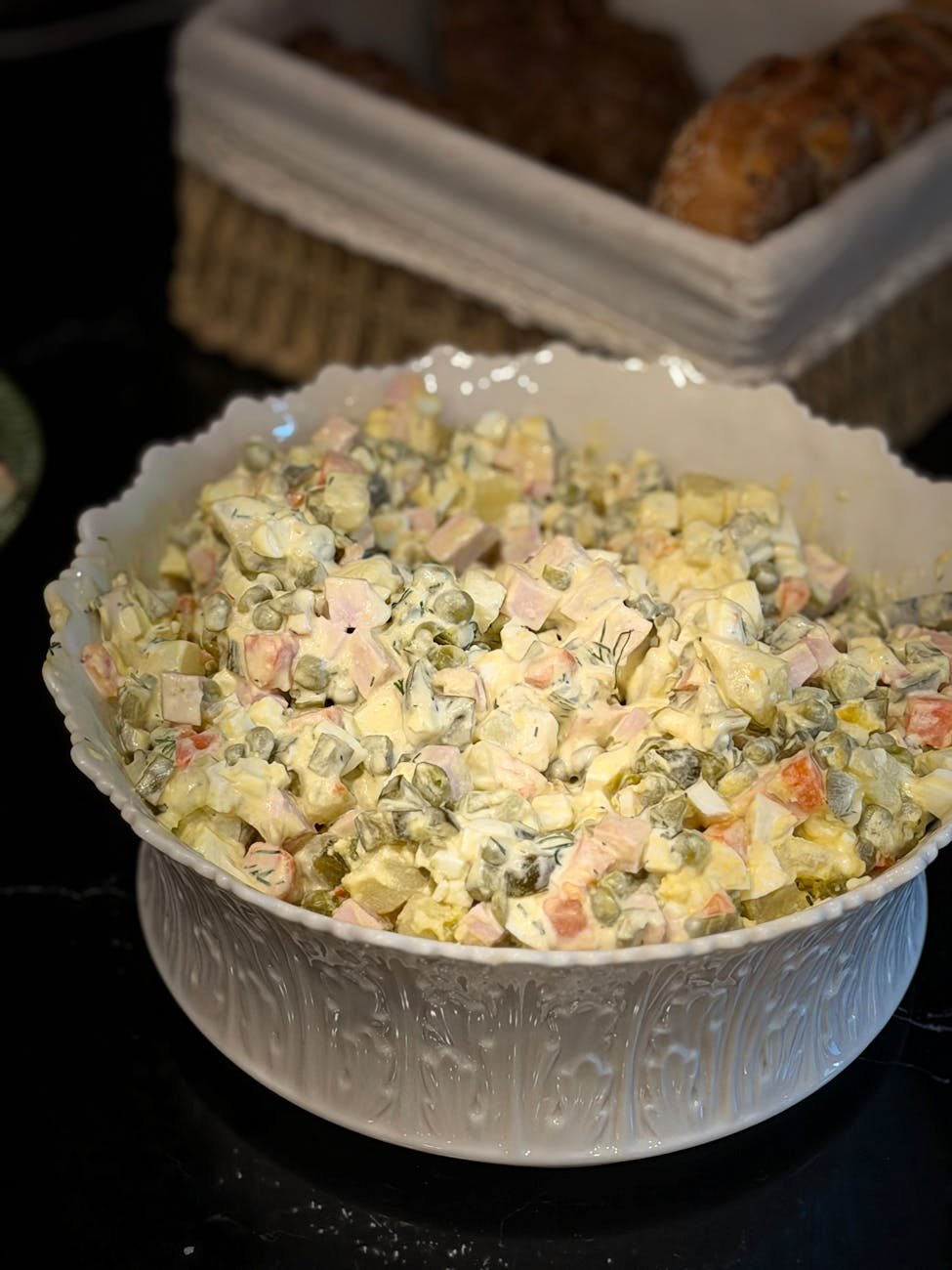
Choose salads that hold up well in the fridge and taste good cold or at room temperature.
- Grain bowls: quinoa, farro, or brown rice + roasted vegetables + protein.
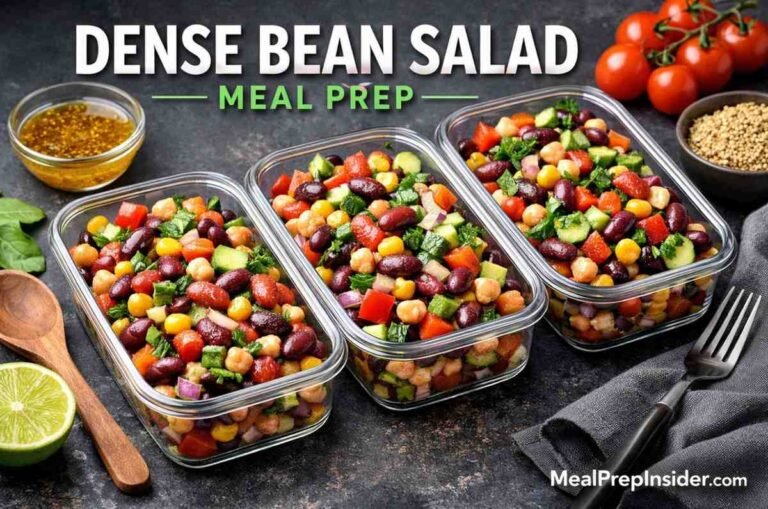
- Mason-jar salads: dense ingredients (beans, grains) at the bottom, greens on top, dressing sealed separately or at the bottom.
- Protein-forward salads: grilled chicken, tuna, hard-boiled eggs, or chickpeas with mixed greens and veggies.
- Mediterranean: cucumbers, tomatoes, olives, feta, chickpeas, and a lemon-olive oil dressing.
- Leafy green mixes: kale or cabbage that tolerate dressing better than delicate lettuce.
Rotate dressings and proteins to avoid boredom. Use sturdy vegetables like carrots, bell peppers, and roasted beets for longer fridge life.
Essential Ingredients For Nutritious Salads
You need crisp produce, a good source of protein, and smart fats or dressings to build salads that stay tasty and fill you up. Pick items that hold texture in the fridge, provide vitamins and fiber, and pair well so you actually want to eat them all week.
Choosing Fresh Produce
Choose sturdy greens like kale, romaine, and spinach for better shelf life and texture. Wash and dry leaves thoroughly; excess water makes dressings thin and greens soggy. Chop hearty vegetables — carrots, bell peppers, cucumbers — into bite-sized pieces so they stay crisp and are easy to eat.
Add a small portion of delicate items, such as cherry tomatoes or radishes, only if you’ll eat the salad within 1–2 days. Store softer fruits (berries, sliced apples) separately and add them right before serving. Use citrus or vinegar to brighten flavors without adding many calories.
Tip list:
- Buy in-season produce for better taste and price.
- Keep herbs (cilantro, parsley) wrapped in a damp paper towel.
- Store components separately to preserve texture.
Lean Proteins and Plant-Based Options
Aim for 20–30 grams of protein per salad to feel satisfied. Simple cooked options: grilled chicken breast, canned tuna or salmon, hard-boiled eggs, or peeled shrimp. These store well and reheat or eat cold.
Plant-based choices work the same: canned chickpeas, cooked lentils, edamame, tempeh, or baked tofu. Combine a grain like quinoa or farro with beans to make a complete protein if you prefer vegetarian meals.
Pack proteins in their own containers or keep dressings apart to avoid sogginess. Label portions so you can assemble balanced meals quickly during the week.
Healthy Fats and Dressings
Healthy fats add flavor and help absorb vitamins A, D, E, and K. Use small portions of avocado, olives, nuts, or seeds. Measure dressings: 1–2 tablespoons of olive oil–based dressing per serving is usually enough.
Make simple vinaigrettes with 3 parts oil to 1 part acid (lemon juice or vinegar), plus salt and pepper. For creamier options, blend Greek yogurt with herbs or use tahini thinned with water and lemon. Store dressings in small jars; shake before adding.
Avoid heavy bottled dressings high in sugar and oil. Keep a few dressing choices on hand so you can change flavors—citrus, balsamic, or mustard-based—to prevent salad fatigue.
Step-By-Step Guide To Salad Meal Prep
You will plan meals that balance protein, carbs, and veggies; cook proteins and grains once; then store components to keep greens crisp and dressings separate.
Planning Balanced Salad Recipes
Choose one protein, one grain or starchy veg, two types of veggies, and one healthy fat for each salad.
Example plate: grilled chicken (protein), quinoa (grain), spinach + shredded carrot (veggies), avocado or olives (fat). This keeps meals filling and steady in calories.
Aim for variety across the week. Use different proteins (tofu, tuna, chickpeas) and swap dark leafy greens for crunchy bases like romaine. Pick sturdy greens first when you expect multiple days of storage.
Write a simple ingredient list per salad and a shopping list organized by section (produce, proteins, pantry). That saves time and prevents overbuying items you won’t use.
Batch Cooking and Portioning
Cook proteins and grains in bulk on one day. Roast a tray of chicken breasts, bake tofu, or boil a big pot of farro. Let everything cool before portioning to avoid condensation.
Divide ingredients into portions using clear containers or mason jars. Use one container per meal: 3/4 cup grain, 4–6 oz protein, 1–2 cups mixed veggies, and a small container for dressing. Label with date and contents.
For build-your-own bowls, store dressings and crunchy toppings separately. Keep roasted vegetables and proteins together if they’ll be reheated, and keep raw greens separate to stay crisp.
Storage Techniques for Freshness
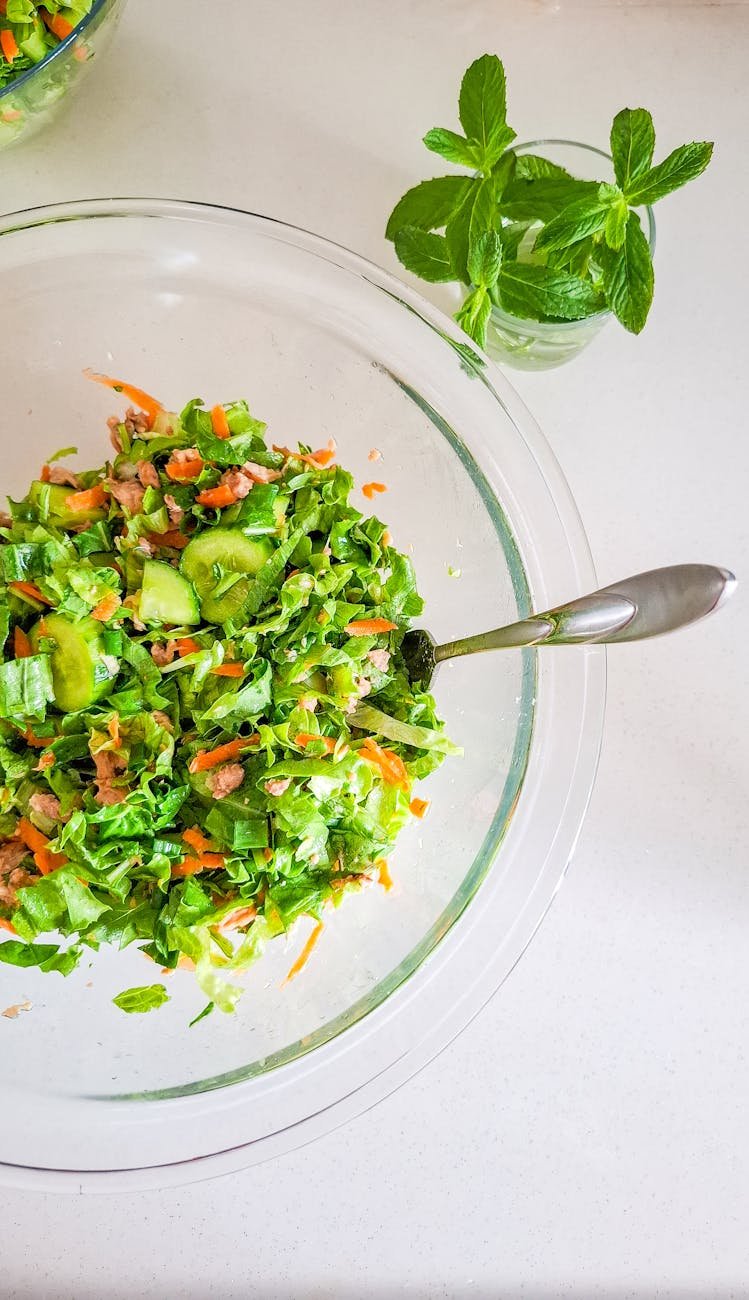
Use airtight containers and remove excess air to slow spoilage. Mason jars work well when you layer dressing on the bottom, hearty veggies next, then greens on top to prevent sogginess.
Keep delicate items like avocado or cucumber slices in separate small containers and add them within 24–48 hours. Store dressings in small containers or squeeze bottles and add them right before eating.
Track shelf life: cooked grains and proteins last 3–4 days refrigerated; raw greens stay best 2–5 days, depending on type. Freeze cooked grains or proteins if you need longer storage, then thaw in the fridge before assembly.
Tips For Making Salads Ready-To-Eat
Keep ingredients crisp, dressings separate, and store smartly to prevent sogginess. Use sturdier greens, layer by function, and pick containers that fit your routine.
RELATED POST >> 15 Best Rotisserie Chicken Broccoli Pasta Recipes
Layering Ingredients for Longevity
Start with the heaviest, wettest items at the bottom so they don’t crush delicate parts. Put dressings and sauces in a sealed jar or compartment, then add hard vegetables like cucumbers, carrots, and tomatoes above them. Next, add proteins (chicken, beans, hard-boiled eggs), then grains or cheese. Top with tender greens and soft herbs so they stay dry and crisp.
Use glass mason jars or airtight containers that let you see layers. When you eat, shake or dump contents into a bowl so dressing meets everything at once. For items that brown (apples, avocados), pack them separately or coat lightly with lemon juice.
Packaged Versus Homemade Solutions
Packaged dressings and pre-chopped kits save time, but check labels for added sugars, oil ratios, and preservatives. Choose options with olive oil or vinegar bases and under 2–3 grams of added sugar per serving. Look for kits that list whole ingredients and no artificial flavors.
Making dressings and topping mixes at home gives control over salt, sugar, and fat. Mix olive oil, vinegar, mustard, and a pinch of salt for a simple dressing. For crunch, keep toasted nuts and seeds in a small resealable bag and add them just before eating. Store-bought containers work well when you need convenience; homemade offers better nutrition control.
Creative Salad Meal Prep Ideas
Pick bold flavors, reliable proteins, and storage tricks that keep salads fresh for days. Use sturdy greens, sealed dressings, and mix-and-match toppings so you can pack variety without extra work.
International-Inspired Salad Bowls
Build bowls around a clear cuisine theme so flavors stay consistent and ready-to-eat. For Mediterranean bowls, use romaine or baby spinach, cherry tomatoes, cucumber, kalamata olives, cooked quinoa, feta, and a lemon-oregano vinaigrette kept separate in a small jar. For Asian bowls, layer shredded cabbage, edamame, carrot ribbons, cooked soba or rice, sliced grilled chicken, and a sesame-ginger sauce on the side.
Use airtight containers or mason jars: place dressing on the bottom, then grains or beans, then veggies, and greens on top. This keeps leaves crisp and simplifies assembly when you eat. Label each bowl with the protein and dressing so you know what you have at a glance.
Seasonal Ingredient Pairings
Match proteins and dressings to seasonal produce for peak flavor and value. In spring, pair asparagus and radishes with soft herbs, grilled salmon, and a yogurt-dill dressing. In summer, combine ripe tomatoes, corn, and basil with grilled shrimp and a light balsamic or lime vinaigrette.
For fall and winter, choose roasted squash, kale, apples, or pears with toasted nuts, roasted turkey or chickpeas, and a warm maple-mustard or cider vinaigrette. Prep roasted items in bulk and store separately, then reheat or add cold. Swap toppings like seeds, cheeses, or pickled onions to change texture without adding prep time.
Quick Storage Tips:
Use airtight containers.
Air is the silent killer of fresh salads. Once oxygen gets in, greens start to wilt fast. Invest in high-quality airtight containers that seal tightly. Glass containers are even better—they don’t trap odors and help maintain freshness longer. The goal is simple: lock out air, lock in crispness.
Keep dressings cold.
Dressings can spoil quickly, especially homemade ones. Always store them in the fridge, ideally in small, separate containers. Don’t mix dressing into your salad until you’re ready to eat. This keeps everything fresh and prevents sogginess. Cold dressing also helps maintain flavor and food safety.
Store fragile greens on top.
Not all ingredients are built the same. Soft greens like lettuce, spinach, or arugula bruise easily. Always layer them last—on top of heavier ingredients like grains, proteins, or chopped veggies. This prevents crushing and keeps your salad looking fresh and appetizing when it’s time to eat.
Frequently Asked Questions
What if you want salads to stay fresh all week?
Pack dressings separately in small containers or jars. Keep wet ingredients like tomatoes or cucumbers away from greens until you eat to avoid sogginess.
How long do ready-to-eat salads last?
Most mixed salads keep well 3–5 days in the fridge if stored cold and dry. Protein additions like cooked chicken or beans can shorten or extend that time, so check individual items.
Can you meal prep salads on a budget?
Yes. Buy seasonal produce, use whole grains and beans for bulk, and rotate proteins. Leftovers such as roasted vegetables make great salad toppers.
How do you keep salads interesting?
Rotate bases, proteins, and dressings each week. Try different textures like nuts, seeds, or roasted chickpeas for crunch.
Are ready-to-eat salad services worth it?
They save time and reduce waste by delivering prepped ingredients. Compare the cost per meal and ingredient quality to cooking at home.
How do you make salads balanced?
Aim for a mix: greens, a protein, a healthy fat, and a grain or starchy vegetable. That combo helps keep you full and adds variety to nutrients.
What if you have dietary needs or allergies?
Choose recipes and services that label ingredients clearly. Swap items to fit allergies, and always check packaging for cross-contact warnings.
SUGGESTED POST >> Top 36 Healthy Frozen Meal Prep Meals Ready in Minutes
Discover more from Meal Prep Insider
Subscribe to get the latest posts sent to your email.