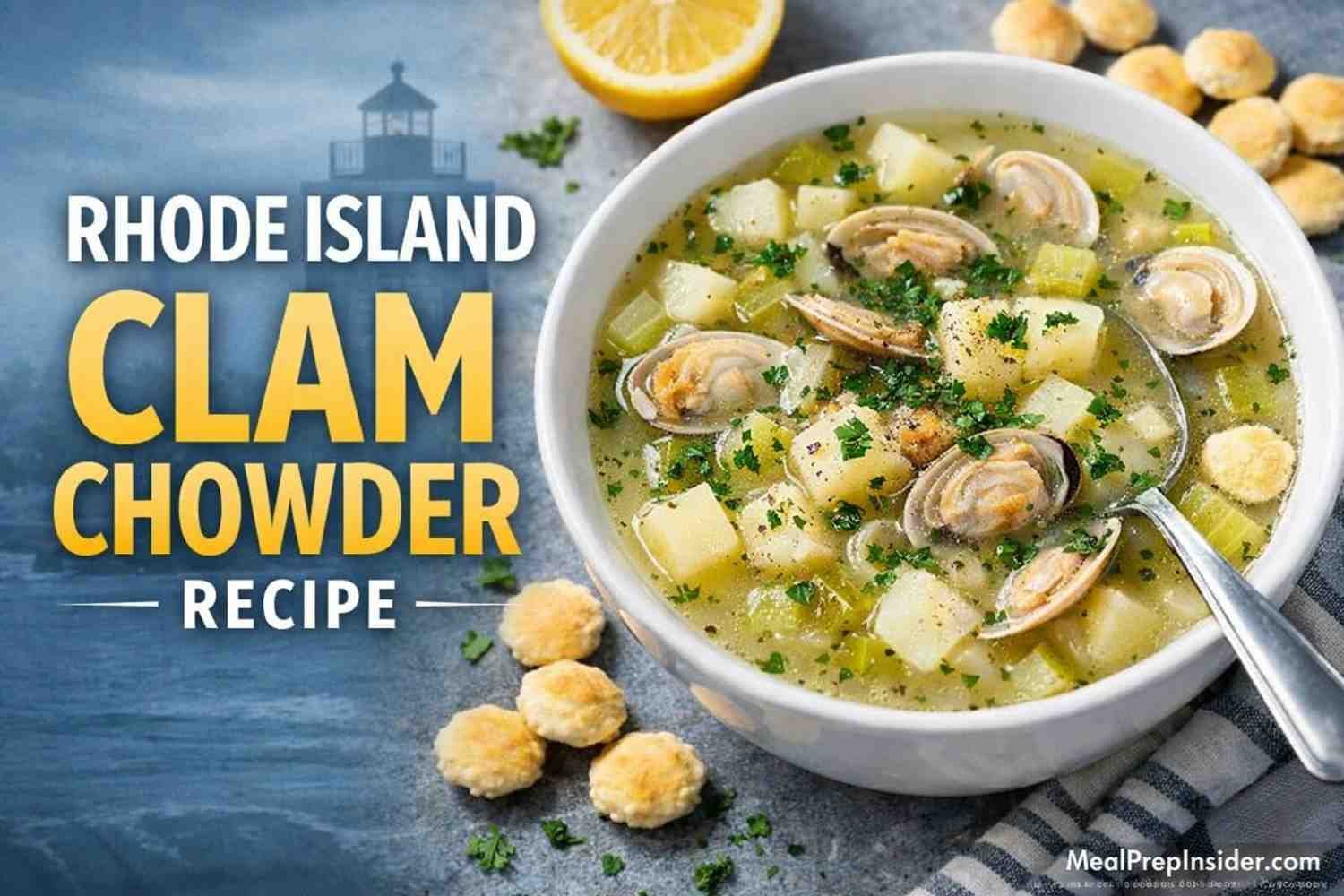
Rhode Island Clam Chowder Recipe: Favorite Delicious Soup

Rhode Island clam chowder is the underdog of New England’s chowder scene, and that’s precisely what makes it special. While creamy Boston clam chowder steals the spotlight and Manhattan’s tomato-based version sparks heated debates, this clear-broth beauty sits quietly in the corner, waiting for someone curious enough to give it a chance.
You’re about to discover why locals in the Ocean State guard this recipe like treasure.
Here’s the thing: most people have never tasted authentic Rhode Island clam chowder. They don’t know what they’re missing. The delicate balance of briny clams, tender potatoes, and crystal-clear broth creates something magical. Something honest. Something that doesn’t hide behind heavy cream or bold tomatoes.
This isn’t your grandmother’s chowder.
Unless your grandmother happened to live in Narragansett or Point Judith, hauling in quahogs from the bay before sunrise.
The beauty of this dish lies in its simplicity. Every ingredient matters. There’s nowhere for mediocre clams to hide. No cream to mask off-flavors. No tomatoes to distract your palate. Just pure, unadulterated seafood flavor that transports you straight to the Rhode Island shoreline.
Ready to learn how to make it properly?
What Makes Rhode Island Clam Chowder Different
The clear broth sets this chowder apart from every other variation. No milk. No cream. No tomatoes. Just clam juice, water, and sometimes a touch of bacon fat for depth.
Think of it as the purist’s approach to chowder.
This style emerged from Portuguese and Italian fishing communities that settled along Rhode Island’s coast. These immigrants brought their culinary traditions, favoring clear broths that highlighted the seafood rather than masking it. The result became a distinctly Rhode Island creation that reflects the state’s diverse cultural heritage.
The texture surprises first-timers. It’s light. Almost brothy. Yet somehow it satisfies in ways that heavier chowders can’t match. You finish a bowl and feel nourished, not weighed down. That’s the genius of this preparation.
Some restaurants serve it with a small pitcher of cream on the side, letting diners choose their own adventure. That’s acceptable. But true Rhode Island clam chowder needs nothing added.
Essential Ingredients for Authentic Rhode Island Clam Chowder
Getting the right ingredients makes or breaks this dish. Since you’re working with a clear broth, every component stands naked and exposed. Quality matters tremendously.
Fresh Clams
Quahogs are the traditional choice. These hard-shell clams deliver that distinctive briny punch Rhode Islanders crave. You want medium-sized quahogs, not the massive chowder clams that require a meat grinder. Fresh is non-negotiable.
Littlenecks work in a pinch, though they’re pricier and slightly sweeter. Cherrystones fall somewhere in between. Whatever you choose, they must be alive when you buy them. Closed shells. Ocean smell. No ammonia odor whatsoever.
Figure roughly two dozen medium quahogs for a proper batch serving six people.
Potatoes
Russets are wrong for this application. They break down too easily, clouding your beautiful, clear broth. You need waxy potatoes that hold their shape during cooking.
Yukon Golds work perfectly. So do red potatoes. Both maintain their structure while absorbing the briny flavors surrounding them. Cut them into uniform half-inch cubes for even cooking.
Aromatics
Yellow onions form the aromatic base. Some cooks add celery for a subtle background note. Garlic appears in certain versions, though traditional recipes often skip it.
Bay leaves contribute herbal complexity. Fresh thyme adds another layer. Black pepper provides gentle heat without overwhelming the delicate clam flavor.
Pork Products
Salt pork is traditional, though thick-cut bacon has become more common. The rendered fat adds richness and a subtle smokiness that complements the ocean flavors beautifully.
Real deal salt pork requires blanching to remove excess salt. Bacon simplifies things considerably while delivering fantastic flavor.
Liquid Components
Bottled clam juice works when you need it, but fresh clam liquor from steaming your own clams is superior. That juice contains concentrated clam essence you simply cannot replicate.
Water forms the rest of the base. Some cooks use chicken stock for added depth, though purists argue this masks the clam flavor. Choose your side in this friendly debate.
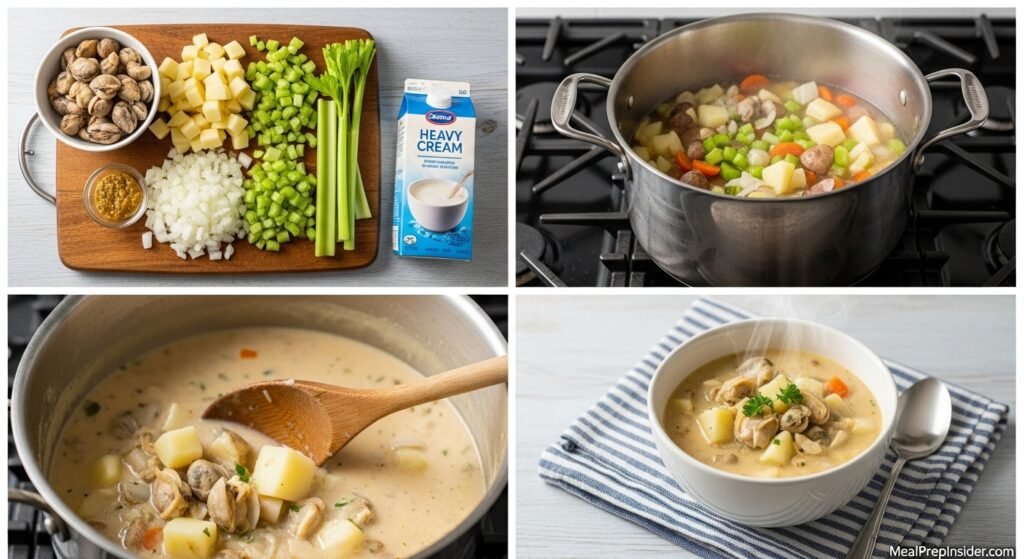
Tools You’ll Need
This isn’t a complicated preparation equipment-wise. You probably own everything already.
- Large stockpot or Dutch oven (at least 6 quarts)
- Separate pot for steaming clams
- Sharp chef’s knife
- Cutting board
- Strainer or colander
- Ladle
- Measuring cups and spoons
- Large spoon for stirring
That’s it. No immersion blenders. No food processors. Just basic kitchen equipment and your hands.
Step-by-Step Rhode Island Clam Chowder Recipe
Let’s get cooking. This process takes about an hour from start to finish, though most of that time is passive simmering.
Step 1: Prepare the Clams
Scrub your quahogs under cold running water. Use a stiff brush to remove any mud, sand, or barnacles clinging to the shells. Discard any with cracked shells or ones that don’t close when tapped.
Place them in a large bowl of cold salted water. Let them sit for 20 minutes. This helps purge any sand from inside the shells. Drain and rinse again.
Step 2: Steam the Clams
Put the cleaned clams in your steaming pot with about one cup of water. Cover tightly and place over high heat. Steam for 8-10 minutes, shaking the pot occasionally, until all shells open.
Remove from heat immediately. Don’t overcook the clam meat becomes rubbery.
Let them cool enough to handle. Remove the clam meat from each shell, discarding any that didn’t open. Chop the clam meat into bite-sized pieces. Set aside.
Strain the clam liquor through cheesecloth or a fine-mesh strainer lined with coffee filters. This removes any grit. Save every drop of this liquid gold.
Step 3: Render the Pork
Dice your salt pork or bacon into small pieces, roughly quarter-inch cubes. Place them in your stockpot over medium heat.
Cook slowly, stirring occasionally, until the fat renders and the pork bits turn golden and crispy. This takes about 8-10 minutes. Don’t rush it.
If using salt pork that you blanched, it won’t get as crispy as bacon. That’s fine. You’re after the rendered fat primarily.
Step 4: Build the Aromatic Base
Remove half the crispy pork bits with a slotted spoon. Set them aside for garnish. Leave the rendered fat in the pot.
Add your diced onions to the fat. If using celery, add it now, too. Cook over medium heat until the onions turn translucent and soft, about 5-7 minutes. Don’t let them brown.
Step 5: Add Potatoes and Liquid
Toss in your diced potatoes. Stir to coat them with the pork fat and aromatics. Cook for 2-3 minutes, stirring occasionally.
Pour in the reserved clam liquor. Add enough water to cover the potatoes by about two inches. Drop in your bay leaves and thyme sprigs if using.
Bring to a boil, then reduce the heat to maintain a gentle simmer. Don’t boil aggressively or the potatoes will break apart.
Step 6: Simmer Until Potatoes Are Tender
Let everything simmer for about 15-20 minutes. The potatoes should be fork-tender but still holding their shape. Taste the broth. Season with black pepper.
Here’s where salt gets tricky. The clam liquor and salt pork already contribute plenty of sodium. Add salt carefully, if at all. You can always add more at the table.
Step 7: Add the Clams
Once potatoes are perfectly cooked, add your chopped clam meat. Stir gently. Let everything heat through for just 2-3 minutes.
Don’t cook the clams long at this stage. They’re already cooked from steaming. You’re just warming them and letting flavors marry.
Step 8: Rest and Serve
Remove from heat. Let the chowder rest for 10-15 minutes before serving. This resting period allows flavors to meld beautifully.
Ladle into bowls. Top with those reserved crispy pork bits. Add a sprinkle of fresh parsley if you’re feeling fancy.
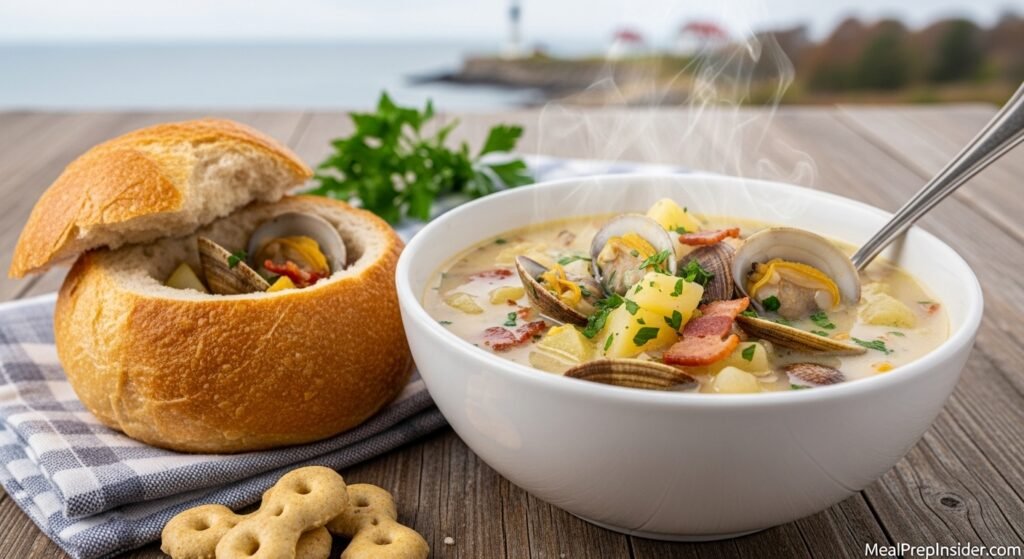
Serve with oyster crackers or thick slices of crusty bread.
Ingredient Quantities for Six Servings
| Ingredient | Amount |
|---|---|
| Medium quahogs | 24-30 clams |
| Yukon Gold potatoes | 2 pounds, diced |
| Yellow onion | 1 large, diced |
| Celery | 2 stalks, diced (optional) |
| Thick-cut bacon or salt pork | 4 ounces |
| Fresh thyme | 3-4 sprigs |
| Bay leaves | 2 leaves |
| Black pepper | 1 teaspoon |
| Water | As needed |
| Salt | To taste |
| Fresh parsley | For garnish |
Pro Tips for Perfect Chowder Every Time
Choose the Right Clams
Size matters here. Massive chowder clams are tougher and require grinding. Medium quahogs hit the sweet spot between flavor intensity and tender texture.
Buy from a reputable fishmonger. Ask when they arrived. Fresh clams smell like clean ocean water, nothing more.
Don’t Skimp on Clam Liquor
That steaming liquid contains concentrated clam essence. Some recipes call for bottled clam juice as a shortcut, but fresh clam liquor makes a noticeable difference.
If you end up with more clam liquor than needed, freeze the extra for next time.
Watch Your Simmer
A rolling boil breaks down potatoes and creates a cloudy broth. Keep it gentle. Lazy bubbles at most.
Patience wins here.
Timing the Clam Addition
Adding clams too early makes them rubbery and tough. They only need a few minutes to warm through since they’re already cooked from steaming.
Overcooked clams turn into pencil erasers. Nobody wants that.
Let It Rest
That 10-15 minute rest period isn’t optional. Flavors integrate during this time. The chowder tastes noticeably better after resting than it does straight off the heat.
Use this time to set the table or pour beverages.
RELATED POST >> Meal Prep for Summer Heat: No Oven: Best Refreshing Options
Variations Worth Trying
Rhode Island clam chowder has a traditional form, but creative cooks have developed interesting variations.
Portuguese Style
Add diced chouriço instead of bacon. Include a pinch of red pepper flakes for gentle heat. Some versions add a splash of white wine during the simmering stage.
This reflects the Portuguese fishing communities that heavily influenced Rhode Island’s culinary landscape.
Tomato Tease
Some cooks add just a tablespoon or two of tomato paste for color and subtle sweetness. This isn’t enough to make it Manhattan chowder, but it adds complexity.
Purists may object. Your kitchen, your rules.
Herb Garden
Fresh herbs elevate the dish. Try adding fresh oregano along with the thyme. A handful of chopped parsley stirred in at the end brightens everything.
Tarragon works surprisingly well with clams, though it’s not traditional.
Corn Addition
Sweet corn kernels add a pop of color and sweetness that plays nicely with the briny clams. Add them to the potatoes so they cook through.
Fresh corn in summer is best. Frozen works off-season.
Pitfalls to Sidestep
Using Inferior Clams
Canned clams produce inferior results. So do frozen clams. Fresh or nothing for this recipe.
The whole point is showcasing pristine clam flavor. Start with questionable clams, and you’ve already lost.
Overcrowding the Pot
A too-full pot won’t simmer evenly. Give your ingredients room to move around. Use a larger pot than you think necessary.
Better to have extra space than to crowd everything together.
Boiling Too Hard
Aggressive boiling breaks down potatoes and clouds the broth. It also toughens any clam meat added too early.
Medium to medium-low heat works perfectly once you reach the simmering stage.
Forgetting to Strain Clam Liquor
Grit in your chowder ruins the experience. Always strain that clam liquor through something fine enough to catch sand particles.
Coffee filters work brilliantly for this task.
Over-Salting
Between the clam liquor, salt pork or bacon, and the naturally salty clams, this dish accumulates sodium quickly.
Season conservatively. You can’t remove salt once added.
Storing and Reheating
Rhode Island clam chowder keeps well, though the texture changes slightly.
Refrigerator Storage
Cool completely before refrigerating. Store in an airtight container for up to three days.
The potatoes may soften more as they sit. The flavors will deepen beautifully overnight.
Freezing Considerations
Freezing changes potato texture, making them grainy and unpleasant. If you plan to freeze, consider making the broth base without potatoes. Add fresh potatoes when reheating.
Clams freeze reasonably well in broth. They just shouldn’t sit in the freezer longer than two months.
Reheating Method
Gentle reheating is essential. Use low heat and stir occasionally. Bringing it to a hard boil will overcook everything.
Add a splash of water or clam juice if it’s thickened too much overnight.
Serving Suggestions
Bread Choices
Crusty Italian bread is traditional. So is Portuguese sweet bread. Both have historical connections to Rhode Island’s fishing communities.
Cornbread works too, though it’s less traditional. Oyster crackers are classic.
Accompaniments
A simple green salad balances the richness. Coleslaw provides crunch and acidity.
Hot sauce on the table lets people customize heat levels. Tabasco or a local Rhode Island hot sauce both work.
Beverage Pairings
A crisp white wine like Albariño or Vinho Verde complements the seafood beautifully. Their acidity cuts through the richness.
Beer drinkers should reach for a light lager or pilsner. Nothing too hoppy or heavy.
For non-alcoholic options, iced tea or lemonade works surprisingly well.
The Cultural Significance
Rhode Island clam chowder represents more than just a recipe. It’s a cultural marker, a point of pride for Ocean State residents.
This chowder reflects the state’s working-class fishing heritage. The clear broth wasn’t a design choice born from culinary sophistication. It emerged from practicality and immigrant traditions.
Portuguese and Italian fishermen used what they had. Fresh clams from the day’s catch. Potatoes. Salt pork. Simple ingredients transformed into something nourishing and delicious.
The lack of cream wasn’t about health consciousness or modern dietary trends. Cream was expensive. Clams were free if you knew where to dig.
Today, this chowder stands as a delicious reminder of Rhode Island’s multicultural fishing communities and their lasting impact on local cuisine.
Where to Find It
Rhode Island Restaurants
Finding authentic Rhode Island clam chowder outside the Ocean State can be challenging. Even within Rhode Island, some restaurants have abandoned traditional preparations.
Look for spots near the water in towns like Narragansett, Point Judith, Galilee, or Newport. Places where fishing boats still dock daily.
Local clam shacks often serve the best versions. These no-frills joints focus on seafood done right without pretension.
Making It at Home
The beauty of this recipe is its simplicity. You don’t need restaurant equipment or professional training.
Fresh ingredients and attention to timing are all that’s required. Follow the process. Respect the ingredients. The results will speak for themselves.
Scaling the Recipe
Making More
This recipe doubles or triples easily. Just maintain the same proportions.
Your limiting factor becomes pot size. Make sure you have a vessel large enough to accommodate everything without crowding.
Steaming larger batches of clams may require working in shifts or using multiple pots simultaneously.
Making Less
Halving the recipe works fine. The cooking times remain essentially the same.
The challenge with smaller batches is buying the right amount of fresh clams. Most fishmongers sell them by the dozen, so plan accordingly.
Nutritional Considerations
Rhode Island clam chowder is relatively light compared to cream-based versions. The clear broth keeps calories and fat in check.
Clams provide excellent protein along with significant amounts of iron, selenium, and vitamin B12. They’re also one of the few food sources of vitamin D.
Potatoes contribute potassium, vitamin C, and fiber (especially if you leave the skins on).
The main nutritional concern is sodium. Between the clam liquor and salt pork, this dish can be quite salty. Those watching sodium intake should use unsalted butter instead of salt pork and go light on additional salt.
Troubleshooting Guide
Cloudy Broth
This usually results from boiling too aggressively or using russet potatoes that have broken down. Prevention is easier than fixing.
If it happens, there’s not much to do except embrace it. The flavor is still excellent.
Rubbery Clams
Overcooked clams turn tough and chewy. If you added them too early or simmered them too long after adding them, this happens.
Prevention is key. Add clams at the very end, just to warm through.
Gritty Texture
Sand or grit means you didn’t purge and clean the clams properly, or you didn’t strain the clam liquor well enough.
If detected after cooking, there’s no fix. Start fresh next time with better cleaning procedures.
Too Salty
This is tricky to fix. Adding more water and potatoes can dilute the salt, but it changes your ingredient ratios.
A peeled raw potato added during simmering can absorb some salt, but this is more folklore than science.
Better to under-salt initially and adjust at the table.
Bland Flavor
Not enough clam liquor or too much water creates a weak broth. Make sure you’re using plenty of that precious clam-steaming liquid.
You can boost flavor by adding bottled clam juice, though fresh is always better.
Seasonal Considerations
Summer Harvest
Summer offers peak clam season in Rhode Island. The water’s warm, and clams are at their plumpest and sweetest.
Adding fresh corn during the summer months creates a seasonal variation that’s absolutely delicious.
Winter Comfort
While traditionally a summer dish in Rhode Island, this chowder works beautifully as winter comfort food.
The clear broth may seem less substantial than cream-based chowders, but it’s deeply satisfying and warming.
Spring and Fall
These shoulder seasons often provide the best prices on clams. The quality remains excellent while demand drops slightly.
This is when serious clam chowder enthusiasts stock their freezers (with just the broth base, remember).

Beyond the Bowl
Clam Chowder Pizza
Some Rhode Island pizzerias offer clam chowder pizza featuring the same ingredient profile. It’s unusual but delicious.
White clam pizza gets topped with potatoes, bacon, and clams. Think of it as deconstructed chowder on a crust.
Chowder Festivals
Rhode Island hosts several seafood festivals throughout the year where you can sample different chowder styles side by side.
The Great Chowder Cook-Off brings competitors from across New England. Rhode Island clear chowder always makes a strong showing.
FAQs
Can I use canned clams for Rhode Island clam chowder?
Fresh clams are really essential for authentic results. Canned clams lack the delicate flavor and texture that make this chowder special. Since the clear broth doesn’t mask anything, using canned clams produces noticeably inferior results. If fresh clams are genuinely unavailable in your area, this might not be the right recipe to attempt.
What’s the difference between Rhode Island and New England clam chowder?
New England (Boston) clam chowder uses a cream or milk base, creating a thick, white soup. Rhode Island clam chowder features a clear broth made from clam liquor and water with no dairy products. The Rhode Island version highlights the pure clam flavor without cream masking it, resulting in a lighter, more briny taste.
How do I know if clams are fresh enough to use?
Fresh clams should be tightly closed or close quickly when tapped. They should smell like clean ocean water with no ammonia or foul odors. Avoid any with cracked shells or ones that feel unusually heavy (possibly full of mud) or light (possibly dead). Buy from reputable seafood markets and ask when they arrived.
Can I make Rhode Island clam chowder ahead of time?
Yes, but with some caveats. The chowder tastes even better the next day as flavors meld, but potatoes may soften more. Make it a day ahead and refrigerate. Reheat gently over low heat. Don’t make it more than two days ahead, as seafood quality declines. Never freeze potatoes in it.
Why is my clam chowder gritty?
Grit comes from sand inside the clam shells or in the clam liquor. Purge clams properly by soaking them in salted water for 20 minutes before cooking. Always strain the clam liquor through cheesecloth or coffee filters to remove any sand particles. Scrub shells thoroughly before steaming.
Can I substitute chicken or vegetable broth for water?
You can, though purists argue this masks the delicate clam flavor. If you do use broth, choose a very mild version and use it for only half the liquid, keeping the other half as water. The clam liquor should provide most of the flavor anyway.
What type of potatoes work best for clear broth chowder?
Waxy potatoes like Yukon Gold or red potatoes maintain their shape best in clear broth. Russet potatoes break down during cooking, releasing starch that clouds the broth and changes the texture. Cut potatoes into uniform half-inch pieces for even cooking.
How long does Rhode Island clam chowder last in the refrigerator?
Properly stored in an airtight container, it keeps for three days. The clams remain safe within this timeframe, though texture quality declines after day three. Don’t leave it at room temperature for more than two hours before refrigerating.
Is Rhode Island clam chowder gluten-free?
The chowder itself contains no gluten when made according to traditional recipes. However, it’s typically served with crackers or bread that contain gluten. Skip those accompaniments or substitute gluten-free versions if needed. Check that any bottled clam juice used is certified gluten-free.
Can I use frozen clams instead of fresh?
Frozen clams work in a pinch but deliver inferior results. They release more liquid during cooking, and the texture becomes softer. If using frozen, thaw them completely in the refrigerator, drain well, and add them at the very end to minimize additional cooking.
What can I do if my chowder is too salty?
This is difficult to fix after the fact. You can dilute it with more water and add extra potatoes, but this throws off your proportions. A better approach is preventing over-salting by tasting frequently and adding salt conservatively. Remember that clam liquor and salt pork already contribute significant sodium.
Should I remove clams from their shells before or after cooking?
Steam clams in their shells first, then remove the meat. This method produces better flavor and cleaner clam liquor. Removing clams raw is messier, and you lose some of the precious clam juice that flavors the broth.
Can I make this chowder in a slow cooker?
The slow cooker method is possible but not ideal. Render the bacon on the stovetop first, then transfer it to the slow cooker with onions, potatoes, and liquids. Cook on low for 4-5 hours. Add the clams only in the last 15 minutes. The results won’t be quite as clean and bright as stovetop preparation.
What wine pairs best with Rhode Island clam chowder?
Crisp, acidic white wines work beautifully. Try Albariño from Spain, Vinho Verde from Portugal, or an unoaked Chardonnay. Sauvignon Blanc from New Zealand also pairs nicely. The acidity cuts through the richness while complementing the seafood flavors. Avoid heavy, oaky wines that overwhelm the delicate broth.
Is it safe to eat clams that didn’t open during steaming?
No, discard any clams that remain closed after proper steaming time. Unopened shells indicate the clam was dead before cooking and may not be safe to eat. This is a standard seafood safety rule that shouldn’t be ignored.
There you have it. Rhode Island clam chowder in all its clear-broth glory. This isn’t the chowder that gets national attention or appears on restaurant menus across the country. But it’s the one Rhode Islanders make at home, the one served at family gatherings, the one that connects people to the Ocean State’s maritime heritage.
Simple ingredients. Honest flavors. Zero pretension.
Give it a try next time you’re craving something that tastes like the sea but won’t weigh you down. Your taste buds might discover what Rhode Islanders have known all along.
This clear chowder doesn’t need cream, tomatoes, or anything else to prove its worth. It stands on its own merits, confident and delicious, just like the hardworking fishing communities that created it generations ago.
SUGGESTED POST >> Meal Prep for Chemo Patients: 30 Tested Easy Recipes
Discover more from Meal Prep Insider
Subscribe to get the latest posts sent to your email.