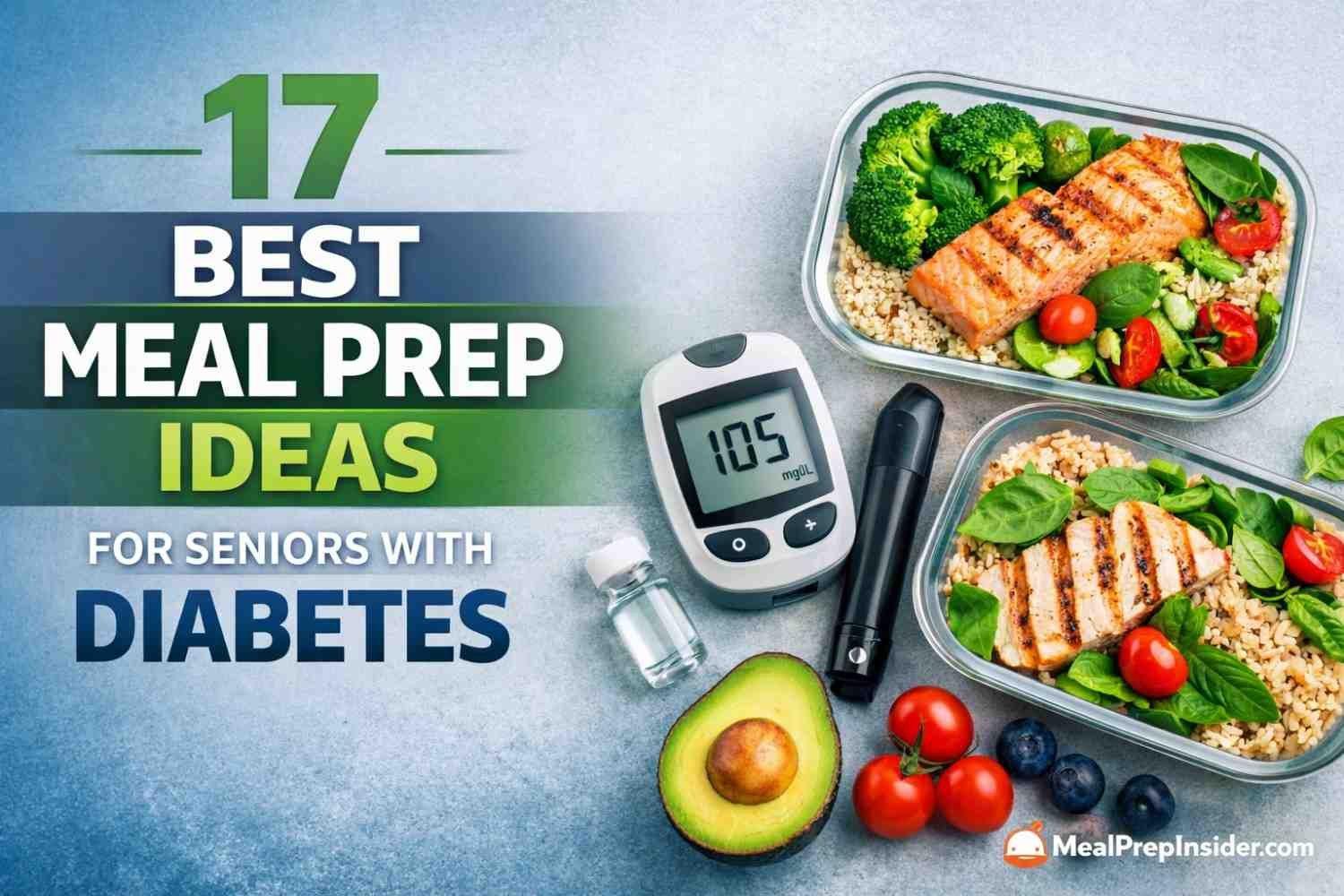
Meal prep ideas for seniors with diabetes can feel like the “easy answer”… right up until it’s Tuesday at 5:12 p.m., the blood sugar is unpredictable, and the fridge looks like a random collection of condiments and good intentions.
Here’s the uncomfortable truth. Diabetes-friendly eating isn’t hard because people don’t care. It’s hard because decisions pile up. Every snack. Every portion. Every “Should I eat this?” moment.
Now the suspenseful part. The solution usually isn’t a new diet. Or a fancy superfood. Or a perfect recipe you’ll never repeat.
It’s repetition. The good kind. The kind that saves your energy for living.
And if you’re cooking for an older parent, a spouse, or yourself, meal prep becomes more than a productivity trick. It becomes a safety net. One that helps steady blood sugar, protect muscle, and reduce those last-minute “whatever is easiest” meals that quietly cause trouble.
This post is built for the United States. U.S. grocery stores. U.S. portions. U.S. schedules. And real-life senior needs: appetite changes, dental issues, medication timing, budget, fatigue, and cooking for one.
You’ll get 17 practical meal prep ideas (not “Pinterest perfect”). Plus storage tips, a simple weekly template, and the sneaky slip-ups that derail even motivated people.
Quick note: This article is educational, not medical advice. Diabetes targets, carb needs, kidney issues, and medication timing vary a lot—check with a clinician or dietitian for personalized guidance.
Meal prep ideas for seniors with diabetes: why prepping matters more after 60
After 60, diabetes management often gets more sensitive. Not always dramatic. Just… touchier.
Small changes hit harder:
- A slightly bigger portion.
- A missed protein at breakfast.
- Less activity that day.
- A new medication.
- Mild dehydration.
Meal prep helps because it reduces “decision fatigue.” You’re not guessing at every meal. You’re following a plan you already agreed on.
It also helps with common senior realities:
- Lower appetite, but higher need for protein and nutrients.
- Chewing or dental challenges make crunchy “healthy” foods annoying.
- Mobility or fatigue makes daily cooking feel like a chore.
- Budget constraints, especially with rising food prices in the U.S.
- Living alone, where cooking feels pointless.
In plain terms, meal prep makes the healthy choice the easiest choice.
The diabetes-friendly meal prep formula (simple, not strict)
You do not need to count every gram to benefit. Many seniors do well with a consistent, balanced pattern.
A reliable approach is the ADA-inspired plate idea:
- ½ plate non-starchy vegetables (fiber, volume, vitamins)
- ¼ plate lean protein (blood sugar stability + muscle)
- ¼ plate smart carbs (controlled portion of starch/fruit/dairy)
- Add healthy fat (satiety + taste)
What “smart carbs” usually look like
These tend to be easier on blood sugar when portioned:
- Beans and lentils
- Oats
- Brown rice, quinoa, barley (small servings)
- Sweet potato
- Whole fruit (especially berries)
- Plain Greek yogurt, milk (if tolerated)
What often spikes blood sugar faster
Not “forbidden,” just easier to overdo:
- Juice
- White bread and most refined crackers
- Sugary cereals
- Pastries
- Big servings of pasta/rice
In reality, most seniors don’t need perfection. They need repeatable meals with predictable portions.
Senior-friendly meal prep rules (the ones that prevent frustration)
These are the quiet game-changers.
1) Make food easy to chew and easy to reheat
Soups. Soft proteins. Roasted veggies. Egg bakes. Yogurt bowls.
2) Portion immediately
If you leave a big pot in the fridge, “just a little more” happens. Portioning creates guardrails.
3) Repeat components, not whole meals
Cook once. Remix all week:
- Chicken becomes salad, soup, taco bowl.
- Roasted veggies become omelet filling, side dish, or soup add-in.
4) Freeze on purpose
Many seniors do better with 2–3 freezer meals ready for low-energy days.
5) Keep sodium and added sugar in check
Especially common with store-bought sauces, soups, and “healthy” frozen meals.
A quick grocery foundation (U.S.-friendly)
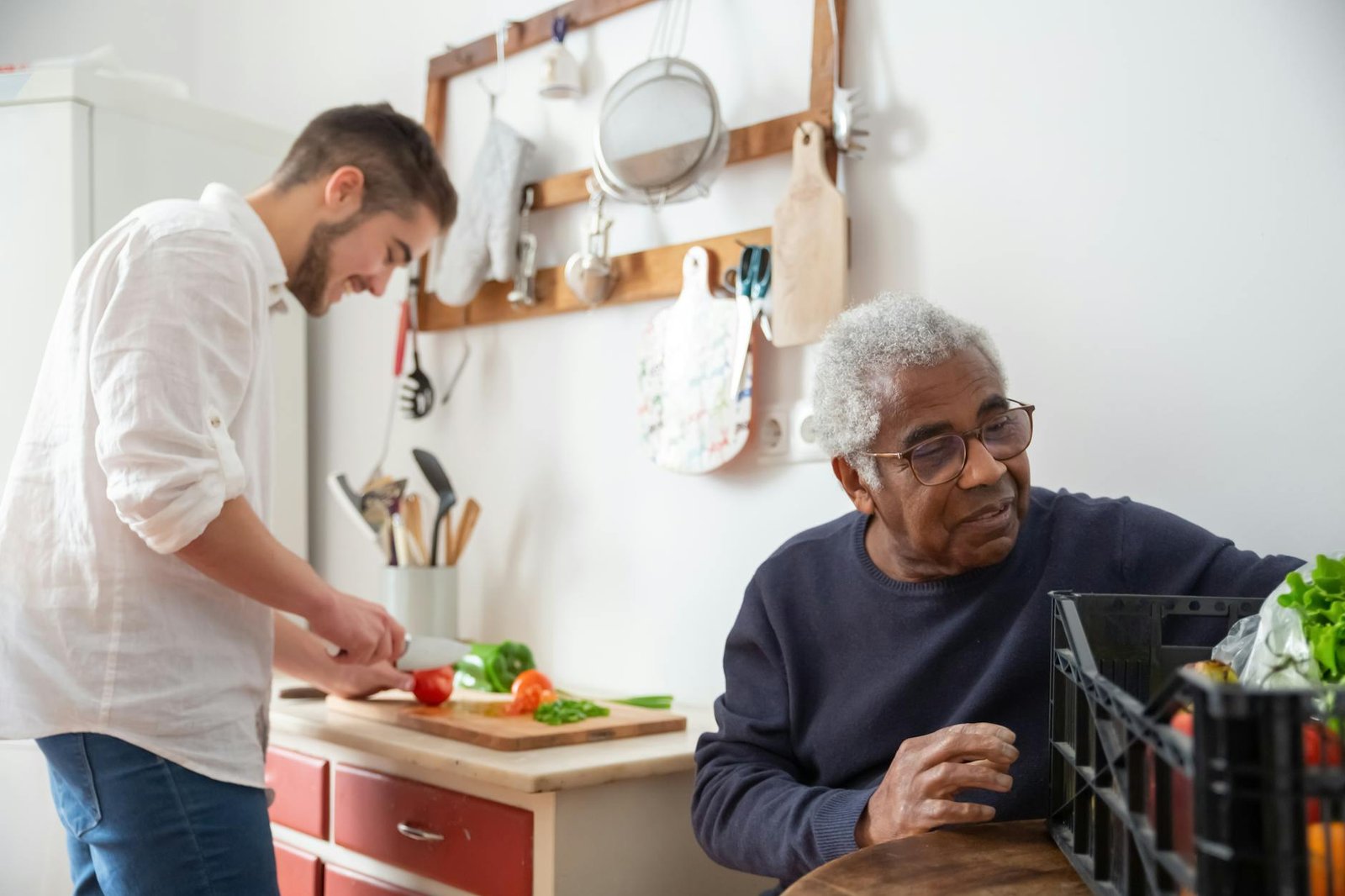
If you keep these around, meal prep becomes faster.
Proteins
- Rotisserie chicken (skin removed if desired)
- Salmon (fresh or frozen)
- Ground turkey (93% lean)
- Eggs + carton egg whites
- Canned tuna/salmon (in water)
- Plain Greek yogurt
- Cottage cheese (lower sodium if available)
- Tofu
Vegetables (fresh or frozen)
- Broccoli florets
- Cauliflower rice
- Spinach
- Bell peppers/onions mix
- Green beans
- Salad kits (watch dressing)
Carbs with fiber
- Old-fashioned oats
- Brown rice or quinoa (microwave cups are fine)
- Sweet potatoes
- Beans/lentils (canned “no salt added” is great)
- Berries (fresh or frozen)
Healthy fats + flavor
- Olive oil
- Avocados
- Nuts/nut butter
- Lemon/lime
- Vinegar
- Salsa
- Mustard
- Spices (garlic powder, paprika, cumin, cinnamon)
Meal prep safety for seniors (worth 60 seconds)
Food safety matters more as we age.
Basic rules:
- Refrigerate within 2 hours (or 1 hour if it’s hot out).
- Fridge: aim to eat most cooked meals within 3–4 days.
- Freezer: 2–3 months for best quality (often safe longer).
- Reheat leftovers to 165°F if possible.
- When in doubt, throw it out.
If immune system issues exist, be extra careful with undercooked eggs, deli meats, and unpasteurized products.
The 17 best make-ahead meals (built for blood sugar stability)
Below are practical, repeatable meal prep ideas designed with seniors in mind: steady energy, gentle textures, and realistic cooking effort.
At-a-glance table: 17 meal prep ideas (and why they work)
| # | Meal Prep Idea | Best for | Why does it help diabetes management |
|---|---|---|---|
| 1 | Egg & veggie muffin cups | Breakfast | Protein-forward, portioned, quick |
| 2 | Cinnamon chia pudding | Breakfast/snack | Fiber + healthy fats slow glucose rise |
| 3 | Savory oatmeal bowls | Breakfast | Oats + protein = steadier morning |
| 4 | Why it help diabetes management | Breakfast/snack | Low added sugar, high protein |
| 5 | Turkey & veggie chili | Lunch/dinner | Beans add fiber; freezes well |
| 6 | Salmon cakes + slaw | Lunch/dinner | Omega-3s; easy portions |
| 7 | Chicken & veggie sheet-pan boxes | Lunch/dinner | One-pan, mix-and-match |
| 8 | Lentil soup with spinach | Lunch | Gentle texture; fiber-rich |
| 9 | Tuna white bean salad | Lunch | No-cook; high protein |
| 10 | Stuffed bell pepper bowls | Dinner | Controlled carbs, high volume |
| 11 | Turkey meatballs + marinara | Dinner | Freezer-friendly; versatile |
| 12 | Slow-cooker salsa chicken | Lunch/dinner | Hands-off; works in many meals |
| 13 | Greek yogurt “protein parfait packs.” | Dinner | Low-carb comfort food vibe |
| 14 | Chicken noodle-ish soup (fiber twist) | Lunch/dinner | Comforting, easier chewing |
| 15 | Cottage cheese snack boxes | Snack | Protein + portion control |
| 16 | Peanut butter oat bites (low sugar) | Snack | Controlled sweet, fiber + fat |
| 17 | Shrimp & cauliflower “fried rice.” | Snack/light lunch | Easy grazing without spikes |
Now let’s get into the details, with prep steps and storage tips.
1) Egg & veggie muffin cups (grab-and-go breakfast)
These are a senior meal prep classic for a reason. Soft texture. Easy to reheat. Built-in portion control.
You’ll need
- Eggs (or eggs + egg whites)
- Chopped spinach, peppers, onions, mushrooms (fresh or frozen)
- Optional: turkey sausage crumbles, reduced-fat shredded cheese
- Salt-free seasoning blend
How to prep
- Heat oven to 350°F.
- Spray a muffin tin.
- Add veggies (and cooked meat if using) to each cup.
- Whisk eggs, pour in.
- Bake ~18–22 minutes until set.
Storage
- Fridge: 4 days
- Freezer: 2 months (wrap individually)
Diabetes-friendly tip
Pair 2 egg cups with:
- ½ cup berries, or
- 1 slice whole grain toast (if it fits carb goals)
2) Cinnamon chia pudding (fiber-rich, no-cook)
Chia is tiny but powerful. It thickens into a pudding texture that’s usually easy to eat.
You’ll need
- 2–3 tbsp chia seeds per serving
- Unsweetened almond milk or low-fat milk
- Cinnamon, vanilla
- Optional: a few mashed berries, or 1–2 tsp maple syrup if needed
How to prep
- Mix chia + liquid + flavorings.
- Refrigerate 4+ hours (overnight is best).
- Stir again before eating.
Storage
- Fridge: 4 days
Make it more filling
Add:
- 2 tbsp chopped walnuts, or
- a scoop of plain Greek yogurt on top
3) Savory oatmeal bowls (oats, but make it lunch-worthy)
Sweet oatmeal is fine. But savory oatmeal can be a blood-sugar win because it naturally pairs with protein and vegetables.
You’ll need
- Old-fashioned oats
- Low-sodium broth or water
- Cooked spinach or sautéed mushrooms
- Egg, turkey sausage, or tofu
- Everything bagel seasoning (check sodium)
Prep approach
Cook a pot of oats. Portion into containers. Add toppings fresh or prepped.
Storage
- Cooked oats: 4 days in fridge
- Reheat with a splash of water/broth
Why seniors like it
It’s warm, soft, and easy to digest. And it doesn’t taste like “diet food.”
4) Greek yogurt protein parfait packs (not a sugar bomb)
Many parfaits are secretly desserts. This one stays practical.
You’ll need
- Plain Greek yogurt
- Berries (fresh/frozen)
- Optional: 1 tbsp chopped nuts or ground flax
- Optional: 1–2 tbsp low-sugar granola (measure it)
How to prep
- Portion yogurt into containers.
- Add berries to a separate small cup to prevent sogginess.
- Add nuts/flax.
Storage
- 4 days in fridge
Small detail that matters
If using frozen berries, let them thaw in the fridge. They create a sauce-like texture that feels indulgent—without a lot of added sugar.
5) Turkey & veggie chili (freezer hero)
Chili is one of the best diabetes-friendly batch meals when you control the beans and skip sugary add-ins.
You’ll need
- Lean ground turkey
- Onion, bell pepper, zucchini
- Canned diced tomatoes (no salt added if possible)
- Beans (black or kidney), drained and rinsed
- Chili spices
How to prep
- Brown turkey.
- Add veggies, spices, tomatoes, and beans.
- Simmer 25–40 minutes.
Storage
- Fridge: 4 days
- Freezer: 3 months
Portion guidance
A common senior-friendly portion is 1–1½ cups of chili, plus a side salad or steamed veggies.
6) Salmon cakes + crunchy slaw (make it gentle if needed)
Salmon cakes feel like comfort food but can be very diabetes-supportive.
You’ll need
- Canned salmon (boneless/skinless if preferred)
- Egg
- Oat flour or whole-wheat breadcrumbs (small amount)
- Green onion
- Lemon, pepper
- Slaw mix + yogurt-based dressing
How to prep
- Mix salmon, egg, binder, and seasonings.
- Form patties.
- Pan-sear lightly or bake at 400°F ~12–15 min.
Storage
- Fridge: 3 days
- Freezer: 2 months (freeze patties between parchment)
Texture option for seniors
If crunchy slaw is difficult, swap for:
- cucumber salad, or
- roasted zucchini, or
- steamed green beans.
RELATED POST >> Best Frugal Meal Prep for the Week to Save You $400 a Month
7) Chicken & veggie sheet-pan boxes (the “set it and forget it” meal)
This is meal prep for people who don’t want a project.
You’ll need
- Chicken breast or thighs
- Broccoli, cauliflower, carrots, Brussels sprouts, peppers
- Olive oil, garlic, paprika, pepper
- Optional carb: sweet potato cubes or a measured portion of quinoa
How to prep
- Heat oven to 425°F.
- Toss everything with oil + seasoning.
- Roast 20–30 minutes (until chicken is safe at 165°F).
Storage
- Fridge: 4 days
Flavor rotation
Make two sheet pans with different seasoning:
- Lemon pepper
- Taco seasoning + lime
- Italian herbs + balsamic
Same effort. Different week.
8) Lentil soup with spinach (steady-energy lunch)
Lentils are fiber-rich and budget-friendly in the U.S. They also cook faster than many beans.
You’ll need
- Brown or green lentils
- Mirepoix (onion/celery/carrot)
- Low-sodium broth
- Spinach
- Optional: diced chicken or turkey
How to prep
Simmer until lentils are tender (about 25–35 minutes). Stir in spinach at the end.
Storage
- Fridge: 4 days
- Freezer: 3 months
Blood sugar note
Lentils are carbs, yes. But they’re slow carbs. Pairing with protein makes them even steadier.
9) Tuna + white bean salad (no-stove, high protein)
This is the “I forgot to cook” backup plan that still feels like a real meal.
You’ll need
- Canned tuna in water
- Canned cannellini beans, rinsed
- Chopped celery, red onion (optional)
- Lemon juice, olive oil, pepper
- Optional: parsley, diced pickles
How to prep
Mix and portion. Eat alone, over greens, or in a whole-grain wrap (measured).
Storage
- Fridge: 2–3 days (best fresh)
Senior-friendly texture
Beans keep it soft. If onions are too sharp, skip them.
10) Stuffed bell pepper bowls (all the flavor, less fuss)
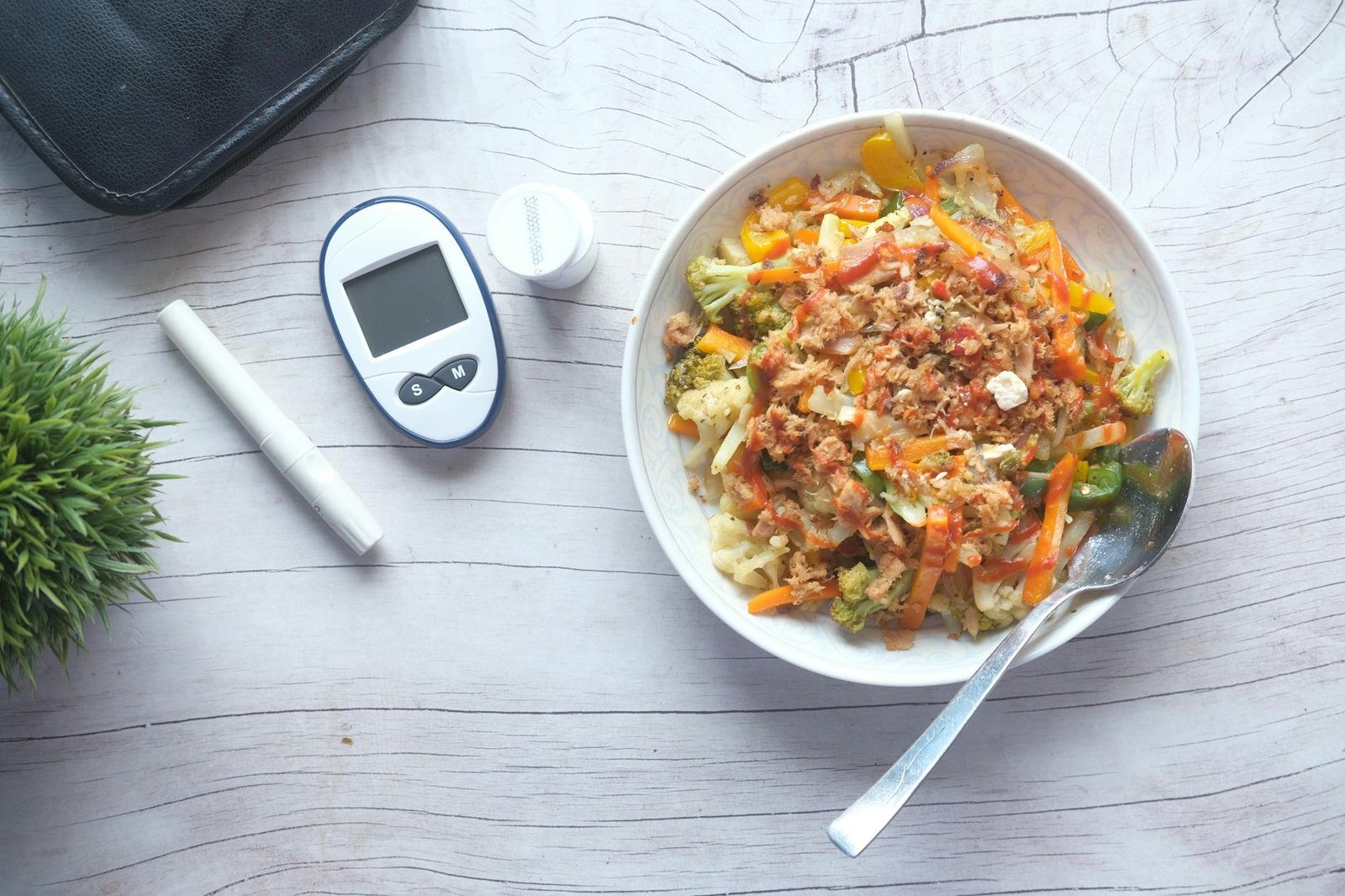
Traditional stuffed peppers can be a lot of work. This bowl version gives the same vibe with easier chewing and portioning.
You’ll need
- Lean ground turkey or beef
- Diced bell peppers + onions
- Riced cauliflower or a small portion of brown rice
- Tomato sauce (no sugar added if possible)
- Italian seasoning
How to prep
Sauté meat + veggies. Add sauce. Serve over cauliflower rice (or mix in a measured amount of brown rice).
Storage
- Fridge: 4 days
- Freezer: 2 months
Portion tip
If using brown rice, start with ⅓–½ cup cooked per meal and see how blood sugar responds.
11) Turkey meatballs + marinara (a freezer-friendly staple)
Meatballs are one of the easiest ways to make protein feel comforting.
You’ll need
- Ground turkey
- Egg
- Oat flour or whole-wheat crumbs
- Italian herbs, garlic powder
- Low-sugar marinara
How to prep
Bake meatballs at 400°F for ~15–18 minutes. Simmer briefly in marinara.
Storage
- Fridge: 4 days
- Freezer: 3 months
How to serve (diabetes-friendly)
- Over zucchini noodles
- With spaghetti squash
- Over a small portion of whole-wheat pasta + extra veggies
12) Slow-cooker salsa chicken (the easiest protein batch)
This is hands-off meal prep. Put it in. Walk away. Come back to options.
You’ll need
- Chicken breast or thighs
- Salsa (watch added sugar)
- Optional: black beans (rinsed), corn (small amount)
- Cumin, chili powder
How to prep
Cook on low 6–7 hours or high 3–4. Shred.
Storage
- Fridge: 4 days
- Freezer: 3 months
Use it all week
- Taco bowl over lettuce + avocado
- Stuffed into a whole-grain tortilla (measured)
- Mixed into veggie soup
- Served over cauliflower rice
13) Shrimp & cauliflower “fried rice” (comfort food, smarter)
This scratches the takeout itch without the refined-carb overload.
You’ll need
- Shrimp (peeled, deveined)
- Frozen cauliflower rice
- Mixed veggies (peas/carrots—go easy on peas if watching carbs)
- Eggs
- Low-sodium soy sauce or coconut aminos
- Garlic, ginger
How to prep
Stir-fry shrimp, push aside, scramble eggs, add cauliflower rice and veggies, and season.
Storage
- Fridge: 3 days
Sodium watch
Use low-sodium soy sauce and add flavor with ginger, garlic, and lime.
14) Chicken noodle-ish soup (comforting, with a fiber twist)
For seniors, soup is often the most dependable meal. Warm. Hydrating. Easy to chew.
You’ll need
- Shredded chicken
- Carrots, celery, onion
- Low-sodium broth
- “Noodles” option:
- chickpea pasta (portion-controlled), or
- whole-wheat pasta (small portion), or
- extra veggies instead
Prep
Simmer veggies, add chicken, and add pasta near the end so it doesn’t over-soften.
Storage
- Fridge: 4 days (pasta may absorb broth)
- Freeze soup base without pasta for the best texture
15) Cottage cheese snack boxes (simple, protein-first)
This is underrated. It’s one of the easiest ways to add protein without cooking.
Build a box
- ½–¾ cup cottage cheese
- Cherry tomatoes or sliced cucumber
- A few whole-grain crackers (count them) or a small apple
- Optional: walnuts or pumpkin seeds
Storage
- 3–4 days in fridge (assemble fresh if you prefer crunch)
If sodium is a concern
Look for lower-sodium cottage cheese, or rotate with plain Greek yogurt.
16) Peanut butter oat bites (low sugar, portioned)
Seniors often want “a little something.” These prevent the bakery-box situation.
You’ll need
- Old-fashioned oats
- Natural peanut butter
- Ground flax or chia
- Cinnamon
- Optional: a few dark chocolate chips or raisins (measure)
How to prep
Mix, roll into 1-inch balls, chill.
Storage
- Fridge: 1 week
- Freezer: 2 months
Portion
Start with 1 bite, not 4. These are dense.
17) Roasted veggie + hummus “adult lunchables” (grazing, upgraded)
Some seniors prefer small meals. These boxes support that style without constant carb snacking.
Build each container
- Roasted veggies (zucchini, peppers, broccoli)
- 2–4 tbsp hummus
- 1 boiled egg or a few turkey slices
- A small fruit (clementine or ½ cup berries)
Storage
- 4 days in fridge
Texture modifications
Roast veggies longer for a softer texture if chewing is tough.
A 1-hour Sunday prep plan (realistic for seniors)
You don’t need a marathon session. Try this “one hour + you’re done” approach.
Step-by-step
0:00–0:10
- Preheat oven to 425°F.
- Start with hard-boiled eggs (or use pre-cooked).
0:10–0:25
- Chop vegetables (or use pre-cut/frozen).
- Toss sheet-pan chicken + veggies and put in the oven.
0:25–0:40
- Mix chia pudding or a portion of yogurt.
- Assemble snack boxes (hummus + veggies, cottage cheese kits).
0:40–1:00
- Pull the sheet pan, cool, and portion into containers.
- Label 2–3 containers to freeze.
That’s it. No perfection required.
A simple weekly menu template (mix-and-match)
Here’s a senior-friendly structure that avoids boredom.
Breakfast options (pick 2 for the week)
- Egg muffin cups + berries
- Greek yogurt packs
- Savory oatmeal
Lunch options (pick 2)
- Lentil soup
- Tuna white bean salad
- Chili
Dinner options (pick 2)
- Sheet-pan chicken boxes
- Turkey meatballs + marinara
- Shrimp Cauliflower Fried Rice
Snacks (pick 2–3)
- Cottage cheese boxes
- Chia pudding
- Peanut butter oat bites
- Hummus veggie kits
If you live alone, pick fewer recipes and repeat more. Repetition is not failure. In truth, it’s a strategy.
Portion guidance that feels practical (not obsessive)
Portions vary, but these are useful starting points for many seniors:
- Protein: 3–5 oz cooked (about palm-size)
- Cooked grains/starches: ⅓–½ cup cooked (start here, adjust)
- Beans/lentils: ½ cup
- Non-starchy veggies: 1–2 cups
- Fruit: ½ cup berries or 1 small fruit
- Fats (nuts/oil): 1–2 tbsp
If blood sugar runs high after meals, the first place to adjust is usually the starch portion—not the vegetables.
“Frequent pitfalls” that sabotage meal prep for diabetes (and how to dodge them)
Let’s call these what they are: predictable traps.
Pitfall 1: Prepping only carbs because they’re easy
Pasta, rice, potatoes. Quick. Comforting. But not balanced.
Fix
Prep protein first (eggs, chicken, turkey, yogurt). Then build meals around it.
Pitfall 2: Forgetting fiber
In many cases, fiber is what makes the same carb hit differently.
Fix
Add one fiber anchor daily:
- beans/lentils
- chia/flax
- vegetables at lunch and dinner
- berries instead of juice
Pitfall 3: “Healthy” snacks that are basically dessert
Granola bars, sweetened yogurt, fancy trail mix.
Fix
Build snacks with protein:
- cottage cheese + cucumber
- yogurt + berries
- boiled egg + fruit
Pitfall 4: Too many recipes, too much work
It starts strong. Then it collapses.
Fix
Limit to 2 breakfasts, 2 lunches, 2 dinners per week.
Pitfall 5: Not labeling freezer meals
Mystery containers become landfill.
Fix
Tape + marker:
- name
- date
- Reheating note (microwave 2–3 minutes, stir)
Tips for seniors with smaller appetites (but higher protein needs)
Appetite often decreases with age, but protein needs don’t disappear.
Try:
- Protein at breakfast (egg cups, yogurt, savory oats)
- Add protein to soup (shredded chicken, beans)
- Use snacks strategically (cottage cheese, yogurt, tuna salad)
- Make portions smaller but richer (more protein, not more sugar)
As it happens, many seniors do better with 4–5 smaller eating times than 2 huge meals.
If chewing is difficult: diabetes-friendly soft meal prep ideas
A lot of “healthy” foods are crunchy and annoying. You can still eat well.
Soft options from this list:
- Lentil soup
- Chili (simmer longer)
- Egg muffin cups
- Yogurt packs
- Chia pudding
- Chicken soup
- Stuffed pepper bowls (cook peppers until soft)
Soft add-ons:
- mashed avocado
- cooked oatmeal
- applesauce (unsweetened)
- roasted vegetables
Budget-friendly swaps (U.S. grocery reality)
Food prices are real. Here’s how to keep it affordable without losing nutrition.
- Swap salmon fillets for canned salmon
- Use frozen vegetables (often cheaper, no waste)
- Choose beans and lentils 2–3 times/week
- Buy family packs of chicken and freeze portions
- Use store-brand plain Greek yogurt
- Stretch meat dishes with chopped mushrooms or extra veggies
A quick label-reading checklist (for sauces and packaged foods)
When buying marinara, salsa, broth, or dressings, check:
- Added sugar (aim lower)
- Sodium (lower is better, especially with hypertension)
- Serving size (it’s often unrealistically small)
A simple rule: if a sauce tastes like candy, it probably behaves like candy.
FAQs
What are the best meal prep ideas for seniors with diabetes who live alone?
Focus on freezer-friendly recipes and “component prep.” Great options include turkey chili, lentil soup, turkey meatballs, and egg muffin cups. Freeze half immediately in single portions so you’re not eating the same thing five days in a row.
How many days can meal-prepped food stay in the fridge safely?
For most cooked meals, 3–4 days is a solid guideline. Seafood dishes are often best within 2–3 days. If you won’t eat it in time, freeze it early rather than “saving it for later.”
Are carbs allowed in diabetes-friendly meal prep?
Yes. Many seniors do better with consistent, portioned carbs—especially high-fiber ones like beans, lentils, oats, berries, and small servings of brown rice or sweet potato. The goal is usually stability, not zero carbs.
What’s the easiest diabetes-friendly breakfast to meal prep?
Egg muffin cups and Greek yogurt packs are the simplest. They’re portioned, quick, and high in protein, which often helps with morning blood sugar.
How can seniors reduce blood sugar spikes after meals?
Commonly helpful strategies include pairing carbs with protein, adding fiber-rich vegetables, choosing less processed carbs, and keeping portions consistent. Monitoring blood glucose (if advised by a clinician) can show which meals work best for your body.
What if a senior also has high blood pressure or kidney disease?
Then sodium, potassium, and protein targets may need adjustments. Use low-sodium broth and sauces, rinse canned beans, and check with a clinician or renal dietitian for specific limits.
Can meal prep work if someone doesn’t like leftovers?
Yes—prep ingredients instead of full meals. For example: cook chicken, roast vegetables, wash salad greens, and make a simple sauce. Then assemble different combinations each day so it feels fresh.
The bottom line
Meal prep ideas for seniors with diabetes work best when they’re boring in the right way. Predictable. Flexible. Easy to chew. Easy to reheat. Easy to repeat.
Pick three recipes from the list. Just three. Make them this week.
Then notice what happens. Less scrambling. Fewer random snacks. More stable energy. More control—without white-knuckling every decision.
SUGGESTED POST >> DASH Diet Food List: 10 Best DASH Diet Grocery List Ideas