Healthy Meal Prep for Seniors Living Alone: Convenient Hack

Meal prep for seniors living alone isn’t just about cooking food ahead of time—it’s about maintaining independence, health, and dignity in the golden years. My neighbor Margaret, 78, used to order takeout almost every night until her daughter noticed the receipts piling up and her mother’s energy declining.
Three months after switching to a simple meal prep routine, Margaret walks with more spring in her step and actually looks forward to mealtime again.
Living alone doesn’t mean you have to compromise on nutrition or eat the same boring meals day after day. This guide will walk you through everything you need to know about preparing delicious, healthy meals that last throughout the week without draining your energy or breaking the bank.
Why Meal Prep Matters More As We Age
Your body changes as you get older. That’s just reality.
Your metabolism slows down. Your sense of taste might diminish. Sometimes you don’t feel as hungry as you used to. And let’s be honest—standing in the kitchen for an hour to cook a single meal can feel exhausting when you’re living alone.
Meal prepping solves these problems in ways that might surprise you.
When you prepare meals in advance, you’re more likely to eat balanced, nutritious food instead of grabbing whatever’s easiest. You save money compared to constant takeout or delivery. You reduce food waste because you’re planning exactly what you need. And perhaps most importantly, you maintain your independence and don’t have to rely on others for something as fundamental as feeding yourself.
The statistics tell a sobering story. According to nutrition experts, nearly one in six seniors faces food insecurity or nutritional deficiencies. Living alone increases these risks significantly. But meal prep provides a practical solution that puts you back in control.
Understanding Your Nutritional Needs After 65
Your body requires different fuel at 70 than it did at 40.
Protein becomes increasingly important for maintaining muscle mass and preventing frailty. You need adequate calcium and vitamin D for bone health. Fiber helps with digestion, which can become sluggish with age. B vitamins support brain function and energy levels.
But here’s what many people get wrong: eating less doesn’t mean eating poorly.
You might need fewer calories overall, but those calories need to pack more nutritional punch. Every bite should count toward supporting your health, energy, and quality of life.
Here’s a quick breakdown of what your plate should generally look like:
The Ideal Senior Plate:
- Half filled with vegetables and fruits
- One quarter with lean protein (chicken, fish, beans, eggs)
- One quarter with whole grains (brown rice, whole wheat bread, oatmeal)
- Healthy fats in moderation (olive oil, avocado, nuts)
Hydration matters too. Your sense of thirst decreases with age, so you might not realize you’re dehydrated. Keep water nearby and sip throughout the day, especially if you’re taking medications that can dehydrate you.
Getting Started: Essential Tools That Make Everything Easier
You don’t need a fancy kitchen to meal prep successfully.
In fact, some of the best meal preppers I know work with minimal equipment in small spaces. What matters is having the right basics that make the process smooth and safe.
Must-Have Tools:
- Good quality chef’s knife (sharp knives are safer than dull ones)
- Cutting board with a non-slip bottom
- Set of mixing bowls in various sizes
- Measuring cups and spoons
- Baking sheets
- Large pot for soups and grains
- Skillet or frying pan
- Slow cooker or Instant Pot (truly a game-changer)
Storage Solutions:
- Glass or BPA-free plastic containers with tight lids
- Portion-sized containers (1-2 cup capacity works well)
- Freezer bags with labels
- Masking tape and permanent marker for dating
Ralph, a 72-year-old retired teacher, swears by his slow cooker. “I put everything in before my morning walk,” he told me. “When I get back, my apartment smells amazing and dinner’s ready. I portion it out, and I’ve got meals for days.”
The slow cooker eliminates the worry about forgetting something on the stove. Set it and forget it.
Creating Your First Weekly Meal Plan
Start simple. Seriously.
Don’t try to become a gourmet chef overnight. Pick three to four recipes that you genuinely enjoy eating and that don’t require complicated techniques or hard-to-find ingredients.
Sample Week for Beginners:
| Day | Breakfast | Lunch | Dinner |
|---|---|---|---|
| Monday | Overnight oats | Chicken & vegetable soup | Baked salmon with roasted vegetables |
| Tuesday | Overnight oats | Chicken & vegetable soup | Baked salmon with roasted vegetables |
| Wednesday | Scrambled eggs & toast | Turkey sandwich with side salad | Slow cooker beef stew |
| Thursday | Overnight oats | Leftover beef stew | Baked chicken thighs with sweet potato |
| Friday | Scrambled eggs & toast | Leftover chicken with salad | Sheet pan shrimp and vegetables |
| Saturday | Pancakes (treat yourself!) | Tuna salad wrap | Homemade pizza on whole wheat crust |
| Sunday | Yogurt with fruit & granola | Leftover pizza | Prep day for next week |
Notice the pattern? Meals repeat strategically. You’re not eating something different for every single meal, which would be exhausting to prepare.
Think about what you actually like to eat. There’s no point in meal prepping foods that don’t appeal to you, even if they’re “super healthy.” You won’t eat them, and they’ll go to waste.
Grocery Shopping Strategies That Save Time and Money
Shopping with a plan changes everything.
Before you head to the store, check what you already have. I can’t tell you how many times I’ve found cans of beans or bags of rice hiding in the back of the pantry. Write everything down—your memory might be sharp, but why rely on it when a simple list does the job?
Smart Shopping Tips:
- Shop the perimeter first (fresh produce, meat, dairy)
- Buy frozen vegetables and fruits (just as nutritious, longer shelf life)
- Choose store brands for staples like rice, beans, and oats
- Look for marked-down meat and fish near their sell-by date (perfect if you’re cooking that day)
- Buy pre-cut vegetables if arthritis makes chopping difficult (the convenience is worth the extra cost)
- Shop early in the morning when stores are less crowded
Consider online grocery delivery if mobility is an issue. Services like Instacart, Walmart+, or your local grocery store’s delivery option bring everything to your door. Yes, there’s usually a fee, but compare that to the cost of takeout or the energy spent struggling through a store when you’re not feeling your best.
Doris, 81, resisted online shopping for years. “I thought it was too complicated,” she admitted. Now she orders every two weeks like clockwork. “I can take my time looking at what I need without rushing. And the delivery person brings it right to my kitchen counter.”
Batch Cooking Techniques That Won’t Wear You Out
Here’s the secret: you don’t have to cook everything in one marathon session.
Spread it out. Truly.
Pick two days during the week when you have more energy. Maybe Sunday afternoon and Wednesday morning. On those days, prepare components rather than complete meals.
Component Cooking Method:
Cook large batches of these basics, then mix and match throughout the week:
- Proteins: Bake several chicken breasts, cook a pot of beans, hard-boil a dozen eggs
- Grains: Make a big pot of brown rice or quinoa
- Vegetables: Roast multiple trays of mixed vegetables
- Sauces: Prepare a simple tomato sauce or salad dressing
These components become building blocks. Chicken and rice with vegetables one night. Chicken salad sandwich the next day. Chicken soup with those same vegetables later in the week.
One-pot meals are your friend. Soups, stews, casseroles, and sheet pan dinners minimize both cooking effort and cleanup. Less time standing. Fewer dishes to wash. More time doing things you actually enjoy.
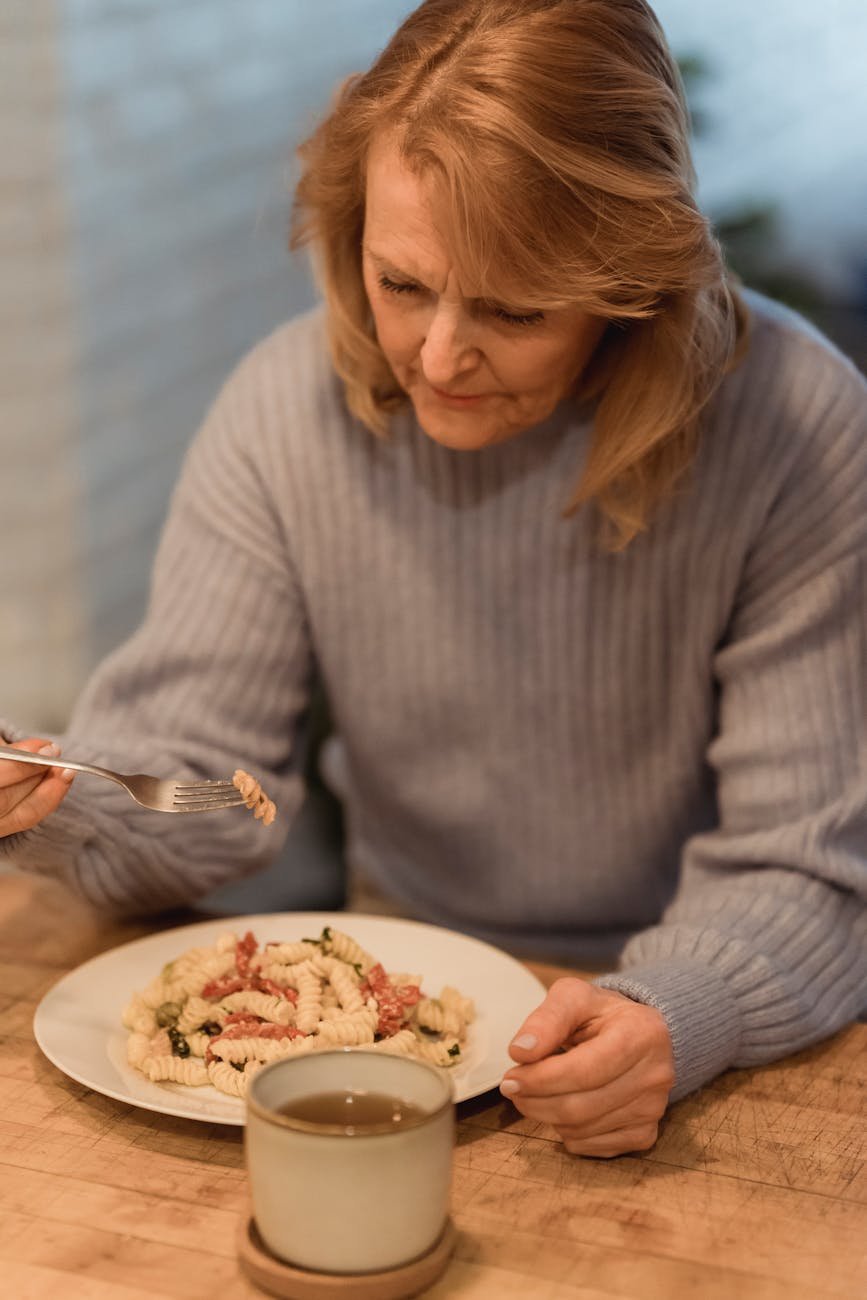
Recipes Specifically Designed for Solo Seniors
Let’s get practical with some actual recipes that work beautifully for meal prep.
Easy Slow Cooker Chicken and Vegetables
Toss bone-in chicken thighs (they’re cheaper and more flavorful than breasts) into your slow cooker with chopped carrots, celery, onions, and potatoes. Add a cup of chicken broth, some garlic, thyme, salt, and pepper. Cook on low for 6-8 hours. You’ll have tender, falling-off-the-bone chicken with perfectly cooked vegetables. Makes 4-5 servings that freeze beautifully.
Sheet Pan Salmon with Roasted Vegetables
Line a baking sheet with parchment paper. Place salmon fillets on one side, surround them with broccoli florets, cherry tomatoes, and sliced bell peppers. Drizzle everything with olive oil, sprinkle with lemon juice, garlic powder, salt, and pepper. Bake at 400°F for 15-20 minutes. Dinner is done, and you’ve got healthy omega-3s for your heart and brain.
Hearty Lentil Soup
Lentils are nutritional powerhouses packed with protein and fiber. They’re also incredibly cheap and don’t require soaking like other beans. Sauté onions, carrots, and celery in a large pot. Add dried lentils, diced tomatoes, vegetable broth, cumin, and a bay leaf. Simmer for 30-40 minutes. This soup actually tastes better the next day and freezes perfectly.
Breakfast Egg Muffins
Whisk together eggs with a splash of milk. Add diced vegetables (peppers, spinach, mushrooms), cooked breakfast sausage or bacon if desired, and shredded cheese. Pour into greased muffin tins and bake at 350°F for 20-25 minutes. These protein-packed muffins reheat in seconds and give you a hot breakfast without morning effort.
No-Cook Overnight Oats
Mix rolled oats with milk (dairy or non-dairy), a spoonful of yogurt, and your favorite toppings (berries, nuts, a drizzle of honey, cinnamon). Refrigerate overnight in a jar. In the morning, you’ve got a creamy, delicious breakfast loaded with fiber. Make five jars on Sunday, and breakfast is handled all week.
Proper Storage and Food Safety Guidelines
Food poisoning is no joke, especially as we age, when our immune systems aren’t as robust.
Cool hot food before refrigerating, but don’t leave it sitting out for more than two hours. Bacteria multiply rapidly at room temperature.
Label everything with the date you cooked it. Trust me on this. Within a few days, you won’t remember whether you made that soup on Monday or Thursday.
Storage Timeline:
- Most cooked foods last 3-4 days in the refrigerator
- Soups and stews can go 4-5 days
- Cooked fish should be eaten within 2-3 days
- Frozen meals maintain quality for 2-3 months
Use the freezer liberally. Portion out meals in individual containers and freeze what you won’t eat within a few days. This gives you variety—you’re not eating chicken soup five days straight. You can pull out different frozen meals and rotate through them.
Stack containers logically. Put the oldest meals in front where you’ll use them first. New additions go to the back.
Glass containers are fantastic because you can see what’s inside without opening them, and they go straight from the freezer to the microwave to the dishwasher. They’re heavier than plastic, though, so consider your grip strength and what feels manageable.
Adapting Meals for Dietary Restrictions and Health Conditions
Most seniors are managing at least one health condition that affects what they should eat.
Diabetes means watching carbohydrates and choosing complex carbs over simple sugars. High blood pressure requires limiting sodium. Kidney issues might mean restricting potassium and protein. Heart disease calls for reducing saturated fat.
The good news? Home-cooked meals automatically give you better control than restaurant food or processed meals.
For Diabetes:
Focus on protein and non-starchy vegetables. Include healthy fats. Choose whole grains in moderate portions. Avoid sugary drinks and desserts. Time your meals consistently.
For High Blood Pressure:
Use herbs and spices instead of salt for flavoring. Fresh garlic, ginger, turmeric, cumin, basil, oregano, rosemary—these add incredible flavor without sodium. Rinse canned beans and vegetables to remove excess salt. Choose fresh or frozen vegetables over canned when possible.
RELATED POST >> Best Meal Prep for Long Work Trips: Business Travel Eating
For Difficulty Chewing or Swallowing:
Soups and stews work wonderfully. Slow-cooked meats that fall apart easily. Smoothies packed with fruits, vegetables, protein powder, and healthy fats. Mashed vegetables instead of roasted. Scrambled eggs instead of hard-boiled.
Henry, who had a stroke at 76, struggled with swallowing for months afterward. His daughter helped him develop a meal prep routine focused on softer textures. “I was afraid everything would taste like baby food,” he said. “But pureed soups with good seasonings, tender pot roast, mashed sweet potatoes—it’s real food, just easier to eat.”
Talk to your doctor or a registered dietitian about your specific needs. They can provide personalized guidance that takes your medications and health conditions into account.
Overcoming Obstacles You’ll Actually Face
Let’s address the real challenges that make meal prep difficult for seniors living alone.
Limited Energy:
Some days you just don’t have it in you. That’s okay. This is where batch cooking saves you. Those meals in your freezer? They’re for days like this. Don’t feel guilty about taking shortcuts. Use pre-cut vegetables. Buy rotisserie chicken from the grocery store and portion it out. Success is eating well, not proving you can do everything from scratch.
Arthritis or Limited Mobility:
Jar openers, electric can openers, food processors, and ergonomic utensils exist for exactly this reason. Sitting while you prep reduces fatigue. Taking breaks isn’t cheating—it’s being smart about your energy. Ask for help with tasks that are genuinely difficult. There’s no shame in having a neighbor open a stubborn jar.
Reduced Appetite:
Eating enough becomes harder when food doesn’t taste as appealing or you simply don’t feel hungry. Smaller, more frequent meals work better than three large ones. Make every bite count nutritionally. Add healthy calorie boosters like olive oil, nut butter, avocado, or cheese to increase nutrition without increasing volume.
Loneliness and Lack of Motivation:
Cooking for one person feels pointless sometimes. Why bother when a frozen dinner is easier? Because you deserve better. You’re worth the effort. Music or a podcast while you cook makes it less lonely. Video chatting with family while you eat helps. Some communities have virtual meal programs where seniors eat “together” over video chat.
Join a local senior center or community kitchen if available. Some programs let you cook alongside others in a shared kitchen, combining meal prep with socialization.
Budgeting: Eating Well Without Breaking the Bank
Fixed incomes mean every dollar matters.
Meal prep actually saves money compared to almost any alternative. Cooking at home costs a fraction of takeout or delivery. You control portions, reducing waste. Buying ingredients in sensible quantities (not bulk warehouse sizes you’ll never use) makes sense financially.
Budget-Friendly Strategies:
- Plan meals around what’s on sale
- Eggs are a cheap source of protein (about 15-20 cents per egg)
- Dried beans and lentils cost pennies per serving
- Frozen vegetables often cost less than fresh and last longer
- Store-brand staples are identical to name brands
- Cook once, eat twice (or three times)
A whole chicken costs less per pound than chicken breasts. Roast it for one meal, use leftovers for soup or salad, and make broth from the bones. You’ve gotten three or four meals from one chicken.
Seasonal produce costs less and tastes better. Tomatoes in August. Squash in the fall. Root vegetables in winter. Berries in summer. Work with what’s abundant and affordable.
Martha, a widow on Social Security, tracks her spending. “I spend about $40-50 per week on groceries,” she told me. “Before I started meal prepping, I was easily spending double that on takeout and convenience foods. Plus, I feel better eating real food.”
Technology and Apps That Actually Help
If you’re comfortable with a smartphone or tablet, some apps simplify meal planning and grocery shopping.
Useful Apps:
- Mealime: Creates meal plans and grocery lists based on your preferences
- BigOven: Huge recipe database with options to scale recipes down
- Out of Milk: Simple grocery list app that syncs across devices
- Paprika: Recipe manager that saves recipes from websites
- AnyList: Shared grocery lists (great if family helps with shopping)
YouTube has countless cooking tutorials. Seeing someone demonstrate a technique beats reading instructions. Search for “easy meal prep for seniors” or “simple one-pot meals,” and you’ll find hundreds of options.
Don’t feel pressured to use technology if it’s not your thing, though. A paper meal plan on the fridge and a handwritten grocery list work just as well. Use whatever system you’ll actually follow.
Getting Family Involved Without Feeling Burdensome
Many seniors resist asking for help because they don’t want to be a burden.
Here’s a different perspective: letting family help is a gift to them. It eases their worry about you. It provides a meaningful connection. It’s something tangible they can do to show they care.
Ways Family Can Help:
- Shopping for groceries once a week or every other week
- Helping with one big batch cooking session monthly
- Bringing over pre-portioned freezer meals
- Setting up delivery services or showing you how to use apps
- Organizing your kitchen to make everything more accessible
- Doing heavy lifting, like moving pots or opening jars
Some families set up “cooking dates” where an adult child or grandchild comes over to cook together. It’s quality time that results in meals for the week. Everyone wins.
Community resources exist, too. Meals on Wheels delivers prepared meals to seniors. Some religious organizations offer meal programs. Senior centers often have communal lunches. You’ve contributed to your community for decades—it’s okay to accept support now.
Building Variety Into Your Meal Rotation
Eating the same thing constantly gets old fast.
Even with a limited repertoire of recipes, you can create variety through different seasonings, sides, and preparations.
Take chicken as an example. Bake it with Italian herbs for one week. Use curry powder next. Try a lemon-pepper rub after that. Pair it with rice one time, quinoa another, roasted potatoes the third time. Same base protein, completely different meals.
Breakfast for dinner is perfectly acceptable. Scrambled eggs with toast and fruit take ten minutes and provide good nutrition. Who made up the rule that breakfast foods only count in the morning?
Explore different cuisines within your comfort level. Mediterranean meals emphasize fish, vegetables, olive oil, and whole grains. Asian-inspired stir-fries use lots of vegetables with smaller amounts of protein and rice. Mexican-style beans, rice, and vegetables provide complete nutrition and tons of flavor.
Keep a running list of meals you’ve enjoyed. When planning becomes difficult, pull from this list. You know you like these meals, and you’ve made them successfully before.
Signs You Might Need Additional Support
Meal prep helps maintain independence, but sometimes more support becomes necessary.
Be honest with yourself about what’s truly manageable. If standing to cook has become painful or dangerous, that’s important information. If you’re forgetting to eat meals you’ve prepared, that’s a concern. If you’ve unintentionally lost significant weight, talk to your doctor.
Warning Signs:
- Frequent falls or close calls in the kitchen
- Forgetting to turn off the stove
- Significant unintended weight loss
- Eating less than one full meal per day
- Difficulty managing basic cooking tasks that were previously easy
These signs don’t mean failure. They mean circumstances have changed, and different solutions might work better. Maybe prepared meal delivery services make sense. Perhaps moving to a community with meal services would improve quality of life. In-home care that includes meal preparation might be appropriate.
The goal is always to maintain the best possible nutrition and quality of life. Meal prep is one tool toward that goal, but it’s not the only option.
Creating a Sustainable Long-Term Routine
The best meal prep system is one you’ll actually stick with.
Start with what feels manageable. Maybe that’s just prepping lunches for three days. Or only making one big batch meal per week. Small wins build confidence and create habits.
Give yourself permission to adjust as you go. If a recipe is too complicated, simplify it or skip it. If you don’t like how something reheats, make it fresh instead. There’s no meal prep police judging your choices.
Track what works. When you make something you really enjoy that stores well and comes together easily, write it down. These recipes become your core rotation.
Be patient with yourself. Learning new skills takes time at any age. If something doesn’t turn out perfectly the first time, that’s normal. Even experienced cooks have flops.
Celebrate your successes. You made it through the week eating home-cooked meals? That’s legitimately impressive. Did you try a new recipe? Fantastic. Are you saving money and feeling better? You should be proud.
Meal Prep for Seniors Living Alone: The Bottom Line
Meal prep for seniors living alone is fundamentally about dignity and self-determination.
It’s about continuing to feed yourself nourishing food on your own terms. It’s about not depending on others for something as basic as eating. It’s about saving money, reducing waste, and maintaining health through proper nutrition.
Sure, it requires some upfront effort. Planning takes time. Shopping takes energy. Cooking requires standing and working. But the payoff—eating well, feeling better, staying independent—makes it worthwhile.
You don’t have to be perfect. You don’t have to prep every single meal. You don’t have to make everything from scratch or follow complicated recipes. Simple, nutritious meals prepared in a way that works for your life—that’s the goal.
Margaret, my neighbor from the beginning of this article, recently invited me over for lunch. She served a delicious lentil soup she’d made earlier in the week, whole grain bread, and a side salad. “I have three more containers of this soup in the freezer,” she said. “I won’t have to think about lunch for weeks.”
She looked healthier and happier than she had in months. That’s what good meal prep can do.
Frequently Asked Questions
How long can I safely store prepared meals in the refrigerator?
Most cooked meals stay safe for 3-4 days in the refrigerator kept at 40°F or below. Soups and stews might last 4-5 days, while cooked fish should be eaten within 2-3 days. When in doubt, freeze what you won’t eat within three days. Label everything with dates so you can track freshness.
What if I don’t have much freezer space?
You can still meal prep successfully with limited freezer space. Focus on preparing components that last well in the refrigerator—cooked grains, roasted vegetables, hard-boiled eggs, and prepared proteins. Plan for 3-4 days at a time instead of a full week. Shop more frequently with smaller purchases. Consider freezer-friendly items that stack well, and prioritize what you’ll actually use.
Do I really need to cook everything in one day?
Absolutely not. Spreading meal prep across two or three days often works better, especially if energy is limited. You might cook grains and proteins on Sunday, then prepare vegetables and assemble meals on Wednesday. Or prep breakfast items one day and lunch/dinner components another. Find a rhythm that doesn’t exhaust you.
How do I meal prep if I have diabetes?
Focus on balanced meals with lean protein, non-starchy vegetables, and controlled portions of complex carbohydrates. Avoid added sugars and limit simple carbs. Prep meals in portion-controlled containers so you know exactly what you’re eating. Include healthy fats like olive oil, avocado, and nuts. Consistent meal timing helps manage blood sugar, which makes meal prep especially valuable. Consult with your doctor or a registered dietitian for personalized guidance.
What are the easiest meals to start with for a beginner?
Start with simple one-pot meals like soups, stews, or casseroles. Slow cooker recipes are incredibly forgiving and require minimal technique. Sheet pan meals, where everything roasts together, are straightforward. Hard-boiled eggs, overnight oats, and basic baked chicken with roasted vegetables give you nutritious options without complicated cooking methods.
Can I meal prep if I have a small appetite?
Yes, meal prep actually works great for smaller appetites. Use smaller containers and portion sizes. Focus on nutrient-dense foods, so you get maximum nutrition from smaller amounts. Prepare frequent small meals rather than three large ones. Freeze individual portions so nothing goes to waste. Include calorie-dense healthy additions like olive oil, nut butter, or avocado to boost nutrition without increasing volume.
What should I do with leftovers from meal prep?
Freeze them if you won’t eat them within 3-4 days. Transform them into new meals—leftover roasted chicken becomes chicken salad or soup. Share with neighbors or family if you have too much. Some communities have food-sharing networks where people exchange home-cooked meals. Just ensure you’re storing and handling food safely if sharing.
How much should I expect to spend on groceries weekly for meal prep?
Individual spending varies widely based on location and dietary needs, but many seniors successfully meal prep for $40-60 per week. Focusing on affordable proteins like eggs, beans, and chicken, choosing seasonal produce, buying store brands, and minimizing waste all help keep costs down. Meal prep almost always costs less than takeout or prepared meal services.
Is it safe to reheat food multiple times?
Reheat only what you’ll eat in one sitting. Repeatedly heating and cooling food creates opportunities for bacterial growth. When you portion meals into individual containers, you only reheat that single serving. Make sure reheated food reaches 165°F throughout. Stir midway through reheating to ensure even temperature.
What if I get bored eating the same meals?
Build variety through different seasonings and side dishes. Rotate through 8-10 recipes instead of constantly repeating the same 3-4. Try one new recipe each week while keeping familiar favorites in rotation. Change your vegetable sides even if the protein stays the same. Mix textures and temperatures—cold salads, hot soups, room-temperature sandwiches. Breakfast for dinner adds variety. Don’t force yourself to eat foods you genuinely dislike just because they’re “healthy.”
Can meal prep help if I’m trying to gain weight?
Definitely. Meal prep ensures you have regular, calorie-dense meals available when you need them. Include healthy fats, whole grains, and protein-rich foods. Make smoothies or shakes with added protein powder, nut butter, and fruit. Prepare snacks like trail mix, cheese and crackers, or yogurt with granola. Consistent meal availability helps you eat enough even when your appetite is low. Discuss weight concerns with your doctor to rule out underlying medical issues.
SUGGESTED POST >> Anti-Inflammatory Meal Prep for the Week: 7-Day Best Options
Discover more from Meal Prep Insider
Subscribe to get the latest posts sent to your email.