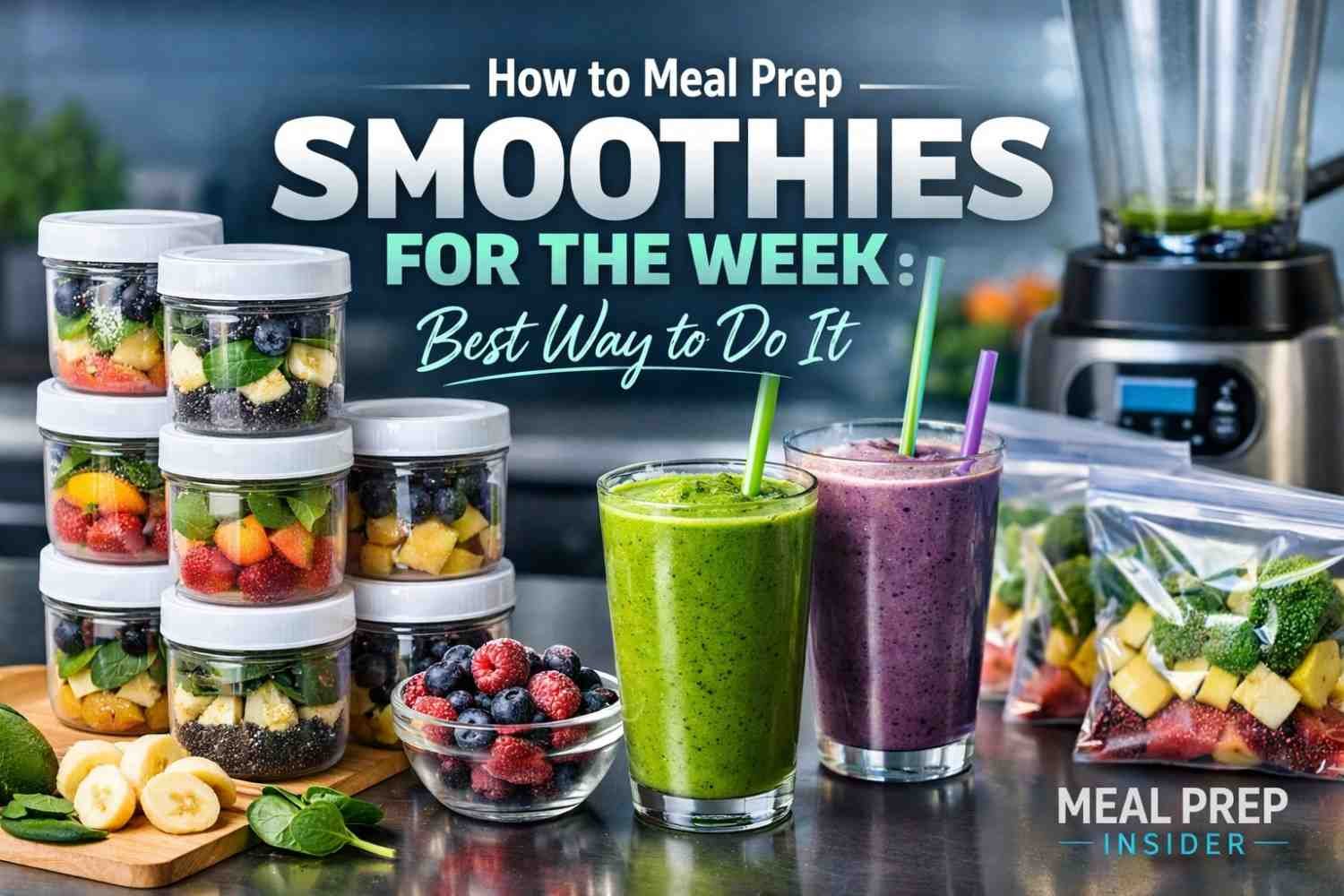
How to Meal Prep Smoothies for the Week: Best Way to Do It

Learn how to meal prep smoothies for busy mornings with easy freezer packs, mason jar methods, and make-ahead tips. Save time with healthy, nutritious recipes using frozen fruits, greens, and protein boosts—perfect for quick breakfasts all week long!
How to Meal Prep Smoothies for the Week
Most people open the fridge on a Tuesday morning, stare at a bunch of sad, browning bananas and half a bag of spinach going soft, and think: I should’ve done something with these.
Smoothie meal prep fixes that. Not in a complicated, Pinterest-board kind of way. In a practical, ten-minute-on-Sunday kind of way.
This guide covers everything — what to prep, how to store it, what actually holds up in the freezer, and what doesn’t. If you’ve tried smoothie prep before and it felt like a lot of work for mediocre results, this is probably where things went wrong.
Why Smoothie Prep Is Worth Your Time
Fresh smoothies sound great until you’re standing in your kitchen at 7 a.m., fighting a blender lid while you’re already running late.
Meal prepping smoothies doesn’t mean compromising on taste or nutrition. It means making one good decision on the weekend so you don’t have to make five bad ones during the week.
Here’s what most people are actually dealing with:
- Mornings are rushed
- Fresh produce goes bad before it gets used
- Buying smoothie ingredients per serving gets expensive fast
- Decision fatigue is real — even choosing what to blend is a drain
When you prep ahead, all of that goes away. You grab a bag from the freezer, dump it in the blender, add your liquid, and you’re done in under two minutes.
The Two Main Methods (And Which One to Use)
There’s more than one way to meal prep smoothies. The approach you choose depends on how much fridge and freezer space you have, how long you want your prep to last, and whether you want to blend ahead or blend fresh each morning.
Method 1: Freezer Smoothie Packs
This is the most popular method — and honestly, the most reliable.
You portion out all your solid ingredients (fruit, vegetables, seeds, protein powder if using) into individual freezer bags or containers. Each bag = one smoothie. When you’re ready, you dump the bag straight into the blender, pour in your liquid, and blend.
No measuring in the morning. No digging through the freezer trying to remember what you grabbed last week.
Freezer packs last up to three months, though most people use them within two to three weeks.
Method 2: Pre-Blended Smoothies
You blend everything in advance and store it in sealed jars or bottles in the fridge.
This works, but the window is short — about 24 to 48 hours before the texture, color, and flavor start to deteriorate. Some smoothies (especially ones with banana or avocado) oxidize and taste dull by day two.
Pre-blended works well if you’re only prepping two or three days ahead, or if you’re making smoothies for a household that’ll drink them quickly.
For a full week of prep, freezer packs win every time.
What You’ll Need Before You Start
You don’t need much equipment. But a few things make the process smoother (no pun intended).
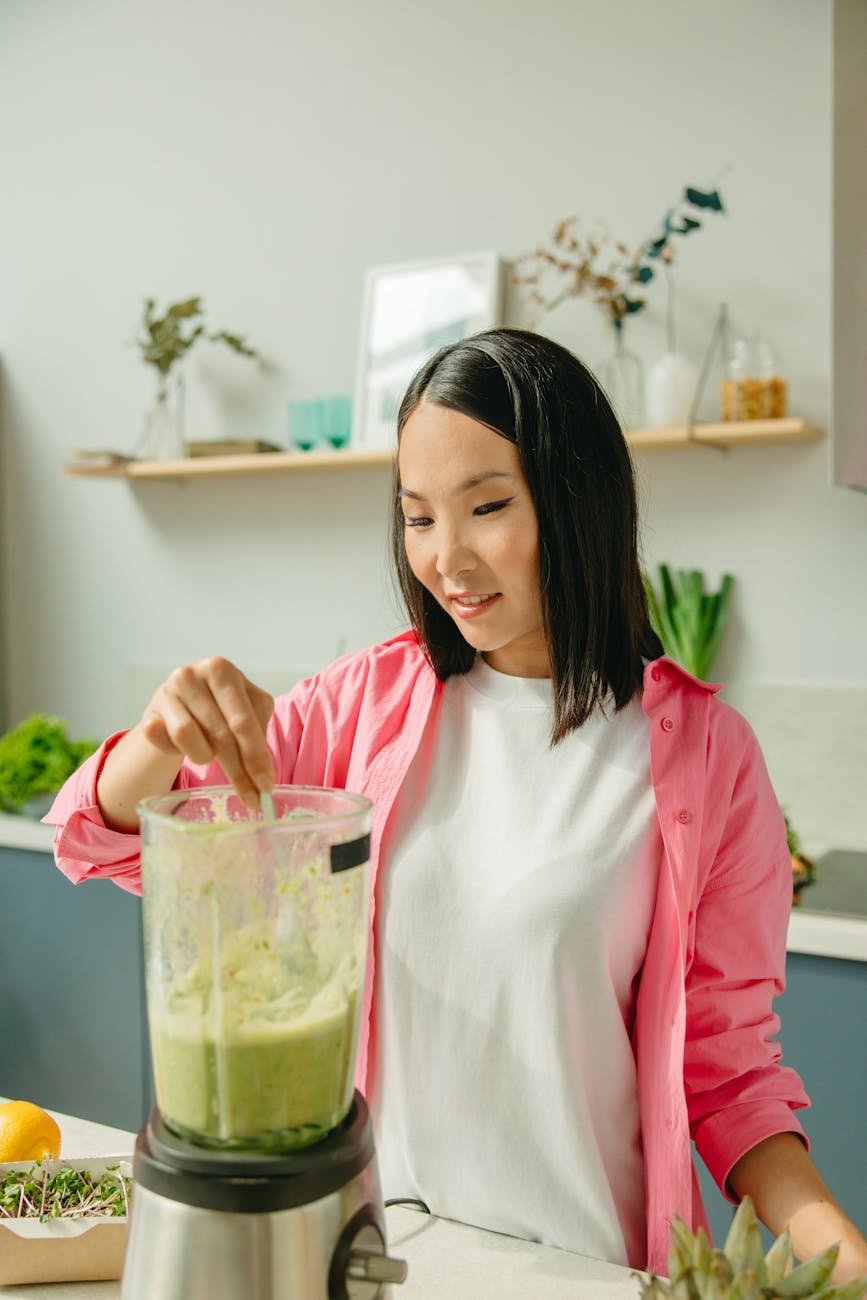
Blender — A high-powered blender handles frozen fruit without straining. Something like a Vitamix or Ninja works well, but mid-range blenders handle this just fine if you let the ingredients thaw for 5 minutes first.
Freezer bags or containers — Reusable silicone bags are worth the upfront cost. They’re easier to clean, better for the environment, and they lay flat in the freezer, so you’re not playing Tetris every time you open it. Zip-lock bags work perfectly well, though.
Permanent marker or labels — Label everything. Seriously. That “tropical green” pack looks exactly like the “berry spinach” one after a week in the freezer.
Cutting board and knife — For chopping anything that doesn’t come pre-frozen.
Measuring cups or a food scale — Optional, but useful if you’re tracking macros or calories.
The Best Ingredients for Smoothie Meal Prep
Not every ingredient freezes well. Some turn to mush. Others lose their flavor. A few actually get better after freezing.
Here’s a breakdown:
| Ingredient | Freeze Well? | Notes |
|---|---|---|
| Banana (sliced) | Yes | Freeze overripe bananas for natural sweetness |
| Mango chunks | Yes | Great frozen, holds texture well |
| Frozen berries | Yes | Already sold frozen, no prep needed |
| Spinach | Yes | Add dry ingredients, they absorb liquid when blended |
| Kale | Yes | Wilts after thawing but blends smoothly |
| Pineapple | Yes | Chunks freeze great |
| Avocado | Okay | Use within 4–6 weeks, can brown slightly |
| Greek yogurt | No | Best added fresh at blend time |
| Nut butter | No | Add fresh, doesn’t freeze well in packs |
| Protein powder | Yes | Fine to include dry in freezer packs |
| Chia seeds | Yes | Add fresh, lose brightness in freezer |
| Fresh cucumber | No | Too watery, goes mushy |
| Melon | No | Texture becomes unpleasant when frozen |
| Citrus juice | No | Add fresh, lose brightness in the freezer |
The rule of thumb: high-water-content fruits and anything creamy are best added fresh. Everything else can go in the pack.
How to Build a Smoothie Pack (Step by Step)
This process takes about 20–30 minutes for a full week of prep. Put on a podcast. It goes fast.
Step 1: Pick your recipes
Don’t prep seven different smoothies unless you really want variety. Two or three rotating recipes are easier to manage — fewer ingredients to buy, less decision-making.
Write them down or pull them up on your phone before you start.
Step 2: Wash and dry all produce
Wet produce in a freezer pack = ice crystals and clumping. Dry everything thoroughly before it goes in.
Step 3: Chop and portion
Cut fruit into roughly the same size pieces so they freeze and blend evenly. Smaller pieces blend more smoothly.
For leafy greens like spinach or kale, pack them loosely. They compress when frozen.
Step 4: Layer the pack
A good layering order: greens on the bottom, fruit in the middle, seeds or powder on top.
This actually matters. Greens at the bottom come into direct contact with the blade when blended, which helps achieve a smooth consistency.
Step 5: Seal, label, and freeze
Squeeze out extra air before sealing. Label with the smoothie name and date. Lay flat in the freezer.
Give them at least two hours to fully freeze before stacking.
RELATED POST >> How to Meal Prep Breakfast Sandwiches [Freezer-Friendly]
How to Blend a Frozen Pack
When you’re ready:
- Pull the pack out of the freezer. Let it sit for 3–5 minutes if your blender isn’t high-powered.
- Dump the contents into the blender.
- Add your liquid — typically 8–12 oz, depending on how thick you like it.
- Blend for 45–60 seconds until smooth.
- Pour and go.
That’s it. Two minutes, start to finish.
Liquid options that work well:
- Unsweetened almond milk (light, neutral flavor)
- Oat milk (creamier, slightly sweet)
- Coconut water (adds natural electrolytes, lighter texture)
- Regular dairy milk
- Plain water (if you want the fruit flavor front and center)
- Cold brew coffee (yes, actually really good with banana-cocoa blends)
Avoid adding juice to smoothie packs. Most juices add sugar with little nutritional value, and they don’t freeze well in the pack.
Five Smoothie Prep Recipes That Hold Up Well
These are tested, practical recipes that freeze well and taste good on day five just like on day one.
1. Green Power Pack
- 1 cup baby spinach
- ½ frozen banana
- ½ cup frozen mango
- 1 tbsp chia seeds
- ½ tsp ginger (fresh or powder)
Blend with 10 oz almond milk. Bright, earthy, satisfying.
2. Berry Protein Pack
- ½ cup frozen mixed berries
- ½ cup frozen blueberries
- 1 scoop vanilla protein powder
- 1 tbsp flaxseed
Blend with 10 oz oat milk. Thick, filling, slightly sweet.
3. Tropical Morning Pack
- ½ cup frozen pineapple
- ½ cup frozen mango
- ¼ cup shredded coconut (unsweetened)
- ½ frozen banana
Blend with coconut water. Tastes like vacation. Really.
4. Peanut Butter Banana Pack
- 1 frozen banana (sliced)
- 1 tbsp cocoa powder
- 1 tbsp chia seeds
Add 2 tbsp peanut butter fresh at blend time — don’t freeze it in the pack.
Blend with oat milk or regular milk. Rich and surprisingly close to a dessert.
5. Anti-Inflammatory Orange Pack
- ½ cup frozen mango
- ½ cup frozen pineapple
- 1 tsp turmeric
- ¼ tsp black pepper (activates turmeric absorption)
- ½ tsp cinnamon
- Small knob of ginger
Blend with orange juice or coconut water. Warm, bright, genuinely good for you.
Storing Pre-Blended Smoothies (If You Go That Route)
If you’re blending ahead and refrigerating, storage matters more than people realize.
Use glass mason jars with tight lids. Fill them all the way to the top — minimizing air exposure significantly slows oxidation. If you can squeeze a small amount of lemon or lime juice in before sealing, even better. The acid helps preserve color and flavor.
Store in the coldest part of your fridge (usually the back, lower shelves).
Drink within 48 hours. After that, taste and texture both drop noticeably. Some smoothies hold up to 72 hours; green-heavy ones with banana tend not to.
Give it a good shake or quick re-blend before drinking. Separation is normal and doesn’t mean it’s gone bad.
Common Mistakes That Ruin Smoothie Prep
People run into the same problems. Here’s what to watch for.
Using wet produce — Already mentioned, but worth repeating. Wet ingredients in a freezer pack create a solid block of ice. You’ll be chipping away at it with a spoon at 7 a.m. Dry everything.
Overfilling the packs — A pack that’s too full is hard to seal and hard to blend. Leave a little room. The ingredients expand slightly when frozen.
Not labeling — Every single one of those packs looks the same after three days in the freezer. Label them.
Freezing dairy or creamy add-ins — Greek yogurt, nut butters, and coconut cream — doesn’t freeze well in a pack. They separate, go grainy, or change texture. Add them fresh at blend time.
Using too much liquid — It’s easier to add more liquid than to fix a watery smoothie. Start with less than you think you need. You can always add more.
Prep without a plan — If you prep seven green smoothies and realize on Wednesday you’re bored with them, you’ll skip the rest. Mix up your flavors when you prep.
How to Customize Packs for Specific Goals
Smoothie packs aren’t one-size-fits-all. Here’s how to adjust based on what you’re after.
For weight loss: Keep fruit portions moderate (½ to ¾ cup per pack). Add more leafy greens, which are low-calorie but filling. Include fiber-heavy additions like chia or flaxseed. Skip protein powder with added sugars.
For muscle building / high protein: Include a scoop of protein powder in each pack. Add hemp seeds (about 3 tablespoons have 10 grams of protein). Blend with Greek yogurt or high-protein milk added fresh.
For energy and focus: Maca powder is worth trying — it goes well in banana or chocolate-based packs. Cold brew coffee as your liquid is a solid choice. Avoid overly sweet fruit combos that spike and drop blood sugar quickly.
For kids: Keep it simple. Frozen banana, frozen strawberries, and a little spinach (they won’t taste it, especially with enough fruit). Blend with milk. Don’t overthink it.
For gut health: Add a teaspoon of prebiotic powder or use kefir as the liquid. Include ginger and banana. Avoid very high-fiber packs if your digestive system is sensitive.
How to Make Smoothie Prep a Habit That Sticks
The prep itself isn’t hard. The habit is the hard part.
A few things that help:
Attach it to something you already do. A lot of people prep smoothies while they’re doing another Sunday task — cooking dinner, doing laundry. It doesn’t need to be a dedicated activity of its own.
Keep your freezer stocked with the basics. If you always have frozen bananas, frozen spinach, and a bag of mixed berries, you can make a decent pack even when you didn’t plan ahead. The barrier to starting is low.
Don’t aim for perfection. Some weeks, you’ll prep five packs. Some weeks you’ll prep two. Two is still better than zero.
Keep the recipes simple. The more ingredients a recipe has, the less likely you are to make it consistently. Three to five ingredients per pack is the sweet spot.
Do a quick audit before you shop. Look at what’s already in your freezer before buying more fruit. It’s easy to end up with four bags of mango and nothing else.
Budget Breakdown: Is Smoothie Prep Actually Cheaper?
Short answer — yes, significantly.
A store-bought smoothie (from a juice bar or café) typically runs $8 to $13. A premade bottled smoothie from a grocery store is usually $4 to $7.
Prepping your own costs roughly $1.50 to $3.50 per smoothie, depending on what you’re using. Protein powder and specialty add-ins (maca, collagen, etc.) increase the cost. Sticking to frozen fruit, spinach, and seeds keeps it low.
| Smoothie Source | Average Cost Per Serving |
|---|---|
| Juice bar / café | $8–$13 |
| Store-bought bottled | $4–$7 |
| Homemade (fresh daily) | $2.50–$4 |
| Meal-prepped freezer pack | $1.50–$3.50 |
Over five days a week, that’s a potential savings of $30 to $50 compared to café smoothies. Over a month, you’re looking at $120–$200 back in your pocket. That adds up.
Buying frozen fruit in bulk (Costco, Sam’s Club, or store-brand frozen bags) drops the per-pack cost further. Frozen produce is nutritionally comparable to fresh — in some cases, it’s actually more nutrient-dense because it’s frozen at peak ripeness.
Frequently Asked Questions
How long do smoothie freezer packs last? Up to three months in the freezer, though most people use them within two to three weeks for the best flavor. Label your packs with the date so you don’t have to guess.
Can I freeze smoothie packs with spinach or kale? Yes. Leafy greens freeze well and blend smoothly once frozen. They do lose some of their texture, but in a blended smoothie, that doesn’t matter at all.
Do I need to thaw the packs before blending? Not necessarily. High-powered blenders handle frozen packs directly. If your blender struggles, let the pack sit on the counter for five minutes before blending.
Can I add protein powder to freezer packs? Yes. Dry protein powder freezes fine. Measure it when you’re building the pack. Some people prefer to add it fresh — either works.
Why does my smoothie turn brown? Oxidation. It’s especially common with bananas and avocados. A small amount of lemon or lime juice in the pack slows this down. It’s still safe to drink — it just doesn’t look as appealing.
Can I make smoothie packs for a whole month at once? You can, but ingredient quality varies. Fruit frozen longer than three to four weeks can develop freezer burn or lose flavor. A one-to-two week batch is more practical and tastes better.
What’s the best liquid to add? Depends on your goals and taste. Unsweetened almond milk is a neutral, low-calorie option. Oat milk is creamier. Coconut water adds electrolytes. Plain water works if you want the fruit front and center. There’s no wrong answer.
Are pre-blended smoothies as good as fresh ones? Close, but not identical. Blending breaks down cell walls and begins oxidation. A refrigerated pre-blended smoothie drunk within 24 hours is close to fresh. After 48 hours, there’s a noticeable drop in flavor and texture — especially for green smoothies.
What containers work best for smoothie packs? Reusable silicone bags are ideal — they lie flat, seal well, and are easy to clean. Standard zip-lock freezer bags work fine and are budget-friendly. Glass containers work, but take up more freezer space and can crack if overfilled.
Can I prep smoothie packs for kids? Absolutely. Keep flavors simple and fruit-forward. Frozen banana and strawberry with a little spinach (invisible in the blend) is a crowd-pleaser. Blend with milk for a creamier result, which kids usually prefer.
Smoothie meal prep isn’t complicated once you have a system. Pick your recipes, spend twenty minutes on Sunday, and you’ve bought yourself five easy mornings. That’s the whole trade. It’s a good one.
SUGGESTED POST >> 25 Easy Carnivore Recipes for Digital Nomads Now
Discover more from Meal Prep Insider
Subscribe to get the latest posts sent to your email.