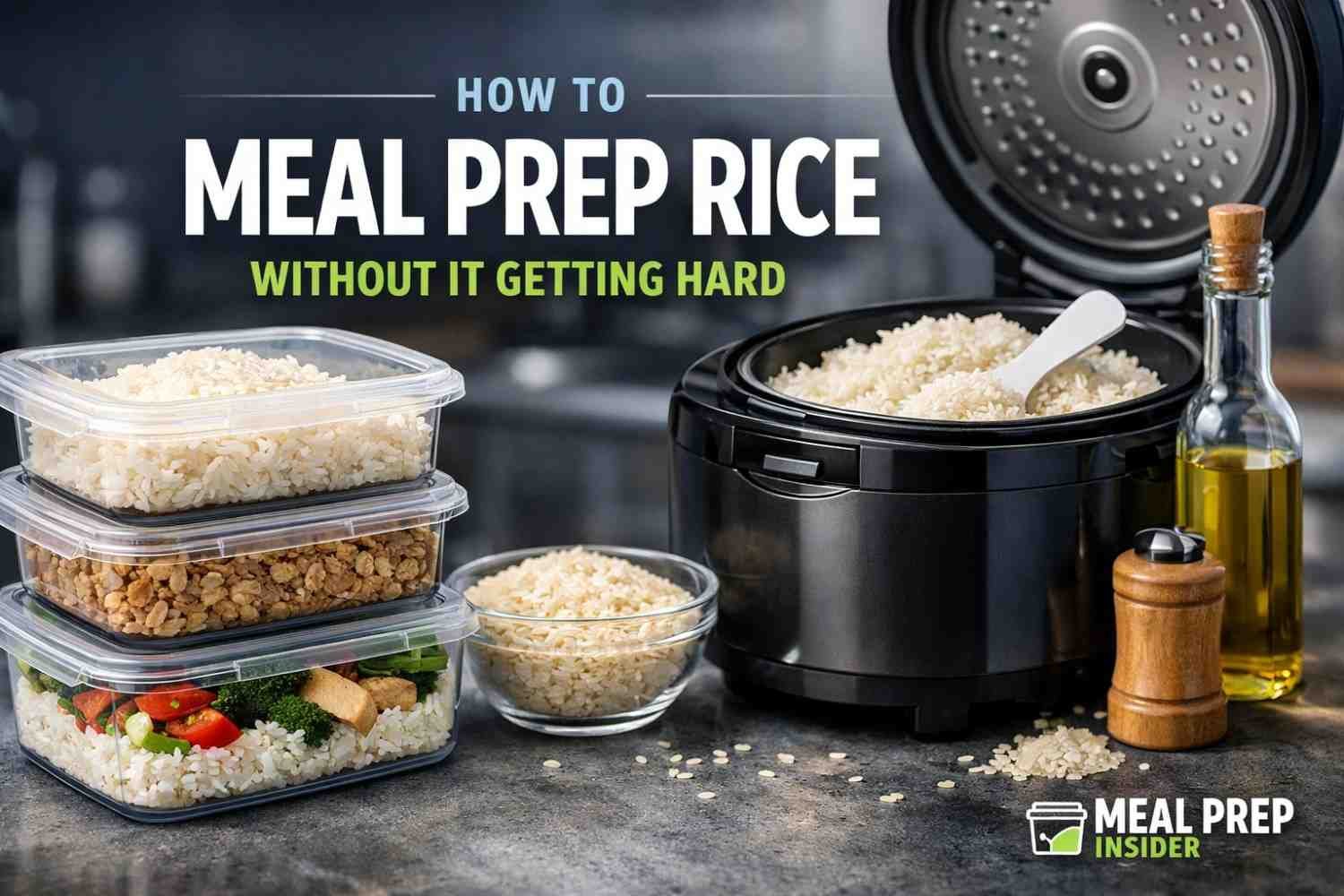
How to Meal Prep Rice Without It Getting Hard: Stays Perfect

How to Meal Prep Rice Without It Getting Hard: Learn foolproof techniques for meal-prepping rice that stays fluffy and delicious for days. Discover storage secrets, reheating methods, and tips to prevent hard, dried-out rice every time.
How to Meal Prep Rice Without It Getting Hard
Rice is a staple in every American kitchen for meal prep. It’s cheap, filling, and goes with everything from stir-fries to burrito bowls. But here’s the thing that drives everyone crazy – you spend Sunday afternoon cooking a big batch of perfect, fluffy rice, and by Tuesday it’s turned into a hard, clumpy disaster that not even the microwave can save.
Sound familiar?
You’re not alone. Thousands of people struggle with this exact problem every single week. The good news? Once you understand why rice gets hard and learn a few simple tricks, you’ll never have to deal with dry, cement-like rice again.
Let me walk you through everything you need to know.
Why Does Rice Get Hard in the Fridge Anyway?
Before we jump into solutions, it helps to understand what’s actually happening to your rice.
When you cook rice, the starch granules absorb water and swell up. This is what makes rice soft and fluffy. But once you stick that rice in the fridge, the cold temperature causes something called retrogradation. Basically, the starch molecules start to rearrange themselves and release the water they absorbed during cooking.
This process makes the rice firm up and dry out. It’s science, not your fault.
The longer rice sits in the fridge, the more pronounced this becomes. The moisture evaporates, the starches crystallize, and you end up with rice that’s harder than a hockey puck.
Temperature also plays a huge role. Your fridge is designed to remove moisture from the air to prevent bacterial growth. Great for food safety, terrible for keeping rice soft.
The Golden Rules for Meal-Prepping Rice
Here’s what you need to remember if you want rice that actually stays good throughout the week.
Cool It Down Properly
Don’t just scoop hot rice straight from the pot into containers and slam them in the fridge. That trapped steam condenses, which is then reabsorbed unevenly. You end up with mushy spots and hard spots in the same container.
Spread your cooked rice out on a baking sheet or large plate. Let it cool at room temperature for about 30-45 minutes. You want it to stop steaming but not get cold.
Once it’s cooled down a bit, then you can portion it out.
Add Extra Moisture During Cooking
This is genuinely one of the best tricks. When you’re cooking rice specifically for meal prep, add slightly more water than you normally would. Not a ton – just an extra tablespoon or two per cup of dry rice.
This extra moisture gives you a buffer. As the rice sits in the fridge and loses some water, it’ll still have enough to stay relatively soft.
Use the Right Containers
Your container choice matters more than you’d think.
Airtight containers are essential. Those flimsy takeout containers with loose lids? They’re letting air in and moisture out. Invest in quality meal prep containers with tight-sealing lids.
Glass containers work better than plastic for retaining moisture. They don’t absorb odors either, which is a nice bonus.
Shallow containers are better than deep ones. When rice is piled deep, the bottom layers get compressed and dry out faster.
The Best Methods for Storing Meal-Prepped Rice
Let me break down the different storage approaches and when to use each one.
Refrigerator Storage (3-4 Days)
This is what most people do for weekly meal prep.
Portion your cooled rice into individual containers. Before sealing the lid, place a damp paper towel directly on top of the rice. I know it sounds weird, but this creates a humid environment that prevents the top layer from drying out.
Store containers in the main body of the fridge, not the door. Temperature fluctuates more in the door, which accelerates the drying process.
Freezer Storage (1-2 Months)
Freezing rice actually works incredibly well if you do it right.
The key is to freeze it while it’s still slightly warm – not hot, but warm. This preserves more of the original texture.
Portion rice into freezer-safe bags or containers. Press out as much air as possible from the bags. A little drizzle of oil or butter mixed in before freezing helps maintain moisture.
Label everything with dates. Frozen rice lasts way longer than refrigerated rice, but it’s not immortal.
Individual Portions vs. Bulk Storage
Should you divide rice into single servings or store it all together?
Individual portions are more convenient. You grab one, reheat it, and you’re done. Less handling means less exposure to air and bacteria.
Bulk storage works if you’re cooking for a family and reheating everything at once. Just know that every time you open that container, you’re exposing all the rice to air and temperature changes.
Here’s a comparison:
| Storage Method | Best For | Stays Fresh | Convenience |
|---|---|---|---|
| Refrigerated Individual | Daily meals | 3-4 days | Very high |
| Refrigerated Bulk | Family meals | 2-3 days | Medium |
| Frozen Individual | Long-term prep | 1-2 months | High |
| Frozen Bulk | Batch cooking | 1-2 months | Medium |
Rice Types and How They Handle Meal Prep
Not all rice is created equal when it comes to meal prepping.
White Rice
Standard long-grain white rice is honestly the trickiest for meal prep. It dries out faster than other varieties. Jasmine and basmati are slightly better because they have more natural oils.
If you’re meal prepping white rice, use it within 3 days for best results.
Brown Rice
Brown rice is the champion of meal prep rice. The bran layer contains oils that help it retain moisture better. It stays softer longer and actually tastes pretty good even after 4-5 days in the fridge.
The downside? It takes longer to cook initially.
Wild Rice
Wild rice (which isn’t technically rice, but whatever) holds up fantastically. The firm texture means there’s less noticeable difference between fresh and refrigerated.
Mix it with brown rice for a meal prep blend that stays great all week.
Sticky Rice and Short-Grain Varieties
These contain more amylopectin starch, which makes them naturally stickier. They actually hold moisture better than long-grain varieties, but the texture change is more noticeable after refrigeration.
Sushi rice falls into this category. It gets hard fast, but reheats well with the right method.
Reheating Rice Without Ruining It
You stored it perfectly, and now it’s time to eat. This is where many people mess up.
Microwave Method
Put your portion in a microwave-safe bowl. Sprinkle 1-2 tablespoons of water over the rice. Cover the bowl with a damp paper towel or a microwave-safe lid to trap steam.
Microwave on high for 1-2 minutes, depending on portion size. Let it sit covered for 30 seconds after the timer goes off. The residual steam continues softening the rice.
Fluff with a fork before eating.
Stovetop Method
Add rice to a pan with a splash of water or broth. Cover with a lid and heat over medium-low heat for 3-5 minutes.
Stir occasionally. The gentle heat and added moisture bring the rice back to life way better than nuking it dry.
This method is genuinely worth the extra few minutes if you have time.
Steamer Method
If you have a steamer basket, this is actually the best way to reheat. The gentle, moist heat revives rice perfectly without making it mushy.
Steam for 3-5 minutes until heated through. Rice comes out fluffy like it’s freshly cooked.
Oven Method (For Larger Quantities)
Preheat oven to 300°F. Spread rice in an oven-safe dish and sprinkle with water. Cover tightly with foil.
Heat for 15-20 minutes until warmed through.
This works great if you’re reheating rice for the whole family and don’t want to do multiple microwave batches.
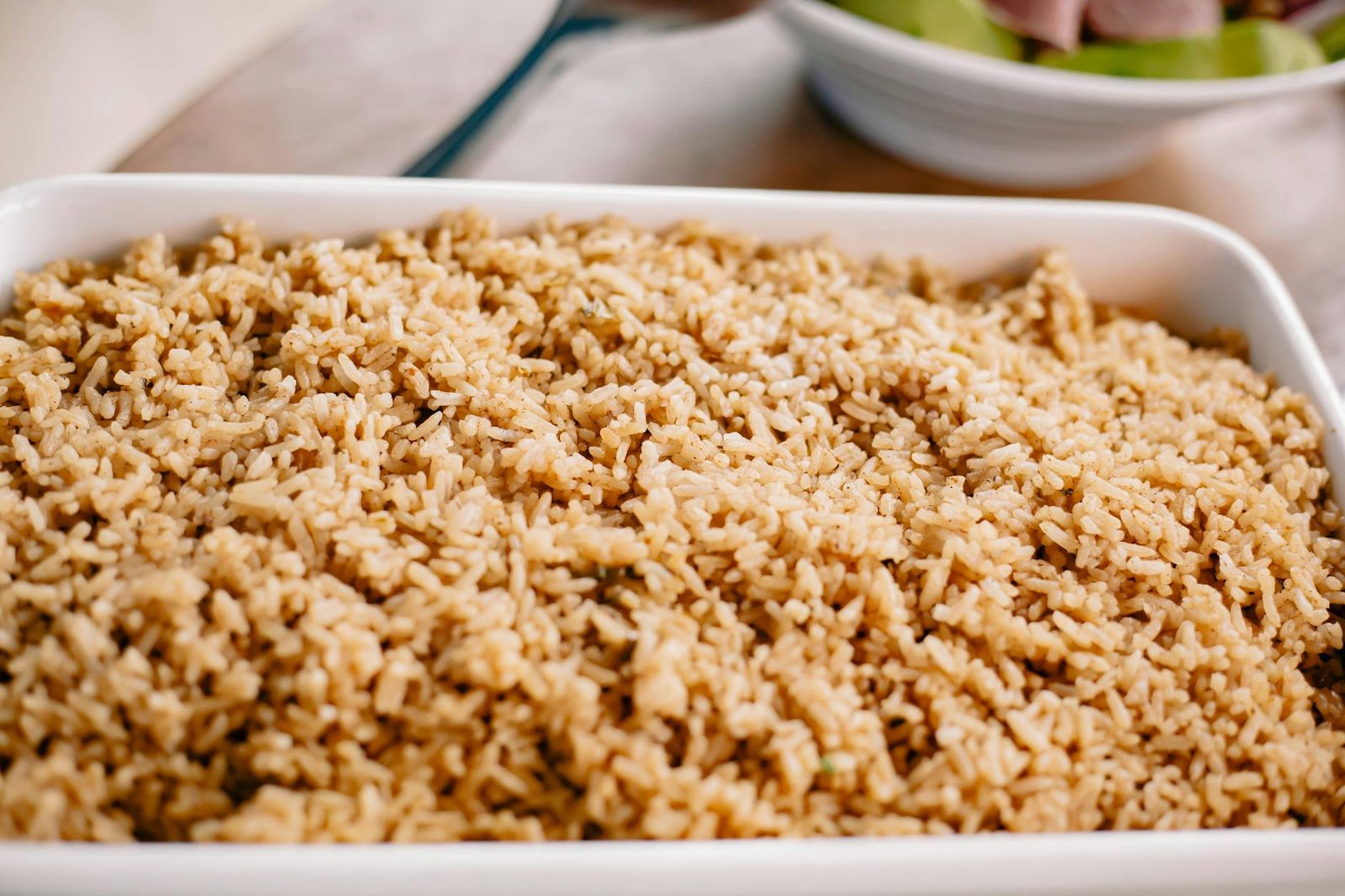
Errors People Make When Meal Prepping Rice
Let’s talk about what NOT to do.
Sealing Containers While Rice Is Still Hot
That condensation creates the perfect environment for bacteria. Plus, the excess moisture makes everything soggy at first, then weirdly dry later.
Always cool rice first.
Not Using Enough Water During Cooking
People who cook rice at the minimum water ratio wonder why it dries out so fast. Give it that extra moisture buffer.
Storing Rice Too Long
Rice is safe to eat for 3-4 days when stored properly. After that, you’re pushing your luck with both texture and food safety.
Don’t try to stretch a batch for 7+ days. Your stomach will thank you.
Reheating Without Adding Moisture
Dry reheating makes hard rice even harder. Always add water, broth, or at least cover it while reheating.
Using the Wrong Rice Cooker Settings
Some rice cookers have a “dry” setting that produces rice with less moisture. Great for fried rice, terrible for meal prep. Use the standard setting.
Not Seasoning the Rice
Plain rice dries out and tastes worse. Add a bit of oil, butter, or salt during cooking. Fat helps retain moisture and improves the flavor of reheated dishes.
RELATED POST >> Meal Prep Without Rice: Fresh Ideas Made Simple Weekly
Advanced Tips for Next-Level Rice Meal Prep
Ready to take things up a notch?
Mix in Oil or Butter
After cooking, while the rice is still hot, stir in a teaspoon of olive oil, coconut oil, or butter per cup of cooked rice. This coats the grains and creates a moisture barrier.
It genuinely makes a noticeable difference in texture throughout the week.
Cook Rice in Broth Instead of Water
This adds flavor and a tiny bit of fat from the broth, both of which help retain moisture and enhance taste.
Chicken, vegetable, or beef broth all work great.
The Ice Cube Trick
When reheating in the microwave, place an ice cube on top of the rice before covering. As it melts and steams, it evenly rehydrates the rice.
Sounds bizarre. Works incredibly well.
Pre-Portion with Mix-Ins
If you’re doing meal prep bowls, consider keeping rice and proteins/veggies in the same container. The moisture from the other ingredients helps keep rice from drying out.
Just make sure everything is cooled properly first.
Invest in a Rice Cooker with a Keep-Warm Function
Some rice cookers have a “keep warm” setting that maintains ideal temperature and moisture for hours. Cook rice in the evening, prep it in the morning when it’s still perfect.
The Towel Method
After portioning rice into containers but before sealing, place a clean kitchen towel over the container for 5 minutes. This absorbs excess surface moisture while keeping the rice humid. Then seal with the lid.
This prevents that weird wet-then-dry thing that happens.
Food Safety Considerations
Let’s be real about safety: Rice can be risky if handled incorrectly.
Bacillus cereus is a bacterium that loves rice. It produces spores that survive cooking, and if rice sits at room temperature too long, those spores multiply and create toxins.
The Two-Hour Rule
Don’t leave cooked rice at room temperature for more than two hours total. That includes cooling time plus any time it sits out before you eat it.
Cool it quickly, get it in the fridge.
Reheat Thoroughly
Rice should be steaming hot all the way through when reheated – at least 165°F. This kills most bacteria that might have developed during storage.
One Reheat Only
Don’t reheat rice multiple times. Take out only what you’ll eat, reheat it once, and finish it.
Check for Off Smells
If rice smells sour, fermented, or just weird, toss it. Don’t risk it.
Different Cuisines and Their Rice Meal Prep Tricks
Various food cultures have been meal prepping rice for centuries. Here’s what they do right.
Asian Method
Many Asian households cook rice daily in rice cookers with the keep-warm function. For longer storage, they often add a small piece of kombu (seaweed) to the rice, which helps retain moisture and adds minerals.
Mexican-Style Rice Prep
Mexican rice is often cooked with tomato sauce and oil, both of which help it stay moist. The fat content and acidity work as natural preservatives.
Middle Eastern Approach
Persian and Middle Eastern rice dishes often include plenty of butter or oil and sometimes a tahdig (crispy bottom layer). The fat-rich rice stores incredibly well.
Caribbean Tradition
Coconut rice, common in Caribbean cooking, stays moist thanks to the fat in coconut milk. The richness prevents drying.
The pattern here? Fat and moisture are your friends.
Budget-Friendly Rice Meal Prep Strategies
Rice meal prep saves money, but you can maximize those savings.
Buy rice in bulk from warehouse stores or Asian markets. The per-pound cost drops dramatically when you buy 10-25-pound bags.
A 20-pound bag of jasmine rice from an Asian grocery might cost $15-20, which comes out to pennies per serving.
Cook bigger batches less frequently. Running your stove or rice cooker once to make a large batch is more energy-efficient than cooking small amounts daily.
Freeze portions you won’t eat within 3 days. Freezer space is a free preservation method that prevents waste.
Use rice as a base and change up toppings throughout the week. Same rice prep, different meals. Teriyaki chicken Monday, burrito bowl Wednesday, curry Friday.
Troubleshooting Common Rice Meal Prep Problems
Rice Is Already Hard – Can I Fix It?
Honestly? Yeah, usually. Reheat it with extra moisture using the stovetop method. Add 1/4 cup water or broth per cup of hard rice, cover tightly, and steam on low heat for 5-7 minutes.
It won’t be perfect, but it’ll be edible.
Rice Tastes Weird After a Few Days
This usually means it’s absorbing odors from your fridge. Make sure containers are truly airtight. Store rice away from pungent foods like onions or fish.
Some Containers Have Perfect Rice, Others Are Dry
Your fridge has temperature zones. The back is coldest, the front is warmest. Try moving containers to different spots and see what works best.
Frozen Rice Is Mushy When Thawed
You probably froze it when it was too wet or thawed it too slowly. Freeze-cooled, slightly dried rice. Reheat from frozen rather than thawing in the fridge.
Rice Sticks Together in Clumps
Stir in a tiny bit of oil before storing. When reheating, break up clumps with a fork and add moisture.
Time-Saving Meal Prep Rice Schedules
Here are actual schedules real people use.
Sunday Batch Method
Sunday afternoon: Cook 6-8 cups of dry rice (makes about 12-16 cups cooked)
Sunday evening: Cool, portion into containers for Monday-Thursday
Thursday evening: Cook another smaller batch for Friday-Saturday if needed
Twice-Weekly Mini-Batches
Sunday: Cook 3-4 cups of dry rice for Monday-Wednesday
Wednesday: Cook another 3-4 cups for Thursday-Saturday
This ensures rice is never more than 3 days old.
Freezer Forward Method
Once monthly: Cook a huge batch and freeze 80% in individual portions
Weekly: Keep 3-4 days worth in the fridge, pull from freezer as needed
Equipment That Makes Rice Meal Prep Easier
You don’t need fancy stuff, but these items genuinely help.
Rice Cooker
A basic rice cooker costs $20-30 and produces consistent results every time. No watching the stove, no burnt bottoms, no guessing.
Higher-end models with fuzzy logic actually adjust cooking based on the rice type and amount. Worth it if you cook rice constantly.
Instant Pot
The pressure cooker function makes perfect rice in about 12 minutes total. The sealed environment also means less moisture evaporation.
Quality Containers
Invest once in glass containers with locking lids. They last for years and keep rice fresher than cheap plastic.
Brands like Pyrex, Rubbermaid Brilliance, or PrepNaturals are solid choices.
Kitchen Scale
Measuring rice and water by weight rather than volume gives you more consistent results. Especially helpful for meal prep where you’re making large quantities.
Baking Sheets
For cooling rice quickly and evenly before portioning.
Creative Ways to Use Meal-Prepped Rice
Don’t just eat plain rice all week. Here are ideas that actually work with prepped rice.
Fried Rice
Day-old refrigerated rice is genuinely better for fried rice than fresh rice. The drier texture means it fries up instead of getting mushy.
Rice Bowls
Build different bowls throughout the week. Same base, different proteins and veggies.
Stuffed Peppers
Mix cold rice with ground meat, veggies, and cheese. Stuff into peppers and bake.
Rice Salads
Cold rice salads with beans, corn, peppers, and vinaigrette are perfect for lunch.
Soup Addition
Drop cold rice into soups during the last few minutes of cooking. It soaks up flavor and adds heartiness.
Breakfast Rice Pudding
Reheat rice with milk, cinnamon, and a bit of sugar for a quick breakfast.
FAQ Section
How long can I keep cooked rice in the fridge?
Cooked rice stays safe for 3-4 days when stored properly in airtight containers at 40°F or below. After that, the texture quality decreases, and food safety risks increase.
Can you meal prep rice for a whole week?
Technically, yes, but the texture suffers significantly after day 4. A better approach is to meal prep half a week’s worth and either cook a second batch mid-week or freeze portions for later in the week.
Should rice be completely cool before refrigerating?
Rice should be cooled to room temperature but not left out for more than 2 hours total. Spread it out to cool for 30-45 minutes, then refrigerate. Don’t seal hot rice in containers.
Does adding oil to rice really help?
Yes, adding a small amount of oil or butter after cooking creates a coating around rice grains that helps retain moisture and prevents them from sticking together. Use about 1 teaspoon per cup of cooked rice.
What’s the best container for storing rice?
Glass containers with airtight, locking lids work best. They don’t absorb odors, create a good seal, and you can see what’s inside. Shallow containers are better than deep ones for even cooling and reheating.
Can you freeze cooked rice?
Absolutely. Cooked rice freezes well for 1-2 months. Freeze it in portion sizes you’ll actually use, press out air, and label with dates. Reheat directly from frozen for the best texture.
Why does my rice smell weird after refrigeration?
Rice absorbs odors easily. Make sure your containers seal tightly and store rice away from pungent foods. If rice smells sour or fermented, rather than just picking up other food smells, throw it out – that indicates bacterial growth.
Is it safe to reheat rice multiple times?
No, reheat rice only once. Each time rice cools and reheats, bacteria have opportunities to multiply. Take out only the portion you’ll eat, reheat it thoroughly one time, and consume it completely.
What type of rice is easiest to meal prep?
Brown rice and wild rice blends handle meal prep best because they retain moisture longer. White jasmine or basmati rice works well, too, if you add a bit of extra moisture during cooking and storage.
How do you prevent rice from sticking together?
Rinse rice before cooking to remove excess starch. After cooking, fluff it with a fork and stir in a small amount of oil. When storing, don’t pack it down tightly in containers.
Can I meal prep rice and chicken together?
Yes, as long as both are properly cooked and cooled before combining. Store them together in airtight containers for up to 3-4 days. The moisture from the chicken can actually help keep rice from drying out.
Does rice type affect how long it stays fresh?
Yes. Brown rice tends to stay fresher slightly longer due to its oil content, but those same oils can cause it to go rancid faster if stored too long. White rice has a more neutral shelf life. Seasoned or mixed rice dishes often stay fresher than plain rice because of added fat and moisture.
The bottom line? Meal prepping rice doesn’t have to be complicated. Cool it properly, store it in good containers, add moisture when reheating, and don’t try to keep it in the fridge for more than 4 days. Master these basics, and you’ll never waste another batch of rice again.
Your future self will thank you when you open the fridge on Wednesday and find rice that’s still actually worth eating.
SUGGESTED POST >> Peanut Butter Overnight Oats Meal Prep Made Easy
Discover more from Meal Prep Insider
Subscribe to get the latest posts sent to your email.