High Protein Breakfast Meal Prep: Easy Ready-Made

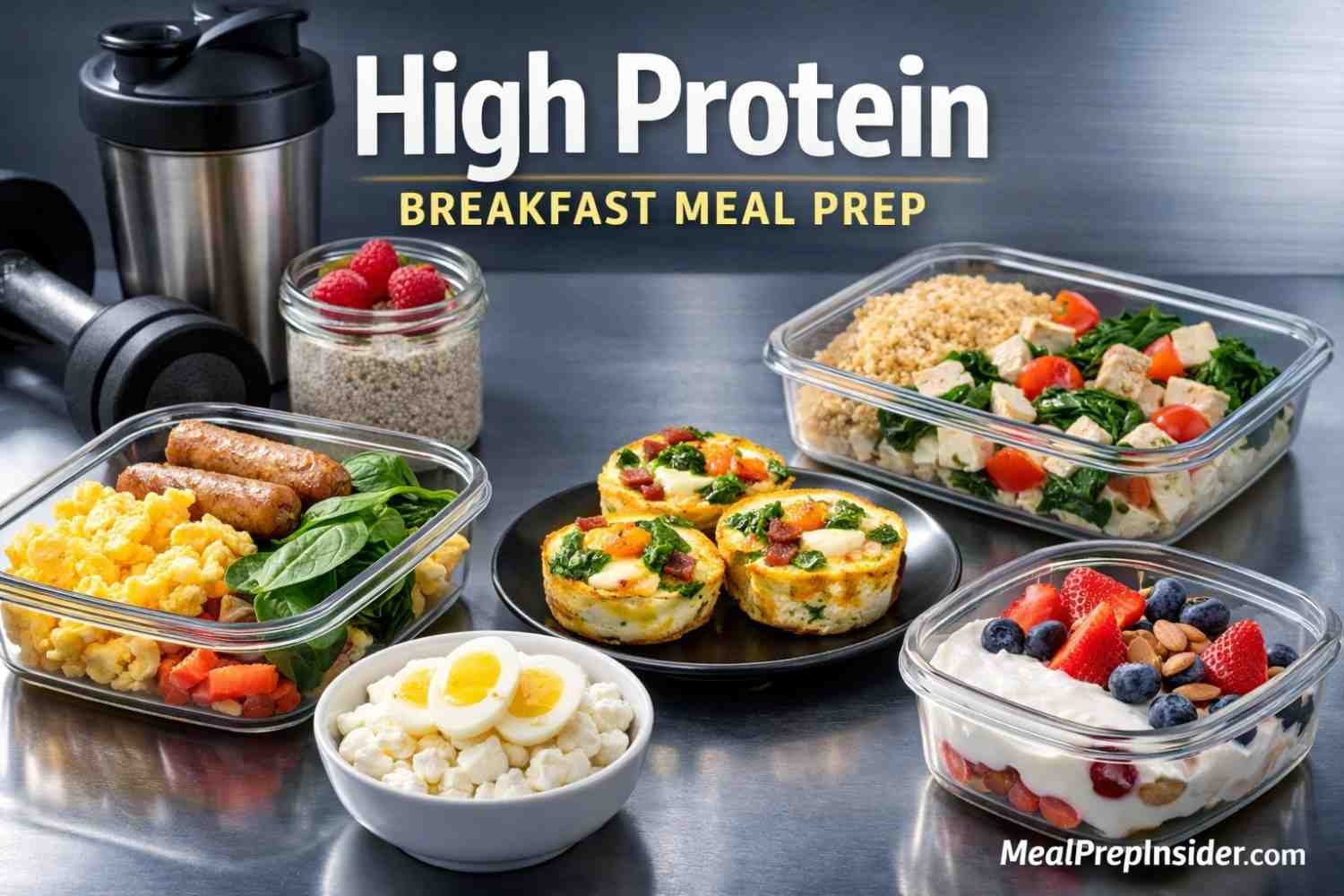
High protein breakfast meal prep transforms those frantic 6 AM scrambles into smooth, effortless routines. You know the drill. The alarm screams. You hit snooze three times. Suddenly, you’re late, starving, and diving face-first into whatever processed junk fits in your hand while you sprint to the car.
That ends today.
Because here’s what nobody tells you about mornings: winning them doesn’t require superhuman willpower or waking up at 4 AM like some productivity guru. It requires systems. Smart ones. The kind that works even when you’re exhausted, stressed, or completely over it.
Protein changes everything. Not carb-heavy bagels that leave you crashed by 10 AM. Not sugary cereals marketed as “part of a balanced breakfast.” Real, substantial protein that keeps you satisfied, focused, and energized until lunch. But cooking that every single morning? Forget it.
This is where meal prep stops being optional and starts being your competitive advantage.
Let’s get into it.
Why High Protein Breakfasts Destroy Everything Else
Protein isn’t just another macronutrient. It’s the foundation of stable energy, sustained focus, and actual satisfaction from your meals.
When you start your day with 25-35 grams of protein, your blood sugar stays balanced. You don’t get those vicious energy crashes. Your brain works better. You stop obsessing about your next meal because you’re genuinely full.
Compare that to the standard American breakfast: toast, cereal, pancakes, or worse—nothing at all. Pure carbohydrates or straight-up starvation. Both lead to the same place: ravenous hunger before noon, terrible food choices, and perpetual frustration about why you can’t stick to your health goals.
The research backs this up hard. Studies show high-protein breakfasts reduce cravings throughout the day by up to 60%. They increase thermogenesis, meaning you burn more calories just digesting your food. They preserve muscle mass during weight loss and improve body composition.
But here’s the real kicker: consistency beats perfection every single time.
You could have the most nutritionally optimized breakfast in the world, but if you can’t execute it Monday through Friday without losing your mind, it’s worthless. That’s exactly why meal prep isn’t just helpful—it’s essential for people with actual lives, jobs, kids, and obligations.
The Math Behind Morning Success
Let’s talk numbers because they matter.
The average American spends 8-12 minutes preparing breakfast on weekdays. That’s if they eat at all. About 31% of Americans regularly skip breakfast entirely, citing lack of time as the primary reason.
Now do the weekly calculation: 8 minutes × 5 days = 40 minutes of rushed, stressful cooking spread throughout your busiest mornings.
Flip the script with meal prep: 90-120 minutes on Sunday = grab-and-go convenience for an entire week. You’re trading weekend time (when you’re relaxed) for weekday sanity (when you’re not).
The return on investment is absurd.
Core Principles of Effective High Protein Breakfast Meal Prep
Before we dive into specific recipes and strategies, you need to understand the framework that makes this work.
Protein Targets
Aim for 25-40 grams of protein per breakfast. This range satisfies hunger, supports muscle maintenance, and provides sustained energy. For reference:
- 3 large eggs = 18 grams
- 1 cup Greek yogurt = 20 grams
- 4 oz chicken breast = 35 grams
- 1 scoop whey protein = 25 grams
- 1 cup cottage cheese = 28 grams
Storage Realities
Most prepared breakfasts last 4-5 days in the refrigerator. Some freeze beautifully for up to 3 months. Know the difference and plan accordingly.
Eggs, whether scrambled or in frittatas, keep well for 4 days. Overnight oats with protein powder last 5 days easily. Breakfast burritos freeze like champions. Yogurt parfaits need assembly the night before or they get soggy.
Equipment That Matters
You don’t need a professional kitchen, but certain tools make everything easier:
- Glass meal prep containers (microwave-safe, portion-controlled)
- Muffin tins for egg bites or mini frittatas
- Sheet pans for batch cooking
- Quality freezer bags
- Instant Pot or slow cooker (optional but game-changing)
Variety Prevents Burnout
Here’s where most people sabotage themselves: they make one recipe in massive quantities, eat it for five days, get completely sick of it, then abandon meal prep entirely.
Don’t do this.
Prepare 2-3 different breakfast options each week. Monday and Tuesday get egg muffins. On Wednesday and Thursday, get protein pancakes. Friday gets a breakfast burrito. You’re rotating enough to stay interested without creating unnecessary complexity.
Best High Protein Breakfast Meal Prep Ideas That Pass the Real-World Test
Let’s get practical. These aren’t Instagram-worthy recipes that require seventeen specialty ingredients. They’re battle-tested breakfasts that busy Americans make every week.
Egg-Based Champions
Veggie-Loaded Frittata Squares
This is the workhorse of protein breakfast prep. Endlessly customizable. Reheats perfectly. Portable.
Basic formula:
- 12 large eggs (72 grams protein)
- 1 cup cottage cheese (28 grams protein)
- 2 cups vegetables (spinach, peppers, mushrooms, onions)
- 1 cup lean protein (turkey sausage, ham, or chicken)
- Seasonings to taste
Whisk everything together. Pour into a greased 9×13 pan. Bake at 350°F for 35-40 minutes. Let cool completely. Cut into 6 portions. Each square delivers approximately 20 grams of protein.
Store in individual containers. Grab one each morning. Microwave for 60-90 seconds. Done.
Protein-Packed Egg Muffins
Even more portable than frittatas. Perfect for eating in the car (not that we recommend distracted driving, but we’re realistic about American life).
Use a 12-cup muffin tin. Spray with oil. Fill each cup about 3/4 full with your egg mixture—same formula as above, just portioned differently.
Bake at 375°F for 20-25 minutes until set. These freeze exceptionally well. Make a double batch. Freeze half. You’ve got breakfast for two weeks.
Overnight Oats Variations
Traditional overnight oats are carb-heavy disasters. But modified correctly, they become protein powerhouses.
High-Protein Overnight Oats Base
Per serving:
- 1/2 cup rolled oats
- 1 scoop protein powder (25g protein)
- 1/2 cup Greek yogurt (10g protein)
- 1/2 cup milk of choice
- 1 tbsp chia seeds (2g protein)
- Flavorings and toppings
Total protein: 37 grams
Mix everything except fresh toppings. Store in mason jars or containers. Lasts 5 days refrigerated.
Flavor rotations to prevent boredom:
- Chocolate Peanut Butter: Chocolate protein powder, 1 tbsp PB powder, sugar-free chocolate chips
- Blueberry Muffin: Vanilla protein, fresh blueberries, cinnamon, lemon zest
- Apple Pie: Vanilla protein, diced apple, cinnamon, nutmeg, walnut pieces
- Banana Bread: Vanilla protein, mashed banana, walnuts, cinnamon
Make-Ahead Breakfast Burritos
These are clutch for people who need maximum portability and don’t mind reheating.
Classic Protein Burrito Formula
Makes 8 burritos:
- 12 scrambled eggs
- 1 lb ground turkey or chicken, seasoned
- 2 cups black beans
- 1 cup reduced-fat cheese
- Salsa and Greek yogurt (instead of sour cream)
- 8 high-fiber, protein-enriched tortillas
Cook everything. Let cool completely (this prevents soggy tortillas). Assemble burritos. Wrap individually in foil or plastic wrap. Store in freezer bags.
Each burrito contains 25-30 grams of protein.
Reheat directly from frozen: remove foil, wrap in a paper towel, microwave 2-3 minutes, flipping halfway.
Protein Pancake Meal Prep
Yes, pancakes. Real ones that taste good and deliver serious protein.
Meal Prep Protein Pancakes
- 2 cups oat flour (blend oats in food processor)
- 2 scoops protein powder
- 2 tsp baking powder
- 1 tsp cinnamon
- 4 eggs
- 1 1/2 cups milk
- 1 tsp vanilla
Makes approximately 16 medium pancakes. Each pancake has about 6 grams of protein. Serve 3-4 per meal for 18-24 grams.
Cook on a griddle like normal pancakes. Cool completely on wire racks. Stack with parchment paper between layers. Store in refrigerator for 5 days or freeze for 3 months.
Reheat in a toaster or microwave. Top with Greek yogurt, berries, or sugar-free syrup.
Greek Yogurt Power Bowls
These require minimal prep but maximum strategic thinking.
Prep Strategy
Don’t fully assemble these. Prep the components separately.
Container 1: 2 cups plain Greek yogurt (40g protein)
Container 2: Granola mixture (nuts, seeds, minimal grain-based granola)
Container 3: Fresh berries
Container 4: Optional additions (chia seeds, flax, hemp hearts, protein powder)
Each morning, combine in your serving bowl. Total time: 90 seconds.
This prevents soggy granola while maintaining convenience.
Cottage Cheese Breakfast Bowls
Cottage cheese is criminally underrated. It’s inexpensive, packed with casein protein (slow-digesting for extended satiety), and incredibly versatile.
Savory Version
- 1 cup cottage cheese (28g protein)
- Cherry tomatoes
- Cucumber
- Everything bagel seasoning
- Sliced avocado (add fresh)
Sweet Version
- 1 cup cottage cheese (28g protein)
- Berries
- Sliced almonds
- Drizzle of honey
- Cinnamon
Prep the cottage cheese portions in advance. Add vegetables/fruit the night before. Grab and go.
Protein Smoothie Packs
Smoothies aren’t technically “meal prep” in the traditional sense, but pre-portioning ingredients saves massive time.
Freezer Smoothie Pack System
Fill freezer bags with:
- 1 cup frozen berries
- 1/2 banana (pre-sliced)
- Handful spinach
- 1 scoop protein powder (or add fresh during blending)
- 1 tbsp flax or chia
Morning of: dump contents in blender, add milk or water, blend 60 seconds.
Each smoothie delivers 25-30 grams of protein, depending on your protein powder and milk choice.
How to Batch Cook Like You Mean It
Here’s your Sunday game plan for conquering the week.
The 2-Hour Breakfast Prep Session
10:00-10:15 – Plan and inventory
- Check what containers you have
- Verify ingredients
- Decide on 2-3 breakfast types for the week
10:15-10:30 – Prep ingredients
- Chop all vegetables
- Measure dry ingredients
- Prep any meat that needs cooking
10:30-11:00 – Cook proteins
- Scramble eggs for burritos
- Cook frittata
- Brown any breakfast meats
11:00-11:30 – Assembly
- Assemble burritos
- Pour overnight oats into jars
- Make protein pancakes
11:30-11:50 – Cooling and storage
- Let everything cool properly
- Pack into containers
- Label if needed
11:50-12:00 – Cleanup and organization
- Load dishwasher
- Arrange the refrigerator for easy access
- Set out the first day’s breakfast so there’s zero barrier
This systematic approach eliminates decision fatigue and creates repeatable success.
Troubleshooting Pitfalls That Kill Your Meal Prep Momentum
Soggy Situations
Moisture is the enemy. Always cool foods completely before storing. Use paper towels between layers for moisture-prone items. Store wet ingredients (salsa, yogurt, dressings) separately until consumption.
Texture Problems
Some foods don’t reheat well. Eggs can become rubbery if overcooked initially or microwaved too long. Use 50% power for a longer time when reheating egg dishes. Add a tablespoon of water to create steam.
Pancakes and waffles can dry out. Slightly undercook them initially. The reheating process finishes cooking while maintaining moisture.
Flavor Fatigue
Your taste buds adapt quickly. What tastes amazing on Monday is boring by Thursday. Combat this with:
- Different sauces and toppings (hot sauce, salsa, Greek yogurt, various spices)
- Rotating 2-3 completely different meal types
- International flavor profiles (Mexican burrito one week, Mediterranean frittata the next)
Container Chaos
Invest in uniform containers. Mismatched Tupperware creates visual clutter and wastes space. Glass containers stack efficiently and reheat safely. Get 7-10 identical containers. Your refrigerator becomes organized. Your brain experiences less stress.
The Prep Time Expansion Problem
Meal prep shouldn’t consume your entire Sunday. If it’s taking 3-4 hours, you’re overcomplicating it. Stick to simple recipes with minimal steps. Use batch-friendly cooking methods (sheet pans, one-pot meals). Accept “good enough” instead of chasing perfection.
RELATED POST >> Easy High Protein Vegan Meal Prep No Tofu: Ultimate Guide
Nutrition Strategies That Amplify Results
High protein breakfast meal prep works even better when you understand how to optimize the complete nutritional profile.
Fiber Fundamentals
Protein without fiber leads to digestive issues. Every breakfast should include 5-10 grams of fiber from vegetables, berries, oats, beans, or chia seeds.
Fiber + protein = extended satiety and stable blood sugar. This combination keeps you satisfied for 4-6 hours easily.
Healthy Fats Matter
Don’t go fat-free. Moderate amounts of healthy fats improve nutrient absorption and provide additional satiety.
Good sources:
- Avocado (fresh, added at consumption)
- Nuts and seeds (almonds, walnuts, chia, flax)
- Olive oil (in cooking)
- Whole eggs (don’t just use whites)
Target 10-15 grams of healthy fats per breakfast.
Carbohydrate Considerations
You don’t need to eliminate carbs. But choosing complex carbohydrates with fiber makes everything work better.
Smart choices:
- Oats (not instant, flavored varieties)
- Sweet potatoes
- Beans
- Berries
- Whole grain tortillas (check fiber content—aim for 5g+ per tortilla)
Avoid refined carbs like white bread, sugary cereals, and pastries that spike blood sugar and leave you hungry within hours.
Micronutrient Density
Use breakfast as an opportunity to pack in nutrients most Americans lack:
- Vitamin D (eggs, fortified dairy)
- Calcium (Greek yogurt, cottage cheese)
- Iron (spinach, fortified cereals)
- Omega-3s (chia, flax, walnuts)
- Antioxidants (berries, dark leafy greens)
The more colorful vegetables and varied ingredients you include, the better your overall nutrition profile.
Cost Analysis: What You’re Really Spending
Let’s address the elephant in the room. Meal prep costs money upfront.
Average Cost Per High-Protein Breakfast
Homemade meal prep breakfast: $2-4 per serving
Restaurant breakfast sandwich: $6-10
Coffee shop protein box: $7-12
Fast food breakfast: $5-8
Skipping breakfast then buying snacks: $4-6
Over a 5-day work week:
- Meal prep: $10-20
- Buying out: $30-60
Annual savings: $1,000-2,000
Plus immeasurable benefits: better health, improved energy, time savings, and eliminating decision fatigue.
Budget-Friendly Protein Sources
- Eggs (still the cheapest complete protein)
- Greek yogurt (buy large containers, not individual cups)
- Cottage cheese
- Canned beans
- Frozen vegetables (nutritionally equivalent to fresh, much cheaper)
- Bulk oats
- Protein powder (calculated per serving, very economical)
- Ground turkey or chicken is on sale
Buy protein powder in bulk. The per-serving cost drops dramatically. A 5-pound container seems expensive at $50-70 but provides 70+ servings, bringing the cost to $0.70-1.00 per serving.
Advanced Optimization Techniques
Once you’ve mastered basic meal prep, these strategies take it further.
Cyclical Variety System
Create a 4-week rotation. Week 1: Mexican-inspired (burritos, huevos rancheros style). Week 2: Mediterranean (frittatas with feta and spinach). Week 3: Classic American (egg muffins, pancakes). Week 4: Asian-fusion (egg fried rice bowls, savory oats).
You never eat the same thing two weeks in a row, but you repeat often enough that prep becomes automatic.
Hybrid Approach
Prep components, not complete meals. On Sunday, make:
- 2 dozen egg muffins (frozen)
- Big batch of overnight oats base
- 1 frittata
- Protein pancake batter (makes fresh each morning in 5 minutes)
Mix and match throughout the week based on your mood and schedule. Some structure, some flexibility.
Freezer Utilization
Your freezer extends meal prep beyond one week. Dedicate one Sunday per month to making freezer-friendly breakfasts in bulk:
- 20 breakfast burritos
- 40 protein pancakes
- 24 egg muffins
Stock your freezer. Rotate items into the refrigerator as needed. You’ve created a breakfast security system.
Special Dietary Considerations
Plant-Based High Protein Options
Hitting high protein targets without animal products requires more strategy, but absolutely works.
Protein sources:
- Tofu scramble (20g protein per cup)
- Tempeh (31g protein per cup)
- Protein powder (pea, rice, hemp blends)
- Nutritional yeast (adds 8g protein per 1/4 cup plus B vitamins)
- Chickpea flour (in pancakes or scrambles)
- Hemp seeds (10g protein per 3 tablespoons)
- Peanut butter powder (6g protein per 2 tablespoons)
Sample plant-based prep: Tofu scramble with black beans, nutritional yeast, and vegetables. Overnight oats with plant protein powder and hemp seeds. Chickpea flour pancakes.
Keto and Low-Carb Adaptations
Remove or minimize oats, beans, and higher-carb ingredients. Focus on:
- Egg-based meals (frittatas, muffins, scrambles)
- Full-fat Greek yogurt with nuts and low-carb berries
- Chia pudding made with coconut milk and protein powder
- Breakfast “burritos” wrapped in cheese or low-carb tortillas
- Smoothies with coconut milk, protein powder, avocado, and greens
Dairy-Free Modifications
Substitute dairy milk with fortified almond, oat, or soy milk. Replace Greek yogurt with coconut yogurt plus added protein powder. Use nutritional yeast for a cheesy flavor in egg dishes. Choose dairy-free protein powders.
Gluten-Free Adjustments
Most egg-based preps are naturally gluten-free. Use certified gluten-free oats. Choose gluten-free tortillas or wraps. Make pancakes with almond flour, coconut flour, or certified gluten-free oat flour.
The Psychology of Sustainable Meal Prep
Let’s talk about why you’ll stick with this when you’ve failed at meal prep before.
Lowering Activation Energy
Every morning, decisions drain willpower. “What should I eat? Should I cook? Do I have time? What ingredients do I have?”
Meal prep eliminates all of this. Your breakfast is already made. The decision is already made. You just execute.
Psychologists call this reducing “activation energy”—the effort required to start a behavior. The lower the activation energy, the more likely you’ll follow through consistently.
Implementation Intentions
Studies show people are 2-3x more likely to follow through on goals when they create specific “if-then” plans.
“If it’s a weekday morning, then I eat the prepped breakfast from the fridge.”
No negotiation. No daily debate. Simple automatic behavior.
Identity-Based Changes
You’re not just “trying meal prep.” You’re becoming someone who meal preps. Someone organized. Someone who invests in their health. Someone who plans.
This identity shift matters more than any specific recipe. The breakfast is just the vehicle.
Equipment and Tools Worth Your Money
Essential Tier (Start Here)
- 10 glass meal prep containers with locking lids ($25-40)
- Quality muffin tin ($15)
- 9×13 glass baking dish ($12)
- Mason jars for overnight oats ($15 for 6)
- Decent non-stick pan ($25)
Total investment: Under $100
Nice-to-Have Tier (When You’re Committed)
- Instant Pot ($80-100) – Cooks eggs, makes yogurt, incredibly versatile
- Quality blender for smoothies ($50-100)
- Food scale for precise protein tracking ($15)
- Egg bite mold (for Starbucks-style sous vide eggs) ($12)
- Extra freezer space or chest freezer ($150-300)
Professional Tier (Meal Prep Becomes Lifestyle)
- Vacuum sealer for longer freezer storage ($60-150)
- Second refrigerator ($300-600)
- Commercial-grade sheet pans ($30-50)
- Label maker ($25)
Start with the essential tier. Upgrade as you prove to yourself that this is sustainable.
Sample Weekly Meal Prep Plans
Week 1: Beginner-Friendly
Sunday prep (90 minutes):
- Veggie frittata squares (6 servings)
- Overnight oats, 3 flavors (5 servings)
- Hard-boiled eggs (6 eggs)
Monday-Wednesday: Frittata squares
Thursday-Friday: Overnight oats
Weekend: Fresh eggs with vegetables
Week 2: Intermediate Variety
Sunday prep (2 hours):
- Breakfast burritos (8, half frozen)
- Protein pancakes (16, half frozen)
- Greek yogurt parfait components prepped
Monday-Tuesday: Burritos
Wednesday-Thursday: Pancakes
Friday: Yogurt parfait
Week 3: Advanced Rotation
Sunday prep (2.5 hours):
- Egg muffins with 3 different flavor combinations (24 total, most frozen)
- Cottage cheese breakfast bowls (4 servings)
- Protein smoothie packs (5 bags)
Rotate daily based on preference and schedule.
Week 4: Minimal Prep, Maximum Efficiency
Sunday prep (45 minutes):
- Overnight oats base (5 servings)
- Hard-boiled eggs (12)
- Pre-portion Greek yogurt with toppings separated
Ultra-simple week when time is tight but you still need structure.
Tracking Your Success Metrics
How do you know this is working? Track these markers:
Consistency Rate
How many weekday mornings did you eat your prepped breakfast versus buying something or skipping? Aim for 80%+ (4 out of 5 days).
Energy Levels
Rate your mid-morning energy (10 AM-11 AM) on a 1-10 scale. High-protein breakfasts should show noticeable improvement within a week.
Lunch Timing
When do you get genuinely hungry for lunch? If breakfast is working, you shouldn’t be starving before 11:30 AM-12:30 PM.
Afternoon Cravings
Do you still hit the vending machine at 3 PM? Proper breakfast protein often eliminates this.
Body Composition
If weight management is a goal, consistent high-protein breakfasts support fat loss while preserving muscle. Take monthly measurements or photos.
Money Saved
Track actual dollars not spent on restaurant or convenience breakfasts. Watching savings accumulate provides powerful motivation.
Time Reclaimed
You’re saving 30-40 minutes of weekday morning stress. What are you doing with that time? Better morning routine? More sleep? Quality time with family?
Making It Stick Long-Term
The first two weeks are easy. Novelty drives you. Week three is where most people fall off.
Expect the Dip
There will be a point where meal prep feels boring, tedious, or like too much work. This is normal. It happens to everyone. The difference between people who succeed and people who quit is simply continuing through the dip.
Have a Backup Plan
What happens when you don’t prep one week? Life happens. You get sick. You travel. You’re overwhelmed.
Don’t let one missed week destroy the habit. Keep frozen breakfasts as an emergency backup. Know which healthy convenience options work (like store-bought hard-boiled eggs, plain Greek yogurt, or protein bars that actually have real ingredients).
Build in Flexibility
You don’t have to prep every single breakfast for the rest of your life. Maybe you prep Monday-Thursday and enjoy making a fresh breakfast on Friday. Or you prep during busy work weeks, but cook fresh on vacation weeks.
Rigid all-or-nothing thinking kills sustainable habits. Flexible consistency wins.
Get Support or Accountability
Meal prep with a partner or family member. Join online communities of people doing the same thing. Share your weekly prep on social media. External accountability significantly increases follow-through.
Celebrate Milestones
First full week of prepped breakfasts? Win.
First month consistent? Bigger win.
Three months, and it feels automatic? You’ve officially built a lasting habit.
Acknowledge these milestones. The behavior you reward is the behavior you repeat.
Frequently Asked Questions
How long does a meal-prepped breakfast really last in the refrigerator?
Most egg-based breakfasts last 4-5 days when stored properly in airtight containers. Overnight oats stay fresh for up to 5 days. Cooked pancakes and waffles maintain quality for 5-7 days. When in doubt, use your senses—if it smells off or shows discoloration, toss it. For longer storage, freeze items instead.
Can I really freeze breakfast burritos and have them taste good?
Absolutely. Breakfast burritos are one of the best freezer-friendly options. The key is cooling completely before wrapping to prevent ice crystals and sogginess. Wrap tightly in plastic wrap or foil, then place in freezer bags. They’ll stay fresh for 2-3 months. Reheat from frozen by removing foil, wrapping in a damp paper towel, and microwaving for 2-3 minutes.
What if I get bored eating the same breakfast repeatedly?
Don’t make seven servings of one recipe. Make 2-3 different breakfast types each week. Even better, prep components instead of complete meals so you can mix and match. Also, change your toppings and sauces daily—hot sauce one day, salsa another, Greek yogurt the next. Small variations prevent flavor fatigue.
Is meal prep actually cheaper than buying breakfast?
Yes, significantly. Homemade high-protein breakfasts cost $2-4 per serving. Restaurant or convenience breakfasts run $6-12. Over a year, you’re saving $1,000-2,000. The upfront grocery bill feels larger, but calculate the per-serving cost. Buying in bulk and using affordable protein sources like eggs, Greek yogurt, and beans keeps costs low.
How do I prevent eggs from getting rubbery when reheating?
Don’t overcook them initially, and reheat gently. Use 50% power in the microwave for a longer time rather than full power briefly. Add a tablespoon of water to the container before reheating to create steam. Cover while microwaving. Stop when just heated through, not scorching hot.
What’s the best protein powder for breakfast meal prep?
Choose based on your dietary needs and taste preferences. Whey protein dissolves easily and tastes good in sweet applications like overnight oats and pancakes. Casein protein creates thicker textures. Plant-based options (pea, rice, hemp blends) work for vegan preparations. Avoid protein powders with excessive artificial ingredients or added sugars. Unflavored protein gives maximum recipe flexibility.
Can I meal prep if I have a tiny kitchen with limited equipment?
Definitely. You need minimal equipment: one baking dish, basic pans, and storage containers. Many recipes work with just a microwave and refrigerator. Focus on no-cook options like overnight oats and yogurt bowls, or simple recipes like egg muffins that require just one muffin tin. Small kitchens sometimes force helpful simplicity.
How do I get my family on board with meal-prepped breakfasts?
Involve them in planning and preparation. Let kids choose flavors for overnight oats or mix-ins for egg muffins. Make it a Sunday family activity. Prep individual preferences—some people get burritos, others get pancakes. When family members see the weekday morning stress reduction, they usually become enthusiastic supporters.
What should I do if I meal prep but still don’t eat breakfast?
Make it ridiculously easy. Put breakfast containers at eye level in the fridge. Set out the container the night before. Eat it in the car if necessary (for appropriate foods). Start with portable options that require zero prep in the morning. Sometimes the barrier isn’t hunger but convenience—remove every possible obstacle.
How much protein do I actually need at breakfast?
Most research suggests 25-35 grams of protein per meal optimally supports muscle protein synthesis and satiety. Less than 20 grams doesn’t maximize these benefits. More than 40 grams doesn’t provide additional advantages for most people. Start with 25-30 grams and adjust based on your hunger levels and goals.
Can I meal prep for two weeks at once?
Only with freezer storage. Fresh refrigerated items max out at 5 days for quality and safety. But you can absolutely prep two weeks of frozen breakfast burritos, pancakes, waffles, or egg muffins. Thaw in the refrigerator as needed throughout the two weeks.
What’s the fastest possible meal prep routine?
Overnight oats with protein powder take about 30 minutes to make five servings. Egg muffins take 45 minutes, including baking time. Hard-boiled eggs with pre-portioned Greek yogurt take 20 minutes. If you’re extremely time-constrained, one hour on Sunday can set you up with basic but effective high-protein breakfasts.
High protein breakfast meal prep isn’t about becoming a different person. It’s about making your current life work better. Less stress. More energy. Actual follow-through on your health goals.
Start this Sunday. Prep just three breakfasts. See how Monday through Wednesday feel.
That’s all you need to do right now.
SUGGESTED POST >> Clean Plate Meal Prep: Your Ultimate Guide Now
Discover more from Meal Prep Insider
Subscribe to get the latest posts sent to your email.