Hamburger Helper Breakfast Meal Kits: Worth It or Skip It?

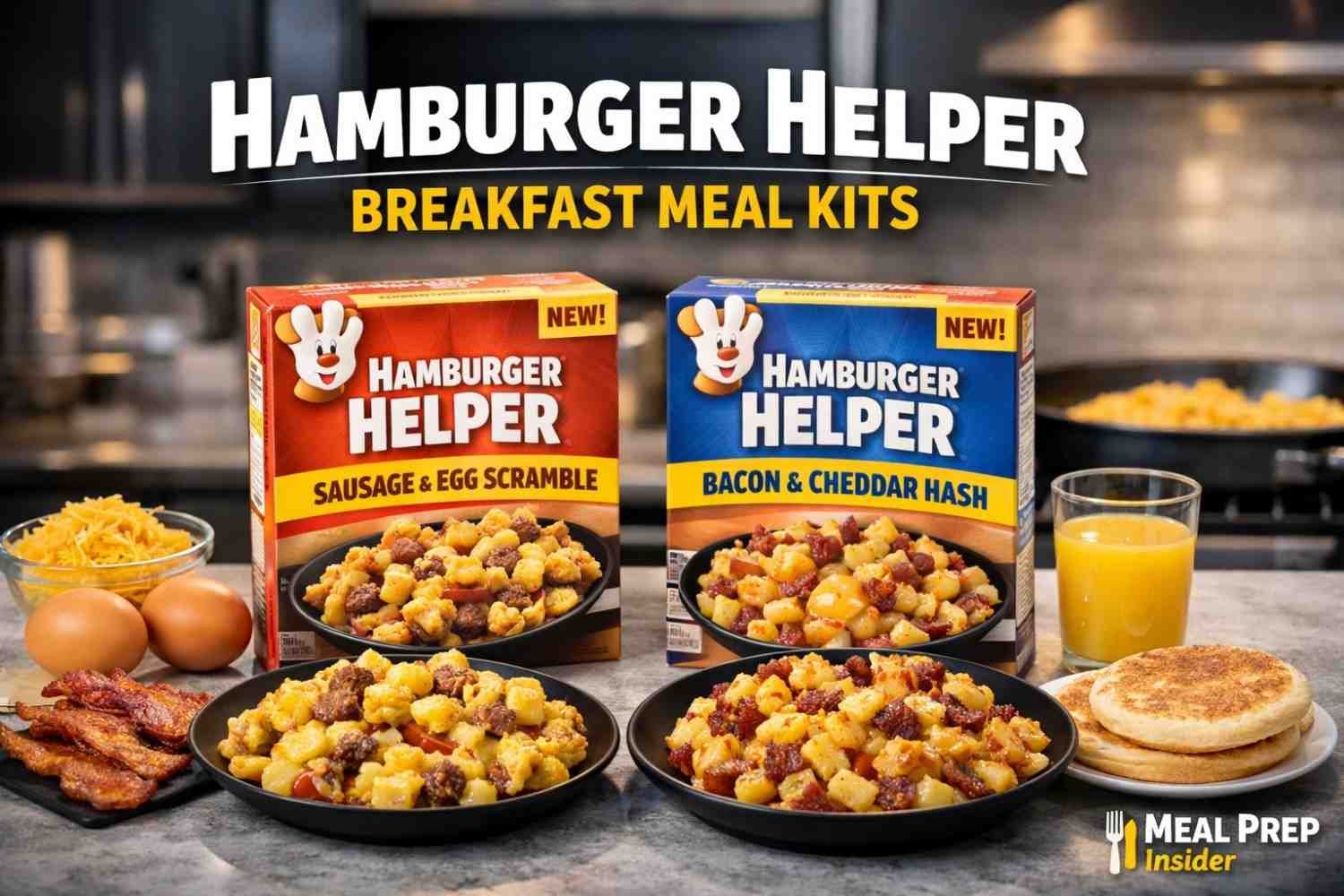
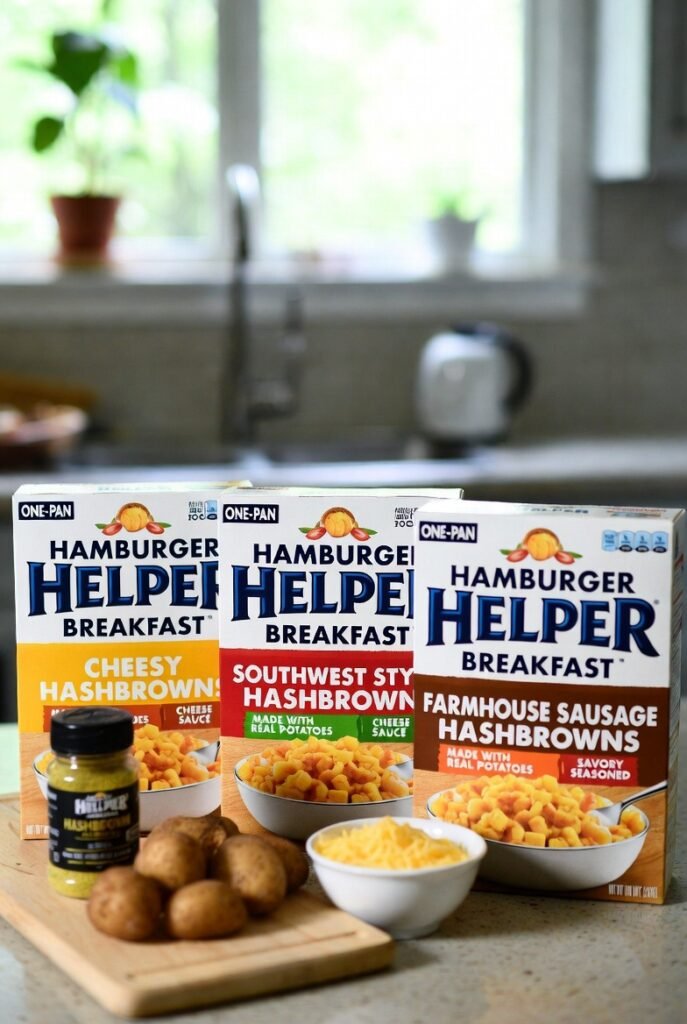
Try Hamburger Helper Breakfast Meal Kits – quick, hearty hashbrown mixes like Cheesy, Southwest, Farmhouse & Sausage. Real potatoes, flavorful sauces, easy one-pan prep for busy mornings or family breakfasts. America’s favorite now serves breakfast!
So, Hamburger Helper Made a Breakfast Kit
Nobody sat down and thought, “You know what mornings need? A meal kit from a brand famous for beefy pasta.” And yet, here we are.
General Mills took one of America’s most recognizable pantry staples and pushed it into a space that’s equal parts surprising and oddly logical. Hamburger Helper Breakfast Meal Kits are a thing now. They’re on shelves. People are buying them. And honestly, some of them are walking away pretty impressed.
But before you grab one off the shelf or throw it in your online cart, there’s a lot worth understanding — what’s actually in these kits, who they’re really designed for, how they stack up nutritionally, and whether the price makes any sense.
This post breaks all of that down.
What Even Is a Hamburger Helper Breakfast Meal Kit?
If you grew up in an American household, you know the classic Hamburger Helper format: a box with dried pasta, a flavor packet, and instructions to add ground beef and water. Thirty minutes later, dinner’s done.
The breakfast version follows the same general idea — but the ingredients and flavors are completely reworked for a morning meal.
Instead of pasta, you’re working with components like seasoned potatoes, scrambled egg mix, and cheese sauce packets. Depending on the variety, some kits include a biscuit base or hash-brown style shreds. You still add fresh protein — usually ground breakfast sausage or diced ham — but the rest comes in the box.
It’s a one-skillet meal. Start to finish in under 20 minutes. That’s the pitch.
And for a lot of households, especially busy ones, that pitch lands.
The Varieties Currently Available
The lineup isn’t massive, but it has enough variety to appeal to different taste preferences. Here’s a breakdown of the main varieties:
| Variety | Primary Protein Add-In | Key Flavors |
|---|---|---|
| Cheesy Scramble | Ground sausage or turkey | Cheddar, onion, garlic |
| Southwest Hash | Ground sausage or chorizo | Cumin, chili pepper, pepper jack |
| Country Biscuit Skillet | Diced ham or sausage | Butter, sage, cheddar |
| Denver-Style Skillet | Ham, bell pepper, onion | Smoked paprika, Swiss-style cheese |
Each variety skews toward a slightly different regional flavor profile, which is a smart move. American breakfast tastes are regional. Someone in Texas wants a spicier experience. Someone in the Midwest might want something closer to a classic diner breakfast plate.
The Denver-style option especially gets points for leaning into something familiar. The Denver omelet has been a diner staple for decades. Packaging that flavor profile into a skillet kit? Clever.
Who Actually Buys These?
Here’s the honest answer: a specific kind of busy person.
These kits aren’t going after the weekend brunch crowd. They’re not competing with Eggs Benedict or avocado toast. The target customer is someone who has 15–20 minutes in the morning, a family to feed, and very little patience for complicated recipes.
Think about it this way —
- A parent getting three kids ready for school
- A college student who actually wants a real breakfast
- Someone who meal preps on Sunday morning to have something quick on Monday
- A hunter, camper, or someone cooking on a camp stove who wants minimal fuss
- A person in recovery from surgery or just exhausted who needs something simple
That’s the customer. And for that customer, these kits make real sense.
There’s also a comfort food angle here. Hamburger Helper has been in American pantries since 1971. It’s familiar. It feels safe. Launching a breakfast product under that brand name carries a built-in level of trust that a generic meal kit brand simply doesn’t have.
How to Make It — The Actual Process
Here’s roughly how the cooking process works across most varieties. It’s genuinely straightforward.
What you’ll need from home:
- Ground breakfast sausage, chorizo, ham, or your preferred protein
- Water or milk (depending on the variety)
- A large skillet or sauté pan
- A wooden spoon or spatula
Steps:
- Brown your protein in the skillet over medium-high heat. Drain any excess fat.
- Add water (or milk) to the skillet along with the dry ingredients from the box.
- Stir everything together, bring to a boil.
- Reduce the heat, cover, and let it simmer for 10–12 minutes.
- Stir in the cheese sauce or seasoning packet.
- Let it sit for a couple of minutes. Serve hot.
That’s genuinely it. The ratio of effort to result is actually pretty strong. You’re not doing much, but what comes out of the pan tastes real.
One tip: don’t skip the resting time at the end. It looks done before it’s done. Give it those extra two minutes.
The Nutrition Picture — Let’s Be Straight About It
These kits aren’t healthy food. But they’re not nutritional disasters either. Context matters here.
A typical serving (about one-fourth of the skillet, which is a realistic portion for an adult) comes in around:
| Nutrient | Approximate Amount |
|---|---|
| Calories | 320–380 |
| Total Fat | 14–18g |
| Sodium | 750–950mg |
| Protein | 18–22g |
| Carbohydrates | 28–36g |
| Fiber | 1–2g |
The sodium is the number that sticks out. That’s on the higher side for a morning meal. If you’re watching your salt intake for blood pressure reasons or on a low-sodium diet, you’d want to be thoughtful about this.
The protein content, though, is solid. Especially for a breakfast that comes out of a box in 20 minutes. Getting 20+ grams of protein in the morning has real staying power.
You can also make small adjustments to lighten things up:
- Swap regular sausage for turkey breakfast sausage (cuts fat significantly)
- Use low-fat milk instead of water where applicable
- Add a handful of spinach or diced bell peppers to bulk it out with vegetables
- Cut your portion size and add a piece of fruit on the side
These aren’t dramatic changes, but they do shift the nutritional profile in a better direction without ruining the dish.
RELATED POST >> Top 10 Best Meal Prep Tools (That Are Actually Worth Buying)
Price and Value — Does It Make Sense?
Let’s talk money. Because this is where many people make their decisions.
Most Hamburger Helper Breakfast Meal Kits retail between $3.49 and $4.99, depending on the store and whether they’re on sale. You still need to purchase your protein separately — a pound of ground breakfast sausage runs anywhere from $4 to $7, depending on brand and quality.
So your all-in cost is roughly $8–$12 to feed a family of four.
Compare that to —
- Ordering breakfast from a fast food chain for a family of four: $25–$35
- Making a scratch breakfast with eggs, sausage, potatoes, and cheese: $10–$15 (and considerably more prep time)
- Buying a frozen breakfast entree per person: $4–$6 each, so $16–$24 for four people
The value case is real. You’re spending less than on fast food, roughly the same as on scratch cooking, and you’re saving significant time. For what you’re getting, the price is fair.
Where it doesn’t pencil out as well is for single people or couples. Two servings out of a box designed for four means you either have leftovers (which reheat fine, to be fair) or you’re buying more boxes than you need.
What People Are Saying — The Real Reviews
Online reviews for these kits are genuinely mixed, which is more useful than universally positive reviews. Here’s what the feedback actually looks like:
The positive crowd says:
- Kids love the cheesy scramble variety
- It comes together faster than expected
- The seasoning is surprisingly balanced — not fake-tasting
- Good for camping trips and RV cooking
- Decent protein content for a box product
The more critical crowd says:
- Sodium is too high for daily use
- The potato texture can get mushy if you overcook it by even a few minutes
- Some varieties are hard to find in smaller grocery stores
- They want more vegetable-inclusive options
- The portion size is a bit generous on paper, but realistic portions are actually smaller
The most consistent criticism is the potatoes’ mushiness. It’s valid. The fix is to watch the simmer time carefully and pull the pan off the heat slightly before you think you should.
Customizing Your Kit — Room to Play
One of the underrated things about these kits is how easily they accept additions. The base is forgiving.
Things people add that actually work:
- Diced jalapeños or pickled peppers for heat
- A fried egg on top per serving (adds richness and more protein)
- Sautéed mushrooms folded in during the last few minutes
- Hot sauce or salsa on top to serve
- Shredded sharp cheddar added at the end for extra cheese pull
- Diced avocado or guacamole on the side
Things that don’t work as well:
- Adding too much liquid (makes it soupy and extends cook time)
- Using wet or watery vegetables like fresh tomatoes, stirred directly into the skillet
- Skipping the fat drain after browning the sausage (makes the whole dish greasy)
There’s actually a small but active community of people on food forums and cooking subreddits who share their modified versions of these kits. Some of the combinations get surprisingly creative — chorizo and roasted corn in the Southwest variety, for example, or adding a layer of hash browns directly to the skillet before the box ingredients go in.
Hamburger Helper Breakfast vs. Other Quick Breakfast Options
Let’s be real about the competition.
Frozen breakfast skillets: Brands like Jimmy Dean and Bob Evans sell pre-made frozen breakfast skillets. You pop them in a skillet or microwave, and you’re done. They’re faster than the Helper kits, but they also taste more processed. Less fresh-cooked flavor. More frozen-food texture.
Meal kit delivery services: HelloFresh and similar services offer breakfast options, but at $10–$15 per serving, they’re in a completely different price category. They’re also premium in every way — fresher ingredients, more complex recipes, better nutrition. But they’re not solving the same problem.
Eggs and toast: The cheapest and fastest option for one person. Falls apart when you’re feeding a family or want something more substantial.
Drive-through breakfast: Convenient, but expensive, calorie-heavy, and becoming unreliable in terms of wait times. McDonald’s breakfast for four people easily crosses $30.
The Helper kits occupy a specific, useful spot in between all of these. They’re not the healthiest, not the most gourmet, but they’re remarkably practical.
Availability — Where to Find Them
As of now, these kits are available at most major U.S. retailers:
- Walmart — typically the easiest place to find the full variety lineup
- Target usually carries the top two or three varieties
- Kroger and affiliates (King Soopers, Ralphs, Fred Meyer) — solid availability
- Amazon — available, often in multi-pack options
- Dollar General and Family Dollar — spotty but increasingly common
Regional grocery chains vary. If your local store doesn’t carry them, Walmart’s grocery pickup or Amazon delivery is the most reliable option.
Some rural or smaller markets may not stock them yet. The product line is still expanding its distribution footprint.
A Note on Allergens and Dietary Restrictions
These kits are not appropriate for everyone. A few things worth knowing:
- Gluten: All current varieties contain wheat. Not suitable for celiac disease or gluten intolerance.
- Dairy: Cheese sauce packets contain milk. Not vegan or dairy-free.
- Soy: Some varieties contain soy-based ingredients — check the label if that’s a concern.
- Eggs: Ironically, the scrambled varieties with egg mix included contain dried egg product. Worth noting for egg allergies.
There’s no current gluten-free or dairy-free version available. For households with those dietary needs, these kits simply don’t work. That’s a gap in the product line that General Mills may address eventually, but for now, the restriction stands.
The Honest Verdict
Hamburger Helper Breakfast Meal Kits are better than they have any right to be.
That’s not faint praise. It’s actually a meaningful observation. When a legacy brand moves into a new category, the result is usually mediocre — trying too hard, missing the mark on flavor, or feeling like a cash grab. These kits don’t feel like that.
They feel like someone actually thought about what busy American families need in the morning. They taste closer to real home cooking than most box products do. They’re not trying to be gourmet, and they’re not. But they are fast, filling, affordable, and genuinely decent.
Are there things to fix? Yes. Sodium needs to come down. The potato texture is unforgiving if you’re not watching the clock. More varieties — especially a lower-sodium or higher-fiber version — would significantly expand the audience.
But as a product that solves a real problem for real families at a reasonable price? They’re doing that. They’re doing it well enough that they’ll probably stick around.
If you’ve been skeptical, grab one box. The Southwest Hash or the Cheesy Scramble are the strongest starting points. Cook it on a weekend morning when you have a little more patience and can dial in the timing.
You might be surprised.
Frequently Asked Questions
Q: Where can I buy Hamburger Helper Breakfast Meal Kits? They’re available at most major U.S. grocery retailers, including Walmart, Target, Kroger, and online through Amazon. Availability at smaller regional stores varies.
Q: Do I need to add eggs or sausage to the kit? Yes. You need to provide your own protein — typically ground breakfast sausage or diced ham. Some varieties also call for milk. The box supplies the starches, seasoning, and cheese components.
Q: How long does it take to make? Start to finish, you’re looking at 15–20 minutes, including browning your protein. It’s a genuinely fast breakfast for the amount of food it produces.
Q: Are these kits healthy? They’re moderate in calories and solid in protein, but the sodium content is on the higher side. They’re best as an occasional meal, not a daily breakfast. You can reduce the sodium impact by using turkey sausage and adding vegetables.
Q: Can I make these ahead and reheat them? Yes, they reheat reasonably well. Store leftovers in an airtight container in the refrigerator for up to three days. Reheat in a skillet over medium-low heat with a splash of water to keep the texture from drying out.
Q: Are there any gluten-free options? Not currently. All existing varieties contain wheat. If gluten is a concern for your household, these kits aren’t a viable option at this time.
Q: How does the cost compare to making breakfast from scratch? All-in (kit plus protein), you’re spending around $8–$12 to feed four people. That’s roughly comparable to a scratch breakfast and significantly cheaper than fast food or per-person frozen entrees.
Q: What’s the best variety for spice lovers? The Southwest Hash variety has the most heat, with cumin, chili pepper, and a pepper jack-style cheese component. Using chorizo instead of standard sausage amplifies the spice further.
Q: Can vegetarians use these kits? The kits don’t come with meat, so technically, you choose your own protein. Vegetarian options, such as plant-based sausage crumbles, can be used as substitutes, though the texture may differ slightly.
Q: Are these kits new, or have they been around for a while? The breakfast-specific line is relatively recent. The core Hamburger Helper brand has been around since 1971, but the breakfast meal kit extension is part of a newer product push by General Mills to expand the brand’s mealtime range beyond dinner.
SUGGESTED POST >> How Do You Keep Meal Prep Fresh All Week? Best Guide Now
Discover more from Meal Prep Insider
Subscribe to get the latest posts sent to your email.