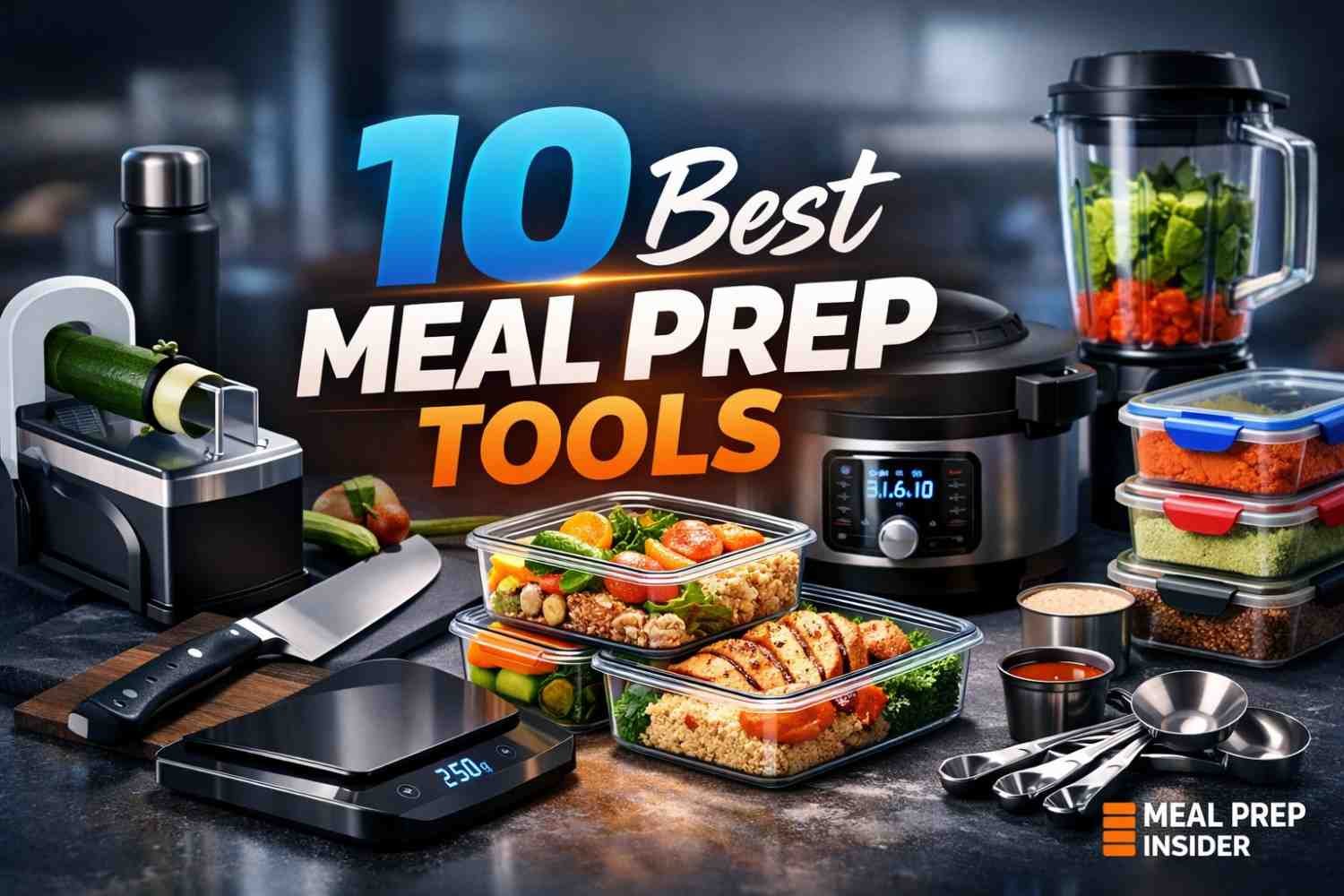
Best Meal Prep Tools: Looking for the best meal prep tools now? We break down 10 must-have kitchen tools that save time, cut waste, and make weekly cooking less of a chore — without the fluff.
Top 10 Best Meal Prep Tools
Meal prep sounds simple enough. Cook ahead, eat better, save money. But if you’ve ever spent three hours in the kitchen on a Sunday only to feel like you’ve barely made a dent, you know the real problem isn’t motivation. It’s the wrong tools.
The right gear doesn’t just speed things up — it changes how you prep entirely. Less mess. Less guesswork. Less of that thing where you’re washing the same cutting board five times because you only own one.
This guide breaks down the 10 best meal prep tools for anyone cooking in a US household, whether you’re feeding yourself or a family of five. No fluff. No “this changed my life” nonsense. Just honest picks that hold up over time.
1. A Sharp Chef’s Knife (The One Tool That Outranks Everything Else)
Before anything else, your knife matters more than any gadget.
A dull knife is the number one reason meal prep takes forever. You’re sawing through vegetables instead of slicing them. You’re applying pressure where you shouldn’t. And honestly? It’s a safety hazard.
You don’t need to spend $200. A solid chef’s knife in the $40–$80 range — something like the Victorinox Fibrox Pro or the Mercer Culinary Genesis — will outperform a neglected $300 knife every single time.
What to look for:
- 8-inch blade for most home cooks
- Full tang construction (handle and blade are one piece)
- Comfortable grip that doesn’t slip when wet
- Stays sharp with minimal maintenance
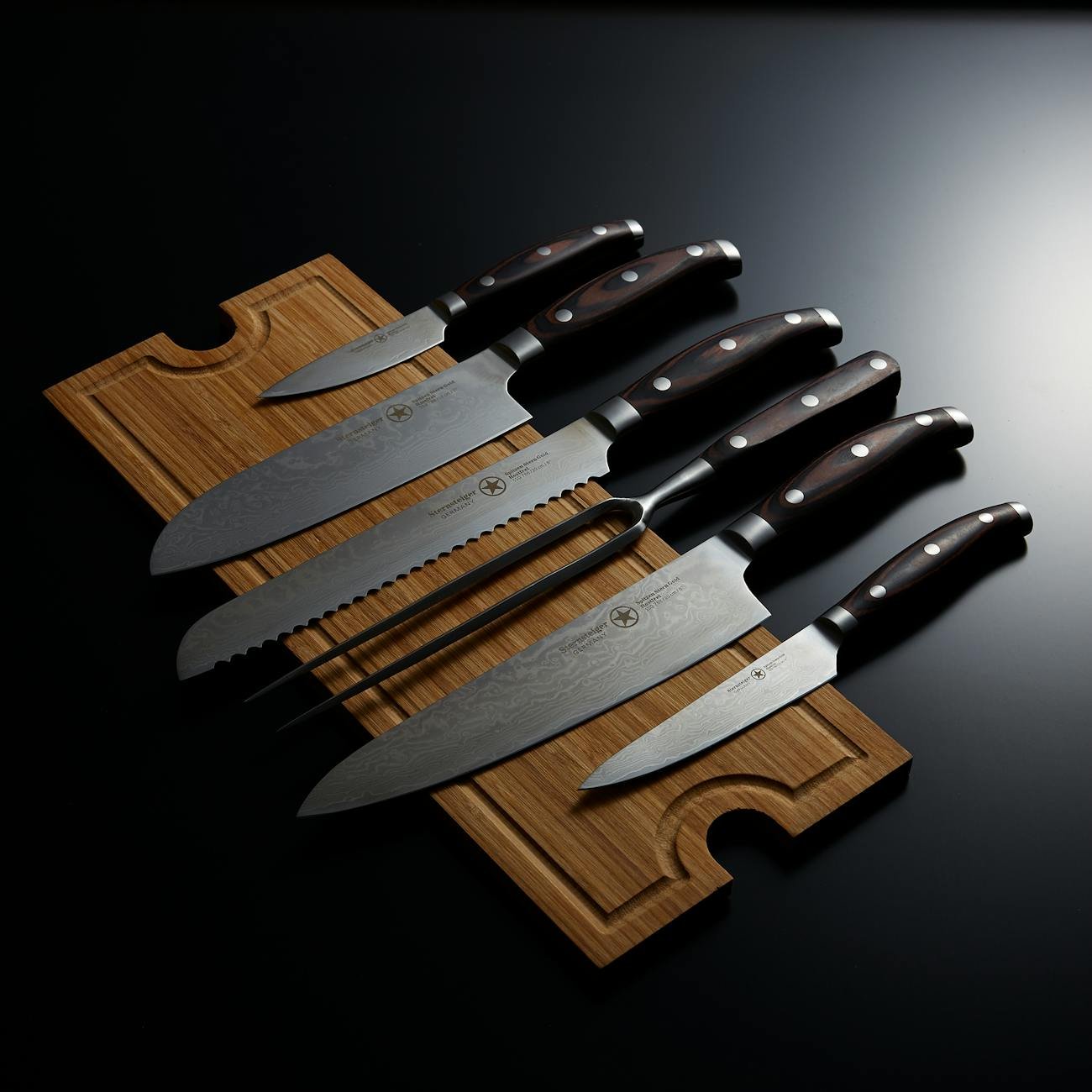
Sharpening matters too. Get a honing steel and use it every few sessions. Once or twice a year, take it to a professional sharpener or use a pull-through sharpener at home. It’s a 30-second task that most people skip, and it costs them hours.
2. Large Cutting Board with Juice Grooves
Most people’s cutting boards are too small. That’s just a fact.
A cramped board means food falls off, cross-contamination becomes a real concern, and you end up making more trips to the trash can mid-prep. A large board — at least 18 x 12 inches — solves most of those problems before they start.
Wood or plastic? Both work. Hardwood boards (maple, walnut, teak) are gentler on your knife edge and last decades with basic care. Plastic boards are easier to sanitize and better for raw meat. Many serious home cooks keep both.
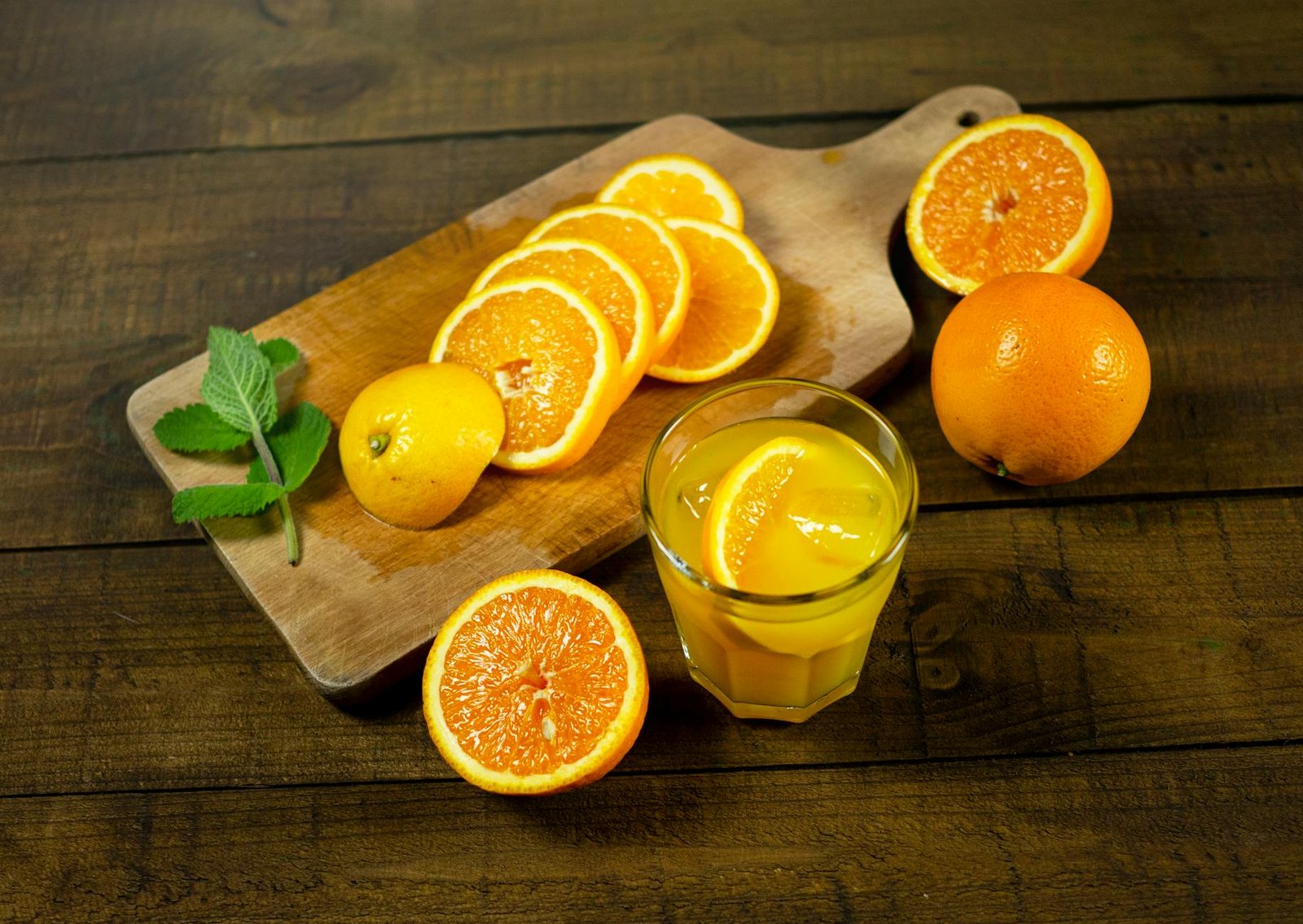
The juice groove is the detail that matters most during meal prep. When you’re cutting a whole roasted chicken or a juicy watermelon, those grooves are the difference between a clean counter and a 10-minute cleanup.
3. Food Scale (Digital, Not the Spring-Loaded Kind)
Portioning by eye is one of the biggest inefficiencies in home meal prep. And if you’re tracking macros, managing portions for kids, or following a recipe precisely — eyeballing just doesn’t cut it.
A digital kitchen scale fixes this.
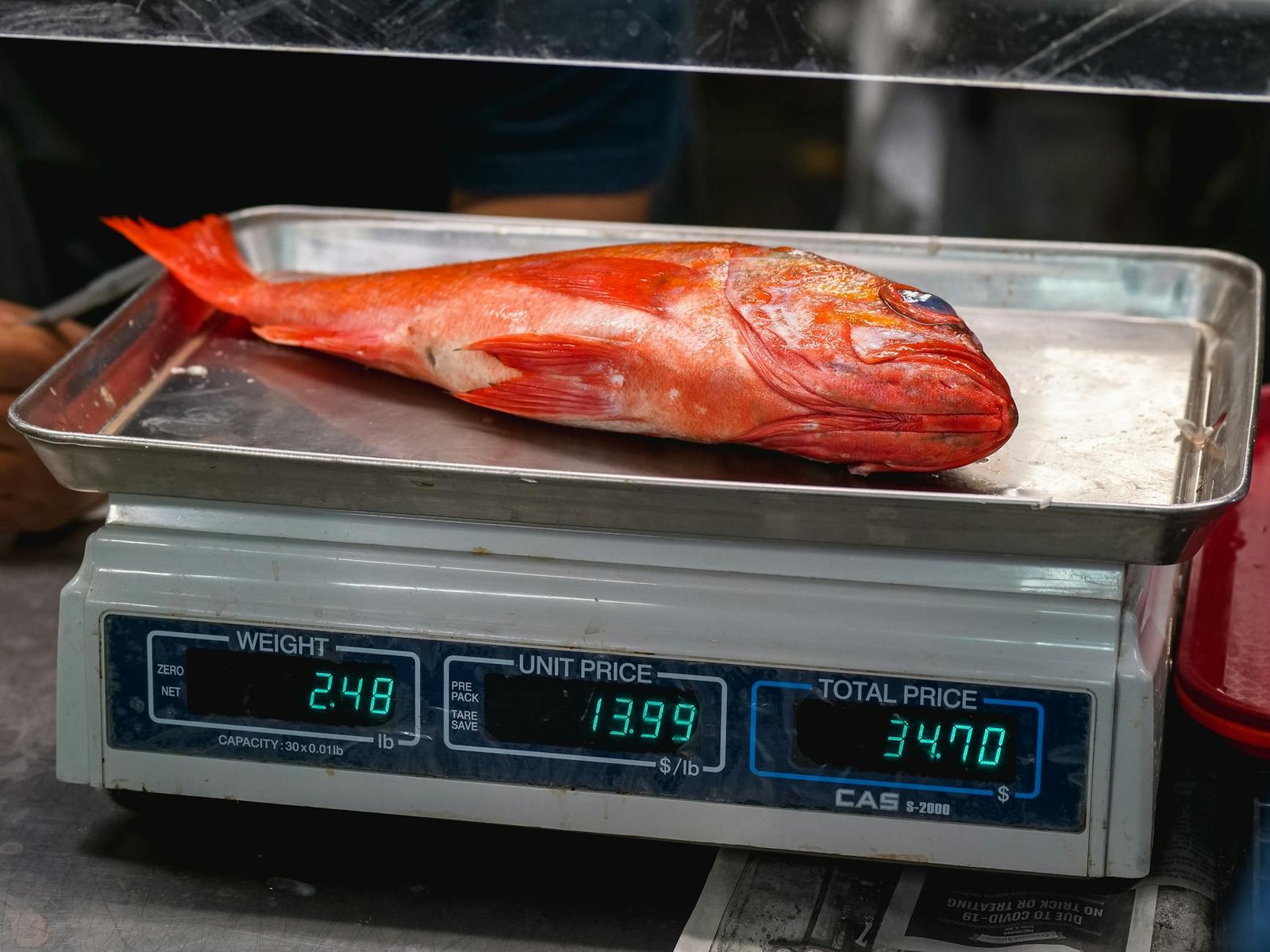
They’re cheap, accurate, and take up almost no space. The OXO Good Grips scale is a popular choice. So does the Escali Primo—either works. The main things to look for are a tare function (zeroes out the weight of your bowl), a clear display, and a flat surface that’s easy to wipe down.
| Feature | Why It Matters |
|---|---|
| Tare/Zero function | Weigh ingredients in the same bowl |
| Measures in g and oz | Works for US and international recipes |
| Capacity of 11+ lbs | Handles large batch cooking |
| Auto-off timer | Saves battery life |
If you’ve never cooked with a scale before, you’ll be surprised how much faster recipes come together when you’re not hunting for measuring cups.
READ ALSO >> 7-Day Meal Prep for Weight Loss: The Honest, No-Fluff Guide
4. Instant Pot or Multi-Cooker
Okay, the Instant Pot hype peaked a few years ago. But here’s the thing — it earned that hype.
For meal prep specifically, a multi-cooker does something no other tool can: it cooks hands-off. You load it up, set it, and go do something else. Beans dry in under an hour. A full pot of shredded chicken in 25 minutes. Rice that comes out perfectly without standing over the stove.
The pressure cooker function alone makes batch cooking faster than most people realize. And the slow cooker mode means you can dump ingredients in the morning and have dinner waiting.
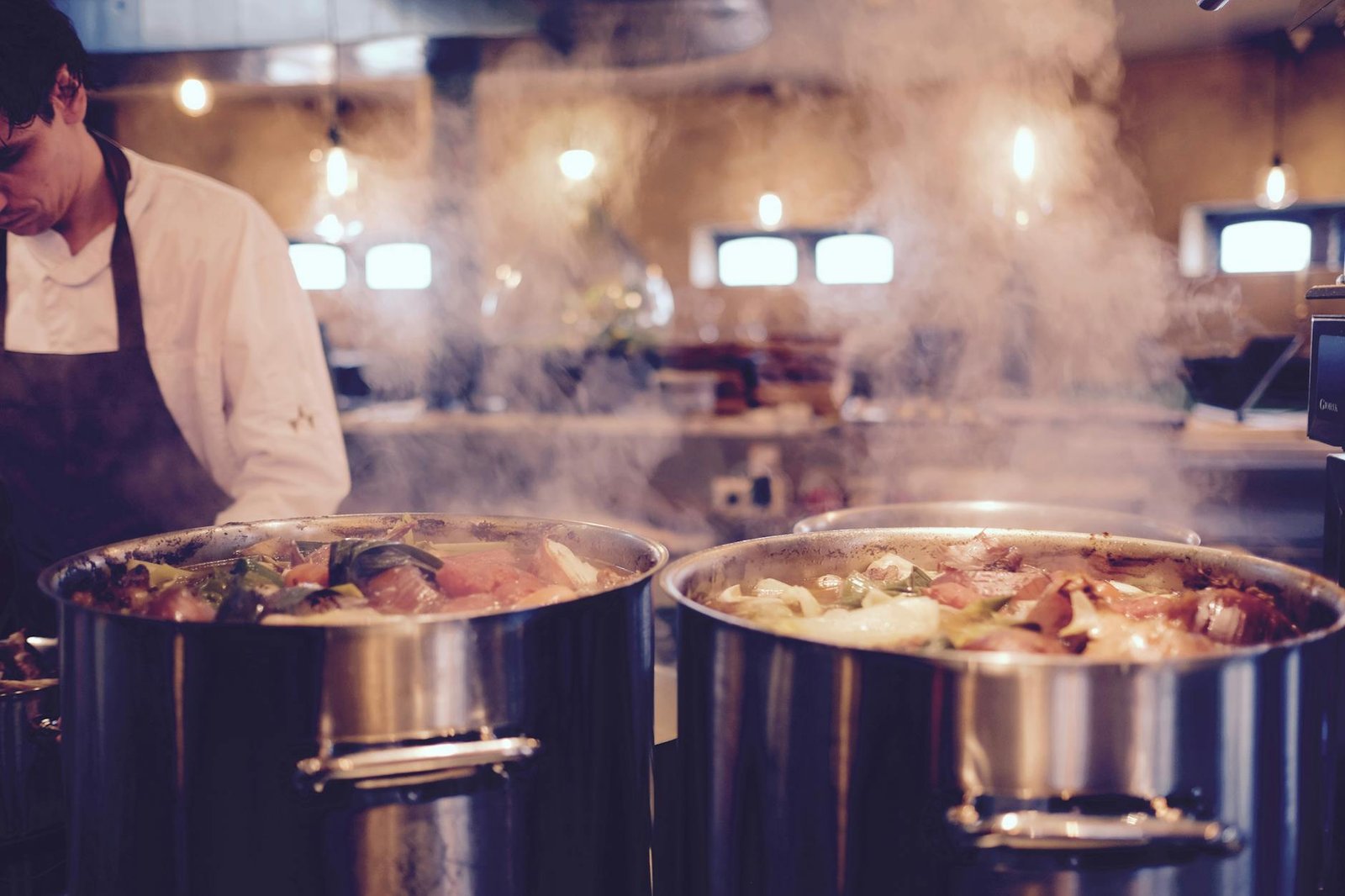
For US households, the 6-quart model is the sweet spot. Big enough for family-size batches, small enough to store without rearranging your entire cabinet.
Best uses during meal prep:
- Hard-boiling eggs (6-minute steam, easy peel, every time)
- Cooking dried beans without soaking
- Braised meats for the week
- Bone broth
- Large batches of soups or stews
5. Sheet Pans (Multiple, Rimmed, Heavy Gauge)
One sheet pan isn’t enough. It’s really not.
When you’re prepping for the week, you want to roast vegetables, cook proteins, and maybe bake something all in the same oven session. That requires multiple pans going simultaneously.
Nordic Ware and USA Pan are the go-to brands in the US for a reason — they don’t warp, they heat evenly, and they last for years. Avoid the thin, flimsy ones that buckle the second you hit 400°F.
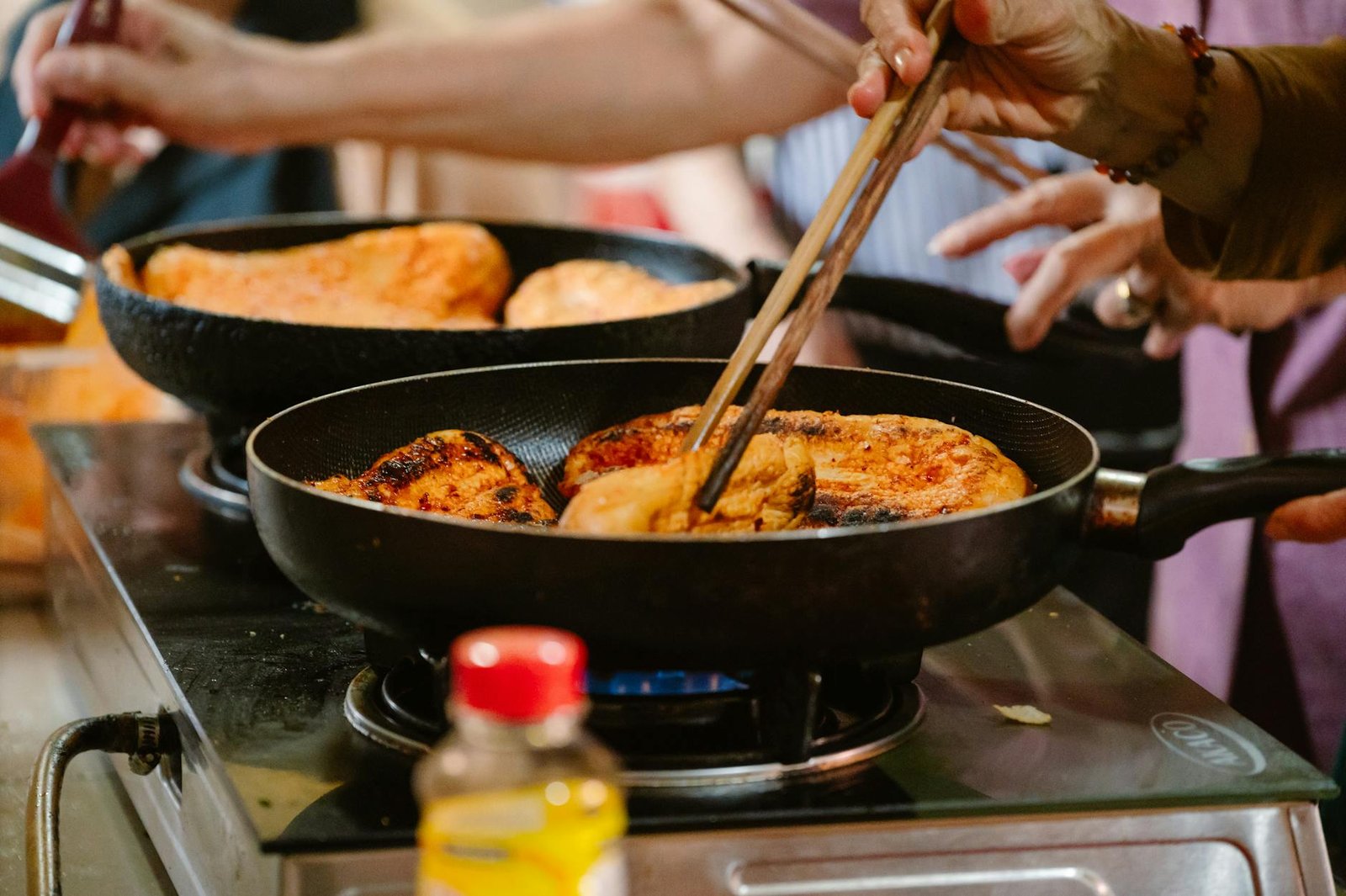
Get the half-sheet size (18 x 13 inches). That’s the standard in most US ovens and what most recipes are designed around.
Pair them with parchment paper or silicone baking mats. Cleanup goes from 15 minutes to 30 seconds.
6. Glass or BPA-Free Food Storage Containers
You can prep all the food in the world and still lose track of half of it if your storage situation is chaotic.
Glass containers are the gold standard for meal prep storage. They’re oven-safe, microwave-safe, don’t absorb odors, and you can see exactly what’s inside without opening them. Brands like Pyrex and OXO have held up well in real-use kitchens for decades.
If glass feels too heavy or breakable for your household, BPA-free plastic containers are a solid second option. Look for ones that are actually airtight — not just “snap close.” Rubbermaid Brilliance is frequently recommended for its leakproof design.
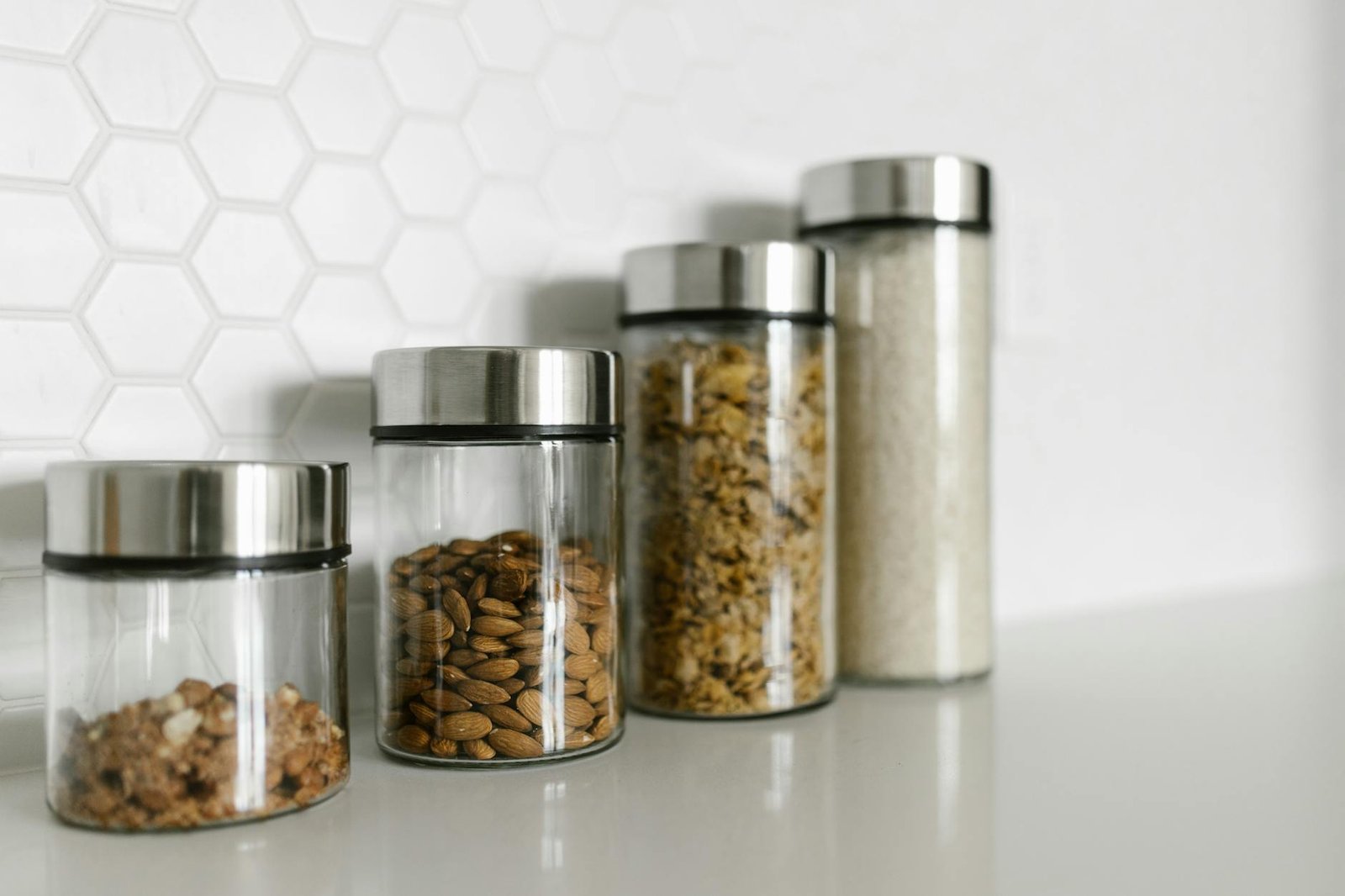
A quick rule of thumb on sizing:
- Small (1–2 cups): Snacks, dressings, sauces
- Medium (3–4 cups): Single meal servings
- Large (6–8 cups): Full family portions or batch items
Whatever you choose, get sets with matching lids. That sounds obvious, but half the stress of meal prep storage comes from lid chaos.
7. Mandoline Slicer
This one comes with a caveat. A mandoline slicer will save you serious time — but it also demands your full attention. These things are sharp. Use the hand guard. Every time.
With that said, for consistent, fast cuts that would take twice as long with a knife, a mandoline is genuinely useful during meal prep. Thin cucumber slices for salads, even potato rounds for gratins, fennel ribbons — all done in seconds.
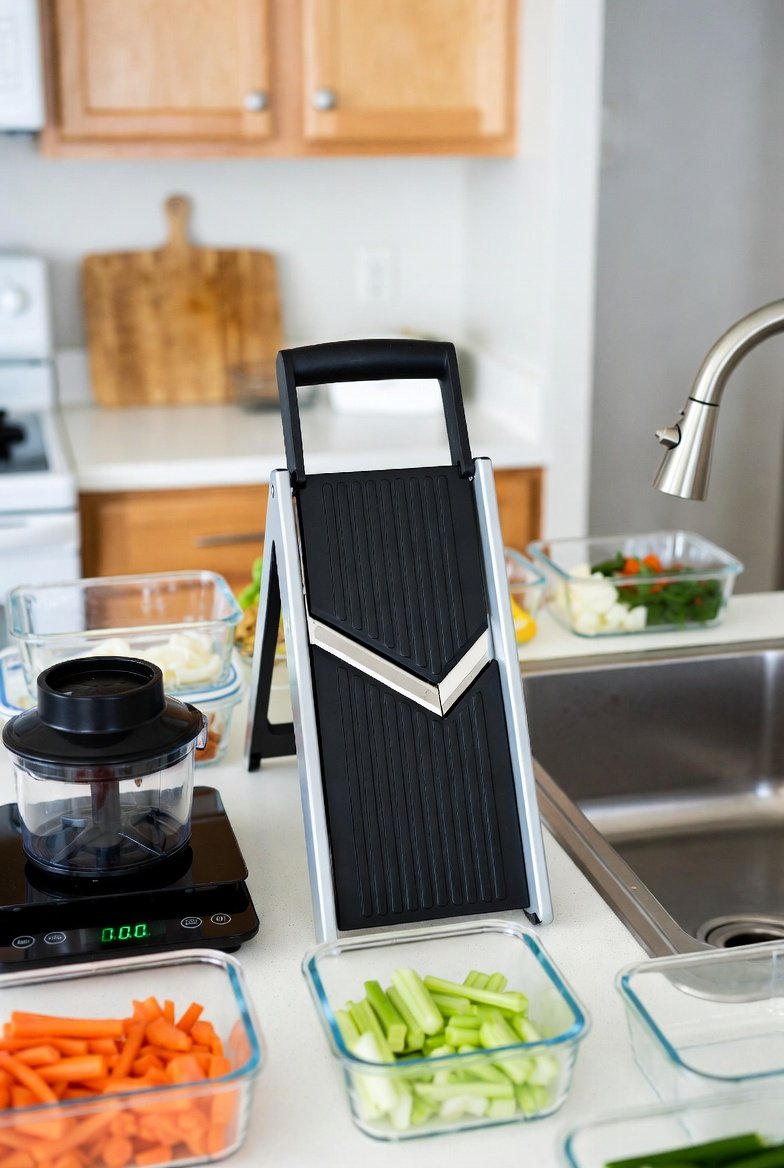
The OXO V-Blade Mandoline and the Benriner Japanese mandoline are both popular picks in the US market. The Benriner is particularly beloved for its precision and durability, even though it is modestly priced.
You don’t need all the attachments. The basic straight blade does 90% of the work.
8. Immersion Blender
A full-size blender is great. But cleaning one after making soup is genuinely annoying. The lid, the gasket, the blade assembly — it’s a lot.
An immersion blender (also called a stick blender or hand blender) solves this. You blend directly in the pot. One piece to rinse. Done in seconds.
For soups, sauces, dressings, smoothies, and purees — an immersion blender handles it all. The Braun MultiQuick and the KitchenAid cordless model are well-reviewed and widely available in the US.
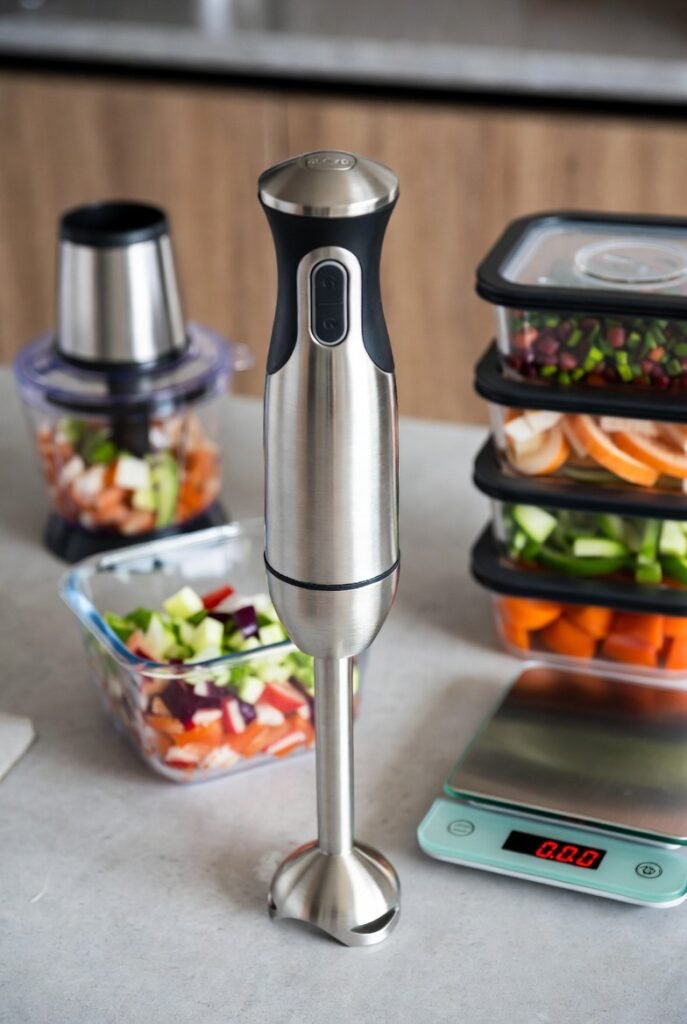
The cordless versions have gotten noticeably better in the last couple of years. No cord tangling around hot pots, no reaching across the stove. Worth considering if you regularly prep large batches of soups or chilis.
9. A Good Salad Spinner
Salad spinners get dismissed as unnecessary. They shouldn’t be.
Wet greens don’t keep well. If you’re washing lettuce, kale, herbs, or any leafy vegetable at the start of the week, drying them properly extends their fridge life by several days. That matters when you’ve spent time and money on fresh produce.
The OXO Good Grips spinner is the one most kitchens end up with. The brake button and non-slip base make it easy to use, and the bowl doubles as a serving or storage vessel.
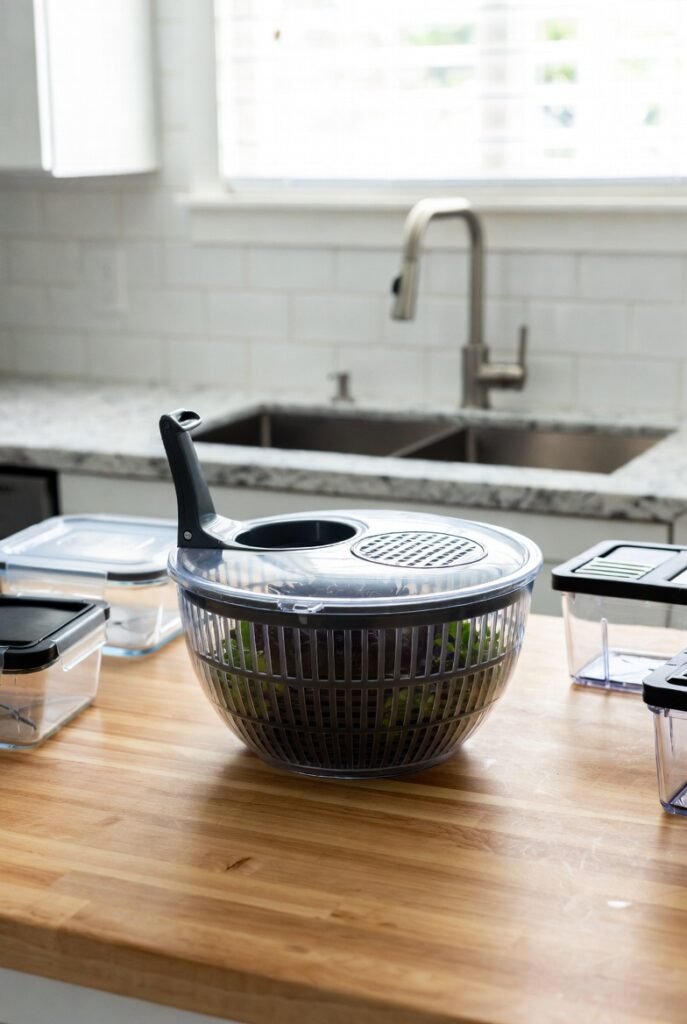
Beyond greens, a salad spinner is useful for:
- Washing and drying fresh herbs before storing
- Spinning berries dry after rinsing
- Draining pasta when you don’t want to find a colander
10. Meal Prep Labels and a Marker
Hear me out.
Labeling your containers is one of those things that sounds trivial until the day you open your fridge and genuinely cannot remember if the shredded chicken was made three days ago or six days ago. At that point, you’re either taking a risk or throwing food away.
Labels fix this. Date your containers. Write what’s in them if needed.
Masking tape and a Sharpie work just fine. If you want something cleaner, chalkboard labels or dry-erase labels are reusable and look neat in a fridge. The Lodge label sets and various Amazon brands offer affordable options.
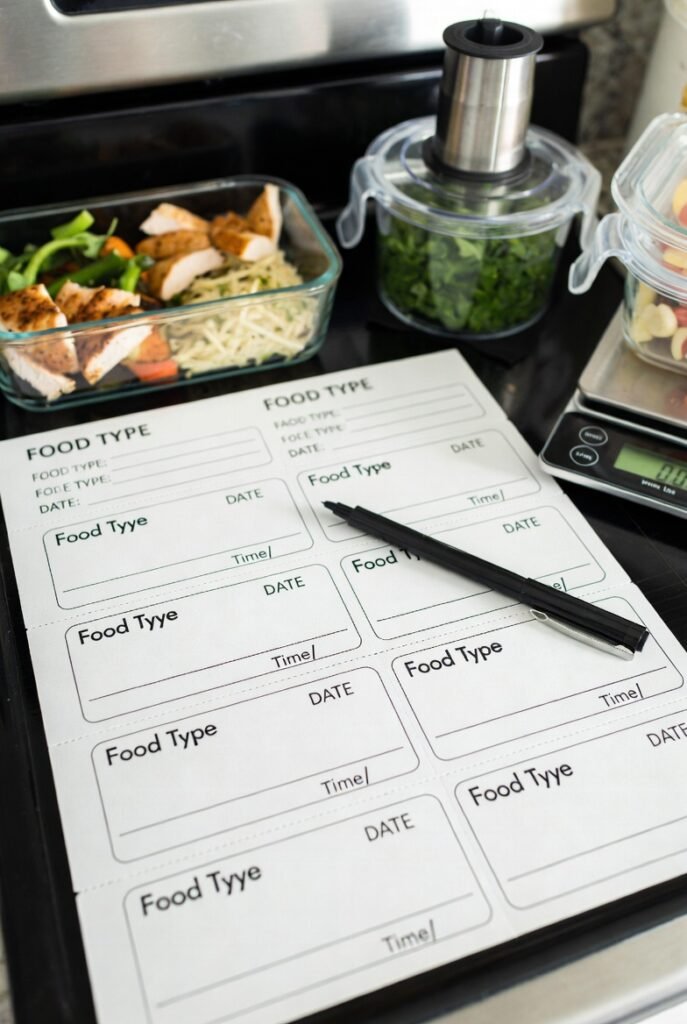
It takes 10 seconds per container. It prevents food waste. And it takes the stress of decision-making completely out of your midweek meals.
Putting It All Together: A Simple Meal Prep Setup
You don’t need all 10 of these tools on day one. If you’re just getting started, here’s a sensible order to build your kit:
Start here:
- Sharp chef’s knife + large cutting board
- Multiple sheet pans
- Glass storage containers with lids
Add next: 4. Instant Pot or multi-cooker 5. Digital food scale 6. Salad spinner
Round it out: 7. Immersion blender 8. Mandoline slicer 9. Labels + marker
The Instant Pot is the biggest single investment here. But if you cook for more than two people and do any kind of weekly batch cooking, it pays for itself in both time and energy costs pretty quickly.
What About Gadgets That Aren’t Worth It?
A fair question. The meal prep tool market is flooded with products that solve problems most people don’t actually have.
Egg slicers — your knife does this. Avocado tools — again, knife. Herb scissors — useful occasionally, but a knife still wins. Spiralizers — fun for a week, then forgotten. Vegetable choppers — the cheap ones break fast; the good ones cost as much as a decent knife; most people don’t end up using them consistently.
The theme here is: don’t buy tools that replace a knife unless the tool dramatically outperforms one at a specific task you do regularly. Most don’t.
Frequently Asked Questions
Q: What’s the single most important meal prep tool for beginners? A sharp chef’s knife. It’s not close. Everything else helps, but a good knife is the one tool that touches every part of the prep process.
Q: Is the Instant Pot really worth buying for one person? Yes, actually. The 3-quart model is designed for smaller households and excels at batch cooking single servings that freeze well. Great for someone cooking alone who wants variety without daily cooking.
Q: How long do prepped meals last in glass containers? Most cooked proteins and vegetables last 3–5 days in the fridge when properly sealed. Grains like rice or quinoa typically hold for 4–6 days. Label your containers and stick to that window to avoid waste.
Q: Should I invest in expensive cookware for meal prep? Not necessarily. The tools that have the highest ROI during prep are cutting and storage tools. Decent sheet pans and a sharp knife will take you further than a $200 sauté pan.
Q: What’s the best way to organize meal prep containers in the fridge? Group by meal type or day. Keep the soonest-to-expire items at eye level so they don’t get forgotten. Stackable rectangular containers make this much easier than round ones.
Q: Are plastic containers safe for reheating meals? Look for BPA-free and microwave-safe labeling specifically. Even then, many nutritionists recommend transferring food to a glass or ceramic dish before microwaving, especially for fatty foods.
Q: Can I do effective meal prep in a small kitchen? Absolutely. The most useful tools for tight spaces are an Instant Pot (one-pot, many functions), a single large cutting board, and stackable glass containers. You don’t need a large kitchen — you need the right few tools.
Final Thoughts
Meal prep isn’t about having a perfectly organized fridge or color-coded containers on Instagram. It’s about making your week easier.
The tools in this list aren’t aspirational. They’re practical. Most of them will last years — some, like a good chef’s knife and quality sheet pans, potentially a decade or more with basic care.
Start with what you actually need for the way you cook right now. Build from there. The goal is less time spent figuring out what to eat, more time actually eating well.
That’s it. No miracle tools. Just the right ones.
SUGGESTED POST >> 10 Cheap High Protein Meals for Students on a Budget