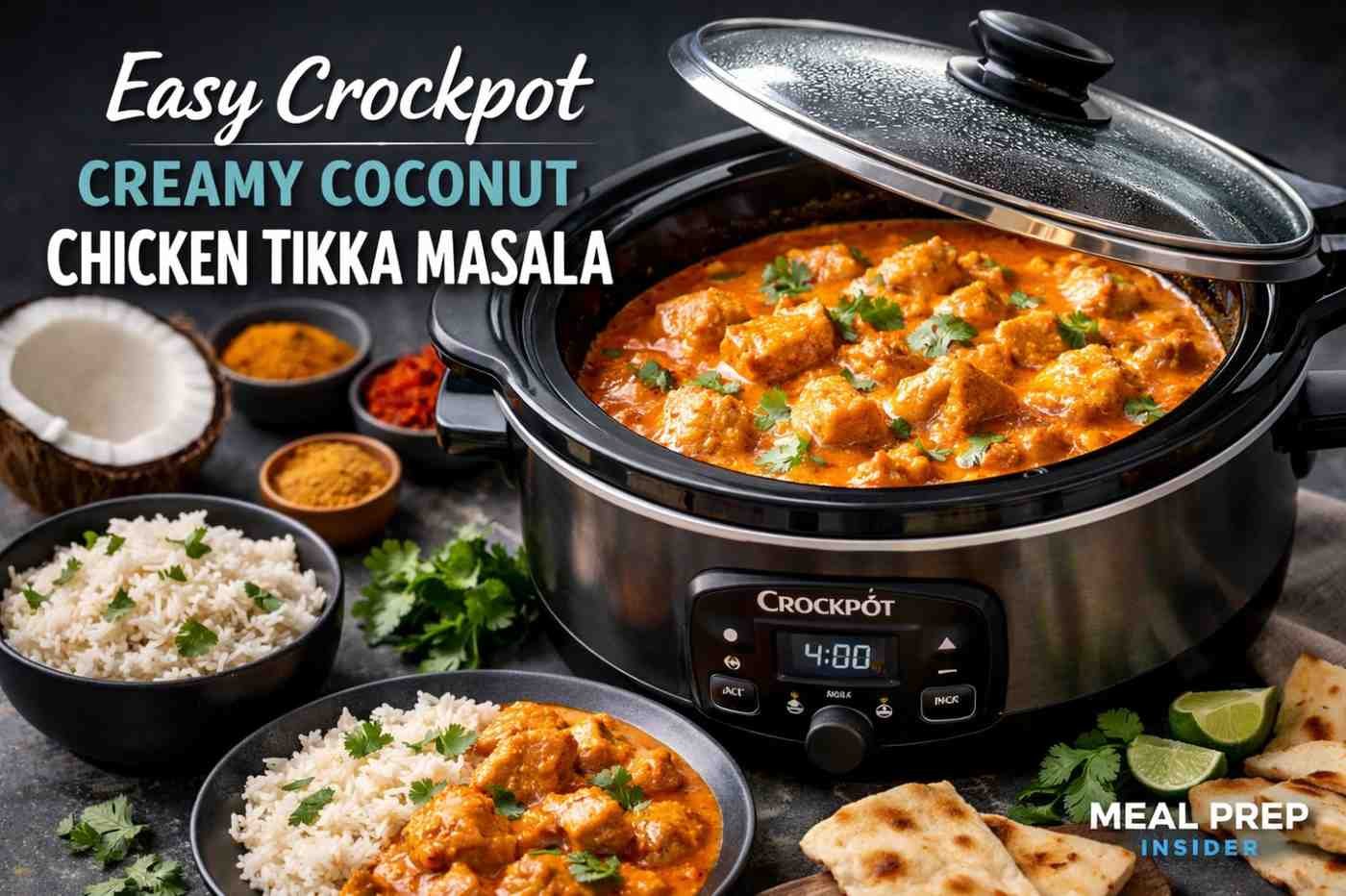
Easy Crockpot Creamy Coconut Chicken Tikka Masala

Crockpot Creamy Coconut Chicken Tikka Masala – an easy, slow cooker twist on classic Indian tikka masala! Tender chicken simmered in a rich coconut milk sauce with warm spices. Perfect weeknight dinner the whole family will love. Set it and forget it!
The Story Behind This Recipe
Let me paint you a picture. It’s Tuesday evening, you’re exhausted from work, and the last thing you want to do is stand over a hot stove for an hour. But you’re also tired of the same boring chicken breast routine.
That’s where this recipe comes in.
I stumbled onto this combination completely by accident. One evening, I had a jar of tikka masala paste sitting in my fridge, some chicken thighs that needed using, and a can of coconut milk I’d bought for who knows what. Threw it all in the crockpot before heading to work. Eight hours later?
Pure heaven.
The house smelled like an Indian restaurant. The chicken fell apart at the slightest touch. And the sauce? Ridiculously creamy, perfectly spiced, and somehow better than takeout.
Since then, I’ve made this dish probably fifty times. My family requests it constantly. Friends ask for the recipe at potlucks. And honestly, I feel a little guilty every time because it’s so stupidly easy.
Crockpot Creamy Coconut Chicken Tikka Masala
Traditional tikka masala demands attention. You’re marinating overnight, grilling or broiling chicken, making sauce from scratch with twenty different spices, and carefully monitoring everything so nothing burns.
This version throws all that complexity out the window.
The crockpot does the heavy lifting. The long, slow cooking time allows the spices to bloom and develop depth without you hovering over them. The coconut milk adds richness and a subtle sweetness that perfectly balances the tomatoes and spices. And because everything cooks together, the flavors meld in ways that just don’t happen with traditional methods.
Plus, there’s something magical about coming home to a house that smells like you’ve been cooking all day. When, really, you spent about fifteen minutes prepping in the morning.
Ingredients You’ll Need
Let’s talk about what goes into this beautiful dish.
For the Chicken:
- 2.5 pounds boneless, skinless chicken thighs
- 1 tablespoon olive oil or ghee
- 1 teaspoon salt
- 1/2 teaspoon black pepper
For the Sauce:
- 1 large yellow onion, diced
- 5 cloves garlic, minced
- 2 tablespoons fresh ginger, grated
- 1 can (14 oz) coconut milk, full-fat
- 1 can (14 oz) crushed tomatoes
- 3 tablespoons tomato paste
- 2 tablespoons garam masala
- 1 tablespoon ground cumin
- 1 tablespoon ground coriander
- 2 teaspoons turmeric
- 1 teaspoon smoked paprika
- 1/2 teaspoon cayenne pepper (adjust to taste)
- 1 teaspoon salt
- 1/2 cup heavy cream (optional, for extra richness)
- 2 tablespoons butter
- Fresh cilantro for garnish
- Juice of half a lemon
A few notes here. Chicken thighs are non-negotiable. Breast meat will dry out in the crockpot and taste like cardboard. Thighs stay juicy and tender even after hours of cooking.
Full-fat coconut milk matters. The light stuff separates and doesn’t give you that silky texture. Don’t even think about it.
Fresh ginger makes a difference. The jarred stuff works in a pinch, but fresh ginger has a brightness that really elevates the dish.
The Equipment Situation
You’ll need a 6-quart slow cooker for this recipe. The 4-quart models work too, but things get a bit crowded. If you’re feeding a smaller group, you can easily halve the recipe.
A good, sharp knife helps with the prep of the onion and ginger. A microplane grater makes quick work of both garlic and ginger.
That’s it. No special equipment. No fancy gadgets.
Step-by-Step Instructions
Morning Prep (15 Minutes)
Start by dicing your onion. Doesn’t need to be perfect. Rough chop works fine since everything breaks down during cooking.
Mince your garlic. I usually just smash the cloves with the side of my knife and give them a rough chop. Five cloves sounds like a lot, but trust me on this.
Grate the ginger. If you haven’t tried freezing ginger and grating it frozen, you’re missing out. Game changer for quick prep.
Pat the chicken thighs dry with paper towels. This seems pointless since everything’s going into liquid anyway, but it helps the seasoning stick better.
Season the chicken with salt and pepper on both sides.
Loading the Crockpot
Throw the onions into the bottom of your slow cooker. Add the garlic and ginger right on top.
In a medium bowl, whisk together the coconut milk, crushed tomatoes, and tomato paste. Add all your spices. Garam masala, cumin, coriander, turmeric, paprika, cayenne, and salt. Whisk until smooth.
Pour this mixture over the onions in the crockpot. Give it a quick stir to combine.
Nestle the chicken thighs into the sauce. They should be mostly submerged. If they’re not, press them down gently. They’ll release liquid as they cook anyway.
Put the lid on. Set it to low. Walk away.
The Waiting Game
Here’s where patience pays off. For the best results, cook on low for 6 to 8 hours. If you’re in a rush, high heat works too. Just reduce the time to 3-4 hours.
I usually prep this before work and let it cook all day. By the time I get home, it’s ready.
The house smells insane by hour four. Your neighbors might start asking questions.
Finishing Touches
When you get home, remove the lid carefully. The steam will hit you right in the face, along with the most incredible aroma.
The chicken should be fall-apart tender. Use two forks to shred it right in the pot. It should break apart effortlessly.
Stir in the butter. This adds a richness that takes the sauce to the next level. If you want it even more decadent, add the heavy cream now.
Squeeze in the lemon juice. This brightens everything up and balances the richness.
Taste and adjust. Need more salt? Add it. Want more heat? Sprinkle in some cayenne or red pepper flakes.
Let it sit on warm for another 10 to 15 minutes. This helps the flavors settle.
Serving Suggestions
The classic move is serving this over basmati rice. Cook your rice while the tikka masala finishes up. The fluffy, aromatic rice soaks up all that creamy sauce perfectly.
Naan bread is another must-have. You can buy it frozen and warm it in the oven or even in a dry skillet. Use it to scoop up the sauce. No utensils needed.
For a low-carb option, try cauliflower rice. I was skeptical at first, but it really works. The sauce is flavorful enough to make anything taste good.
Roasted vegetables on the side add some color and nutrition. Brussels sprouts, broccoli, or green beans all pair nicely.
A simple cucumber raita helps cool things down if you went heavy on the cayenne. Just mix diced cucumber with plain yogurt, a little salt, and some chopped mint.
Variations Worth Trying
Vegetarian Version
Swap the chicken for chickpeas and cauliflower. Use two cans of chickpeas (drained) and a large head of cauliflower, cut into florets. Everything else stays the same. Cook time reduces to 4-6 hours on low.
Extra Spicy
Double the cayenne. Add some diced jalapeños with the onions. Finish with a drizzle of hot sauce.
Cashew Cream Addition
Soak 1/2 cup of raw cashews in hot water for 30 minutes. Blend them with 1/4 cup of water until smooth. Stir this into the sauce at the end instead of heavy cream. Adds incredible richness and a subtle nutty flavor.
Spinach Boost
Stir in 3 cups of fresh spinach during the last 15 minutes of cooking. It wilts right into the sauce and adds nutrition without changing the flavor much.
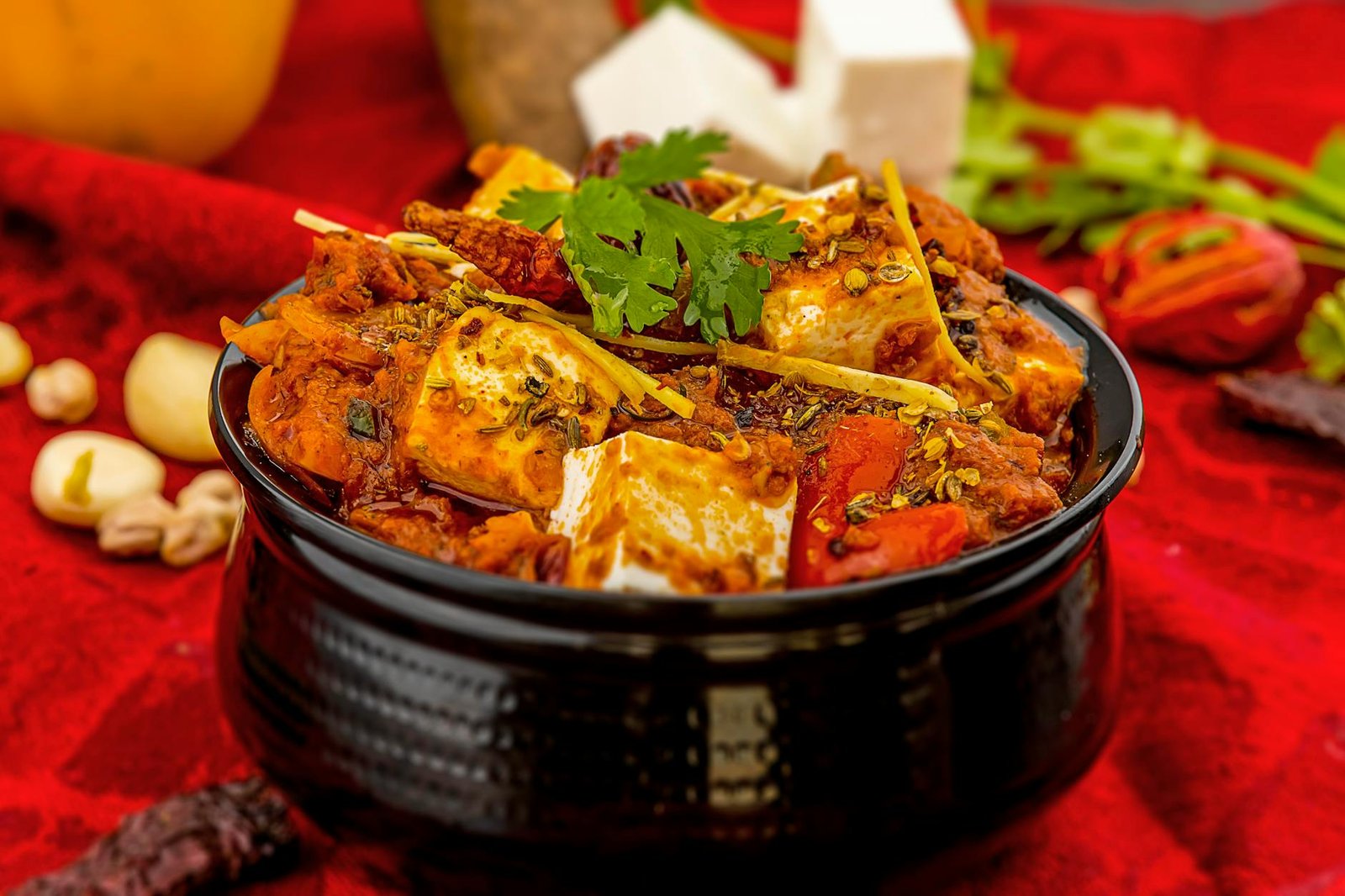
Paneer Addition
Cut paneer into cubes and add it during the last hour of cooking. It soaks up the sauce and adds great texture.
Pitfalls To Avoid
Using Chicken Breasts
I mentioned this earlier, but it bears repeating. Chicken breasts turn into dry, stringy nonsense in the slow cooker. Thighs are fattier and stay juicier. Dark meat is your friend here.
Skipping The Fresh Ginger
Dried ginger powder doesn’t cut it. Fresh ginger has a zingy, bright quality that’s essential to this dish. Jarred ginger works if you’re desperate, but fresh is best.
Opening The Lid Constantly
Every time you lift that lid, you add 15 to 20 minutes to the cooking time. The temperature drops significantly. I know it’s tempting to check on things, but resist. Trust the process.
Forgetting To Brown Nothing
Wait, this one’s backwards. With traditional tikka masala, you’d brown the chicken first. Here? You don’t need to. The long cooking time develops plenty of flavor without that step. Don’t create extra work for yourself.
Using Light Coconut Milk
Full-fat or nothing. Light coconut milk is mostly water. It won’t give you the creamy, luscious sauce you’re after. Plus, the fat carries flavor. Don’t cheap out on this ingredient.
Overcooking On High
If you choose the high setting, don’t exceed 4 hours. Beyond that, even chicken thighs start to dry out, and the sauce can get grainy.
Storage and Reheating
This dish stores beautifully. In fact, it tastes even better the next day after the flavors have had time to marry.
Transfer leftovers to an airtight container. They’ll keep in the fridge for up to 5 days.
For freezing, let the tikka masala cool completely first. Portion it into freezer-safe containers or bags. It’ll keep frozen for up to 3 months.
To reheat from frozen, thaw overnight in the fridge. Then warm it gently on the stovetop over medium-low heat, stirring occasionally. Add a splash of coconut milk or water if the sauce has thickened too much.
Microwave reheating works too. Just use 50% power and stir every minute to heat evenly.
Meal Prep Strategy
This recipe is perfect for meal prep. I often double the batch and portion it out for lunches throughout the week.
Here’s my system. On Sunday, I make the tikka masala in the crockpot. While it cooks, I prep other components.
Cook a big batch of rice and portion it into containers. Chop vegetables for roasting. Make some raita. Warm up naan and portion it into freezer bags.
When the chicken is done, I divide everything into 5 to 6 containers. Each one gets rice, tikka masala, some roasted veggies, and a small container of raita on the side.
Grab one each morning on your way out the door. You’ve got restaurant-quality lunch ready to go.
RELATED RECIPE >> 15 Best Rotisserie Chicken Broccoli Pasta Recipes
The Spice Breakdown
Let’s talk about what each spice brings to the party.
Garam masala is the star. It’s a warm blend typically containing cinnamon, cardamom, cloves, cumin, coriander, and black pepper. It provides that signature tikka masala flavor. Buy a good quality version or make your own.
Cumin adds earthiness and depth. It’s slightly nutty with a warm, peppery quality.
Coriander brings citrusy, slightly sweet notes. It balances the heavier spices.
Turmeric provides color and a subtle bitterness that grounds the dish. It’s also anti-inflammatory, which is a nice bonus.
Smoked paprika adds a gentle smokiness that mimics the char you’d get from tandoor cooking.
Cayenne brings heat. Adjust this based on your tolerance.
Together, these spices create layers of flavor that develop and deepen during the long cooking time.
Why Coconut Milk Changes Everything
Traditional tikka masala uses heavy cream, and butter chicken uses both cream and butter. The coconut milk version offers something different.
Coconut milk adds subtle sweetness that balances the acidity from the tomatoes. It creates an incredibly silky texture without feeling heavy. And for anyone avoiding dairy, this dish is accessible.
The coconut flavor is surprisingly mild. It doesn’t taste like a Thai curry. The spices dominate while the coconut milk works behind the scenes, adding richness and body.
I’ve served this to people who claim to hate coconut, and they had no idea it was in there.
Making It Your Own
Once you’ve made this recipe a few times as written, start experimenting.
Try different proteins. Lamb works beautifully. So does firm white fish, though you’d add that in the last hour to prevent overcooking.
Play with the spice ratios. More garam masala makes it warmer and more aromatic. Extra cumin adds earthiness. Additional cayenne kicks up the heat.
Add vegetables. Bell peppers, peas, or diced potatoes all work well. Just adjust cooking times accordingly.
Finish with different garnishes. Toasted coconut flakes, chopped cashews, or a dollop of plain yogurt all add interest.
The base recipe is forgiving and adaptable. Use it as a starting point and make it your own.
The Cost Breakdown
Let’s talk dollars and cents for a second.
Chicken thighs run about $2 to $3 per pound, depending on your location. For 2.5 pounds, that’s $5 to $7.50.
A can of coconut milk costs roughly $2. Crushed tomatoes run about $1.50. Tomato paste is maybe $1.
The onion, garlic, and ginger together cost less than $3.
Spices add up if you’re starting from scratch, but most people already have these on hand. Even if you need to buy them all, you’ll use them in future recipes, so the cost spreads out.
Heavy cream and butter add another $3 to $4.
Total cost for the entire recipe? Around $15 to $20. This easily feeds 6 to 8 people. That’s $2 to $3 per serving.
Compare that to restaurant tikka masala, which runs $12 to $18 per person. You’re saving serious money while getting better quality.
Crockpot Tips and Tricks
Size Matters
A 6-quart slow cooker is the sweet spot for this recipe. Too small and everything crowds together, preventing proper cooking. Too large and the sauce can dry out around the edges.
Low and Slow Wins
Resist the temptation to cook on high to save time. Low heat allows the spices to bloom properly and keeps the chicken tender.
Fill It Right
Slow cookers work best when they’re 1/2 to 3/4 full. This recipe hits that mark perfectly in a 6-quart model.
Liner Hack
Use slow cooker liners for easy cleanup. Just lift out the liner and toss it when you’re done. No scrubbing required.
Keep The Lid On
Seriously. Stop peeking. Each peek adds time and prevents the cooker from maintaining temperature.
Pairing This Dish
What goes with coconut chicken tikka masala? Plenty.
For drinks, a crisp lager or wheat beer cuts through the richness nicely. Wine drinkers should reach for a slightly sweet Riesling or a Gewürztraminer. The sweetness balances the spice.
Non-alcoholic options include mango lassi, which is traditional and delicious. Fresh lime soda works too. Even plain iced tea with a squeeze of lemon is refreshing.
Side dishes should provide contrast. Something cool and crunchy, like a simple salad with cucumber and tomatoes. Or go traditional with rice, naan, and maybe some saag paneer on the side.
For dessert, keep it light. Mango sorbet or kulfi (Indian ice cream) provides a sweet ending without being too heavy.
The Cultural Context
Tikka masala is kind of controversial in food circles. Some claim it was invented in Britain, not India. The story goes that a customer complained his chicken tikka was too dry, so the chef improvised a creamy tomato sauce.
Whether that’s true or not, tikka masala has become beloved worldwide. It’s Britain’s favorite dish and hugely popular in the United States.
The addition of coconut milk gives this version a slight South Indian twist. South Indian cuisine uses coconut extensively, while tikka masala is more North Indian in origin.
This fusion approach creates something familiar yet different. It respects the traditional flavors while adding a modern, accessible twist.
Nutrition Information
Let’s break down what you’re eating here. Per serving (assuming 8 servings total):
| Nutrient | Amount |
|---|---|
| Calories | 380-420 |
| Protein | 28g |
| Fat | 24g |
| Carbohydrates | 12g |
| Fiber | 3g |
| Sugar | 5g |
| Sodium | 580mg |
These numbers change based on whether you add the heavy cream and how much rice you serve alongside.
The fat content is higher than in some dishes, but it’s mostly from coconut milk and chicken thighs. Both provide healthy fats that keep you satisfied.
Protein is solid at 28 grams per serving. Carbs are relatively low if you skip the rice.
For a lighter version, you could use chicken breasts (though I still don’t recommend it), skip the heavy cream, and serve with cauliflower rice instead of regular rice.

Troubleshooting Issues
Sauce Too Thin
If your sauce is watery at the end, remove the lid and switch to high for 30 minutes. The liquid will reduce and thicken. Alternatively, mix 1 tablespoon of cornstarch with 2 tablespoons of water and stir it in. Let it cook for another 15 minutes.
Sauce Too Thick
Add coconut milk, chicken broth, or water in small amounts until you reach the desired consistency. Stir well between additions.
Not Spicy Enough
Easy fix. Add cayenne, red pepper flakes, or hot sauce at the end. Taste as you go.
Too Spicy
Stir in more coconut milk or heavy cream. The fat helps tame the heat. A spoonful of sugar or honey can also help.
Chicken Not Tender
You probably didn’t cook it long enough or used chicken breasts. If you’re committed to the breasts (why?), cut them smaller and check at the earlier end of the time range.
Flavors Seem Flat
Salt is usually the culprit. Add more gradually until the flavors pop. The lemon juice at the end also helps brighten everything.
Frequently Asked Questions
Can I make this in an Instant Pot instead?
Absolutely. Use the sauté function to cook the onions, garlic, and ginger for 2 to 3 minutes. Add the remaining ingredients, seal the lid, and cook on high pressure for 15 minutes. Natural release for 10 minutes, then quickly release the remaining pressure. Shred the chicken and stir in the butter, cream, and lemon juice.
Do I really need all those spices?
You can simplify by using just garam masala and cayenne if you’re in a pinch. The dish won’t be as complex, but it’ll still taste good. Alternatively, use a store-bought tikka masala spice blend and follow the package directions for measurements.
Can I use bone-in chicken?
Yes, but increase the cooking time to 7 to 9 hours on low. The bones add flavor but take longer to cook. Remove the bones before shredding the chicken.
Is there a substitute for coconut milk?
Heavy cream works, though you’ll lose the subtle coconut flavor. Cashew cream is another option. For a lighter version, try half-and-half, though the sauce won’t be as rich.
How do I prevent curdling?
Curdling usually happens when you add dairy to high heat. Since we’re adding cream at the end with the heat on warm, it shouldn’t be an issue. If you’re worried, temper the cream by mixing a spoonful of the hot sauce into it first, then stirring it all in.
Can I double this recipe?
Only if you have a large enough slow cooker. An 8-quart model can handle a double batch. Otherwise, make it in two separate slow cookers.
What if I can’t find garam masala?
Make your own by combining 1 tablespoon cumin, 1.5 teaspoons coriander, 1.5 teaspoons cardamom, 3/4 teaspoon black pepper, 1/2 teaspoon cinnamon, 1/4 teaspoon cloves, and 1/4 teaspoon nutmeg.
Will this work with frozen chicken?
Technically, yes, but it’s not recommended. The FDA advises against cooking frozen meat in slow cookers because it stays in the danger zone temperature too long. Thaw your chicken first for food safety.
How do I make this whole30 compliant?
Skip the heavy cream and use ghee instead of butter. Make sure your tomato paste and crushed tomatoes don’t contain added sugar. Check that your spices are pure without additives.
Can kids eat this?
Reduce or eliminate the cayenne pepper for a kid-friendly version. The other spices aren’t particularly spicy, just flavorful.
Final Thoughts
Here’s the thing about this recipe. It’s not authentic in the traditional sense. A chef in Mumbai wouldn’t recognize it as proper tikka masala. But that’s okay.
This is home cooking at its finest. It takes inspiration from traditional flavors and adapts them for real life. For people who work all day and don’t want to spend their evening in the kitchen. For families who want something delicious without the fuss.
The crockpot method removes all the intimidation from Indian cooking. No special techniques required. No carefully timed steps. Just dump everything in and let time do its thing.
And the results? Genuinely delicious. Creamy, aromatic, satisfying in a way that few dishes are. The kind of meal that makes you look forward to dinner.
I make this at least twice a month. Sometimes more. My crockpot has a permanent tikka masala stain at this point. Totally worth it.
The beauty is in the simplicity. Good ingredients, proper spices, and patience. That’s all it takes.
Try it once, and you’ll understand why this has become my go-to comfort food. Why do friends request it for every potluck? Why does my family get excited when they smell it cooking?
It’s just that good.
Give yourself the gift of coming home to a house that smells like an Indian restaurant. Of having a proper, delicious meal waiting with almost no effort. Of feeling like you’ve accomplished something even on the busiest days.
Make this tikka masala. Share it with people you care about. Adjust it to your tastes. Make it yours.
You won’t regret it.
SUGGESTED POST >> 34 Easy Carnivore Recipes for Back Sleepers: Pain-Free Night
Discover more from Meal Prep Insider
Subscribe to get the latest posts sent to your email.