10 Best Smoothie Recipes for Weight Loss at Home: Easy Guide

The best smoothie recipes for weight loss can transform your morning routine faster than you’d imagine. Think about it: one simple drink that tastes incredible, fills you up for hours, and helps melt away stubborn pounds while you go about your day.
Sounds too good to be true?
Here’s the thing most people miss. Weight loss smoothies aren’t magic potions. They work because they replace calorie-dense meals with nutrient-packed alternatives that keep hunger at bay. The trick is knowing which ingredients to blend and which ones secretly sabotage your progress.
You’re about to discover ten game-changing recipes that real people use to drop weight without starving themselves. These aren’t complicated concoctions requiring exotic superfoods you can’t pronounce. Just straightforward blends using ingredients from your local grocery store.
Ready to blend your way to a healthier you?
Let’s get started.
Why Smoothies Work for Weight Loss
Weight loss smoothies work because they solve the biggest problem dieters face: hunger. When you’re hungry, willpower crumbles. Those mid-morning donut runs happen. The vending machine starts calling your name around 3 PM.
A properly constructed smoothie changes everything.
It fills your stomach with fiber, protein, and healthy fats that signal your brain you’re satisfied. Your blood sugar stays stable instead of spiking and crashing as it does after a bagel or sugary cereal. You consume fewer calories without feeling deprived.
The math is simple. If you replace a 600-calorie breakfast with a 300-calorie smoothie that keeps you full just as long, you’ve created a deficit. Do this consistently, and the scale moves.
But not all smoothies are created equal.
Many store-bought versions pack more sugar than a candy bar. Those trendy smoothie bowls at Instagram-worthy cafes? Often loaded with 800+ calories. The difference between weight loss success and failure comes down to what goes into your blender.
The Science Behind Effective Weight Loss Smoothies
Your body responds to different nutrients in specific ways. Protein triggers the release of hormones that reduce appetite. Fiber slows digestion, keeping you fuller longer. Healthy fats help absorb vitamins while providing sustained energy.
When you combine these elements strategically, you create a metabolic advantage.
Research from the American Journal of Clinical Nutrition shows that high-protein breakfasts reduce cravings throughout the day by up to 60%. Another study found that people who consumed more fiber naturally ate fewer calories without consciously restricting food.
Smoothies let you stack these benefits in one convenient package.
The liquid format also matters. Your body absorbs blended nutrients more efficiently than whole foods in some cases. The breakdown process starts before you even swallow, giving your digestive system a head start.
Temperature plays a role, too. Cold beverages slightly increase calorie burn as your body works to warm them to body temperature. It’s a small effect, but every bit counts when you’re trying to lose weight.
Essential Ingredients for Weight Loss Smoothies
Before we jump into specific recipes, you need to understand the building blocks. Every effective weight loss smoothie contains these core components:
Protein Sources:
- Greek yogurt (plain, unsweetened)
- Protein powder (whey, pea, or hemp)
- Silken tofu
- Cottage cheese
- Nut butters (measured carefully)
Fiber-Rich Ingredients:
- Spinach and kale
- Chia seeds
- Flax seeds
- Oats (rolled or steel-cut)
- Avocado
Low-Sugar Fruits:
- Berries (strawberries, blueberries, raspberries)
- Green apples
- Pears
- Citrus fruits
- Frozen cherries
Liquid Base Options:
- Unsweetened almond milk
- Coconut water
- Plain water
- Green tea (cooled)
- Unsweetened cashew milk
Metabolism Boosters:
- Cinnamon
- Ginger
- Cayenne pepper
- Matcha powder
- Turmeric
Notice what’s missing? Fruit juice, honey, agave, dates, and other sugar bombs that derail weight loss efforts. Those ingredients might make smoothies taste like dessert, but they’ll keep you trapped in a cycle of cravings and energy crashes.
Recipe #1: Green Machine Power Smoothie
This is the heavyweight champion of weight loss smoothies. It tastes better than it looks, trust me.
Ingredients:
- 2 cups fresh spinach
- 1/2 cup cucumber, chopped
- 1/2 green apple, cored
- 1 scoop vanilla protein powder
- 1 tablespoon chia seeds
- 1 cup unsweetened almond milk
- 1/2 cup ice
- Juice of 1/2 lemon
Directions:
Toss the spinach into your blender first. Add the cucumber and apple chunks on top. Pour in the almond milk and lemon juice. Blend on high for 30 seconds until the greens completely break down.
Add your protein powder and chia seeds. Blend again for 15 seconds. Toss in the ice and pulse until you reach your preferred consistency.
Nutritional breakdown:
- Calories: 245
- Protein: 25g
- Fiber: 9g
- Sugar: 11g
This smoothie keeps you full until lunch without question. The combination of protein and fiber creates serious staying power. The lemon cuts through any grassy flavor from the spinach, while the apple adds just enough sweetness to make it enjoyable.
The chia seeds expand in your stomach, increasing the fullness factor even more. Plus, they’re loaded with omega-3 fatty acids that fight inflammation.
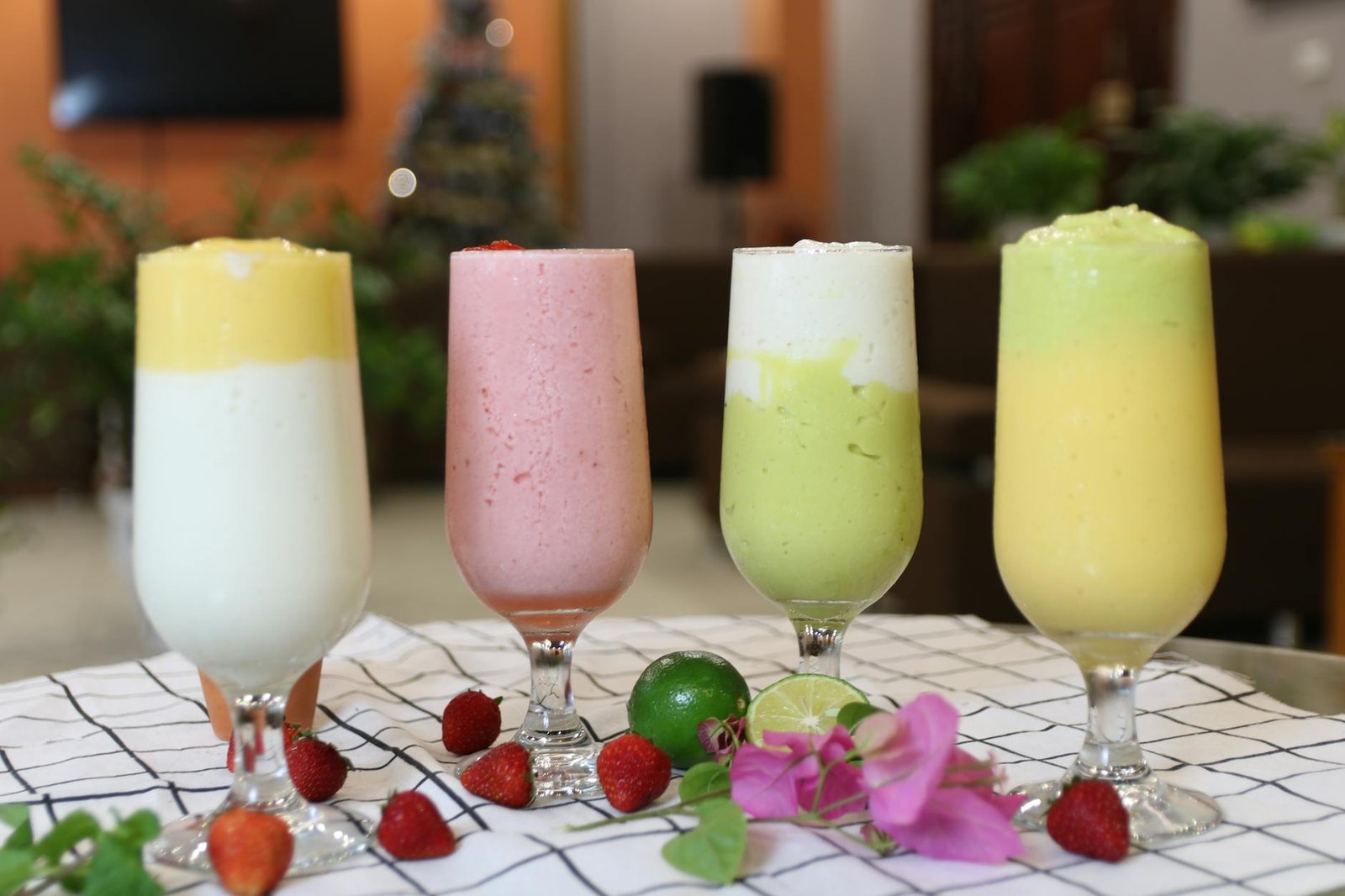
Recipe #2: Berry Blast Metabolism Booster
Berries offer the best fruit option for weight loss. They’re lower in sugar than tropical fruits while packing more antioxidants than almost any other food.
Ingredients:
- 1 cup mixed berries (strawberries, blueberries, raspberries)
- 1 cup plain Greek yogurt
- 1/2 cup unsweetened almond milk
- 1 tablespoon ground flaxseed
- 1/4 teaspoon cinnamon
- 1/2 scoop vanilla protein powder
- 4-5 ice cubes
Directions:
Add the Greek yogurt to your blender as the base. Pour in the almond milk. Add the frozen berries (frozen works better than fresh here—it creates a thicker texture without needing a banana).
Sprinkle in the flaxseed and cinnamon. Add your protein powder. Blend on high for 45 seconds until completely smooth.
Drop in the ice cubes and pulse 3-4 times for a thicker consistency.
Nutritional breakdown:
- Calories: 285
- Protein: 32g
- Fiber: 7g
- Sugar: 14g
The protein content in this smoothie is off the charts. Greek yogurt provides probiotics that support gut health—increasingly recognized as crucial for weight management. Unhealthy gut bacteria can literally make you crave junk food and store more fat.
Cinnamon helps regulate blood sugar levels. Studies show it can reduce fasting blood glucose by up to 29% when consumed regularly.
Recipe #3: Chocolate Peanut Butter Protein Shake
Yes, you can have chocolate while losing weight. This smoothie tastes like a milkshake but works like a meal replacement.
Ingredients:
- 1 scoop of chocolate protein powder
- 1 tablespoon natural peanut butter
- 1 tablespoon unsweetened cocoa powder
- 1 cup unsweetened almond milk
- 1/2 cup ice
- 1/4 teaspoon vanilla extract
- Pinch of sea salt
Directions:
Combine the almond milk and protein powder first. Blend for 20 seconds. This prevents the protein powder from clumping.
Add the peanut butter, cocoa powder, vanilla extract, and sea salt. Blend on high for 30 seconds.
Add ice and blend until you achieve a thick, creamy texture.
Nutritional breakdown:
- Calories: 295
- Protein: 28g
- Fiber: 5g
- Sugar: 4g
This recipe proves that weight loss doesn’t require suffering through foods you hate. The combination of chocolate and peanut butter satisfies cravings that might otherwise lead to a candy bar run.
The healthy fats from peanut butter slow digestion and help you absorb fat-soluble vitamins. Just measure carefully—peanut butter calories add up quickly if you eyeball portions.
Recipe #4: Tropical Turmeric Fat Burner
Turmeric has gained massive attention for its anti-inflammatory properties. It may also boost fat burning when combined with the right ingredients.
Ingredients:
- 1/2 cup frozen mango chunks
- 1/2 cup frozen pineapple chunks
- 1 cup unsweetened coconut milk
- 1 scoop vanilla protein powder
- 1/2 teaspoon turmeric powder
- 1/4 teaspoon ginger powder
- Pinch of black pepper
- 1 tablespoon hemp seeds
Directions:
Pour the coconut milk into your blender. Add the frozen fruit. The tropical fruits provide natural sweetness without needing added sugars.
Sprinkle in the turmeric, ginger, and black pepper. The black pepper might seem odd, but it increases turmeric absorption by 2,000%. Without it, most of the turmeric passes through your system unused.
Add the protein powder and hemp seeds. Blend on high for 60 seconds until silky smooth.
Nutritional breakdown:
- Calories: 310
- Protein: 24g
- Fiber: 6g
- Sugar: 18g
This smoothie has slightly more sugar than others on this list due to the tropical fruit. Enjoy it post-workout when your body can use those natural sugars to replenish glycogen stores.
The anti-inflammatory properties of turmeric and ginger help with exercise recovery. Less inflammation means less water retention and a flatter stomach.
Recipe #5: Coffee Protein Power Shake
Coffee lovers, this one’s for you. Get your caffeine fix and weight loss support in one delicious drink.
Ingredients:
- 1 cup cold brew coffee (or chilled regular coffee)
- 1 scoop of chocolate protein powder
- 1/2 cup plain Greek yogurt
- 1 tablespoon almond butter
- 1/2 teaspoon vanilla extract
- 1/2 cup ice
- Optional: 1/4 teaspoon cinnamon
Directions:
Brew your coffee and let it cool completely. Hot coffee will make your protein powder clump and potentially melt your blender gasket.
Combine the cold coffee, protein powder, and Greek yogurt in your blender. Mix on medium speed for 20 seconds.
Add the almond butter, vanilla extract, and cinnamon. Blend on high for 30 seconds.
Toss in the ice and pulse until you reach the desired thickness.
Nutritional breakdown:
- Calories: 275
- Protein: 31g
- Fiber: 3g
- Sugar: 6g
This smoothie combines the appetite-suppressing effects of coffee with metabolism-boosting protein. Caffeine increases your metabolic rate by 3-11%, with larger doses having stronger effects.
The combination of caffeine and protein before morning exercise can enhance fat burning. Your body preferentially uses stored fat for fuel when you work out in a partially fasted state with caffeine in your system.
Recipe #6: Cinnamon Roll Breakfast Smoothie
Missing your favorite pastries? This healthier alternative captures those flavors without destroying your diet.
Ingredients:
- 1/2 cup rolled oats
- 1 cup unsweetened almond milk
- 1/2 cup plain Greek yogurt
- 1 scoop vanilla protein powder
- 1 teaspoon cinnamon
- 1/4 teaspoon nutmeg
- 1/4 teaspoon vanilla extract
- 6-7 ice cubes
- Optional: 5 drops liquid stevia
Directions:
Start by adding the oats and almond milk to your blender. Let them sit for 2-3 minutes. This softens the oats and creates a creamier texture.
Add the Greek yogurt and protein powder. Blend on medium speed for 30 seconds.
Sprinkle in the cinnamon, nutmeg, and vanilla extract. Add the stevia if you prefer a sweeter taste. Blend on high for 20 seconds.
Add ice and pulse until thick and creamy.
Nutritional breakdown:
- Calories: 320
- Protein: 30g
- Fiber: 6g
- Sugar: 8g
The oats provide beta-glucan, a type of soluble fiber that significantly reduces appetite. Studies show that people who eat oats for breakfast consume fewer calories at lunch without consciously trying to restrict food.
This smoothie has a dessert-like quality that makes it perfect for people with a sweet tooth. The spices boost the perceived sweetness without adding calories.
Recipe #7: Avocado Green Dream Smoothie
Avocado creates the creamiest smoothie texture imaginable while providing healthy fats that support weight loss.
Ingredients:
- 1/4 ripe avocado
- 1 cup spinach
- 1/2 cup cucumber
- 1 scoop vanilla protein powder
- 1 tablespoon ground flaxseed
- 1 cup unsweetened cashew milk
- Juice of 1/2 lime
- 1/2 cup ice
- Fresh mint leaves (5-6 leaves)
Directions:
Add the cashew milk to your blender first. Toss in the spinach and cucumber. Blend for 20 seconds to break down the vegetables.
Scoop in your avocado quarter. Add the protein powder and flaxseed. Blend on high for 30 seconds.
Drop in the lime juice and mint leaves. Blend for another 15 seconds.
Add ice and pulse to your preferred thickness.
Nutritional breakdown:
- Calories: 295
- Protein: 25g
- Fiber: 9g
- Sugar: 3g
This smoothie has incredibly low sugar content while providing exceptional satiety. The healthy fats from avocado slow stomach emptying, keeping you full for hours.
Avocados also contain glutathione, a powerful antioxidant that supports liver function. A healthy liver processes fat more efficiently, which matters when you’re trying to lose weight.
The mint adds a refreshing quality that makes this smoothie particularly enjoyable on hot summer mornings.
Recipe #8: Pumpkin Spice Protein Smoothie
Pumpkin isn’t just for fall. This nutrient-dense ingredient deserves a spot in your year-round rotation.
Ingredients:
- 1/2 cup pure pumpkin puree (not pie filling)
- 1 scoop vanilla protein powder
- 1/2 cup plain Greek yogurt
- 1 cup unsweetened almond milk
- 1 teaspoon pumpkin pie spice
- 1/2 teaspoon vanilla extract
- 1 tablespoon chia seeds
- 6-7 ice cubes
Directions:
Combine the pumpkin puree, Greek yogurt, and almond milk in your blender. Mix on medium speed for 20 seconds to incorporate the thick pumpkin.
Add the protein powder, pumpkin pie spice, vanilla extract, and chia seeds. Blend on high for 30 seconds.
Add ice and pulse until you achieve a thick, milkshake-like consistency.
Nutritional breakdown:
- Calories: 280
- Protein: 32g
- Fiber: 9g
- Sugar: 9g
Pumpkin is shockingly low in calories while being high in fiber and volume. A half-cup contains only 40 calories but takes up significant space in your stomach.
It’s also loaded with potassium, which helps reduce water retention and bloating. The beta-carotene supports eye health and immune function—benefits that extend beyond the number on the scale.
This smoothie tastes like pumpkin pie in a glass. Perfect for satisfying dessert cravings without derailing your progress.
RELATED POST >> Meal Prep for Weight Loss Over 50: Shedding Pounds Easily
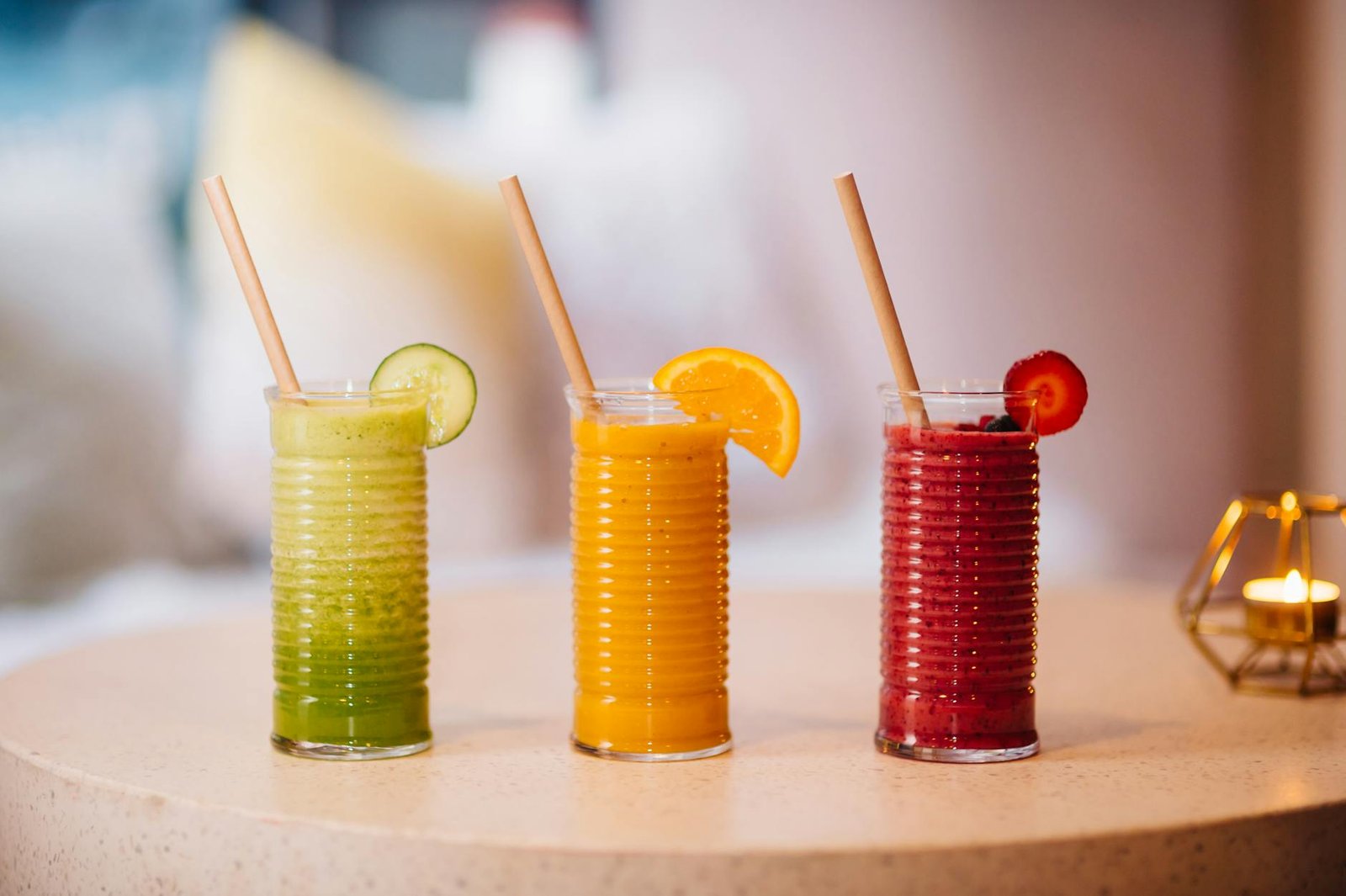
Recipe #9: Matcha Green Tea Fat Burner
Matcha provides concentrated green tea benefits in powdered form. It’s one of the most potent natural metabolism boosters available.
Ingredients:
- 1 teaspoon matcha powder
- 1 scoop vanilla protein powder
- 1/2 cup plain Greek yogurt
- 1 cup unsweetened coconut milk
- 1 tablespoon almond butter
- 1/2 teaspoon vanilla extract
- 1/2 cup ice
- Optional: 5 drops liquid stevia
Directions:
Start by adding the coconut milk to your blender. Sprinkle in the matcha powder. Blend on low speed for 15 seconds. This prevents the matcha from clumping.
Add the Greek yogurt and protein powder. Blend on medium for 20 seconds.
Add the almond butter and vanilla extract. Blend on high for 30 seconds until completely smooth.
Toss in the ice and pulse to the desired thickness.
Nutritional breakdown:
- Calories: 305
- Protein: 30g
- Fiber: 4g
- Sugar: 7g
Matcha contains EGCG, a catechin that studies show can increase fat burning by up to 17% during exercise. It also provides sustained energy without the jittery feeling coffee sometimes causes.
One serving of matcha contains the antioxidant equivalent of 10 cups of regular green tea. These antioxidants fight oxidative stress that can slow your metabolism and make weight loss harder.
The caffeine content is moderate—about half of what you’d get from coffee. Perfect for people who want a gentle energy boost.
Recipe #10: Vanilla Almond Joy Smoothie
Save the best for last? This smoothie combines vanilla, almond, and chocolate flavors into a guilt-free treat.
Ingredients:
- 1 scoop vanilla protein powder
- 1 tablespoon almond butter
- 1 tablespoon unsweetened cocoa powder
- 1 tablespoon unsweetened shredded coconut
- 1 cup unsweetened almond milk
- 1/2 teaspoon vanilla extract
- 1/2 teaspoon almond extract
- 1 tablespoon chia seeds
- 6-7 ice cubes
Directions:
Pour the almond milk into your blender. Add the protein powder and blend for 15 seconds to prevent clumping.
Add the almond butter, cocoa powder, shredded coconut, vanilla extract, and almond extract. Blend on high for 30 seconds.
Sprinkle in the chia seeds and blend for another 10 seconds.
Add ice and pulse until thick and creamy.
Nutritional breakdown:
- Calories: 315
- Protein: 27g
- Fiber: 8g
- Sugar: 3g
This recipe tastes indulgent while providing serious nutritional benefits. The coconut adds medium-chain triglycerides (MCTs), which your body metabolizes differently than other fats.
Research suggests MCTs increase energy expenditure and may help reduce body weight when used to replace other fats. They’re absorbed directly into your bloodstream and used for immediate energy rather than stored as fat.
The almond extract creates an intense flavor that makes this smoothie taste far more decadent than it really is. A little trick that goes a long way in keeping your taste buds happy.
Common Pitfalls When Making Weight Loss Smoothies
Most people mess up their smoothies without realizing it. These mistakes can turn a 300-calorie weight loss tool into a 700-calorie weight gain disaster.
Using Too Much Fruit
Fruit is healthy, but it’s not a free food. Two bananas, a cup of mango, and some dates might taste amazing, but you’ve just created a sugar bomb with 400+ calories and minimal protein.
Stick to one serving of low-sugar fruit per smoothie. Berries are your best option. If you need more sweetness, add vanilla extract, cinnamon, or a few drops of stevia.
Ignoring Protein
Smoothies without adequate protein leave you hungry within an hour. Then you’re raiding the pantry, consuming more calories than if you’d just eaten a regular breakfast.
Aim for at least 20-25 grams of protein per smoothie. This matches the amount in a typical meal and provides proper satiety.
Adding Too Many Healthy Fats
Nuts, nut butters, avocado, coconut oil, and seeds are all nutritious. But they’re also extremely calorie-dense. Two tablespoons of peanut butter instead of one adds 95 calories. Do this with multiple ingredients and your “healthy” smoothie suddenly contains 600 calories.
Measure fats carefully. One tablespoon of nut butter or 1/4 avocado is plenty.
Using Fruit Juice as a Base
Orange juice, apple juice, and other fruit juices spike your blood sugar and add unnecessary calories. A cup of orange juice contains 110 calories and 21 grams of sugar with almost no fiber.
Use unsweetened plant milk, water, or brewed green tea instead. Save your sugar budget for whole fruit that provides fiber.
Skipping Vegetables
Vegetables add volume, fiber, and nutrients without many calories. Spinach, kale, cucumber, and celery blend well without significantly affecting taste.
Adding two cups of spinach gives you only 15 calories but loads of vitamins and 2 grams of fiber. It’s the easiest way to boost nutritional value.
Maximizing Weight Loss Results With Your Smoothies
Making great smoothies is half the battle. Using them strategically multiplies your results.
Timing Matters
Drink your smoothie as a meal replacement, not as a snack alongside other foods. The best times are:
- Breakfast (replaces your typical morning meal)
- Post-workout (when your body uses nutrients most efficiently)
- Lunch (if you tend to make poor choices during the workday)
Prepare in Advance
Weight loss success often comes down to convenience. When healthy options are easier than unhealthy ones, you’ll make better choices.
Prep smoothie packs on Sunday. Portion out all ingredients except liquids into freezer bags. When you’re ready to blend, dump the contents into your blender, add liquid, and go.
Use a Meal Replacement Strategy
Replace one meal daily with a smoothie for the fastest results. Most people choose breakfast because it’s the easiest meal to replace without social complications.
This creates an automatic calorie deficit while ensuring you get quality nutrition early in the day. Your metabolism starts strong, and you’re less likely to overeat at lunch.
Listen to Your Body
Some people thrive on smoothies. Others feel hungrier drinking calories versus eating them. Pay attention to how your body responds.
If smoothies leave you hungry, try:
- Adding more protein
- Including more healthy fats
- Drinking slower (it takes 20 minutes for fullness signals to reach your brain)
- Making your smoothie thicker (more chewing satisfaction)
Track Your Progress
What gets measured gets managed. Track both your smoothie intake and your results for two weeks.
Note:
- What time do you drink your smoothie
- How long do you stay full
- Energy levels throughout the day
- Cravings (increased or decreased)
- Weekly weight changes
This data helps you identify what works specifically for your body.
Building Your Smoothie Rotation
Variety prevents boredom and ensures you get a wide range of nutrients. Create a rotation system using these recipes.
| Day | Morning Smoothie | Benefits |
|---|---|---|
| Monday | Green Machine Power | Maximum nutrients, low calories |
| Tuesday | Berry Blast Metabolism Booster | High protein, antioxidants |
| Wednesday | Coffee Protein Power | Energy boost, fat burning |
| Thursday | Cinnamon Roll Breakfast | Satisfies sweet cravings |
| Friday | Matcha Green Tea Fat Burner | Metabolism support |
| Saturday | Chocolate Peanut Butter | Weekend treat that’s healthy |
| Sunday | Pumpkin Spice Protein | Comfort food vibes |
This rotation ensures you never get bored while hitting different nutritional targets throughout the week.
Equipment That Makes a Difference
You don’t need expensive equipment, but the right tools make smoothie-making easier and more consistent.
Blender Quality Matters
A decent blender (doesn’t have to be $400) makes smoother smoothies. Look for:
- At least 500 watts of power
- Stainless steel blades
- Glass or BPA-free plastic container
- Easy-to-clean design
Budget options like NutriBullet or Ninja work great. High-end Vitamix blenders last forever and blend anything instantly, but they’re not necessary for success.
Measuring Tools
Eyeballing portions kills weight loss efforts. Get:
- Measuring cups
- Measuring spoons
- Kitchen scale (for protein powder accuracy)
Measure everything until you can accurately estimate portions. Even then, spot-check yourself occasionally. Portion creep happens unconsciously.
Storage Containers
If you’re prepping smoothie packs, quality freezer bags or containers prevent freezer burn and keep ingredients fresh.
For prepared smoothies, insulated bottles keep them cold for hours. Perfect for busy mornings when you need to drink on the go.
Troubleshooting Texture and Taste Issues
Sometimes smoothies turn out wrong. Here’s how to fix common problems.
Too Thick
Add liquid in small amounts (1/4 cup at a time) until you reach the desired consistency. Different ingredients absorb liquid differently, so recipes are guidelines rather than exact formulas.
Too Thin
Add ice, frozen fruit, or a handful of oats. These thicken without significantly changing flavor.
Too Sweet
Balance sweetness with:
- A squeeze of lemon or lime juice
- A pinch of salt
- More greens
- Unsweetened cocoa powder
Not Sweet Enough
Before adding sweeteners, try:
- More vanilla extract
- Extra cinnamon
- A tiny pinch of stevia
- Slightly riper fruit next time
Weird Texture
Usually caused by not blending long enough. Most smoothies need 45-60 seconds of blending for a silky texture. Cheap blenders might need longer.
Tastes Too “Green”
Some people are more sensitive to vegetable flavors. Solutions:
- Start with fewer greens and gradually increase
- Use milder vegetables like spinach instead of kale
- Add extra lemon juice or lime juice
- Include mint leaves to mask the vegetable taste
Frequently Asked Questions
Can I drink smoothies for every meal to lose weight faster?
Bad idea. While you’d lose weight quickly, it’s not sustainable or necessarily healthy. Your body needs to chew. Chewing triggers satiety signals and produces saliva that aids digestion. Replace one, maximum of two meals daily. Eat whole foods for your other meals.
How much weight can I realistically lose by drinking these smoothies?
That depends entirely on your starting point, overall diet, and activity level. If you replace a 600-calorie breakfast with a 300-calorie smoothie and change nothing else, you’ll create a deficit of 2,100 calories weekly. That’s about half a pound per week just from breakfast. Combine smoothies with other healthy habits for faster results.
Are frozen fruits and vegetables as nutritious as fresh?
Often more nutritious, surprisingly. Frozen produce is picked at peak ripeness and frozen immediately, locking in nutrients. Fresh produce sometimes sits in trucks and stores for weeks, losing nutrients. Frozen is also cheaper and more convenient. Win-win-win.
Can I make smoothies the night before?
You can, but quality decreases. Smoothies oxidize and separate when stored. They’re drinkable but not as appealing. If you must prep ahead, store in an airtight container filled to the top (minimizes oxygen exposure) and shake vigorously before drinking. Best consumed within 24 hours.
Will smoothies make me bloated?
Some people experience bloating when they first start drinking smoothies, especially if they’re not used to high fiber intake. Start with smaller portions and gradually increase. Drink smoothies slowly rather than gulping them down. If bloating persists, reduce cruciferous vegetables (kale, cauliflower) and try easier-to-digest options like spinach.
Do I need expensive superfoods like acai or spirulina?
Absolutely not. Those ingredients provide benefits but aren’t necessary for weight loss. The recipes in this post use affordable, accessible ingredients that work just as well. Save your money for quality protein powder and fresh produce.
Can I use regular milk instead of plant-based milk?
Sure, if dairy doesn’t bother you. Regular milk provides more protein than most plant milks. However, it also has more calories and sugar. If you’re using milk, choose unsweetened options and factor the extra calories into your daily total. Fairlife filtered milk offers high protein with lower sugar.
What’s the best protein powder for weight loss smoothies?
Look for protein powder with:
- At least 20g of protein per scoop
- Less than 5g sugar
- Minimal ingredients (avoid artificial sweeteners if possible)
- Third-party testing certification
Whey isolate absorbs quickly and tastes great. Plant-based options (pea, hemp, rice blends) work well for vegans. Avoid protein powders with added sugars, fillers, and mystery ingredients.
How long after working out should I drink a protein smoothie?
The “anabolic window” isn’t as critical as once thought. Consuming protein within 2-3 hours after your workout is sufficient for most people. The total daily protein intake matters more than precise timing. That said, a post-workout smoothie is convenient and helps many people hit their protein targets.
Can kids drink these weight-loss smoothies?
Growing children shouldn’t follow weight loss protocols unless supervised by a pediatrician. However, these smoothies are nutritious and can replace sugary cereals or toaster pastries. You might add a bit more fruit for kid-friendly sweetness. Focus on health rather than weight loss when making smoothies for children.
Final Thoughts on Smoothies and Sustainable Weight Loss
The best smoothie recipes for weight loss share common traits: high protein, adequate fiber, healthy fats, and minimal added sugars. They replace high-calorie meals while providing genuine satisfaction and nutrition.
But here’s what matters more than any recipe.
Consistency beats perfection every time. One perfect smoothie won’t change your life. A decent smoothie consumed five mornings per week for three months absolutely will.
Weight loss isn’t about finding a magic formula. It’s about building sustainable habits that create small deficits over time. These smoothies make that process easier and more enjoyable.
Start with one recipe that appeals to you. Make it three times this week. Notice how you feel. Adjust ingredients to match your preferences. Build confidence in your blender skills.
Then add a second recipe to your rotation. Then a third.
Before you know it, you’ll have created a sustainable morning routine that supports your goals without feeling like deprivation.
Your blender is sitting in your kitchen right now. Those ingredients are available at any grocery store. The only question is whether you’ll take action or keep searching for a different solution that doesn’t require you to do anything.
You already know what choice leads to results.
Time to blend.
SUGGESTED POST >> What to Buy When Grocery Shopping: Smart List Essentials
Discover more from Meal Prep Insider
Subscribe to get the latest posts sent to your email.