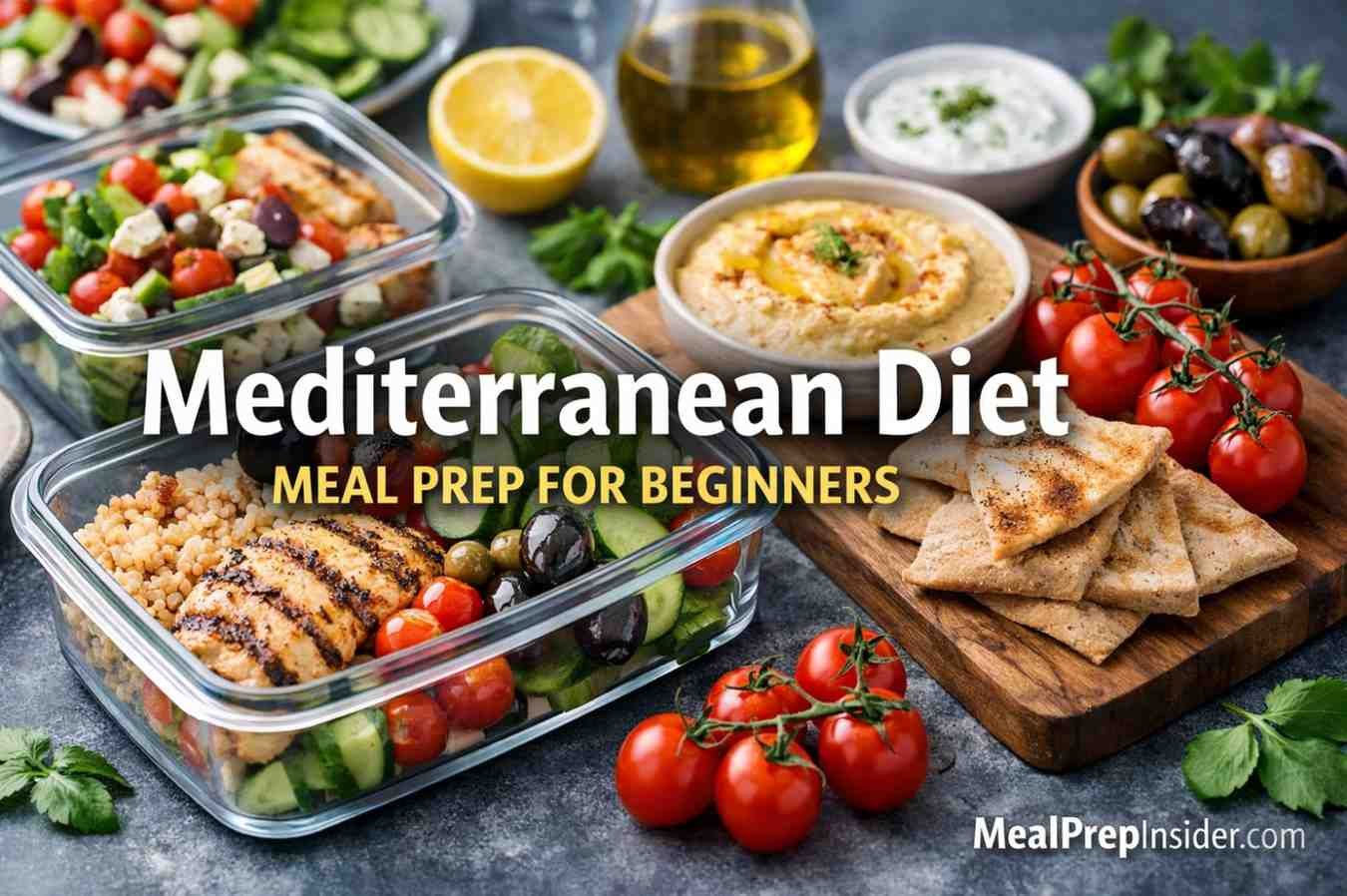
Mediterranean diet meal prep for beginners doesn’t have to feel overwhelming, even though the thought of planning an entire week’s worth of meals might make you want to order takeout instead. Trust me, I get it.
You’re scrolling through Instagram, seeing those perfectly arranged glass containers filled with colorful vegetables and grilled chicken, wondering if you need a photography degree just to eat healthy.
But here’s the truth: meal prepping Mediterranean-style is one of the easiest approaches to healthy eating you’ll ever try.
And it tastes incredible.
Why the Mediterranean Diet Works for Busy Americans
Let’s talk about why this eating pattern has stood the test of time. People living in Greece, Italy, and Spain aren’t following some trendy diet. They’re just eating the way their grandparents ate.
Fresh vegetables. Olive oil. Fish. Whole grains. Simple ingredients that don’t require a culinary degree.
The Mediterranean approach fits perfectly into American lifestyles because it’s flexible. You’re not cutting out entire food groups or counting every single calorie. You’re focusing on real food that keeps you satisfied.
Research from Harvard and the Mayo Clinic consistently shows that this eating pattern reduces the risk of heart disease, supports brain health, and helps with weight management. That’s not marketing hype. That’s science.
Understanding the Mediterranean Diet Basics Before You Start Prepping
Before you fill your cart at Trader Joe’s or Whole Foods, you need to understand what this diet truly emphasizes.
The foundation includes:
- Extra virgin olive oil as your primary fat source
- Vegetables at every meal
- Whole grains like farro, bulgur, and whole wheat
- Legumes such as chickpeas, lentils, and white beans
- Fish and seafood at least twice weekly
- Moderate amounts of poultry, eggs, and dairy
- Fresh fruit for dessert instead of processed sweets
- Herbs and spices for flavor instead of salt
What you’ll minimize:
- Red meat (maybe once or twice monthly)
- Processed foods and refined grains
- Added sugars and sugary drinks
- Butter and margarine
- Processed meats like bacon and hot dogs
Notice I said minimize, not eliminate. This isn’t about perfection. It’s about making better choices most of the time.
The Real Benefits of Mediterranean Meal Prep
Meal prepping transforms the Mediterranean diet from a nice idea into your actual lifestyle.
Think about your typical weeknight. You’re tired. You’re hungry. You open the fridge and see nothing prepared. What happens? You’re ordering pizza or hitting the drive-through.
But when you open that same fridge and see ready-to-eat Greek chicken bowls or a container of homemade hummus with cut vegetables? You’re eating Mediterranean without even trying.
The financial benefits matter too. Americans spend an average of $3,500 annually on dining out. Meal prepping can significantly cut that number. You’re buying ingredients in bulk, using everything you purchase, and avoiding the “I bought vegetables, and they rotted” guilt trip.
Time savings add up quickly. Spending two to three hours on Sunday means you’re not spending 30-45 minutes cooking every single night. That’s roughly 3-4 hours saved during your busy week.
Essential Kitchen Tools for Mediterranean Meal Prep
You don’t need expensive equipment. Honestly, you don’t.
Here’s what makes life easier:
- Glass meal prep containers (various sizes)
- Sheet pans (at least two)
- A quality chef’s knife
- Cutting boards (separate for vegetables and proteins)
- Large mixing bowls
- Food processor or blender
- Instant Pot or slow cooker (optional but helpful)
- Quality storage containers for grains and legumes
I started with mismatched plastic containers and a dull knife. It worked, but upgrading to proper glass containers changed everything. They don’t absorb odors, they reheat better, and they last for years.
The sheet pans deserve special mention. You’ll be roasting vegetables constantly. Having multiple pans means you can prep different items simultaneously without flavor mixing.
Building Your Mediterranean Pantry
Mediterranean diet meal prep for beginners starts with stocking your pantry correctly. This isn’t about buying everything at once and spending $300 at the grocery store.
Start with these essentials:
Oils and Vinegars:
- Extra virgin olive oil (invest in good quality)
- Balsamic vinegar
- Red wine vinegar
- Lemon juice (fresh is best)
Grains and Starches:
- Brown rice
- Quinoa
- Whole wheat pasta
- Farro
- Bulgur
- Sweet potatoes
Canned and Jarred Items:
- Chickpeas
- Cannellini beans
- Diced tomatoes
- Tomato paste
- Artichoke hearts
- Kalamata olives
- Roasted red peppers
Herbs and Spices:
- Oregano
- Basil
- Thyme
- Rosemary
- Garlic powder
- Cumin
- Paprika
- Red pepper flakes
Nuts and Seeds:
- Almonds
- Walnuts
- Pine nuts
- Sesame seeds (for tahini)
Build this collection over several shopping trips. Each week, add a few new pantry items while buying fresh produce and proteins.
Shopping Strategies for Mediterranean Ingredients
Shopping efficiently makes meal prep sustainable. You can’t meal prep if grocery shopping feels like a part-time job.
Weekly fresh items include:
- Leafy greens (spinach, arugula, romaine)
- Tomatoes
- Cucumbers
- Bell peppers
- Zucchini
- Eggplant
- Lemons
- Fresh herbs
- Fish or seafood
- Chicken (if using)
- Greek yogurt
- Feta cheese
- Eggs
Shop the perimeter of the store first. That’s where fresh produce, seafood, and dairy live. The center aisles contain your pantry staples, but they’re also where processed foods hide.
Farmers’ markets offer incredible value for seasonal produce. The tomatoes in July taste nothing like the sad winter tomatoes at the grocery store. Seasonal shopping naturally aligns with Mediterranean eating patterns.
Costco and Sam’s Club work great for staples like olive oil, canned goods, and nuts. You’ll use these items constantly, so buying in bulk makes financial sense.
Your First Mediterranean Meal Prep Session
Let’s walk through an actual prep session. This is what Sunday afternoon looks like when you’re setting yourself up for success.
The game plan (2-3 hours total):
Step 1: Prep your grains (15 minutes active time)
Cook a large batch of quinoa and brown rice. These become the base for multiple meals throughout the week.
Use a rice cooker if you have one. Set it and forget it while you handle other tasks.
Step 2: Roast your vegetables (10 minutes prep, 25-30 minutes cooking)
Chop vegetables into similar-sized pieces. Toss with olive oil, salt, and herbs. Spread across your sheet pans.
Roast at 425°F until they’re caramelized and tender.
Step 3: Prepare your protein (timing varies)
Bake chicken breasts seasoned with lemon, garlic, and oregano. Or poach salmon with herbs. Or prepare a large batch of chickpeas if you’re going plant-based for some meals.
Step 4: Make a sauce or dressing (10 minutes)
Whip up tzatziki, hummus, or a simple lemon-herb vinaigrette. These add flavor and moisture to your meals throughout the week.
Step 5: Portion everything out (15 minutes)
This is where your containers come in. Create complete meals or component prep (keeping ingredients separate to mix and match).
Mediterranean Meal Prep Formulas That Work
The formula approach removes decision fatigue. You’re not creating entirely different meals each week. You’re following patterns.
Formula 1: The Bowl
Base (grain or greens) + Protein (fish, chicken, or legumes) + Roasted vegetables + Healthy fat (olives, avocado, or nuts) + Dressing or sauce
Example: Quinoa + grilled chicken + roasted zucchini and tomatoes + kalamata olives + lemon-herb dressing
Formula 2: The Wrap or Pita
Whole grain wrap or pita + Spread (hummus or tzatziki) + Protein + Fresh vegetables + Cheese (optional)
Example: Whole wheat pita + hummus + grilled chicken + cucumber, tomato, and lettuce + crumbled feta
Formula 3: The Salad
Leafy greens + Multiple vegetable types + Protein + Whole grain or legume + Nuts or seeds + Vinaigrette
Example: Mixed greens + cherry tomatoes, cucumber, red onion + grilled salmon + chickpeas + sliced almonds + balsamic vinaigrette
Formula 4: The Sheet Pan Dinner
Protein + 2-3 vegetable varieties + Potatoes or another starch + Olive oil and seasonings
Example: White fish + asparagus + cherry tomatoes + baby potatoes + lemon, garlic, and herbs
These formulas give you structure while allowing creativity. Swap proteins, change vegetables based on what’s in season, and adjust to your preferences.
Five-Day Mediterranean Meal Prep Plan
Here’s what a realistic week looks like. This plan assumes you’re prepping Sunday for lunches and dinners Monday through Friday.
Prep List:
Proteins:
- Baked lemon chicken breast (4-5 pieces)
- Baked salmon (2-3 fillets)
- Hard-boiled eggs (6-8)
Grains:
- Brown rice (3 cups cooked)
- Quinoa (3 cups cooked)
- Whole wheat pasta (for one meal)
Vegetables:
- Roasted vegetables: bell peppers, zucchini, red onion, cherry tomatoes
- Roasted sweet potato cubes
- Raw vegetables: cucumber, carrots, celery (for snacking)
- Mixed salad greens
Sauces and Extras:
- Homemade hummus
- Tzatziki sauce
- Lemon-herb vinaigrette
- Prepared Greek salad (separate dressing)
How It Comes Together:
| Day | Lunch | Dinner |
|---|---|---|
| Monday | Mediterranean chicken bowl (quinoa, chicken, roasted vegetables, tzatziki) | Greek salad with salmon, whole wheat pita |
| Tuesday | Salmon and brown rice with roasted sweet potatoes and greens | Whole wheat pasta with roasted vegetables, chickpeas, feta |
| Wednesday | Leftover pasta from Tuesday dinner | Chicken, roasted vegetables, quinoa bowl with lemon dressing |
| Thursday | Hummus plate with raw vegetables, pita, hard-boiled eggs, olives | Whole wheat pasta with roasted vegetables, chickpeas, and feta |
| Friday | Salmon bowl with brown rice, roasted vegetables, and tzatziki | Sheet pan chicken with roasted vegetables and sweet potatoes |
Notice the flexibility. You’re using the same base components in different combinations. This prevents boredom while minimizing prep work.
Storage Tips That Keep Food Fresh All Week
Nothing kills meal prep motivation faster than opening a container on Thursday to find soggy, sad food.
Protein storage:
Chicken stays fresh for 3-4 days when properly stored. If you’re eating it later in the week, freeze portions immediately after cooking. Thaw in the fridge the night before.
Fish is best consumed within 2-3 days. Prep it mid-week if you’re planning to eat it Thursday or Friday.
Vegetable storage:
Roasted vegetables last 4-5 days when stored in airtight containers. Keep them separate from anything that could be moist.
Raw vegetables stay crispest when stored with a paper towel to absorb excess moisture.
Leafy greens maintain freshness longer when you add a paper towel to the container and keep them unwashed until you’re ready to eat.
Grain storage:
Cooked grains keep well for up to 5 days in the refrigerator. Store them in airtight containers and add a splash of water or broth when reheating to prevent dryness.
Freeze extra portions if you’ve cooked too much. They reheat beautifully.
Sauce and dressing storage:
Keep dressings separate until you’re ready to eat. This single tip prevents soggy salads and bowls.
Store sauces in small containers or mason jars. They typically last a week in the fridge.
RELATED POST >> Meal Prep for Weight Loss: This Burns Stubborn Fat Quickly
Simple Mediterranean Recipes Perfect for Meal Prep
Lemon-Herb Chicken
Season chicken breasts with olive oil, fresh lemon juice, minced garlic, oregano, and salt. Bake at 375°F for 25-30 minutes until internal temperature reaches 165°F. Let rest before slicing.
This chicken works in bowls, salads, wraps, and pasta dishes.
Mediterranean Roasted Vegetables
Chop zucchini, bell peppers, red onion, and cherry tomatoes into bite-sized pieces. Toss with olive oil, dried oregano, garlic powder, salt, and pepper. Roast at 425°F for 25-30 minutes, stirring halfway through.
Simple Hummus
Drain and rinse one can of chickpeas. Blend with 3 tablespoons of tahini, 2 tablespoons of lemon juice, 2 cloves of garlic, 1/4 cup of olive oil, and salt to taste. Add water to reach the desired consistency.
Genuinely, homemade hummus tastes incomparably better than store-bought versions.
Tzatziki Sauce
Grate one cucumber and squeeze out excess moisture. Mix with 1 cup Greek yogurt, 2 cloves minced garlic, 1 tablespoon lemon juice, 1 tablespoon fresh dill, and salt. Refrigerate for at least an hour before serving.
Greek-Style Quinoa
Cook quinoa according to package directions using vegetable broth instead of water. Stir in diced cucumber, cherry tomatoes, kalamata olives, crumbled feta, and fresh parsley. Dress with olive oil and lemon juice.
Baked Salmon with Herbs
Place salmon fillets on a parchment-lined baking sheet. Brush with olive oil and top with fresh lemon slices, minced garlic, and fresh dill. Bake at 400°F for 12-15 minutes until fish flakes easily.
Addressing Common Pitfalls and How to Avoid Them
Pitfall #1: Making too much variety
Your first instinct might be to prepare seven completely different meals. Don’t.
That’s overwhelming and creates too many ingredients to manage. Start with 3-4 meal combinations that share ingredients.
Pitfall #2: Not seasoning adequately
Healthy food shouldn’t taste bland. Mediterranean cuisine relies heavily on herbs, spices, lemon, and garlic.
Season generously. Taste as you go. Add fresh herbs right before eating for maximum flavor impact.
Pitfall #3: Forgetting about snacks
You’ll get hungry between meals. That’s normal.
Prep Mediterranean-approved snacks: cut vegetables with hummus, Greek yogurt with honey and nuts, fresh fruit, or a handful of almonds.
Pitfall #4: All-or-nothing thinking
You won’t prep perfectly every week. Some Sundays, life happens, and you only prep half your meals.
That’s still better than no prep at all.
Pitfall #5: Not accounting for leftovers
If you’re cooking dinner for your family some nights, you’ll have leftovers. Don’t prep meals for days when you know you’ll have leftovers.
Flexibility prevents food waste and saves money.
Scaling Meal Prep for Different Household Sizes
Prepping for one:
Focus on recipes that freeze well or scale down easily. Consider prepping just lunches and keeping dinners simple with fresh ingredients.
Buy smaller quantities of fresh produce. You’re better off shopping twice a week than watching food spoil.
Prepping for two:
This sweet spot makes meal prep incredibly efficient. Most recipes yield 4-6 servings, which covers lunches and dinners for a couple.
Coordinate preferences with your partner. Maybe you both eat the same lunch but have different dinner preferences.
Prepping for families:
Involve kids in age-appropriate tasks. Even young children can wash vegetables or stir ingredients.
Prep components separately so picky eaters can customize their plates. Not everyone wants olives or tomatoes.
Double your grain and vegetable batches. Families go through these staples quickly.
Making Mediterranean Meal Prep Work with Your Budget
Mediterranean eating has an undeserved reputation for being expensive. It can be incredibly budget-friendly with smart strategies.
Buy seasonal produce:
Tomatoes in summer cost a fraction of winter prices. Adapt your meals to what’s abundant and affordable.
Use frozen fish:
Frozen salmon and other fish often cost half as much as fresh. The quality is excellent because it’s frozen right after catching.
Emphasize plant-based proteins:
Canned chickpeas cost about a dollar per can. One can provide protein for multiple meals. Lentils and beans offer incredible value.
Skip pre-cut vegetables:
You’re paying for convenience. Buy whole vegetables and cut them yourself during meal prep.
Stock up during sales:
Olive oil, canned goods, and nuts go on sale regularly. Buy extra when prices drop.
Compare unit prices:
That large container of Greek yogurt usually costs less per ounce than individual servings.
Adapting Mediterranean Meal Prep for Special Diets
For vegetarians:
Replace fish and chicken with plant-based proteins like chickpeas, lentils, white beans, and tofu. The Mediterranean diet naturally includes tons of vegetarian meals.
Increase nuts, seeds, and whole grains to ensure adequate protein intake.
For vegans:
Skip the Greek yogurt, feta, and other dairy. Use tahini-based sauces, nutritional yeast for cheesy flavor, and plant-based yogurt alternatives.
The fundamentals remain identical: vegetables, whole grains, legumes, nuts, seeds, and olive oil.
For gluten-free:
Focus on naturally gluten-free grains like quinoa, brown rice, and buckwheat. Skip the whole-wheat pasta and pita, replacing them with gluten-free options or additional vegetables.
Most Mediterranean recipes are naturally gluten-free or easily adaptable.
For low-carb or keto:
Increase healthy fats from olive oil, avocados, nuts, and fatty fish. Replace grains with cauliflower rice or additional vegetables.
Focus on fish, seafood, eggs, and moderate amounts of poultry, with abundant non-starchy vegetables.
Mediterranean Breakfast Meal Prep Ideas
Breakfast often gets overlooked in meal prep discussions. Mediterranean-style breakfasts set you up for success all day.
Greek Yogurt Parfait Prep:
Layer Greek yogurt with fresh berries, a drizzle of honey, and chopped nuts in mason jars. Prepare 4-5 jars on Sunday for grab-and-go breakfasts.
Mediterranean Egg Muffins:
Whisk eggs with diced tomatoes, spinach, feta, and herbs. Pour into muffin tins and bake at 350°F for 20-25 minutes. These reheat beautifully and last all week.
Overnight Oats Mediterranean Style:
Combine oats with milk or a plant-based alternative, Greek yogurt, cinnamon, and a touch of honey. Top with fresh figs, dates, or pomegranate seeds.
Make-Ahead Shakshuka Components:
Prep the tomato sauce base with onions, peppers, and spices. Store in the fridge. Each morning, heat a portion and crack fresh eggs into it for a quick breakfast.
Troubleshooting Your Meal Prep Journey
“My food tastes bland by mid-week.”
Store fresh herbs separately and add them right before eating. Keep lemon wedges handy to squeeze over meals for brightness.
Pack dressings and sauces in small containers to add just before eating.
“I’m getting bored eating the same things.”
Change your seasoning profiles. Mediterranean cuisine spans multiple countries, each with its own flavor profile. Greek flavors differ from Italian, which differ from Spanish.
Swap your grain base. Try farro instead of quinoa. Use bulgur instead of rice.
“My vegetables are getting soggy.”
Don’t overdress salads during prep. Keep dressings separate.
Roast vegetables until they’re well-caramelized. Slightly undercooked vegetables get mushier as the week progresses.
Use paper towels in containers to absorb excess moisture.
“I don’t have time for a full prep session.”
Break it into smaller chunks. Prep proteins on Sunday, grains on Monday, and vegetables on Tuesday.
Or adopt partial meal prep: prepare components but assemble meals fresh each day. It still saves significant time.
“My family won’t eat Mediterranean food.”
Start with familiar dishes that happen to be Mediterranean. Pasta with tomato sauce and vegetables. Grilled chicken with roasted potatoes.
Let family members customize their plates. Some people need time to develop a taste for olives, feta, or fish.
Advanced Tips for Experienced Meal Preppers
Once you’ve got the basics down, these strategies take your prep to the next level.
Batch cook and freeze:
Double your recipes and freeze half. This creates a meal rotation that extends beyond one week.
Soups, grain dishes, and most proteins freeze excellently.
Create a master recipe list:
Document your go-to recipes with prep times and ingredient lists. This eliminates decision fatigue when planning your weekly prep.
Invest in a vacuum sealer:
For serious meal preppers, vacuum sealing significantly extends food freshness. It’s particularly useful for proteins.
Prep ingredients for quick weeknight cooking:
Sometimes you want freshly cooked food, but don’t want to spend an hour cooking. Prep all ingredients (chopped vegetables, marinated proteins, measured spices) so you can quickly assemble and cook a fresh meal in 15-20 minutes.
Use your freezer strategically:
Freeze fresh herbs in olive oil in ice cube trays. Freeze cooked grains in portion sizes. Freeze sauces and dressings.
Your freezer becomes an extension of your meal prep system.
Staying Motivated for Long-Term Success
Meal prep isn’t about perfection. It’s about consistency.
Some weeks you’ll nail it. Everything will taste amazing, and you’ll feel like a meal prep genius.
Other weeks will be messier. You’ll run out of something mid-week or realize you forgot to cook the salmon.
Both scenarios are fine.
The goal isn’t to become a meal prep robot. It’s to develop a sustainable system that makes healthy eating easier.
Track what works for you. If you hate eating the same lunch every day, build more variety into your rotation. If you don’t mind repetition, simplify even further.
Find meal prep buddies. Share recipes, swap ideas, and hold each other accountable. The Mediterranean diet is inherently social, so why not make the prep social too?
Celebrate your wins. Every Sunday you prep is a Sunday you’re investing in your health. Every meal you eat from your prep is money saved and nutrition gained.
Frequently Asked Questions
How long does Mediterranean meal prep take?
Most beginners spend 2-3 hours for a full week’s prep. As you get more efficient, this often drops to 90 minutes. Partial prep (just lunches or just a few components) takes 45-60 minutes.
Can I meal prep if I’ve never cooked before?
Absolutely. Start with simple recipes: baked chicken, roasted vegetables, and cooked grains. These basic techniques require minimal skills. Your confidence and abilities will grow with each prep session.
How much money does Mediterranean meal prep save?
Most people save $100-200 monthly compared to frequent dining out and food delivery. The exact amount depends on your current eating habits and local food costs.
Is the Mediterranean diet good for weight loss?
Research consistently shows that the Mediterranean diet supports healthy weight management. It’s nutrient-dense yet not restrictive, making it sustainable long-term. However, portion sizes still matter for weight loss.
What if I don’t like fish?
You can absolutely follow a Mediterranean eating pattern without fish. Focus on plant-based proteins like chickpeas, lentils, and beans, along with chicken, eggs, and Greek yogurt. You’ll miss some omega-3 benefits, so consider a supplement or emphasize walnuts and flaxseeds.
Can I meal prep Mediterranean food if I’m always traveling?
Pack non-perishable Mediterranean snacks like nuts, dried fruit, and whole grain crackers. When possible, prep portable meals in insulated containers. Many Mediterranean foods travel well: hummus and vegetables, grain salads, and wraps.
Do I need to buy expensive olive oil?
Quality matters for olive oil used raw (in dressings and drizzled over finished dishes). For cooking, mid-range extra virgin olive oil works fine. Avoid the cheapest options, which may not be authentic extra virgin olive oil.
How do I prevent meal prep burnout?
Rotate your recipes every few weeks. Take occasional breaks and prep just a few days instead of a full week. Don’t force yourself to prep if you genuinely don’t have the energy. Flexibility prevents burnout better than rigid schedules.
Can kids eat Mediterranean diet meal prep?
Definitely. Mediterranean eating provides excellent nutrition for growing children. Involve them in age-appropriate prep tasks to build healthy habits early. Let them choose which vegetables to include or help assemble their own bowls.
What’s the best day to meal prep?
Most people prep on Sundays, but the best day is whichever works consistently with your schedule. Some people prefer Saturday mornings or even Wednesday evenings for a mid-week refresh.
Should I prep breakfast, lunch, and dinner?
Start with whichever meal causes you the most stress or leads to unhealthy choices. For most people, that’s lunch. Once you’ve mastered one meal, expand to others if desired.
Your Mediterranean Meal Prep Starting Point
Mediterranean diet meal prep for beginners ultimately comes down to taking that first step. You don’t need perfect containers, an Instagram-worthy setup, or culinary school training.
You need some basic ingredients, a couple of hours, and the willingness to try.
Your first prep session won’t be perfect. You might oversalt the chicken or overcook the quinoa. The vegetables might not be cut uniformly, and your containers might not stack neatly in the fridge.
None of that matters.
What matters is that you’re building a skill that will serve you for years. You’re investing in your health, saving money, and reducing the daily stress of figuring out what to eat.
Start small. Pick three recipes from this guide. Buy the ingredients. Set aside a Sunday afternoon.
Just begin.
The Mediterranean approach to eating has nourished people for thousands of years. It’s not complicated. It’s not restrictive. It’s not expensive.
It’s simply real food, prepared with intention, enjoyed with gratitude.
Your meal prep journey starts now. Not tomorrow. Not next week when you have more time.
Today.
Pull out those containers. Make your shopping list. Embrace the imperfect process of learning something new.
Your future self will thank you for every meal you prep, every healthy choice you make easier, and every dollar you save.
Welcome to Mediterranean meal prep. You’re going to love where this takes you.
SUGGESTED POST >> PCOS Friendly Meal Prep for the Week: Best 7-Day Guide