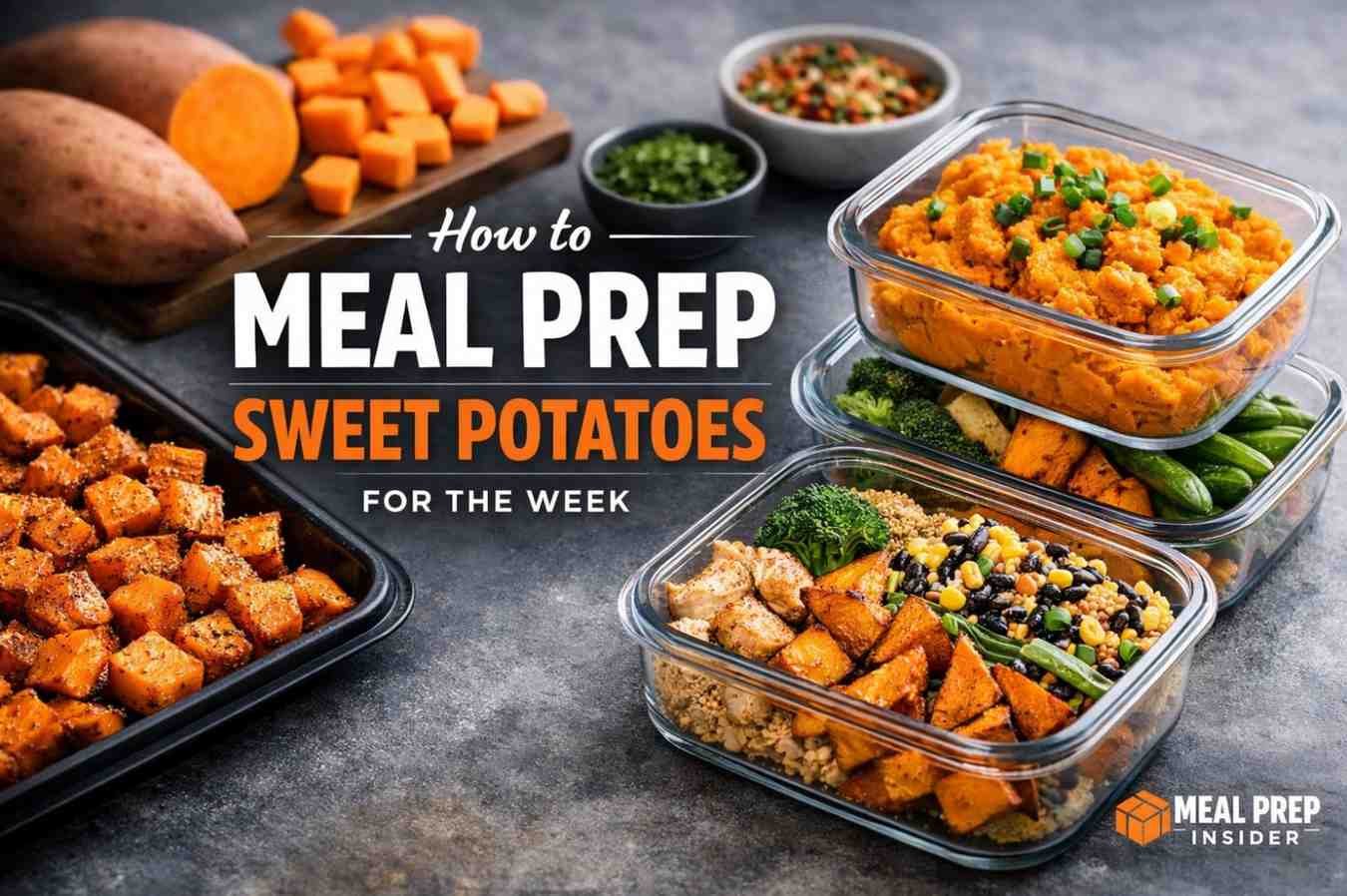
Learn how to meal prep sweet potatoes for the week with simple methods, storage tips, and recipe ideas. Save time, eat better, and never waste a sweet potato again.
How to Meal Prep Sweet Potatoes
Sweet potatoes are one of those foods that seem simple until you’re standing in the kitchen on a Sunday afternoon, wondering why you bought six of them and have no plan. Sound familiar? Good, because this post was written for exactly that moment.
Meal prepping sweet potatoes isn’t complicated. But there’s a right way to do it — and a way that leaves you with a soggy, gray mess by Wednesday. This guide covers everything: how to cook them, how to store them, how to reheat them without losing texture, and what to do with them throughout the week.
No fluff. Let’s get into it.
Why Sweet Potatoes Are Worth the Prep
First, a quick reality check on why these are worth your Sunday effort.
Sweet potatoes are genuinely nutritious. One medium sweet potato has around 100 calories, over 400% of your daily vitamin A, a solid amount of fiber, potassium, and vitamin C. They’re filling without being heavy. They work in savory dishes, sweet dishes, breakfast bowls, snack situations — the range is ridiculous.
They’re also cheap. Depending on where you shop in the U.S., you’re looking at roughly $1 to $1.50 per pound. That’s meal prep math that makes sense.
The problem most people run into isn’t buying them. It’s doing something with them before they go soft. That’s where a prep system saves you.
What You’ll Need Before You Start
This isn’t a gear-heavy operation. But a few things make a real difference.
- A sharp knife (sweet potatoes are dense — a dull knife is a safety issue)
- A large baking sheet or two
- Parchment paper or foil
- Airtight containers — glass preferred, but BPA-free plastic works
- A pot for boiling if you’re going that route
- An instant-read thermometer if you want to be precise (optional but helpful)
That’s it. You don’t need a spiralizer or a food processor for basic prep.
How to Choose the Right Sweet Potatoes
This part matters more than people think. Bad starting material leads to bad results.
Look for sweet potatoes that are firm all the way around. No soft spots. No wrinkled skin. The skin should be tight and smooth, and the shape should be relatively uniform — this helps with even cooking, especially if you’re roasting whole.
Avoid any with green patches or visible mold. Also, skip the really massive ones unless you plan to cube them. Giant sweet potatoes can take forever to cook through and sometimes have a stringy, starchy texture that isn’t great.
Garnet and Beauregard varieties are the most common in U.S. grocery stores and work perfectly for meal prep. Japanese sweet potatoes (the purple-skinned ones with white flesh) have a drier, nuttier flavor and are excellent roasted.
The Main Cooking Methods — Broken Down
There’s no single best method. It depends on what you’re using them for.
Roasting Whole
This is the hands-off approach. Poke each potato several times with a fork, rub lightly with oil, or leave it dry, then roast at 400°F on a lined baking sheet. Time depends on size.
| Size | Approximate Roasting Time |
|---|---|
| Small (under 6 oz) | 40–45 minutes |
| Medium (6–8 oz) | 50–60 minutes |
| Large (over 8 oz) | 60–75 minutes |
You’ll know they’re done when a fork slides in with zero resistance and the skin has started to shrink slightly. Some sugary syrup might leak onto the pan. That’s a good sign.
Roasted whole sweet potatoes store beautifully and are the most versatile for the week. You can eat them straight from the skin, scoop them for mashing, or slice them open for bowls.
Roasting Cubed
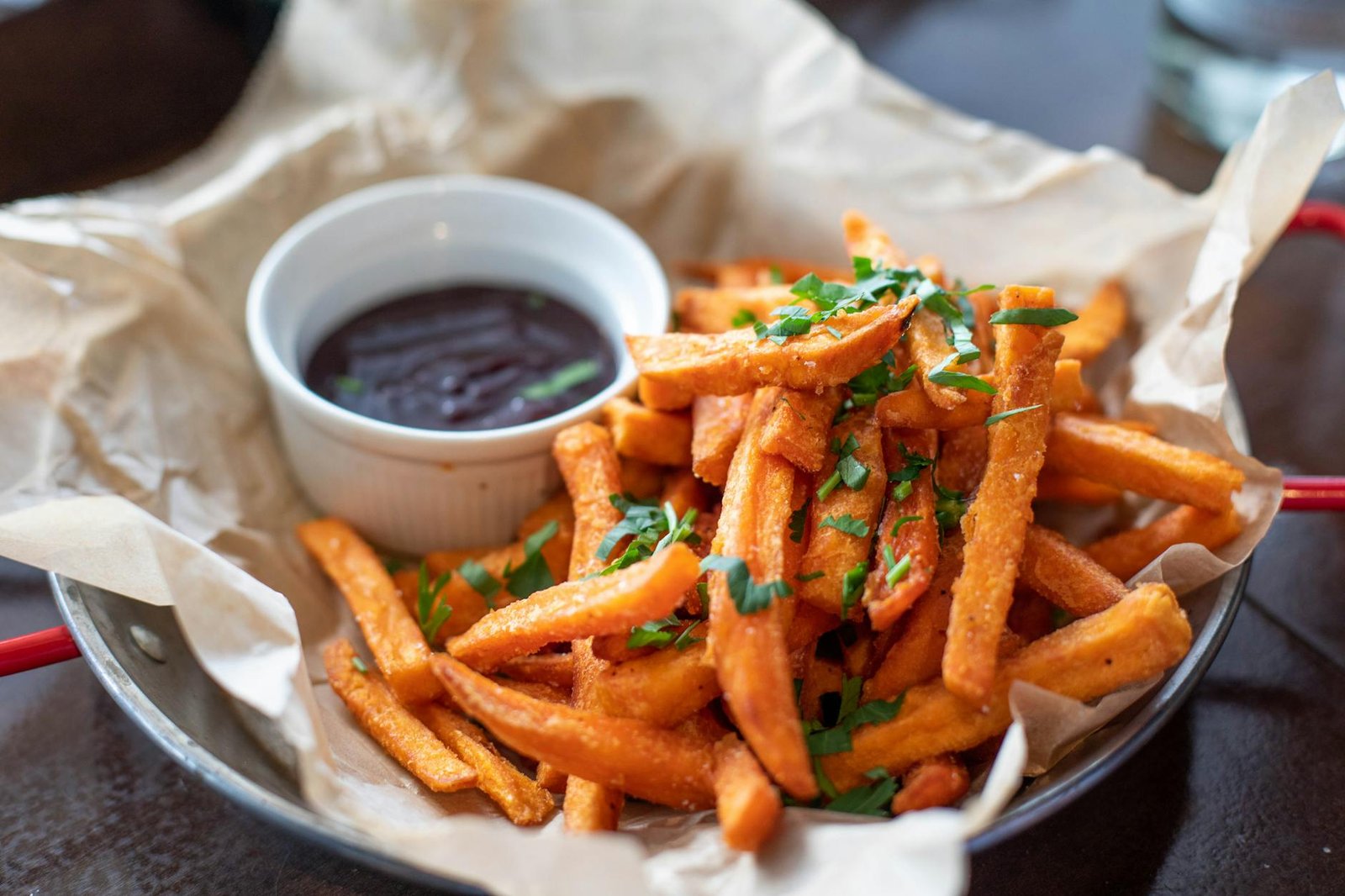
Cut sweet potatoes into 1-inch cubes, toss with olive oil, salt, and your favorite seasoning, and spread in a single layer on a baking sheet. Don’t crowd them — this is important. Crowded cubes steam instead of roasting. You want space between pieces.
Roast at 425°F for 25–30 minutes, flipping halfway. You’re looking for golden edges and a little caramelization. These are great for grain bowls, salads, breakfast scrambles, and eating cold with dips.
Boiling
Boiling is underrated for certain applications. If you’re making mashed sweet potatoes or sweet potato soup, boiling gives you a softer, smoother result with no added fat.
Peel and cube; drop into boiling, salted water, and cook for 12–15 minutes until fork-tender; drain well. Very well. Excess water makes mash watery, which is disappointing in a specific way that’s hard to recover from.
RELATED POST >> How to Meal Prep Breakfast Sandwiches [Freezer-Friendly]
Steaming
Steaming preserves more nutrients than boiling and gives a clean, neutral flavor. Good for dishes where you want the sweet potato to take on other flavors. Use a steamer basket over boiling water for 15–20 minutes, depending on cube size.
Microwave
Yes, you can. Poke the potato, microwave on high for 5 minutes, flip, and go another 3–5 minutes. It works in a pinch, but the texture is a bit denser and less caramelized. Fine for single servings. Not ideal for batch prep.
Seasoning Before Storage — Worth It?
This is a personal call, but here’s the honest breakdown.
Seasoning before storing is efficient. Your food is ready to eat the moment you open the container. But it also limits flexibility. If you roast everything with cumin and chili powder on Sunday, and by Thursday you want something that tastes more neutral, you’re stuck.
A smart middle ground: season lightly with just salt and olive oil during the cooking phase. Keep bolder spice mixes separate in small containers and add them at the reheating stage. This keeps your options open for the week.
Exceptions: if you know exactly how you’re going to use them, season intentionally. Cinnamon and brown sugar for sweet potato bowls. Garlic and rosemary for savory grain dishes. Smoked paprika for taco situations.
Storage: This Is Where Most People Go Wrong
Proper storage is the whole game. This is what separates a solid meal prep from a disappointing mid-week fridge situation.
Refrigerator Storage
Cooked sweet potatoes should be placed in airtight containers within 2 hours of cooking. Let them cool slightly first — not completely, just enough so you’re not putting steaming food into your fridge (this creates condensation inside the container and makes things soggy).
| Prep Method | Fridge Life |
|---|---|
| Roasted whole | 4–5 days |
| Roasted cubed | 3–5 days |
| Mashed | 3–4 days |
| Boiled/steamed cubes | 3–4 days |
Keep them in the coldest part of your fridge, not the door. Glass containers are better here because they don’t absorb odors, and they make it easier to see what’s inside.
Freezer Storage
Sweet potatoes freeze well in most forms. Mashed sweet potatoes freeze exceptionally well — probably the best of all the prep styles. Let them cool completely, portion into freezer-safe containers or zip-lock bags (lay flat to save space), and freeze for up to 6 months.
Roasted cubes can be frozen, too. Spread them on a sheet pan first, freeze for an hour until solid, then transfer to bags. This prevents them from sticking together in a clump.
Roasted whole sweet potatoes can be frozen, but the texture after thawing is softer. Still usable for mashing or soups, just not great straight from the jar.
Do not freeze raw, uncooked sweet potatoes. The cell structure breaks down, making them mushy and unpleasant after thawing.
Reheating Without Ruining Them
Texture degradation during reheating is a real issue. Here’s what works.
Oven: Best for cubes and whole potatoes. 375°F for 10–15 minutes. Brings back some of the original texture and keeps edges from going rubbery. Add a small drizzle of oil before reheating if they look dry.
Skillet: Excellent for cubes. Medium heat, a little oil or butter; toss until heated through and slightly crisp on the outside. This method actually improves some preps.
Microwave: Fast. Acceptable. Works for mashed sweet potatoes and anything that doesn’t need texture. Use 60-second intervals and cover loosely with a damp paper towel to prevent moisture loss.
Air fryer: Great for cubes. 375°F for 5–7 minutes gives you a surprisingly crisp exterior. Probably the best reheating method for roasted pieces if you have one.
Avoid reheating repeatedly. Heat what you need. Don’t reheat the whole batch and put the rest back.
How to Use Them Throughout the Week
This is the part that makes prep actually worth doing. Having cooked sweet potatoes in your fridge is only useful if you know what to do with them without thinking too hard.
Monday: Sweet Potato and Egg Breakfast Bowl
Slice or cube your prepped sweet potato, throw it in a skillet, add a couple eggs (scrambled or fried, your call), and finish with hot sauce or salsa. Takes under 10 minutes. Genuinely filling.
Tuesday: Lunch Grain Bowl
Base of brown rice or quinoa (prep those separately), roasted sweet potato cubes on top, handful of arugula or spinach, some chickpeas, a tahini drizzle. Done. No cooking required at lunch — that’s the whole point.
Wednesday: Mashed Sweet Potato as a Side
If you prepped mashed sweet potatoes, reheat with a pat of butter and a pinch of salt. Serve alongside whatever protein you’re making that night. Simple. Reliable.
Thursday: Sweet Potato Tacos
Warm flour tortillas, mashed or cubed sweet potato, black beans, shredded cabbage, lime crema (sour cream + lime juice + salt), and pickled onions if you have them. This is a real meal that feels like you cooked.
Friday: Sweet Potato Soup
This is a good end-of-week move when you have leftover sweet potatoes that are nearing their limit. Sauté onion and garlic, add your cooked sweet potato, vegetable broth, a can of coconut milk, some ginger, and curry powder. Blend smoothly. That’s a soup. Takes 20 minutes.
Quick Seasoning Ideas to Keep Things Interesting
If you’re using the same sweet potatoes five ways in five days, flavor variety is what keeps it from feeling repetitive.
- Smoky: Smoked paprika, cumin, garlic powder, a little cayenne
- Sweet: Cinnamon, nutmeg, brown sugar, vanilla (good for breakfast applications)
- Herbs: Rosemary, thyme, lemon zest, olive oil
- Spicy-savory: Sriracha, soy sauce, sesame oil (works surprisingly well)
- Tangy: Lime juice, chili powder, honey — a Southwest-style vibe
You don’t need to commit on Sunday. Keep these combos in mind for the reheating step.
Common Mistakes That Ruin Sweet Potato Prep
Worth going through these quickly.
Overcrowding the pan. Already mentioned. Worth repeating. Space is everything when roasting. Crowded = steamed = pale and mushy.
Not drying them before roasting. If you rinse your cubes, pat them dry. Wet surfaces don’t caramelize. They steam.
Storing hot food in sealed containers. Creates excess moisture inside the container. Leads to sogginess. Let them cool a bit first.
Forgetting to label containers with the date. You’ll think you remember when you prepped them. You won’t. Write the date on the container.
Peeling before roasting whole. The skin protects the flesh during roasting and, when roasted, becomes edible and slightly crispy on its own. Leave it on when roasting whole.
Skipping salt entirely. Some people under-season during prep, thinking they’ll add it later. They don’t. Under-seasoned sweet potatoes taste flat. Salt during cooking.
A Simple Weekly Prep Schedule
If you want a starting framework for Sunday prep:
- Preheat oven to 425°F
- Wash 4–6 sweet potatoes
- Poke 2–3 and place them whole on one baking sheet (for roasting whole)
- Peel and cube the remaining ones, toss with olive oil and salt, and spread on the second sheet
- Roast cubes for 25–30 min, whole ones for 50–60 min
- While those cook, boil 2 more cubes for mashing
- Mash with butter, salt, and optional cinnamon or garlic
- Cool everything, divide into labeled containers
- Refrigerate what you’ll use in 4 days, freeze the rest
Total active time: about 30 minutes. The oven does the rest.
Final Thoughts
Sweet potato meal prep isn’t about being a perfect home cook. It’s about removing the daily friction of figuring out what to eat. When you open your fridge on a Wednesday night and see prepped food ready to go — that’s the entire point.
Start simple. Roast a batch. See how you use them. Then refine from there. The system should work for your schedule, not the other way around.
FAQs
Can you meal prep sweet potatoes raw? You can peel and cube raw sweet potatoes and store them in cold water in the fridge for up to 24 hours. But beyond that, they start to oxidize and lose texture. For anything longer than a day, cook them first.
Do sweet potatoes last longer than regular potatoes when prepped? They’re roughly comparable. Both last 3–5 days cooked in the fridge. Raw, regular potatoes actually keep longer at room temp — sweet potatoes should not be stored in the fridge raw, as cold temperatures change their texture and can cause a hard center.
Can I eat sweet potatoes cold straight from the fridge? Yes. Cold roasted sweet potato cubes are actually great on salads or grain bowls. You don’t have to reheat everything.
Why do my sweet potatoes turn grayish after storing? This is usually from oxidation or moisture buildup in the container. Make sure you’re using airtight containers, cooling before sealing, and consuming within the recommended window. It doesn’t mean they’ve gone bad in all cases, but the texture and flavor do suffer.
How many sweet potatoes should I prep for one person? For a single person eating sweet potatoes 4–5 times a week in different forms, 4–5 medium sweet potatoes is a good starting point. Adjust based on how heavily you feature them in your meals.
Can I season sweet potatoes before freezing? You can, but flavors can shift slightly in the freezer — especially garlic, which can turn bitter. Better to freeze them simply seasoned (just salt and oil) and add stronger flavors when reheating.
Is it better to bake sweet potatoes with or without foil? Without foil, if you want caramelization and slightly crispy skin. With foil, if you want steamed, very soft flesh that’s easier to scoop. Both work — just different outcomes.
SUGGESTED POST >> 33 Meal Prep Recipes for Lunch That Are Very Healthy