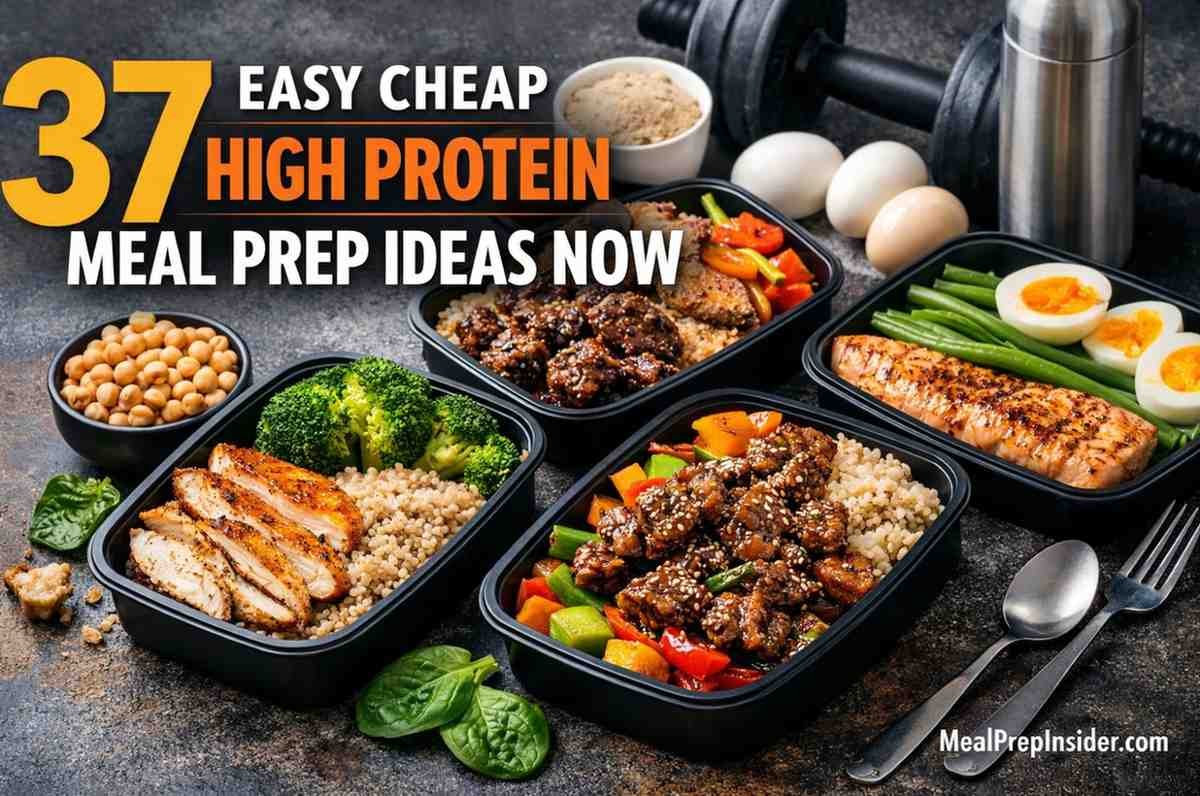
Easy cheap high protein meal prep makes everything easier when you’re trying to save money and build muscle at the same time. You wake up hungry. Your wallet’s looking thin. And you still need to hit those protein goals.
Sound familiar?
Most people think eating high protein means draining their bank account on fancy cuts of meat and expensive protein powders. That’s just not true. The reality is you can prep protein-packed meals for pennies on the dollar if you know what you’re doing.
This isn’t about eating plain chicken breast seven days a week.
We’re talking real food. Meals you’ll look forward to eating. Recipes that won’t bore you to tears by Wednesday.
Ready to transform how you eat without transforming your budget into dust? Let’s get into it.
Why High Protein Meal Prep Changes Everything
Protein does more than build muscle. It keeps you full longer than carbs or fats. That means fewer trips to the vending machine. Less money wasted on takeout when hunger hits at 3 PM.
When you prep meals ahead of time, you control exactly what goes into your body. No hidden sugars. No mystery ingredients. Just solid nutrition that supports your goals.
The average American spends over $3,000 yearly on dining out. Meal prepping cuts that number dramatically.
Here’s what happens when you commit to protein-focused meal prep:
- Your grocery bills drop by 30-50%
- You stop wasting food that goes bad in your fridge
- Decision fatigue disappears because your meals are ready
- Your energy levels stay consistent throughout the day
- Muscle recovery improves if you’re training
How Much Protein Do You Really Need
Before we jump into recipes, let’s clear something up.
The recommended daily allowance sits at 0.8 grams per kilogram of body weight. That’s the bare minimum to prevent deficiency. If you’re active, trying to build muscle, or working on body composition, you need more.
Most experts suggest 0.7-1 gram per pound of body weight for active individuals. A 150-pound person would aim for 105-150 grams daily.
That might sound like a lot. It’s surprisingly manageable when you spread it across prepared meals.
The Secret to Cheap Protein Sources
Forget the expensive stuff. These protein sources deliver maximum nutrition for minimum cash:
Eggs: About 6 grams of protein each, costs around $0.15-$0.25 per egg, depending on your location.
Canned tuna: Roughly $1 per can, packs 20+ grams of protein.
Chicken thighs: Often half the price of breasts, more flavor, still protein-dense.
Ground turkey: Versatile and cheaper than most cuts of meat.
Greek yogurt: Store brands offer the same protein as name brands for less.
Cottage cheese: Underrated and affordable, about 14 grams per half cup.
Lentils and beans: The vegetarian protein champions, costing mere cents per serving.
Tofu: Incredibly cheap when bought in bulk, approximately 10 grams per half cup.
Canned chicken: Pre-cooked convenience without the premium price.
Protein powder on sale: Watch for deals and buy in bulk when prices drop.
The trick is buying what’s on sale and building your prep around those deals.
37 High-Protein Meal Prep Ideas That Won’t Break the Bank
Breakfast Options
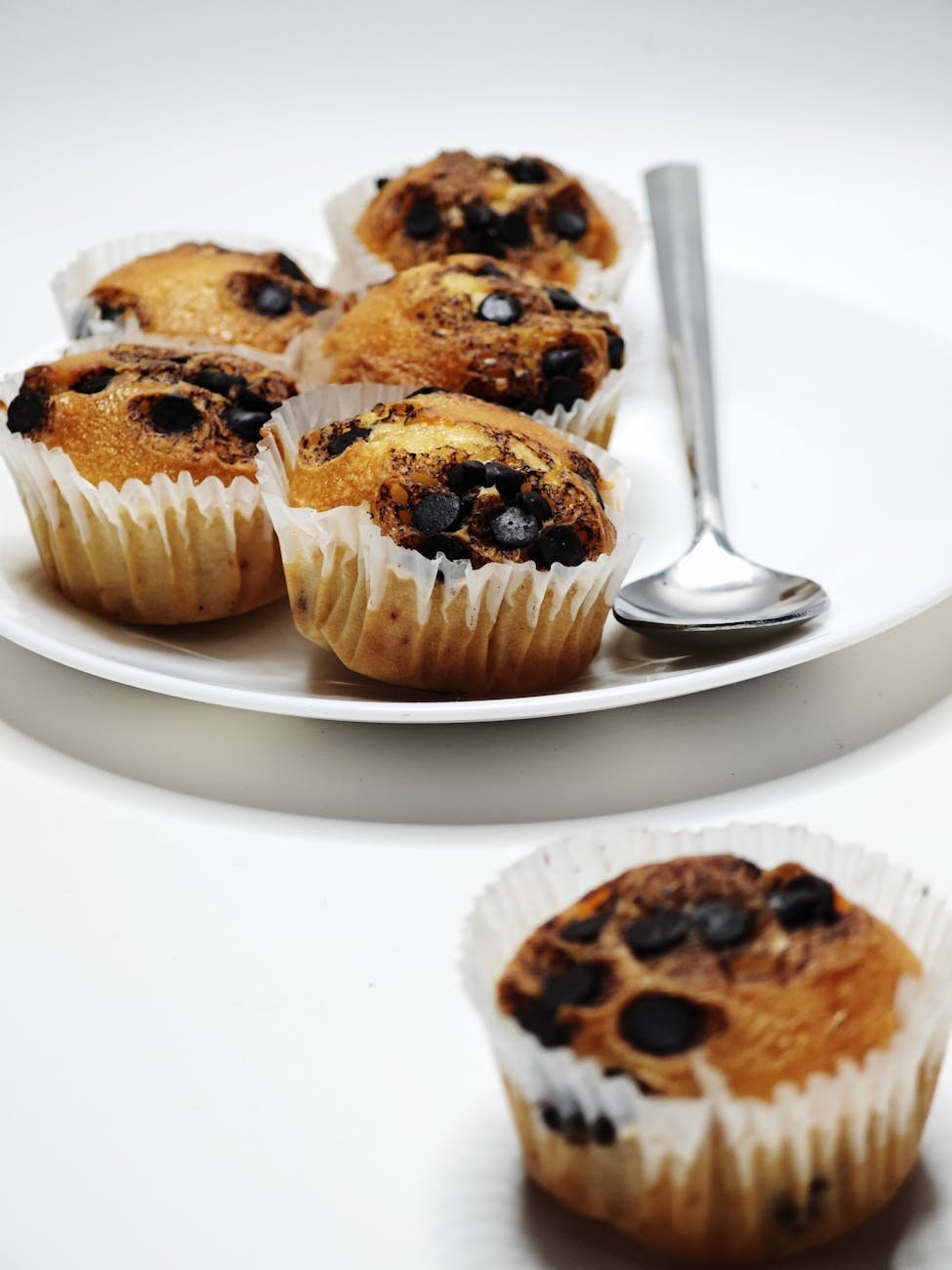
1. Egg Muffin Cups
Whisk a dozen eggs with diced peppers, onions, and turkey sausage. Pour into muffin tins. Bake at 350°F for 20 minutes. Each muffin delivers about 8 grams of protein. Make a batch on Sunday, grab two each morning.
2. Overnight Protein Oats
Mix oats with Greek yogurt, protein powder, and milk the night before. Top with berries. You’re looking at 25+ grams of protein without turning on the stove.
3. Cottage Cheese Pancakes
Blend cottage cheese, oats, and eggs. Cook like regular pancakes. Freeze in batches. Pop them in the toaster when needed. Each serving packs 20 grams of protein.
4. Turkey Bacon and Egg Burrito Wraps
Scramble eggs with turkey bacon and cheese. Wrap in whole wheat tortillas. Freeze individually. Microwave for 90 seconds. Breakfast solved.
5. Protein-Packed Chia Pudding
Chia seeds are soaked in protein-fortified milk overnight. Add protein powder if you want extra. Top with nuts. Simple, cheap, effective.
6. High-Protein Breakfast Cookies
Oats, protein powder, peanut butter, and mashed banana. Bake at 325°F for 15 minutes. Grab-and-go nutrition that tastes like dessert.
Lunch Champions
7. Mediterranean Chickpea Bowls
Roasted chickpeas seasoned with paprika and garlic. Serve over spinach with cucumbers, tomatoes, and a dollop of Greek yogurt. Vegetarian protein powerhouse for under $2 per serving.
8. Tuna Salad Lettuce Wraps
Mix canned tuna with Greek yogurt instead of mayo. Add diced celery and onions. Wrap in crisp lettuce leaves. Protein-dense and refreshing.
9. Ground Turkey Taco Bowls
Season ground turkey with taco spices. Prep with rice, black beans, salsa, and Greek yogurt. Each bowl delivers 35+ grams of protein.
10. Chicken Thigh Stir-Fry
Dice chicken thighs and stir-fry with frozen vegetable mix. Season with soy sauce and ginger. Serve over rice or cauliflower rice. Meal prep four portions in 30 minutes.
11. Lentil and Sausage Soup
Brown some turkey sausage, add lentils, diced tomatoes, and broth. Simmer for 40 minutes. Freezes beautifully and costs about $1.50 per generous serving.
12. Buffalo Chicken Stuffed Sweet Potatoes
Bake sweet potatoes. Shred canned chicken and mix with buffalo sauce. Stuff the potatoes and top with a bit of cheese. High protein, high satisfaction.
13. White Bean and Tuna Salad
Drain canned white beans and tuna. Mix with cherry tomatoes, red onion, lemon juice, and olive oil. Prep five servings in ten minutes flat.
Dinner Solutions
14. Sheet Pan Chicken and Vegetables
Chicken thighs with broccoli, bell peppers, and onions in one pan. Season everything. Roast at 425°F for 35 minutes. Divide into containers. Done.
15. Slow Cooker Salsa Chicken
Dump chicken breasts and salsa into your slow cooker. Cook on low for 6 hours. Shred and portion. Use in tacos, bowls, or salads all week.
16. Turkey Chili
Ground turkey, kidney beans, black beans, diced tomatoes, and chili powder. Simmer for an hour. Each bowl packs protein and fiber while costing less than restaurant coffee.
17. Baked Cod with Roasted Vegetables
When cod goes on sale, buy extra. Bake with lemon and garlic alongside roasted Brussels sprouts and carrots. Light, protein-rich, budget-friendly.
18. Protein-Loaded Spaghetti
Use lentil pasta or chickpea pasta for built-in protein. Add ground turkey to the marinara sauce. Top with cottage cheese instead of ricotta. Tastes indulgent, nutrition stats impressive.
19. Teriyaki Tofu and Broccoli
Press and cube tofu. Pan-fry until crispy. Toss with homemade teriyaki sauce and steamed broccoli. Vegetarian meal prep under $3 per serving.
20. Egg Roll in a Bowl
Ground pork or turkey cooked with coleslaw mix, soy sauce, ginger, and garlic. All the flavor of egg rolls without the wrapper. High protein, low carb, super cheap.
Snacks and Sides
21. Hard-Boiled Eggs
The most basic option is often the best. Boil a dozen eggs. Peel and store. Grab two for an instant 12-gram protein boost.
22. Protein Energy Balls
Mix oats, protein powder, peanut butter, and honey. Roll into balls. Refrigerate. Each one gives you 5-7 grams of protein and costs pennies.
23. Roasted Chickpeas
Drain canned chickpeas. Toss with olive oil and seasonings. Roast at 400°F until crispy. Crunchy, satisfying, protein-packed.
24. Greek Yogurt Parfaits
Layer Greek yogurt with granola and frozen berries in mason jars. Prep five at once. Breakfast, snack, or dessert sorted.
25. Turkey Roll-Ups
Deli turkey rolled with cheese and mustard. Super simple. Surprisingly satisfying. About 15 grams of protein per serving.
26. Cottage Cheese and Fruit Bowls
Portion cottage cheese into containers. Add pineapple or berries. Sweet, protein-rich, and ready when hunger strikes.
One-Pot Wonders
27. Instant Pot Chicken and Rice
Chicken thighs, rice, chicken broth, and frozen vegetables. Pressure cook for 12 minutes. Perfectly cooked protein and carbs together.
28. Skillet Beef and Beans
Brown ground beef with canned pinto beans, salsa, and taco seasoning. Serve over rice or eat as-is. Prep time under 20 minutes.
29. Sausage and Lentil Skillet
Slice turkey sausage and cook with lentils, diced tomatoes, and spinach. One pan, tons of protein, minimal cleanup.
30. Tuna Noodle Casserole
Mix canned tuna with whole wheat pasta, frozen peas, and a simple white sauce. Bake and portion. Nostalgic comfort food that hits protein targets.
RELATED POST >> High Protein Meal Prep on a Budget for Under $5 a Day
International Flavors
31. Greek Chicken Bowls
Marinate chicken in lemon juice, garlic, and oregano. Grill or bake. Serve with cucumbers, tomatoes, olives, and tzatziki made from Greek yogurt.
32. Korean Beef Bowls
Ground beef seasoned with soy sauce, sesame oil, ginger, and a touch of brown sugar. Serve over rice with steamed vegetables. Restaurant flavor, meal prep prices.
33. Mexican Shredded Chicken
Season chicken breasts with cumin, chili powder, and lime. Slow cook until shreddable. Use for enchiladas, burrito bowls, or quesadillas all week.
34. Indian-Spiced Lentils
Cook lentils with curry powder, turmeric, and coconut milk. Serve over rice. Vegetarian protein that tastes exotic but costs next to nothing.
Cold Meal Prep Options
35. Chicken Caesar Salad Jars
Layer dressing at the bottom, then romaine, grilled chicken, and parmesan. Shake when ready to eat. Stays fresh for days.
36. Protein Pasta Salad
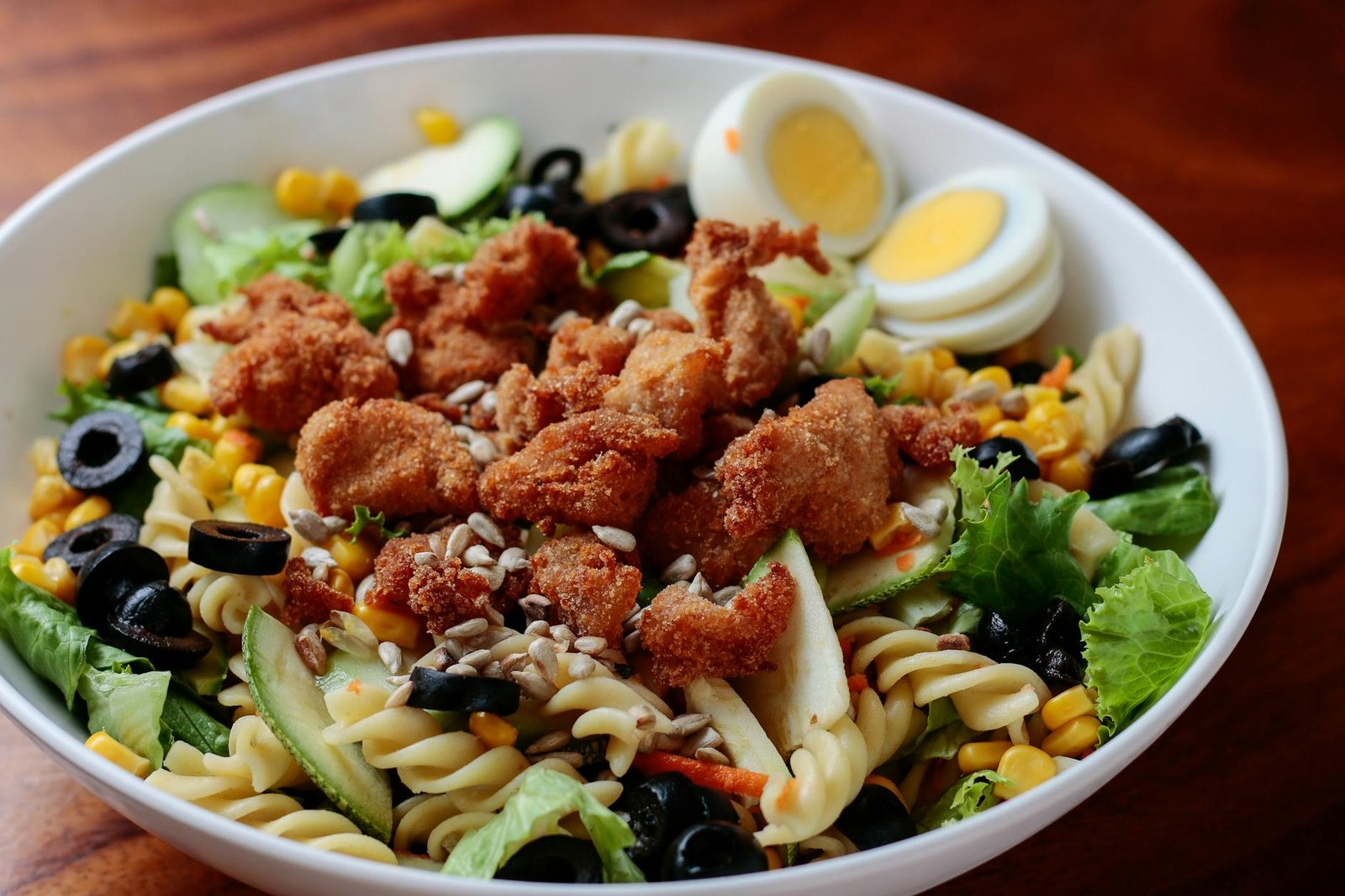
Chickpea pasta with diced chicken, cherry tomatoes, mozzarella, and Italian dressing. Delicious, cold, and loaded with protein.
37. Quinoa Power Bowls
Quinoa (complete protein on its own) topped with black beans, corn, avocado, and lime-cilantro dressing. Add grilled chicken for an extra protein punch.
Smart Shopping Strategies for Protein on a Budget
Buy what’s marked down. Seriously. Grocery stores discount meat nearing its sell-by date. It’s perfectly safe to buy, prep, and freeze immediately.
Stock up during sales. When chicken drops to $1.99 per pound, buy ten pounds. Freeze what you won’t use this week.
Compare unit prices. Store brands often contain identical products for 30% less. Your muscles don’t care about fancy packaging.
Shop seasonally. Certain proteins go on sale during specific times. Turkey around Thanksgiving. Eggs after Easter.
Join loyalty programs. Many grocery chains offer digital coupons for protein sources.
Buy whole chickens and break them down yourself. You’ll save $2-3 per pound and learn a valuable skill.
Consider alternative cuts. Chicken thighs instead of breasts. Pork shoulder instead of chops. Chuck roast instead of sirloin. All deliver protein for less.
Meal Prep Containers That Make Sense
Don’t overthink this part.
Glass containers last forever but cost more upfront. Plastic is cheaper and lighter, but it can stain. Both work fine.
Invest in a few different sizes:
- Large containers for full meals
- Medium ones for sides or snacks
- Small compartmentalized boxes for variety
Mason jars work great for salads, overnight oats, and parfaits.
Silicone muffin cups make portioning easy and cleanup simple.
Freezer bags save space when containers run out.
How to Actually Stick With Meal Prep
Start small. Don’t prep 21 meals your first week. Begin with lunches only. Add breakfast when you’re comfortable. Then tackle dinners.
Prep ingredients, not just full meals. Pre-cook proteins, chop vegetables, and portion snacks. Mix and match throughout the week.
Theme your days. Taco Tuesday uses the same seasoned meat in different forms. Stir-fry Friday rotates proteins with the same vegetable mix.
Keep a rotation of 5-7 favorite recipes. You don’t need endless variety. You need food you’ll eat.
Batch cook proteins separately from sides. Grilled chicken tastes better when paired with freshly steamed vegetables than one sitting together for four days.
Schedule your prep time. Sunday afternoon works for most people. Find what fits your life.
Common Pitfalls People Encounter
Prepping foods you don’t enjoy: Just because it’s healthy doesn’t mean you should suffer. If you hate broccoli, choose green beans instead.
Making everything in one day: This leads to burnout. Prep proteins on Sunday, chop vegetables on Wednesday, bake breakfast items on Saturday.
Ignoring seasoning: Plain food gets abandoned by Thursday. Season generously. Your future self will thank you.
Forgetting to label containers: You think you’ll remember what’s what. You won’t. Date everything.
Choosing complicated recipes: Save the fancy cooking for dinner parties. Meal prep should be straightforward.
Storage Tips That Prevent Food Waste
Most cooked proteins last 3-4 days refrigerated. Freeze anything you won’t eat within that window.
Cool food completely before refrigerating. Hot food creates condensation, which breeds bacteria.
Store wet ingredients separately from crispy ones. Add dressing right before eating. Keep toppings in separate compartments.
Freeze individual portions flat in bags. They stack efficiently and thaw quickly.
Keep a permanent marker in your kitchen. Label everything with contents and date.
Budget Breakdown: What This Really Costs
Here’s what a week of high-protein meal prep actually runs:
| Item | Quantity | Approximate Cost |
|---|---|---|
| Eggs (2 dozen) | 24 eggs | $4.00 |
| Chicken thighs | 5 pounds | $7.50 |
| Ground turkey | 2 pounds | $6.00 |
| Canned tuna | 4 cans | $4.00 |
| Greek yogurt | 32 oz container | $4.50 |
| Cottage cheese | 24 oz container | $3.00 |
| Dried lentils | 1 pound | $1.50 |
| Black beans (canned) | 3 cans | $2.25 |
| Brown rice | 2 pounds | $2.00 |
| Frozen vegetables | 3 bags | $4.50 |
| Sweet potatoes | 3 pounds | $3.00 |
| Seasonal produce | Varies | $8.00 |
| Total | $50.25 |
This feeds one person high-protein meals for an entire week. That’s about $7.18 per day. Less than a single meal at most restaurants.
Scale up for families by multiplying recipes, not prices. Buying larger quantities often drops the per-serving cost even more.
Time-Saving Hacks for Busy People
Use your oven, stovetop, and slow cooker simultaneously. Cook three proteins at once in different appliances.
Embrace pre-cut vegetables when they’re on sale. Your time has value, too.
Buy rotisserie chicken. At $5-7 for a whole cooked bird, it’s often cheaper than raw chicken breasts and saves 45 minutes of cooking.
Double recipes. If you’re making chili, make twice as much. Freeze half.
Prep while watching TV. Chop vegetables during your favorite show. Time passes faster.
Clean as you go. Don’t leave a disaster for later. Wash that cutting board immediately.
Customizing for Dietary Preferences
For vegetarians: Focus on lentils, beans, tofu, tempeh, eggs, Greek yogurt, and cottage cheese. Protein powder in smoothies bridges gaps.
For keto followers: Emphasize eggs, chicken thighs, ground beef, cheese, and fatty fish. Skip the rice and beans, double the vegetables.
For dairy-free needs: Replace Greek yogurt with coconut yogurt. Use nutritional yeast instead of cheese. Emphasize meat, fish, and legume proteins.
For gluten-free requirements: Most of these recipes work as-is. Swap regular pasta for chickpea or lentil versions. Choose corn tortillas over flour.
The beauty of meal prep is flexibility. Adjust recipes to match your needs without abandoning the core concept.
Tracking Your Protein Without Obsessing
You don’t need to count every gram unless you’re competing in bodybuilding.
General awareness works for most people. Aim for a palm-sized portion of protein at each meal. That’s roughly 25-30 grams.
Use an app like MyFitnessPal for a week. You’ll quickly learn what portions hit your targets. Then stop tracking and rely on that knowledge.
Notice how you feel. Adequate protein keeps you satisfied between meals. Constant hunger often signals you’re not eating enough.
Frequently Asked Questions
How long does meal-prepped food stay good?
Cooked proteins last 3-4 days in the refrigerator. Some items, like hard-boiled eggs or yogurt parfaits, last up to a week. Freeze anything beyond four days.
Can I freeze all of these meals?
Most of them, yes. Dishes with high-water-content vegetables like cucumbers or lettuce don’t freeze well. Cooked proteins, grains, beans, and most casseroles freeze beautifully.
What if I get tired of eating the same thing?
Prep ingredients instead of complete meals. Cook three different proteins, two grain options, and various vegetables. Mix and match daily for variety.
How do I reheat meal-prepped food safely?
Microwave until steaming hot throughout (165°F internal temperature). Add a splash of water to prevent drying. Stovetop reheating works great for most dishes, too.
Is meal prep safe for my family with young kids?
Absolutely. It’s actually safer than last-minute cooking when you’re rushed. Just ensure proper storage temperatures and reheating. Kids often eat better when they see consistent, familiar foods.
Do I need expensive equipment to start?
Not at all. Basic pots, pans, a cutting board, and a knife are enough. A set of containers helps, but you can start with what you have. Even repurposed takeout containers work initially.
How do I meal prep without getting bored?
Rotate through different cuisines. Mexican one week, Asian the next, Mediterranean after that. Change your protein sources weekly. Vary your seasonings dramatically.
What’s the best day to meal prep?
Whatever day you’ll consistently do it. Sunday works for most people. Some prefer splitting prep between Sunday and Wednesday. Find your rhythm.
Can I build muscle on cheap protein sources?
Your muscles can’t tell the difference between expensive grass-fed beef and budget-friendly chicken thighs. Protein is protein. Consistency matters more than source quality.
How do I prevent meal prep burnout?
Don’t prep every single meal. Leave flexibility for spontaneous dinners or occasional eating out. Prep the meals that cause you the most stress, usually weekday lunches.
Are frozen vegetables as nutritious as fresh?
Often more so. They’re frozen at peak ripeness. Fresh vegetables sometimes sit for weeks before reaching your plate. Use frozen vegetables without guilt.
How much protein powder should I buy?
Start with a small container. Many people find whole food sources more satisfying. Use powder strategically for convenience, not as your primary protein source.
Your Next Steps
Pick three recipes from this list. Not ten. Not all of them. Three.
Check what’s on sale this week at your local grocery store. Adjust your recipe choices based on those deals.
Block two hours this weekend. Put it in your calendar like any other appointment.
Buy only what you need for those three recipes plus basic breakfast items.
Prep those meals. Store them properly. Eat them throughout the week.
Notice how much time and money you save. Pay attention to how you feel.
Next week, add one more recipe to your rotation.
That’s it. You don’t need perfection. You need progress.
High protein meal prep isn’t about restriction or eating boring food. It’s about making your life easier while supporting your health goals and keeping money in your pocket.
The best meal prep system is the one you’ll use consistently. Start simple. Stay flexible. Adjust as you learn what works for your schedule, your taste preferences, and your budget.
Your future self is already thanking you for taking this first step.
SUGGESTED POST >> 13 Easy Low Sodium Recipes for Back Sleepers: Be Less Puffy