11 Easy Zone Recipes for Side Sleepers: Reflux-Free Rest

Zone recipes for side sleepers combine nutrition with sleep science in ways most people never think about. Your sleeping position affects digestion, nutrient absorption, and how your body processes evening meals.
And if you’re one of the 74% of Americans who prefer sleeping on their side, what you eat for dinner could be secretly sabotaging your rest.
Here’s something wild: the foods you consume within four hours of bed directly impact lymphatic drainage on your dominant sleeping side. That pressure on your left or right side? It changes everything from acid reflux to how your body metabolizes magnesium.
Most sleep blogs tell you to avoid caffeine and eat lightly. Groundbreaking, right?
This isn’t that.
We’re talking about strategic meal composition calibrated specifically for lateral sleeping positions. These eleven recipes follow Zone diet principles—40% carbs, 30% protein, 30% fat—but they’re engineered for people who spend seven to nine hours with their shoulder pressed into a mattress.
The difference between eating random healthy food and eating strategically for your sleep position is like the difference between tossing on any pillow versus investing in proper cervical support.
Let’s fix your plate so your sleep position finally works with your body instead of against it.
Why Zone Recipes for Side Sleepers Matter More Than You Think
Side sleeping creates specific physiological conditions that demand dietary adjustments.
When you lie on your left side, you’re compressing organs differently than right-side sleepers. The stomach and pancreas shift. Digestive enzymes flow at altered angles. Your esophageal sphincter operates under different gravitational pressure.
Right-side sleepers face their own challenges. The liver gets compressed. Bile flow changes direction. Heart positioning shifts slightly, affecting circulation during rest.
Zone diet principles balance macronutrients to control insulin response, reduce inflammation, and maintain steady blood sugar. For side sleepers, these benefits multiply because stable blood sugar prevents those 2 AM wake-ups when your compressed digestive system struggles with poorly-timed glucose spikes.
Benefits of Zone-style eating for side sleepers include:
- Reduced acid reflux episodes during sleep
- Minimized shoulder and hip inflammation from pressure points
- Better lymphatic drainage on the compressed side
- Decreased nighttime bathroom trips
- More stable energy upon waking
- Reduced digestive discomfort in the preferred sleeping position
The magic happens when macronutrient ratios sync with your body’s positional needs.
Understanding the Zone Diet Framework for Better Sleep
Dr. Barry Sears developed the Zone diet around hormonal control through food.
Simple concept: every meal contains approximately 40% carbohydrates, 30% protein, and 30% healthy fats.
This ratio keeps insulin in a therapeutic zone. Not too high. Not too low. Just right for cellular inflammation control and optimal hormone signaling.
For side sleepers, this balance becomes crucial around dinnertime.
Heavy carbohydrate loads before bed spike insulin, then crash blood sugar overnight. Your body responds by releasing cortisol to stabilize glucose. That cortisol wakes you up. Then you’re staring at the ceiling at 3 AM, wondering why sleep feels impossible.
Meanwhile, your compressed digestive organs are working overtime to process that pasta bomb you ate.
Zone-balanced meals prevent this cascade. The protein and fat slow carbohydrate absorption. Blood sugar rises gently and stays stable for hours. Your pancreas doesn’t panic. Your adrenals stay quiet. You sleep through the night.
Zone Diet Macronutrient Breakdown:
| Macronutrient | Percentage | Purpose for Side Sleepers |
|---|---|---|
| Carbohydrates | 40% | Provides energy without glucose spikes that disrupt REM cycles |
| Protein | 30% | Supports muscle repair in pressure-point areas like shoulders and hips |
| Healthy Fats | 30% | Slows digestion, reduces inflammation, supports hormone production during sleep |
The timing matters just as much as the ratio.
Eating Zone-balanced meals three to four hours before bed gives your digestive system time to process food before you assume that side-lying position. This prevents the reflux, bloating, and discomfort that plague side sleepers who eat too close to bedtime.
Recipe #1: Mediterranean Baked Cod with Cauliflower Mash
This recipe delivers clean protein without the digestive heaviness that keeps side sleepers uncomfortable.
Cod is light, flaky, and digests easily, even when you’re lying on your side. The cauliflower provides low-glycemic carbohydrates that won’t spike insulin before bed. Olive oil brings anti-inflammatory fats that actively reduce shoulder and hip pain from sleeping pressure.
Ingredients:
- 6 oz wild-caught cod fillet
- 2 cups cauliflower florets
- 2 tbsp extra virgin olive oil
- 1 cup cherry tomatoes, halved
- 2 cloves garlic, minced
- 1/4 cup Kalamata olives, sliced
- 1 tbsp fresh lemon juice
- Fresh basil leaves
- Sea salt and black pepper
Preparation:
Preheat oven to 400°F. Steam cauliflower until tender, about 8 minutes. Mash with 1 tablespoon olive oil, salt, and pepper. Set aside.
Place cod in a baking dish. Surround with tomatoes, olives, and garlic. Drizzle remaining olive oil and lemon juice over everything. Season with salt and pepper.
Bake for 12-15 minutes until cod flakes easily with a fork.
Serve cod over cauliflower mash. Garnish with fresh basil.
Zone Balance: This meal hits the 40-30-30 ratio perfectly. The cod provides lean protein. Cauliflower and tomatoes deliver fiber-rich carbohydrates. Olive oil and olives supply monounsaturated fats.
Side Sleeper Bonus: The omega-3 fatty acids in cod reduce inflammation in compressed joints. You’ll notice less shoulder stiffness when you wake up.
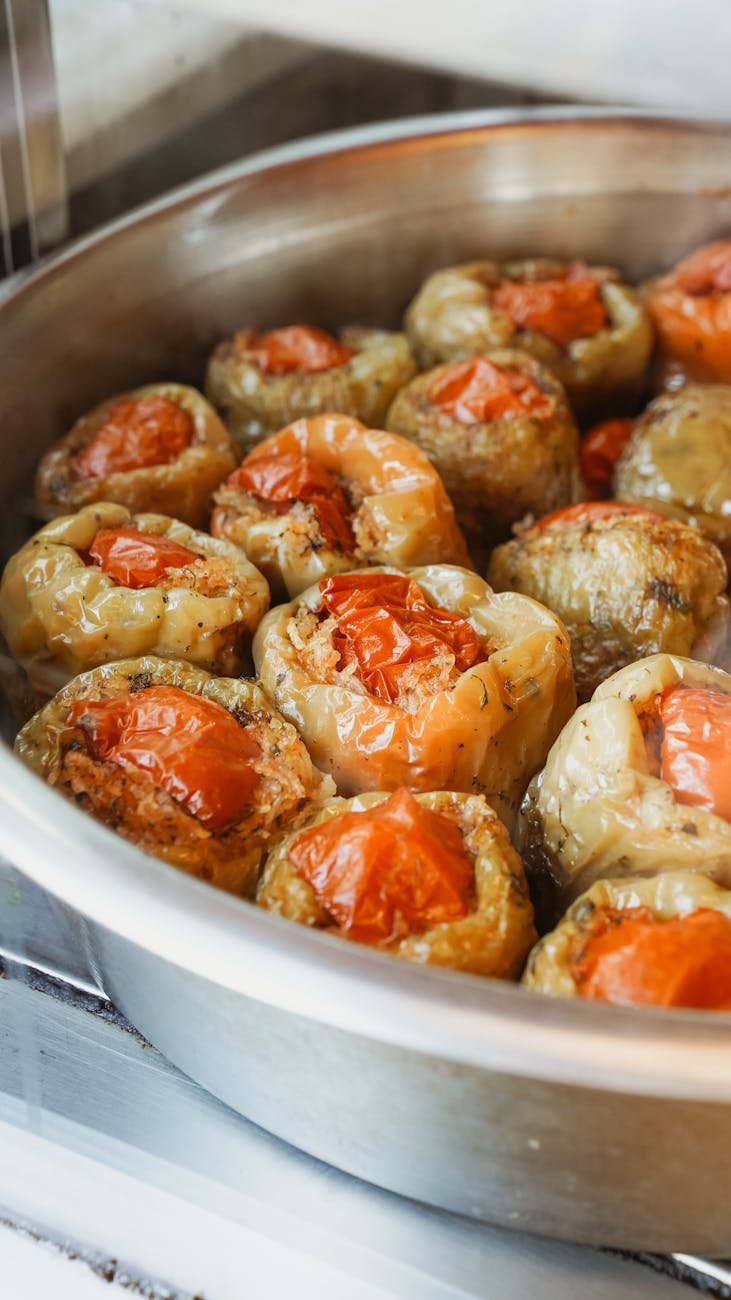
Recipe #2: Turkey and Spinach Stuffed Bell Peppers
Bell peppers are digestive champions for side sleepers.
Their structure holds together during cooking, creating neat portion-controlled servings. The fiber content supports gut motility without causing bloating when you lie down.
Ground turkey is lean enough to prevent that heavy, full feeling but substantial enough to keep you satisfied through the night.
Ingredients:
- 2 large bell peppers (any color)
- 5 oz lean ground turkey
- 2 cups fresh spinach, chopped
- 1/2 cup cooked quinoa
- 1/4 cup diced onion
- 1 clove garlic, minced
- 1 tbsp avocado oil
- 1/4 cup low-sodium chicken broth
- 1 tsp Italian seasoning
- 2 tbsp shredded mozzarella (optional)
Preparation:
Cut peppers in half lengthwise. Remove seeds and membranes.
Heat avocado oil in a skillet over medium heat. Cook the onion and garlic until fragrant, about 2 minutes. Add ground turkey, breaking it apart as it cooks.
Once the turkey is mostly cooked, add spinach and Italian seasoning. Stir until spinach wilts. Mix in cooked quinoa and chicken broth. Simmer for 3 minutes.
Fill pepper halves with turkey mixture. Place in a baking dish with 1/4 inch of water in the bottom. Cover with foil.
Bake at 375°F for 25 minutes. Remove foil, add cheese if using, and bake another 5 minutes.
Zone Balance: Quinoa and peppers provide complex carbs. Turkey delivers protein. Avocado oil adds healthy fats.
Side Sleeper Bonus: This meal’s moderate fiber content promotes morning regularity without causing nighttime digestive distress. The magnesium in spinach relaxes muscles around pressure points.
Recipe #3: Asian-Inspired Lettuce Wraps with Chicken
Lettuce wraps eliminate the bread bloat that makes side sleeping uncomfortable.
When you remove heavy starches from your evening meal, your midsection doesn’t expand with water retention and gas. That means less pressure on your compressed side when you sleep.
The ginger and garlic in this recipe actively improve digestion.
Ingredients:
- 6 oz ground chicken breast
- 8 large butter lettuce leaves
- 1/2 cup shredded carrots
- 1/4 cup sliced water chestnuts
- 2 green onions, sliced
- 1 tbsp fresh ginger, minced
- 2 cloves garlic, minced
- 1 tbsp coconut aminos
- 1 tsp rice vinegar
- 1 tbsp almond butter
- 1 tsp sesame oil
- Crushed peanuts for garnish
Preparation:
Heat sesame oil in a wok or large skillet over high heat. Add chicken, breaking it apart as it cooks.
Add ginger and garlic. Stir-fry for 1 minute.
Add carrots and water chestnuts. Cook for 2 minutes.
Mix coconut aminos, rice vinegar, and almond butter in a small bowl. Pour over the chicken mixture. Toss to coat.
Remove from heat. Stir in green onions.
Spoon mixture into lettuce leaves. Garnish with crushed peanuts.
Zone Balance: Chicken provides protein. Vegetables offer low-glycemic carbs. Almond butter, sesame oil, and peanuts deliver healthy fats.
Side Sleeper Bonus: The lack of heavy starches means your stomach stays relatively flat when compressed against the mattress. No uncomfortable bloating at 1 AM.
Recipe #4: Salmon and Asparagus Sheet Pan Dinner
Sheet pan meals are lifesavers for busy people who still want to sleep well.
Salmon contains more omega-3 fatty acids than almost any other common protein. These fats reduce inflammation throughout your body, including the shoulders and hips that bear your weight all night.
Asparagus is a natural diuretic that helps prevent fluid retention without causing midnight bathroom runs.
Ingredients:
- 6 oz wild salmon fillet
- 12 asparagus spears
- 1 cup Brussels sprouts, halved
- 2 tbsp olive oil
- 1 lemon, sliced
- 2 cloves garlic, minced
- 1 tsp dried dill
- Sea salt and black pepper
Preparation:
Preheat oven to 425°F. Line a baking sheet with parchment paper.
Arrange salmon in the center. Surround with asparagus and Brussels sprouts.
Drizzle olive oil over everything. Sprinkle with garlic, dill, salt, and pepper. Place lemon slices on salmon.
Roast for 15-18 minutes until salmon is cooked through and vegetables are tender with crispy edges.
Zone Balance: Salmon provides protein and healthy fats. Asparagus and Brussels sprouts deliver fiber-rich carbohydrates. Olive oil rounds out the fat content.
Side Sleeper Bonus: The B vitamins in salmon support melatonin production. The anti-inflammatory compounds reduce morning stiffness in compressed joints.
Recipe #5: Zucchini Noodle Pad Thai with Shrimp
Traditional Pad Thai is delicious but wreaks havoc on side sleepers.
The rice noodles cause blood sugar swings. The heavy sauce sits in your stomach. You feel bloated and uncomfortable when you try to sleep.
This version uses zucchini noodles. Same satisfying texture. None of the digestive drama.
Ingredients:
- 6 oz large shrimp, peeled and deveined
- 3 medium zucchini, spiralized
- 1/2 cup bean sprouts
- 2 eggs, beaten
- 2 green onions, chopped
- 2 tbsp almond butter
- 1 tbsp lime juice
- 1 tbsp coconut aminos
- 1 tsp fish sauce
- 1 clove garlic, minced
- 1/2 tsp red pepper flakes
- 1 tbsp coconut oil
- Crushed cashews and cilantro for garnish
Preparation:
Make sauce by whisking together almond butter, lime juice, coconut aminos, fish sauce, garlic, and red pepper flakes. Set aside.
Heat coconut oil in a large skillet or wok over medium-high heat. Add shrimp and cook until pink, about 3 minutes. Remove and set aside.
In the same pan, scramble the eggs. Remove and set aside with shrimp.
Add zucchini noodles to the pan. Stir-fry for 2-3 minutes until slightly softened but still crisp.
Return shrimp and eggs to the pan. Pour sauce over everything. Toss to combine. Add bean sprouts and green onions. Cook for 1 minute.
Garnish with crushed cashews and fresh cilantro.
Zone Balance: Shrimp delivers protein. Zucchini noodles provide low-glycemic carbs. Almond butter, coconut oil, and cashews supply healthy fats.
Side Sleeper Bonus: Zucchini’s high water content and low calorie density mean you get a full plate of food without the stomach distension that makes side sleeping uncomfortable.
Recipe #6: Greek Chicken Bowl with Cucumber Tzatziki
Bowl meals let you control portions precisely.
This matters for side sleepers because overeating—even healthy food—causes abdominal expansion that creates pressure when you’re lying on your side.
The probiotics in Greek yogurt support gut health, which directly affects sleep quality.
Ingredients:
- 6 oz chicken breast, grilled and sliced
- 1 cup mixed greens
- 1/2 cup cherry tomatoes
- 1/4 cup cucumber, diced
- 2 tbsp red onion, thinly sliced
- 1/4 cup chickpeas, roasted
- 2 tbsp Kalamata olives
- 1 tbsp feta cheese, crumbled
For Tzatziki:
- 1/4 cup plain Greek yogurt (2% fat)
- 1/4 cup cucumber, grated and squeezed dry
- 1 clove garlic, minced
- 1 tsp lemon juice
- 1 tsp fresh dill
- Salt and pepper
Preparation:
Make tzatziki by combining all sauce ingredients. Refrigerate while preparing the bowl.
Arrange greens in a bowl. Top with chicken, tomatoes, cucumber, red onion, chickpeas, and olives.
Drizzle tzatziki over the bowl. Sprinkle with feta cheese.
Zone Balance: Chicken provides lean protein. Chickpeas and vegetables offer complex carbs. Olive oil in dressing, olives, and feta contribute healthy fats.
Side Sleeper Bonus: The probiotics in Greek yogurt improve gut bacteria balance, which research shows directly correlates with deeper sleep and fewer nighttime awakenings.
Recipe #7: Herb-Crusted Pork Tenderloin with Roasted Root Vegetables
Pork tenderloin is criminally underrated for sleep-supportive dinners.
It’s lean enough to digest easily but rich enough to satisfy. The amino acid profile supports serotonin production, which your body converts to melatonin.
Root vegetables provide the slow-burning carbohydrates that keep blood sugar stable until morning.
Ingredients:
- 6 oz pork tenderloin
- 1 cup butternut squash, cubed
- 1/2 cup turnips, cubed
- 1/2 cup carrots, sliced
- 2 tbsp olive oil, divided
- 1 tbsp fresh rosemary, chopped
- 1 tbsp fresh thyme
- 2 cloves garlic, minced
- Sea salt and black pepper
Preparation:
Preheat oven to 400°F.
Toss vegetables with 1 tablespoon olive oil, salt, and pepper. Spread on a baking sheet.
Mix remaining olive oil with rosemary, thyme, garlic, salt, and pepper. Rub over pork tenderloin.
Place pork on the baking sheet with the vegetables.
Roast for 25-30 minutes until pork reaches 145°F internal temperature. Let rest for 5 minutes before slicing.
Zone Balance: Pork provides protein. Root vegetables deliver complex carbs. Olive oil supplies healthy fats.
Side Sleeper Bonus: The tryptophan in pork supports natural melatonin production. The vitamin A in butternut squash reduces inflammation in pressure-point joints.
Recipe #8: Egg Roll in a Bowl
This deconstructed egg roll gives you all the flavor without the fried wrapper that causes heartburn when you lie down.
Cabbage is one of the best vegetables for side sleepers. It’s low in calories but high in volume, so you feel satisfied without overeating. The fiber supports healthy digestion overnight.
Ingredients:
- 5 oz ground turkey or chicken
- 3 cups shredded cabbage
- 1 cup shredded carrots
- 2 green onions, sliced
- 2 cloves garlic, minced
- 1 tbsp fresh ginger, minced
- 2 tbsp coconut aminos
- 1 tbsp rice vinegar
- 1 tsp sesame oil
- 1 tbsp avocado oil
- Red pepper flakes to taste
- Sesame seeds for garnish
Preparation:
Heat avocado oil in a large skillet or wok over medium-high heat. Add ground meat, breaking it apart as it cooks.
Add garlic and ginger. Cook for 1 minute until fragrant.
Add cabbage and carrots. Stir-fry for 5-7 minutes until cabbage is tender but still has some crunch.
Mix coconut aminos, rice vinegar, and sesame oil in a small bowl. Pour over the mixture. Toss to coat.
Top with green onions, sesame seeds, and red pepper flakes.
Zone Balance: Ground meat provides protein. Cabbage and carrots offer low-glycemic carbs. Sesame oil and avocado oil deliver healthy fats.
Side Sleeper Bonus: The high fiber content promotes gut motility without causing gas or bloating. You’ll have comfortable digestion in any sleep position.
Recipe #9: White Bean and Tuna Salad
This no-cook meal is perfect for hot summer nights when you don’t want to heat up the kitchen.
Tuna provides high-quality protein that’s easy to digest. White beans offer resistant starch that feeds beneficial gut bacteria without causing digestive discomfort.
The Mediterranean-style preparation ensures balanced macronutrients.
Ingredients:
- 5 oz canned tuna in water, drained
- 3/4 cup white beans (cannellini), drained and rinsed
- 2 cups arugula
- 1/2 cup cherry tomatoes, halved
- 1/4 cup red onion, thinly sliced
- 2 tbsp olive oil
- 1 tbsp lemon juice
- 1 tsp Dijon mustard
- 2 tsp capers
- Fresh parsley
- Salt and black pepper
Preparation:
Whisk together olive oil, lemon juice, and Dijon mustard. Season with salt and pepper.
Combine arugula, tuna, white beans, tomatoes, and red onion in a bowl.
Pour dressing over salad. Toss gently to coat.
Top with capers and fresh parsley.
Zone Balance: Tuna delivers protein. White beans and tomatoes provide complex carbs. Olive oil supplies healthy fats.
Side Sleeper Bonus: The resistant starch in white beans improves insulin sensitivity overnight. You’ll wake up with better blood sugar control and more stable energy.
Recipe #10: Coconut Curry Chicken with Cauliflower Rice
Curry spices offer powerful anti-inflammatory benefits for side sleepers dealing with shoulder and hip pain.
Turmeric, the main ingredient in curry powder, reduces inflammatory markers that accumulate in compressed tissues during side sleeping.
Coconut milk provides medium-chain triglycerides that your body uses efficiently for overnight cellular repair.
Ingredients:
- 6 oz chicken breast, cubed
- 2 cups cauliflower rice
- 1/2 cup light coconut milk
- 1/2 cup bell pepper, diced
- 1/4 cup onion, diced
- 1 clove garlic, minced
- 1 tbsp curry powder
- 1/2 tsp turmeric
- 1/2 tsp cumin
- 1 tbsp coconut oil
- 1/4 cup low-sodium chicken broth
- Fresh cilantro
- Lime wedges
Preparation:
Heat coconut oil in a large skillet over medium heat. Add chicken and cook until browned, about 5 minutes. Remove and set aside.
Add onion, bell pepper, and garlic to the pan. Sauté for 3 minutes.
Add curry powder, turmeric, and cumin. Stir for 30 seconds until fragrant.
Return chicken to the pan. Add coconut milk and chicken broth. Simmer for 10 minutes until the sauce thickens slightly.
Meanwhile, cook cauliflower rice in a separate pan for 5 minutes until tender.
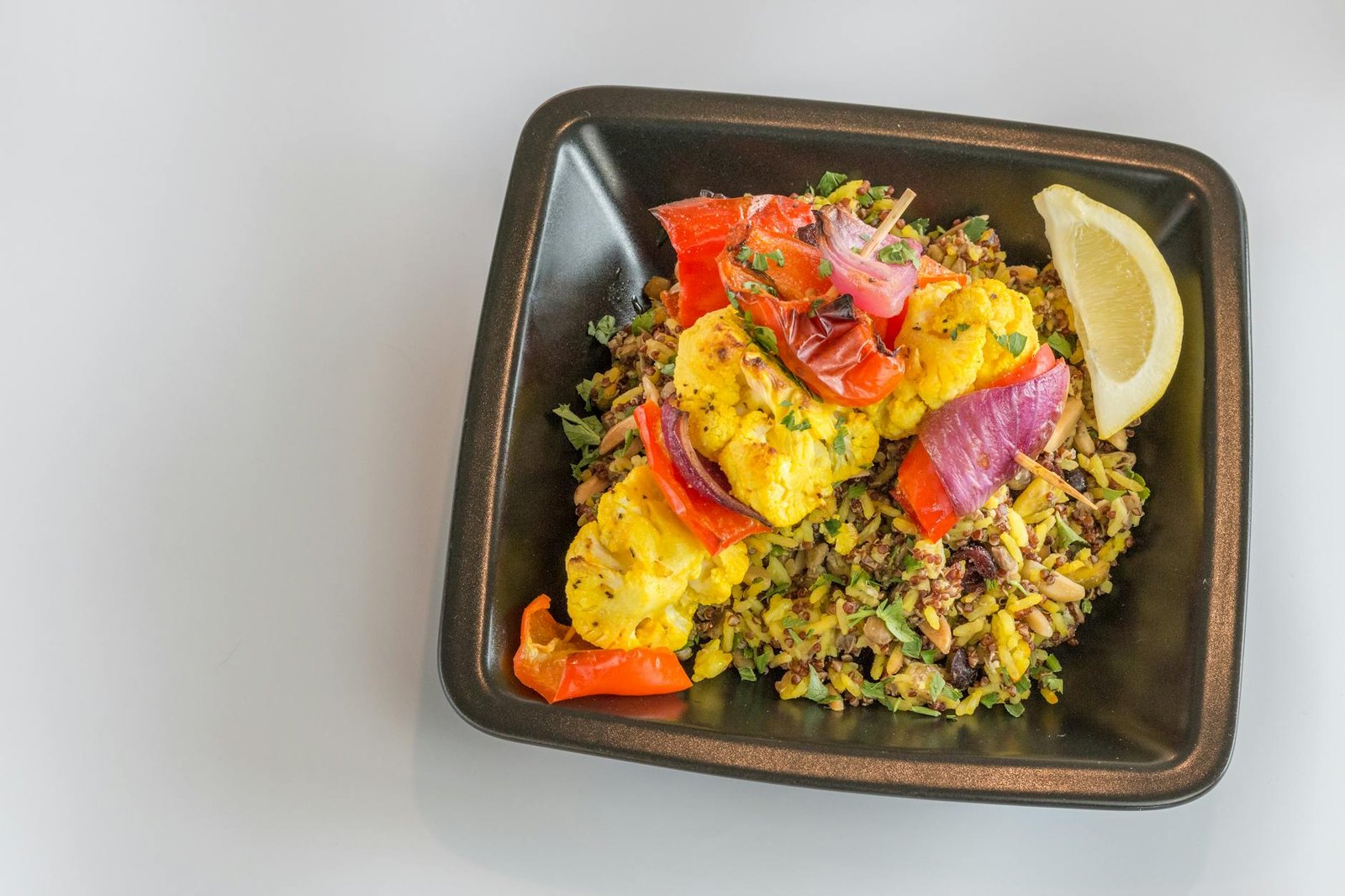
Serve curry over cauliflower rice. Garnish with cilantro and lime wedges.
Zone Balance: Chicken provides protein. Cauliflower rice and vegetables offer low-glycemic carbs. Coconut milk and coconut oil supply healthy fats.
Side Sleeper Bonus: The curcumin in turmeric specifically targets inflammation in joints and connective tissue. Regular consumption reduces morning stiffness in the shoulders and hips.
Recipe #11: Bison Burger Bowl with Sweet Potato Fries
Bison is leaner than beef but more flavorful than chicken.
It provides complete protein with less saturated fat, making it ideal for evening meals when you want satisfaction without digestive heaviness.
Sweet potatoes deliver complex carbohydrates that stabilize blood sugar through the night.
Ingredients:
- 5 oz ground bison
- 1 medium sweet potato, cut into fries
- 2 cups mixed greens
- 1/4 cup cherry tomatoes
- 2 tbsp red onion, sliced
- 1 tbsp olive oil
- 1 tsp smoked paprika
- 1/2 tsp garlic powder
- Salt and black pepper
For Sauce:
- 2 tbsp plain Greek yogurt
- 1 tsp Dijon mustard
- 1 tsp apple cider vinegar
Preparation:
Preheat oven to 425°F. Toss sweet potato fries with half the olive oil, smoked paprika, salt, and pepper. Spread on a baking sheet. Bake for 25-30 minutes, flipping halfway through.
Form a bison patty. Season with garlic powder, salt, and pepper. Cook in a skillet with remaining olive oil over medium-high heat, about 4 minutes per side.
Mix sauce ingredients.
Arrange greens in a bowl. Top with cooked bison (broken into pieces), sweet potato fries, tomatoes, and red onion.
Drizzle with sauce.
Zone Balance: Bison provides lean protein. Sweet potato and vegetables offer complex carbs. Olive oil and Greek yogurt contribute healthy fats.
Side Sleeper Bonus: The beta-carotene in sweet potatoes reduces oxidative stress in compressed tissues. The vitamin B6 supports natural melatonin synthesis.
RELATED POST >> 13 Easy Low Sodium Recipes for Back Sleepers: Be Less Puffy
Common Pitfalls to Avoid When Cooking for Better Sleep
Even with perfect recipes, execution matters.
Timing mistakes ruin otherwise perfect meals. Eating too close to bedtime forces your digestive system to work hard when it should be winding down. Aim to finish dinner at least three hours before sleep. This gives your body time to process food before you assume that side-lying position.
Portion control failures negate macro balance. You can have the perfect 40-30-30 ratio, but if you eat twice the recommended amount, you’ll still experience digestive discomfort. Side sleepers especially need to avoid overfilling the stomach.
Salt overuse causes fluid retention. When you’re lying on one side for hours, excess sodium leads to tissue swelling in compressed areas. Your shoulder feels puffy. Your hip aches more. Keep sodium under 2,300 mg daily, with most coming from whole foods rather than added salt.
Inadequate fat intake backfires. Some people trying to eat healthy drastically reduce fat. This throws off the Zone ratio and leads to hunger in the middle of the night. Your blood sugar crashes. You wake up. You raid the kitchen. Include those healthy fats.
Drinking too much liquid with dinner increases bathroom trips. Side sleepers already face more nighttime awakenings due to compressed bladder positioning. Limit fluids with meals to one glass. Do your main hydrating earlier in the day.
Rushing through meals causes poor digestion. Eating quickly means swallowing air and inadequately chewing food. Both lead to gas and bloating that make side sleeping uncomfortable. Take at least 20 minutes to finish dinner.
Ignoring individual food sensitivities creates problems. These recipes are generally well-tolerated, but if you know dairy, nightshades, or specific vegetables bother you, make substitutions. The macro ratios matter more than specific ingredients.
Customizing These Recipes for Left vs. Right Side Sleepers
Your dominant sleeping side creates specific considerations.
Left-sided sleepers compress the stomach and pancreas more directly. This position is generally better for digestion and heart function, but it can increase acid reflux in susceptible people. If you’re a left-side sleeper with reflux issues, emphasize these strategies:
- Choose lean proteins that digest quickly
- Reduce tomato-based recipes if they trigger symptoms
- Avoid garlic and onions in the last meal if they bother you
- Keep portions slightly smaller
- Consider elevating the head of your bed slightly
Right-sided sleepers put more pressure on the liver and can experience different digestive patterns. The pyloric sphincter (the valve between the stomach and the small intestine) is positioned such that right-side sleeping can actually slow gastric emptying. For right-side sleepers:
- Allow even more time between dinner and bed (four hours instead of three)
- Focus on easily digestible proteins like fish and poultry
- Include bitter greens like arugula to support liver function
- Consider recipes with ginger to aid digestion
Side-switching sleepers who alternate throughout the night have different needs. You get the benefits of both positions but also face the challenges of both. For you:
- Moderate portion sizes work best
- Balanced macro ratios become even more critical
- Focus on low-acid recipes to prevent reflux regardless of position
- Emphasize anti-inflammatory ingredients since you’re shifting pressure points
Meal Prep Strategies for Zone Recipes
Consistency matters more than perfection.
You won’t sleep better from one good meal. You’ll sleep better from weeks of properly timed, well-balanced dinners that support your side-sleeping position.
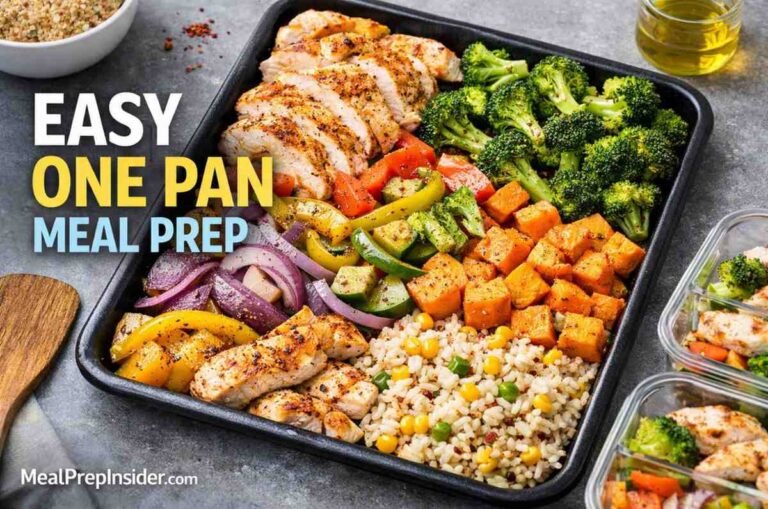
Batch cooking saves time and reduces decision fatigue. Prepare three or four recipes on Sunday. Portion them into containers. You now have ready-to-eat Zone-balanced meals for the week.
Pre-cut vegetables streamline weeknight cooking. Spend thirty minutes on Sunday chopping onions, bell peppers, and other vegetables. Store in glass containers. When you’re making dinner after work, half the prep is done.
Cook proteins in bulk. Grill several chicken breasts, bake multiple salmon fillets, or brown extra ground turkey. Properly stored, these stay fresh for four to five days. Mix and match with different vegetables and sauces for variety.
Invest in quality storage containers. Glass containers with tight lids keep food fresh and prevent flavor transfer. They’re also safer for reheating than plastic.
Label everything with dates. You think you’ll remember when you made that chicken. You won’t. Use masking tape and a marker to note the preparation date.
Freeze individual portions. Most of these recipes freeze well. Make double batches and freeze half. On busy nights, you have a homemade Zone-balanced meal ready in minutes.
Keep emergency Zone-balanced snacks available. Sometimes dinner gets delayed. Having hard-boiled eggs, cut vegetables with hummus, or pre-portioned nuts prevents you from making poor choices when hungry.
The Science Behind Eating for Side Sleep
Understanding why these strategies work makes you more likely to stick with them.
Your digestive system operates differently depending on body position. In upright positions, gravity assists digestion. Lying down changes everything.
Left-side sleeping generally improves digestion because of anatomical positioning. The stomach and pancreas hang naturally on the left side of your abdomen. When you lie on your left, the stomach’s natural curve and the pancreas’s position facilitate digestive enzyme secretion and food movement through your system.
Research published in the Journal of Clinical Gastroenterology found that left-side sleeping reduces acid reflux episodes compared to right-side sleeping. The gastroesophageal junction—where your esophagus meets your stomach—is positioned higher than stomach acid when you’re on your left side.
Right-sided sleeping can slow gastric emptying because of how the stomach curves. The pyloric sphincter sits on the right side of the stomach. When you lie on your right side, gravity works against efficient stomach emptying into the small intestine.
That said, right-sided sleeping offers benefits for heart health in certain populations. People with heart conditions often find right-sided sleeping more comfortable because it reduces direct pressure on the heart.
Zone diet principles amplify these positional benefits by controlling insulin response. Insulin is the master hormone for fat storage, inflammation, and hunger signaling. When you maintain the 40-30-30 macronutrient ratio, you:
- Prevent glucose spikes that trigger cortisol release during sleep
- Maintain steady amino acid availability for overnight muscle repair
- Provide essential fatty acids for anti-inflammatory processes
- Support consistent neurotransmitter production
The combination of proper body positioning and balanced macronutrient intake creates ideal conditions for restorative sleep.
Troubleshooting Sleep Issues Even with Perfect Nutrition
Sometimes you follow the recipes perfectly and still struggle.
Persistent reflux despite left-side sleeping and proper food choices might indicate underlying issues. Consider whether you:
- Have a hiatal hernia that requires medical attention
- Need to elevate your bed more (6-8 inches at the head)
- Should avoid eating any later than four hours before bed
- Might benefit from digestive enzymes or probiotics
Continued shoulder or hip pain suggests you need more than dietary changes. Evaluate your:
- Mattress age and quality (replace every 7-10 years)
- Pillow support (should keep spine aligned)
- Body weight distribution (adding a pillow between the knees helps)
- Stretching routine before bed (reduces muscle tension)
Frequent nighttime awakenings despite stable blood sugar might stem from:
- Sleep apnea (especially common in side sleepers)
- Anxiety or stress requiring different interventions
- Room temperature (should be 65-68°F for optimal sleep)
- Light exposure from devices or street lights
Morning stiffness that doesn’t improve could indicate:
- Inflammatory conditions requiring medical evaluation
- Need for a different pillow or mattress type
- Benefit from evening stretching or yoga
- Inadequate overall anti-inflammatory nutrient intake
Don’t expect food alone to fix every sleep problem. These Zone recipes for side sleepers create optimal conditions for rest, but they work best as part of a comprehensive sleep hygiene approach.
Beyond the Plate: Complementary Strategies for Side Sleepers
Great nutrition sets the foundation. Other habits complete the picture.
Strategic hydration timing prevents nighttime bathroom trips. Drink most of your water before 6 PM. Sip minimally with dinner. Stop entirely two hours before bed. You’ll stay hydrated without disrupting sleep.
Movement after dinner aids digestion without interfering with rest. A gentle fifteen-minute walk helps your body process your meal. Avoid intense exercise within three hours of bedtime, but light movement is beneficial.
Consistent meal timing regulates circadian rhythms. Eating dinner at roughly the same time each evening syncs your digestive system with your sleep schedule. Your body learns when to produce digestive enzymes and when to wind down.
Stress management directly affects digestion and sleep quality. Chronic stress increases cortisol, which disrupts both processes. Consider meditation, deep breathing, or journaling as part of your evening routine.
Temperature regulation matters for side sleepers, especially. The arm and leg you’re lying on can get warm and uncomfortable. Keep your room cool. Use breathable bedding. Consider a cooling mattress pad.
Proper pillow positioning enhances the benefits of good nutrition. Place a pillow between your knees to maintain spinal alignment. Use a supportive pillow under your head that keeps your neck neutral, not bent upward or downward.
Consistent sleep schedule amplifies everything else. Going to bed and waking at the same times—even on weekends—reinforces healthy circadian rhythms. Your digestive system, hormone production, and sleep architecture all benefit.
Making These Recipes Work for Your Life
Theory is useless without practical application.
Start with three recipes that appeal most to you. Make them this week. Notice how you feel. Track your sleep quality, morning stiffness, and digestive comfort.
Don’t try to overhaul everything at once. Change is sustainable when it’s gradual.
Once those three recipes feel easy and natural, add two more. Before you know it, you’ll have a rotation of healthy, sleep-supportive meals that require minimal thought or effort.
Adjust portion sizes based on your body size and activity level. The recipes provided work for average adults, but a 6’2″ construction worker needs more food than a 5’4″ office worker. Maintain the 40-30-30 ratio but scale up or down as needed.
Be flexible with ingredients. Don’t have asparagus? Use green beans. Out of cod? Try halibut. The macro balance matters more than specific foods.
Involve your household in the process. When everyone eats similar meals, you avoid the stress of cooking multiple dinners. Most of these recipes appeal to a wide range of preferences.
Track your progress. Keep a simple journal noting what you ate and how you slept. Patterns emerge. You’ll discover which recipes work best for your unique body.
Remember that progress isn’t linear. Some nights you’ll sleep perfectly. Others will be rough. Over time, with consistent Zone-balanced nutrition timed appropriately for your side-sleeping position, you’ll trend toward better rest.
FAQs About Zone Recipes and Side Sleeping
How long before bed should I finish eating these Zone recipes?
Aim for three to four hours before sleep. This gives your body sufficient time to move food through the stomach and into the small intestine before you lie down. If you must eat closer to bedtime, choose the lighter recipes like the Mediterranean cod or tuna salad.
Can I eat these recipes if I’m not trying to lose weight?
Absolutely. The Zone diet isn’t primarily a weight-loss program. It’s designed to control inflammation and optimize hormonal responses. These recipes support better sleep regardless of weight goals. Adjust portion sizes to maintain your current weight if that’s your objective.
What if I switch sleeping positions throughout the night?
Most people have a dominant sleeping position where they spend the majority of the night. Follow recommendations for that position. If you truly split time 50-50 between left and right, focus on the general guidelines: balanced macros, proper timing, moderate portions, and easily digestible ingredients.
Are these recipes suitable for vegetarians?
Several are already vegetarian (stuffed peppers, white bean salad can be modified). Others can be adapted by swapping animal proteins for plant-based options like tempeh, tofu, or additional legumes. Maintain the protein content to preserve the Zone ratio.
Will these recipes help with sleep apnea?
They may help indirectly if weight loss occurs, since obesity is a major sleep apnea risk factor. However, sleep apnea requires medical treatment. These recipes support overall sleep quality but aren’t a cure for apnea. Consult your doctor about proper treatment.
How strict do I need to be with the 40-30-30 ratio?
You don’t need to be obsessive. Getting close to these ratios provides benefits. Aim for roughly 40% of calories from carbs, 30% from protein, and 30% from fat. Use a food tracking app for a few days to calibrate your portions, then you’ll develop an intuitive sense.
Can I prep these recipes for the whole week?
Most store well for four to five days. Fish recipes are best consumed within two days. Meals with fresh greens should have those stored separately and added just before eating to prevent wilting. The coconut curry, stuffed peppers, and egg roll bowl all keep excellently.
What if I experience digestive discomfort from these recipes?
Individual tolerances vary. If a specific recipe causes problems, eliminate it and try others. Common culprits include cruciferous vegetables for some people, garlic and onions for others, or dairy products. Substitute freely while maintaining macro balance.
Do I need to eat these specific portions, or can I adjust for my size?
The portions shown work for average adults (around 150-180 pounds). Larger individuals need more food; smaller individuals need less. Calculate your protein needs (about 0.5-0.7 grams per pound of body weight), then add carbs and fats to maintain the Zone ratio.
How quickly will I notice sleep improvements?
Some people notice changes within a few days. For others, it takes two to three weeks of consistent implementation. Factors like existing sleep debt, stress levels, and overall health affect how quickly you respond. Give it at least two weeks before deciding whether it’s working.
Can children eat these recipes?
The recipes are healthy and appropriate for children, though growing kids need different macro ratios than adults. Children generally need higher carbohydrate percentages. Consult with a pediatric nutritionist about appropriate ratios for your child’s age and activity level.
What’s the biggest mistake people make with Zone eating for sleep?
Eating too close to bedtime. Even perfect macro ratios won’t help if you eat and immediately lie down. The second biggest mistake is inadequate protein, which causes blood sugar instability overnight and disrupted sleep.
Your Next Steps Toward Better Sleep
You now have eleven recipes specifically designed for side sleepers following Zone diet principles.
Each one balances macronutrients to control insulin, reduce inflammation, and support stable blood sugar through the night. Each considers the unique digestive challenges that come with lateral sleeping positions.
Start tonight.
Choose one recipe that sounds appealing. Shop for ingredients tomorrow. Make it for dinner, finishing at least three hours before your bedtime.
Notice how you feel when you wake up.
Is your shoulder less stiff? Did you sleep through the night? Does your digestion feel calmer?
One meal won’t transform your sleep forever. But one meal starts the pattern.
Then another meal. And another.
Within weeks, you’ll have established a new relationship with evening nutrition. Your body will recognize these signals: balanced macros mean stable blood sugar. Proper timing means comfortable digestion. Anti-inflammatory ingredients mean less morning stiffness.
Your sleep position—that thing you’ve been doing unconsciously for years—will finally work with your nutrition instead of against it.
The side of you that spends seven to nine hours compressed against a mattress will thank you with better rest, more energy, and less pain.
That’s the real promise of Zone recipes for side sleepers.
Not perfection. Not instant transformation. But steady, measurable improvement in how you feel when you wake up.
Which is exactly what you’ve been searching for.
SUGGESTED POST >> 13 Easy Raw Food Recipes for Back Sleepers: No-Bloat Diet
Discover more from Meal Prep Insider
Subscribe to get the latest posts sent to your email.