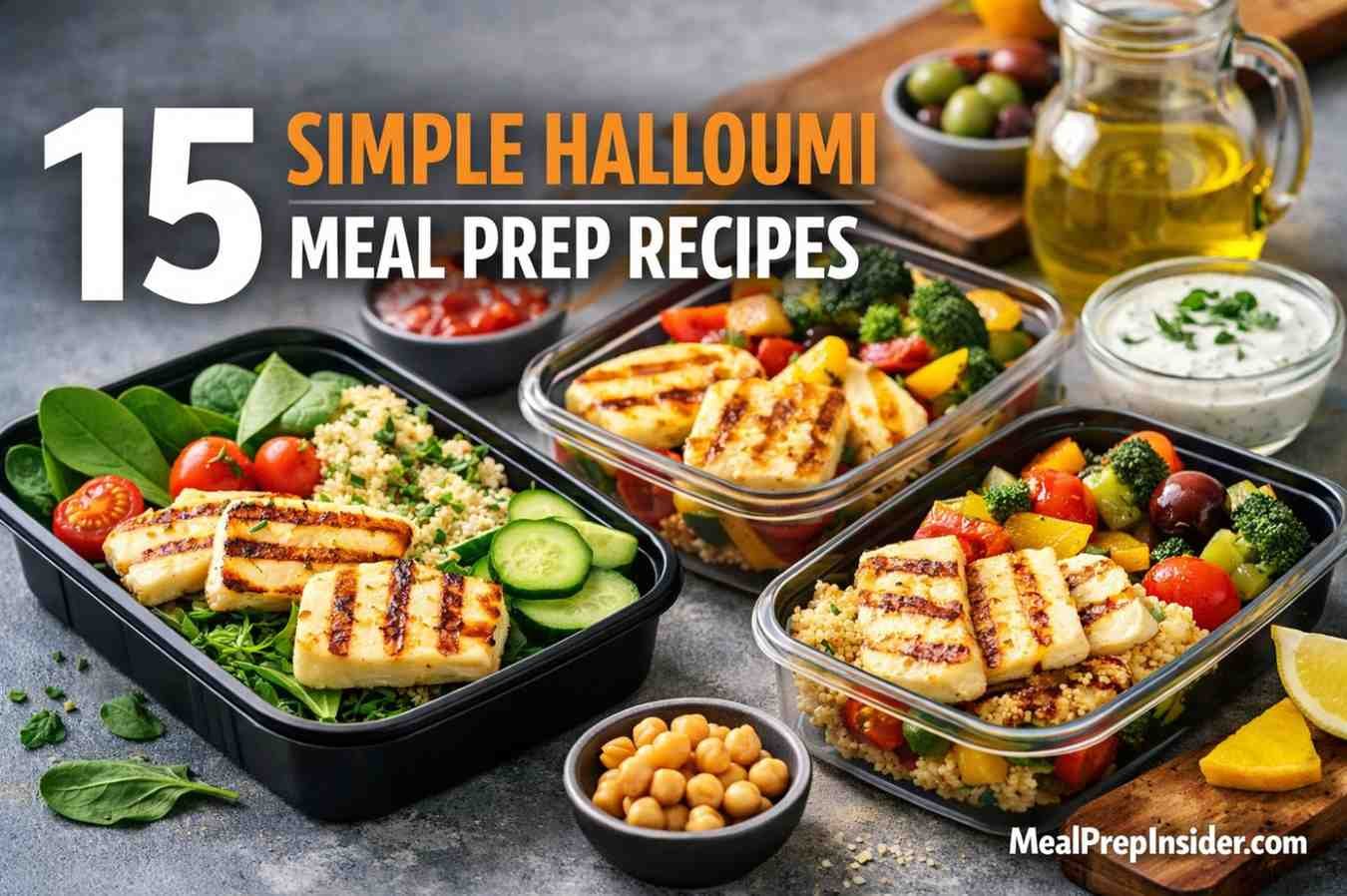
15 Simple Halloumi Meal Prep Recipes: Easy, Quick, & Crispy

Halloumi meal prep recipes have completely transformed the way busy Americans approach their weekly cooking routine. This squeaky, salty cheese from Cyprus doesn’t just taste incredible—it actually holds up better than most ingredients when you prep it ahead of time.
Unlike feta or mozzarella that turn sad and watery, halloumi maintains its texture and becomes your secret weapon for lunches that don’t bore you to tears by Wednesday.
I discovered this cheese during a particularly chaotic period in my life. Between work deadlines and trying to maintain something resembling a social life, I was spending way too much money on mediocre takeout. A friend mentioned halloumi, and honestly, I thought she was making up words. One trip to Trader Joe’s later, and my meal prep game changed forever.
The beauty of halloumi lies in its versatility. You can grill it, pan-fry it, bake it, or even air-fry it. It doesn’t melt into a puddle like regular cheese. Instead, it gets this gorgeous golden crust while staying firm inside. For meal preppers, this is gold.
Why Halloumi Works Perfectly for Meal Prep
Most cheeses don’t survive the refrigerator test. They get rubbery, separate, or develop weird textures that make you question your life choices. Halloumi actually thrives in meal prep containers.
The high melting point means you can reheat your meals without ending up with cheese soup. The firm texture holds up against other ingredients instead of dissolving into them. And that distinctive salty flavor? It intensifies slightly over a day or two, making your meals taste even better midweek.
Here’s what makes halloumi special for American meal preppers:
- Stays fresh for 5-7 days when properly stored
- Reheats beautifully without becoming rubbery
- Works across multiple cuisines (Mediterranean, Asian fusion, American)
- Provides substantial protein (about 7 grams per ounce)
- Requires minimal seasoning due to natural saltiness
- Creates satisfying meals for vegetarians and meat-eaters alike
The US cheese industry has caught on. You’ll now find halloumi at Whole Foods, Trader Joe’s, Costco, and even regular supermarkets. Some brands have started making it domestically, which brings the price down from “special occasion cheese” to “weekly meal prep staple.”
How to Prep and Store Halloumi Properly
Before we dive into the recipes, let’s talk storage. I learned this the hard way after ruining an entire batch of prepped meals.
Pat your halloumi completely dry after cooking. Any excess moisture creates condensation in your containers, making everything soggy. Nobody wants soggy halloumi.
Store cooked halloumi separately from wet ingredients when possible. If your recipe includes tomatoes, cucumbers, or dressings, pack them in separate compartments or small containers. Combine everything when you’re ready to eat.
Glass containers work better than plastic for halloumi. The cheese can pick up plastic flavors during longer storage. Mason jars, glass meal prep containers, or even repurposed pasta sauce jars all work great.
For uncooked halloumi, keep it in its original brine until you’re ready to use it. Once opened, it stays good for about a week. Some people make their own brine with salt water, but honestly, that’s more effort than necessary.
15 Simple Halloumi Meal Prep Recipes
1. Mediterranean Grain Bowl with Grilled Halloumi
This bowl has gotten me through more hectic weeks than I can count. The combination of nutty grains, crisp vegetables, and golden halloumi creates something restaurant-worthy.
Ingredients:
- 2 cups cooked quinoa or farro
- 8 oz halloumi, sliced and grilled
- 2 cups cherry tomatoes, halved
- 1 cucumber, diced
- 1/2 red onion, thinly sliced
- 1 cup chickpeas, roasted
- Fresh parsley
- Lemon tahini dressing
Cook your grains according to package directions and let them cool completely. Slice halloumi into half-inch slabs and grill them in a dry pan until golden brown on both sides, about 3 minutes per side. Roast chickpeas at 400°F with olive oil, salt, and cumin for 25 minutes.
Divide the grains among the four containers. Top with chickpeas and grilled halloumi. Pack vegetables and dressing separately. These bowls stay fresh for five days, and the flavors genuinely improve over time.
The trick here is getting a proper char on your halloumi. Don’t move it around in the pan too much. Let it sit and develop that crust.
2. Halloumi Breakfast Sandwich Prep
Who says meal prep has to be just lunch and dinner? These breakfast sandwiches have saved me from the drive-through line countless times.
Ingredients:
- 6 English muffins, toasted
- 6 oz halloumi, sliced thin
- 6 eggs
- Baby spinach
- Sliced tomatoes
- Pesto or sriracha mayo
Pan-fry halloumi slices until crispy. Scramble or fry eggs to your preference—I like mine over-medium for these. Toast English muffins lightly.
Assemble sandwiches with a layer of spinach, halloumi, egg, and tomato. Wrap each sandwich individually in parchment paper, then aluminum foil. Store in the refrigerator for up to four days.
Reheat in the oven at 350°F for about 15 minutes, or microwave for 90 seconds. The parchment prevents sticking, and the foil keeps everything together.
These changed my mornings. Instead of scrambling around hungry and stressed, I grab one from the fridge and actually start my day like a functional human.
3. Sheet Pan Halloumi and Vegetables
Sheet pan meals are the MVP of meal prep. Everything cooks together, the cleanup is minimal, and you feel like you’ve got your life together.
Ingredients:
- 8 oz halloumi, cubed
- 2 bell peppers, chunked
- 1 zucchini, sliced
- 1 red onion, cut into wedges
- 1 cup cherry tomatoes
- 2 cups broccoli florets
- Olive oil, oregano, garlic powder
Here’s the thing about roasting halloumi: it needs higher heat than vegetables. So we’re going to stage this.
Preheat oven to 425°F. Toss vegetables with olive oil and seasonings. Spread on a sheet pan and roast for 15 minutes. Add halloumi cubes to the pan and roast for another 10 minutes.
The vegetables get caramelized and tender while the halloumi develops crispy edges. Divide into four containers with your choice of grains or just eat the vegetables and cheese together.
This recipe is incredibly forgiving. Use whatever vegetables you have. The concept works with sweet potatoes, Brussels sprouts, cauliflower, or asparagus.
4. Halloumi Taco Bowls
Taco Tuesday becomes Taco Every Day when you prep these bowls. The halloumi replaces meat so perfectly that even my carnivore friends don’t complain.
Ingredients:
- 10 oz halloumi, crumbled and pan-fried
- 2 cups black beans, seasoned with cumin and chili powder
- 2 cups cooked rice or cauliflower rice
- Corn kernels
- Shredded lettuce
- Diced tomatoes
- Avocado (add fresh)
- Salsa and sour cream
Crumble halloumi into small pieces and cook in a dry skillet with taco seasoning until crispy. It takes on a texture remarkably similar to chorizo.
Layer rice, beans, and halloumi in containers. Pack lettuce, tomatoes, and corn separately. Add fresh avocado before eating.
The halloumi absorbs the taco seasoning, creating these incredible, crispy bits that make each bite interesting. You’re not just eating the same texture throughout.
5. Asian-Inspired Halloumi Stir-Fry Bowls
This recipe proves halloumi isn’t limited to Mediterranean flavors. The salty cheese works beautifully with soy sauce and ginger.
Ingredients:
- 8 oz halloumi, cubed
- Mixed stir-fry vegetables (snap peas, carrots, bell peppers, baby corn)
- 2 cups cooked rice noodles or jasmine rice
- Garlic and ginger, minced
- Soy sauce, sesame oil, rice vinegar
- Green onions, sesame seeds
Pan-fry halloumi cubes until golden, then set aside. In the same pan, stir-fry your vegetables with garlic and ginger. Add sauce ingredients and toss everything together with the halloumi.
Portion over rice or noodles. These bowls keep well for four days. The flavors meld together overnight, creating something that tastes like you ordered takeout.
One mistake people make here is overcooking the vegetables. Keep them slightly crisp. They’ll soften a bit during storage anyway.
6. Halloumi Greek Salad Jars
Mason jar salads were trendy a few years ago, but they genuinely work for meal prep if you layer correctly.
Ingredients:
- 8 oz halloumi, grilled and cubed
- Cucumber, diced
- Cherry tomatoes, halved
- Red onion, thinly sliced
- Kalamata olives
- Bell peppers
- Feta cheese (yes, cheese with cheese)
- Greek dressing
Here’s the layering order from bottom to top: dressing, cucumbers, tomatoes, onions, olives, peppers, halloumi, feta, lettuce. The dressing stays at the bottom, preventing soggy greens.
When you’re ready to eat, shake the jar to distribute the dressing and dump it into a bowl. These stay crisp for five days.
The double cheese situation might seem excessive, but the creamy feta contrasts perfectly with the firm halloumi. It creates texture variation that makes salads actually enjoyable.
7. Halloumi and Roasted Red Pepper Wraps
Sometimes you need something you can eat with one hand while answering emails. These wraps deliver.
Ingredients:
- 6 large whole wheat tortillas
- 8 oz halloumi, sliced and grilled
- Roasted red peppers (jarred works fine)
- Baby spinach or arugula
- Hummus
- Sliced red onion
- Balsamic glaze
Spread hummus generously on each tortilla. Layer spinach, halloumi, roasted peppers, and onion. Drizzle with balsamic glaze. Wrap tightly in parchment paper.
These stay good for three days. Beyond that, the tortillas start getting soggy despite your best efforts.
The parchment paper trick makes these portable. Peel it back as you eat, and your hands stay clean. Revolutionary for desk lunches.
8. Halloumi and Sweet Potato Hash
This breakfast-for-dinner situation works any time of day. Sweet potatoes and halloumi create this sweet-salty combination that’s borderline addictive.
Ingredients:
- 2 large sweet potatoes, diced small
- 8 oz halloumi, cubed
- 1 bell pepper, diced
- 1 onion, diced
- Smoked paprika, cumin, garlic powder
- Optional: fried egg on top when serving
Cook sweet potatoes in a large skillet with olive oil until tender, about 10 minutes. Add peppers and onions, cook another 5 minutes. Add halloumi and spices, cook until everything is golden.
Divide into four containers. Reheat and top with a fried egg if you’re feeling fancy. The runny yolk creates a sauce that brings everything together.
This recipe taught me that halloumi doesn’t always need to be the star. Sometimes it’s the supporting actor that makes everything else better.
9. Halloumi Caprese Bowls
Simple doesn’t mean boring. This five-ingredient meal proves it.
Ingredients:
- 8 oz halloumi, grilled
- Fresh mozzarella balls
- Cherry tomatoes, halved
- Fresh basil leaves
- Balsamic glaze
- Cooked pasta or crusty bread
Grill halloumi until golden. Toss tomatoes with a bit of salt to draw out their juices. Combine halloumi, mozzarella, tomatoes, and torn basil. Drizzle with balsamic glaze.
Serve over pasta for a complete meal, or with crusty bread for a lighter option. This keeps for three days—the tomatoes get too soft beyond that.
The combination of warm grilled halloumi and cool fresh mozzarella creates this temperature contrast that makes every bite interesting.
10. Halloumi Buddha Bowls
Buddha bowls are just an excuse to throw together random healthy ingredients and call it a meal. And honestly? That’s exactly what makes them perfect.
Ingredients:
- 8 oz halloumi, pan-fried
- 2 cups cooked quinoa
- Roasted chickpeas
- Shredded purple cabbage
- Grated carrots
- Cucumber slices
- Tahini dressing
The key to Buddha bowls is variety in texture and color. You want something crunchy (cabbage, carrots), something creamy (tahini), something satisfying (halloumi), and something hearty (quinoa).
Arrange ingredients in sections in your containers. It looks more appealing than everything mixed together. Pack dressing separately.
These bowls are extremely flexible. Swap ingredients based on what’s in your fridge. The halloumi remains the constant that ties everything together.
11. Halloumi Pesto Pasta Prep
Pasta meal prep gets a bad reputation because it can turn mushy. The trick is slightly undercooking it.
Ingredients:
- 12 oz pasta (penne or fusilli work best)
- 8 oz halloumi, cubed and pan-fried
- Pesto (homemade or store-bought)
- Cherry tomatoes, halved
- Pine nuts, toasted
- Baby spinach
Cook pasta until it’s just barely al dente, about a minute less than package directions. Drain and toss with a tiny bit of olive oil to prevent sticking.
Mix pasta with pesto, tomatoes, and spinach. The residual heat will slightly wilt the spinach. Top with halloumi and pine nuts. Divide into containers.
When you reheat this, the pasta finishes cooking and absorbs the pesto. The halloumi stays firm, creating pockets of salty, cheesy goodness throughout.
RELATED POST >> Top 8 Simple Goat Cheese Recipes: Big Flavor Delivery
12. Halloumi and Lentil Power Bowls
Lentils are an underrated meal prep ingredient. They’re cheap, nutritious, and incredibly filling.
Ingredients:
- 2 cups cooked lentils (brown or green)
- 8 oz halloumi, grilled and sliced
- Roasted vegetables (carrots, sweet potatoes, Brussels sprouts)
- Baby kale or spinach
- Lemon tahini dressing
Cook lentils according to package directions. Roast vegetables at 425°F until caramelized, about 25 minutes. Grill halloumi slices.
Layer lentils, vegetables, and greens in containers. Top with halloumi. Pack dressing separately.
The earthy lentils balance the salty halloumi perfectly. This combination keeps you full for hours without making you feel heavy.
13. Halloumi Fajita Bowls
Fajitas without the tortilla mess. All the flavor, less carbs if you’re into that.
Ingredients:
- 8 oz halloumi, sliced into strips
- 3 bell peppers, sliced
- 1 large onion, sliced
- Fajita seasoning
- Cooked rice or cauliflower rice
- Black beans
- Toppings: salsa, guacamole, cilantro
Sauté peppers and onions with fajita seasoning until slightly charred. In a separate pan, cook halloumi strips until golden.
Layer rice, beans, peppers, onions, and halloumi in containers. Pack wet toppings separately to maintain freshness.
The halloumi takes on the smoky fajita flavors while maintaining its signature squeak. It’s weird but wonderful.
14. Halloumi and Quinoa Stuffed Peppers
Stuffed peppers are an impressive meal prep. They look like you spent hours when you actually spent about 30 minutes.
Ingredients:
- 6 bell peppers, tops cut off and seeded
- 1.5 cups cooked quinoa
- 6 oz halloumi, crumbled
- 1 can diced tomatoes
- Spinach, chopped
- Italian seasonings
Mix quinoa, crumbled halloumi, tomatoes, spinach, and seasonings. Stuff into peppers. Place in a baking dish with a bit of water at the bottom. Cover with foil.
Bake at 375°F for 35 minutes. Remove foil and bake another 10 minutes.
Store in individual containers. These reheat beautifully and stay good for five days.
The peppers get tender and slightly sweet, contrasting with the salty halloumi filling. Each pepper is a complete meal.
15. Halloumi and Chickpea Curry Bowls
Ending with something warming and comforting. This curry proves halloumi works in completely unexpected contexts.
Ingredients:
- 8 oz halloumi, cubed
- 2 cans chickpeas, drained
- 1 can of coconut milk
- 1 can diced tomatoes
- Curry powder, turmeric, cumin
- Spinach
- Cooked rice
Pan-fry halloumi cubes until golden, set aside. In the same pot, sauté curry spices, add tomatoes, and coconut milk. Simmer for 10 minutes. Add chickpeas and spinach, cook until wilted.
Portion curry over rice in containers. Top with halloumi just before serving, or add it to the curry—your choice.
The halloumi softens slightly in the curry sauce but maintains enough structure to stay interesting. It’s like paneer but with more personality.
Frequent Pitfalls When Cooking Halloumi
Even experienced cooks sometimes mess up halloumi. Here’s what to avoid.
Oversalting: Halloumi is already salty. Taste before adding extra salt to your dishes. I’ve created inedible meals by automatically seasoning without accounting for the cheese.
Using too much oil: Halloumi releases its own fat when cooking. A dry pan or minimal oil works better than drowning it. Too much oil makes it greasy instead of crispy.
Cutting it too thin: Thin slices become tough and rubbery. Aim for a half-inch thickness minimum. This gives you a crispy exterior with a tender interior.
Not preheating your pan: Cold pan equals sad halloumi. Get your pan properly hot before adding the cheese. You want that immediate sizzle.
Overcooking: Yes, halloumi can overcook. It becomes tough and loses its characteristic squeak. Golden brown is perfect. Dark brown is overdone.
Storing it with wet ingredients: This bears repeating. Moisture is halloumi’s enemy in meal prep. Keep wet and dry ingredients separate until eating.
Shopping and Storage Tips for American Buyers
Finding halloumi in the US used to require specialty stores. Not anymore.
Trader Joe’s carries an affordable version year-round. Whole Foods stocks multiple brands, including organic options. Costco sometimes has it in its specialty cheese section—buy it when you see it because availability varies.
Regular grocery stores are increasingly stocking halloumi in the specialty cheese section, near feta and imported cheeses. If you don’t see it, ask. Many stores will order it if there’s demand.
Price ranges from about $5 to $10 for an 8-ounce package. The Trader Joe’s version hits the lower end of that range without sacrificing quality.
For storage, unopened halloumi keeps for months in the refrigerator. Once opened, use it within a week. Some people freeze halloumi, but the texture changes. It becomes crumblier, which works fine for some recipes but not for grilling.
If you’re meal prepping regularly with halloumi, buy multiple packages when it’s on sale. The long shelf life makes this feasible.
Making Halloumi Meal Prep Work for Your Schedule
The reality of meal prep is that Sunday afternoon doesn’t always work for everyone. I’ve found success with several different approaches.
The Sunday Power Hour: Cook everything in one session. This works if you have a free afternoon and want the rest of the week taken care of.
The Split Prep: Cook grains and proteins on Sunday, chop vegetables on Wednesday, and assemble fresh meals. This reduces the time commitment in one sitting.
The Rolling Prep: Make enough for 2-3 days, prep again mid-week. Food stays fresher, and you’re less likely to get bored with meals.
Find what fits your life. Meal prep shouldn’t add stress—it should remove it.
For halloumi specifically, I prefer cooking it the night before or the morning of eating. It stays good for days when prepped ahead, but freshly cooked halloumi hits differently. If you’re doing the split prep method, this works perfectly.
Nutritional Benefits of Halloumi in Your Meal Prep
Let’s talk nutrition without getting preachy. Halloumi isn’t a superfood, but it’s not junk either.
Each ounce contains roughly 90 calories, 7 grams of protein, and 7 grams of fat. It’s relatively high in sodium—about 300mg per ounce. If you’re watching salt intake, account for this.
The protein content makes it genuinely filling. Unlike carb-heavy meals that leave you hungry an hour later, halloumi-based meals maintain satiety.
It contains calcium, which most Americans don’t get enough of. One serving provides about 20% of your daily calcium needs.
Traditionally made from sheep and goat milk, many commercial versions use cow’s milk. If you’re lactose intolerant, halloumi typically contains less lactose than fresh cheeses due to its production method.
Vegetarians love halloumi because it provides substantial protein without meat. The texture is satisfying enough that you don’t feel like something’s missing.
Customizing These Recipes for Dietary Needs
Most of these recipes adapt easily to different dietary requirements.
Vegan: Use plant-based halloumi alternatives. Several brands now make convincing versions from nuts or soy.
Gluten-free: Swap regular pasta for gluten-free versions. Use corn tortillas instead of wheat. Most other ingredients are naturally gluten-free.
Low-carb: Replace grains with cauliflower rice or additional vegetables. The halloumi provides enough satisfaction that you won’t miss the carbs.
High-protein: Add chicken, turkey, or extra legumes alongside the halloumi. Double the halloumi if you’re really trying to hit protein goals.
Dairy-free: Obviously, halloumi itself contains dairy, but you can use the same cooking methods with firm tofu seasoned appropriately.
The fundamental meal prep techniques work regardless of the specific ingredients. Focus on the structure: protein, vegetables, grain or base, sauce or dressing.
The Real Cost of Halloumi Meal Prep
Halloumi costs more than cheddar. Let’s acknowledge that upfront. But compared to eating out or food delivery, it’s incredibly economical.
A typical meal prep session using halloumi costs about $6-8 per meal when you factor in all ingredients. Restaurant meals easily hit $12-20. Delivery adds another $5-10 in fees and tips.
Buy ingredients on sale when possible. Grains, legumes, and frozen vegetables stay good indefinitely. Stock up when prices drop.
Make large batches of staples like quinoa, rice, or roasted vegetables. Store in the fridge and use throughout the week across multiple recipes.
The time savings matter too. Would you pay $3-4 extra per meal to save an hour of cooking every night? Most of us would. That’s essentially what meal prep offers.
Getting Started This Week
If you’re new to halloumi meal prep, don’t try all fifteen recipes at once. That’s overwhelming and sets you up for burnout.
Pick two recipes that appeal to you. Shop for ingredients. Block out 90 minutes on your calendar. Cook both recipes and portion them into containers.
That gives you meals for most of the week from a single prep session. See how you feel. Adjust based on what worked and what didn’t.
The Mediterranean grain bowl and sheet pan vegetables are excellent starting points. Simple techniques, minimal ingredients, hard to mess up.
As you get comfortable, add complexity. Try the curry. Experiment with the Asian-inspired bowls. Build your rotation of favorites.
Meal prep is a skill. Like any skill, you get better with practice. Your first attempt might be clunky. Your tenth will feel effortless.
Frequently Asked Questions
Can you meal prep halloumi for a full week?
Technically, yes, but quality peaks around day five. The cheese stays safe to eat for a full week when stored properly, but texture and flavor are best in the first five days. If you’re prepping Sunday for the following Saturday, freshness might suffer toward the end.
Does halloumi need to be cooked before meal prepping?
Not necessarily, but cooked halloumi keeps better than raw for meal prep. Raw halloumi can become too firm in the fridge and won’t reheat well. Cooking it first ensures better texture when you reheat your meals.
Can you freeze meals with halloumi?
You can, but the texture changes noticeably. Frozen and thawed halloumi becomes crumblier and less squeaky. It still tastes fine, just different. If you’re freezing portions, recipes where the halloumi is mixed in (like the curry) work better than those where it’s a featured element (like the grain bowls).
What’s the best way to reheat halloumi meal prep?
Oven or stovetop reheating preserves texture better than microwave, but microwaving works fine if you’re at an office. For microwave reheating, use 50% power for twice as long rather than full power. This prevents the halloumi from becoming rubbery. Add a damp paper towel over the container to maintain moisture in other ingredients.
Is halloumi healthy for regular consumption?
Halloumi provides good protein and calcium, but is high in sodium and saturated fat. Enjoying it several times a week as part of a balanced diet works fine for most people. If you have high blood pressure or are watching sodium intake closely, consume it less frequently and pair it with low-sodium ingredients.
Can you eat halloumi cold in meal prep?
Absolutely. Cold grilled halloumi in salads or grain bowls tastes great. The texture firms up when cold, creating a nice contrast with crisp vegetables. Some people prefer it cold to reheated.
What’s a good halloumi substitute if I can’t find it?
Paneer comes closest in texture and behavior. Firm tofu works if you’re avoiding dairy. Regular cheeses won’t work—they’ll melt into a puddle. The high melting point is what makes halloumi unique and hard to substitute perfectly.
How do I know if my meal-prepped halloumi has gone bad?
Trust your nose. Bad halloumi smells sour or ammonia-like instead of pleasantly salty and milky. Visible mold obviously means toss it. Slimy texture is another bad sign. Properly stored halloumi should look and smell appealing even after five days.
Can kids eat halloumi in meal prep?
Most kids can eat halloumi, though the salty flavor might not appeal to all young palates. The squeaky texture is entertaining and might win over picky eaters. Watch sodium intake if preparing meals for children regularly. Some brands are less salty than others.
What containers work best for halloumi meal prep?
Glass containers with tight-fitting lids work best. They don’t retain odors or stains, can go from fridge to oven, and don’t leach chemicals. Portion sizes around 3-4 cups (24-32 ounces) fit most recipes perfectly. Divided containers help keep ingredients separated when needed.
Halloumi meal prep works because it solves the fundamental problem most people face: how to eat well when life gets busy. These fifteen recipes give you variety without requiring advanced cooking skills or exotic ingredients. Start simple, find what you like, and build from there. Your future self—the one grabbing lunch from the fridge instead of the drive-through—will thank you.
SUGGESTED POST >> Best AI Meal Prep Planner Available Now: Top 7 Explained
Discover more from Meal Prep Insider
Subscribe to get the latest posts sent to your email.