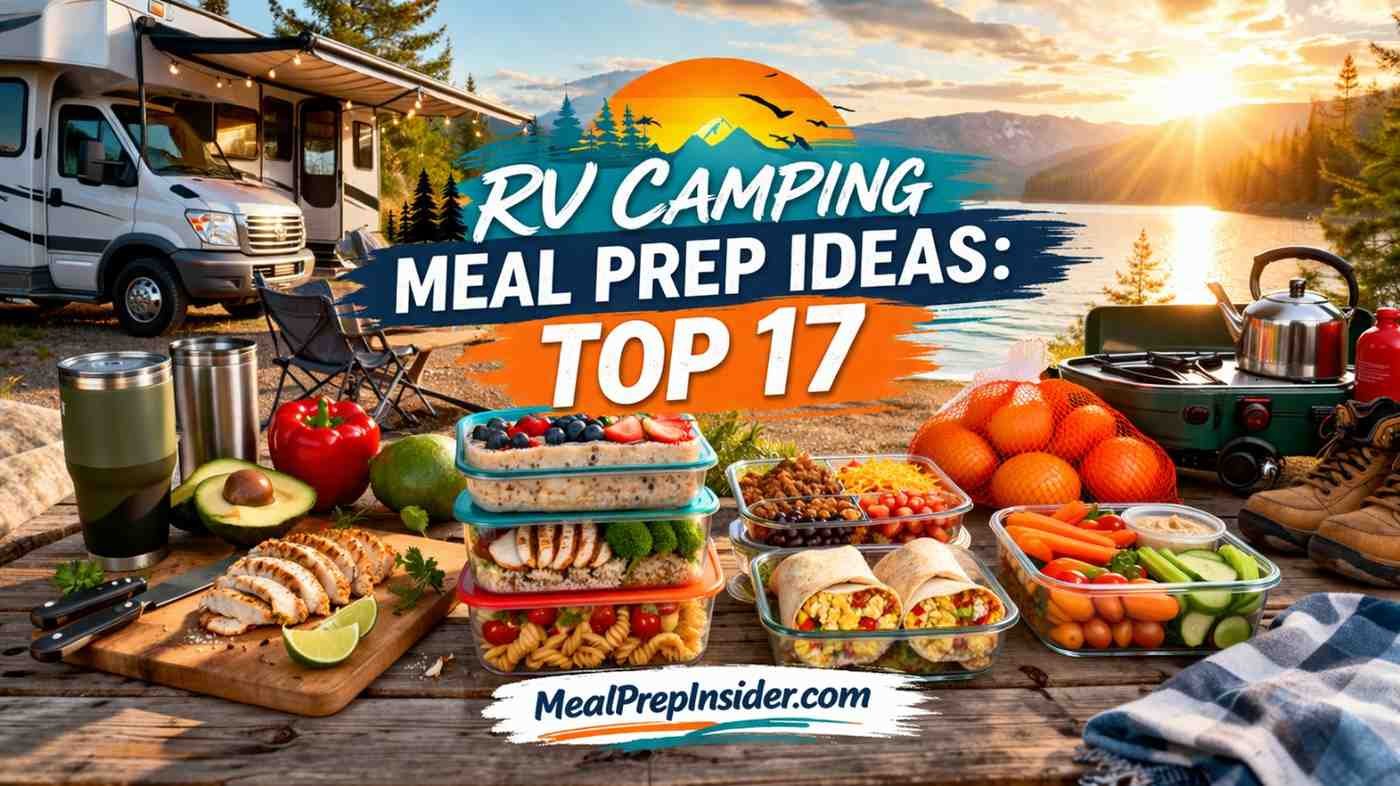
Easy RV Camping Meal Prep Ideas: Top 17 Road Trip Options

Easy RV camping meal prep ideas can transform your road trip from stressful to spectacular, and I learned this the hard way during a disastrous Memorial Day weekend in Moab, Utah.
My friend Sarah and I thought we’d just “figure it out” when we got there. Big mistake. We ended up eating sad gas station sandwiches while watching other campers enjoy home-cooked feasts. That weekend taught me everything about what NOT to do.
Here’s the thing about RV camping. You’ve got limited space, limited equipment, and honestly, you probably don’t want to spend your vacation slaving over a tiny stove.
But you also don’t want to survive on chips and beef jerky for a week.
The sweet spot? Meal prep done right before you leave home.
Why RV Camping Meal Prep Actually Matters
Let me paint you a picture. You’ve driven six hours through Arizona heat. You’re exhausted. The last thing you want to do is figure out dinner from scratch in a space the size of a closet.
That’s where prep work saves the day.
When you prepare meals ahead of time, you’re buying yourself freedom. Freedom to explore. Freedom to relax. Freedom to actually enjoy your vacation instead of stressing about what everyone’s eating next.
Plus, you’ll save serious money. Those cute mountain town restaurants? They’re charging $18 for a burger. Not exactly budget-friendly when you’re feeding a family of four for a week.
The Space Challenge
RV refrigerators are tiny. Like, really tiny.
Most standard RV fridges are about 8 cubic feet compared to your home’s 20+ cubic feet. You need to be strategic about what you bring and how you pack it.
This is where smart prep makes all the difference.
Planning Your RV Meal Prep Strategy
Before we jump into the actual meal ideas, let’s talk strategy. Because throwing random ingredients into coolers isn’t going to cut it.
I met this couple, Tom and Linda, at a campground in the Smoky Mountains last summer. They had this system down to a science. They’d been RVing for fifteen years, and their setup was beautiful.
Here’s what they taught me.
Start with your trip timeline. Count your days. Count your meals. Add one extra day of food just in case.
Consider your cooking equipment. Do you have a full kitchen? Just a two-burner stove? Planning to use campfire cooking? Your menu needs to match your reality.
Think about temperature. Foods that need constant refrigeration are risky if you’re boondocking without hookups. Plan accordingly.
Map out variety. Nobody wants to eat the same thing five nights in a row, no matter how delicious it is.
Creating Your Meal Calendar
I recommend creating a simple calendar before your trip. Nothing fancy. Just a grid showing what you’ll eat when.
| Day | Breakfast | Lunch | Dinner |
|---|---|---|---|
| Day 1 | Make-ahead breakfast burritos | Turkey wraps | Pre-made chili |
| Day 2 | Overnight oats | Leftover chili | Foil packet chicken |
| Day 3 | Pancake mix | Sandwiches | Taco night |
You get the idea.
This prevents the 4 PM panic when you realize you have no plan for dinner and the nearest grocery store is 30 miles away.
Top 17 Easy RV Camping Meal Prep Ideas
Now for the good stuff. These are tried-and-tested meals that work beautifully in an RV setting.
1. Make-Ahead Breakfast Burritos
These are absolute gold for RV camping.
Before you leave home, scramble some eggs, cook bacon or sausage, and add cheese, peppers, and whatever else you like. Wrap everything in large flour tortillas.
Wrap each burrito individually in foil and freeze them solid.
On the road, they’ll help keep your cooler cold as they thaw. When you’re ready to eat, just heat them up in a skillet or over the campfire.
My buddy Jake makes about 20 of these before every trip. His kids can grab one, heat it up, and he doesn’t have to cook breakfast every single morning.
That’s vacation.
2. Pre-Made Chili in Vacuum-Sealed Bags
Chili is perfect for RV camping. It’s hearty, everyone loves it, and it actually tastes better the second day.
Make a big batch at home. Let it cool completely. Portion it into vacuum-sealed bags and freeze flat.
These frozen flat bags stack beautifully in your RV freezer and thaw quickly. Just heat and serve with cornbread or crackers.
Pro tip: Make it a little spicier than normal. For some reason, food tastes blander at altitude and when you’re outdoors.
3. Foil Packet Meals
Here’s something fun. Foil packets are like little individual cooking vessels that clean themselves.
At home, prep your ingredients. Common combinations:
- Chicken breast, potatoes, green beans, butter, and Italian seasoning
- Sausage, peppers, onions, and olive oil
- Salmon, asparagus, lemon slices, and dill
- Ground beef, diced potatoes, carrots, and onions
Place everything on heavy-duty foil. Season well. Wrap tightly.
You can freeze these or just refrigerate them. When dinner time comes, throw them on the grill or in the campfire for 20-30 minutes.
Dinner with zero dishes? Yes, please.
4. Overnight Oats in Mason Jars
Breakfast shouldn’t be complicated when you’re camping.
Mix oats, milk (dairy or non-dairy), chia seeds, and your favorite mix-ins in mason jars. Popular combinations include:
- Peanut butter and banana
- Berries and honey
- Apple cinnamon
- Chocolate and almond
Make enough jars for each breakfast. They’ll last 4-5 days in the fridge.
Wake up, grab a jar, and eat. That’s it.
My sister Rachel swears by these. She’s got three kids under ten, and overnight oats mean nobody’s whining about breakfast while she enjoys her morning coffee.
5. Pre-Cooked and Shredded Chicken
This is your secret weapon for multiple meals.
Before your trip, cook a bunch of chicken breasts (I use the Instant Pot). Shred them. Season lightly with salt and pepper.
Vacuum seal or store in freezer bags.
Now you’ve got ready-to-go protein for:
- Tacos
- Quesadillas
- Chicken salad sandwiches
- Pasta dishes
- Salads
- Wraps
One ingredient, six different meals. That’s efficiency.
6. Homemade Pancake Mix in Bottles
This trick blew my mind when I first saw it.
Mix up your dry pancake ingredients at home. Pour the mix into squeeze bottles (like the ones for ketchup and mustard).
When you’re ready for pancakes, just add water or milk directly to the bottle. Shake it up. Squeeze the batter right onto your griddle.
No bowls. No whisks. No mess.
Seriously, why doesn’t everyone do this?
7. Taco Kit in a Bag
Taco night is always a hit, but gathering all those ingredients in a tiny RV kitchen is annoying.
Solve this by creating complete taco kits at home.
In one large bag or container, include:
- Pre-cooked ground beef or turkey (frozen in a flat bag)
- Shredded cheese in a zip-top bag
- Diced onions and peppers (prepped and sealed)
- Taco seasoning packet
- Tortillas or taco shells
- Salsa and sour cream
Everything you need for taco night in one grab-and-go package.
8. Soup in Vacuum-Sealed Portions
Similar to chili, soups are excellent for RV camping.
Make your favorite soup recipes at home. Good options include:
- Chicken noodle
- Potato soup
- Minestrone
- Beef stew
- Tortilla soup
Cool completely and freeze in individual portions. The flat vacuum-sealed bags thaw quickly and heat up in minutes.
I met a retired couple in Yellowstone who had literally 15 different soup varieties in their RV freezer. They ate soup for lunch every single day and never got bored.
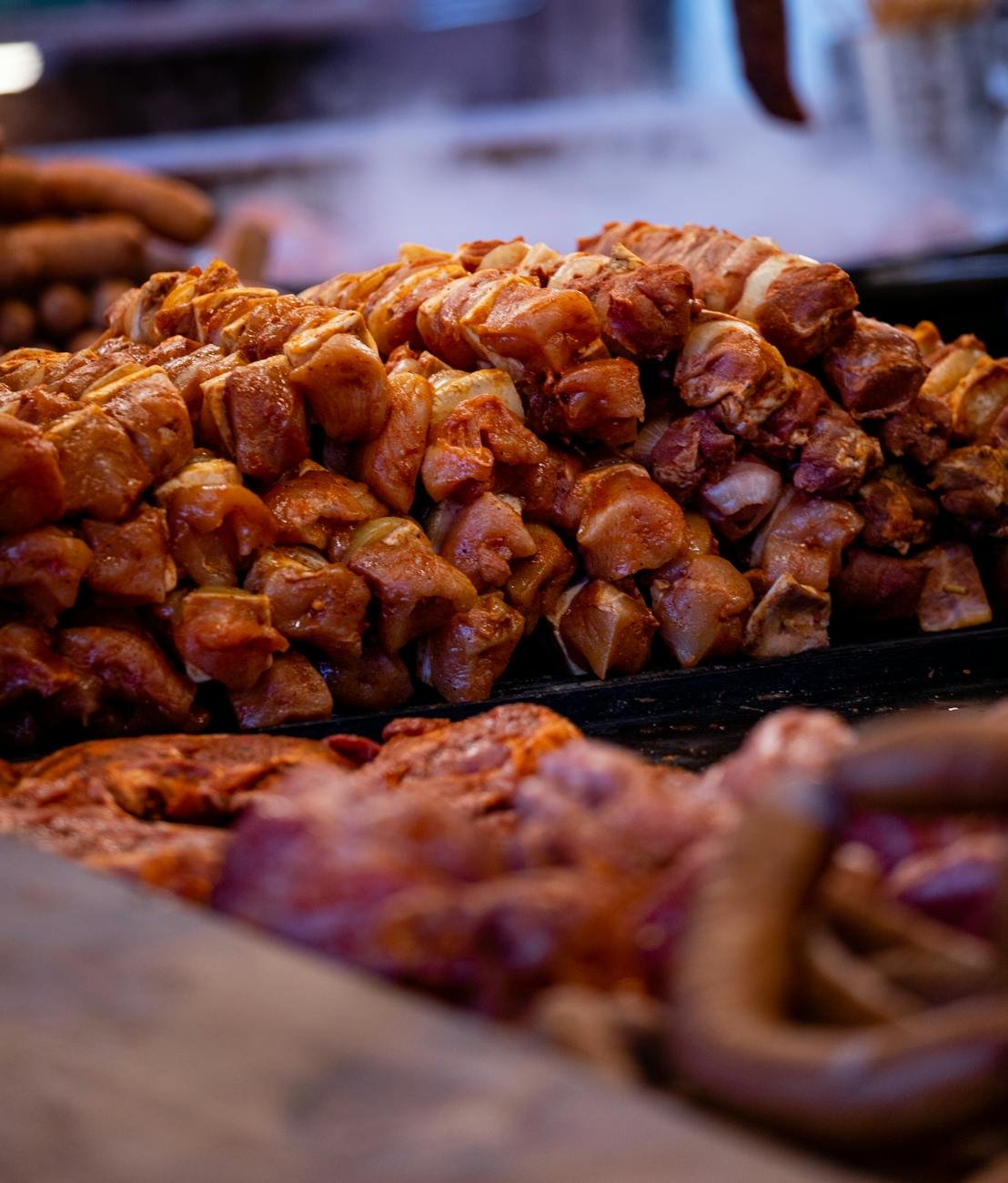
9. Pre-Marinated Meats
Marinating meat on the road is messy and time-consuming.
Do it at home instead.
Prep your marinades and meat combos in zip-top bags:
- Teriyaki chicken thighs
- Fajita-style beef strips
- Lemon herb pork chops
- BBQ ribs
Freeze the bags flat. As they thaw, the meat marinates. When you’re ready to cook, just throw them on the grill.
The flavor will be incredible because the meat has been soaking for days.
10. Energy Balls and Snack Packs
Between meals, everyone gets hungry. Especially when you’re hiking and being active all day.
Make no-bake energy balls at home:
- Oats, peanut butter, honey, and chocolate chips
- Dates, nuts, and coconut
- Protein powder, almond butter, and chia seeds
Roll them into balls. Store in containers.
Also prep individual snack bags with nuts, dried fruit, crackers, and cheese. Having these ready prevents unnecessary trips to overpriced camp stores.
11. Pasta Salad That Lasts
Pasta salad is RV camping gold because it doesn’t need to be heated, and it actually improves as it sits.
Make a big batch with:
- Rotini or penne pasta
- Cherry tomatoes
- Cucumbers
- Olives
- Mozzarella balls
- Italian dressing
- Salt, pepper, and Italian seasoning
This will last 5-6 days in your RV fridge and works as a side dish or light lunch.
12. Breakfast Sandwich Assembly Station
If your family has different breakfast preferences, this approach works well.
Pre-cook and pack separately:
- English muffins or bagels
- Cooked sausage patties or bacon
- Scrambled egg patties (cook them in mason jar rings for perfect circles)
- Cheese slices
Everyone can build their own breakfast sandwich exactly how they like it. Heat it up in a skillet for a minute, and you’re done.
13. One-Pot Pasta Kits
These are incredibly clever for RV cooking.
In a large zip-top bag, combine:
- Dry pasta
- Sun-dried tomatoes
- Italian seasoning
- Garlic powder
- Red pepper flakes
Separately pack:
- Cherry tomatoes in a small bag
- Shredded parmesan
To cook, dump the pasta mixture into a pot with water. Boil. Add the tomatoes near the end. Top with parmesan.
One pot. Minimal cleanup. Maximum flavor.
14. Pre-Cut Stir Fry Vegetables
Chopping vegetables in an RV is tedious and wastes valuable counter space.
Cut everything at home instead.
Prep containers with stir-fry-ready vegetables:
- Bell peppers
- Broccoli
- Snap peas
- Carrots
- Onions
Add pre-cooked protein (that shredded chicken we talked about earlier), some soy sauce, and you’ve got a quick, healthy dinner.
15. French Toast Sticks
Kids love these, and honestly, so do adults.
Before your trip, make French toast. Cut it into strips. Freeze on a baking sheet, then transfer to freezer bags.
Heat them up in a skillet when needed. Serve with syrup and fruit.
My nephew Connor asks for these every single camping trip. His mom makes like 50 sticks and they’re gone in three days.
16. Pre-Made Quesadillas
Quesadillas are perfect for quick lunches or easy dinners.
Assemble them at home with tortillas, cheese, and whatever fillings you like:
- Chicken and peppers
- Bean and cheese
- Spinach and feta
Wrap individually in parchment paper, then foil. Freeze or refrigerate.
When you’re ready to eat, just heat them in a skillet. Three minutes per side, and lunch is served.
17. Campfire Dessert Packets
Let’s not forget dessert.
Create foil packets with:
- Sliced apples, cinnamon, and butter
- Banana halves with chocolate chips and marshmallows
- Peaches with brown sugar and cinnamon
Seal them up. Toss them in the campfire for 10 minutes.
Warm, delicious dessert with basically zero effort.
I remember making the banana chocolate ones at a campground in Colorado. My friend David, who usually doesn’t even like dessert, ate three of them. They’re that good.
Storage Solutions for RV Meal Prep
Having great meals prepped means nothing if you can’t store them properly.
Vacuum Sealing Is Your Best Friend
Truly, if you’re serious about RV camping, get a vacuum sealer.
These machines remove air from bags, which means:
- Food lasts longer
- You save tons of space
- Less risk of freezer burn
- Flat packages stack beautifully
I resisted buying one for years. Thought it was unnecessary.
Then I borrowed my neighbor’s for one trip. I was immediately converted. Bought my own the next week.
Freezer Tetris
Pack your freezer strategically.
Freeze everything flat. Seriously, this is the trick. Flat bags stack and allow you to fit way more than bulky containers.
Pack your freezer tightly. A full freezer stays cold longer than a half-empty one.
Use items that need to stay frozen as “ice packs” for your refrigerator section. As they slowly thaw over your trip, they’re keeping other things cold.
Container Strategy
For items that can’t be vacuum-sealed, invest in good containers.
Square and rectangular containers use space more efficiently than round ones. This matters when you’re working with 8 cubic feet.
Collapsible containers are great because once you’ve used them, they fold down and take up minimal space.
Label everything. I mean it. After two days of camping, that container of mystery food could be literally anything.
Common Pitfalls to Sidestep
Let me save you from some mistakes I’ve made over the years.
Overpacking Fresh Produce
Fresh produce seems like a great idea. And some of it is fine.
But leafy greens wilt within days. Tomatoes get mushy. Bananas bruise.
Stick to hardy vegetables:
- Carrots
- Celery
- Bell peppers
- Onions
- Potatoes
For fruits, apples and oranges last way longer than berries and stone fruits.
Forgetting About Water Usage
Meal prep isn’t just about food. It’s also about cleanup.
Every dish you wash uses precious fresh water. If you’re boondocking, this matters a lot.
Choose meals that minimize dishes. One-pot meals. Foil packets. Things you can eat straight from the container.
The fewer dishes you create, the more water you save for showers.
Bringing Ingredients Instead of Meals
Here’s a mistake I see constantly. People bring ingredients thinking they’ll cook “real meals” on the road.
They pack flour, eggs, milk, spices, oils, and all sorts of random stuff.
Then they get to the campground and realize they don’t want to cook from scratch. They’re tired. They want to relax.
All those ingredients sit unused while they eat out or make simple sandwiches.
Pack meals, not ingredients. Unless you genuinely enjoy cooking on vacation, prep the food in advance.
Ignoring Dietary Restrictions
If someone in your group has allergies or dietary restrictions, plan for this specifically.
Don’t assume you’ll find gluten-free options or vegan choices in random small towns. You might, but you might not.
Prep their meals just as carefully as everyone else’s.
RELATED POST >> 36 Easy Night Shift Meal Prep Ideas: Best Energy-Packed
Tips for Successful RV Meal Prep
Here are some additional pointers I’ve picked up over the years of RV camping.
Cook Once, Eat Twice Strategy
When you’re making dinner at home before your trip, double the recipe.
Making spaghetti sauce? Make twice as much. Eat half for dinner tonight. Freeze half for your trip.
This makes meal prep feel less like a huge project and more like a natural extension of your regular cooking.
Temperature Zones in Your RV Fridge
Your RV fridge has temperature variations just like your home fridge.
The coldest spot is usually at the back. Store meat and dairy there.
The door is the warmest spot. Put condiments and drinks there, not eggs or milk.
Understanding these zones helps keep food safe longer.
Repackage Everything
This sounds tedious, but it’s worth it.
Take things out of bulky original packaging. Repackage into smaller, space-efficient containers or bags.
That box of crackers? Transfer to a zip-top bag. That package of lunch meat? Repackage in smaller portions.
You’ll reclaim so much space.
Use Your Cooler Strategically
Even if you have an RV fridge, bring a cooler.
Use it for drinks. This serves two purposes. First, it keeps your fridge from being opened constantly (which makes it work harder). Second, it frees up valuable fridge space for actual food.
Prep Your Prep Space at Home
Before you start cooking, set up a proper workspace at home.
Clear off your kitchen counter. Get out all your containers, bags, and labels. Have your vacuum sealer ready.
Creating an assembly line makes the whole process faster and less chaotic.
I like to dedicate one full day before a trip to meal prep. I put on music, make it enjoyable, and knock everything out in one session.
Equipment That Makes RV Meal Prep Easier
You don’t need fancy equipment, but a few items genuinely help.
Must-Have Tools
Vacuum sealer – Already mentioned this, but it’s that important.
Quality zip-top bags – Don’t cheap out. Get freezer bags that actually seal properly.
Sharp knives – Prepping vegetables with dull knives is miserable.
Large cutting board – Give yourself proper workspace.
Permanent markers – For labeling everything with contents and dates.
Digital scale – Helps portion out meals evenly.
Nice-to-Have Items
Instant Pot – Makes cooking large batches of chicken, beans, and rice incredibly easy.
Food processor – significantly speeds up vegetable chopping.
Muffin tins – Great for portioning things like egg bites or mini meatloaves.
Camping-specific cookware – Nesting pots and pans save space in your RV.
Adjusting Meal Prep for Different Trip Lengths
A weekend trip requires a different strategy than a two-week journey.
Weekend Trips (2-3 Days)
For short trips, you can rely mostly on refrigerated items rather than frozen ones.
Pack simple, ready-to-eat options:
- Sandwiches or wraps
- Pasta salad
- Pre-cooked chicken for quick meals
- Overnight oats
- Fresh fruit
You don’t need to go overboard. Keep it simple.
Week-Long Adventures
This is where meal prep really shines.
Plan a mix of:
- Frozen meals for the first half of your trip
- Refrigerated items that last (like pasta salad)
- Shelf-stable options for later in the week
- Fresh produce that lasts (apples, carrots, celery)
Create variety so you’re not eating the same thing repeatedly.
Extended Trips (2+ Weeks)
For longer trips, you’ll likely need to restock.
Plan your route around grocery stores. Schedule a shopping day mid-trip.
Focus your initial prep on the first week. Know that you’ll buy fresh ingredients later.
Consider shelf-stable items more heavily:
- Canned beans
- Rice and pasta
- Peanut butter
- Canned tuna or chicken
- Dried fruit and nuts
Seasonal Considerations for RV Camping Meals
The time of year affects your meal planning more than you might think.
Summer Camping
Hot weather means your cooler works harder.
Stick with foods that can handle temperature fluctuation better:
- Cured meats instead of fresh
- Hard cheeses instead of soft
- Heartier vegetables that won’t wilt
Freeze water bottles to use as ice packs. As they melt, you have cold drinking water.
Plan lighter meals. Nobody wants heavy stew when it’s 95 degrees outside.
Fall and Spring
These shoulder seasons offer ideal camping weather.
Your food stays cold more easily. You can enjoy heartier meals without suffering in the heat.
This is prime time for:
- Chili
- Stews
- Hearty soups
- Campfire cooking
Winter Camping
Cold-weather camping has unique advantages for meal prep.
Your entire RV basically becomes a refrigerator. You can store way more food than usual.
Focus on warm, filling meals:
- Hot oatmeal
- Soups and stews
- Pasta dishes
- Warm sandwiches
Just be careful that things don’t actually freeze if you don’t want them to.
Making It Work with Kids
Camping with children adds another layer of complexity.
Get Them Involved in Prep
Kids are more likely to eat food they helped prepare.
Before your trip, let them help with meal prep. They can:
- Mix ingredients
- Fill containers
- Choose between options (“Do you want turkey or ham sandwiches?”)
- Decorate labels
My friend Jessica’s kids actually look forward to meal prep day. She makes it fun with music and treats. They feel invested in the camping meals.
Pack Familiar Favorites
This isn’t the time to introduce adventurous new foods.
Bring things you know your kids will eat. Camping is already full of new experiences. Food can be comforting and familiar.
Have Easy Backup Options
Even with the best planning, kids get picky.
Always pack simple backups:
- Mac and cheese boxes
- Hot dogs
- PB&J supplies
- Cereal
You’ll thank yourself when your six-year-old suddenly decides they hate everything you packed.
Budget-Friendly RV Meal Prep
Meal prep can actually save you serious money.
Shop Sales and Buy in Bulk
Plan your prep around what’s on sale.
Chicken breast on sale? Stock up and make multiple batches.
Buy basics in bulk:
- Rice
- Pasta
- Beans
- Oats
These stores forever and cost pennies per serving.
Use Cheaper Protein Sources
You don’t need an expensive steak for every meal.
Budget-friendly proteins include:
- Ground turkey
- Canned tuna
- Eggs
- Beans and lentils
- Whole chickens (way cheaper than parts)
Calculate Your Savings
Just for perspective, here’s a rough comparison:
Eating out for a family of four for one week:
- 7 breakfasts at $10 each = $70
- 7 lunches at $12 each = $84
- 7 dinners at $15 each = $105
- Total: $259
Meal-prepped groceries for a family of four for one week:
- Approximately $80-100
You’re saving over $150. That’s a tank of gas or a park entrance fee.
Keeping Food Safe While Camping
Food safety matters even more when you’re away from home.
Temperature Control
Keep cold food cold (below 40°F) and hot food hot (above 140°F).
The “danger zone” between these temperatures is where bacteria multiply rapidly.
Invest in a cheap fridge thermometer so you know your RV fridge is actually staying cold enough.
The Two-Hour Rule
Food shouldn’t sit at room temperature for more than two hours. In hot weather (above 90°F), that drops to one hour.
This matters for things like:
- Food sitting out during meal prep
- Leftovers after dinner
- Picnic lunches
Put things back in the fridge or cooler promptly.
When in Doubt, Throw It Out
If something smells off, looks weird, or you’re just not sure about it, don’t risk it.
Food poisoning in an RV is absolutely miserable. Not worth the risk of saving a $5 container of questionable chicken.
Recipe Ideas for Specific Dietary Needs
Everyone’s needs are different. Here are some adaptations.
Vegetarian RV Camping Meals
- Black bean and sweet potato burritos
- Veggie pasta with marinara
- Grilled vegetable and hummus wraps
- Quinoa and roasted vegetable bowls
- Lentil soup
- Caprese salad with crusty bread
Gluten-Free Options
- Rice bowls with protein and vegetables
- Corn tortilla tacos
- Lettuce wrap sandwiches
- Naturally gluten-free soups and stews
- Grilled meats and vegetables
- Fruit and yogurt parfaits
Low-Carb Camping
- Egg muffins with vegetables and cheese
- Bunless burgers wrapped in lettuce
- Chicken and vegetable foil packets
- Cauliflower rice stir-fry
- Deli meat and cheese roll-ups
- Grilled fish with roasted vegetables
Real Camper Experiences
Let me share some stories from people I’ve met over the years.
The Garcia Family’s System
I met the Garcias at a campground in Big Bend National Park. They’ve been full-time RVers for three years.
Their meal prep system is impressive. They dedicate the last Sunday of each month to cooking. They make 30 different frozen meals, enough for the entire month.
They have a chest freezer in their RV (they upgraded specifically for this). Every meal is portioned, labeled, and ready to go.
Maria told me, “We did the math. We spend about four hours once a month cooking. Compare that to an hour or more every single day, figuring out meals. It’s not even close.”
Dave’s Solo Setup
Dave is a retired teacher who camps solo for weeks at a time.
His approach is simpler but equally effective. He focuses on versatile ingredients that work for multiple meals.
He preps:
- Cooked rice (uses it for stir-fry, burrito bowls, and fried rice)
- Boiled eggs (snacks, breakfast, chopped into salads)
- Grilled chicken (sandwiches, salads, pasta)
- Pre-cut vegetables (literally everything)
From these basics, he creates different meals every day without getting bored.
“The key,” he told me, “is components, not complete meals. More flexible that way.”
The Anderson’s Rookie Mistakes
Sometimes learning what NOT to do is just as valuable.
The Andersons are a young couple who took their first RV trip last year. They made every mistake in the book.
They brought a bunch of ingredients but no actual meals. They packed tons of fresh produce that went bad. They brought a dozen eggs and broke half of them on the first day of driving.
By day three, they were eating at restaurants for every meal, blowing their budget.
“We learned,” Kristen laughed when she told me this story. “Next trip, we actually prepped. Night and day difference.”
Making Meal Prep Fun Instead of Tedious
Let’s be honest. Spending a whole day cooking for an upcoming trip can feel like work.
Here’s how to make it more enjoyable.
Turn It Into an Event
Invite friends over to prep together. Everyone makes meals for their own trips, but you’re doing it together.
Play music. Have drinks. Make it social.
You’ll be amazed at how much faster it goes with the company.
Try New Recipes
Meal prep doesn’t have to be boring chicken and rice.
Use this as an opportunity to try new recipes you’ve been wanting to make. Your camping trip becomes your taste test.
Involve Your Travel Companions
If you’re camping with family or friends, have everyone contribute a meal.
Each person preps one or two dinners for the group. Nobody bears the entire burden, and you get more variety.
Listen to Podcasts or Audiobooks
If you’re prepping solo, make it mentally engaging.
Queue up a few podcast episodes or start a new audiobook. The time flies when your mind is occupied.
Remember the Payoff
When you’re tired of chopping vegetables, remind yourself why you’re doing this.
Picture yourself at the campground, relaxing with a cold drink while dinner heats up. No stress. No decisions. Just enjoying your vacation.
That’s worth a little prep work.
Frequently Asked Questions
How far in advance should I prep meals for RV camping?
Most frozen meals are fine prepared up to three months in advance, though I usually do mine within two weeks of a trip. Refrigerated items should be made 1-3 days before leaving. The key is proper storage and labeling with dates so you know what to use first.
Can I bring a regular home cooler in addition to my RV fridge?
Definitely. In fact, I recommend it. Use the cooler for drinks and frequently accessed items. This keeps your RV fridge from being opened constantly, which helps it maintain a better temperature. A good quality cooler can keep ice for 3-5 days, even longer if you’re careful about opening it.
What’s the best way to reheat frozen meals in an RV?
The simplest method is to transfer frozen meals to your RV fridge the night before to thaw, then heat them on your stovetop or in the microwave if you have one. For boil-in-bag-style vacuum-sealed meals, just drop them into boiling water for 10-15 minutes. Foil packets can go straight on a grill or campfire.
How do I keep my RV freezer cold enough when driving?
Most RV fridges work on propane, electric, or battery power. When driving, run it on propane or ensure your batteries are charged. Keep the freezer full, as a packed freezer maintains temperature better. Avoid opening it during travel. If you’re worried, add some ice packs as backup insurance.
What meals work best if I don’t have refrigeration?
Focus on shelf-stable ingredients: canned beans, tuna, chicken, pasta, rice, peanut butter, tortillas, dried fruit, nuts, oatmeal, and boxed milk. You can make surprisingly good meals with these. Think pasta with canned sauce, tuna wraps, oatmeal with dried fruit, and bean-based tacos.
How can I prevent food from moving around while driving?
Secure everything in your RV fridge and cabinets. Use non-slip shelf liners, tension rods across shelves, or small bungee cords. Pack items tightly so there’s no room for them to shift. In your freezer, frozen flat bags stack beautifully and don’t slide around as much as containers.
Should I prep different meals for breakfast, lunch, and dinner?
It depends on your style. Some people are fine with simple grab-and-go items for breakfast and lunch, saving effort for prepped dinners. Others want variety for every meal. There’s no right answer. Consider when you’ll have time and energy to cook versus when you need quick options.
What if my family has different food preferences?
Build-your-own meals work great for this situation. Prep taco kits, sandwich stations, or pasta bars where everyone can customize. You can also portion individual meals differently. Label containers clearly so everyone knows what’s theirs.
How much cooler space do I actually need?
A good rule of thumb is one cubic foot of refrigerator/cooler space per person per day. So a family of four on a week-long trip needs about 28 cubic feet total. Most RV fridges are 8-10 cubic feet, so you’ll likely need supplemental cooler space.
Can I prep meals if I’m a vegetarian or vegan?
Absolutely. Many prepped meals work perfectly for plant-based diets. Bean burritos, vegetable pasta, grain bowls, veggie stir-fry packets, hummus and veggie wraps, and soup all prep beautifully. Just make sure to pack good protein sources like beans, lentils, tofu, or tempeh.
What’s the biggest mistake people make with RV meal prep?
Overcomplicating it. People try to pack restaurant-quality meals with 15 ingredients each. Keep it simple. Three to five ingredients per meal is plenty. Focus on food that tastes good, travels well, and doesn’t require complicated cooking techniques.
How do I know if my RV fridge is keeping food at a safe temperature?
Buy a cheap appliance thermometer and keep it in your fridge. It should stay at or below 40°F. The freezer should be at 0°F or below. Check it daily, especially in hot weather or when your RV is sitting in the sun. If temperatures creep up, eat refrigerated items first or move them to a cooler with ice.
Can I do meal prep if I’m camping with no hookups?
Yes, but you’ll need to adjust. Focus more heavily on shelf-stable items. Bring a high-quality cooler with plenty of ice. Consider a powered cooler that runs off your vehicle battery. Plan to eat refrigerated items first, then transition to non-perishable meals later in your trip.
Final Thoughts on RV Camping Meal Prep
Here’s what years of RV camping have taught me. The meals don’t have to be fancy. They don’t need to be Instagram-worthy. They just need to be ready.
Because the point of camping isn’t the food. It’s the experiences. The sunsets. The conversations around the campfire. The hikes through places you’ve never been.
When you have your meals sorted out before you leave, you get more of the good stuff and less of the stress.
That weekend in Moab, I mentioned at the beginning? The one where Sarah and I ate sad gas station food?
We went back the next year. This time, we came prepared with a cooler full of pre-made meals. We spent our time exploring canyons instead of searching for restaurants. We watched the stars instead of doing dishes.
Same location. Completely different experience.
That’s the power of meal prep.
Start small if this feels overwhelming. Prep just dinners for your first trip. See how it goes. Next time, add breakfast. Build your system gradually.
Before long, you’ll have your own routine that works perfectly for your camping style.
And you’ll wonder how you ever traveled without it.
Now get out there and enjoy your adventure. The meals are handled.
SUGGESTED POST >> Meal Prep for Weight Loss Over 50: Shedding Pounds Easily
Discover more from Meal Prep Insider
Subscribe to get the latest posts sent to your email.