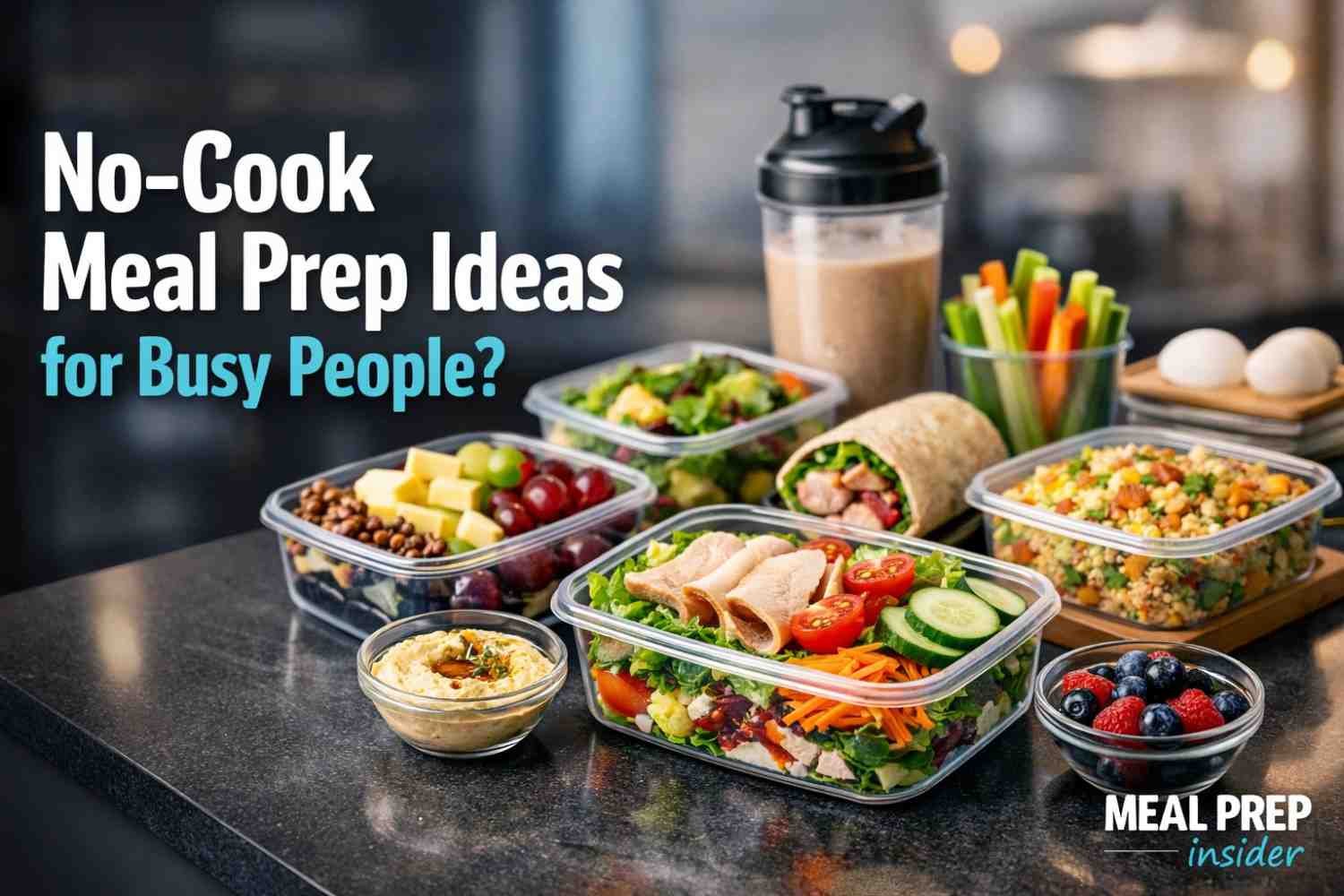
No-Cook Meal Prep Ideas for Busy People: Made Easy

No-Cook Meal Prep Ideas for Busy People: Quick & easy no-cook meal prep ideas perfect for busy people! Discover fast, healthy, high-protein meals you can prepare in minutes with zero cooking. Ideal for work lunches, weight loss, and hectic schedules in the USA.
No-Cook Meal Prep Ideas for Busy People
Look, I get it. You’re tired. The last thing you want to do after a long day is stand over a hot stove. Some days, just the thought of cooking makes you want to order takeout for the third time this week.
But here’s the thing. Your wallet can’t handle that habit. Neither can your body, honestly.
So what if I told you that meal prep doesn’t have to involve cooking at all? That you could put together an entire week’s worth of meals without touching a single burner?
Yeah, that’s right. No oven. No stovetop. No air fryer beeping at you.
Just fresh, delicious food that’s ready when you need it.
Why No-Cook Meal Prep Works
The beauty of no-cook meal prep is in its simplicity. You’re not worrying about timing or temperatures. You’re not standing in a hot kitchen when it’s already 95 degrees outside. You’re just assembling ingredients.
Think of it as being a food architect rather than a chef. You’re building, not cooking.
This approach saves time in ways you might not expect. There’s no preheating. No watching pots. No, don’t clean burnt pans at midnight because you got distracted by that Netflix show.
Plus, in the summer? Forget about it. Your air conditioning bill will thank you.
I remember when my friend Sarah first tried no-cook meal prep. She was working two jobs, barely sleeping, and living on granola bars and coffee. One Sunday afternoon, she spent an hour putting together mason jar salads and snack boxes. The following week, she texted me: “I actually ate vegetables. Real ones.”
Small victories, right?
The Foundation: What You Need to Get Started
Before we dive into specific meal ideas, let’s talk basics. You don’t need fancy equipment or expensive ingredients. You need some containers, a decent knife, and a refrigerator.
That’s it.
Essential Tools
Here’s what makes life easier:
- Glass containers with tight lids (various sizes)
- Mason jars (quart and pint sizes work best)
- A quality chef’s knife
- Cutting board
- Can opener
- Vegetable peeler
- Small measuring cups and spoons
Notice what’s not on that list? Nothing you need to plug in.
Your No-Cook Pantry
Stock these items, and you’ll always have meal options:
Proteins:
- Canned tuna, salmon, or chicken
- Pre-cooked rotisserie chicken
- Deli meats (go for lower sodium options)
- Hard-boiled eggs (buy them pre-made if you want)
- Canned beans and chickpeas
- Greek yogurt
- Cottage cheese
- String cheese
- Nut butters
Carbs and Grains:
- Whole-grain bread
- Tortillas and wraps
- Pre-cooked quinoa or rice (the microwaveable pouches)
- Crackers
- Pita bread
- Bagels
Vegetables:
- Pre-washed salad greens
- Cherry tomatoes
- Cucumbers
- Bell peppers
- Carrots
- Celery
- Snap peas
- Pre-shredded cabbage
Fruits:
- Berries
- Apples
- Bananas
- Grapes
- Oranges
- Whatever’s in season
Extras:
- Hummus
- Salsa
- Mustard and mayo
- Olive oil
- Vinegars
- Dried herbs
- Nuts and seeds
- Olives
- Pickles
- Dried fruit
Real Talk: No-Cook Meal Ideas That Taste Good
Let’s get into the good stuff. These aren’t sad desk lunches. These are meals you’ll genuinely look forward to eating.
Mason Jar Salads That Won’t Get Soggy
The key is layering. Get this wrong, and you’ll have a wilted mess by Tuesday. Get it right, and you’re golden.
Here’s the order, bottom to top:
- Dressing (2-3 tablespoons)
- Hard vegetables (cucumbers, carrots, peppers)
- Proteins (chicken, chickpeas, beans, eggs)
- Softer vegetables (tomatoes, corn, peas)
- Cheese or nuts
- Greens (pack them in tight at the top)
When you’re ready to eat, shake it up and dump it in a bowl. Or eat straight from the jar if you’re feeling adventurous.
Southwest Chicken Jar:
- Salsa verde (dressing)
- Black beans
- Corn
- Diced bell peppers
- Shredded rotisserie chicken
- Shredded cheese
- Romaine lettuce
Mediterranean Tuna Jar:
- Lemon vinaigrette
- Chickpeas
- Cucumber
- Cherry tomatoes
- Canned tuna
- Feta cheese
- Kalamata olives
- Mixed greens
Asian-Inspired Jar:
- Sesame ginger dressing
- Edamame
- Shredded carrots
- Red cabbage
- Mandarin oranges
- Sliced almonds
- Baby spinach
Truthfully, once you master the layering technique, you can throw together any combination that sounds good.
Protein Boxes (Like Starbucks, But Cheaper)
You know those $8 protein boxes everyone buys at the airport? Make your own for about two bucks.
The formula is simple:
- One protein
- One or two vegetables
- A carb element
- Something crunchy or creamy
Classic Combo:
- Hard-boiled eggs (2)
- Cherry tomatoes
- Cucumber slices
- Whole-grain crackers
- String cheese
- Hummus in a small container
Turkey Roll-Ups:
- Turkey and cheese rolled together
- Baby carrots
- Ranch dressing for dipping
- Grapes
- Almonds
Tuna Snack Box:
- Small container of tuna salad
- Whole-grain crackers
- Celery sticks
- Apple slices
- A few dark chocolate chips (you deserve it)
Pack these on Sunday, and you’ve got grab-and-go lunches all week. No thinking required at 7 AM when your brain isn’t working yet.
Wraps and Sandwiches Done Right
Here’s where people mess up. They make five sandwiches on Sunday, and by Wednesday, the bread is soggy and sad.
Don’t do that.
Instead, prep the components separately. Pack your proteins, vegetables, and spreads in containers. Bring the bread or tortilla separately. Assemble right before eating.
Game changer.
Or, if you’re using heartier bread or wraps, try this trick: spread a thin layer of cream cheese, butter, or hummus on the bread first. It creates a moisture barrier. Then add your wet ingredients, like tomatoes. This buys you an extra day or two.
Turkey Cranberry Wrap:
- Whole wheat tortilla
- Cream cheese
- Turkey slices
- Dried cranberries
- Spinach
- Sliced apple
Chickpea Smash Sandwich:
- Mash chickpeas with mayo and mustard
- Add diced celery and red onion
- Season with salt, pepper, and a squeeze of lemon
- Serve on whole-grain bread with lettuce and tomato
Caprese Wrap:
- Fresh mozzarella slices
- Tomato
- Fresh basil (or pesto)
- Balsamic glaze
- Spinach
- Wrap it all in a large tortilla
The chickpea smash thing? It’s like tuna salad, but for people who don’t want to deal with the tuna smell at their desk. Your coworkers will appreciate this choice.
Snack Plates as Actual Meals
Who says you need a traditional meal? Sometimes the best dinner is just really good snacks arranged nicely.
This is basically adult Lunchables. And honestly? It’s kind of perfect.
Mediterranean Plate:
- Hummus
- Sliced cucumbers
- Cherry tomatoes
- Kalamata olives
- Feta cheese cubes
- Whole-grain pita
- Red pepper slices
Italian Antipasto:
- Salami or prosciutto
- Fresh mozzarella balls
- Roasted red peppers (from a jar)
- Marinated artichoke hearts
- Olives
- Crackers
- A drizzle of olive oil and balsamic
Fruit and Cheese Board:
- Three different cheeses (go wild)
- Apple slices
- Grapes
- Almonds or walnuts
- Honey
- Crackers
The beauty here is variety. You’re getting different flavors, textures, and nutrients without the boredom of eating the same thing every bite.
Overnight Oats and Breakfast Options
Breakfast is where no-cook meal prep really shines. Seriously, you can have breakfast ready for the entire week in under 20 minutes.
The basic overnight oats ratio is:
- 1/2 cup oats
- 1/2 cup milk (any kind)
- 1/4 cup yogurt
- 1 tablespoon sweetener (honey, maple syrup, whatever)
- Toppings of your choice
Mix in a jar. Refrigerate overnight. Eat cold or microwave if you want it warm.
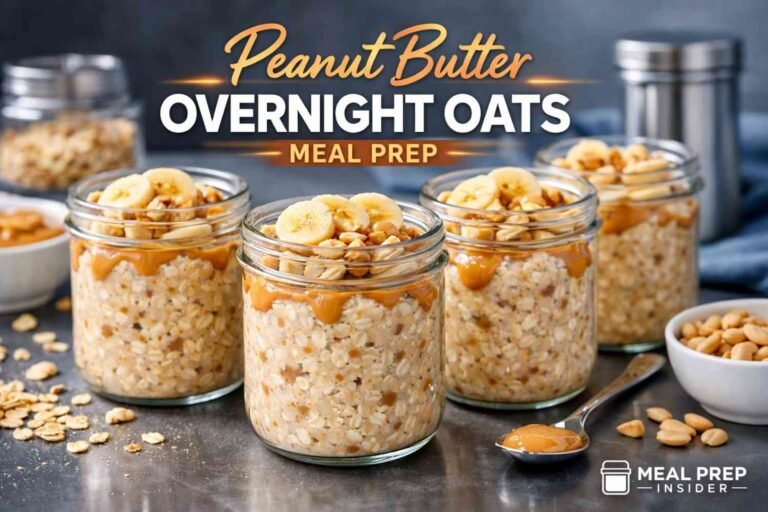
Peanut Butter Banana:
- Basic oat mixture
- 1 tablespoon peanut butter
- 1/2 sliced banana
- Sprinkle of cinnamon
Berry Almond:
- Basic oat mixture
- Mixed berries
- Sliced almonds
- Touch of vanilla extract
Apple Cinnamon:
- Basic oat mixture
- Diced apple
- Cinnamon
- Chopped walnuts
- Dash of nutmeg
Tropical:
- Basic oat mixture
- Diced mango
- Coconut flakes
- Chia seeds
If oats aren’t your thing, try yogurt parfaits. Layer yogurt, granola, and fruit in mason jars. If you want it crunchy, keep the granola separate until you’re ready to eat.
Or go savory with breakfast burritos. Use tortillas, scrambled eggs (okay, fine, you have to cook these, but it’s like five minutes), cheese, salsa, and whatever else you want. Wrap individually in foil. They keep in the fridge for days.
Wait, that involves cooking the eggs. Scratch that.
Instead, try this: cottage cheese bowls. Seriously, hear me out.
Savory Cottage Cheese Bowl:
- Cottage cheese
- Cherry tomatoes
- Cucumber
- Everything bagel seasoning
- Drizzle of olive oil
Sweet Cottage Cheese Bowl:
- Cottage cheese
- Fresh berries
- Honey
- Sliced almonds
- Cinnamon
It’s protein-packed and requires literally zero cooking skills.
Weekly Meal Prep Strategy
Let’s put this into practice. Here’s what a realistic week might look like.
Sunday Prep Session (About 1 Hour)
Breakfast (Make 5):
- 3 jars of overnight oats (different flavors)
- 2 yogurt parfaits
Lunch (Make 5):
- 3 mason jar salads
- 2 protein boxes
Snacks:
- Cut up vegetables and portion them into containers
- Portion out hummus, ranch, or peanut butter into small containers
- Wash and portion fruit
- Make trail mix portions
Dinner Prep (Keep it flexible):
- Wash and cut vegetables for wraps
- Prep tuna or chicken salad
- Have tortillas, bread, and crackers ready
You’ll notice I didn’t prep all five dinners. That’s intentional. Life happens. Sometimes you’ll go out. Sometimes you’ll want something different. Build in flexibility.
RELATED POST >> Easy Family Meal Prep Ideas for a Family of 4 Without Chaos
Sample Week Menu
Here’s what this might look like in practice:
| Day | Breakfast | Lunch | Dinner |
|---|---|---|---|
| Monday | PB Banana Oats | Southwest Jar | Mediterranean Plate |
| Tuesday | Berry Parfait | Protein Box #1 | Turkey Wrap |
| Wednesday | Apple Cinnamon Oats | Mediterranean Jar | Antipasto Snacks |
| Thursday | Cottage Cheese Bowl | Protein Box #2 | Chickpea Sandwich |
| Friday | Berry Almond Oats | Asian Jar | Order Pizza (You earned it) |
See? Not rigid. Not boring. Just prepared enough that you’re not making bad decisions when you’re hungry and tired.
Common Pitfalls to Avoid
Let’s talk about where people typically go wrong with this whole no-cook thing.
Mistake Number One: Making Everything on Sunday
I know, I know. The meal prep influencers show you their perfectly organized fridges with seven identical meals lined up.
That’s not real life for most people.
Instead of prepping seven salads, make three or four. You can always throw together another one mid-week when you know what you’re actually craving.
The Soggy Situation
Moisture is your enemy with no-cook meals. Keep wet ingredients separate until you’re ready to eat, whenever possible.
For sandwiches and wraps, use that moisture barrier trick I mentioned. Or better yet, pack components separately.
Nobody wants a soggy sandwich. Nobody.
Forgetting About Food Safety
Just because you’re not cooking doesn’t mean you can ignore food safety basics. Here’s the deal:
- Keep your fridge at 40°F or below
- Don’t let prepped meals sit out while you’re assembling others
- Use clean containers with tight-fitting lids
- When in doubt, smell it (if it smells off, toss it)
- Most prepped meals are good for 3-4 days max
- Deli meats and pre-cooked proteins? Use them within 3-5 days of opening
Your stomach will thank you for following these guidelines.
The Variety Problem
Eating the same thing every single day gets old fast. I don’t care how much you love that Southwest jar salad on Monday. By Thursday, you’re going to hate it.
Mix it up. Use different proteins. Try different vegetables. Change your dressings.
Small variations make a big difference in whether you’ll actually stick with this.
Buying Too Much at Once
Real talk: your eyes are bigger than your stomach when you’re meal planning.
You see all these recipes and think you’ll eat like a health goddess all week. Then Wednesday hits, and you’re tired, and someone brings donuts to work, and suddenly that kale salad you prepped seems very unappealing.
Start small. Prep for three days. See how it goes. Build from there.
Budget-Friendly Tips
No-cook meal prep can actually save you serious money. But it can also get expensive fast if you’re not paying attention.
Shop Smart
- Buy rotisserie chicken instead of pre-cut chicken breast (cheaper and already cooked)
- Get store-brand deli meats
- Choose in-season produce (it’s cheaper and tastes better)
- Skip the pre-cut vegetables if you have time to do it yourself
- Buy cheese blocks and cut them instead of pre-cubed cheese
- Stock up on canned goods when they’re on sale
Price Comparison
Let’s look at real numbers. This is what you might spend on a typical workday:
Buying Lunch Out:
- Salad from the deli: $12
- Coffee: $5
- Afternoon snack: $3
- Total: $20/day or $100/week
Prepped No-Cook Lunch:
- Mason jar salad ingredients: $3
- Overnight oats: $1
- Protein box components: $2.50
- Total: $6.50/day or $32.50/week
You’re saving almost $70 a week. That’s $280 a month. That’s a car payment. Or a vacation fund. Or whatever you want it to be.
The math works out.
Use What You Have
Before you go shopping, check your fridge and pantry. That half-used container of hummus? Use it. Those carrots that are still good but getting close to the end? Prep them today.
Food waste is money waste.
Making It Work for Different Dietary Needs
The great thing about no-cook meal prep is its adaptability.
For Vegetarians and Vegans
Most of these ideas are already plant-based or can easily become so. Focus on:
- Beans and legumes for protein
- Tofu (extra firm, pressed and cubed)
- Tempeh
- Nuts and seeds
- Quinoa and other whole grains
- Nutritional yeast for that cheesy flavor
For Low-Carb or Keto Folks
Swap the grains for:
- More vegetables
- Cheese (all the cheese)
- Avocado
- Nuts
- Seeds
- Full-fat dressings
Use lettuce wraps instead of tortillas. Skip the fruit or stick to berries in small amounts.
For Gluten-Free Needs
This one’s easy. Just substitute:
- Gluten-free bread or crackers
- Corn tortillas
- Rice cakes
- Lettuce wraps
- Check labels on deli meats and dressings
Most whole foods are naturally gluten-free anyway.
For High-Protein Diets
Double up on:
- Greek yogurt instead of regular
- Add extra hard-boiled eggs
- Include cottage cheese
- Use protein-rich grains like quinoa
- Add nuts to everything
- Choose protein-packed vegetables like edamame
You can easily hit 30+ grams of protein per meal with the right combinations.
Quick Wins for Beginners
If you’re new to this, don’t overwhelm yourself. Start with these three easy wins:
Week One: Just do breakfast. Make five jars of overnight oats on Sunday. That’s it. Get comfortable with the rhythm of grab-and-go mornings.
Week Two: Add lunch. Try three mason jar salads. Keep it simple with ingredients you already like.
Week Three: Bring in snacks. Prep some vegetable containers and protein boxes.
Before you know it, this becomes second nature.
My coworker Tom started with just overnight oats. He’s not a morning person, and making breakfast constantly makes him late to work. After one month of prepped breakfasts, he was arriving on time. Six months later, he’s prepping full lunches and saving money like crazy.
Small steps add up.
Advanced Tips for When You’re Ready
Once you’ve got the basics down, try these upgrades:
Batch Your Prep Tasks
Instead of making one salad at a time, set up an assembly line:
- Wash all your greens at once
- Chop all your vegetables together
- Make all your dressings
- Then assemble everything
It’s faster and more efficient.
Invest in Quality Containers
Cheap containers leak, warp, and generally make your life harder. Good glass containers with locking lids are worth the investment.
You don’t need to buy everything at once. Pick up a few each week until you have what you need.
Keep a Rotation List
Have a running list of your favorite meal combinations. When Sunday rolls around, and your brain is fried, you don’t have to think. Just pick from your greatest hits.
Prep Your Prep
Keep your knives sharp. Have your containers clean and ready. Stock your pantry on the same day each week.
The easier you make the process, the more likely you are to stick with it.
Real People, Real Results
Jennifer, a nurse working 12-hour shifts, started no-cook meal prep six months ago. She was spending $15-20 per day on hospital cafeteria food and vending machines. Now she brings protein boxes and mason jar salads. She’s lost 15 pounds, has more energy, and is saving enough money to book a vacation.
Mark, a grad student, literally didn’t know how to cook. At all. His diet was primarily frozen pizza and takeout. No-cook meal prep changed everything for him. He started with simple things: sandwiches, fruit, and vegetables with hummus. Now he actually eats vegetables regularly, and his roommates are asking him for tips.
These aren’t special people with extra time or money. They’re just regular folks who got tired of feeling tired and broke.
When No-Cook Doesn’t Work
Let’s be honest. There are times when you need hot food.
In the middle of winter, when it’s 20 degrees outside? That cold mason jar salad might not hit the spot.
On those days, remember: you can still prep ingredients without cooking. Prep your soup ingredients and use a slow cooker or Instant Pot. Set it in the morning and come home to hot food.
Or embrace the microwave. There’s no shame in heating up your food. Those rice and quinoa pouches? Microwave them and add to your cold salad for a warm meal.
Mix cold and hot components. Warm your protein, keep your vegetables cold. Make it work for you.
The point isn’t to cook. It’s good to have options when you don’t want to or can’t.
The Sunday Setup
Here’s exactly what I do on Sunday afternoons. Takes me about an hour, sometimes less.
First, I clear my counter space. Put on some music or a podcast. Make this time enjoyable, not a chore.
Then I wash all my produce. Everything gets a rinse, even the pre-washed stuff. Better safe than sorry.
Next comes the chopping. I cut up bell peppers, cucumbers, carrots, and celery. Whatever I bought for the week. Store in glass containers with a paper towel to absorb moisture.
Then I handle proteins. Shred that rotisserie chicken. Portion out deli meats. Make tuna or chicken salad if that’s on the menu.
Finally, assembly time. I line up my containers and go to town. Mason jars for salads. Smaller containers for protein boxes. Everything gets labeled with what it is and what day I made it.
Total time? Usually 45-60 minutes for a full week of lunches and most breakfasts.
That’s less time than most people spend deciding what to order on DoorDash.
Your No-Cook Shopping List
Starting from scratch? Here’s what to buy this week:
Produce Section:
- Pre-washed salad greens
- Cherry tomatoes
- Cucumbers
- Bell peppers
- Baby carrots
- Apples
- Bananas
- Berries
Deli and Refrigerated:
- Rotisserie chicken
- Your favorite deli meat
- Cheese (block and string cheese)
- Greek yogurt
- Cottage cheese
- Hummus
Pantry:
- Canned tuna or chicken
- Canned beans (black, chickpeas)
- Whole-grain bread
- Tortillas
- Crackers
- Peanut butter
- Oats
- Nuts
Condiments:
- Your favorite salad dressing
- Mayo and mustard
- Olive oil
- Salsa
That’s everything you need to make every single meal I’ve mentioned in this post.
The 10-Minute Emergency Meal
Even with prep, life happens. You forgot to grab your prepped lunch. You got stuck in a meeting through lunch. You’re starving and have nothing ready.
Here’s your 10-minute emergency meal:
- Tortilla
- Hummus (spread it on)
- Deli meat or canned tuna
- Handful of pre-washed greens
- Shredded cheese
- Roll it up
Done.
Or even simpler:
- Greek yogurt
- Granola
- Whatever fruit you have
- Honey on top
Boom. Protein, carbs, flavor. You’re good.
Keep these components on hand always. They’re your insurance policy against bad decisions when you’re hangry.
Seasonal Variations
No-cook meal prep changes with the seasons, and that’s okay.
Summer is prime time. Everything’s fresh. Tomatoes actually taste like tomatoes. Salads are appealing. Cold meals sound perfect.
Winter requires adjustments. Add more hearty ingredients. Think grain bowls with warm elements. Use heartier greens like kale. Add dried fruit and nuts for substance.
Fall is perfect for apple-and-cheese combinations. Throw some cranberries in there. Use autumn spices in your overnight oats.
Spring brings fresh vegetables back. Lighter meals start sounding good again. Strawberries show up. Life is good.
Work with what’s in season. It tastes better and costs less.
The Mental Shift
Here’s the thing nobody tells you about meal prep: it’s not really about the food.
It’s about taking control of one part of your life. It’s about making a decision on Sunday, so you don’t have to make it when you’re stressed on Tuesday.
It’s about consistently showing up for yourself.
That sounds cheesy, and I get it. But it’s true.
When you open your fridge and see meals ready to go, you feel accomplished. You feel prepared. You feel like you’ve got your life together, even if literally everything else is chaos.
And that feeling? That’s worth way more than the money you’re saving.
Making It Stick
Most people quit meal prep after two or three weeks. Want to know why?
They make it too complicated. They try to prep like those Instagram accounts with 47 different color-coded containers.
Don’t do that.
Start small. Build slowly. Make it fit your life, not someone else’s idea of perfection.
Some weeks you’ll prep a ton. Other weeks, you’ll prep breakfast and buy lunch. That’s fine. The goal is progress, not perfection.
Also, give yourself permission to hate something. Made a salad combination that sounded good but tastes terrible? Don’t force yourself to eat it all week. Learn what you like and stick to that.
This is supposed to make your life easier, not harder.
Final Thoughts
No-cook meal prep isn’t about being perfect. It’s not about eating Instagram-worthy meals every day.
It’s about having options. It’s about not spending $15 on a mediocre sandwich because you didn’t plan ahead. It’s about eating vegetables occasionally instead of living on drive-through meals.
Start this Sunday. Pick three meals from this post. Prep them. See how it goes.
Maybe you’ll love it and prep everything. Maybe you’ll just prep breakfast, and that’ll be enough. Either way, you’re ahead of where you started.
And honestly? That’s what matters.
Your future self will thank you for the effort. Your wallet definitely will. Your body probably will too.
Now stop reading and go make a shopping list.
Frequently Asked Questions
How long do no-cook prepped meals last in the fridge?
Most no-cook meals stay fresh for 3-4 days. Heartier items like chickpea salad or grain-based meals might last up to 5 days. If you’re prepping for the full week, make some meals mid-week to ensure freshness. When in doubt, use your nose. If something smells off, toss it.
Can I freeze no-cook meals?
Generally, no. Most no-cook meals contain fresh vegetables or dairy that don’t freeze well. The texture changes, and you end up with mushy, unappetizing food when thawed. Stick to refrigerating and eating within 3-5 days. The exception might be some breakfast items like overnight oats, but even those are better fresh.
What if I don’t have time for even an hour of prep?
Start smaller. Spend 20 minutes prepping just breakfast or just lunch. Or prep components only – wash and chop vegetables, portion proteins, and assemble meals daily. It’s still faster than cooking from scratch each day. Even 15 minutes of prep saves you time and decision-making during the week.
Are no-cook meals actually healthy?
They can be, depending on what you choose. Focus on whole foods like vegetables, fruits, whole grains, and lean proteins. Watch your sodium intake with canned and deli products. The advantage is that you control exactly what goes in your meals, unlike restaurant food, where you have no idea about portions or ingredients.
What’s the best way to keep salads from getting soggy?
Layer your mason jar salads correctly: place the dressing on the bottom, then hard vegetables, proteins, softer items, and finally greens on top. Keep wet and dry ingredients separate until eating. You can also pack dressing separately and add it right before eating. Store containers upright and don’t shake them until you’re ready to eat.
How do I make no-cook meals more filling?
Add protein and healthy fats. Include nuts, seeds, cheese, avocado, hard-boiled eggs, or beans. Use whole-grain bread and tortillas instead of white bread and tortillas. Add heartier vegetables, such as chickpeas or edamame. Increase portions of protein-rich ingredients. Don’t skip the carbs – you need them for sustained energy.
Can kids eat these meals?
Absolutely. Kids often love protein boxes and DIY-style meals. Let them help with prep to increase buy-in. Make it fun with colorful vegetables and familiar ingredients. Use cookie cutters to make sandwiches more appealing. Pack ranch or hummus for dipping. Keep it simple and include at least one food they already like in each meal.
What if I get bored eating the same things?
Rotate your meals weekly. Keep a list of combinations you enjoy and cycle through them. Try one new recipe each week while keeping your favorites. Change up your proteins even if you keep the same vegetables. Switch dressings and seasonings for different flavor profiles. Variety is key to sticking with meal prep long-term.
Is no-cook meal prep cheaper than cooking?
It depends. No-cook prep can be very affordable if you shop smart, use in-season produce, and take advantage of sales. However, convenience items like pre-cut vegetables and rotisserie chicken cost more than raw ingredients. You save money compared to eating out, but might spend slightly more than cooking from scratch. The time savings often make it worth the small extra cost.
Do I need special containers for meal prep?
Not necessarily, but good containers help. Glass containers with tight-fitting lids work best – they don’t stain, don’t hold odors, and keep food fresh longer. Mason jars are perfect for salads and overnight oats. Invest in a few quality containers rather than buying cheap ones that leak or break. You can start with what you have and upgrade gradually.
SUGGESTED POST >> How Many Carbs Can You Have on Keto? New Discoveries
Discover more from Meal Prep Insider
Subscribe to get the latest posts sent to your email.