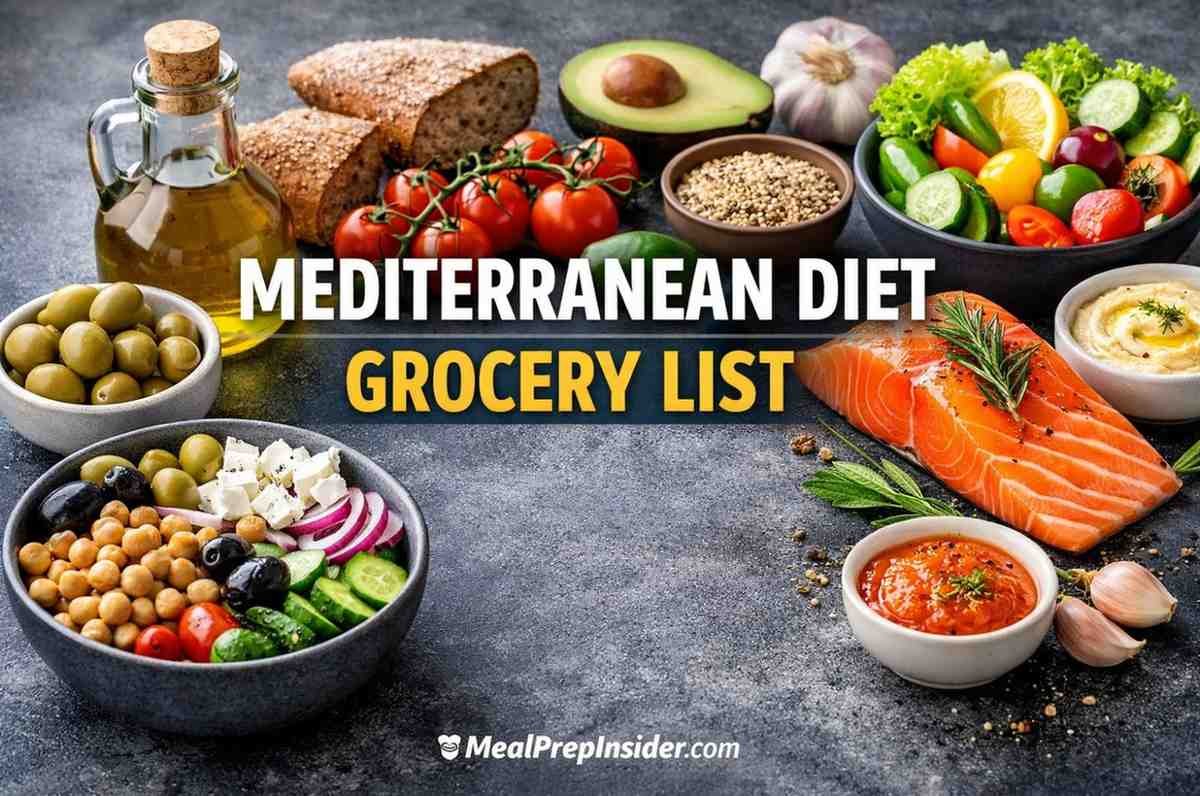
Ultimate Mediterranean Diet Grocery List: Best Easy Guide

Mediterranean diet grocery list essentials start with one simple truth: your shopping cart determines your health destiny.
And here’s the thing nobody tells you.
You don’t need fancy supermarkets or expensive specialty stores. You don’t need to spend hours wandering aisles, confused and overwhelmed. What you need is a roadmap. A clear, no-nonsense guide that cuts through the nutrition noise and gets straight to what matters.
Most people think eating Mediterranean means complicated recipes and ingredients they can’t pronounce. They’re wrong. The Mediterranean lifestyle centers on whole foods, simple preparations, and flavors that have sustained civilizations for thousands of years. Your local grocery store already stocks about 90% of what you need.
But first, let’s address the elephant in the room.
Why does everyone suddenly care about Mediterranean eating? Because study after study shows it reduces heart disease, extends lifespan, improves brain function, and helps maintain a healthy weight. Not through deprivation. Through abundance. Through eating real food that tastes incredible.
This isn’t another restrictive diet that leaves you hungry at 3 PM, staring longingly at the office vending machine. This is a sustainable approach to eating that people have followed for generations, not because nutritionists told them to, but because the food is genuinely satisfying.
Ready to transform your grocery runs?
Let’s get into it.
What Makes the Mediterranean Diet Different
The Mediterranean diet grocery list differs fundamentally from typical American shopping patterns. Instead of processed foods dominating your cart, whole ingredients take center stage. Instead of low-fat everything, healthy fats become your allies.
Think about traditional American diet advice from the past few decades. Low fat. Calorie counting. Portion control that leaves you miserable. The Mediterranean approach flips this completely. Fat isn’t the enemy when it comes from olive oil, nuts, and fish. Carbs aren’t evil when they’re whole grains and legumes. Portions regulate themselves when you eat nutrient-dense foods.
The foundation rests on plants. Vegetables, fruits, whole grains, legumes, nuts, and seeds form the base. Fish and seafood appear regularly but not necessarily daily. Poultry, eggs, cheese, and yogurt show up in moderation. Red meat becomes an occasional treat, not a daily staple.
Here’s what surprises most people: you can eat until you’re satisfied. No measuring. No tracking every calorie. No guilt.
The catch? You’re eating real food.
Building Your Core Mediterranean Pantry
Your pantry determines everything. Stock it right, and healthy eating becomes effortless. Stock it wrong, and you’ll struggle constantly.
Olive Oil: The Liquid Gold
Extra virgin olive oil deserves its own section because it’s that important. This isn’t cooking oil. This is the foundation of Mediterranean cuisine. You’ll use it for cooking, drizzling, dressing, and finishing dishes.
Buy the best quality you can afford. Look for dark glass bottles or tins that protect the oil from light. Check for harvest dates. Fresher is better. Don’t fall for the “light olive oil” trap. That’s just marketing for refined oil with less flavor and fewer health benefits.
You’ll go through olive oil faster than you think. Buy a larger bottle for everyday cooking and a premium bottle for finishing dishes and salads.
Whole Grains That Deliver
Forget white bread and pasta made from refined flour. Mediterranean whole grains include:
- Farro
- Bulgur wheat
- Brown rice
- Quinoa
- Whole wheat pasta
- Barley
- Oats
- Whole grain bread (look for visible grains and seeds)
These grains provide fiber, nutrients, and sustained energy. They keep you full longer than their refined counterparts. And contrary to popular belief, they taste better when prepared properly.
Legumes: The Protein Powerhouse
Beans, lentils, and chickpeas appear in Mediterranean meals constantly. They’re cheap, versatile, and nutritionally dense. Keep both dried and canned varieties on hand.
Dried legumes cost less and offer better texture, but they require planning. Canned versions save time for busy weeknights. Rinse canned beans to remove excess sodium.
Stock these varieties:
- Chickpeas (garbanzo beans)
- Cannellini beans
- Lentils (red, green, and brown)
- Fava beans
- Black-eyed peas
- White beans
One pound of dried beans costs about two dollars and provides roughly thirteen servings. Show me another protein source that is affordable.
Nuts and Seeds for Snacking and Cooking
Raw and unsalted nuts belong in your pantry and your daily routine. They provide healthy fats, protein, and satisfying crunch.
Essential varieties:
- Almonds
- Walnuts
- Pistachios
- Pine nuts
- Sesame seeds
- Sunflower seeds
Buy raw nuts when possible and toast them yourself for better flavor. Store nuts in the freezer to prevent rancidity. They’ll last months longer.
Canned Goods That Count
Not all canned foods are created equal. These Mediterranean staples make life easier without sacrificing quality:
- Tomatoes (whole, crushed, and paste)
- Tuna packed in olive oil
- Sardines
- Anchovies
- Artichoke hearts
- Roasted red peppers
- Capers
Quality matters with canned tomatoes. San Marzano tomatoes from Italy offer superior flavor, but domestic brands work fine for everyday cooking. Check ingredients. You want tomatoes, salt, and maybe citric acid. Nothing else.

The Fresh Produce Section Strategy
Here’s where the Mediterranean diet grocery list gets colorful. Literally.
Vegetables aren’t side dishes or afterthoughts. They’re the main event. Your goal is to eat vegetables at every meal, including breakfast. That might sound extreme, but it becomes normal quickly.
Everyday Vegetables
These workhorses appear constantly in Mediterranean cooking:
- Tomatoes (multiple varieties when possible)
- Bell peppers (red, yellow, and orange offer more nutrients than green)
- Zucchini
- Eggplant
- Spinach
- Arugula
- Cucumbers
- Onions (yellow, red, and sweet)
- Garlic (buy heads, not pre-peeled cloves)
- Leeks
- Fennel
- Leafy greens (kale, Swiss chard, collards)
Buy what’s in season. It tastes better, costs less, and offers peak nutrition. Summer means tomatoes, zucchini, and peppers. Winter brings cruciferous vegetables and hearty greens.
Fruit for Sweetness
Mediterranean cultures treat fruit as dessert. After dinner, a bowl of fresh fruit appears instead of cake or cookies.
Prioritize these options:
- Citrus fruits (oranges, lemons, grapefruits)
- Berries (strawberries, blueberries, raspberries)
- Apples
- Pears
- Grapes
- Figs (fresh when available)
- Melons
- Stone fruits (peaches, nectarines, plums, cherries)
Frozen berries work perfectly for smoothies and cost significantly less than fresh ones during off-season months. Buy frozen fruit without added sugar. Just fruit.
Fresh Herbs That Transform Everything
Dried herbs have their place, but fresh herbs elevate Mediterranean dishes from good to extraordinary.
Keep these on rotation:
- Basil
- Parsley (flat-leaf Italian parsley, not curly)
- Oregano
- Thyme
- Rosemary
- Mint
- Dill
Fresh herbs don’t last long, so buy them as needed or grow them on your windowsill. Basil and parsley are particularly easy to grow indoors.
Store fresh herbs like flowers. Trim stems, place in a glass of water, cover loosely with a plastic bag, and refrigerate. They’ll last a week instead of two days.
Protein Sources for Mediterranean Meals
The Mediterranean diet grocery list approaches protein differently than standard American eating patterns. Quality trumps quantity. Variety matters. Plants provide substantial protein before animal sources even enter the picture.
Fish and Seafood First
If you eat animal protein, fish and seafood should dominate. Aim for two to three servings weekly at a minimum.
Best choices for health and sustainability:
- Wild-caught salmon
- Sardines
- Mackerel
- Anchovies
- Sea bass
- Shrimp
- Mussels
- Clams
- Squid
- Octopus
Fatty fish like salmon, sardines, and mackerel provide omega-3 fatty acids that reduce inflammation and support brain health. These aren’t optional nice-to-haves. They’re essential nutrients most Americans lack.
Frozen fish often exceeds fresh fish in quality because it’s frozen immediately after being caught. “Fresh” fish at the supermarket might be a week old. Buy frozen wild-caught salmon and save money while improving quality.
Poultry in Moderation
Chicken and turkey appear in Mediterranean diets, but less frequently than most Americans do. When you buy poultry, quality matters.
Free-range, organic, or pastured chicken costs more but offers better flavor and nutrition. You’re eating less meat overall in this approach, so splurging on quality makes sense.
Skip chicken breast obsession. Thighs offer more flavor, cost less, and stay moist during cooking. The fat content isn’t your enemy when you’re eating the Mediterranean way.
Eggs for Versatility
Eggs appear regularly but not necessarily daily. They’re breakfast, lunch, or dinner depending on the day.
Pastured eggs or omega-3-enriched eggs provide better nutrition than conventional options. The yolks are darker, richer, and pack more nutrients.
Don’t fear egg yolks. The cholesterol in eggs doesn’t significantly impact blood cholesterol for most people. You’re getting vitamins, minerals, and healthy fats.
Red Meat as Occasional Indulgence
Red meat isn’t forbidden. It’s just rare. Once or twice monthly rather than weekly or daily.
When you eat red meat, make it count. Grass-fed beef offers better omega-3 to omega-6 ratios. Lamb is traditional in many Mediterranean regions. Quality over quantity always.
Dairy Section Selections
Mediterranean dairy consumption differs significantly from standard American patterns. Cheese and yogurt appear regularly. Milk, not so much. Butter rarely, if ever.
Greek Yogurt and Traditional Yogurt
Full-fat Greek yogurt or traditional yogurt with live active cultures provides protein, probiotics, and satisfaction. The low-fat and non-fat versions remove the satisfying fats and often add sugar or artificial sweeteners.
Look for yogurt with two ingredients: milk and live active cultures. That’s it. Everything else is an unnecessary additive.
Use yogurt for breakfast, snacks, sauces, and baking. It replaces sour cream, mayonnaise, and cream in many recipes.
Cheese for Flavor
Small amounts of flavorful cheese appear in Mediterranean cooking. A little goes a long way when you choose strong-flavored varieties.
Traditional options include:
- Feta
- Parmigiano (real Parmigiano-Reggiano)
- Pecorino Romano
- Manchego
- Fresh mozzarella
- Ricotta
- Halloumi
- Goat cheese
Buy block cheese and grate or crumble it yourself. Pre-shredded cheese contains anti-caking agents that affect flavor and texture. Plus, freshly grated cheese tastes significantly better.
Cheese isn’t the main protein source or the star of every dish. It’s a flavor accent. Two tablespoons of crumbled feta transform a salad. One ounce of grated Parmesan elevates pasta.
Herbs, Spices, and Flavor Builders
Your spice cabinet determines whether Mediterranean cooking becomes a sustainable lifestyle or a temporary experiment. Flavor makes healthy eating enjoyable. Without it, you’ll give up.
Essential Dried Herbs and Spices
Stock these foundational seasonings:
- Oregano
- Thyme
- Rosemary
- Bay leaves
- Cumin
- Coriander
- Paprika (sweet and smoked)
- Red pepper flakes
- Cinnamon
- Black peppercorns (buy whole and grind fresh)
- Sea salt
Buy small quantities of dried herbs and spices. They lose potency over time. That three-year-old oregano in your cabinet tastes like dust. Toss it and start fresh.
Acid for Brightness
Mediterranean cooking relies heavily on acid to balance flavors and brighten dishes.
Keep these on hand:
- Red wine vinegar
- White wine vinegar
- Balsamic vinegar
- Sherry vinegar
- Fresh lemons
- Fresh limes
A squeeze of lemon transforms simple vegetables into something crave-worthy. Vinegar in salad dressing isn’t just tradition. It’s chemistry that makes vegetables taste better.
Umami Boosters
Savory depth comes from ingredients rich in umami, the fifth taste.
Mediterranean umami sources include:
- Anchovies (even if you don’t like them whole, they dissolve into sauces)
- Capers
- Kalamata olives
- Sun-dried tomatoes
- Tomato paste
- Parmesan cheese
One anchovy fillet melted into tomato sauce won’t taste fishy. It adds savory depth that makes people ask for your recipe.
Sample Mediterranean Diet Grocery List for One Week
Here’s what a practical weekly shopping trip looks like for two people following Mediterranean eating patterns.
Produce
- 2 pounds of tomatoes
- 2 bell peppers
- 1 zucchini
- 1 eggplant
- 2 bunches of leafy greens
- 1 bunch of arugula
- 2 cucumbers
- 1 head of garlic
- 3 onions
- 1 bunch fresh parsley
- 1 bunch fresh basil
- 4 lemons
- 3 apples
- 1 pint berries
- 2 oranges
Proteins
- 1 pound wild-caught salmon
- 1 can of sardines
- 1 pound chicken thighs
- 1 dozen eggs
- 1 container Greek yogurt
Pantry Items
- 1 bottle extra virgin olive oil (if running low)
- 1 can of chickpeas
- 1 can of white beans
- 1 can whole tomatoes
- Whole wheat pasta
- Brown rice or farro
- Almonds
- Walnuts
Dairy
- Feta cheese
- Parmesan cheese
Bakery
- Whole-grain bread
This list provides variety, nutrition, and flexibility for multiple meals throughout the week. Adjust quantities based on your household size and appetite.
Strategic Shopping Tips for Success
Knowing what to buy matters. Knowing how to shop efficiently matters just as much.
Shop the Perimeter First
Grocery stores place whole foods around the outer edges. Produce, meat, seafood, dairy, and bakery line the perimeter. Processed foods fill the center aisles.
Start at the produce section. Fill your cart with vegetables and fruits first. When your cart looks full of colorful produce, you’re less likely to fill the remaining space with processed items.
Work your way around the perimeter, hitting seafood, dairy, and bakery sections. Then strategically enter center aisles for specific pantry items like olive oil, canned goods, whole grains, and legumes.
Read Ingredient Lists, Not Marketing Claims
Front-of-package marketing lies constantly. “Heart healthy.” “Natural.” “Made with whole grains.” These phrases mean nothing.
Flip to the ingredient list. Fewer ingredients generally indicate less processing. Ingredients you recognize and could buy separately indicate real food.
Bread should contain flour, water, yeast, salt, and maybe seeds or grains. If it lists twenty ingredients, including things you can’t pronounce, put it back.
Buy Frozen for Convenience
Frozen vegetables and fruits are nutritionally comparable to fresh. Sometimes they’re superior because they’re frozen at peak ripeness.
Stock your freezer with:
- Frozen spinach
- Frozen artichoke hearts
- Frozen berries
- Frozen fish fillets
- Frozen shrimp
These items save time and reduce food waste. Frozen spinach for a quick frittata beats wilted fresh spinach you forgot about.
RELATED POST >> Meal Prep Grocery List Template: Unique Smart Shopping Guide
Embrace Store Brands
Store brands often come from the same facilities as name brands. You’re paying for packaging and advertising with name brands.
Try store-brand olive oil, canned tomatoes, beans, nuts, and frozen vegetables. Compare ingredient lists. They’re usually identical to name brands at 20-40% lower prices.
Buy in Bulk Selectively
Certain items make sense to buy in larger quantities. Others don’t.
Good bulk purchases:
- Olive oil
- Nuts (store in freezer)
- Whole grains
- Dried legumes
- Canned tomatoes
Skip bulk purchases for fresh herbs, produce that spoils quickly, and items you’re trying for the first time. Nothing wastes money like buying a giant container of something you end up hating.
Shop with a List
Impulse purchases destroy both budgets and healthy eating intentions. A list keeps you focused.
Plan meals loosely for the week. Not every detail, just general ideas. Roasted chicken and vegetables on Monday. Pasta with white beans and greens on Tuesday. Salmon and salad on Wednesday.
Create your list based on those meal ideas. Stick to it. You can deviate for seasonal produce that looks amazing, but resist random processed snacks that call to you from end caps.
Common Pitfalls to Sidestep
People make predictable errors when transitioning to Mediterranean eating patterns. Avoid these mistakes, and you’ll succeed faster.
Mistake Number One: Insufficient Fat
Years of low-fat diet programming make people fear olive oil. They measure tablespoons carefully, worried about calories.
Stop it.
Use olive oil generously. Dress salads with real olive oil and vinegar, not fat-free dressing full of sugar. Roast vegetables with enough olive oil to coat them properly. The fat helps your body absorb fat-soluble vitamins from vegetables.
People who skimp on olive oil end up hungry and unsatisfied. They quit the Mediterranean approach, thinking it doesn’t work, when they never actually tried it properly.
Error Number Two: Treating It Like a Temporary Diet
Mediterranean eating is a lifestyle, not a six-week diet before beach season. Approaching it as a temporary weight-loss strategy misses the entire point.
You’re not following the rules temporarily. You’re changing default patterns permanently. That happens gradually, not overnight.
Start by adding Mediterranean foods before removing anything. Add a salad to dinner. Add fish once weekly. Add olive oil and nuts. As healthy foods crowd your plate, less healthy options naturally decrease.
Blunder Number Three: Ignoring Whole Grains
Low-carb diet trends make people fear all grains. Mediterranean eating includes whole grains regularly.
Whole grains provide fiber, B vitamins, minerals, and sustained energy. They’re part of what makes this approach sustainable long-term. You’re not going to eat only salad and fish forever. You need satisfying, filling foods.
Choose whole grains over refined versions. Choose reasonable portions. Move on.
Oversight Number Four: Neglecting Legumes
Americans eat embarrassingly small amounts of beans and lentils. Many people never eat them at all.
Legumes provide fiber, protein, iron, and other nutrients at almost no cost. They’re filling, versatile, and delicious when prepared well.
If you think you don’t like beans, you’ve only had poorly cooked beans. Learn to prepare them properly. Your grocery budget and your health will thank you.
Fumble Number Five: Buying Low-Quality Olive Oil
Not all olive oil delivers the health benefits studies show. Low-quality olive oil might be rancid, adulterated, or improperly stored.
Invest in decent olive oil. You’re using it daily. It’s worth buying the real thing. Look for harvest dates, dark bottles, and reputable producers.

Meal Prep Strategies That Actually Work
Shopping right is half the battle. Using what you bought efficiently is the other half.
Prep Vegetables Immediately
When you return from grocery shopping, wash and prep vegetables right away. Wash leafy greens, spin them dry, and store them in containers with paper towels. Chop onions, peppers, and cucumbers.
This fifteen-minute investment makes weeknight cooking dramatically easier. You’ll actually use vegetables when they’re ready to go.
Cook Grains in Batches
Cook a big batch of brown rice, farro, or quinoa on Sunday. Store it in the refrigerator. Use it throughout the week for quick meals.
Cooked grains last five days refrigerated. They reheat in minutes. Add them to salads, pair them with roasted vegetables, or use them as a base for leftovers.
Embrace Simple Preparations
Mediterranean cooking isn’t complicated. You don’t need elaborate recipes with fifteen steps.
Roast vegetables with olive oil, salt, and pepper. Grill fish with lemon. Cook pasta with garlic, olive oil, and greens. Simple preparations highlight quality ingredients.
Stop looking for recipes that require specialty equipment and rare ingredients. Those recipes gather Pinterest pins but never get made.
Keep Cooked Beans Ready
Cook a pound of dried beans on the weekend. Store them in portions. Use them in salads, soups, and side dishes all week.
Or buy canned beans. There’s no shame in convenience when it supports healthy eating. Rinse them, use them, move on with your life.
Prep Snack Portions
Portion nuts into small containers or bags. Wash and cut fruit. Mix Greek yogurt with a drizzle of honey and store it in jars.
When hunger hits between meals, you’ll reach for ready-to-eat healthy options instead of processed snacks. Environment design beats willpower.
Budget-Friendly Mediterranean Shopping
The Mediterranean diet grocery list doesn’t require expensive specialty stores or a trust fund. In reality, this approach can cost less than standard American eating patterns.
Cost-Saving Strategies
Shop seasonally. Summer tomatoes cost half what winter tomatoes cost and taste five times better. Winter squash is cheap and abundant in the fall. Work with the seasons instead of against them.
Buy whole chickens instead of pre-cut pieces. Learn to break down a chicken in five minutes. You’ll save 40% compared to buying breasts and thighs separately, plus you get bones for making stock.
Choose a less popular fish. Sardines and mackerel deliver the same omega-3s as salmon at a fraction of the price. Canned fish works perfectly for many dishes.
Grow herbs on your windowsill. A basil plant costs three dollars and produces more than you can use. Fresh herbs from the store cost four dollars and wilt within days.
Buy dried beans instead of canned when possible. The cost difference is substantial. One pound of dried chickpeas costs about two dollars and yields the equivalent of three cans.
Where to Splurge and Where to Save
Spend more on olive oil. This is your primary fat source. Quality matters for both flavor and health benefits.
Save on produce by buying seasonal and frozen. Nutritionally equivalent, significantly cheaper.
Spend more on wild-caught fish when buying fresh. The quality and sustainability justify the cost.
Save on grains and legumes by buying in bulk. These items store indefinitely and cost pennies per serving.
Spend more on Greek yogurt with simple ingredients. You’re eating it regularly. Get the good stuff.
Save on nuts by buying store brands or bulk sections. You’re getting the same product without marketing costs.
Making It Work for Your Lifestyle
Theory is useless without practical application. Here’s how real people with real lives actually implement Mediterranean eating.
For Busy Professionals
Batch cooking on weekends provides weeknight solutions. Roast a large pan of vegetables. Cook grains and beans. Grill chicken or fish.
Assemble different combinations throughout the week. Monday: roasted vegetables and quinoa with grilled chicken. Tuesday: same vegetables chopped into pasta with white beans. Wednesday: grain bowl with leftover chicken and fresh salad. Different meals, same base ingredients.
Keep ultra-simple meals in rotation. Pasta with garlic, olive oil, greens, and Parmesan takes twelve minutes. Canned sardines on whole-grain toast with arugula takes three minutes. Scrambled eggs with vegetables and feta take eight minutes.
For Families with Kids
Involve children in shopping and cooking. Kids who help select produce and prepare meals eat more vegetables. Make it normal, not a battle.
Start with familiar flavors. Mediterranean pizza with whole wheat crust, tomato sauce, vegetables, and feta. Pasta with tomato sauce and hidden vegetables. Greek yogurt parfaits with fruit and nuts.
Don’t make separate meals. Children eat what adults eat, perhaps with minor modifications. They’ll adjust to new flavors through repeated exposure.
Provide raw vegetables with hummus or yogurt dip while cooking dinner. Hungry kids will eat vegetables when that’s what’s available.
For Singles or Couples
Buy vegetables from salad bars or cut vegetable sections. The higher cost per pound beats the waste from purchasing whole heads of vegetables that spoil.
Cook full recipes and freeze portions. Most Mediterranean dishes freeze beautifully. Sunday meal prep provides ready-to-heat dinners for two weeks.
Use your freezer strategically. Freeze bread, nuts, cooked beans, and extra portions of cooked meals. Shop less frequently while maintaining variety.
For People Who Hate Cooking
Simple assembly meals require minimal cooking. Canned tuna with white beans, tomatoes, olive oil, and lemon on greens. Hummus and vegetables in a whole wheat pita. Greek yogurt with fruit and nuts.
Embrace good-quality convenience items. Pre-washed greens, rotisserie chicken, frozen vegetables, and canned beans aren’t cheating. They’re tools that support healthy eating.
Master five simple recipes and rotate them. You don’t need a vast repertoire. You need reliable meals you can make without thinking.
Seasonal Shopping Guides
Mediterranean eating follows seasons naturally. Foods taste better and cost less when you buy them at peak season.
Spring Shopping Focus
Spring brings tender vegetables and fresh flavors after winter’s heartier fare.
Prioritize these items:
- Asparagus
- Artichokes
- Peas
- Fava beans
- Strawberries
- New potatoes
- Spring onions
- Fresh herbs
Light preparations match spring produce. Steam asparagus with lemon and olive oil. Eat strawberries fresh. Celebrate the season’s freshness.
Summer Abundance
Summer offers the year’s greatest produce variety. Farmers’ markets overflow with options.
Fill your cart with:
- Tomatoes (every variety imaginable)
- Zucchini and summer squash
- Eggplant
- Bell peppers
- Cucumbers
- Berries
- Stone fruits
- Melons
- Fresh basil
Raw and lightly cooked preparations work best. Save the oven for cooler months. Make gazpacho, Greek salad, and fresh tomato pasta sauce.
Fall Harvest
Fall brings heartier vegetables and comfort food opportunities.
Stock up on:
- Winter squash
- Pumpkins
- Apples
- Pears
- Grapes
- Leafy greens
- Cauliflower
- Broccoli
Roasting becomes appealing again. Fill sheet pans with fall vegetables. Make soups and stews. Use your oven.
Winter Provisions
Winter limits fresh produce, but doesn’t eliminate Mediterranean eating. Rely more on pantry staples, frozen items, and stored vegetables.
Focus on:
- Citrus fruits
- Pomegranates
- Sturdy greens like kale
- Root vegetables
- Cabbage
- Dried legumes
- Canned tomatoes
- Frozen vegetables
Braised dishes, bean soups, and grain bowls carry you through winter. Citrus brightens everything.
Beyond the Grocery Store
Mediterranean eating extends beyond what you buy at the supermarket. Mindset and approach matter as much as ingredients.
Eat with Others
Mediterranean cultures treat meals as social events, not fuel stops. Eating with family and friends slows you down. You eat more mindfully. You enjoy food more.
Put phones away. Set the table. Serve food on actual plates, not paper. These small rituals transform eating from necessity to pleasure.
Slow Down
Americans eat frighteningly fast. We shovel food while working, driving, or watching screens. We finish meals in under ten minutes.
Mediterranean eating patterns involve slower consumption. You taste food. You notice satisfaction. You stop when full instead of when the plate is empty.
Enjoy Wine Moderately
Red wine appears in Mediterranean eating patterns, but moderately. That means one glass with dinner a few times weekly, not a bottle nightly.
Wine is optional. If you don’t drink alcohol, skip it. The health benefits come primarily from food, not wine.
Move Your Body
Mediterranean lifestyles include regular movement, though not necessarily gym workouts. Walking, gardening, taking stairs, and staying generally active throughout the day.
Food and movement work together. You can’t out-exercise a poor diet, but you also can’t optimize health through food alone.
Long-Term Success Strategies
Initial enthusiasm is easy. Maintaining Mediterranean eating long-term requires different strategies.
Focus on Addition, Not Restriction
Add vegetables to every meal before removing anything else. Add fish and legumes. Add olive oil and nuts. Add whole grains.
As nutrient-dense foods crowd your plate, less healthy options naturally decrease. This feels positive and abundant, not restrictive and depriving.
Build Gradually
Don’t overhaul everything Monday morning. Change one meal first. Make breakfast Mediterranean for two weeks. Once that feels normal, address lunch. Then dinner. Then snacks.
Gradual changes stick. Total overnight transformations create backlash and burnout.
Expect Imperfection
You’ll eat pizza. You’ll have birthday cake. You’ll grab fast food occasionally. This is normal human behavior, not failure.
Mediterranean eating is about overall patterns, not perfection. What you eat most of the time matters. What you eat occasionally doesn’t.
Keep Learning
Try new vegetables. Experiment with different whole grains. Test new fish varieties. Learn to cook one unfamiliar legume dish.
Curiosity and exploration keep getting interesting long-term. Repetition becomes boring. Variety maintains engagement.
Track How You Feel
Notice energy levels. Notice mood. Notice digestion. Notice sleep quality. Notice hunger patterns.
These subjective experiences matter more than any external metric. If you feel genuinely better eating this way, you’ll continue. If you don’t, you won’t.
Your Mediterranean Diet Grocery List Template
Create a master shopping list template you reuse weekly. Customize it to your preferences, but include these categories:
Fresh Produce
- Salad greens
- Cooking greens
- Tomatoes
- Peppers
- Cucumbers
- Onions/garlic
- Seasonal vegetables (varies)
- Seasonal fruit (varies)
- Citrus
- Fresh herbs
Proteins
- Fish or seafood
- Chicken or turkey (if desired)
- Eggs
Dairy
- Greek yogurt
- Cheese (feta, Parmesan, or other preferred varieties)
Pantry Staples (restock as needed)
- Olive oil
- Canned tomatoes
- Canned beans/legumes
- Whole-grain pasta
- Rice or other whole grains
- Nuts
- Canned fish
Bakery
- Whole-grain bread
Print this template. Check what you need each week. Add seasonal specialties or recipe-specific items. This system prevents forgotten essentials and reduces impulse purchases.
Frequently Asked Questions
Is the Mediterranean diet expensive?
Not inherently. Costs depend on your choices. Buying seasonal produce, dried legumes, whole grains, and frozen fish keeps expenses reasonable. Splurging on out-of-season specialty items and eating seafood daily increases costs significantly. Most people find Mediterranean eating comparable to or cheaper than their previous patterns once they adjust.
Can I follow a Mediterranean diet as a vegetarian?
Absolutely. Many Mediterranean meals are naturally vegetarian. Emphasize legumes, nuts, whole grains, vegetables, fruits, eggs, and dairy. The pattern works perfectly for vegetarians, arguably better than for omnivores, since you’ll eat more plant proteins.
Do I need to buy organic?
Organic is a personal choice based on budget and priorities. It’s not required for Mediterranean eating. If budget allows, prioritize organic for items you eat most frequently, or that typically contain more pesticide residues. Don’t let organic availability prevent you from eating vegetables.
What if I don’t like fish?
Focus on other protein sources like legumes, nuts, eggs, and poultry. Consider canned fish, which tastes different from fresh fish. Many people who dislike fresh fish enjoy sardines or tuna. But fish isn’t mandatory. The overall pattern matters more than any single food.
How much olive oil should I actually use?
Mediterranean populations consume substantial olive oil, typically several tablespoons daily. Use enough to make food taste good. Dress salads generously. Use enough for roasting vegetables properly. Don’t measure tablespoons obsessively.
Can I eat Mediterranean on a gluten-free diet?
Yes. Choose gluten-free whole grains like rice, quinoa, and certified gluten-free oats. Focus on naturally gluten-free foods like vegetables, fruits, legumes, nuts, fish, and olive oil. Many Mediterranean dishes are naturally gluten-free.
Should I buy wild-caught or farmed fish?
Wild-caught fish generally offer better nutrition and sustainability, but quality farmed fish exists. Avoid farmed Atlantic salmon. Choose wild-caught salmon when possible. For other fish, research specific varieties. Canned sardines and mackerel are almost always wild-caught.
What about grass-fed meat and free-range chicken?
When eating animal products less frequently, quality becomes more important. Grass-fed beef and pastured chicken offer better nutrition and ethical treatment. If the budget allows, choose these options. If not, simply eat less meat overall and prioritize other Mediterranean foods.
How do I store fresh herbs longer?
Treat them like flowers. Trim stems, place in water, cover loosely with plastic, and refrigerate. This extends life from days to a week or more. Alternatively, freeze chopped herbs in olive oil in ice cube trays for cooking use.
Can kids follow a Mediterranean diet?
Absolutely. Children thrive on whole foods, healthy fats, and varied nutrients. This isn’t a restrictive diet. It’s eating real food in balanced proportions. Involve kids in shopping and cooking. Make it a normal family eating, not a special diet.
What’s the difference between Mediterranean and other healthy diets?
Mediterranean eating emphasizes healthy fats rather than limiting them. It includes moderate wine consumption. It’s less rigid than most diet plans. It’s based on traditional eating patterns of real populations, not theoretical nutrition science. And crucially, it’s been studied more extensively than almost any other dietary pattern.
How quickly will I see results?
That depends on what results you’re measuring. Energy and digestion often improve within days or weeks. Weight changes happen gradually. Heart health markers improve over months. Long-term disease prevention happens over years and decades. This isn’t a quick fix. It’s a sustainable lifetime approach.
There you have it. Everything you need to build your Mediterranean diet grocery list and transform how you eat. Not through willpower and restriction, but through abundance and flavor.
Start small. Add vegetables. Buy better olive oil. Try one new whole grain. Cook fish once this week.
Real change happens gradually, one shopping trip at a time.
Your cart tells your future health story. Make it a good one.
SUGGESTED POST >> Best Grocery Outlet Near Me: Top 50 Locations by State
Discover more from Meal Prep Insider
Subscribe to get the latest posts sent to your email.