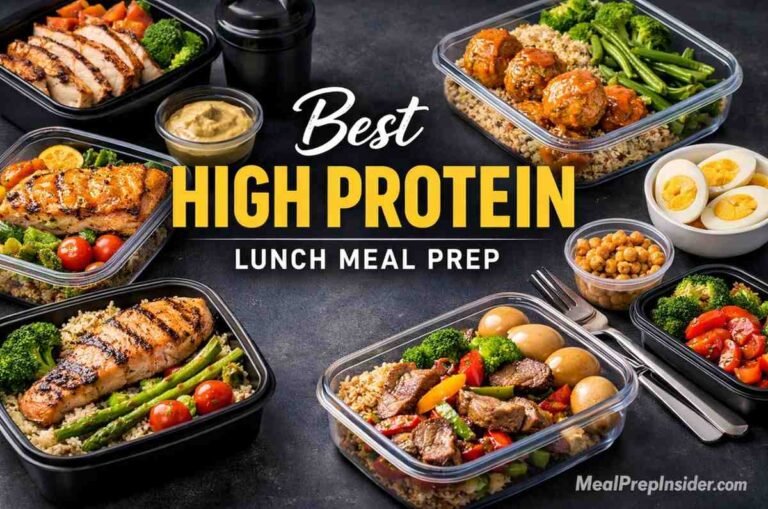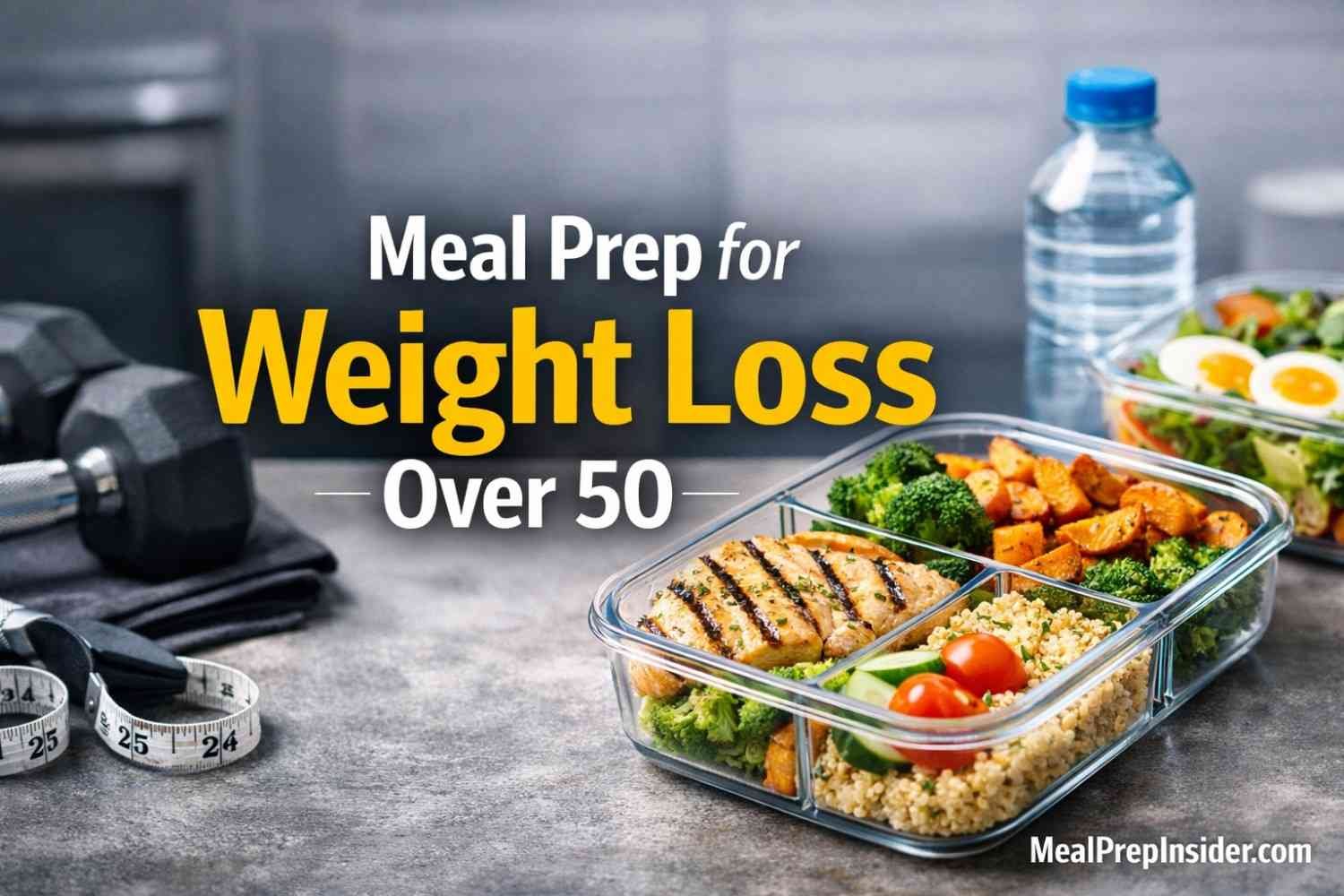
Meal Prep for Weight Loss Over 50: Shedding Pounds Easily

Meal prep for weight loss over 50 isn’t just another diet trend that’ll disappear next month. It’s a game-changer for people who’ve watched their metabolism slow down, and their favorite jeans get a little too snug.
My neighbor Linda turned 52 last March. She’d tried every diet under the sun, from keto to intermittent fasting, and nothing stuck. Then she discovered meal prepping, and within six months, she’d dropped 28 pounds. The secret? She stopped making food decisions when she was hungry, tired, or stressed.
Let me show you exactly how this works.
Why Meal Prep for Weight Loss Over 50 Works Better Than Traditional Dieting
Your body at 50 isn’t the same machine it was at 30. That’s not a bad thing, but it requires a different approach.
Traditional dieting relies on willpower. You’re supposed to make smart choices three, four, or five times a day. Every single day. For weeks or months.
That’s exhausting.
Meal prepping flips the script. You make decisions once or twice a week when you’re fresh and focused. The rest of the time, you just eat what you’ve already prepared.
Here’s what happens in your body after 50 that makes this approach so effective:
Metabolic Changes
- Your metabolism drops about 2-3% per decade after 30
- Muscle mass decreases naturally (sarcopenia)
- Hormonal shifts affect fat storage patterns
- Insulin sensitivity changes
- Sleep patterns often deteriorate, affecting hunger hormones
When you prep meals in advance, you control portions and nutrients before hunger strikes. You’re not standing in front of the fridge at 9 PM wondering what to eat.
The Foundation: What Your Over-50 Body Really Needs
Forget the one-size-fits-all approach.
Your nutritional needs have shifted. You need more protein to maintain muscle mass. You need fewer calories overall because your metabolism has slowed. You need more nutrients per calorie because you’re eating less total food.
Think of it this way: you’re driving a luxury sedan now instead of a sports car. It needs premium fuel, just in different amounts.
Protein Requirements
Aim for 25-30 grams per meal. Not 100 grams at dinner and 5 grams at breakfast. Spread it out.
Your body can only process so much protein at once. The rest gets converted to energy or stored as fat. Even distribution keeps your muscles fed throughout the day.
Fiber Becomes Your Best Friend
Shoot for 25-30 grams daily. Fiber slows digestion, stabilizes blood sugar, and keeps you full longer. Plus, it helps with digestion issues that tend to pop up as we age.
Healthy Fats Matter More
Your hormones need fat to function properly. Brain health depends on it. Joint health improves with omega-3s. Don’t skip the fats, just choose wisely.
Setting Up Your Meal Prep System
Tom from Phoenix spent his first meal prep Sunday cooking for six hours. He hated it and never did it again.
Don’t be like Tom.
Start small. Prep breakfast and lunch for three days. That’s it. Once that feels easy, add dinner. Then extend to five days.
Equipment You’ll Need
- Glass or BPA-free plastic containers (various sizes)
- A food scale (game-changer for portion control)
- Good quality chef’s knife
- Sheet pans (at least two)
- Slow cooker or Instant Pot (optional but helpful)
You don’t need fancy gadgets. I’ve seen people succeed with a $10 set of containers from the discount store.
Your Weekly Meal Prep Schedule
Pick one day as your prep day. Most people choose Sunday, but Wednesday works too if that fits your schedule better.
Block out 2-3 hours. Put on a podcast or your favorite music. Make it enjoyable, not a chore.
Here’s a simple timeline:
Hour 1: Prep and Initial Cooking
- Wash and chop vegetables
- Start proteins in the oven
- Get grains cooking (if you’re including them)
- Prep any sauces or dressings
Hour 2: Finish Cooking and Assembly
- Finish any stovetop items
- Let everything cool slightly
- Start portioning into containers
Hour 3: Final Assembly and Storage
- Label everything with dates
- Stack in the fridge strategically
- Clean up your kitchen

Meal Prep Recipes That Work for Weight Loss After 50
Let me give you real recipes that people are using successfully. Not Instagram-worthy dishes that taste like cardboard. Real food.
Breakfast Options
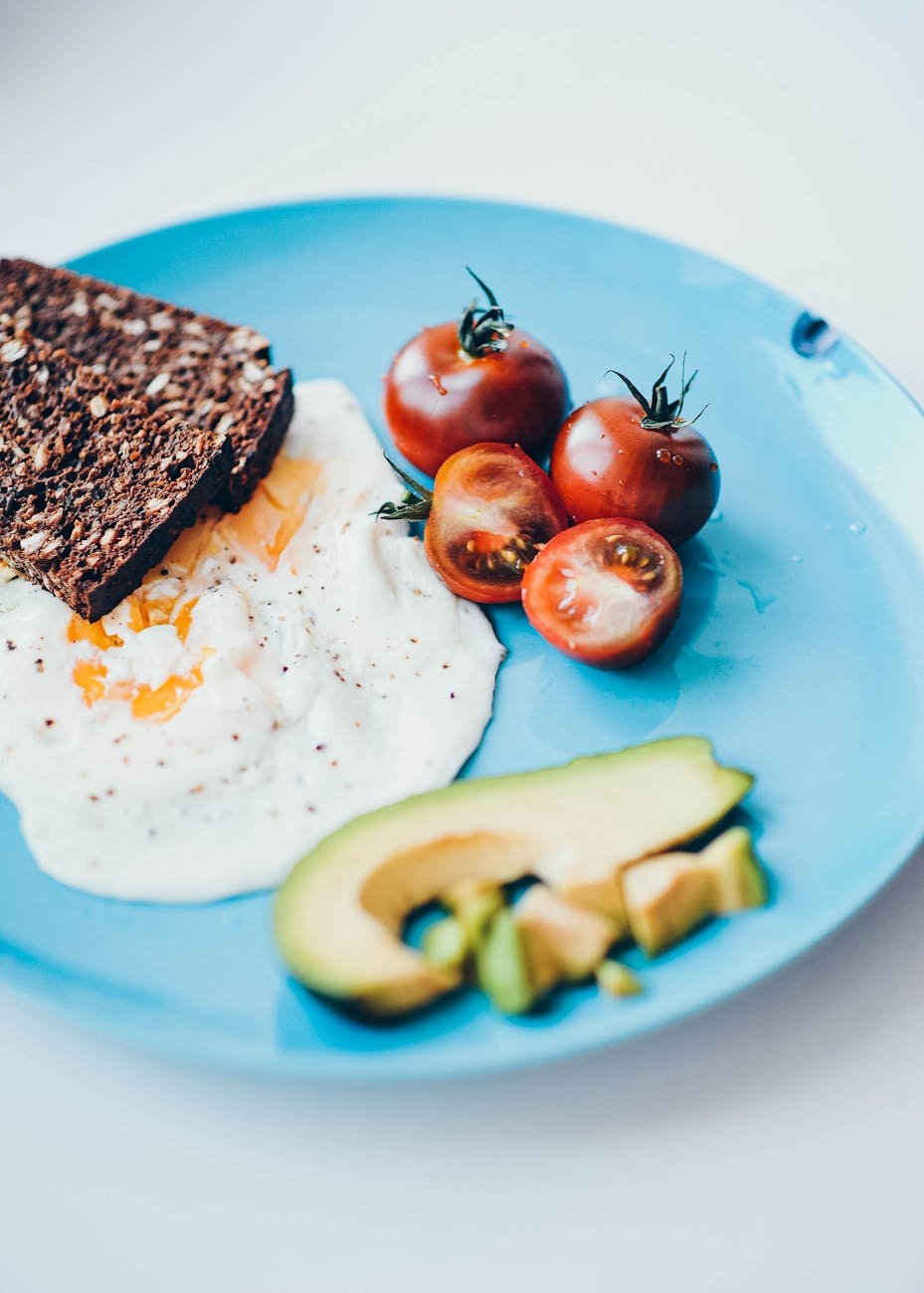
Egg Muffin Cups
These little powerhouses pack protein and vegetables into a grab-and-go format.
Mix 12 eggs with 1/2 cup of egg whites. Add chopped spinach, diced bell peppers, cherry tomatoes, and lean turkey sausage. Pour into muffin tins lined with paper cups. Bake at 350°F for 20-25 minutes.
Each muffin delivers about 90 calories and 10 grams of protein. Grab two for breakfast with a piece of fruit.
Overnight Protein Oats
Combine 1/2 cup rolled oats, 1 scoop protein powder, 1 tablespoon chia seeds, 1 cup unsweetened almond milk, and a handful of berries. Mix in a container and refrigerate overnight.
This gives you a creamy, satisfying breakfast with 25+ grams of protein and plenty of fiber.
Greek Yogurt Parfait Prep
Layer containers with plain Greek yogurt, fresh berries, a sprinkle of nuts, and a tiny drizzle of honey. Keep the nuts separate until eating to maintain crunch.
Simple. Effective. Delicious.
Lunch Solutions
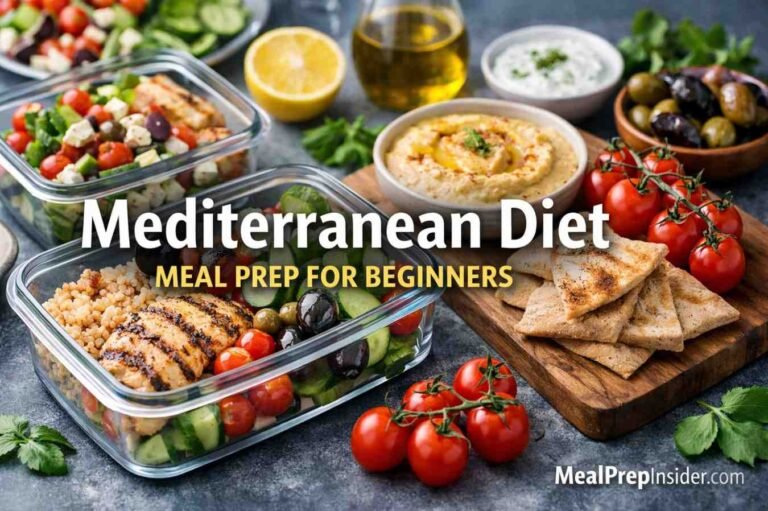
Mediterranean Chicken Bowl
Grilled chicken breast, cucumber and tomato salad, olives, a small portion of hummus, and mixed greens. Add a lemon-herb dressing on the side.
This bowl gives you lean protein, healthy fats, and tons of vegetables. Honestly, it tastes better on day three than day one as the flavors meld.
Turkey and Veggie Chili
Make a big batch using lean ground turkey, kidney beans, black beans, diced tomatoes, bell peppers, onions, and chili spices. One cup provides about 250 calories with 25 grams of protein.
Freeze half for later weeks. Efficiency at its finest.
Tuna Salad Power Bowl
Mix canned tuna (in water) with Greek yogurt instead of mayo, chopped celery, red onion, and a squeeze of lemon. Serve over mixed greens with cherry tomatoes and cucumber.
High-protein, low-calorie, zero-cooking required.
Dinner Ideas
Sheet Pan Salmon and Vegetables
Place salmon fillets on a sheet pan. Surround them with broccoli, asparagus, and sliced bell peppers. Drizzle with olive oil and season with garlic, lemon, and herbs. Bake at 400°F for 15-18 minutes.
One pan. Minimal cleanup. Maximum nutrition.
Slow Cooker Beef and Vegetable Stew
Chuck roast, carrots, celery, onions, mushrooms, beef broth, and herbs. Cook on low for 8 hours. The meat becomes so tender that it falls apart.
Portion into containers with a small serving of the vegetables and broth. This freezes beautifully.
Grilled Chicken with Roasted Vegetables
Season chicken breasts with your favorite spices. Grill a batch. Roast zucchini, eggplant, and red onion with a touch of olive oil.
Mix and match the chicken with different vegetable combinations throughout the week for variety.
Portion Sizes That Lead to Results
Susan from Milwaukee was meal prepping perfectly. High-quality foods, balanced macros, everything experts recommend. But she wasn’t losing weight.
The problem? Her portions were designed for a 25-year-old athlete, not a 54-year-old woman with a desk job.
Here’s a simple visual guide that works:
Protein: Palm-sized portion
Your palm, not including fingers. About 3-4 ounces cooked.
Vegetables: Two fists
Fill half your container with non-starchy vegetables. Seriously, load them up.
Healthy Fats: Thumb-sized portion
Whether it’s nuts, avocado, or olive oil, a thumb-sized portion is roughly one serving.
Carbohydrates: Cupped hand
If you’re including grains or starchy vegetables, keep them to about half a cup cooked.
These portions typically result in meals between 350 and 500 calories, which works well for weight loss in this age group.
Storage and Food Safety Tips
Nobody wants food poisoning from their healthy meal prep.
The Four-Day Rule
Most cooked foods stay fresh for 3-4 days in the refrigerator. If you’re prepping for longer, freeze the extras.
Proper Cooling
Let food cool to room temperature before sealing containers. Hot food creates condensation, which leads to soggy meals and bacterial growth.
Strategic Freezing
Soups, stews, and casseroles freeze beautifully. Most grilled meats do too. Salads and fresh vegetables? Not so much.
Label everything with the date. Use a permanent marker. Your future self will thank you.
Reheating Guidelines
Heat to 165°F to kill any bacteria. Use a food thermometer if you’re unsure. Microwave stirring midway through ensures even heating.
Mistakes People Make When Starting Meal Prep
I’ve watched dozens of people start meal prepping. Some thrive. Others quit after two weeks. The difference usually comes down to avoiding these pitfalls.
Prepping Too Much at Once
James decided to prep all 21 meals for the week. Every breakfast, lunch, and dinner. He spent seven hours in the kitchen and was completely burned out.
Start with 5-7 meals total. Master that before expanding.
Choosing Complicated Recipes
This isn’t the time to perfect your beef Wellington technique. Simple recipes with 5-7 ingredients work best.
Complexity kills consistency.
Not Accounting for Taste Fatigue
Eating the exact same meal five days in a row gets old fast. Prep base ingredients instead. Cook chicken three ways. Make two different vegetable combinations.
Variety keeps you engaged.
Skipping the Snack Prep
The afternoon hunger hits. You’re starving. Nothing’s prepared. You grab whatever’s available, which usually isn’t on your plan.
Prep snacks too. Cut vegetables with hummus. Portioned nuts. Greek yogurt with berries.
Forgetting About Hydration
This isn’t technically a meal prep mistake, but it affects results. As we age, our thirst signals weaken. You might be dehydrated without realizing it.
Prep your water routine too. Fill bottles the night before. Set reminders on your phone.
Adjusting Your Meal Prep as You Lose Weight
Here’s something most articles won’t tell you: what works at the beginning won’t work forever.
Margaret lost 15 pounds in her first two months of meal prepping. Then she plateaued for three weeks. Frustrated, she almost quit.
The issue? She was still eating the same portions she started with. Her body needed fewer calories now.
Recalculate Every 10-15 Pounds
Your calorie needs decrease as you lose weight. What created a deficit at 180 pounds won’t create the same deficit at 165 pounds.
Increase Protein as You Progress
As you lose weight, preserving muscle becomes even more critical. Gradually increase protein portions while decreasing carbohydrate portions.
Add Variety to Beat Adaptation
Your body adapts to everything. Rotate your proteins weekly. Try new vegetables. Change your seasonings.
Keep your metabolism guessing.
Eating Out and Social Situations
You’ve prepped all your meals. Then your daughter invites you to dinner. Or your book club meets at a restaurant. Life happens.
Don’t be the person who brings Tupperware to a wedding.
The 80/20 Approach
Stick to your meal prep 80% of the time. Allow flexibility for the other 20%. This isn’t permission to binge, but rather strategic freedom.
If you know you have dinner plans Friday night, prep through Friday lunch. Enjoy your dinner out. Return to prepped meals on Saturday.
Restaurant Strategies
When you do eat out:
- Choose grilled or baked proteins
- Ask for vegetables instead of fries
- Request dressing on the side
- Split an entrée or take half home immediately
You can maintain progress without becoming a hermit.
Meal Prep on a Budget
Eating healthy doesn’t require shopping at expensive specialty stores.
Buy Seasonal Produce
Strawberries in June cost half as much as in January. Butternut squash in October is cheap. Work with the seasons.
Embrace Frozen Vegetables
Frozen vegetables are picked at peak ripeness and flash-frozen. They’re often more nutritious than “fresh” produce that’s been sitting in a truck for days.
Plus, they’re cheaper and last longer.
Buy Proteins on Sale
When chicken breast goes on sale, buy several pounds. Portion and freeze what you won’t use this week.
Same with ground turkey, fish, and lean beef.
Cook Once, Eat Twice Strategy
Make a whole roasted chicken for dinner. Use the leftover meat for meal prep lunches. Boil the carcass for homemade broth.
Maximize every ingredient.
RELATED POST >> Easy Mediterranean Diet Meal Prep for Beginners: Healthy Tip
Tracking Progress Beyond the Scale
The scale is a liar sometimes.
You might lose fat and gain muscle simultaneously, especially if you’re adding resistance training. The scale won’t budge, but you’re getting healthier.
Better Progress Indicators
- How your clothes fit
- Energy levels throughout the day
- Quality of sleep
- Reduced joint pain
- Improved blood work numbers
- Mood and mental clarity
Carol from Denver didn’t lose a pound in week three. But she went down a jeans size and had more energy than she’d felt in years. She was winning, even though the scale disagreed.
Sample Week of Meal Prep for Weight Loss Over 50
Let me show you what a practical week looks like. Real portions, real calories, real results.
Monday Through Wednesday
Breakfast: Egg muffin cups (2) with mixed berries
Calories: 280 | Protein: 24g
Lunch: Mediterranean chicken bowl
Calories: 380 | Protein: 32g
Dinner: Sheet pan salmon with roasted vegetables
Calories: 420 | Protein: 35g
Snacks: Greek yogurt (100 cal), apple with almond butter (150 cal)
Total Daily: Approximately 1,330 calories, 91g protein
Thursday Through Saturday
Breakfast: Overnight protein oats with berries
Calories: 310 | Protein: 28g
Lunch: Turkey and veggie chili
Calories: 350 | Protein: 30g
Dinner: Grilled chicken with zucchini and bell peppers
Calories: 400 | Protein: 38g
Snacks: Hummus with vegetables (120 cal), protein smoothie (180 cal)
Total Daily: Approximately 1,360 calories, 96g protein
Sunday: Flex Day
Keep breakfast prepped, but allow more flexibility for lunch and dinner. This gives you social freedom and prevents burnout.
Supplements That Can Support Your Efforts
I’m not a doctor, and you should definitely consult yours before adding supplements. But here’s what many people over 50 find helpful alongside meal prep.
Protein Powder
Meeting protein goals can be challenging, especially at breakfast. A quality whey or plant-based protein powder makes it easier.
Look for options with minimal added sugars and artificial ingredients.
Omega-3 Fatty Acids
Most Americans don’t eat enough fatty fish. A quality fish oil supplement supports joint health, brain function, and can help with inflammation.
Vitamin D
As we age, vitamin D production decreases. Many people over 50 are deficient without knowing it. This affects bone health, mood, and immune function.
Probiotics
Gut health influences everything from digestion to immune function to mood. A good probiotic supports the beneficial bacteria in your digestive system.
Again, talk to your doctor. Get blood work done. Supplement strategically, not randomly.
Maintaining Results Long-Term
The hard truth? Most people who lose weight gain it back within two years.
But meal preppers have better odds. Why? Because you’ve built a system, not followed a temporary diet.
Make It a Lifestyle
Meal prep becomes easier with practice. What took three hours initially might take 90 minutes after a few months.
You’ll develop favorite recipes. You’ll get faster at chopping vegetables. You’ll know your portions by sight.
Evolve Your Approach
Your meal prep at month one shouldn’t look identical to month twelve. As you learn what works for your body, adjust accordingly.
Maybe you discover you prefer intermittent fasting and skip breakfast. Fine. Prep lunch and dinner instead.
Perhaps you love cooking dinner fresh, but appreciate prepped lunches. Adapt your system.
Built-in Maintenance Weeks
Every 8-12 weeks, take a maintenance week. Eat at your maintenance calories rather than in a deficit. Give your metabolism a break.
This prevents adaptation and makes long-term weight loss more sustainable.
Meal Prep Tools and Resources
Recommended Apps
MyFitnessPal: Track calories and macros
Mealime: Generate meal plans and shopping lists
Paprika: Store and organize recipes
Helpful Websites
USDA FoodData Central: Accurate nutritional information
EatThisMuch: Automatically generates meal plans based on your calorie goals
Budget Bytes: Affordable, healthy recipes
Container Sets Worth Buying
Glass containers last forever and don’t stain or hold odors. Brands like Pyrex and Glasslock are solid choices.
If you prefer plastic, look for BPA-free options that are microwave and dishwasher-safe.
Medical Considerations for Weight Loss Over 50
Let’s be real here. If you’re over 50, you probably have some health considerations that younger people don’t.
Talk to Your Doctor First
Especially if you have:
- Diabetes or pre-diabetes
- Heart disease
- High blood pressure
- Thyroid conditions
- Any medications that affect metabolism
Your doctor might need to adjust medications as you lose weight. Blood pressure meds, diabetes medications, and other medications may need dose changes.
Pace Matters
Aim for 1-2 pounds per week maximum. Faster weight loss can lead to:
- Muscle loss
- Nutritional deficiencies
- Gallstones
- Loose skin
- Metabolic adaptation
Slow and steady wins this race.
Prioritize Nutrition Density
You’re eating fewer calories overall. Every calorie needs to count nutritionally. This isn’t the time for empty calories or junk food.
Focus on whole foods packed with vitamins, minerals, and other nutrients your aging body needs.
Combining Meal Prep with Exercise
Nutrition is 80% of weight loss. But that other 20% matters too.
Resistance Training Is Non-Negotiable
You’re losing muscle mass naturally through aging. Calorie restriction accelerates this unless you’re actively working to preserve muscle.
Lift weights 2-3 times per week. Start light. Focus on form. Gradually increase resistance.
Walking Is Underrated
You don’t need to run marathons. A 30-minute walk daily burns calories, reduces stress, improves insulin sensitivity, and supports joint health.
Plus, it’s free and accessible.
Time Your Protein Around Workouts
Have a protein-rich meal within a couple of hours of strength training. This supports muscle recovery and growth.
Your prepped meals make this timing easy.
Troubleshooting Common Challenges
Problem: Food Tastes Boring by Day Four
Solution: Prep components, not complete meals. Cook proteins and vegetables separately. Combine them differently each day with various sauces and seasonings.
Problem: Running Out of Time on Prep Day
Solution: Use batch cooking techniques. While the chicken bakes in the oven, chop the vegetables. While rice cooks, prepare your salad components. Multitask efficiently.
Problem: Family Members Won’t Eat Your Meal Prep
Solution: Prep your portions separately. Make family-friendly components that work for everyone, then customize individual portions.
Cook a big batch of grilled chicken. You take a palm-sized portion with vegetables. They might have larger portions with different sides.
Problem: Getting Bored with the Same Foods
Solution: Rotate proteins weekly. Week one: chicken. Week two: turkey. Week three: fish. Week four: lean beef.
Change your vegetable combinations. Try new seasonings and spice blends. Explore cuisines from different cultures.
The Mental Game of Weight Loss After 50
Your biggest obstacle isn’t a lack of knowledge. It’s not willpower either.
It’s the story you tell yourself.
“I’m too old to change.”
“My metabolism is ruined.”
“I’ve tried everything, and nothing works.”
These stories keep you stuck.
Reframe Your Narrative
You’re not too old. You’re experienced enough to finally prioritize yourself.
Your metabolism has changed, but it still responds to consistent effort.
Previous attempts didn’t fail—you learned what doesn’t work for you.
Celebrate Small Wins
Prepped meals for three days? Victory.
Choose your prepped lunch over takeout? Win.
Down one pound? Progress.
Stack small wins consistently, and big results follow.
Handle Setbacks Without Drama
You’ll have bad days. You’ll skip a prep session. You’ll overeat at a party.
So what?
One meal doesn’t ruin progress any more than one salad creates it. Get back to your system at the next opportunity.
Creating Your Personal Meal Prep Style
There’s no single “right” way to meal prep. The best system is the one you’ll actually use.
The Batchelor
Cooks large quantities of 2-3 recipes. Eats the same meals all week. Values simplicity over variety.
The Rotator
Prep different meals for different days. Monday’s lunch differs from Tuesday’s. Requires more time but provides variety.
The Component Prepper
Cook’s base ingredients only. Proteins, grains, and vegetables are stored separately. Assembles meals daily based on mood and appetite.
The Breakfast-Lunch Prepper
Only prepares breakfast and lunch. Cooks dinner fresh each evening. Good for people who enjoy cooking but need workday convenience.
Try different approaches. See what fits your lifestyle, schedule, and preferences.
FAQ
How long can I safely store meal-prepped food in the refrigerator?
Most cooked proteins and vegetables stay safe for 3-4 days when properly stored at 40°F or below. Seafood should be eaten within 2-3 days. When in doubt, freeze portions you won’t eat within this timeframe. Trust your senses too—if something smells off or looks questionable, toss it.
Do I need to count calories to lose weight with meal prep?
Not necessarily, but portion awareness matters. Many people succeed using the palm-protein, two-fists-vegetables, thumb-fat method without strict calorie counting. However, if you’re not seeing results after a few weeks, tracking for a short period can reveal where you might be overeating. Think of counting as temporary education, not a life sentence.
Can I meal prep if I have diabetes?
Absolutely. In fact, meal prepping can be particularly beneficial for managing blood sugar levels. You’ll have better control over carbohydrate portions and timing. Work with your doctor or a registered dietitian to determine appropriate macronutrient ratios for your situation. Monitor your blood sugar as you adjust your eating pattern, as medication dosages may need to be changed.
What if I get tired of eating the same foods?
This is where strategic variety comes in. Prep the same base proteins and vegetables, but change seasonings and sauces. Taco-seasoned chicken one day becomes Asian-inspired the next with different spices. Rotate your protein sources weekly. Introduce one new recipe every couple of weeks to keep things interesting without overwhelming yourself.
Is meal prepping more expensive than regular shopping?
It can be, but doesn’t have to be. Buying in bulk, choosing seasonal produce, and reducing food waste often save money. You’ll also spend less on takeout and restaurant meals when healthy options are ready in your fridge. Start by comparing your current monthly food spending to your meal prep costs. Most people find they break even or save money.
How do I meal prep when traveling or on vacation?
Short trips: pack a cooler with prepped meals for the journey. Longer vacations: give yourself permission to take a break. Enjoy local food experiences. Return to your meal prep routine when you get home. Some people do mini-preps in hotel rooms with a mini-fridge and microwave. Others scout grocery stores at their destination for healthy, quick options.
Should I prep snacks too?
Yes, especially in the beginning. The 3 PM energy crash is real, and having healthy snacks ready prevents vending machine raids. Portion nuts into small bags, cut vegetables and pair with hummus, prep Greek yogurt parfaits, or make protein balls. Snack prep takes an extra 15 minutes but saves you from impulsive choices.
What’s the best way to reheat meal-prepped food?
The microwave works for most items. Remove from fridge 15 minutes before heating to reduce cooking time and promote even heating. Stir halfway through. For the best texture, reheat proteins and vegetables separately if possible. Some foods, like salmon or steak, taste better reheated gently in a skillet. Soups and stews reheat beautifully on the stovetop.
Can I build muscle while losing weight through meal prep?
Yes, especially if you’re new to resistance training. Prioritize protein (aim for 0.7-1g per pound of body weight), include strength training 2-3 times weekly, and don’t cut calories too drastically. A modest 300-500-calorie deficit allows for fat loss while supporting muscle maintenance or growth. This combination works particularly well for people over 50 who are new to structured eating and exercise.
How do I handle meal prep when my spouse isn’t on board?
Prep your portions separately. Many couples successfully meal prep by making larger batches that work for both of them, then customizing portions. Your spouse might want rice with dinner while you choose extra vegetables. Or they might eat larger portions. Focus on your own goals while respecting that everyone’s journey is different. Sometimes your results inspire them to join later.
What if I’m not good at cooking?
Meal prep doesn’t require chef-level skills. Start with no-cook options like salads, wraps, and protein bowls. Learn basic cooking methods one at a time: baking, grilling, and sautéing. Follow simple recipes with clear instructions. Watch YouTube tutorials if you’re visual. The beauty of meal prepping is you’re cooking when the stakes are low—not when you’re starving and stressed.
How often should I change up my meal prep routine?
Most people benefit from changing recipes every 2-4 weeks. Keep what works, rotate what doesn’t. Pay attention to which meals you look forward to eating and which you avoid. The meals you skip are telling you something. Replace those first. Your meal prep should evolve as your tastes, schedule, and goals change.
Meal prep for weight loss over 50 works because it removes decision fatigue from the equation. You’re not relying on willpower when you’re tired and hungry. You’ve already made the choice when you were clear-headed and focused.
Start small. Be consistent. Adjust as needed.
Your future self—the one feeling lighter, healthier, and more energized—will be grateful you started today.
SUGGESTED POST >> Easy Thyroid Diet Meal Prep Weekly Plan that Works
Discover more from Meal Prep Insider
Subscribe to get the latest posts sent to your email.