Meal Prep for Chemo Patients: 30 Tested Easy Recipes

Meal prep for chemo patients becomes one of those unexpected lifelines when you’re navigating cancer treatment. My close friend Sheila, a 52-year-old librarian from Portland, told me she wished someone had explained this before her first round of chemotherapy.
She spent those early days struggling to figure out what to eat, what she could stomach, and how to get proper nutrition when the last thing she wanted to do was stand in front of a stove.
Cancer treatment changes everything about eating. Your taste buds rebel. Your energy evaporates. The smell of cooking can trigger nausea before you even take a bite.
That’s where smart meal preparation steps in.
This guide brings together 30 tested recipes specifically designed for people undergoing chemotherapy. These aren’t complicated restaurant-style dishes.
They’re practical, nutritious meals that accommodate changing tastes, sensitive stomachs, and the reality of limited energy. We’re talking about food that actually works when your body is working overtime to heal.
Understanding Why Meal Prep for Chemo Patients Makes a Difference
Cancer treatment puts extraordinary demands on your body. Chemotherapy doesn’t just target cancer cells—it also affects healthy cells, particularly those that divide rapidly, like the cells lining your mouth and digestive tract.
This creates a domino effect.
Your appetite disappears. Foods you once loved suddenly taste metallic or bland. The thought of preparing meals becomes overwhelming when you’re exhausted from treatment. Yet proper nutrition matters more than ever because your body needs fuel to repair itself, maintain strength, and support your immune system.
Preparing meals in advance solves multiple problems simultaneously. You cook when you have energy, not when you’re depleted. You control ingredients to avoid triggering foods. You portion everything appropriately so you’re not staring at an intimidating plate of food when your appetite is minimal.
Jennifer, a breast cancer survivor from Minneapolis, started meal prepping after her second treatment. She told me the difference was remarkable. Instead of ordering takeout that rarely agreed with her stomach, she had gentle, familiar foods ready to heat and eat. Her nutritionist noticed improvement in her labs within three weeks.
What Makes a Recipe Suitable for Chemo Patients
Not all recipes work for people in treatment. You need specific characteristics that accommodate the unique challenges chemotherapy creates.
Key Features to Look For:
- Bland to mildly seasoned options that won’t overwhelm sensitive taste buds
- Room temperature or cold dishes for when hot food smells trigger nausea
- Soft textures that are gentle on a sore mouth or throat
- High protein content to support healing and maintain muscle mass
- Easy digestibility to minimize gastrointestinal distress
- Individual portions to avoid food waste and overwhelming serving sizes
- Quick reheating methods that don’t require extensive effort
The recipes below incorporate these principles. Some can be eaten cold straight from the refrigerator. Others require minimal reheating. All prioritize nutrition without sacrificing palatability.
Preparing Your Kitchen for Success
Before diving into recipes, set yourself up properly. Tom, a colon cancer patient from Austin, learned this the hard way. He bought containers that weren’t microwave-safe and ended up reheating food in regular dishes, creating unnecessary cleanup when he barely had energy to eat.
Essential Meal Prep Equipment:
- Glass or BPA-free plastic containers in various sizes
- Ice cube trays for freezing broth, smoothie ingredients, or pureed foods
- Slow cooker or instant pot for hands-off cooking
- Blender for smoothies and pureed options
- Freezer-safe bags for portion control
- Labels and markers to track preparation dates
Stock your pantry with gentle staples. Ginger tea for nausea. Crackers for when solid food seems impossible. Chicken or vegetable broth as a base for countless recipes.
Clear out strong-smelling foods if they bother you. Many patients report heightened sensitivity to onions, garlic, and certain spices during treatment. There’s no shame in temporarily removing triggers from your space.

The 30 Easy Recipes for Chemo Patients
Let’s get into the actual recipes. I’ve organized them by category to make navigation easier.
Gentle Breakfast Options
1. Overnight Oats with Banana and Honey
Oats provide soluble fiber that’s easy on digestion. Prepare in mason jars for grab-and-go convenience.
Mix half a cup of rolled oats with two-thirds cup of milk (dairy or non-dairy). Add one mashed banana and a teaspoon of honey. Refrigerate overnight. These keep for three days and can be eaten cold or gently warmed.
2. Egg Muffin Cups
Protein-packed and customizable based on what you can tolerate.
Whisk six eggs with a quarter cup of milk. Pour into greased muffin tins. Add mild vegetables like spinach or diced tomatoes. Bake at 350°F for twenty minutes. Freeze in individual portions for up to three months.
3. Smooth Banana Pancakes
These freeze beautifully and reheat in seconds.
Mash two ripe bananas and mix with four eggs and half a teaspoon of vanilla. Cook small pancakes on a non-stick griddle. Freeze with parchment paper between each pancake. Reheat in the toaster for a quick, gentle breakfast.
4. Rice Pudding
Comforting and easy to digest when your stomach is sensitive.
Simmer 1 cup of white rice in 3 cups of milk with ¼ cup of sugar and a pinch of cinnamon. Cook until creamy, about thirty minutes. Portion into containers and refrigerate for up to five days.
5. Applesauce with Cinnamon
Sometimes the simplest options work best.
Core and dice six apples. Cook with half a cup of water and a teaspoon of cinnamon until soft. Blend smooth or leave chunky based on preference. This gentle option soothes upset stomachs and provides easy calories.
Protein-Rich Main Dishes
6. Slow Cooker Chicken and Rice
Set it and forget it while you rest.
Place four chicken breasts in your slow cooker with two cups of white rice, four cups of low-sodium chicken broth, and mild seasonings like thyme. Cook on low for six hours. Shred the chicken and portion everything into containers. This stays fresh refrigerated for four days or frozen for two months.
7. Baked Salmon with Lemon
Omega-3 fatty acids support your immune system.
Season salmon fillets with just lemon juice and a touch of salt. Bake at 375°F for fifteen minutes. Salmon reheats gently and can also be eaten cold over salad or with crackers.
8. Turkey Meatballs
Ground turkey is leaner and often better tolerated than beef.
Mix one pound of ground turkey with one egg, half a cup of breadcrumbs, and minimal seasoning. Form into small meatballs and bake at 400°F for twenty minutes. These freeze exceptionally well and can be added to soup, pasta, or eaten alone.
9. Quinoa and Chicken Bowl
Complete protein in a convenient package.
Cook two cups of quinoa according to package directions. Mix with diced cooked chicken, steamed carrots, and a light drizzle of olive oil. Portion into containers for a balanced meal that works hot or cold.
10. Egg Salad
Protein-dense and requires no reheating.
Hard-boil a dozen eggs. Mash with Greek yogurt instead of mayo for easier digestion, a touch of mustard, and salt. Serve on crackers, bread, or lettuce, depending on what sounds appealing.
Soothing Soups and Broths
11. Classic Chicken Noodle Soup
There’s a reason this tops every comfort food list.
Simmer chicken breast in eight cups of low-sodium broth with sliced carrots, celery, and egg noodles. Season lightly with salt and parsley. This soup freezes perfectly in individual portions and provides hydration along with nutrition.
12. Butternut Squash Soup
Smooth, mild, and packed with vitamins.
Roast cubed butternut squash at 400°F for thirty minutes. Blend with vegetable broth, a touch of ginger, and a splash of coconut milk. This vibrant soup is gentle on sore throats and provides substantial nutrition.
13. Miso Soup with Tofu
Light but surprisingly satisfying.
Dissolve miso paste in warm water (not boiling, which destroys beneficial probiotics). Add silken tofu cubes and sliced green onions. This takes minutes to prepare and soothes digestive upset.
14. Potato and Leek Soup
Creamy without being heavy.
Sauté sliced leeks in butter until soft. Add diced potatoes and vegetable broth. Simmer until potatoes are tender, then blend smooth. This mild soup makes a meal or a side dish.
15. Ginger Carrot Soup
Ginger helps combat nausea while carrots add natural sweetness.
Cook sliced carrots in vegetable broth with fresh ginger and a touch of honey. Blend until completely smooth. Ginger provides anti-nausea benefits, while carrots deliver beta-carotene.
Gentle Carbohydrate Options
16. Plain Baked Potatoes
Sometimes the most basic foods are exactly what you need.
Bake potatoes at 400°F for an hour. Let cool, then wrap individually. Reheat in the microwave and top with butter, sour cream, or Greek yogurt based on tolerance.
17. White Rice with Butter
When nothing else sounds good, simple carbs provide energy.
Cook a large batch of white rice. Portion into containers with a small pat of butter. This bland base can be paired with any protein or vegetable you can manage.
18. Buttered Noodles
Childhood comfort that works during treatment.
Cook pasta according to package directions. Toss with butter and a sprinkle of parmesan if tolerated. Portion for easy reheating throughout the week.
19. Mashed Potatoes
Creamy, gentle, and easy to swallow with a sore mouth.
Boil peeled potatoes until tender. Mash with milk and butter until smooth. These freeze well in portion sizes and reheat beautifully.
20. Sweet Potato Rounds
Naturally sweet and nutrient-dense.
Slice sweet potatoes into rounds. Toss with olive oil and bake at 425°F for twenty-five minutes. These can be eaten as a side or snack, hot or cold.
Cold Options and Snacks
21. Chicken Salad
Protein-rich and refreshing when hot food doesn’t appeal.
Mix shredded rotisserie chicken with Greek yogurt, diced celery, and a touch of lemon juice. Serve on crackers or bread when you have an appetite.
22. Hummus with Soft Pita
Plant-based protein that’s easy to digest.
Blend chickpeas with tahini, lemon juice, and garlic (if tolerated). Serve with soft pita bread or vegetable sticks. This provides protein and healthy fats without requiring cooking.
23. Cottage Cheese with Fruit
Quick protein that requires zero preparation.
Portion cottage cheese into containers and top with canned peaches or pears. The combination provides protein, calcium, and gentle carbohydrates.
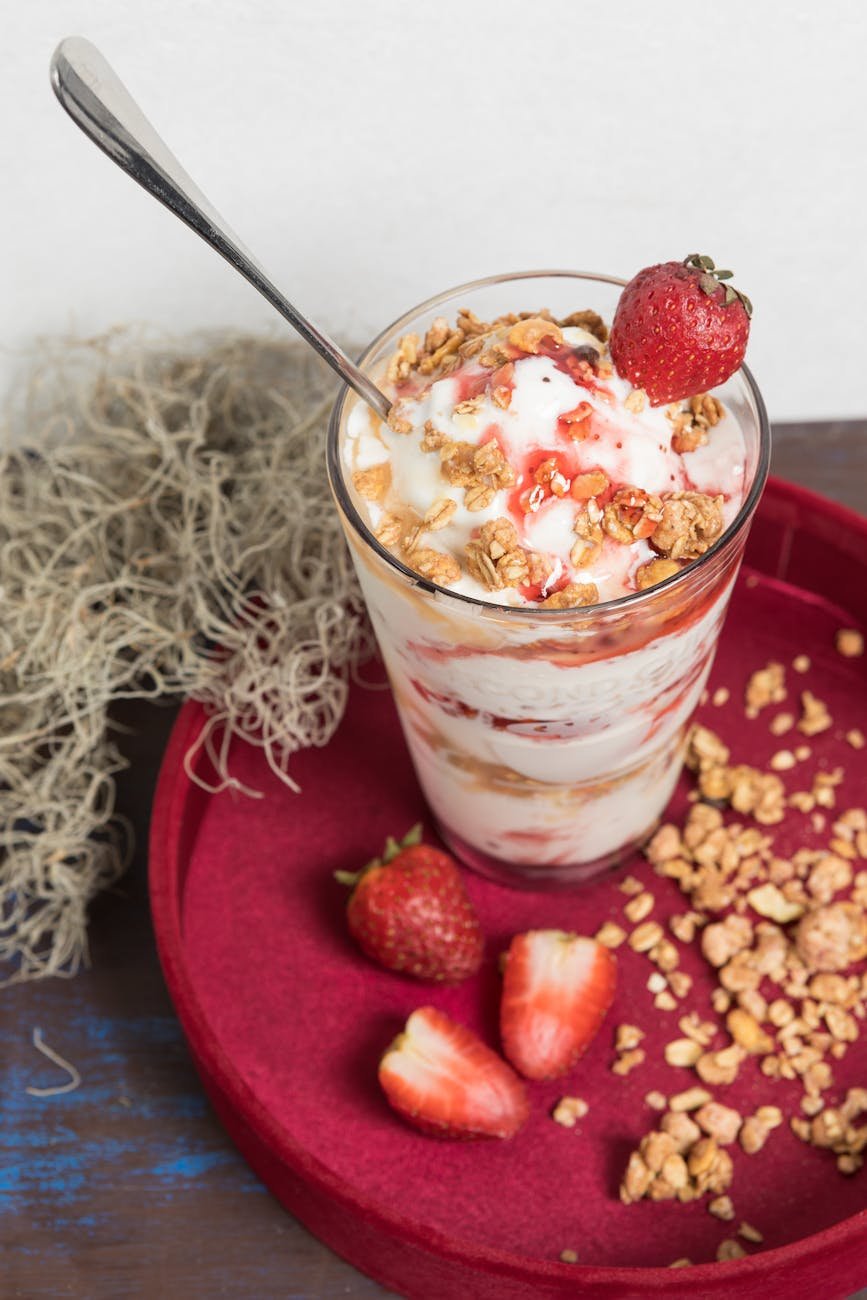
24. Yogurt Parfait
Layer Greek yogurt, granola, and berries in jars. These stay fresh for three days and offer probiotics that may help with digestion.
25. Tuna Salad
Another no-cook protein option.
Mix canned tuna with Greek yogurt, diced pickles, and a squeeze of lemon. Serve on crackers or bread when you need something quick and filling.
RELATED POST >> Top 15 Low-Carb Diabetic Meal Prep Recipes: Best & Easy
Smoothies and Liquid Nutrition
26. Banana Peanut Butter Smoothie
Calories and protein in a drinkable form for when chewing seems impossible.
Blend one banana, two tablespoons of peanut butter, one cup of milk, and ice. Add protein powder if recommended by your doctor. This provides substantial nutrition when solid food isn’t appealing.
27. Green Smoothie
Sneak in vegetables when you can’t face eating them.
Blend spinach, banana, mango, and coconut water. The fruit masks the vegetable taste while providing vitamins and minerals.
28. Berry Protein Smoothie
Antioxidants meet convenient nutrition.
Blend mixed berries, Greek yogurt, honey, and milk. Add protein powder for extra nutrition. Freeze in individual portions and thaw as needed.
29. Tropical Smoothie
A taste of sunshine when you’re stuck indoors recovering.
Blend pineapple, mango, coconut milk, and a squeeze of lime. This refreshing option works when nothing else sounds good.
30. Chocolate Banana Smoothie
Sometimes you need something that feels like a treat.
Blend banana, cocoa powder, milk, and a touch of honey. This tastes indulgent while providing nutrition and easy calories.
Weekly Meal Prep Strategy
Planning matters as much as the recipes themselves. Maria, a nurse from Chicago who went through treatment three years ago, created a system that worked with her energy levels.
Sunday Prep Session:
Choose two or three recipes from different categories. Make a large batch of soup, prepare protein for the week, and assemble some grab-and-go breakfasts. This gives variety without overwhelming yourself.
Don’t try to prep everything at once. Work in thirty-minute blocks with rest periods between. Ask for help from family or friends who want to support you but don’t know how.
Wednesday Mini-Prep:
Assess what’s working. If you haven’t touched the chicken salad, don’t make more. If the smoothies are saving you, prep more smoothie packs. Flexibility matters more than following any rigid plan.
Storage Guidelines That Keep You Safe
Food safety becomes especially critical when your immune system is compromised by chemotherapy.
Refrigerator Storage Times:
| Food Type | Maximum Storage |
|---|---|
| Cooked poultry | 3-4 days |
| Cooked fish | 3-4 days |
| Soups and stews | 3-4 days |
| Cooked vegetables | 3-5 days |
| Hard-boiled eggs | 1 week |
| Smoothies | 24 hours |
Freezer Storage Times:
| Food Type | Maximum Storage |
|---|---|
| Cooked poultry | 2-6 months |
| Cooked fish | 2-3 months |
| Soups | 2-3 months |
| Muffins and baked goods | 2-3 months |
| Smoothie packs | 3 months |
Label everything with preparation dates. When in doubt, throw it out. The risk isn’t worth it when your immune system is vulnerable.
Adapting Recipes to Your Changing Needs
Your tolerance will shift throughout treatment. What worked during cycle one might be unbearable during cycle three.
David, a lymphoma patient from Denver, kept a simple food journal. Not anything complicated—just notes on what he actually ate each day and how he felt afterward. This helped him identify patterns and adjust his meal prep accordingly.
If metallic tastes develop, switch from metal utensils to plastic or bamboo. If mouth sores appear, focus on the smoothies and soups rather than anything requiring chewing. When nausea hits, lean into cold foods and ginger-based recipes.
There’s no prize for forcing yourself to eat food that makes you miserable. Modify these recipes freely. Remove ingredients that bother you. Add seasonings when your taste buds cooperate. Make them your own.
Common Pitfalls to Sidestep
Mistake Number One: Making Too Much Variety
When you’re exhausted, decision fatigue is real. Having fifteen different meals in your refrigerator sounds great in theory, but it becomes overwhelming in practice. Stick to three or four options per week.
Mistake Number Two: Ignoring Temperature Preferences
Many patients discover that room temperature foods work better than hot or cold extremes. Don’t feel obligated to reheat everything. Cold chicken and rice might be exactly what your body wants.
Mistake Number Three: Prep When You’re Already Exhausted
Schedule meal prep for when you typically have the most energy. For many people, that’s a few days after treatment rather than right before or during. Work with your body’s rhythms, not against them.
Mistake Number Four: Skipping Protein
Even when you don’t feel hungry, protein helps maintain muscle mass and supports healing. Find at least one high-protein option you can tolerate and keep it readily available.
Mistake Number Five: Forgetting Hydration
Soups, smoothies, and broths all contribute to hydration needs. When plain water tastes off, these alternatives keep you properly hydrated.
Getting Help When You Need It
Rachel from Seattle had a revelation during her treatment. She realized people genuinely wanted to help but didn’t know what to do. When she started asking specifically for meal prep assistance, friends jumped at the opportunity.
Create a meal train through websites designed for this purpose. Give people specific recipes from this list. Most folks feel relieved to have concrete guidance rather than guessing what might help.
Some cancer centers offer nutrition counseling as part of treatment. Take advantage of this resource. A registered dietitian who specializes in oncology can personalize recommendations based on your specific situation.
Organizations in many communities provide free meal delivery for cancer patients. The American Cancer Society can connect you with local resources. Don’t let pride keep you from accessing available support.
When to Contact Your Medical Team
Proper nutrition matters, but sometimes issues require professional intervention.
Call your doctor if you experience:
- Inability to keep down food or liquids for more than 24 hours
- Unintentional weight loss of more than five pounds in a week
- Severe mouth sores that prevent eating
- Signs of dehydration, like dark urine or dizziness
- Fever along with eating difficulties
Your oncology team expects these calls. They’d rather address problems early than manage complications later.
Nutrition Supplements and Medical Foods
Sometimes regular food isn’t enough. Commercial nutrition shakes designed for cancer patients can fill gaps when solid food intake drops.
Options include:
- Ensure or Boost for general nutrition
- Orgain for plant-based alternatives
- Kate Farms for allergen-friendly options
- Protein powders to fortify smoothies and soups
Discuss supplements with your oncologist before adding them. Some interact with certain chemotherapy drugs or aren’t appropriate for specific cancer types.
Making Peace with Imperfect Eating
Here’s something nobody mentions enough: your eating won’t be perfect during treatment. Some days you’ll live on crackers and ginger ale. Other days, you’ll manage balanced meals.
Both scenarios are okay.
Cancer treatment is survival mode. The goal is to get adequate nutrition to support your body through treatment, not to win culinary awards or to maintain pre-diagnosis eating habits.
Kevin, a prostate cancer survivor from Boston, told me his biggest mental shift came when he stopped judging himself for eating differently. He gave himself permission to eat whatever he could tolerate, whenever he could tolerate it. His energy improved when the stress around eating decreased.
Extend yourself that same grace.
Planning for Post-Treatment
Treatment eventually ends. Your eating will gradually normalize, though the timeline varies for everyone.
Keep the meal prep habit even as you recover. It remains a practical strategy for managing energy and ensuring good nutrition during the healing process after chemotherapy concludes.
Slowly reintroduce foods you avoided during treatment. Some taste changes resolve quickly. Others take months. Patience serves you better than forcing your system to accept foods it’s not ready for.
The Bigger Picture
Meal prep for chemo patients is about more than recipes and containers. It’s about maintaining control over one aspect of life when cancer has disrupted everything else.
It’s about nourishing your body so it can fight back.
It’s about reducing stress during an already stressful time.
These thirty recipes provide a starting point. Some will become staples. Others won’t work for your particular situation. That’s expected. Take what serves you and leave the rest.
Your journey through treatment is uniquely yours. Your eating during this time will be too. Use these tools to support yourself as you navigate the challenging weeks and months ahead.
You’re not just surviving treatment. You’re actively supporting your body’s remarkable ability to heal. Every nutritious bite contributes to that process, even when it doesn’t feel like much.
The librarian I mentioned earlier, Sarah, completed treatment two years ago. She still meal preps, though now it’s because she genuinely enjoys having ready-to-eat healthy food rather than necessity. Those habits she developed during the hardest time became part of her wellness routine afterward.
That might be your story, too.
For now, pick one or two recipes that sound manageable. Prep them when you have energy. Eat what you can, when you can. Trust that you’re doing exactly what you need to do.
Frequently Asked Questions
How many days in advance should I meal prep during chemo?
Prep for three to four days at a time. This ensures food stays fresh while not requiring you to cook constantly. Your energy levels and appetite change quickly during treatment, so shorter prep cycles allow more flexibility than weekly planning.
What if I can’t tolerate any of these recipes?
Contact your oncology team right away. Severe food intolerance needs medical attention. A registered dietitian specializing in oncology can assess your situation and recommend alternatives, including liquid nutritional supplements or modifications to meet your specific needs.
Can I freeze smoothies for later?
Yes, freeze smoothie ingredients in bags or containers, then blend when ready to drink. Fully prepared smoothies can be frozen for up to three months, though texture may change slightly. Add liquid when blending frozen smoothie packs to achieve the desired consistency.
How do I get enough protein when meat tastes terrible?
Try plant-based options like beans, lentils, tofu, Greek yogurt, cottage cheese, eggs, and nut butters. Protein powder can be added to smoothies, soups, or oatmeal. Cold proteins like egg salad or hummus often work better than hot meats when taste changes occur.
Is it safe to meal prep with a compromised immune system?
Yes, if you follow proper food safety guidelines. Wash hands thoroughly, cook foods to proper temperatures, refrigerate promptly, and observe storage time limits. Avoid raw or undercooked foods, unpasteurized products, and anything past its expiration date during treatment.
What’s the best way to deal with nausea when eating?
Eat small portions frequently rather than large meals. Choose cold or room-temperature foods. Avoid strong smells by eating in well-ventilated areas. Ginger tea, bland carbohydrates, and salty foods often help. Talk to your doctor about anti-nausea medications if food intake becomes severely limited.
Should I force myself to eat when I have no appetite?
Don’t force large amounts, but try to eat small portions throughout the day. Your body needs nutrition even without hunger signals. Focus on nutrient-dense options when you do eat. If appetite loss persists for several days, contact your medical team.
How can family members help with meal prep?
Give specific tasks like washing vegetables, portioning foods into containers, or following particular recipes from this list. Many people want to help but need concrete direction. A meal train or scheduled prep sessions with friends can significantly reduce your burden.
What foods should I completely avoid during chemotherapy?
Avoid raw or undercooked meat, fish, and eggs. Skip unpasteurized dairy products and juices. Wash all produce thoroughly. Avoid buffets, salad bars, and food that’s been sitting at room temperature. Your oncology team will provide specific guidelines based on your treatment protocol.
How do I know if I’m getting adequate nutrition?
Monitor your energy levels, weight stability, and how you feel overall. Your medical team tracks blood work that indicates nutritional status. If you’re unintentionally losing weight, feeling extremely weak, or unable to maintain adequate food intake, request a referral to an oncology dietitian for a personalized assessment.
SUGGESTED POST >> Easy RV Camping Meal Prep Ideas: Top 17 Road Trip Options
Discover more from Meal Prep Insider
Subscribe to get the latest posts sent to your email.