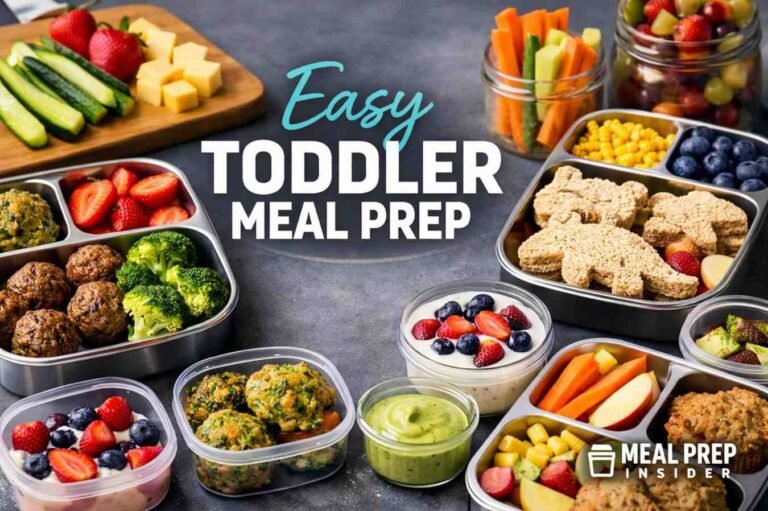
13 Easy Low Sodium Recipes for Back Sleepers: Be Less Puffy

Low sodium recipes for back sleepers might sound like the weirdest pairing since pineapple on pizza, but stick with me here. Your sleeping position affects your health more than you think. And what do you eat? That’s playing an even bigger role in how well you rest, recover, and wake up feeling like an actual human instead of a zombie.
Here’s something most people don’t know: back sleepers face unique health challenges that salt makes worse. Way worse.
The connection isn’t obvious at first glance. But when you sleep on your back, gravity works differently on your body. Fluid retention becomes more noticeable. Swelling happens more easily. And sodium? That sneaky mineral is the primary culprit behind water retention, facial puffiness, and that annoying stiffness you feel in your joints come morning.
Think about waking up with a puffy face, swollen fingers, or lower back pain that won’t quit. Sound familiar? Your dinner from last night might be the real problem. Not your mattress. Not your pillow. Your salt intake.
This isn’t another boring list of bland chicken and steamed vegetables. These thirteen recipes taste incredible while keeping your sodium levels in check. They’re designed specifically for people who sleep on their backs and want to wake up feeling refreshed instead of inflamed.
Let’s dig in.
Why Back Sleepers Need to Watch Their Sodium Intake
Back sleeping is the healthiest sleep position according to most experts. It keeps your spine aligned, reduces wrinkles, and prevents neck pain when done correctly. But there’s a downside nobody talks about.
When you lie flat on your back for seven to nine hours, fluids distribute differently throughout your body. Unlike side sleepers who have gravity pulling fluids laterally, back sleepers experience a more even distribution. This means sodium-induced water retention affects you more noticeably.
High sodium intake causes:
- Facial swelling and puffiness, especially around the eyes
- Increased blood pressure during sleep
- Disrupted sleep quality due to frequent urination
- Morning stiffness and joint discomfort
- Breathing difficulties for those with sleep apnea
- Increased acid reflux symptoms
The American Heart Association recommends no more than 1,500 mg of sodium daily for optimal health. Most Americans consume over 3,400 mg daily. That’s more than double the recommended amount.
For back sleepers, staying closer to that 1,500 mg target makes a measurable difference in sleep quality and morning recovery.
The Science Behind Sleep Position and Fluid Retention
Your lymphatic system works hard while you sleep to clear waste from your body. Sleep position influences how efficiently this happens.
Back sleepers have an advantage in spinal alignment but face challenges with fluid drainage. The supine position allows fluids to pool more evenly across tissues. Add excess sodium to the equation, and your body holds onto even more water.
Research shows that sodium sensitivity varies between individuals. But everyone experiences some degree of fluid retention when consuming high-sodium meals before bed.
The result? You wake up looking and feeling puffy. Your rings don’t fit. Your face looks swollen. Your lower back feels stiff.
Reducing sodium intake improves this dramatically. Within days, most people notice less morning puffiness and better overall sleep quality.
Recipe 1: Mediterranean Herb-Crusted Chicken
This recipe uses fresh herbs instead of salt to create explosive flavor. The result is tender, juicy chicken that makes your taste buds forget about sodium entirely.
Ingredients:
- 4 boneless, skinless chicken breasts
- 3 tablespoons olive oil
- 4 cloves garlic, minced
- 2 tablespoons fresh rosemary, chopped
- 2 tablespoons fresh thyme
- 1 tablespoon fresh oregano
- Juice of 1 lemon
- Black pepper to taste
- 1 teaspoon smoked paprika
Preparation:
Mix herbs, garlic, olive oil, lemon juice, and spices in a bowl. Coat chicken breasts thoroughly. Marinate for at least thirty minutes. Bake at 375°F for twenty-five to thirty minutes until the internal temperature reaches 165°F.
Sodium content: Approximately 85 mg per serving
The herb mixture creates a crust that’s genuinely addictive. You won’t miss the salt. Promise.
Recipe 2: Coconut Curry Lentil Soup
Warming, satisfying, and packed with protein. This soup works perfectly for back sleepers because lentils provide magnesium, which helps muscle relaxation during sleep.
Ingredients:
- 1 cup red lentils, rinsed
- 1 can (13.5 oz) coconut milk (no salt added)
- 3 cups low-sodium vegetable broth
- 1 onion, diced
- 3 cloves garlic, minced
- 1 tablespoon fresh ginger, grated
- 2 tablespoons curry powder
- 1 teaspoon cumin
- 1 teaspoon turmeric
- 2 cups spinach
- Juice of 1 lime
Preparation:
Sauté onion, garlic, and ginger in a large pot until fragrant. Add curry powder, cumin, and turmeric. Toast spices for one minute. Add lentils, coconut milk, and broth. Simmer for twenty-five minutes until lentils are tender. Stir in spinach and lime juice before serving.
Sodium content: Approximately 120 mg per serving
The coconut milk adds creaminess without dairy. The spices create depth that salt could never achieve alone.
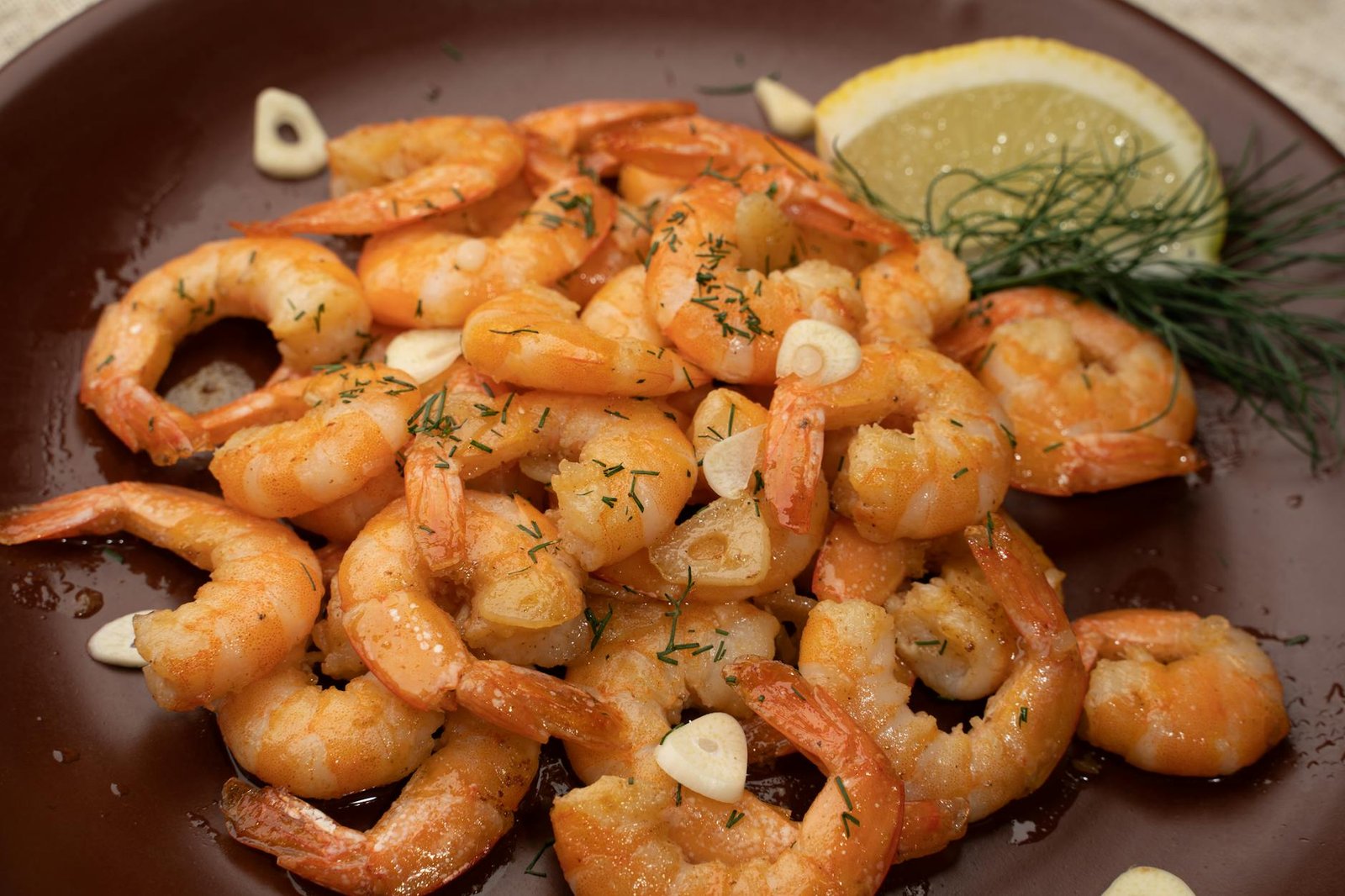
Recipe 3: Garlic Lemon Shrimp with Zucchini Noodles
Light, refreshing, and ready in under fifteen minutes. This recipe proves that low-sodium cooking doesn’t require hours of prep work.
Ingredients:
- 1 pound large shrimp, peeled and deveined
- 4 medium zucchinis, spiralized
- 6 cloves garlic, minced
- 3 tablespoons olive oil
- Juice and zest of 2 lemons
- 1 teaspoon red pepper flakes
- Fresh parsley, chopped
- Black pepper to taste
Preparation:
Heat olive oil in a large skillet. Add garlic and red pepper flakes, cooking for thirty seconds. Add shrimp and cook two minutes per side. Remove shrimp. In the same pan, add zucchini noodles and sauté for three minutes. Add lemon juice and zest. Toss shrimp back in. Garnish with parsley.
Sodium content: Approximately 210 mg per serving (shrimp naturally contains some sodium)
Zucchini noodles absorb the garlic-lemon sauce beautifully. This dish feels indulgent despite being incredibly light.
Recipe 4: Balsamic Glazed Salmon with Roasted Vegetables
Salmon provides omega-3 fatty acids that reduce inflammation. Combined with roasted vegetables, this becomes a powerhouse meal for better sleep quality.
Ingredients:
- 4 salmon fillets (6 oz each)
- 1/4 cup balsamic vinegar
- 2 tablespoons honey
- 2 cups Brussels sprouts, halved
- 2 cups sweet potato, cubed
- 1 red onion, sliced
- 3 tablespoons olive oil
- 1 teaspoon dried thyme
- Black pepper to taste
Preparation:
Preheat oven to 400°F. Toss vegetables with olive oil, thyme, and pepper. Spread on a baking sheet. Roast for twenty-five minutes. Meanwhile, reduce balsamic vinegar and honey in a small saucepan until syrupy (about five minutes). Brush salmon with glaze. Add salmon to the baking sheet during the last twelve minutes of roasting.
Sodium content: Approximately 95 mg per serving
The balsamic reduction creates a sweet-tangy glaze that makes this dish restaurant-quality.
Recipe 5: Quinoa Buddha Bowl with Tahini Dressing
Buddha bowls are Instagram-famous for a reason. They’re customizable, nutritious, and satisfying. This version keeps sodium minimal while maximizing flavor.
Ingredients:
For the bowl:
- 1 cup quinoa, cooked
- 2 cups kale, massaged with lemon juice
- 1 cup chickpeas, roasted
- 1 cup shredded carrots
- 1 avocado, sliced
- 1/2 cup red cabbage, shredded
For the dressing:
- 1/4 cup tahini
- 2 tablespoons lemon juice
- 1 clove garlic, minced
- 2 tablespoons water
- 1 teaspoon maple syrup
- Black pepper to taste
Preparation:
Roast chickpeas at 400°F for twenty-five minutes with a drizzle of olive oil and paprika. Prepare quinoa according to package directions using water (no salt). Massage kale with lemon juice for two minutes to soften. Arrange all ingredients in bowls. Whisk dressing ingredients together and drizzle over bowls.
Sodium content: Approximately 135 mg per serving
The tahini dressing is creamy, nutty, and completely addictive. You’ll want to put it on everything.
Recipe 6: Italian Turkey Meatballs with Marinara
Who says comfort food can’t be healthy? These meatballs deliver on taste while keeping your sodium levels in check.
Ingredients:
For meatballs:
- 1 pound ground turkey
- 1/2 cup oats
- 1 egg
- 4 cloves garlic, minced
- 2 tablespoons fresh basil, chopped
- 1 tablespoon fresh oregano
- 1 teaspoon fennel seeds
- Black pepper to taste
For sauce:
- 1 can (28 oz) no-salt-added crushed tomatoes
- 4 cloves garlic, minced
- 2 tablespoons olive oil
- 1 tablespoon Italian seasoning
- 1 teaspoon honey
- Fresh basil
Preparation:
Mix all meatball ingredients. Form into sixteen balls. Bake at 400°F for twenty minutes. For sauce, sauté garlic in olive oil, add tomatoes and seasonings. Simmer for fifteen minutes. Add honey. Combine meatballs with sauce.
Sodium content: Approximately 180 mg per serving (four meatballs with sauce)
The fennel seeds give these meatballs that classic Italian sausage flavor without the sodium overload.
Recipe 7: Thai-Inspired Peanut Chicken Lettuce Wraps
Crunchy, fresh, and bursting with flavor. These wraps make an excellent light dinner that won’t leave you feeling heavy before bed.
Ingredients:
- 1 pound ground chicken
- 3 tablespoons natural peanut butter (no salt added)
- 2 tablespoons lime juice
- 1 tablespoon honey
- 1 tablespoon rice vinegar
- 2 cloves garlic, minced
- 1 tablespoon fresh ginger, grated
- 1 red bell pepper, diced
- 1/2 cup shredded carrots
- 3 green onions, sliced
- Butter lettuce leaves
- Fresh cilantro
- Crushed peanuts for garnish
Preparation:
Cook ground chicken in a large skillet, breaking it apart. In a bowl, whisk together peanut butter, lime juice, honey, vinegar, garlic, and ginger. Add bell pepper and carrots to the chicken. Pour sauce over mixture. Cook for three minutes. Serve in lettuce leaves with cilantro and crushed peanuts.
Sodium content: Approximately 145 mg per serving
The peanut sauce is rich enough that you forget this is a low-sodium meal. The crunch from fresh vegetables makes every bite satisfying.
Recipe 8: Herb-Roasted Pork Tenderloin with Apple Compote
Pork tenderloin is lean, affordable, and takes on flavors beautifully. The apple compote adds sweetness that complements the savory herbs perfectly.
Ingredients:
For pork:
- 1 pound pork tenderloin
- 2 tablespoons olive oil
- 3 cloves garlic, minced
- 2 tablespoons fresh sage, chopped
- 1 tablespoon fresh thyme
- 1 teaspoon black pepper
- 1 teaspoon smoked paprika
For compote:
- 2 apples, diced
- 1/4 cup water
- 1 tablespoon honey
- 1 teaspoon cinnamon
- Juice of 1/2 lemon
Preparation:
Rub pork with olive oil, garlic, herbs, and spices. Sear in an oven-safe skillet over medium-high heat, two minutes per side. Transfer to the oven and roast at 400°F for fifteen to eighteen minutes until the internal temperature reaches 145°F. Rest for five minutes. For compote, simmer all ingredients until apples are soft, about ten minutes.
Sodium content: Approximately 100 mg per serving
The apple compote transforms this simple protein into something special. Sweet and savory together create magic.
Recipe 9: Mushroom and Spinach Risotto
Risotto has a reputation for being difficult. This version proves that wrong. Plus, the creamy texture comes from technique and cheese, not sodium.
Ingredients:
- 1 cup arborio rice
- 4 cups low-sodium vegetable broth, warmed
- 2 cups mushrooms, sliced
- 2 cups fresh spinach
- 1 small onion, finely diced
- 3 cloves garlic, minced
- 1/4 cup white wine (optional)
- 1/4 cup Parmesan cheese, grated
- 2 tablespoons olive oil
- Black pepper to taste
- 1 tablespoon fresh thyme
Preparation:
Sauté onion and garlic in olive oil until soft. Add mushrooms and cook until golden. Add rice and toast for two minutes. Add wine if using. Stir until absorbed. Add broth one ladle at a time, stirring frequently, allowing each addition to absorb before adding more. This takes about twenty-five minutes. Stir in spinach, Parmesan, and thyme.
Sodium content: Approximately 190 mg per serving
The slow addition of broth creates that signature creamy texture. Each spoonful feels luxurious.
Recipe 10: Blackened Tilapia Tacos with Mango Salsa
Tacos don’t need loads of salt to taste incredible. The blackening spice blend and fresh mango salsa prove it.
Ingredients:
For fish:
- 4 tilapia fillets
- 2 tablespoons olive oil
- 1 tablespoon paprika
- 1 teaspoon garlic powder
- 1 teaspoon onion powder
- 1 teaspoon cumin
- 1/2 teaspoon cayenne pepper
- 1/2 teaspoon black pepper
For salsa:
- 1 mango, diced
- 1/2 red onion, finely diced
- 1 jalapeño, seeded and minced
- Juice of 2 limes
- 1/4 cup cilantro, chopped
For serving:
- Corn tortillas
- Shredded cabbage
- Lime wedges
Preparation:
Mix all spices. Coat tilapia fillets. Heat olive oil in a skillet over medium-high heat. Cook fish three to four minutes per side until blackened and flaky. Mix salsa ingredients. Warm tortillas. Assemble tacos with fish, cabbage, and salsa.
Sodium content: Approximately 125 mg per serving (two tacos)
The mango salsa brings freshness that brightens every bite. Sweet, spicy, and tangy all at once.
Recipe 11: Stuffed Bell Peppers with Ground Beef
Classic comfort food with a healthy twist. These peppers are filling enough to satisfy any appetite without the sodium bomb of traditional recipes.
Ingredients:
- 4 large bell peppers, tops removed and seeded
- 1 pound lean ground beef
- 1 cup brown rice, cooked
- 1 can (14.5 oz) no-salt-added diced tomatoes
- 1 small onion, diced
- 3 cloves garlic, minced
- 1 teaspoon cumin
- 1 teaspoon paprika
- 1 teaspoon Italian seasoning
- Black pepper to taste
- 1/2 cup shredded mozzarella (optional)
Preparation:
Preheat oven to 375°F. Brown ground beef with onion and garlic. Add tomatoes, cooked rice, and spices. Simmer for five minutes. Stuff peppers with the mixture. Place in a baking dish with 1/4 inch of water at the bottom. Cover with foil. Bake for thirty minutes. Remove foil, add cheese if using, and bake ten more minutes.
Sodium content: Approximately 165 mg per serving
The peppers become tender and slightly sweet, creating a natural vessel for the flavorful filling.
Recipe 12: Asian-Style Ginger Beef with Broccoli
Skip the takeout. This version tastes better and contains a fraction of the sodium found in restaurant versions.
Ingredients:
- 1 pound flank steak, thinly sliced
- 4 cups broccoli florets
- 3 tablespoons low-sodium soy sauce
- 2 tablespoons rice vinegar
- 1 tablespoon honey
- 2 tablespoons fresh ginger, grated
- 4 cloves garlic, minced
- 1 teaspoon sesame oil
- 1 tablespoon cornstarch
- 2 tablespoons water
- 2 tablespoons vegetable oil
- Sesame seeds for garnish
Preparation:
Mix soy sauce, vinegar, honey, ginger, garlic, and sesame oil in a bowl. In another small bowl, mix cornstarch and water. Heat vegetable oil in a wok or large skillet over high heat. Stir-fry beef for two minutes. Remove. Add broccoli and stir-fry for three minutes. Return beef to the pan. Add sauce and bring to a simmer. Stir in the cornstarch mixture to thicken. Garnish with sesame seeds.
Sodium content: Approximately 280 mg per serving (even with low-sodium soy sauce, this is the highest on the list, but still well below restaurant versions)
The fresh ginger provides that authentic Asian flavor profile. The sauce coats everything perfectly.
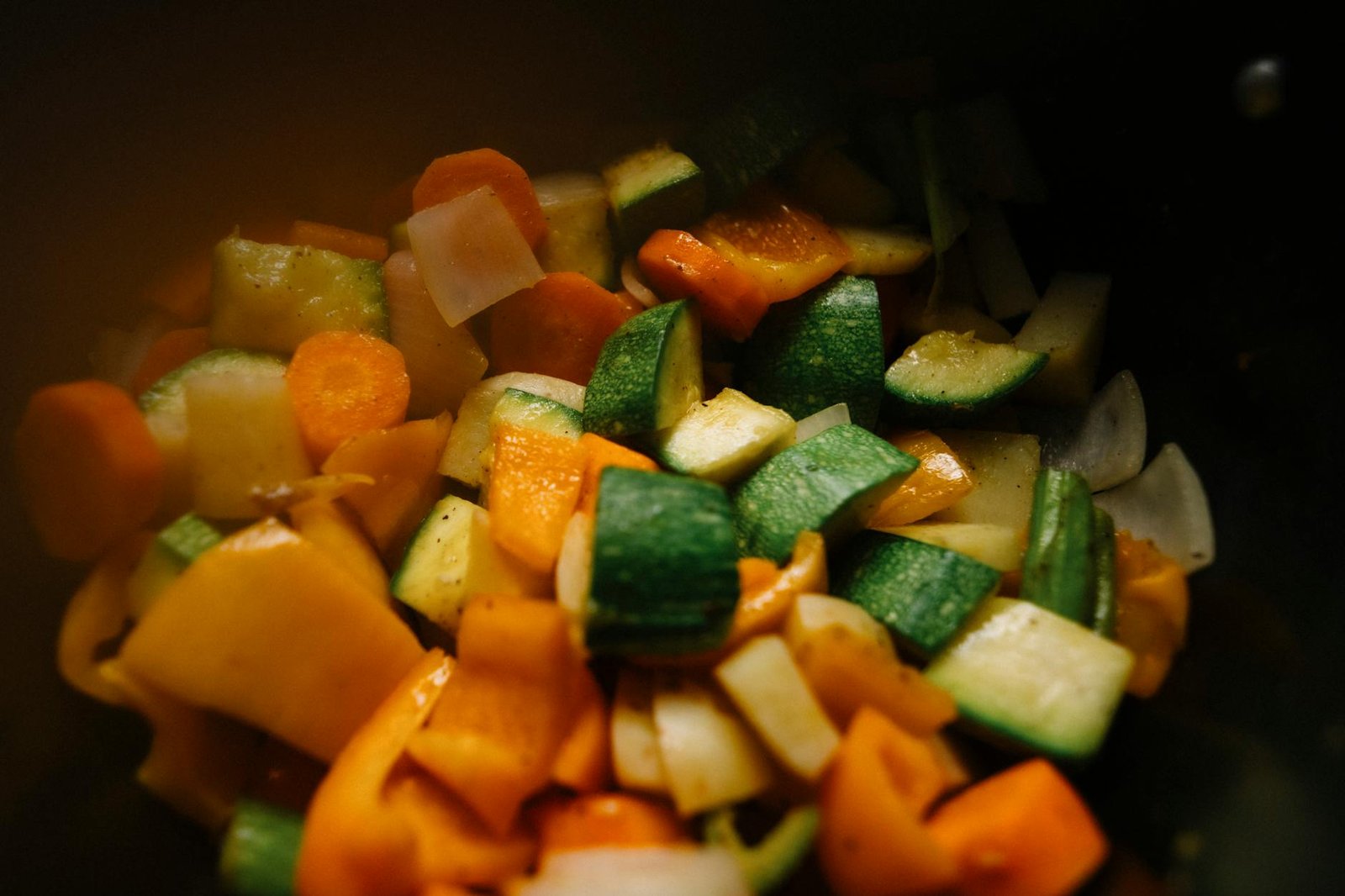
Recipe 13: Roasted Vegetable and White Bean Stew
Hearty, warming, and completely plant-based. This stew demonstrates that vegetarian meals can be deeply satisfying without relying on salt.
Ingredients:
- 2 cans (15 oz each) white beans, drained and rinsed
- 3 cups low-sodium vegetable broth
- 2 cups butternut squash, cubed
- 2 cups zucchini, chopped
- 1 can (14.5 oz) no-salt-added diced tomatoes
- 1 onion, diced
- 4 cloves garlic, minced
- 2 tablespoons tomato paste
- 2 tablespoons olive oil
- 2 teaspoons dried rosemary
- 1 teaspoon dried thyme
- 1 bay leaf
- Black pepper to taste
- Fresh parsley for garnish
Preparation:
Preheat oven to 425°F. Toss butternut squash with olive oil and roast for twenty-five minutes. In a large pot, sauté the onion and garlic until soft. Add tomato paste and cook for two minutes. Add beans, broth, tomatoes, herbs, and roasted squash. Simmer for twenty minutes. Add zucchini and cook for ten more minutes. Remove bay leaf. Garnish with parsley.
Sodium content: Approximately 140 mg per serving
The roasted squash adds sweetness and depth. This stew gets better the next day as flavors meld together.
RELATED POST >> 13 Easy Raw Food Recipes for Back Sleepers: No-Bloat Diet
Pitfalls to Dodge When Cooking Low-Sodium Meals
Many people make the same errors when they first start reducing sodium. These blunders can make your food taste bland and leave you reaching for the salt shaker.
Using low-quality ingredients: Fresh, high-quality ingredients have a more natural flavor. When you start with bland produce or proteins, no amount of herbs will save your dish.
Undercooking aromatics: Garlic, onions, and ginger need proper cooking time to develop their flavors. Rushing this step means missing out on foundational taste.
Forgetting about acid: Lemon juice, lime juice, vinegar—these ingredients brighten flavors and make you forget about salt. Add them at the end of cooking for maximum impact.
Skipping the herbs: Dried herbs are convenient, but fresh herbs take dishes to another level. They provide complexity that salt simply can’t match.
Not tasting as you go: Seasoning happens in layers. Taste throughout the cooking process and adjust with herbs, spices, and acids rather than defaulting to salt.
Ignoring texture: Crunchy elements like toasted nuts, fresh vegetables, or crispy roasted chickpeas add interest that makes low-sodium food more satisfying.
Reading labels carelessly: “Low sodium” doesn’t mean “no sodium.” Many products marketed as healthy still pack surprising amounts of salt. Always check the nutrition facts.
How to Stock Your Pantry for Success
Having the right ingredients on hand makes low-sodium cooking effortless instead of challenging.
Essential herbs and spices:
- Garlic powder and onion powder
- Cumin, paprika, and smoked paprika
- Dried oregano, basil, and thyme
- Fresh ginger and garlic
- Cayenne pepper and red pepper flakes
- Cinnamon and nutmeg
- Curry powder and turmeric
Flavor enhancers:
- No-salt-added tomato products
- Low-sodium broths and stocks
- Various vinegars (balsamic, apple cider, rice, red wine)
- Fresh citrus fruits
- Natural nut butters without added salt
- Honey and maple syrup
- Nutritional yeast for umami flavor
Proteins:
- Fresh poultry, fish, and lean meats
- Dried beans and lentils
- No-salt-added canned beans
- Eggs
- Plain Greek yogurt
Pantry staples:
- Whole grains (quinoa, brown rice, oats)
- Olive oil and sesame oil
- Low-sodium soy sauce or coconut aminos
- Dried pasta
- Unsalted nuts and seeds
The Connection Between Evening Meals and Sleep Quality
What you eat for dinner directly impacts how well you sleep. For back sleepers, this connection is even more pronounced.
High-sodium dinners cause your body to retain water. When you lie on your back, this retained fluid distributes throughout your tissues. The result is increased pressure on your airways, worsened sleep apnea symptoms, and interrupted sleep cycles.
Reducing sodium intake, particularly in evening meals, improves sleep quality measurably. Studies show that people who consume lower-sodium dinners experience:
- Fewer nighttime awakenings
- Reduced morning stiffness
- Less facial puffiness upon waking
- Improved breathing during sleep
- Better overall sleep satisfaction
The recipes in this article work particularly well for dinner because they’re satisfying without being heavy. They provide nutrients that support sleep (like magnesium from lentils and leafy greens) while avoiding the sodium that disrupts it.
Adjusting Your Taste Buds Takes Time
Be honest with yourself: if you’ve been eating a high-sodium diet for years, these recipes might taste underseasoned at first. That’s normal. Expected, even.
Your taste buds adapt to what you regularly consume. If you’ve been drowning everything in salt, they’ve become desensitized to more subtle flavors.
The good news? Taste buds regenerate every ten to fourteen days. Within two weeks of reducing sodium intake, most people find that foods they initially thought were bland suddenly taste flavorful and nuanced.
Give it time. Don’t immediately reach for the salt shaker if something doesn’t taste exactly how you expect. Let your palate adjust. You’ll be amazed at the flavors you’ve been missing.
Meal Prepping for the Week Ahead
These recipes work beautifully for meal prep. Preparing multiple servings at once saves time and ensures you always have low-sodium options ready.
Here’s a simple meal prep strategy:
Sunday preparation:
- Cook two proteins (like the herb-crusted chicken and balsamic salmon)
- Prepare one grain-based dish (like quinoa Buddha bowls)
- Make one soup or stew (like the lentil soup or vegetable bean stew)
- Chop vegetables for quick weeknight cooking
Storage tips:
Store proteins and grains separately from sauces and dressings to prevent sogginess. Most of these recipes keep well for four to five days in the refrigerator. Many can be frozen for up to three months.
Label containers with dates and contents. Rotate older meals to the front of your refrigerator so they get used first.
Quick assembly:
When you come home tired, having pre-cooked components means dinner takes five minutes instead of an hour. Reheat your protein, warm your grain, and add fresh vegetables. Done.
Beyond the Kitchen: Other Ways Back Sleepers Can Improve Sleep
While low-sodium eating significantly impacts sleep quality for back sleepers, other factors matter too.
Pillow height matters: Back sleepers need a pillow that supports the natural curve of the neck without elevating the head too much. Too high, and you create neck strain. Too low, and you lose support.
Mattress firmness: Medium-firm mattresses work best for most back sleepers. They provide support without creating pressure points.
Elevation: Some back sleepers benefit from a slight elevation of the head or feet. A small wedge pillow can reduce acid reflux and improve breathing.
Hydration timing: Drink plenty of water throughout the day, but taper off two hours before bed to minimize nighttime bathroom trips.
Evening routine: Consistent bedtime routines signal your body that sleep is approaching. The low-sodium dinners in this article fit perfectly into a sleep-supporting evening routine.
Understanding Sodium on Nutrition Labels
Becoming sodium-savvy means learning to read labels like a pro. Here’s what to look for:
“Sodium-free”: Less than 5 mg per serving
“Very low sodium”: 35 mg or less per serving
“Low sodium”: 140 mg or less per serving
“Reduced sodium”: At least 25% less sodium than the original product
“Light in sodium”: At least 50% less sodium than the original
“No salt added”: No salt added during processing (but may still contain naturally occurring sodium)
Pay attention to serving sizes. A product might look low in sodium per serving, but if a realistic portion is three servings, you’re getting triple the sodium listed.
Compare similar products. Brand A’s marinara sauce might have 480 mg per serving, while Brand B has 140 mg. The ingredients list might look nearly identical, but the sodium content tells a different story.
Making Restaurant Meals Work with Low-Sodium Goals
Eating out doesn’t have to derail your low-sodium lifestyle. Strategic choices and smart modifications make restaurant dining compatible with your goals.
Ask questions: Most restaurants accommodate special requests. Ask for sauces on the side, request no salt in preparation, and inquire about sodium content.
Choose wisely: Grilled, roasted, or steamed dishes typically contain less sodium than fried or heavily sauced options. Fresh salads with oil and vinegar work well.
Customize orders: Substitute high-sodium sides like French fries for fresh fruit or steamed vegetables. Skip the bread basket to avoid temptation.
Ethnic cuisines: Some cuisines naturally work better for low-sodium eating. Mediterranean and farm-to-table restaurants often accommodate dietary needs easily. Asian restaurants can be challenging due to soy sauce, but many now offer low-sodium options.
Split portions: Restaurant servings are typically enormous. Split an entrée with a companion or immediately box half for tomorrow’s lunch.
The Budget-Friendly Aspect of These Recipes
Low-sodium eating doesn’t require expensive specialty ingredients. Many of the recipes in this article cost less per serving than typical convenience foods.
Consider the price breakdown:
| Recipe | Approximate Cost Per Serving |
|---|---|
| Mediterranean Herb-Crusted Chicken | $3.50 |
| Coconut Curry Lentil Soup | $1.75 |
| Garlic Lemon Shrimp with Zucchini Noodles | $4.25 |
| Balsamic Glazed Salmon | $5.00 |
| Quinoa Buddha Bowl | $3.00 |
| Italian Turkey Meatballs | $2.50 |
| Thai Peanut Chicken Wraps | $3.25 |
| Herb-Roasted Pork Tenderloin | $3.00 |
| Mushroom Risotto | $2.25 |
| Blackened Tilapia Tacos | $3.75 |
| Stuffed Bell Peppers | $3.50 |
| Ginger Beef with Broccoli | $4.00 |
| Roasted Vegetable Bean Stew | $2.00 |
Compare these costs to restaurant meals or even many frozen convenience foods. The savings add up quickly, especially when meal prepping.
Buying in bulk reduces costs further. Purchase herbs in larger quantities and freeze what you won’t use immediately. Stock up on canned no-salt-added tomatoes and beans when they’re on sale.
Tracking Your Progress and Results
Monitoring how your body responds to reduced sodium intake can be motivating and informative.
Keep a food and sleep journal: Note what you eat for dinner and how you sleep that night. Patterns emerge quickly. You might notice that certain recipes correlate with particularly good sleep quality.
Track morning puffiness: Take photos of your face each morning for two weeks. You’ll likely see a noticeable reduction in puffiness and swelling.
Monitor energy levels: Many people report increased daytime energy when they sleep better. Note how you feel throughout the day.
Check blood pressure: If you have blood pressure concerns, reduced sodium intake often shows measurable improvements within weeks. Track your numbers with your healthcare provider.
Note physical symptoms: Joint stiffness, headaches, and bloating often improve with lower sodium intake. Keep track of these symptoms and watch them diminish.
Frequently Asked Questions
How quickly will I notice improvements in sleep quality after reducing sodium?
Most people notice changes within three to five days. The first improvements typically include reduced morning puffiness and less frequent nighttime urination. Deeper sleep quality improvements often take one to two weeks as your body fully adjusts.
Can I use salt substitutes in these recipes?
Salt substitutes containing potassium chloride can be used, but they’re not necessary. The recipes are designed to taste great without any salt or substitutes. If you have kidney issues, consult your doctor before using potassium-based salt substitutes.
Will reducing sodium affect my exercise performance?
For casual exercisers, no. For endurance athletes who sweat heavily during long training sessions, sodium needs are higher. These recipes provide adequate sodium for typical activity levels. Athletes with specific concerns should consult a sports nutritionist.
Are these recipes safe for people with high blood pressure?
Yes, these low-sodium recipes align with dietary recommendations for managing blood pressure. However, always consult with your healthcare provider about your specific dietary needs and any medications you’re taking.
What if I accidentally eat a high-sodium meal?
Don’t stress about occasional high-sodium meals. Increase your water intake and return to your low-sodium routine with the next meal. One high-sodium meal won’t undo your progress, but consistent patterns matter.
Can children eat these recipes?
Absolutely. These recipes provide balanced nutrition suitable for most children. Kids actually benefit from learning to enjoy food without excessive salt. Their taste preferences develop based on what they regularly consume.
How do I handle social situations where high-sodium food is served?
Eat a small portion to be polite, focus on lower-sodium options when available, and don’t make a big announcement about your dietary choices unless asked. Most people won’t notice or care what you’re eating. Bring a low-sodium dish to share at potlucks.
Is eating low-sodium food more expensive?
Not necessarily. While some specialty low-sodium products cost more, cooking from scratch with fresh ingredients often costs less than convenience foods. The recipes in this article use affordable, accessible ingredients.
What’s the biggest mistake people make when starting a low-sodium diet?
Expecting food to taste the same immediately. Give your taste buds time to adjust. Within two weeks, most people’s perception of flavor completely changes, and they find their previous diet tasted overly salty.
How does sleeping position really affect sodium sensitivity?
Back sleeping allows for more even fluid distribution throughout the body. Side sleeping uses gravity to pull fluids laterally, while stomach sleeping affects the face and extremities differently. Back sleepers notice sodium-related swelling more obviously, particularly in the face and lower back.
Can I freeze leftovers from these recipes?
Most of these recipes freeze well. Soups, stews, meatballs, and cooked proteins all freeze beautifully for up to three months. Dishes with fresh vegetables might lose some texture when frozen, but remain nutritious and flavorful.
Do I need to give up all processed foods?
Not all processed foods are high in sodium. Many companies now offer low-sodium versions of common products. Read labels carefully. Some canned beans, tomatoes, and broths come in no-salt-added versions that work perfectly in these recipes.
Low sodium recipes for back sleepers create a powerful combination for better health and sleep quality. These thirteen recipes prove that reducing sodium doesn’t mean sacrificing flavor or satisfaction. From the Mediterranean herb-crusted chicken to the hearty vegetable bean stew, each dish delivers on taste while supporting your body’s overnight recovery process.
Your sleep position matters. What you eat matters even more. Together, they create either a cycle of inflammation and poor sleep or one of recovery and morning vitality. Choose wisely. Your body will thank you every single morning when you wake up feeling refreshed instead of puffy and stiff.
Start with one or two recipes this week. Notice how you feel. Pay attention to changes in your sleep quality, morning appearance, and overall energy. The connection between your evening meal and morning condition will become crystal clear.
Stop blaming your mattress or pillow for morning discomfort. Look at your plate instead. These recipes provide a delicious roadmap to better sleep, reduced inflammation, and mornings that actually feel like a fresh start.
SUGGESTED POST >> Anti-Inflammatory Meal Prep for the Week: 7-Day Best Options
Discover more from Meal Prep Insider
Subscribe to get the latest posts sent to your email.