How to Start a Meal Prep Business Online Instantly: 9 Steps

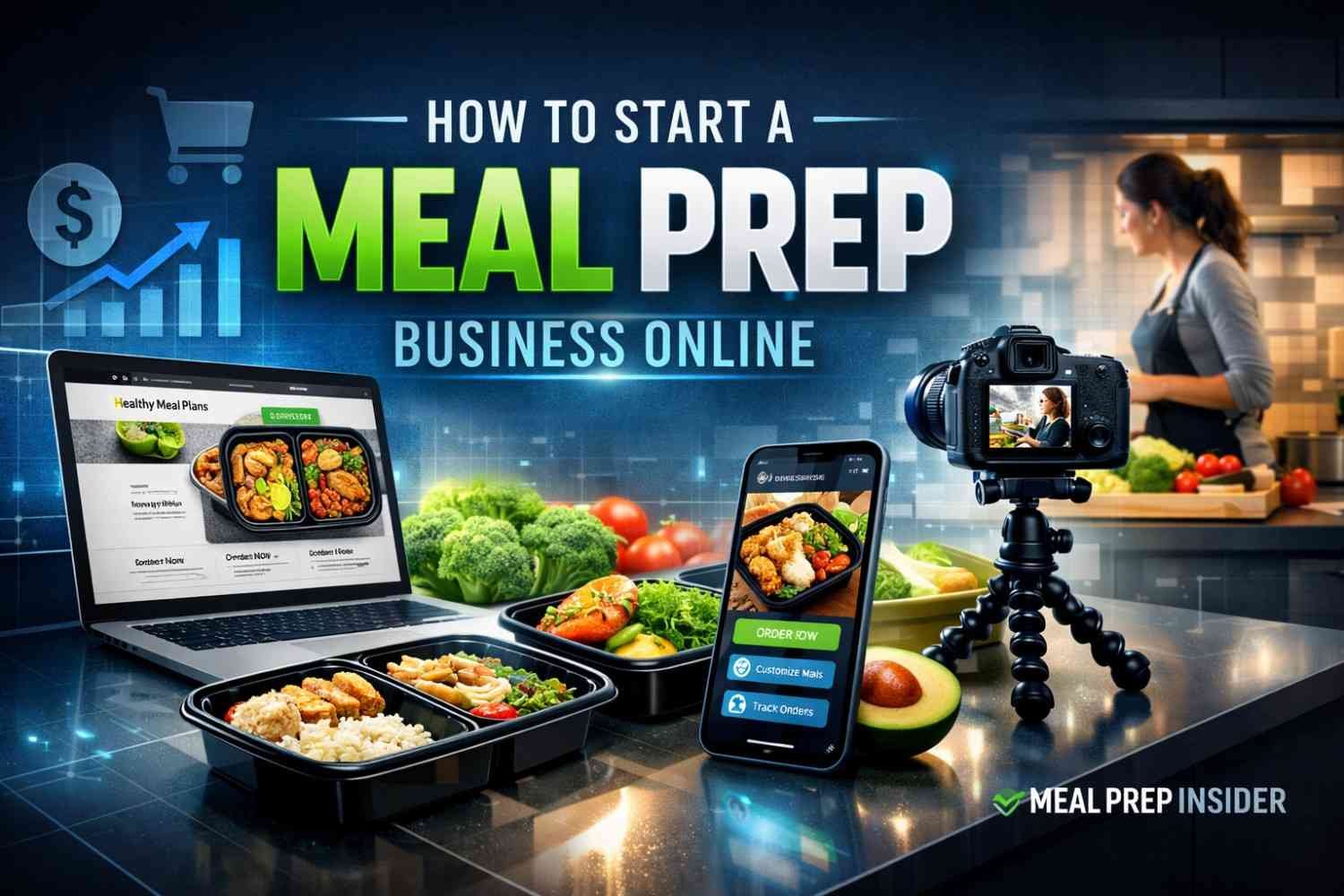
How to Start a Meal Prep Business Online: Want to start a meal prep business online? This guide walks you through every step — from legal setup to finding customers — built specifically for the U.S. market.
How to Start a Meal Prep Business Online
There’s something happening in American kitchens — or rather, outside of them.
People are tired. Between long work hours, packed schedules, and the mental exhaustion of deciding what to eat every single day, more Americans are paying someone else to handle it. The meal prep industry has quietly become a serious business opportunity, and many entrepreneurs are jumping in.
But here’s what most guides won’t tell you: starting an online meal prep business is not just about cooking. It’s about building a system. A brand. A customer base that trusts you with something deeply personal — their food.
This guide is for anyone serious about making it work.
Why the Online Model Makes Sense Right Now
Traditional catering requires a commercial kitchen, heavy equipment, and a steady stream of walk-in clients. The online meal prep model flips that.
You build your customer base first. You take orders digitally. You deliver directly to homes or offices. And if you’re smart about it, you can start small — testing your menu, your pricing, and your market — without betting everything upfront.
The demand is there. According to recent industry data, the U.S. meal kit and meal prep market is projected to keep growing well into the late 2020s, driven largely by health-conscious millennials and Gen Z consumers who prioritize convenience without sacrificing nutrition.
That’s your audience.
Step 1: Get Your Legal and Business Foundation Right
Before you touch a single ingredient, sort out the paperwork. This isn’t glamorous, but it protects everything you’re about to build.
Choose a Business Structure
Most solo meal prep entrepreneurs start as sole proprietors or form an LLC (Limited Liability Company). An LLC is usually the smarter choice. It separates your personal finances from your business — so if something goes wrong (a customer complaint, a delivery dispute), your personal assets aren’t on the line.
Filing an LLC in the U.S. typically costs between $50 and $500, depending on the state.
Register Your Business Name
Pick something memorable and check that the domain name is available. If you’re calling your business “Clean Plate Prep,” you’ll want cleanlateprep.com (or something close) available before you commit.
Get a Food Handler’s Permit and Business License
Every state has its own requirements. In most cases, you’ll need a food handler’s certification, a business license from your city or county, and potentially a cottage food permit if you’re operating from home.
Some states — like Texas, California, and Florida — have specific cottage food laws that allow home-based food businesses to operate under certain revenue caps and conditions. Look up your state’s Department of Health and your local county website. Don’t skip this.
Open a Separate Business Bank Account
Keep your finances clean from day one. It makes tax season bearable and shows you’re running a real operation.
Step 2: Find Your Niche
This is where most people get it wrong.
“Meal prep for everyone” is not a niche. It’s noise. If you want to stand out online, you have to speak directly to someone specific.
Here are niches that actually work in the U.S. market right now:
- Macro-friendly meal prep for gym-goers and fitness communities
- Family meal prep for busy households with kids
- Diabetic-friendly or low-carb prep for health-conscious adults managing blood sugar
- Vegan/plant-based meal prep — still growing fast
- High-protein athlete meals targeting local sports teams or CrossFit gyms
- Office lunch prep for remote workers or small businesses
- Cultural cuisine prep — think West African, Latin, or South Asian home-cooked meals for people craving something different
The more specific you are, the easier it is to market, price, and deliver consistently.
Think about what you already cook well. What do people ask you to make? That’s usually a clue.
Step 3: Design a Menu That Works at Scale
Your menu is your product. It needs to be delicious, repeatable, and profitable.
Keep It Tight
Start with 5–8 items, not 25. A focused menu is easier to prep in batches, reduces waste, simplifies ordering, and makes your brand feel intentional rather than scattered.
Think in Batches
If you’re making chicken thighs for one client, you might as well prep them for ten. Good batch cooking is the core of a profitable meal prep operation. Build your menu around proteins and bases that cook well in bulk — rice, quinoa, grilled chicken, roasted vegetables, soups, and grain bowls.
Price It Correctly
Here’s a simple starting formula that many small meal prep businesses use:
| Cost Element | Guideline |
|---|---|
| Food cost | 25–35% of your selling price |
| Packaging | Build into the price or charge separately |
| Labor | Factor in your time |
| Delivery | Build into price or charge separately |
| Target margin | 40–60% gross margin |
So if a meal costs you $4 to make (ingredients + packaging), you probably shouldn’t be selling it for $7. Aim for $10–$14, depending on your market and positioning.
Underpricing is the most common mistake in this business. Don’t do it.
Factor in Containers
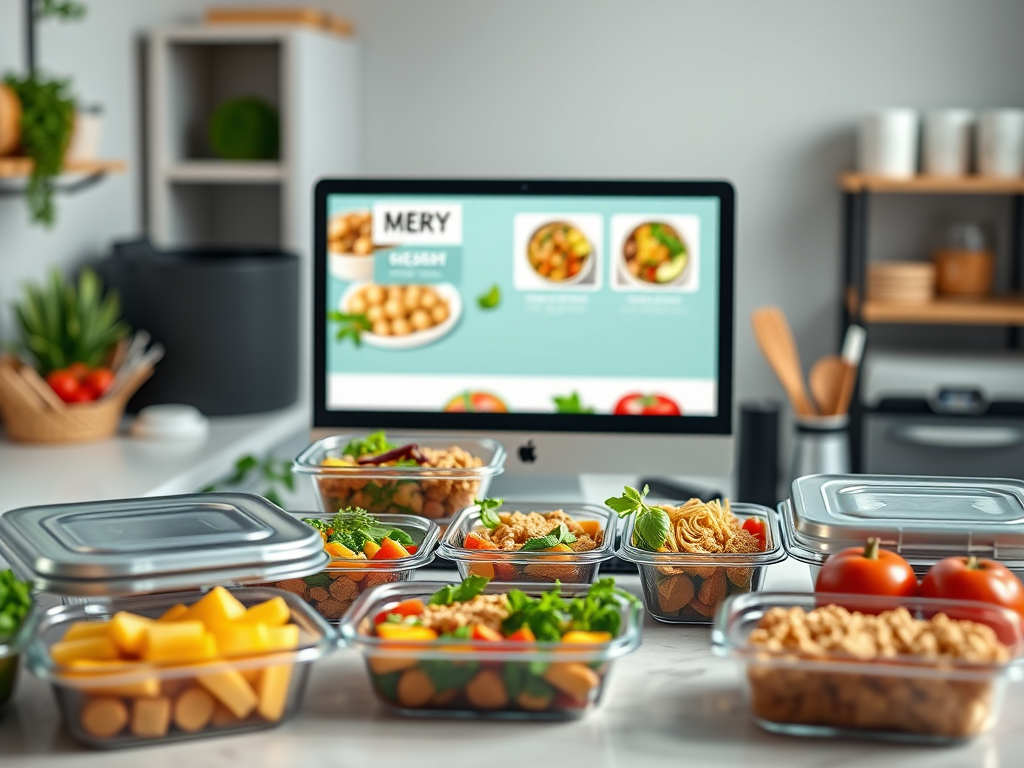
Meal prep containers aren’t optional — they’re part of your brand. Leak-proof, microwave-safe, and clean-looking packaging signals professionalism. Suppliers like WebstaurantStore, Uline, and even Amazon Business offer wholesale pricing when you order in volume.
Step 4: Set Up Your Online Presence
You’re running an online business. Your digital presence is your storefront.
Build a Simple Website
You don’t need anything fancy. A clean, fast website with these pages is enough to get started:
- Home (who you are, what you offer)
- Menu (clear descriptions + photos)
- How It Works (ordering, delivery schedule, payment)
- Order Now (this is where the money lives)
- Contact/FAQ
Platforms like Squarespace, Wix, or WordPress with a food-friendly theme work well. If you want a slightly more customized ordering experience, look at platforms built specifically for food businesses — like Square Online, Hotplate, or Order Hive.
Photography Matters More Than You Think
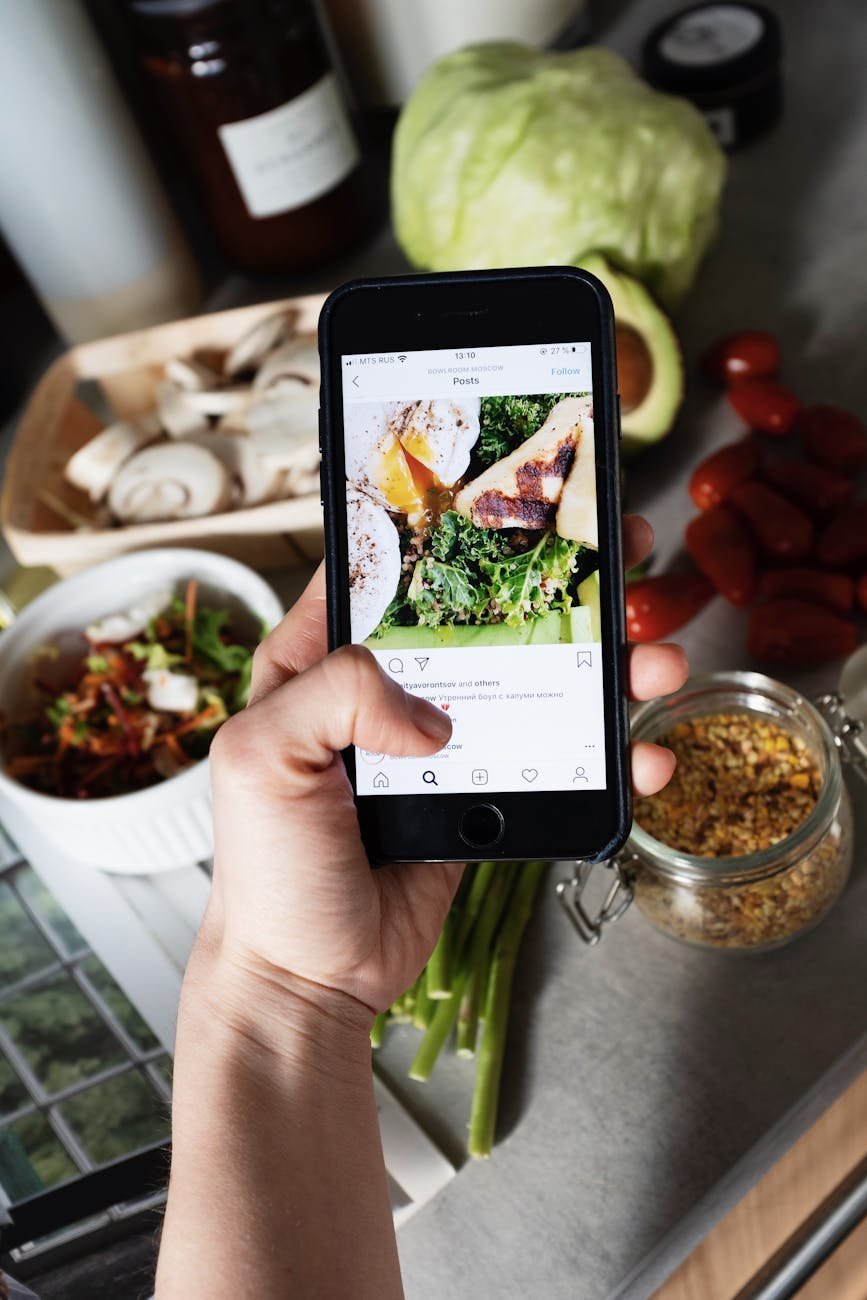
Natural light, clean backgrounds, and real food. That’s all you need. People eat with their eyes before they eat with their mouths. A blurry photo of a meal prep container will cost you sales.
Invest a few hours in good food photography. You don’t need a professional photographer to start — just decent lighting and a smartphone.
Social Media Setup
Pick two platforms and do them well rather than spreading yourself across five.
Instagram and Facebook tend to perform best for food businesses targeting U.S. adults. TikTok is incredibly effective if your target audience skews younger or if you’re willing to show behind-the-scenes prep content.
Post consistently. Show the prep process, the final product, and real customer reactions if you get them. People want to see the human behind the brand.
RELATED POST >> Meal Prep Business Start Up Cost: What It Takes to Get Started in Reality
Step 5: Figure Out Ordering and Payments
Your ordering system needs to be smooth. Friction = lost sales.
Payment Options
Make sure you accept at least:
- Credit and debit cards (Stripe or Square)
- Venmo or Zelle (very common for small food businesses in the U.S.)
- PayPal
Some customers will ask to pay cash on delivery. That’s fine early on, but move toward digital payments as fast as you can — it makes tracking your income so much easier.
Order Cutoffs and Schedules
Set a weekly order cutoff (e.g., Thursday at noon for Sunday delivery). This gives you time to shop, prep, and pack without chaos. Be strict about it. Training your customers to order on a schedule is actually a feature — it creates routine and repeat business.
Subscription vs. One-Time Orders
Subscriptions are the holy grail of meal prep. A customer who orders weekly is worth 10x more than a one-time buyer. Consider offering a small discount for weekly subscribers — even 10% can be enough to tip someone from “occasional” to “loyal.”
Tools like ThriveCart, Subbly, or even a simple recurring invoice through Square can handle subscriptions without you needing expensive software.
Step 6: Nail the Delivery Logistics
Delivery is where many meal prep businesses quietly fall apart.
Decide on Your Delivery Radius
Start local. A 10–15 mile radius from your prep location is manageable when you’re starting out. Map your first customer clusters and build routes that minimize drive time.
Packaging for Transit
Meals need to stay cold. Insulated bags, ice packs, and tamper-evident stickers are the basics. If you’re delivering to offices, cooler totes that clients return or keep work well.
Delivery Day Scheduling
Most successful solo meal prep operators deliver once or twice a week — Sunday and/or Wednesday being the most common days in the U.S. market. This gives customers fresh food at the beginning and middle of their week.
Third-Party Delivery
As you grow, you might explore using delivery drivers through platforms like Onfleet or even hiring a part-time local driver. But start with self-delivery. It keeps costs down and lets you collect direct customer feedback.
Step 7: Marketing Your Meal Prep Business Online
This is where growth actually happens.
Local SEO
If someone in your city searches “meal prep delivery near me,” you want to show up. Set up a Google Business Profile and fill it out completely — category, photos, service area, hours. Ask early customers to leave a Google review. Even five honest reviews can significantly boost your local search results.
Email Marketing
Email is underrated in the food space. Collect emails from day one — through your website, order forms, and social media. Send a weekly or biweekly email with your menu for the coming week. Keep it simple. Keep it human.
A platform like Mailchimp or Flodesk works fine and is either free or cheap at the start.
Referral Program
Word of mouth is your most powerful marketing tool in this business. People trust their friends’ food recommendations. Build a simple referral system — “Give $5, get $5” or a free meal add-on for every new customer you refer.
You can track this manually at first. Nothing fancy is needed.
Partnerships
Think about who already has your ideal customer’s attention.
- Local gyms and personal trainers
- Yoga studios
- Corporate offices
- Real estate agents (they gift things constantly)
- New parent groups
Offer a free sample pack to a few gym owners or fitness coaches. Let the product speak. A personal trainer recommending your meals to 50 clients is worth more than a month of Instagram posts.
Paid Ads (When You’re Ready)
Facebook and Instagram ads can be highly effective for local food businesses when targeted correctly. Start with a small budget — $5–$10/day — targeting people within your delivery area who have shown interest in healthy eating, fitness, or meal planning.
Don’t run ads until your website and ordering system are polished. Sending paid traffic to a confusing site is just burning money.
Step 8: Manage the Financial Side Properly
Most small food businesses don’t fail because the food was bad. They fail because the money wasn’t tracked.
Know Your Numbers
At a minimum, track these every week:
| Metric | Why It Matters |
|---|---|
| Revenue | Total money coming in |
| Cost of Goods Sold (COGS) | Ingredients + packaging |
| Gross Profit | Revenue minus COGS |
| Delivery costs | Gas, packaging, labor |
| Net Profit | What you actually keep |
A simple Google Sheets or Excel tracker is fine to start. Once you’re clearing $3,000–$5,000/month in revenue, look at accounting software like QuickBooks or Wave.
Set Aside for Taxes
Self-employment tax in the U.S. is real. Set aside 25–30% of net profit every month into a separate savings account. Pay quarterly estimated taxes. Talk to an accountant — even a one-hour consultation can save you from a nasty tax bill.
Reinvest Early Revenue
The first few months of revenue should be reinvested in the business. Better packaging. More marketing. A new piece of equipment. Treat yourself after the business is stable, not before.
Step 9: Scale Without Losing Quality
Growth is good. Uncontrolled growth is a disaster.
Once you’re consistently fulfilling 30–50+ meal orders a week and turning a real profit, you might start thinking about expanding. Here’s how to do it without breaking what works.
Hire Help Carefully
Your first hire should probably be a prep assistant — someone who helps with the washing, cutting, portioning, and packing. This frees your time for cooking, customer service, and marketing.
Be very specific about food safety training. Anyone helping you prepare food needs to understand cross-contamination, temperature control, and hygiene basics.
Consider a Commercial Kitchen
Most U.S. states have revenue or volume limits for home-based food operations. Once you’re hitting those limits (often $25,000–$75,000 annually, depending on the state), you’ll need to transition to a licensed commercial kitchen.
Options include:
- Renting time in a shared commercial kitchen (commissary kitchen)
- Leasing your own commercial space
- Partnering with a local restaurant to use their kitchen during off-hours
Shared kitchens typically run $15–$35 per hour and are a great low-risk step toward full commercial operation.
Expand Your Menu Strategically
Add new items based on customer feedback, not assumptions. Survey your regulars. Test one new item per month if demand justifies it. Don’t overload your menu just because you can cook more things.
Common Mistakes to Avoid
Let’s be direct about what kills meal prep businesses early.
- Underpricing to compete. You’ll burn out before you break even.
- Skipping permits. One complaint to the health department can shut you down.
- No order cutoffs. Accepting last-minute orders without structure leads to chaos.
- Ignoring food safety. This is non-negotiable. Foodborne illness ends businesses permanently.
- Overcomplicating the menu. Fifty options aren’t impressive — it’s overwhelming and inefficient.
- Trying to serve everyone. Niche first. Expand later.
Frequently Asked Questions
Do I need a commercial kitchen to start an online meal prep business?
Not necessarily, depending on your state. Many states allow home-based food businesses under cottage food laws, but these often come with annual revenue caps and restrictions on what you can sell. Check your specific state’s food business regulations before starting.
How much does it cost to start a meal prep business online?
You can start very lean — anywhere from $500 to $3,000 for basic equipment, packaging, permits, and a simple website. Costs scale with your order volume.
How do I find my first customers?
Start with people you know. Friends, family, coworkers, gym buddies. Offer a small introductory discount for the first two weeks. Ask for honest feedback and a Google or social media review if they’re happy.
What licenses do I need for an online meal prep business in the U.S.?
At a minimum, most states require a food handler’s permit, a general business license, and potentially a cottage food permit or food establishment license, depending on your setup and sales volume.
Can I run a meal prep business as a side hustle?
Absolutely. Many successful meal prep entrepreneurs started part-time — prepping on weekends and delivering locally — before transitioning to full-time. It’s actually a smart way to validate the business before going all in.
What’s the best way to market a meal prep business locally?
Google Business Profile, local gym partnerships, and consistent Instagram content are the three most cost-effective starting points for U.S.-based meal prep businesses.
How do I handle food allergies?
Be transparent. List every major allergen in your menu descriptions. Have a clear policy for custom orders. If you’re prepping for someone with a severe allergy, document it carefully and communicate any cross-contamination risks. When in doubt, don’t take the order.
Starting an online meal prep business isn’t passive income. It’s real work — cooking, marketing, logistics, and customer service all rolled into one. But it’s also one of the more accessible food businesses to launch in the U.S. right now, with low startup costs and a market that’s actively looking for exactly what you might offer.
Start simple. Serve a few people really well. Then build from there.
SUGGESTED POST >> Whole Foods Family Meal Prep Hack: The Best You Can Get Now
Discover more from Meal Prep Insider
Subscribe to get the latest posts sent to your email.