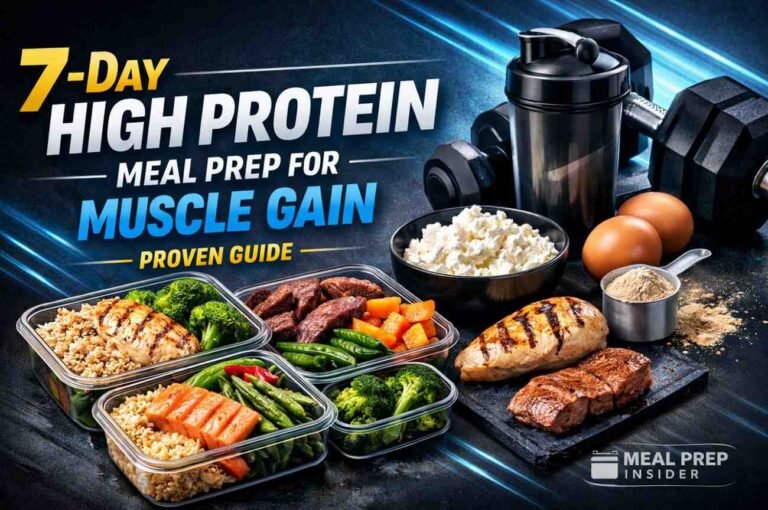
High Protein Meal Prep Ideas: Stop Guessing, Start Eating!

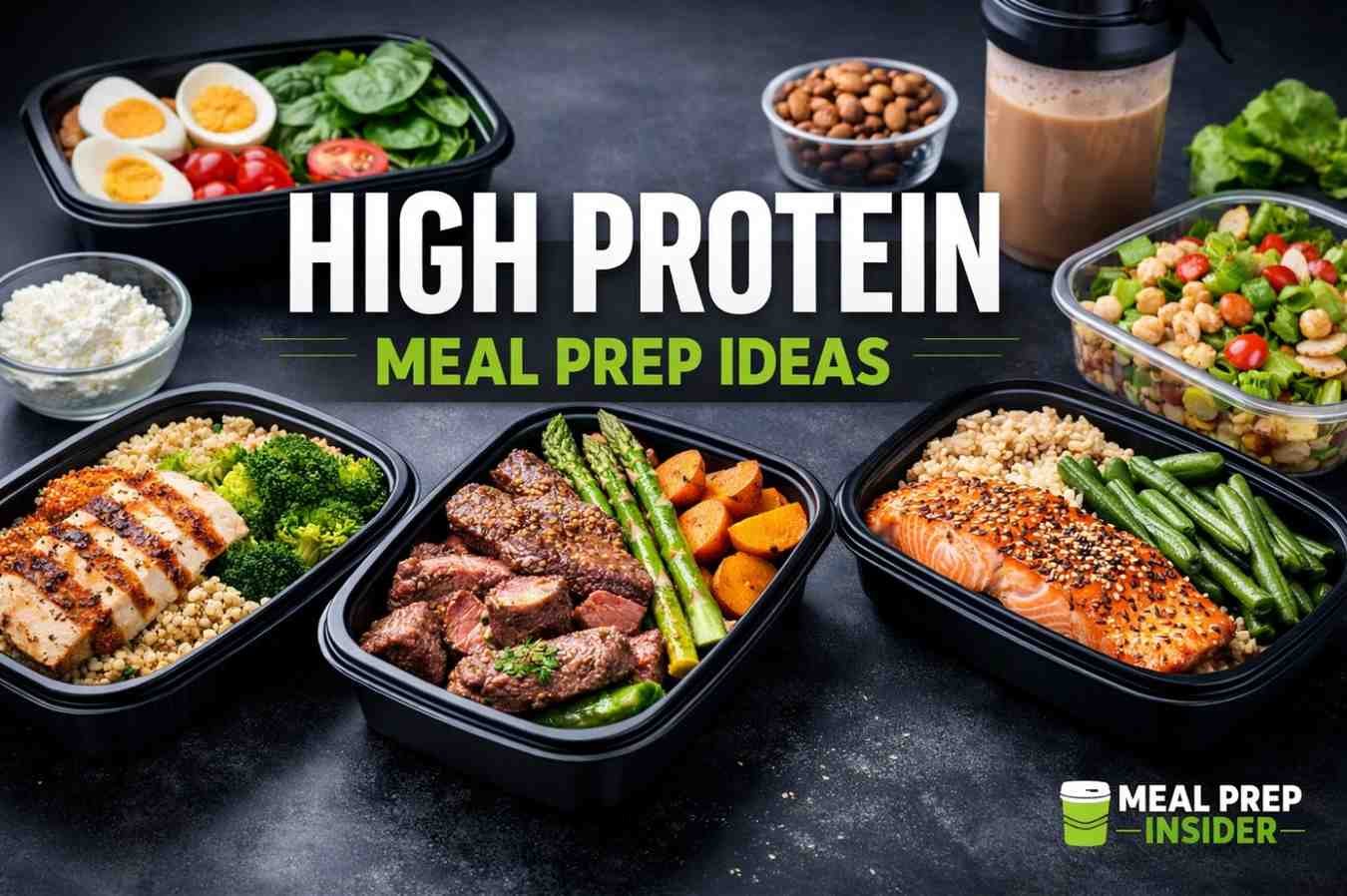
High Protein Meal Prep Ideas: Struggling to hit your protein goals? These high protein meal prep ideas are practical, affordable, and built for real American schedules. No chef required.
High Protein Meal Prep Ideas (That Actually Work in Real Life)
You’ve heard it a thousand times. “Meal prep on Sunday. Stay on track all week.” But then Sunday comes around, and you’re either exhausted, distracted, or staring at a fridge full of groceries you don’t know what to do with.
Here’s the thing. Meal prepping high protein meals isn’t complicated. It just requires a bit of intention.
This guide is going to cut through the noise and give you real, usable ideas — the kind that fit into an actual American lifestyle, not some curated wellness fantasy.
Why Protein Deserves the Spotlight
Before we get into the food, let’s talk numbers for a second.
The average adult in the US gets somewhere around 16% of their daily calories from protein. For most people trying to build muscle, lose fat, or even just feel less sluggish between meals — that’s not enough.
Protein does a few things really well:
- It keeps you full longer than carbs or fat
- It preserves muscle when you’re in a calorie deficit
- It supports recovery after workouts
- It has the highest thermic effect of any macronutrient (your body burns more calories just digesting it)
So yeah. It matters. A lot.
Most fitness-focused adults in the United States aim for somewhere between 0.7 and 1 gram of protein per pound of body weight. A 180-pound person? That’s 126–180 grams per day. Getting there without intentional prep is genuinely hard.
That’s what this is for.
The Foundation: What Makes a Good High Protein Meal Prep
Not every prep approach is equal. The goal isn’t just to cook a bunch of chicken and call it done. A solid prep setup has three things:
1. A reliable protein source (or two): Think chicken breast, ground turkey, eggs, canned tuna, Greek yogurt, cottage cheese, tofu, or legumes. You don’t need all of them. Pick what you like and what fits your budget.
2. Flexible cooking methods: Baking, slow cooking, stovetop — whatever reduces your hands-on time. A sheet pan or Instant Pot can save you hours across a week.
3. Components, not just complete meals. This is where many people go wrong. They prep five identical meals and then hate eating by Wednesday. Instead, prep components — seasoned protein, roasted veggies, a grain — and mix them throughout the week.
Meal Prep Ideas by Protein Source
Let’s get into the actual food now. Organized by protein source, since that’s usually how people shop and plan.
🐔 Chicken
Chicken is still king. Lean, cheap (relatively), versatile, and easy to batch cook.
Shredded Chicken Season 3–4 pounds of chicken breasts with garlic powder, cumin, salt, and a bit of smoked paprika. Throw it in a slow cooker with half a cup of chicken broth. Cook on low for 6–7 hours. Shred with two forks.
Use it in tacos, rice bowls, wraps, salads, and soups.
One batch can cover 5+ meals. About 26–28 grams of protein per 4 oz serving.
Baked Chicken Thighs. Thighs often get slept on. They’re more flavorful than breasts and a little more forgiving if you overcook them slightly. Season with whatever you want — Italian seasoning and lemon work great — and bake at 400°F for 35–40 minutes.
They reheat well. That matters.
Buffalo Chicken Bowls Mix shredded chicken (from above) with Frank’s RedHot and a little butter. Serve over rice with shredded lettuce, diced celery, and a drizzle of blue cheese or ranch. Easy to assemble, easy to scale.
🥩 Ground Turkey & Beef
Ground proteins are underrated for meal prep. They cook fast, absorb flavor easily, and pack well.
Turkey Taco Meat Brown 2 pounds of ground turkey with diced onion, garlic, taco seasoning, and a splash of water. Done in 15 minutes. This goes into basically everything — rice bowls, lettuce wraps, stuffed peppers, eggs.
Lean Ground Beef with Peppers and Onions. Season and cook with bell peppers and onions. Works as a standalone bowl base, in wraps, or over zucchini noodles for a lower-carb option.
Meal prep tip: Store in flat, wide containers so it reheats evenly in the microwave.
🥚 Eggs
Cheap. Convenient. Wildly underrated as a prep item.
Hard-boiled eggs. Old school, but effective. A dozen eggs give you quick protein you can grab literally anywhere. About 6 grams per egg. Pair two with some cottage cheese for a 20+ gram snack.
Egg Muffins: These are a game-changer for breakfast. Whisk 8 eggs with diced vegetables (spinach, onions, bell peppers work well), pour into a greased muffin tin, and bake at 350°F for 18–20 minutes.
You get 12 portable egg muffins. Two or three of those with some turkey sausage and you’ve got a solid 25+ gram breakfast on the go.
Sheet Pan Scrambled Eggs (Large Batch) Yes, you can bake scrambled eggs. Whisk a dozen eggs with salt, pepper, and milk. Pour into a greased sheet pan. Bake at 375°F for 18–22 minutes, stirring once halfway. Portion into containers with veggies or cheese.
🐟 Canned Tuna and Salmon
Don’t overlook shelf-stable proteins. They require zero cooking.
Tuna Salad Without Mayo Mix canned tuna (in water) with plain Greek yogurt instead of mayo, lemon juice, diced celery, and Dijon mustard. Higher in protein than traditional versions. Serve with crackers, in a wrap, or on rice cakes.
Salmon Rice Bowls: Canned salmon over rice with soy sauce, sesame oil, cucumbers, and avocado. Done in 10 minutes. About 30 grams of protein per bowl.
🫘 Plant-Based Proteins
For vegetarians, or anyone who just wants variety, these are worth knowing.
Lentils: One cup of cooked lentils has around 18 grams of protein. They cook in 20 minutes, store well, and can be added to soups, curries, salads, or tacos. Cook a big batch on Sunday. Use throughout the week.
Edamame is extremely underused. Steam a bag, then season with salt and maybe a bit of chili flakes. Grab it as a snack or throw it into a stir fry. 17 grams of protein per cup.
Tofu (Pressed and Baked) Press extra-firm tofu for 30 minutes to remove excess moisture. Cube it, season with soy sauce, garlic, and cornstarch. Bake at 400°F for 25–30 minutes. The result is crispy, flavorful, and reheats well.
Sample Weekly Meal Prep Plan
Here’s a concrete example of what a prep session might look like for one person eating around 150 grams of protein per day.
| Day | Breakfast | Lunch | Dinner | Snack |
|---|---|---|---|---|
| Mon | Egg muffins + Greek yogurt | Shredded chicken rice bowl | Turkey taco bowl | Cottage cheese + fruit |
| Tue | Overnight oats + protein powder | Salmon rice bowl | Baked chicken thighs + veggies | Hard boiled eggs |
| Wed | Egg muffins | Tuna salad wrap | Turkey stuffed peppers | Edamame |
| Thu | Greek yogurt + granola | Shredded chicken salad | Lentil curry | String cheese + almonds |
| Fri | Scrambled eggs | Turkey taco bowl | Ground beef bowls | Cottage cheese |
This isn’t meant to be a strict plan. It’s a reference. Swap freely based on what sounds good.
High Protein Snacks Worth Prepping
Snacks catch people off guard. You’re on track all day, and then 3 pm hits.
Here are some options that require minimal (or zero) prep:
- Cottage cheese — 1 cup = ~25 grams protein
- Greek yogurt (plain, full-fat) — ~15–20 grams per cup
- String cheese + deli turkey roll-ups — Quick, portable, no prep
- Hard-boiled eggs — Already covered, worth repeating
- Protein shakes — Pre-portion powder into bags for easy mixing
- Roasted chickpeas — Toss canned chickpeas with olive oil and spice, bake at 400°F for 35 min. Crunchy, filling, decent protein.
Prep snacks like you prep meals. If they’re ready to go, you’ll eat them.
The Budget Question
One thing that comes up constantly: “Is high protein meal prep expensive?”
Not necessarily. Here’s a rough price comparison of common protein sources (approximate US grocery store prices as of early 2025):
| Protein Source | Avg Price | Protein per Serving | Cost per 25g Protein |
|---|---|---|---|
| Canned tuna | $1.00–1.50 / can | 20–25g | ~$1.00–1.25 |
| Eggs (dozen) | $3.00–5.00 | 6g per egg | ~$0.60–$1.00 |
| Chicken breast | $2.50–4.00 / lb | 26–28g per 4oz | ~$0.75–$1.50 |
| Ground turkey | $3.50–5.00 / lb | 22g per 4oz | ~$1.00–1.50 |
| Greek yogurt | $1.50–2.00 / cup | 15–20g | ~$1.50–2.00 |
| Lentils (dry) | $1.50–2.00 / lb | 18g per cup cooked | ~$0.30–0.50 |
Lentils and eggs are consistently the most affordable options. Canned tuna and chicken are solid mid-range choices.
Buying in bulk — especially chicken — can significantly cut costs. Warehouse stores like Costco or Sam’s Club often have large packages of boneless, skinless chicken breasts or ground turkey at noticeably lower prices per pound than regular grocery chains.
Time-Saving Tips That Actually Help
You don’t need five hours on Sunday. Most people overestimate how long prep takes.
Use your oven for multiple things at once. Chicken thighs on one rack, roasted vegetables on another, egg muffins in a third pan. One hour, multiple meals.
Cook grains in bulk. Rice, quinoa, and farro all store well in the fridge for 4–5 days. Make a big pot, portion it out later.
Don’t marinate from scratch every time. Keep a few go-to seasoning blends or store-bought marinades on hand. Primal Kitchen, Kinder’s, and Truff make decent options widely available at most US grocery chains.
Use a meat thermometer. Guessing doneness and then overcooking everything is frustrating. A cheap thermometer saves chicken from becoming cardboard.
Label your containers. Especially if you prep for the week ahead. A piece of tape and a Sharpie are fine. You’ll thank yourself on Thursday when you can’t remember what’s in that container.
Storage: How Long Does Prepped Food Last?
This is important. Food safety isn’t optional.
| Food Type | Fridge (40°F or below) | Freezer |
|---|---|---|
| Cooked chicken/turkey | 3–4 days | 2–3 months |
| Cooked ground meat | 3–4 days | 2–3 months |
| Hard boiled eggs | Up to 1 week | Not recommended |
| Cooked lentils | 4–5 days | 3 months |
| Egg muffins | 4–5 days | Up to 3 months |
| Cooked rice/grains | 4–5 days | 1–2 months |
When in doubt: if it smells off, toss it. Not worth it.
For people prepping for a full week, consider splitting into two batches — one for early in the week, one you freeze and move to the fridge Wednesday night.
Common Mistakes People Make
There are a few patterns that trip people up early on.
Prepping too much variety. Starting with 8 different recipes sounds great. In practice, it’s overwhelming and leads to waste. Start with 2–3 proteins and build from there.
Skipping the seasoning. Plain chicken is miserable by day 2. Season aggressively before cooking. Add sauces when reheating if needed.
Using the wrong containers. Flimsy, mismatched containers make reheating annoying and affect how food stores. Glass containers are ideal. BPA-free plastic is fine. Avoid anything that warps in the microwave.
Forgetting about fat and carbs. This is a protein guide, but meals still need to be balanced. Throw in avocado, olive oil, nuts, or cheese. Your body needs fat to absorb certain nutrients and to actually feel satisfied.
Prepping when you’re already tired. Sunday evening, when you’re exhausted after a full week, is not ideal. Try Saturday afternoon, or even Friday night. Find a slot that actually works for your schedule.
What About Protein Powder?
It’s a tool, not a requirement. But it can help close gaps.
If you’re consistently falling short on protein, a simple whey or plant-based protein powder can add 20–25 grams without much effort. Mix into oats, Greek yogurt, smoothies, or even pancake batter.
Popular and widely available options in the US: Optimum Nutrition Gold Standard Whey, Orgain Organic Protein (plant-based), and Ghost Protein are all reasonably priced and easy to find at Target, Walmart, or online.
Don’t rely on it exclusively, though. Whole-food proteins provide greater nutritional value, are more filling, and support better overall digestion.
Making It Stick Long-Term
Consistency beats perfection. Every time.
You don’t need a flawless Sunday spread to be successful. A few prepped proteins, some easy snacks, and a loose plan for the week is genuinely enough to hit your protein goals more days than not.
The people who stick with meal prep long term usually do a few things differently:
- They keep the prep simple and repeatable
- They rotate 4–5 go-to recipes rather than chasing new ideas every week
- They prep for flavor, not just macros
- They don’t beat themselves up on weeks where prep falls apart
Build the habit first. Get fancy later.
FAQs: High Protein Meal Prep Ideas
Q: How much protein do I actually need per day? A: It depends on your goals and bodyweight, but a general range for active adults in the US is 0.7–1g per pound of bodyweight. Sedentary adults need less. Athletes may need more. A 150-pound active person would aim for roughly 105–150 grams daily.
Q: Can I meal prep high protein meals for an entire week? A: Most cooked proteins last 3–4 days safely in the fridge. For a full week, it’s better to prep half the week’s food initially and freeze the second half. Move it to the fridge midweek.
Q: What’s the easiest high protein meal to prep for beginners? A: Shredded chicken in a slow cooker. Minimal prep, hands-off cooking, versatile results. Pair it with rice and a simple sauce, and you’ve got multiple meals with almost no effort.
Q: Is meal prepping high protein food more expensive? A: Not necessarily. Eggs, canned tuna, lentils, and ground turkey are among the most affordable protein sources available. Strategic shopping — especially buying in bulk from warehouse stores — keeps costs down.
Q: Can I hit my protein goals on a vegetarian diet? A: Yes. Lentils, tofu, tempeh, edamame, Greek yogurt, eggs, and cottage cheese are all strong plant-friendly options. It requires more intentional planning, but it’s absolutely achievable.
Q: How do I keep prepped chicken from drying out? A: Don’t overcook it (use a thermometer — 165°F internal). Store with a small amount of broth or sauce. Reheat with a splash of water and cover the container. Thighs reheat better than breasts, generally.
Q: What containers are best for high protein meal prep? A: Glass containers with snap-lock lids are ideal — they’re durable, microwave-safe, and don’t absorb odors. BPA-free plastic works fine, too. Portion-sized containers (2–3 cups) are most practical for individual meals.
That’s the full guide. No fluff added, nothing padded out to hit a word count. Just usable information you can actually take to the kitchen.
RELATED POST >> High Protein Meal Prep: Build Muscle, Save Time – No-BS Deal
Discover more from Meal Prep Insider
Subscribe to get the latest posts sent to your email.