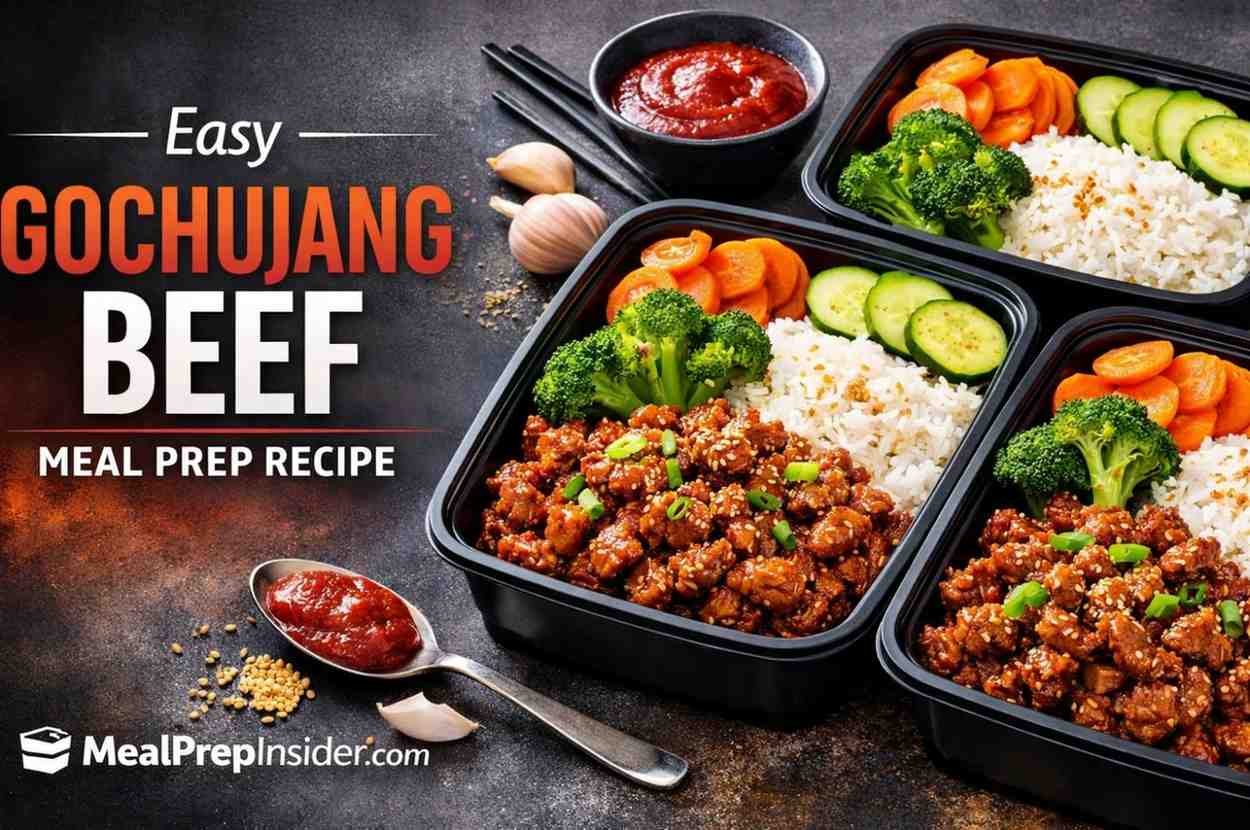
Easy Gochujang Beef Meal Prep Recipe

This easy gochujang beef meal prep recipe will transform your weekly lunch routine into something you genuinely look forward to.
You know that feeling when Sunday night hits and meal prep sounds about as exciting as watching paint dry? Then you remember you’ve got a jar of gochujang sitting in your fridge, and suddenly, possibilities open up. That fermented Korean chili paste isn’t just another condiment collecting dust next to your expired sriracha. It’s the secret weapon that’ll make your coworkers ask what smells so incredible at noon.
Here’s the thing about meal prep: it fails when the food gets boring by Wednesday.
This gochujang beef recipe doesn’t do that. The flavors deepen as they sit. The beef stays tender. The sauce clings to everything in the best possible way. And you’ll have five perfectly portioned containers ready to grab when you’re running late (which, let’s be honest, is most mornings).
No complicated techniques. No ingredients you need to hunt down at specialty stores. Just straightforward cooking that delivers restaurant-quality results in your kitchen.
Ready to make meal prep something you’ll want to show off on Instagram?
Why Gochujang Makes Everything Better
Gochujang brings complexity without effort.
That single ingredient packs umami, heat, slight sweetness, and a fermented depth that takes other recipes hours to build. Meanwhile, you’re just stirring a spoonful into your marinade and calling it a day. The paste itself combines red chili peppers, glutinous rice, fermented soybeans, and salt. Months of fermentation create layers of flavor that you can’t replicate with fresh ingredients alone.
The heat level sits comfortably between “my mouth is on fire” and “is there any spice in this?” Most people find it pleasantly warming rather than punishing. Even friends who claim they can’t handle spicy food usually manage to gochujang dishes without reaching for milk.
Beyond the flavor, gochujang contains probiotics from fermentation. You’re essentially sneaking gut-friendly bacteria into your lunch while thinking you’re just eating delicious beef. Win-win.
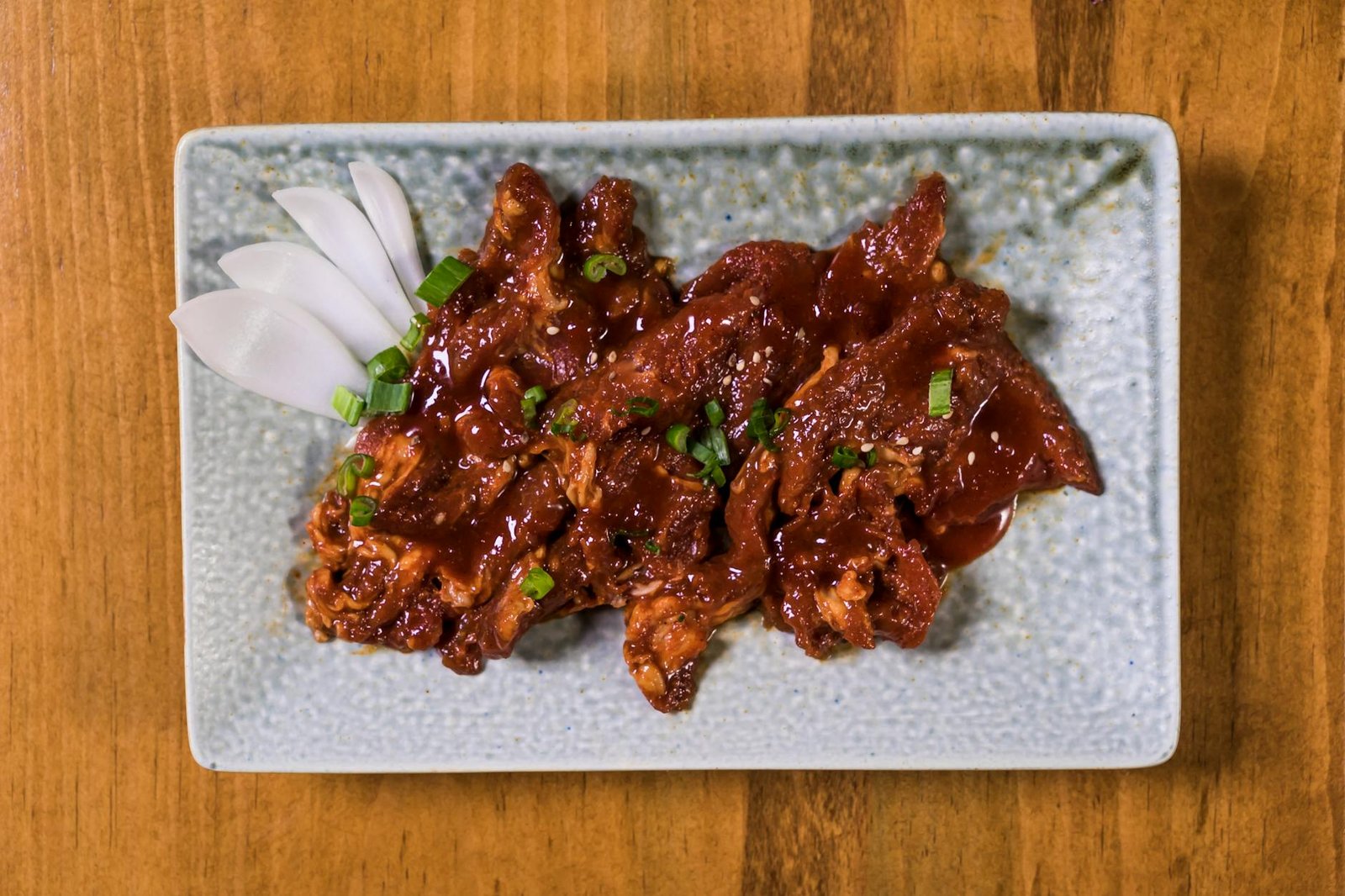
The paste caramelizes beautifully when it hits the heat. Those little charred bits on your beef? That’s the sugars in the gochujang working their magic. You get texture, color, and concentrated flavor in every bite.
What You’ll Need for This Meal Prep
Let’s talk ingredients. Nothing exotic, nothing impossible to find.
For the beef:
- 2 pounds flank steak or sirloin (flank gives better texture)
- 3 tablespoons gochujang paste
- 2 tablespoons soy sauce (low-sodium works fine)
- 1 tablespoon sesame oil
- 2 tablespoons honey or brown sugar
- 4 cloves garlic, minced
- 1 tablespoon fresh ginger, grated
- 2 tablespoons rice vinegar
- 1 teaspoon black pepper
- 2 green onions, chopped
For the meal prep containers:
- 3 cups cooked jasmine rice (white or brown)
- 4 cups vegetables of choice
- Sesame seeds for garnish
- Extra green onions for topping
The vegetables are flexible. Broccoli works. So do snap peas, bell peppers, carrots, bok choy, or whatever you grabbed at the store. This recipe doesn’t discriminate.
Equipment That Makes Life Easier
You don’t need a professional kitchen.
A good skillet or wok helps tremendously. Cast iron holds heat well and creates better searing. Non-stick works too, but you won’t get the same caramelization. If you’re using non-stick, crank the heat higher than you think you should.
Five glass meal prep containers with dividers keep everything organized. The dividers prevent your rice from getting soggy when the sauce inevitably tries to migrate. Plastic containers work, but gochujang can stain them with that distinctive orange-red color permanently.
A sharp knife matters more than people realize. Slicing beef thinly against the grain becomes exponentially harder with a dull blade. You’ll end up sawing through the meat instead of slicing, and the texture suffers.
A large mixing bowl for marinating saves counter space. Ziplock bags work too, but bowls let you really work the marinade into the meat with your hands.
Preparing Your Beef the Right Way
Slice against the grain. This isn’t optional.
Look at your flank steak. See those long muscle fibers running in one direction? You want to cut perpendicular to those lines. Each slice should be about a quarter-inch thick. Thinner pieces cook faster and soak up more marinade. They also give you more surface area for that gorgeous caramelization.
Pop the beef in the freezer for 15 minutes before slicing. Slightly frozen meat slices are cleaner than room-temperature meat. You get even pieces instead of ragged chunks.
Mix your marinade while the beef chills. Gochujang, soy sauce, sesame oil, honey, garlic, ginger, rice vinegar, and black pepper go into a bowl. Whisk until the gochujang fully incorporates. It tends to clump if you don’t encourage it.
Toss the sliced beef into the marinade. Use your hands. Massage the marinade into every piece. Make sure nothing gets left out. This takes maybe two minutes but makes a noticeable difference in the final flavor.
Marinating time is flexible. Thirty minutes works if you’re in a rush. Overnight is better. The acids in the rice vinegar start breaking down the muscle fibers, making everything more tender. The flavors penetrate deeper. If you’re marinating longer than four hours, stick it in the fridge.
Cooking the Beef to Perfection
Get your pan screaming hot.
Seriously. You want smoke-alarm hot. High heat creates the Maillard reaction, those beautiful brown bits that equal flavor. Medium heat just steams the meat. Nobody wants steamed beef in their meal prep.
Don’t overcrowd the pan. Cook the beef in batches if needed. When you dump too much meat in at once, the temperature drops. The beef releases moisture. Everything starts braising instead of searing. You end up with gray, sad beef instead of caramelized, crave-worthy beef.
Spread the beef in a single layer. Let it sit undisturbed for 90 seconds. Resist the urge to poke, prod, or flip. That’s when the crust develops. After 90 seconds, toss everything around and let it cook for another minute or two.
The beef should have dark, almost charred edges with some pink still showing in the middle. It’ll continue cooking slightly as it rests. Overcooked beef turns into chewy rubber, and no amount of delicious sauce fixes that.
Reserve some marinade before the raw beef touches it. This clean marinade becomes your finishing sauce. Never use a marinade that’s been in contact with raw meat unless you boil it first.
Pour the reserved marinade into the pan after the beef comes out. Let it bubble and reduce for about a minute. It’ll thicken slightly and concentrate the flavors. Toss the cooked beef back in for a final coating.
Building Your Meal Prep Containers
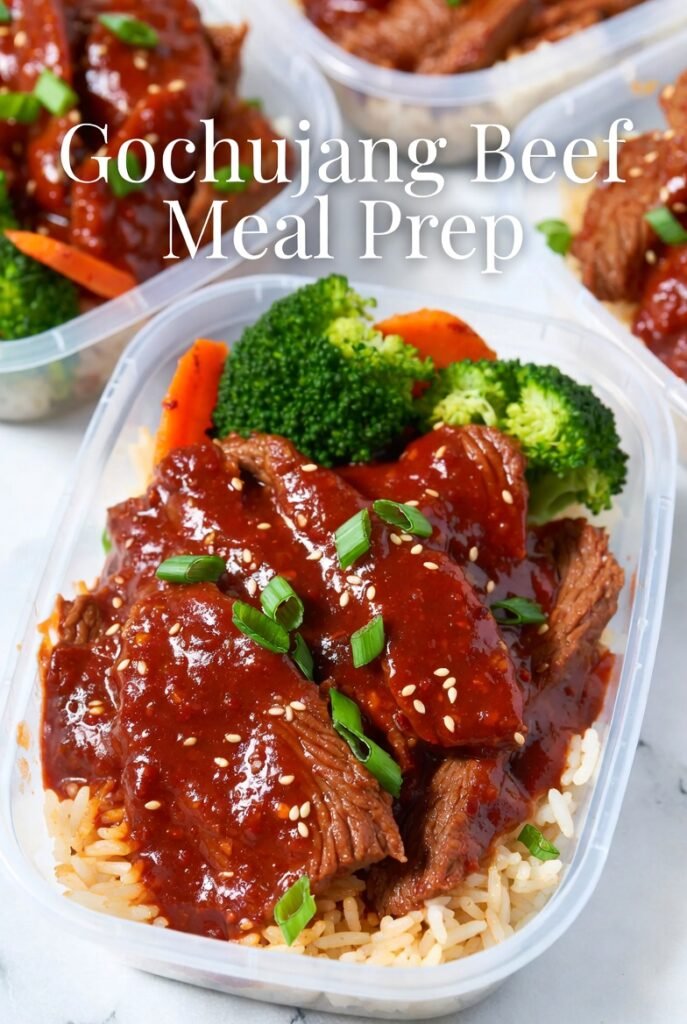
Rice goes in first, creating a base.
About three-quarters of a cup per container gives you a solid foundation without overwhelming the beef. Cold rice works better than hot rice for meal prep. Hot rice creates condensation in sealed containers, leading to soggy disasters by day three.
Add your vegetables next. Raw or cooked, both work, depending on preference. Blanched broccoli holds up better through the week than raw. Raw bell pepper strips stay crunchy and fresh. Roasted carrots bring extra sweetness.
Top with the gochujang beef. Distribute evenly across all five containers. You don’t want one container packed with beef and another looking sad and empty. We’re going for consistency here.
Drizzle any remaining sauce over everything. This is where the magic happens. The sauce seeps into the rice, flavors the vegetables, and keeps the beef moist.
Garnish with sesame seeds and fresh green onions. Add these right before eating rather than during assembly. Green onions get slimy after a few days sealed in containers. Nobody wants slimy onions.
Vegetable Options That Actually Work
Broccoli stands the test of time.
Blanch it for two minutes, shock it in ice water, and drain thoroughly. It stays bright green and maintains some crunch even after five days in the fridge. The florets catch extra sauce, making every bite flavorful.
Snap peas bring sweetness and crunch. Leave them raw. They’ll soften slightly by Wednesday but never turn mushy. The natural sugars balance the spicy-savory beef perfectly.
Bell peppers add color and vitamins without much effort. Red and yellow peppers taste sweeter than green. Slice them into strips, toss them in raw, and forget about them. They’re practically indestructible.
Bok choy works if you cook it. Sauté it separately with some garlic, let it cool, then add it to your containers. Raw bok choy releases too much water and makes everything soggy.
Carrots should be roasted. Toss them with a little oil, salt, and pepper, then roast at 425°F for 20 minutes. The caramelization complements the gochujang beautifully. Plus, roasted carrots last forever in meal prep containers.
Mushrooms absorb the sauce like tiny flavor sponges. Sauté them until they release their moisture and start browning. Shiitake mushrooms bring an extra umami punch that layers nicely with the fermented notes in gochujang.
Storage and Reheating Tips
These containers last five days in the fridge.
Let everything cool to room temperature before sealing the lids. Hot food creates steam, which turns into water droplets, which makes your rice mushy. Patience pays off here.
Stack your containers in the fridge with the heaviest on the bottom. The weight helps push out excess air, keeping everything fresher longer.
Freezing works for this recipe. The beef and rice freeze beautifully. Vegetables get slightly softer after freezing, but they’re still perfectly edible. Freeze for up to three months. Thaw overnight in the fridge before reheating.
Microwave reheating takes about two minutes on high. Pop the lid off or crack it open to let steam escape. Stir halfway through to ensure even heating. The beef should be steaming throughout before you eat it.
Stovetop reheating gives better results if you have time. Dump the contents of your container into a pan, add a splash of water, cover, and heat over medium for about five minutes. Stir occasionally. The rice gets fluffier this way, and the beef doesn’t develop those weird dry edges that microwaves create.
Customizing Your Gochujang Beef
Make it sweeter by adding more honey.
Some people like that sticky, sweet-spicy balance. An extra tablespoon of honey or a splash of pineapple juice brings the sweetness forward without killing the heat.
Dial up the heat with additional gochugaru (Korean red pepper flakes). Gochujang provides warmth, but gochugaru delivers straight fire. Start with a teaspoon and adjust from there.
Add vegetables directly to the beef while cooking. Thinly sliced onions caramelize beautifully with the beef. Mushrooms soak up the marinade and add earthiness. Just remember that adding vegetables creates more liquid, so you might need to cook everything a bit longer to evaporate the excess moisture.
Swap the protein entirely. This marinade works brilliantly with chicken thighs, pork shoulder, or firm tofu. Chicken takes about the same cooking time as beef. Pork needs a few extra minutes. Tofu should be pressed first to remove excess water, then marinated and pan-fried until crispy.
Change your grain base. Cauliflower rice cuts carbs significantly. Quinoa adds protein and a nutty flavor. Rice noodles create more of a Korean-inspired noodle bowl. Farro brings chewiness and holds up incredibly well throughout the week.
Troubleshooting Problems You Might Face
The beef turned out tough and chewy.
You probably cooked it too long or sliced with the grain instead of against it. Flank steak needs quick, high-heat cooking. Anything beyond medium doneness turns it into shoe leather. Check your slicing technique, too. Those muscle fibers should be short, not long.
Everything tastes bland despite following the recipe.
Your gochujang might be old or low-quality. Not all gochujang pastes are created equal. Some brands load up on sweeteners and skimp on the fermented complexity. Check the ingredient list. It should be short: red chili peppers, glutinous rice, fermented soybeans, salt, and maybe a sweetener. That’s it.
The sauce didn’t stick to the beef.
You need to reduce it more. After removing the beef from the pan, let that reserved marinade bubble away for at least a full minute. It should visibly thicken. If it’s still thin, add a teaspoon of cornstarch mixed with a tablespoon of water, then cook for another minute.
The containers got watery by day three.
RELATED POST >> Best Top 15 Sous Vide Meal Prep Recipes to Try Now
Your vegetables likely weren’t dry enough when you packed them. After washing or blanching vegetables, dry them thoroughly with paper towels or a salad spinner. Excess water has nowhere to go in a sealed container except into your rice.
The rice dried out in the fridge.
Add a tablespoon of water to each container before reheating. The steam from that water rehydrates the rice. You can also mix a little extra sauce into the rice during assembly to keep it moister throughout the week.
Nutrition Breakdown Per Serving
Understanding what you’re eating matters, especially if you’re tracking macros or just trying to eat better.
Approximate nutrition per container:
| Nutrient | Amount |
|---|---|
| Calories | 520-580 |
| Protein | 38-42g |
| Carbohydrates | 52-58g |
| Fat | 16-20g |
| Fiber | 4-6g |
| Sugar | 8-10g |
| Sodium | 680-750mg |
These numbers vary based on your exact ingredients and portion sizes. Using brown rice instead of white adds fiber and nutrients. Loading up on vegetables decreases calorie density while increasing vitamins and minerals.
The protein content makes this meal prep excellent for muscle building and recovery. That 38-42 grams per serving hits the sweet spot for most people’s lunch needs.
Fat content sits in a healthy range, mostly coming from the sesame oil and whatever marbling exists in your beef. It’s not a low-fat meal, but the fats present serve important functions in nutrient absorption and satiety.
Sodium deserves attention if you’re watching salt intake. Using low-sodium soy sauce drops the sodium content by about 150-200mg per serving. You can also reduce the soy sauce quantity and add more rice vinegar for acidity.
Making This Recipe Work for Different Diets
Going low-carb or keto?
Replace rice with cauliflower rice. Load up on low-carb vegetables like zucchini, bell peppers, and mushrooms. The beef and sauce are already keto-friendly. Each container drops to about 15-18 grams of net carbs, depending on your vegetable choices.
Need it dairy-free?
Good news: this recipe doesn’t contain dairy. Just double-check your gochujang brand. Most are naturally dairy-free, but some fusion brands add unexpected ingredients.
Making it gluten-free requires one swap.
Standard soy sauce contains wheat. Use tamari or coconut aminos instead. Check your gochujang label too. Traditional recipes don’t include gluten, but some commercial brands add barley or wheat-based ingredients.
Vegetarian adaptation is straightforward.
Substitute extra-firm tofu, tempeh, or seitan for the beef. Press tofu for at least 30 minutes to remove excess moisture. Cut it into cubes, marinate the same way, then pan-fry until crispy on all sides. Tempeh brings a nutty flavor that pairs wonderfully with gochujang. Seitan has a meaty texture that makes the swap almost unnoticeable.
Want to boost the protein even more?
Add a soft-boiled egg to each container. The runny yolk creates an extra sauce when you break it open during reheating. Edamame tossed with the vegetables contributes plant-based protein. A tablespoon of hemp seeds sprinkled on top adds protein, healthy fats, and a slight nutty flavor.
Time-Saving Hacks for Busy People
Prep components on different days.
Cook your rice on Thursday night while making dinner. Marinate your beef on Friday morning before work. Chop vegetables on Saturday afternoon. By Sunday, assembly takes 15 minutes instead of an hour.
Buy pre-cut vegetables if your budget allows.
Yes, they cost more. But if pre-cut broccoli florets mean you’ll follow through with meal prep instead of ordering takeout all week, they’re worth every penny.
Use a rice cooker with a timer.
Set it up the night before. Wake up to perfectly cooked rice. Let it cool while you shower and get ready. By the time you’re ready to prep, the rice is at the ideal temperature.
Double the marinade recipe and freeze half.
Next time you want gochujang beef, you’ve already got the marinade ready. Just thaw, add beef, and you’re 15 minutes ahead of schedule.
Cook the beef in an air fryer.
Spread marinated beef in a single layer in your air fryer basket. Cook at 400°F for 8-10 minutes, shaking halfway through. You get similar caramelization with less hands-on cooking time.
Pairing Suggestions and Serving Ideas
Sometimes you want to change things up without completely overhauling your meal prep.
Add a spicy cucumber salad to the container. Thinly slice cucumbers, toss them with rice vinegar, sesame oil, gochugaru, and a pinch of sugar. The cool, crunchy cucumbers balance the rich beef perfectly.
Include kimchi as a side. The fermented tang cuts through the savory-sweet beef sauce. Plus, you’re doubling down on those gut-friendly probiotics.
Pack some roasted seaweed snacks separately. Crush them over your reheated bowl for added umami and a satisfying crunch. They’re also ridiculously low in calories if you’re watching your intake.
Make lettuce wraps instead of rice bowls. Pack large butter lettuce leaves separately. At lunch, wrap the beef and vegetables in the lettuce for a lower-carb, crunchy alternative.
Turn leftovers into fried rice. If you somehow don’t finish all five containers, heat a pan with a little oil, add cold rice and beef, crack in an egg, and stir-fry everything together. You’ve just created an entirely new meal.
Shopping for the Best Ingredients
Gochujang quality varies wildly between brands.
Look for Korean brands at Asian grocery stores. Mother-In-Law’s, Chung Jung One, and Sempio all produce excellent versions. The ingredient list should be short and understandable. Avoid brands with high fructose corn syrup or modified food starch listed in the first few ingredients.
Flank steak often goes on sale.
Check your grocery store’s weekly ads. When you find it discounted, buy several pounds and freeze what you don’t need immediately. Properly wrapped flank steak lasts three months in the freezer without quality loss.
Sesame oil comes in two varieties: toasted and untoasted. You want toasted for this recipe. It’s darker in color and has that distinctive nutty aroma. Untoasted sesame oil tastes more neutral and won’t give you the same flavor depth.
Fresh ginger makes a difference over powdered. The bright, spicy notes from fresh ginger root can’t be replicated with the dried stuff. Buy a knob, peel it, and freeze what you don’t use. Frozen ginger grates easily and lasts for months.
Rice vinegar isn’t the same as rice wine vinegar or seasoned rice vinegar. Plain rice vinegar is what you need. Seasoned versions contain added sugar and salt that throw off the recipe’s balance. Rice wine vinegar (made from sake) tastes different and creates a slightly off flavor profile.
Scaling the Recipe Up or Down
Cooking for one?
Cut everything in half. You’ll have 2-3 containers instead of five. The cooking process stays identical, just with less volume.
Feeding a family or doing a couple’s meal prep?
Double or triple the recipe. You might need to cook the beef in more batches to avoid overcrowding, but otherwise, everything scales easily. Just make sure you have enough containers.
Doing a big batch cook for two weeks?
This recipe scales beautifully, but remember the five-day fridge limit. Freeze half your containers immediately. Pull them to the fridge two days before you plan to eat them for proper thawing.
FAQs
How spicy is this gochujang beef really?
Most people find it medium-spicy. The heat builds gradually rather than hitting you immediately. If you’re sensitive to spice, reduce the gochujang to 2 tablespoons and increase the honey slightly. You’ll still get the flavor complexity with less fire.
Can I use a different cut of beef?
Absolutely. Sirloin, skirt steak, or even thinly sliced ribeye work well. Avoid tougher cuts like chuck roast or stew meat unless you’re planning to slow-cook them first. Those cuts need hours of braising to become tender.
Will this recipe work in a slow cooker?
Not really. The beauty of this preparation comes from high-heat searing and caramelization. Slow cookers can’t create that. You’d end up with braised beef, which tastes fine but is completely different from what this recipe delivers.
How long does the gochujang paste last after opening?
In the fridge, an opened jar of gochujang lasts 6-12 months easily. The fermentation and salt content act as preservatives. Just make sure you’re using a clean spoon each time to avoid introducing contaminants.
Can I meal prep this for breakfast?
That’s unconventional, but sure. Add a fried egg on top during reheating. The savory flavors work surprisingly well in the morning. It’s basically a Korean-inspired breakfast bowl.
What if I can’t find gochujang near me?
Check Amazon or other online retailers. Most carry several brands with quick shipping. In a pinch, substitute sriracha mixed with miso paste and a touch of brown sugar. It’s not identical, but it creates a similar flavor profile.
Is this recipe kid-friendly?
Depends on your kids’ spice tolerance. The heat might be too much for younger children. Consider preparing the beef with half the gochujang for kids’ portions, or serve plain grilled chicken with a small amount of sauce on the side for dipping.
Can I grill the beef instead of pan-searing?
Yes, and it’s delicious. Thread the marinated beef onto skewers or use a grill basket. Grill over high heat for 2-3 minutes per side. You’ll get excellent char and smoky flavor. Just watch carefully since the sugars in the marinade can burn quickly.
Does this recipe work with ground beef?
It does, though the texture is completely different. Brown ground beef in a pan, drain excess fat, then add the marinade ingredients. Let everything simmer until the sauce thickens. It creates more of a Korean-inspired taco meat situation.
How do I prevent the containers from smelling like gochujang?
Glass containers resist odor absorption better than plastic. If you’re using plastic and notice smells lingering, wash containers with a paste of baking soda and water, then dry them in direct sunlight. The UV rays help eliminate odors.
Can I add more vegetables directly to the beef while cooking?
Sure. Sliced onions, mushrooms, and bell peppers all work well cooked alongside the beef. Just account for the extra moisture they’ll release. You might need to cook everything a bit longer to evaporate the liquid and concentrate the sauce.
What’s the best way to reheat this without drying out the beef?
Add a tablespoon of water before microwaving and cover with a damp paper towel. The steam keeps everything moist. For stovetop reheating, add a splash of water or extra marinade and cover the pan while warming.
This easy gochujang beef meal prep recipe delivers flavor that actually improves over the week. The marinade tenderizes. The sauce deepens. The components hold up without getting soggy or bland.
Meal prep doesn’t have to mean suffering through boring chicken and rice every day. With gochujang doing the heavy lifting, you’ve got restaurant-quality lunches waiting in your fridge. Five containers. One cooking session. Zero excuses to order overpriced takeout.
Start this Sunday. Your future self will thank you when Wednesday rolls around, and you’re eating something that makes your coworkers jealous instead of another sad desk salad.
SUGGESTED POST >> Best Top 25 Cottage Cheese Meal Prep Ideas to Try Now
Discover more from Meal Prep Insider
Subscribe to get the latest posts sent to your email.