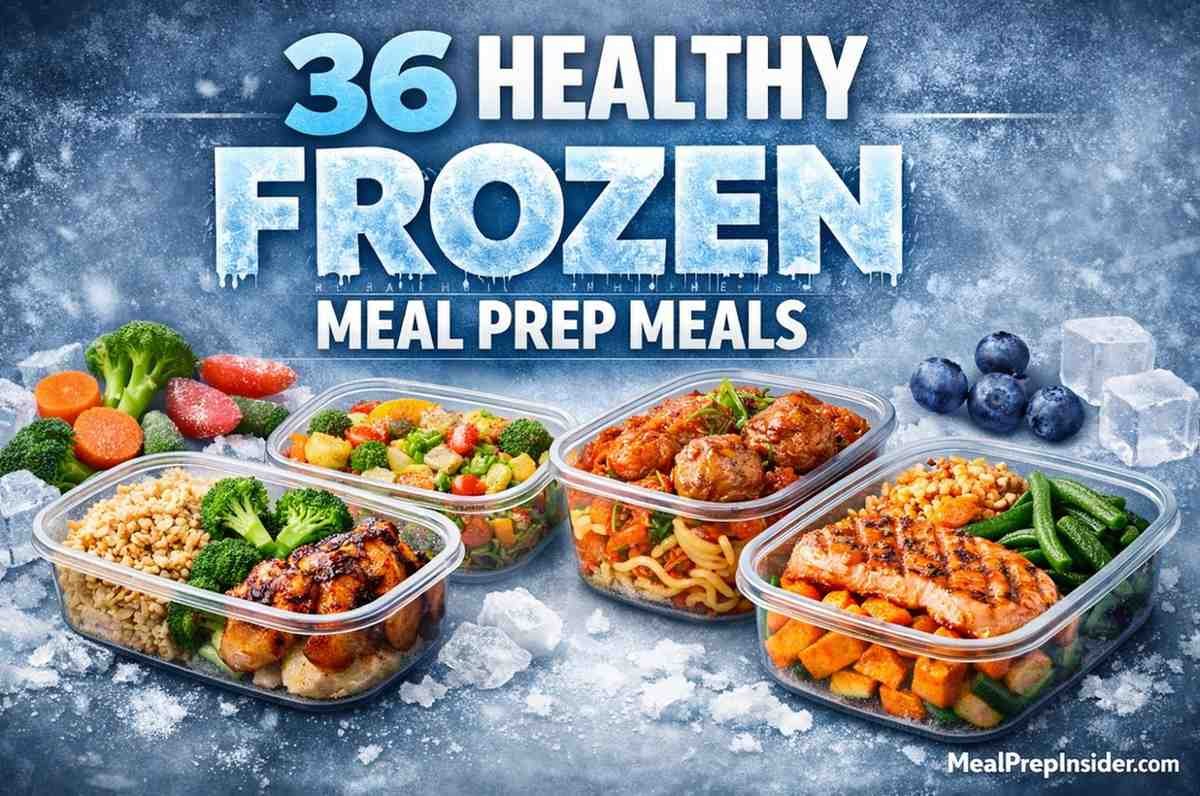
Top 36 Healthy Frozen Meal Prep Meals Ready in Minutes

Healthy frozen meal prep meals are changing how Americans eat during busy weekdays. You know that feeling when you open the fridge at 7 PM, exhausted from work, and resort to ordering takeout again? That stops now.
Most people think frozen meals mean sodium bombs wrapped in cardboard-flavored pasta. Wrong. The meal prep game has evolved dramatically, and freezing your own nutritious food is the secret weapon successful health-conscious people use to stay on track. No more guilt. No more excuses.
Here’s what nobody tells you: the freezer is the most underutilized tool in your kitchen. While everyone obsesses over air fryers and Instant Pots, your freezer quietly waits to solve your biggest problem—not having healthy food ready when hunger strikes.
This post breaks down 36 meals that freeze beautifully, taste incredible after reheating, and keep you fueled without the inflammatory oils and mystery ingredients found in store-bought options. We’re talking real food that your body recognizes and uses for energy, not storage.
Let’s get into it.
Why Healthy Frozen Meal Prep Meals Beat Everything Else
Meal prepping gets exhausting when you’re eating the same grilled chicken and broccoli for five days straight. Your taste buds revolt by Wednesday. Your motivation dies by Thursday.
Freezing changes the equation entirely.
When you prep meals for the freezer, you’re building a personal menu of options. Ten different meals sitting in your freezer means ten different choices throughout the month. Variety keeps you engaged. Engagement keeps you consistent.
The financial angle hits different, too. Americans waste roughly $1,500 yearly on food that spoils in the refrigerator. Freezing extends shelf life by months, not days. That chicken you bought on sale? Prep it now, freeze it, and it’s still perfect eight weeks later.
Time savings compound quickly. Spending three hours on Sunday making freezer meals gives you back 10+ hours during the week. That’s time for the gym, your family, or finally watching that series everyone keeps mentioning.
The Science Behind Freezing Food Properly
Not all foods freeze equally. Understanding the science saves you from mushy disasters.
Water content matters most. When water freezes, it expands and forms ice crystals that puncture cell walls. This is why cucumbers turn to slime and lettuce becomes soggy—they’re mostly water with delicate structures.
Proteins, fats, and starches handle freezing beautifully. Cooked chicken, beef, pasta, rice, and beans maintain their texture and nutritional value for months when frozen correctly.
The enemy is freezer burn. This happens when moisture evaporates from food surfaces, leaving dried-out spots. Proper packaging prevents this. Air exposure causes oxidation and flavor loss, so vacuum-sealing or removing excess air from containers is non-negotiable.
Flash freezing individual components before combining them prevents clumping. Spread cooked rice or quinoa on a baking sheet, freeze for an hour, then transfer to containers. Each grain stays separate instead of forming a brick.
Temperature consistency keeps food safe. Your freezer should stay at 0°F (-18°C) or below. Temperature fluctuations from frequent door opening or power outages compromise quality.
Essential Equipment for Freezer Meal Success
You don’t need expensive gear, but a few key items make everything easier.
Glass containers with tight lids work perfectly for liquids like soups and curries. They’re microwave-safe and don’t absorb odors. Leave an inch of headspace for expansion during freezing.
Heavy-duty freezer bags in various sizes handle everything else. Gallon bags fit full meals. Quart bags work for individual portions. Remove air by submerging the filled bag in water up to the seal—water pressure pushes air out naturally.
A permanent marker for labeling isn’t optional. Three months from now, you won’t remember if that brown stuff is beef stew or chili. Write the name and date on everything.
Aluminum pans with cardboard lids are perfect for casseroles and lasagnas. They stack efficiently and go straight from freezer to oven.
Silicone muffin cups portion out things like mini frittatas, oatmeal cups, or burger patties. Freeze in the cups, then pop them out and store them in bags.
How to Package Meals for Maximum Freshness
The packaging method determines whether your food tastes fresh or like the back of a freezer.
For soups, stews, and curries, cool completely before freezing. Hot food raises your freezer temperature and creates condensation. Pour into containers, leaving expansion space, and seal tightly.
Casseroles freeze best using the pan-liner method. Line your baking dish with heavy-duty foil, add the meal, freeze until solid, then lift out the frozen block. Now you have your pan back and a perfectly shaped frozen meal that drops right back into that pan when you’re ready to bake.
Grain bowls and divided meals require separating wet and dry components. Pack sauces separately, or they’ll make everything soggy. Assembly takes 30 seconds when you’re ready to eat.
Raw marinated proteins freeze exceptionally well. Put chicken breasts and marinade in a freezer bag. As the meat thaws, it marinates simultaneously. Two steps become one.
Breakfast items like burritos or sandwiches should be wrapped individually in parchment paper, then grouped in freezer bags. This prevents them from freezing together and lets you grab exactly what you need.
Breakfast Meals That Freeze Perfectly
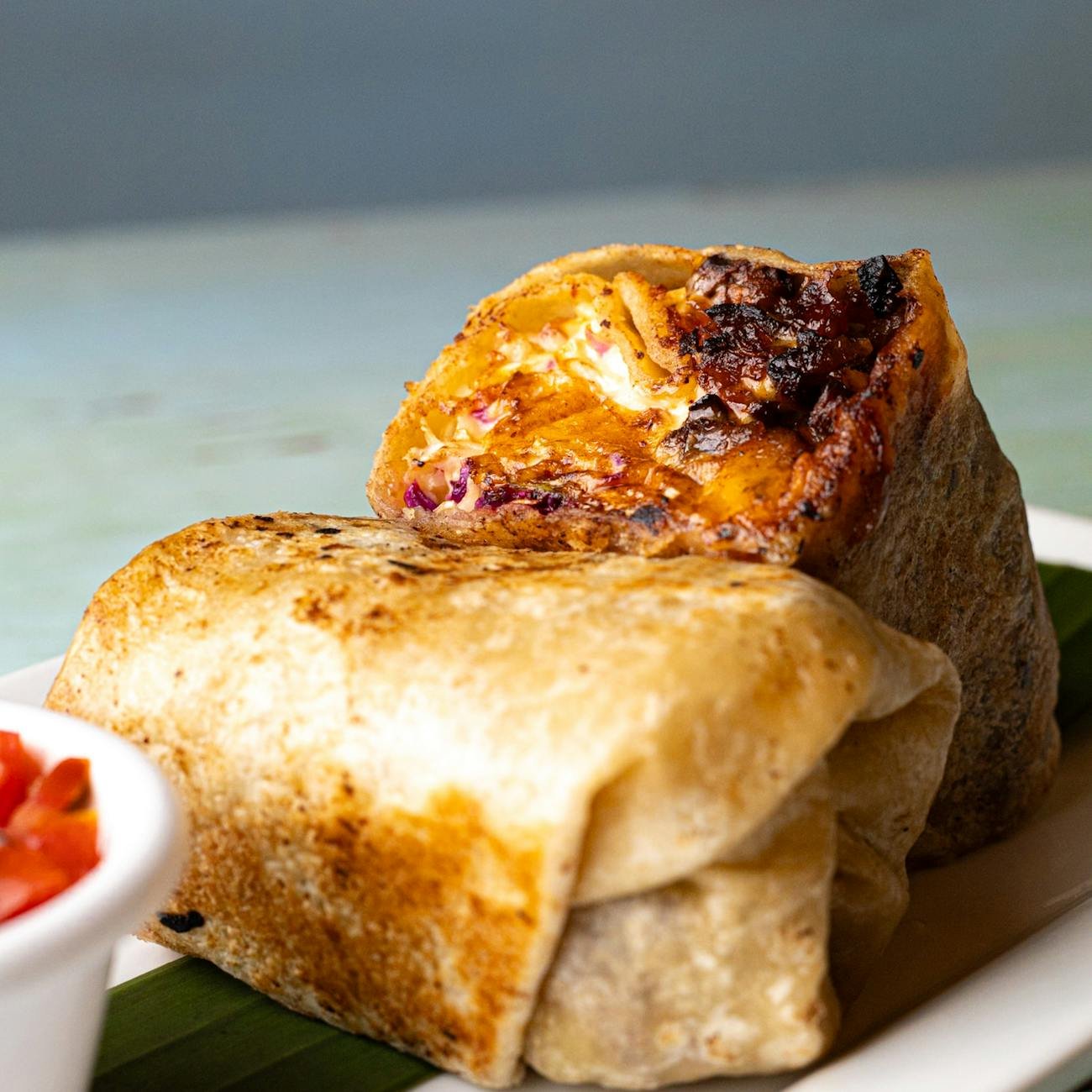
1. Protein-Packed Breakfast Burritos
Scrambled eggs, black beans, peppers, onions, and cheese wrapped in whole wheat tortillas. Wrap individually in foil, then bag them. Microwave for 2 minutes or bake at 350°F for 20 minutes.
2. Make-Ahead Egg Muffins
Whisk eggs with diced vegetables, cooked sausage, and cheese. Pour into muffin tins and bake. These freeze individually and reheat in 45 seconds.
3. Overnight Oats Freezer Packs
Combine oats, chia seeds, cinnamon, and dried fruit in containers. Add milk the night before and refrigerate. The frozen components thaw while creating that perfect creamy texture.
4. Whole Grain Pancakes
Make a double batch using whole wheat flour, mashed banana, and protein powder. Freeze with parchment paper between each pancake. Toast directly from frozen.
5. Sweet Potato Hash with Turkey Sausage
Diced sweet potatoes, turkey sausage, peppers, and onions seasoned with smoked paprika. Reheats beautifully and provides sustained energy.
6. Breakfast Quinoa Bowls
Cooked quinoa with cinnamon, maple syrup, nuts, and berries. Portion into containers and add milk when reheating.
Lunch Options That Actually Taste Good Reheated
7. Mediterranean Chicken and Rice
Seasoned chicken thighs over lemon rice with cucumber, tomatoes, and tzatziki are packed separately. The flavors improve after a day or two.
8. Beef and Broccoli Stir-Fry
Tender beef strips with broccoli in a ginger-garlic sauce over brown rice. Freezes for up to three months without quality loss.
9. Turkey Taco Bowls
Seasoned ground turkey, black beans, corn, brown rice, and salsa. Top with fresh avocado and cilantro after reheating.
10. Lemon Herb Salmon with Asparagus
Yes, fish freezes well when done right. Individually portion salmon fillets with asparagus and lemon slices. Bake from frozen at 400°F for 25 minutes.
11. Chicken Fajita Bowls
Sliced chicken breast with peppers and onions over cilantro lime rice. Pack guacamole and sour cream separately.
12. Asian Lettuce Wrap Filling
Ground chicken or turkey with water chestnuts, ginger, and soy sauce. Freeze the filling and buy fresh lettuce cups when ready to eat.
Hearty Dinner Meals for Busy Weeknights
13. Classic Lasagna
Layer pasta, ricotta, meat sauce, and mozzarella. Freeze unbaked for the best texture. Bake covered for 50 minutes from frozen.
14. Chicken Enchilada Casserole
Shredded chicken, black beans, corn, enchilada sauce, and cheese layered with tortillas. Comfort food that freezes exceptionally well.
15. Shepherd’s Pie
Ground beef and vegetables under a layer of mashed sweet potatoes. Individual portions work great for single servings.
16. Moroccan Chickpea Stew
Chickpeas, sweet potatoes, tomatoes, and warming spices. This vegetarian option is packed with fiber and plant protein.
17. Stuffed Bell Peppers
Peppers filled with ground turkey, quinoa, black beans, and spices. Freeze individually and bake from frozen.
18. Beef Chili
A big batch of chili freezes perfectly in portions. Top with fresh cheese, sour cream, and green onions after reheating.
19. Thai Coconut Curry
Chicken or tofu in coconut milk curry with vegetables. Serve over rice or rice noodles. The flavors meld beautifully after freezing.
20. Meatballs in Marinara
Make a giant batch of turkey or beef meatballs. Freeze with sauce for spaghetti nights or meatball subs.
21. Barbacoa Beef
Slow-cooked beef with chipotle peppers and spices. Use for tacos, burrito bowls, or over baked potatoes.
22. Lemon Garlic Shrimp with Zoodles
Shrimp freeze raw or cooked. Portion with spiralized zucchini and a lemon garlic sauce for a low-carb option.
Soup and Stew Selections
23. Chicken Tortilla Soup
Shredded chicken, black beans, corn, tomatoes, and Mexican spices. Add tortilla strips and avocado fresh.
24. Minestrone Soup
Vegetable-packed Italian soup with beans and pasta. Freezes for months and gets better with time.
25. Butternut Squash Soup
Creamy, dairy-free soup made with roasted squash, coconut milk, and warming spices. Perfect for fall and winter.
26. White Chicken Chili
White beans, chicken, green chilies, and cream cheese create a unique twist on traditional chili.
27. Beef and Barley Soup
Hearty, filling soup loaded with vegetables and tender beef chunks. Old-school comfort in a bowl.
28. Thai Pumpkin Soup
Pumpkin puree with coconut milk, red curry paste, and ginger. Garnish with roasted pumpkin seeds.
Plant-Based Freezer Meals
29. Black Bean Burgers
Homemade patties with black beans, quinoa, and spices. Freeze individually with parchment paper between each burger.
30. Lentil Bolognese
Rich tomato sauce with lentils and vegetables. Serve over pasta or zucchini noodles for a protein-packed vegetarian meal.
31. Vegetable Curry with Chickpeas
Mixed vegetables and chickpeas in curry sauce. Pair with brown rice or naan bread.
32. Mushroom and Spinach Quesadillas
Sautéed mushrooms, spinach, black beans, and cheese between tortillas. Cut into wedges and freeze.
Strategic Sides That Freeze Well
33. Cauliflower Rice Pilaf
Cauliflower rice with diced vegetables and herbs. Low-carb base for any protein.
34. Garlic Roasted Vegetables
Broccoli, Brussels sprouts, carrots, and bell peppers tossed with olive oil and garlic. Roast until slightly underdone before freezing.
35. Cilantro Lime Quinoa
Fluffy quinoa with fresh lime juice and cilantro. Versatile side for Mexican or Asian-inspired meals.
36. Sweet Potato Wedges
Seasoned sweet potato wedges that crisp up beautifully when baked from frozen at 425°F.
Common Freezer Meal Mistakes to Avoid
Mistake Number One: Freezing meals in containers too large. You end up thawing more than needed and can’t safely refreeze the excess. Portion for actual serving sizes.
Another error: Not cooling food before freezing. Hot food creates steam, which becomes ice crystals. Those crystals create freezer burn and soggy textures.
Here’s one people miss: Freezing everything at once. Stagger your cooking over a few weeks. This prevents both burnout and having everything expire simultaneously.
This trips people up regularly: Forgetting to label clearly. “Chicken something” written on a bag doesn’t help three months later when you find it buried under frozen peas.
People overlook this constantly: Overfilling containers. Liquids expand when frozen. Leave at least an inch of space, or you’ll have cracked containers and frozen lids popped off.
Many fall into this trap: Keeping frozen meals too long. Most cooked meals maintain quality for 2-3 months. After that, they’re safe, but quality declines. Date everything and rotate your stock.
The Best Reheating Methods for Each Meal Type
Soups and stews reheat best on the stovetop. Transfer frozen soup to a pot over medium heat, stirring occasionally. Microwave works too—use 50% power for even heating.
Casseroles need the oven. Bake covered at 350°F until heated through, usually 45-60 minutes from frozen. Remove the cover for the last 10 minutes to crisp the top.
Grain bowls microwave perfectly. Add a tablespoon of water to create steam, cover loosely, and heat in 90-second intervals.
Breakfast burritos work in a microwave or an oven. Microwave: wrap in a damp paper towel and heat for 2 minutes, flipping halfway. Oven: wrap in foil and bake at 350°F for 20 minutes.
Burgers and patties taste best pan-seared. Heat a skillet over medium heat, add frozen patties, cover, and cook until heated through.
Stir-fries should hit the stovetop. Add frozen meal to a hot pan with a splash of water or broth. The steam helps separate ingredients while reheating.
RELATED POST >> Easy 5-Ingredient Meal Prep Recipes Save Your Weeknights
Building Your First Month of Freezer Meals
Start small. Pick six recipes that appeal to you. Make double batches and freeze half.
Week one, focus on breakfast and lunch. Get comfortable with the process before tackling elaborate dinners.
Week two, add two dinner options. Notice which containers work best and which meals your family actually enjoys.
Week three, introduce a soup and a vegetarian option. Diversifying prevents boredom.
Week four, fill gaps. What nights do you struggle most? What meals got eaten immediately? Make more of those.
Create a rotation schedule. Freeze meals on Sundays, label everything with dates, and organize your freezer with the oldest meals in front.
The goal isn’t perfection. It’s having healthy options ready when motivation is low, and convenience calls loudly.
Making Freezer Meals Work for Different Diets
Keto followers should focus on proteins with low-carb vegetables and healthy fats. Casseroles with cauliflower rice, meat-based soups, and fat bombs work perfectly.
Paleo eaters can freeze most meat and vegetable combinations. Skip grains and dairy. Focus on sweet potato, squash, and compliant proteins.
Vegetarians have endless options with bean-based meals, veggie burgers, curries, and grain bowls. Freeze tofu in marinades for better texture after thawing.
Gluten-free meal preppers can make all these recipes with simple substitutions. Use gluten-free wraps, pasta, and verified gluten-free grains.
Those watching sodium control exactly what goes into homemade freezer meals. Commercial frozen dinners average 700-1000mg of sodium per serving. Yours can have 200-300mg.
Time Management Strategies for Batch Cooking
Theme cooking saves mental energy. Make Monday “Mexican Monday” and prep burritos, burrito bowls, and enchiladas all at once. Similar ingredients, different formats.
Cook once, eat three ways maximizes efficiency. Roast a whole chicken. Use breast meat for chicken rice bowls, thighs for fajitas, and the carcass for soup stock.
Assembly line setup speeds production. Lay out all containers, portion proteins into each, add grains, then vegetables, then sauces. Working in batches beats making one complete meal at a time.
Use appliances simultaneously. Oven roasting vegetables, the stovetop handles proteins, while the slow cooker makes soup. Three meals progress at once.
Prep ingredients midweek if full Sunday sessions feel overwhelming. Chop vegetables on Monday, cook proteins on Wednesday, and assemble on Friday. Same result, spread out effort.
Storage Organization That Prevents Waste
Dedicate freezer zones to meal categories. Bottom drawer for breakfasts, middle shelf for lunches, top shelf for dinners.
Stack containers of the same size. Tetris your freezer for maximum capacity.
Use bins for small items. Throw all the burritos in one bin, muffins in another. Prevents the black hole effect, where things disappear.
Keep an inventory list on your freezer door. When you add meals, write them down. Cross them off when eaten. Prevents buying groceries for meals you already have frozen.
Rotate stock religiously. New meals go to the back. Oldest meals come forward. First in, first out prevents forgotten meals from aging out.
Budget Breakdown: The Real Cost Analysis
Let’s run numbers on a week of store-bought healthy frozen meals versus homemade.
Store-bought option:
- 7 dinners at $5.99 each = $41.93
- 7 lunches at $4.99 each = $34.93
- Weekly total: $76.86
- Monthly total: $307.44
Homemade frozen meals:
- Bulk chicken (3 lbs): $9
- Rice and grains (2 lbs): $4
- Frozen vegetables (4 bags): $8
- Canned beans (6 cans): $6
- Seasonings and sauces: $8
- Containers (one-time): $15
- Weekly total: $35
- Monthly total: $140 (after initial container investment)
You save $167.44 monthly. That’s $2,009.28 yearly. For most families, it’s enough for a vacation.
Nutritional Advantages Over Store-Bought Options
Commercial frozen meals prioritize shelf stability and profit margins over nutrition. That means:
Excessive sodium for preservation and flavor enhancement. Many contain 40-50% of the daily sodium limits in one meal.
Added sugars hide in sauces and marinades. What seems like a savory meal often packs 15+ grams of added sugar.
Low-quality proteins stretch further with fillers. “Chicken” might be 60% chicken, 40% mechanically separated poultry, and binders.
Inflammatory oils like soybean and canola are used because they’re cheap and shelf-stable.
When you make freezer meals at home:
You control sodium levels. Most recipes need only 300-400mg per serving for great flavor.
Natural ingredients mean no mystery chemicals or preservatives.
Quality proteins stay pure. Your chicken is 100% chicken.
Healthy fats from olive oil, avocado oil, and coconut oil replace industrial seed oils.
Fiber content increases because you’re adding real vegetables, not token amounts.
Troubleshooting Common Issues
Problem: Meals turn mushy after freezing.
Solution: You’re freezing vegetables with high water content without precooking them properly. Blanch vegetables before freezing or reduce the liquid in recipes.
Problem: Everything tastes bland after reheating.
Solution: Flavors mute slightly when frozen. Season slightly more than normal when cooking. Add fresh herbs, citrus juice, or hot sauce after reheating.
Problem: Rice gets hard and dry.
Solution: Slightly undercook rice before freezing, and add a tablespoon of water when reheating. The steam rehydrates it perfectly.
Problem: Containers crack in the freezer.
Solution: You’re using containers not rated for freezer use or overfilling them. Switch to freezer-safe containers and leave expansion room.
Problem: You can’t remember what things are.
Solution: Label immediately after packaging. Include the meal name, date made, and reheating instructions. In the future, you will be grateful.
The Psychology Behind Freezer Meal Success
Having healthy meals ready removes decision fatigue. When you’re tired and hungry, you make emotional choices rather than logical ones. The drive-through wins because it requires zero mental energy.
A stocked freezer flips this dynamic. Opening your freezer to see ten healthy options creates positive decision paralysis—you’re choosing between good options instead of good versus terrible.
The sunk cost fallacy works in your favor here. You invested time making those meals. Letting them go to waste feels worse than ordering pizza. That emotional weight keeps you on track.
Variety prevents restricted feelings. Traditional meal prep, where you eat identical meals daily, triggers diet mentality. Your freezer stash feels like abundance and choice.
Visual progress motivates continued effort. Seeing your freezer fill with colorful, organized meals provides tangible evidence of your commitment to health.
Seasonal Meal Prep Strategies
Winter months call for heartier meals. Stews, chilis, and casseroles match what your body craves. Root vegetables are cheap and plentiful.
Spring brings lighter fare. Focus on lemon-herb proteins, fresh vegetables, and grain salads.
Summer heat makes you not want to cook. Prep heavily in cooler morning hours. Focus on meals that require minimal reheating or can be eaten cool.
Fall is ideal for ambitious freezer stocking. Moderate temperatures make extended cooking sessions comfortable. Prep heavily before holidays when time gets scarce.
Buy produce seasonally. Butternut squash in October costs half what it does in March. Freezing summer zucchini means February stir-fries cost pennies.
Scaling Recipes for Freezer Success
Most recipes scale up easily, but some adjustments help.
Seasonings intensify in large batches. If doubling a recipe, increase seasonings by 1.5x rather than 2x. Taste and adjust.
Cooking times extend minimally. A double batch of soup might need 10 extra minutes, not double the time.
Equipment limitations matter more than recipe math. Your pot fits only so much. Sometimes two separate batches work better than one massive batch.
Organization prevents chaos. Prep all ingredients before starting. Line up containers. Having everything ready before cooking starts prevents scrambling mid-recipe.
Teaching Your Family to Use the Freezer Stash
Create a simple system everyone understands. Use colored containers—blue for breakfast, green for lunch, red for dinner.
Post reheating instructions inside a cabinet door. Not everyone knows that soups go on the stovetop and burritos in the microwave.
Let family members choose their meals. When people have autonomy, they engage more willingly.
Teach kids early. Even young children can select a container, remove the lid, and press buttons on the microwave.
Make it visual. Take photos of each meal and create a freezer menu. Seeing what meals look like helps picky eaters or kids who can’t read yet.
Frequently Asked Questions
How long do homemade frozen meals stay good?
Most cooked meals maintain their best quality for 2-3 months in a standard freezer. They remain safe indefinitely at 0°F, but quality slowly declines after three months. Vacuum-sealed meals last 4-6 months with minimal quality loss.
Can you freeze meals with dairy in them?
Yes, but with considerations. Hard cheeses freeze beautifully. Cream-based sauces can separate slightly but usually come together when stirred during reheating. Avoid freezing sour cream or yogurt as toppings—add those fresh. Milk-based casseroles like lasagna freeze perfectly.
Should you thaw frozen meals before reheating?
Not necessary for most meals. Casseroles, soups, and one-pot meals can go straight from freezer to heat source. Adjust cooking time accordingly. Thawing overnight in the fridge works for meal prep bowls you’ll microwave the next day.
What meals should you never freeze?
Avoid freezing raw vegetables with high water content like lettuce, cucumbers, or tomatoes—they turn mushy. Fried foods lose their crispness. Hard-boiled eggs become rubbery. Mayonnaise-based salads separate. Most other foods handle freezing well.
How do you prevent freezer burn?
Remove as much air as possible from containers and bags. Wrap items in plastic wrap before placing them in containers for double protection. Use freezer-specific bags rather than regular storage bags. Maintain consistent freezer temperature. Use items within recommended timeframes.
Can you refreeze meals that have been thawed?
If the meal was thawed in the refrigerator and stayed below 40°F, you can safely refreeze it. Quality will decline slightly with each freeze-thaw cycle. Never refreeze meals that were left at room temperature or thawed in the microwave.
What’s the best way to cool meals before freezing?
Spread hot food in shallow containers to cool faster. An ice bath speeds the process—set your pot or container in a larger container filled with ice water. Food should cool to room temperature within two hours to prevent bacterial growth.
Do frozen meals lose nutritional value?
Minimal loss occurs. Freezing preserves nutrients better than fresh food sitting in your fridge for a week. Some water-soluble vitamins, like vitamin C, may decrease by 10-15%, but protein, fiber, and minerals remain stable. Fresh herbs lose some flavor, but frozen meals are still nutritionally superior to takeout.
How do you keep rice from getting hard when frozen?
Cook rice with slightly more water than normal. Spread it on a baking sheet to flash freeze before portioning. Add a tablespoon of water or broth when reheating and cover to create steam. The rice rehydrates perfectly.
Can you freeze glass containers?
Yes, but use freezer-safe glass. Leave at least an inch of headspace for liquid expansion. Let hot food cool before transferring to a glass to prevent thermal shock. Tempered glass designed for freezing won’t crack when properly used.
Your Next Steps
The gap between knowing and doing determines results. You now have 36 meals, proper techniques, and systems to make freezer meal prep work.
Start this weekend. Pick three recipes. Make them. Freeze them.
Next week, eat those meals. Notice how much easier your evenings have become. Feel the relief of not scrambling at 6 PM.
Then repeat. Add three more meals to the following week.
Within a month, you’ll have a rotation of healthy meals ready whenever you need them. Your freezer becomes your personal meal delivery service, except the food actually nourishes you and costs a fraction of the price.
The American food system profits from your exhaustion and lack of time. Frozen meal prep is how you reclaim control over what goes into your body without sacrificing convenience.
Your health depends on what you eat most days, not occasionally. These 36 meals make “most days” dramatically easier.
Get started. Your future self—the healthier one, who saves money and stresses less about food—is counting on the choices you make today.
SUGGESTED POST >> 26 Healthy Cabbage Meal Prep Ideas: Budget-Friendly
Discover more from Meal Prep Insider
Subscribe to get the latest posts sent to your email.