Dense Bean Salad Meal Prep: Best Protein-Packed Make-Ahead

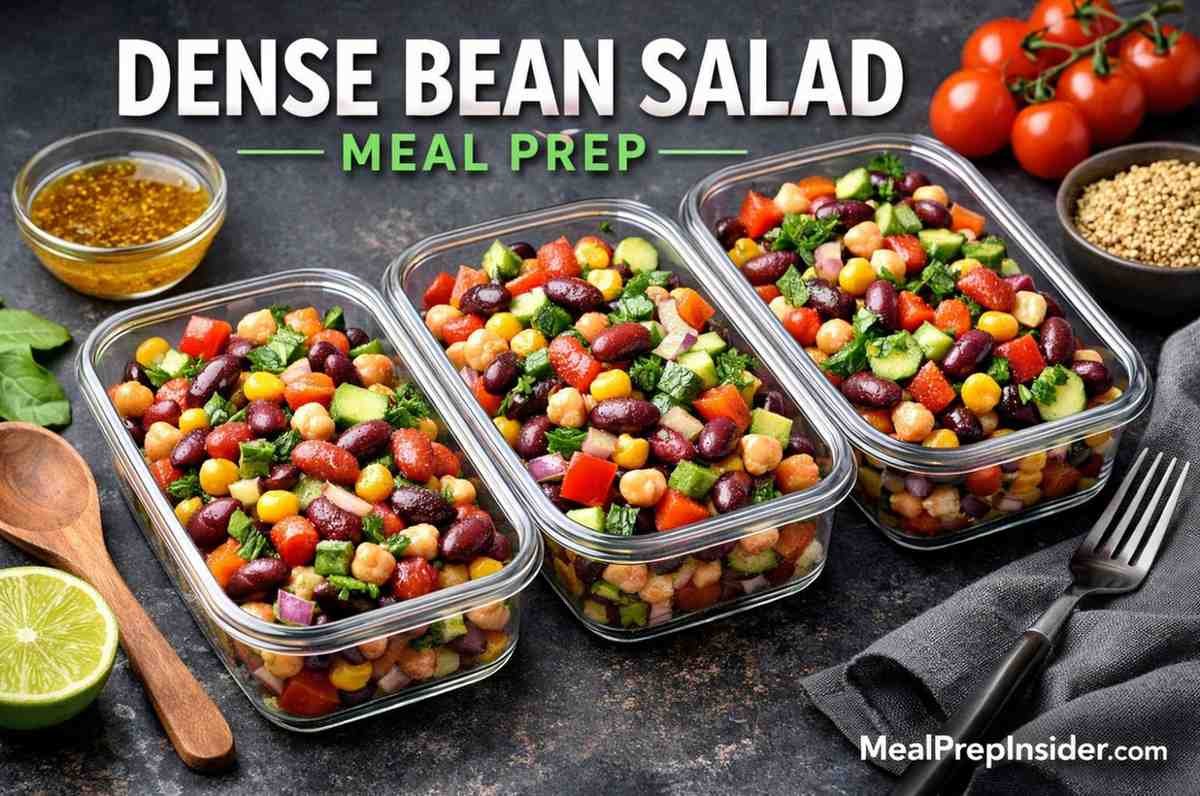
Dense Bean Salad Meal Prep: You can make a sturdy, tasty lunch that lasts all week with just a few cans of beans, fresh veggies, and a simple vinaigrette. This salad gives you a high-protein, high-fiber option that stays bright in the fridge and works for quick meals, potlucks, or desk lunches.
Mix beans, crunchy add-ins, and a clingy dressing to build big flavor without much hands-on time. You’ll save time and eat healthier by prepping a dense bean salad that keeps well, customizes easily, and packs protein into every meal.
Key Takeaways
- Make a large batch once and portion it for easy weekly lunches.
- Use mixed beans, crisp vegetables, and a zesty dressing for the best texture and flavor.
- Store chilled in airtight containers and customize to fit your diet.
What Is Dense Bean Salad Meal Prep?
Dense bean salad meal prep packs many proteins, fibers, and vegetables into grab-and-go containers. You get ready-made lunches or sides that stay good for several days and work for vegetarian or mixed meals.
Definition and Concept
Dense bean salad combines several types of beans with crunchy vegetables and a tangy dressing. Typical beans include chickpeas, cannellini, kidney, and black beans. Veggies often used are bell pepper, cucumber, red onion, and cherry tomatoes. Herbs, olives, or feta add flavor and texture.
You assemble the salad in large batches, portion it into containers, and chill. Dressings are usually oil-and-vinegar-based to help the salad keep its texture. The “dense” part means the salad is compact, high in protein and fiber, and filling rather than a loose leafy salad.
Benefits of Dense Bean Salads
You get a high-protein, high-fiber meal that supports fullness and steady energy. One serving often delivers 15–25 grams of protein when multiple beans or added chicken are used. Fiber helps digestion and can keep you full between meals.
The salad stores well and resists wilting because it relies on sturdy ingredients. It adapts to dietary needs—gluten-free, vegetarian, or Mediterranean-style with olives and feta. It also stretches budget and time: dried or canned beans are inexpensive, and the recipe cooks in under 30 minutes if you use canned beans.
How Meal Prep Enhances Nutrition
Meal prepping controls portion sizes and reduces impulse eating. When you portion dense bean salad into containers, you avoid oversized servings and can track calories and macros more easily.
Prepping ahead preserves nutrient balance by keeping vegetables crisp and beans well-coated with dressing, which helps fat-soluble vitamins absorb. You can also tailor each container—add grilled chicken to some, extra veggies to others—so your meals match your calorie and protein targets without extra cooking.
Key Ingredients for a Protein-Packed Bean Salad
Choose beans that hold their shape and mix them with crisp vegetables, salty or tangy add-ins, and a few nutrient boosters like seeds or leafy greens. Balance texture and flavor so the salad stays satisfying through several days of meal prep.
Best Beans to Use
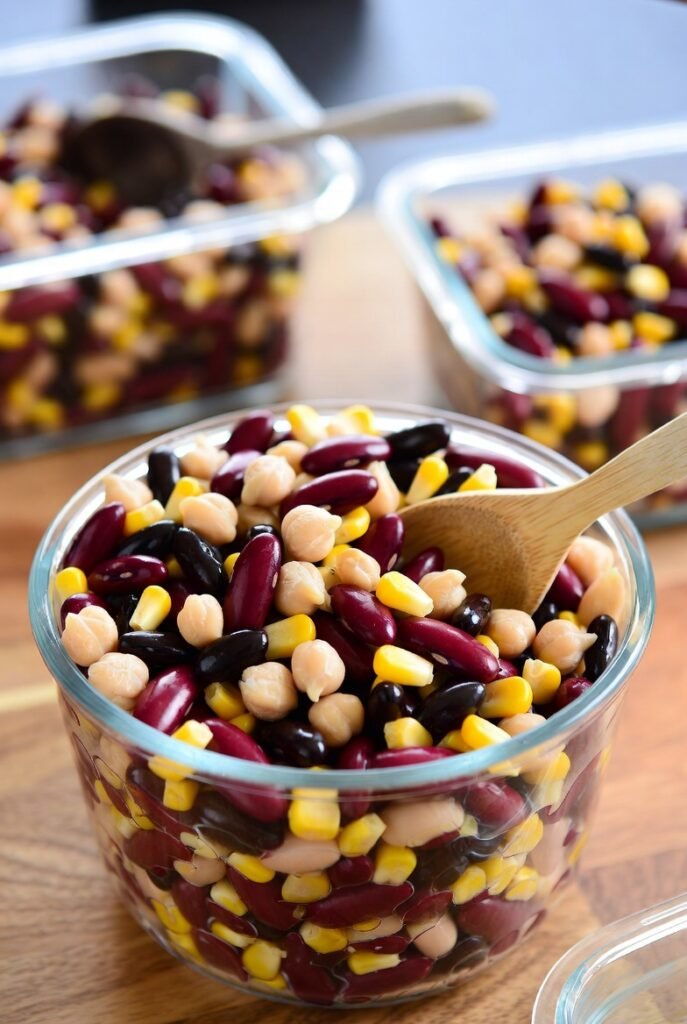
Pick beans that keep a firm bite after cooking or canning. Chickpeas, cannellini (white kidney), and black beans are top choices because they resist turning mushy and add 6–10 grams of protein per half-cup serving.
Use a mix of two or three bean types for varied texture and color. For example: chickpeas for creaminess, black beans for density and color, and cannellini for a mild, tender bite. Rinse canned beans well to remove excess sodium and starch.
If you cook dried beans, salt the cooking water near the end to help them season evenly. For faster prep, use low-sodium canned beans and drain them thoroughly so your dressing clings instead of pooling.
Complementary Vegetables
Choose vegetables that add crunch, freshness, and color. Bell peppers, cucumbers, red onion, and celery all stay crisp through a few days in the fridge and contrast nicely with soft beans.
Tomatoes add juiciness but can make the salad watery. If you include tomatoes, use firmer types like Roma or cherry tomatoes, and add them just before serving when possible. Shredded carrots and chopped parsley add sweetness and herb freshness without sogginess.
Aim for about 2–3 cups of vegetables per 4 cups of beans to keep the salad balanced. Chop veg into bite-size pieces so every forkful has both bean and vegetable.
Flavorful Add-Ins
Add salty, tangy, or briny items to lift the salad’s flavor. Feta or cotija cheese, sliced kalamata or green olives, and diced giardiniera or pickles provide strong flavor without many extra ingredients.
Use fresh herbs—cilantro, parsley, or dill—for brightness. A simple vinaigrette of olive oil, lemon juice or red wine vinegar, minced garlic, salt, and pepper ties everything together. Start with a 3:1 ratio of oil to acid and adjust to taste.
For a savory kick, include a tablespoon of capers or a teaspoon of Dijon mustard in the dressing. Toasted nuts like slivered almonds or chopped pistachios add crunch and a toasty flavor note.
Nutrient-Boosting Extras
Add items that raise protein, healthy fat, or fiber without changing prep time much. Shelled edamame and cooked lentils both boost protein and blend well with mixed beans.
Seeds—pumpkin, sunflower, or hemp—give extra protein and omega fats. Sprinkle 2–3 tablespoons per salad batch. You can also stir in a handful (1–2 cups) of baby spinach or arugula; they wilt into the salad and add iron and vitamins without overpowering the flavor.
If you want more heft, add cooked quinoa (½–1 cup cooked) to increase protein and make the salad more filling. Store dressing separately if you add delicate greens or fully cooked grains to keep texture fresh.
Step-by-Step Meal Prep Process
You will cook beans ahead, toss them with fresh mix-ins and a bright dressing, and pack lunches into ready-to-grab portions for up to five days. Focus on texture, seasoning, and airtight storage to keep the salad tasting bright.
Batch Cooking Beans
Cook enough beans for the week: aim for 6–8 cups cooked (about 3–4 cans or 1.5–2 cups dry). If using dry beans, soak overnight or use the quick-soak method, then simmer until tender but not mushy (check after 45–60 minutes). Salt near the end of cooking to avoid tough skins.
If you use canned beans, rinse them well to remove excess sodium and starch. Drain thoroughly and pat dry with paper towels to prevent the dressing from becoming watery. Cool beans completely before dressing to keep vegetables crisp.
Store cooked beans in an airtight container in the fridge for up to 5 days. Freeze any extra in 1–2 cup portions for future salads.
Assembling the Salad
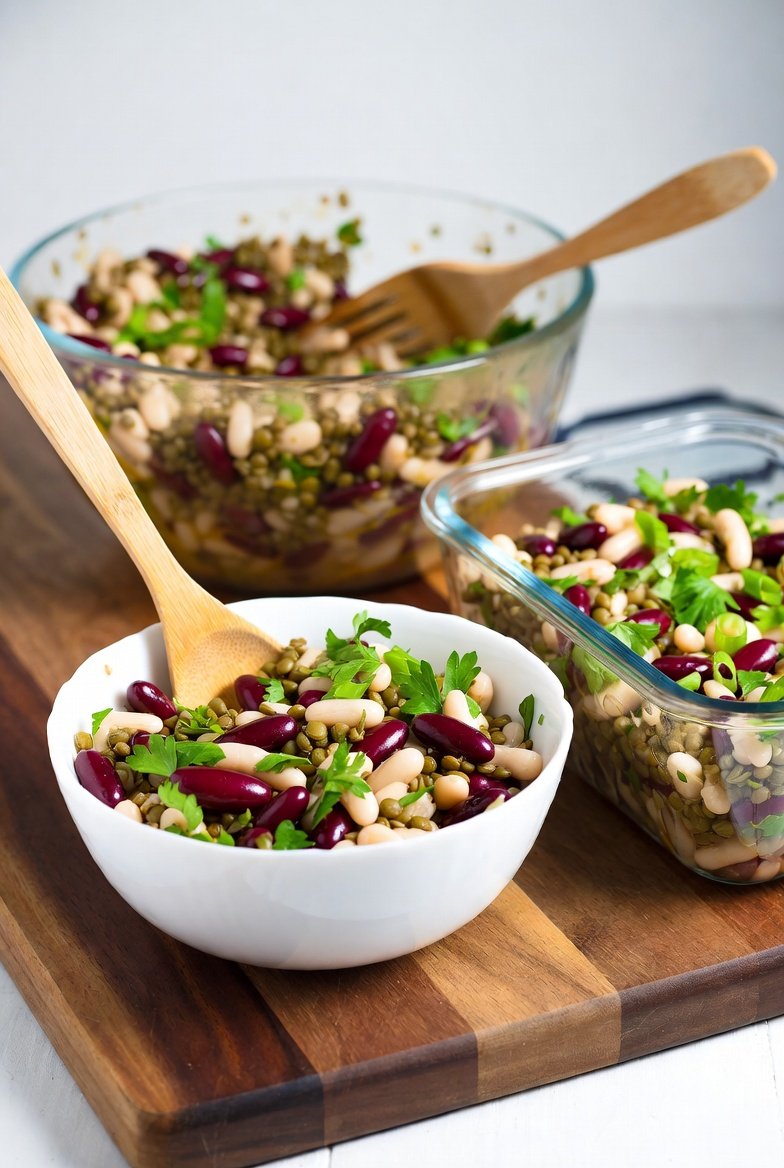
Choose a mix of three beans (for example, black, kidney, and cannellini) for variety in color and texture. Chop crunchy add-ins like bell pepper, red onion, and celery into uniform small pieces so every bite has balance.
Make a zesty vinaigrette with olive oil, lime or lemon juice, minced garlic, cumin, salt, and a touch of honey or maple. Toss beans, veggies, chopped herbs (cilantro or parsley), and dressing gently so beans stay intact. Taste and adjust salt and acid — the salad should be tangy and well-seasoned.
Add optional protein (grilled chicken or cubed feta) just before serving if you plan to reheat or keep dairy separate to avoid sogginess.
Portioning for the Week
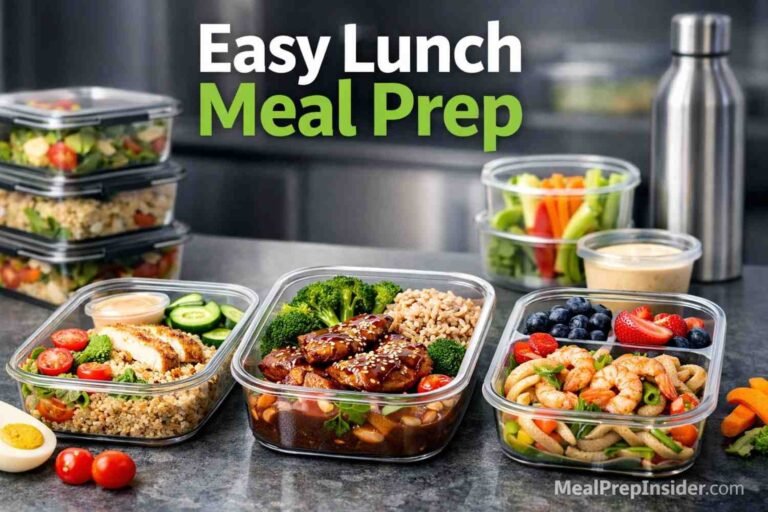
Use clear, airtight containers sized 2–3 cups for main meals and 1–1.5 cup containers for sides. Layering matters: put salad in the container first and keep any fresh greens or avocado separate until the day of eating.
Label each container with date and contents. Refrigerate up to 5 days; if you want longer, freeze single-meal portions (best without delicate herbs or avocado). When packing lunch, bring a small container of extra dressing if you like the salad brighter on the day you eat it.
Seasoning and Dressing Ideas
Choose dressings that cling to beans and add bright acid, fat, and salt. Use fresh herbs, garlic, and a splash of vinegar or citrus to lift flavors. Adjust salt and acid to taste before storing.
Classic Vinaigrettes
Make a basic vinaigrette with 3 parts oil to 1 part acid for a smooth coating. Use olive oil, red wine vinegar, and Dijon mustard; whisk until slightly emulsified. Add minced garlic, chopped parsley, salt, and black pepper.
If you prefer lemon, swap the vinegar for fresh lemon juice and add a teaspoon of honey to balance acidity. For a herby twist, stir in chopped basil or oregano and a pinch of crushed red pepper for heat.
Keep vinaigrettes separate until serving if you plan to store the salad for more than 2 days; beans absorb dressing and can get soggy. Pack dressing in a small jar; shake and toss just before eating.
Creamy Options
For a richer salad, use yogurt, tahini, or mayo as a base. Whisk 1/2 cup plain yogurt with 2 tablespoons lemon juice, 1 tablespoon olive oil, and a teaspoon of smoked paprika for a tangy coating.
Tahini adds a nutty, earthy note—mix 2 tablespoons of tahini with warm water to thin, 1 tablespoon of soy sauce, and garlic powder. Greek yogurt or a light mayo keeps calories moderate while sticking to beans.
Taste for salt and acid; creamy dressings can mute brightness. Store creamy dressings separately for up to 4 days to keep textures fresh.
RELATED POST >> Healthy Salad Meal Prep Made Easy: Ready-to-Eat
Spicy and Tangy Flavors
Combine heat and tang with lime juice, hot sauce, and ground cumin for a southwest profile. Mix 3 tablespoons lime juice, 2 tablespoons olive oil, 1 teaspoon cumin, 1/2 teaspoon chili powder, and your favorite hot sauce to taste.
For an Asian-inspired kick, whisk rice vinegar, sesame oil, soy sauce, grated ginger, and sriracha. Toss with scallions and cilantro for freshness.
Use chopped pickled jalapeños or quick-pickled red onion to add sharp acidity and crunch. Start mild—beans hold heat well—and increase spice after tasting so the salad stays balanced.
Storage and Freshness Tips
Store the salad cold, keep crunchy ingredients separate when possible, and check for signs of spoilage before eating.
Best Containers for Storage
Use airtight glass jars or BPA-free plastic containers with tight lids to keep air out and flavors locked in. Mason jars work well for single servings and let you layer ingredients to protect texture — dressing at the bottom, beans next, and crunchy veggies on top. For larger batches, choose rectangular glass or plastic containers with secure snap lids; these stack neatly and cool evenly in the fridge.
If you transport salads, pick leakproof jars or containers with silicone gaskets to avoid spills. Label containers with the prep date using a piece of masking tape or a dry-erase marker so you can track freshness.
Maintaining Texture and Taste
Keep dressing separate when you want crisp crunch. Store dressing in a small jar and toss just before eating. If you must mix dressing into the salad, use heartier elements like beans, roasted peppers, and onions that hold up to dressing for several days.
Protect crunchy items by adding them right before serving. Avocado and greens wilt fastest, so store them apart or add them in the last 24 hours. Stir gently when combining to avoid mashing beans. Taste-check on day two; add a squeeze of lemon, a splash of olive oil, or a pinch of salt to brighten flavors that have mellowed.
Shelf Life and Safety
Keep your fridge at or below 40°F (4°C). Dense bean salad made with cooked beans and vinaigrette will usually stay good for 3–5 days when refrigerated promptly in airtight containers. If the salad contains raw greens, avocado, or cooked chicken, lean toward 3 days to be safe.
Watch for signs of spoilage: sour smell, slimy texture, or visible mold. When in doubt, throw it out. Reheat any portions containing cooked meat to 165°F (74°C) before eating, and never leave the salad at room temperature for more than two hours.
Customizing for Dietary Needs
Adjust the salad by swapping beans, add-ins, dressings, and toppings to match your goals. Focus on simple swaps that keep texture and flavor while meeting protein, sodium, or allergen limits.
Vegan and Vegetarian Variations
For vegetarian salads, keep beans, veggies, and grains as the protein base. Add crumbled feta or shredded cheddar if you eat dairy. For more protein without dairy, stir in extra chickpeas, edamame, or red lentils (cooked and cooled).
If you follow a vegan diet, omit cheese and replace creamy dressings with a vinaigrette made from olive oil, lemon juice, mustard, and maple syrup. Add texture with toasted sunflower seeds, pumpkin seeds, or crispy baked tofu cubes. Nutritional yeast gives a cheesy umami note and adds B vitamins.
Keep microwave or stovetop prep minimal. Roast bell peppers or zucchini in a single pan for 10–15 minutes, or use canned beans rinsed well for fast protein. Label containers with dates so you use refrigerated prepped bowls within 4–5 days.
Gluten-Free Adjustments
Beans and most vegetables are naturally gluten-free, so the main risks are dressings, processed add-ins, and grain mix-ins. Check labels on store-bought dressings, canned beans (cross-contact), and jarred olives or pickles for gluten-containing stabilizers or seasonings.
If you like grains, choose certified gluten-free quinoa, millet, or brown rice and cook separately. Avoid bulgur and couscous. Use tamari instead of soy sauce for a gluten-free umami boost in dressings.
When prepping for others, prevent cross-contact by using clean utensils and containers. Store gluten-free portions in dedicated containers to avoid crumbs or sauces from gluten-containing food.
Low-Sodium Strategies
Start by rinsing canned beans thoroughly under cold water for 30–60 seconds to remove excess sodium. Use low-sodium or no-salt-added canned beans when possible. Replace salty add-ins like olives, capers, or feta with herbs, lemon zest, or capers rinsed well in small amounts.
Make your own dressing so you control salt. Use acid (vinegar, lemon), a small amount of oil, and flavor agents like garlic, smoked paprika, cumin, and mustard. Add a touch of sweetness with honey or maple to balance flavors without salt.
Taste as you go and season gradually. If you need salt for balance, add no more than 1/8 to 1/4 teaspoon per batch and distribute evenly. Label low-sodium containers so you don’t mix them with regular portions.
Creative Serving Suggestions
This salad works well cold or at room temperature and pairs with simple proteins, grains, or crunchy sides. Use it to build lunches, stretch dinners, or grab quick meals that travel without sogginess.
Lunchbox Pairings
Pack the salad in a leakproof container and keep dressings separated if you want a crisper bite. Add a hard-boiled egg or a small container of grilled chicken strips for extra protein that fits within a standard lunchbox.
Include a small pouch of whole-grain crackers or pita triangles for scooping. Stash sliced cucumbers, cherry tomatoes, or baby carrots on the side for crunchy texture and fresh flavor contrast.
If you need a low-carb option, swap the crackers for a handful of olives and a few cheese cubes. Use an insulated lunch bag and an ice pack to keep everything safe and fresh for 4–6 hours.
Hearty Dinner Ideas
Serve the bean salad over a bed of mixed greens or warm quinoa to turn it into a full meal. Spoon the salad onto grilled salmon, chicken breast, or baked tofu to add fiber and tang without extra cooking time.
Make stuffed peppers by mixing the salad with cooked brown rice, filling halved bell peppers, and baking until heated through. For a family-style option, place the salad in a large bowl, scatter crumbled feta and torn basil on top, and serve with warm flatbread for sharing.
On-the-Go Options
Use mason jars layered with salad at the bottom and fragile toppings like avocado or microgreens on top. When you’re ready to eat, shake the jar to dress everything evenly.
Make grab-and-go wraps by spooning the salad onto a whole-wheat tortilla, adding spinach leaves, and folding tightly. Wrap in foil to keep its shape and prevent leaks. For quick snacks, portion the salad into 1-cup containers and keep several in the fridge for busy mornings.
Frequently Asked Questions
What beans work best for meal prep? Use canned beans like chickpeas, black beans, cannellini, or kidney beans for convenience. Mix two or three types for a better texture and more protein.
How long will the salad keep? Store it in an airtight container in the fridge for 3–5 days. If you plan to keep it longer, store the dressing separately to preserve crunch.
Can you make it vegan or dairy-free? Yes. Omit feta or use a plant-based cheese. The salad stays high in protein from the beans and still tastes bright with herbs and a zesty vinaigrette.
How do you keep vegetables crisp? Chop veggies just before mixing when possible. If you must prep ahead, store crunchy items like cucumbers and bell peppers separately and add them at serving time.
Is this salad filling enough for lunch? Yes. The combination of beans, fiber, and healthy fats makes it satisfying. Add grains (quinoa or farro) or a hard-boiled egg for extra calories and variety.
How do you scale the recipe for a crowd? Multiply ingredients and keep dressing in a separate jug. Toss just before serving to keep flavors even and textures fresh.
Any tips for flavor variety? Try different herbs (parsley, cilantro, dill) and add olives, sun-dried tomatoes, or roasted peppers. Small changes keep the salad interesting through the week.
SUGGESTED POST >> 26 Healthy Cabbage Meal Prep Ideas: Budget-Friendly
Discover more from Meal Prep Insider
Subscribe to get the latest posts sent to your email.