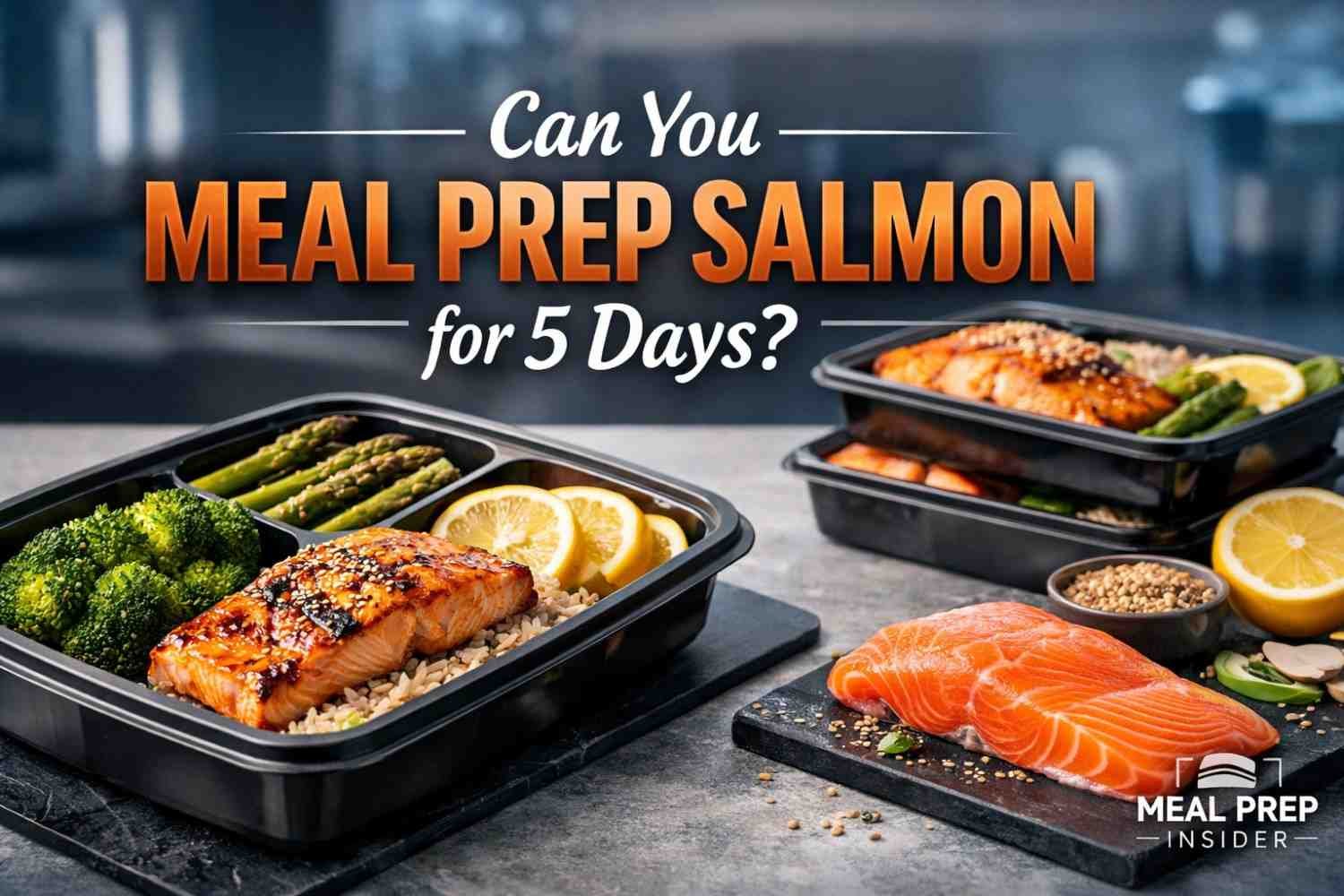
Can You Meal Prep Salmon for 5 Days? The Proven Method

Can You Meal Prep Salmon for 5 Days?: Yes, you can safely meal prep salmon! Learn easy tips for baking, grilling, or pan-searing flaky salmon fillets, plus storage tricks to keep it fresh and delicious for 4-5 days. Perfect high-protein lunches & dinners for busy weeks in the US.
Look, meal prepping salmon for five days sounds convenient. You cook once, eat multiple times, and save yourself the weeknight chaos of deciding what’s for dinner.
But here’s the thing—salmon doesn’t behave like chicken breast or roasted vegetables. It’s delicate. It spoils faster. And if you mess up the storage, you’re not just wasting money. You’re risking food poisoning.
So, can you actually meal prep salmon for five days? The short answer is yes, but with conditions. The long answer involves understanding how to store it properly, when to freeze portions, and which cooking methods keep your fish tasting fresh instead of fishy.
Let’s break down everything you need to know.
Why Salmon Meal Prep Is Tricky
Salmon contains high levels of omega-3 fatty acids. That’s what makes it healthy. But those same fats oxidize quickly when exposed to air, light, and temperature fluctuations.
This oxidation process creates that unpleasant “fishy” smell and flavor. You know the one. It’s the reason leftover salmon sometimes tastes completely different from when you first cooked it.
The USDA recommends consuming cooked fish within 3-4 days when stored in the refrigerator at 40°F or below. Notice they say 3-4 days, not five.
That extra day matters.
By day five, even properly stored salmon starts to deteriorate. The texture becomes mushy. The smell intensifies. And bacterial growth accelerates, even in cold temperatures.
So if you’re planning to prep salmon for a full five days, you’ll need a strategy that goes beyond tossing cooked fillets into containers.
The Refrigerator Method (Days 1-3)
For the first three days of your meal prep week, refrigeration works fine.
Here’s how to maximize freshness:
Cooling Process
- Let cooked salmon cool to room temperature within 30 minutes
- Don’t leave it sitting out longer than that
- Divide into individual portions immediately
- Use shallow, airtight containers
Storage Containers Glass containers with tight-sealing lids work best. They don’t absorb odors like plastic can. And they create a better moisture barrier.
Vacuum-sealed bags are even better if you have a sealer. They remove excess air, significantly slowing oxidation.
Temperature Control: Keep your refrigerator at 38-40°F. Most people run theirs warmer than they think. Grab a cheap thermometer and check.
Place salmon containers on the middle or bottom shelf, not in the door. The door experiences temperature fluctuations every time you open it.
The Freezer Strategy (Days 4-5)
Here’s where smart meal preppers get creative.
Instead of refrigerating all five portions, refrigerate three and freeze two. Then thaw the frozen portions the night before you plan to eat them.
This approach keeps your salmon tasting fresh throughout the week without compromising safety or flavor.
Freezing Steps
- Cool salmon completely before freezing
- Wrap each portion tightly in plastic wrap
- Place wrapped portions in freezer bags
- Remove as much air as possible
- Label with the date
- Store at 0°F or below
Properly frozen salmon stays good for 2-3 months. But for meal prep purposes, you’re only freezing it for a few days, which is ideal.
Thawing Method: Never thaw salmon on the counter. That’s asking for bacterial growth.
Transfer your frozen portion to the refrigerator the night before. It’ll thaw slowly and safely overnight. If you’re in a rush, place the sealed package in cold water and change the water every 30 minutes.
Best Cooking Methods for Meal Prep Salmon
Not all cooking techniques work equally well for meal prep. Some methods dry out the fish. Others make it too fragile to transport.
Baking
Baking at 375°F for 12-15 minutes creates moist, flaky salmon that reheats well.
The gentle, even heat prevents overcooking. And you can prep multiple portions simultaneously on sheet pans.
Add a thin layer of olive oil or butter before baking. This extra fat helps retain moisture during storage and reheating.
Pan-Searing
Pan-seared salmon develops a crispy skin that some people love. But that crispiness disappears during storage.
If you’re okay with softer skin after reheating, pan-searing works. Just don’t overcook. Aim for medium-rare to medium. The fish will continue cooking slightly as it cools.
Poaching
Poaching in broth, wine, or water keeps salmon incredibly moist. It’s underrated for meal prep.
The gentle cooking temperature (around 160-180°F) preserves the fish’s delicate texture. And poached salmon works beautifully in salads, grain bowls, and pasta dishes.
Air Frying
Air fryers cook salmon quickly at high heat. This creates a nice exterior but can dry out the interior if you’re not careful.
For meal prep, reduce the temperature slightly and add a glaze or sauce. The extra moisture compensates for any drying during reheating.
What to Avoid
Grilling might taste amazing fresh off the grill, but grilled salmon doesn’t reheat well. The high heat creates a dry texture that gets worse over time.
The same goes for blackened preparations. The spice crust becomes bitter and overpowering after a few days in the fridge.
Seasoning and Marinades That Last
The right seasonings make or break meal-prepped salmon.
Some flavors intensify over time. Others fade. And certain ingredients actually help preserve freshness.
Acidic Marinades: Lemon juice, lime juice, and vinegar-based marinades slow bacterial growth. But they also “cook” the fish if left too long.
Marinate for 30 minutes before cooking, no longer. Or add citrus after cooking as a finishing touch.
Herbs and spices: Dill, parsley, thyme, and rosemary complement salmon without becoming overpowering. Dried herbs work better than fresh for meal prep since they don’t wilt.
Garlic and ginger intensify over time. Use them sparingly unless you want a stronger flavor by day three.
Oil-Based Coatings: A light coating of olive oil, avocado oil, or sesame oil protects the fish from exposure to air. It also prevents the salmon from sticking to storage containers.
Mix oil with your favorite spices to create a protective, flavorful barrier.
Glazes and Sauces Teriyaki, honey mustard, and maple-soy glazes work surprisingly well for meal prep. The sugar content acts as a mild preservative, and the moisture keeps the fish from drying out.
Apply glazes during the last few minutes of cooking so they caramelize without burning.
How to Reheat Without Ruining Everything
Reheating salmon incorrectly turns it into a rubbery, fishy disaster.
Microwaving on high power? That’s basically guaranteed to overcook it.
Here’s what actually works:
Microwave Method (Best for Speed)
- Use 50% power setting
- Heat in 30-second intervals
- Cover with a damp paper towel
- Stop when just warmed through, not piping hot
Oven Method (Best for Texture)
- Preheat to 275°F
- Place salmon in an oven-safe dish
- Add a tablespoon of water or broth
- Cover with foil
- Heat for 10-12 minutes
Stovetop Method (Best for Control)
- Use a non-stick pan over low heat
- Add a small amount of butter or oil
- Cover and heat for 3-4 minutes
- Flip once if needed
Cold Option, honestly? Some meal-prepped salmon tastes better cold. Flake it over salads, mix it into grain bowls, or make salmon salad sandwiches.
This completely sidesteps the reheating problem and works especially well with poached or baked preparations.
RELATED POST >> How to Meal Prep Breakfast Sandwiches [Freezer-Friendly]
Recipe Ideas That Work All Week
The key to successful salmon meal prep isn’t just cooking and storing. It’s creating dishes that stay interesting from Monday to Friday.
Mediterranean Salmon Bowls
- Baked salmon with lemon and oregano
- Quinoa or farro
- Cucumber, tomatoes, red onion
- Kalamata olives and feta
- Tzatziki sauce on the side
Store components separately. Assemble when ready to eat. The salmon stays fresh, and the vegetables don’t get soggy.
Asian-Inspired Portions
- Teriyaki-glazed salmon
- Brown rice or cauliflower rice
- Steamed broccoli and snap peas
- Sesame seeds
- Sriracha mayo in a small container
The teriyaki glaze actually improves over a day or two as flavors meld.
Simple Protein Prep Sometimes you just want plain seasoned salmon to mix and match throughout the week.
Cook it with just salt, pepper, and olive oil. Then use it in:
- Salads
- Tacos
- Pasta dishes
- Scrambled eggs
- Avocado toast
This approach gives you maximum flexibility without flavor fatigue.
Safety Checkpoints You Can’t Ignore
Meal prepping is only worth it if you stay healthy.
Watch for these warning signs that your salmon has gone bad:
Smell Test: Fresh-cooked salmon has a mild, ocean-like smell. Bad salmon smells strongly of fish, sourness, or ammonia.
If it smells off, throw it out. Don’t taste it to check.
Texture Changes: Good salmon is firm and flakes easily. Bad salmon becomes slimy, mushy, or sticky.
If the texture has changed dramatically, that’s bacterial growth.
Visual Cues Look for:
- Discoloration (gray, brown, or green patches)
- Dull appearance instead of a slight sheen
- Mold (rare but possible)
Temperature Abuse: If your salmon sat out for more than two hours total (including cooling time and any time out of the fridge), it’s not safe.
One hour if the room temperature is above 90°F.
There’s no salvaging it with extra cooking or reheating.
Common Pitfalls (And How to Dodge Them)
Mistake #1: Cooking Too Far in Advance. People prep on Sunday for the entire week. But if you’re eating your last portion on Friday, that’s five full days.
Better approach? Prep Monday and Thursday. Two smaller prep sessions keep everything fresher.
Mistake #2: Using Low-Quality Salmon. Farmed salmon that’s been sitting in the store case for unknown days won’t last as long as fresh, high-quality fish.
Ask your fishmonger when the salmon arrived. Buy the freshest available. It makes a massive difference in how long it stays good.
Mistake #3: Overcooking. Initially, overcooked salmon is dry salmon. And dry salmon gets even drier during storage and reheating.
Cook to 125-130°F internal temperature. It’ll seem slightly underdone, but carryover cooking will bring it to perfection.
Mistake #4: Crowding Containers. Stacking salmon pieces or packing them too tightly traps moisture and heat. This creates an environment where bacteria thrive.
Use individual portions in separate containers with breathing room.
Mistake #5: Ignoring Your Refrigerator’s Performance. If your fridge runs at 45°F instead of 38°F, your salmon won’t last as long. That seven-degree difference significantly impacts bacterial growth rates.
Get a thermometer. Adjust settings. This one fix extends the life of all your meal prep, not just salmon.
The Comparison Table: Storage Methods
| Method | Days Safe | Texture Quality | Flavor Retention | Effort Level |
|---|---|---|---|---|
| Refrigerate All | 3-4 | Good (Days 1-2), Fair (Days 3-4) | Moderate decline | Low |
| Fridge + Freeze Combo | 5 | Excellent | High | Medium |
| Freeze All | 60-90 | Very Good | High | Medium |
| Daily Fresh Cooking | 1 | Excellent | Perfect | High |
The fridge-freezer combination gives you the best balance of convenience, safety, and quality for five-day meal prep.
When to Skip the Five-Day Plan
Some situations call for shorter meal prep cycles.
You Live Alone Cooking smaller batches more frequently might make more sense than forcing yourself to eat the same protein five days straight.
Your Fridge is unreliable. If your refrigerator struggles to maintain consistent temperatures, don’t risk it with fish.
You’re New to Meal Prep. Start with three-day cycles. Once you’ve mastered that, extend to five days if it fits your lifestyle.
You Have a Sensitive Stomach. Some people are more susceptible to subtle changes in food quality. If you notice digestive issues from day-old fish, stick to fresher options.
Advanced Preservation Tricks
Olive Oil Storage. In some Mediterranean countries, cooked fish is stored submerged in olive oil. The oil creates an anaerobic environment that slows oxidation.
Place cooked salmon in a container and cover completely with high-quality olive oil. It’ll keep slightly longer, and the oil becomes deliciously flavored for salad dressings.
Vacuum Sealing: If you meal prep regularly, a vacuum sealer pays for itself. Removing air dramatically extends freshness.
Vacuum-sealed salmon can be kept in the refrigerator for 5 days with minimal quality loss.
Flash Freezing: Freeze individual portions on a sheet pan until solid (about 2 hours). Then transfer to freezer bags.
This prevents portions from freezing together and makes grab-and-go much easier.
The Money Angle
Salmon isn’t cheap. At $12-20 per pound for decent quality, you’re investing real money in your meal prep.
Cost Per Serving Breakdown
- 1.5 pounds of salmon (5 portions): $18-30
- Rice/grains: $2-3
- Vegetables: $5-7
- Seasonings/sauces: $2-3
Total: $27- $ 43 for five meals. Per meal: $5.40-8.60
Compare that to:
- Restaurant salmon dish: $18-28
- Prepared meal kit: $12-15 per serving
- Frozen salmon dinner: $8-12
The meal prep approach saves significant money, but only if you actually eat all five portions. Throwing out spoiled salmon on day four erases those savings.
Real Talk: Is It Worth It?
For some people, absolutely. If you’re disciplined about storage, comfortable with reheating techniques, and enjoy salmon enough to eat it multiple times per week, five-day meal prep works.
For others, it’s forcing a square peg into a round hole. If you get bored easily or you’re particular about “fresh” taste, you’ll end up wasting food and feeling disappointed.
The hybrid approach works for most people. Prep three portions to refrigerate, freeze two for later in the week or the following week. This gives you the convenience of meal prep without maxing out the safety window.
Storage Container Recommendations
Not all containers handle fish equally well.
Glass Containers with Locking Lids, such as Pyrex, Glasslock, and Prep Naturals, don’t absorb odors. They seal tightly. And they’re microwave and oven-safe.
Worth the investment if you meal prep regularly.
Stainless Steel Containers Great for cold salmon dishes. They don’t work in the microwave, but they’re durable and odor-resistant.
Silicone Bags: Reusable alternatives to plastic bags. They work well for freezer portions and can be microwaved.
What to Avoid: Cheap plastic containers with flimsy lids let air in. They also absorb salmon odors that never completely wash out.
Disposable containers work in a pinch but aren’t cost-effective for regular meal prep.
The Nutrition Angle
Part of why people meal prep salmon is the health benefits. You want those omega-3s, that lean protein, and all those vitamins.
But does nutritional value decline during storage?
Slightly. Vitamin content decreases over time, particularly vitamin C and some B vitamins. But the protein, omega-3 fatty acids, and minerals remain stable.
You’re still getting the majority of salmon’s health benefits even on day five.
The bigger concern is bacterial growth and food safety, not nutrient loss.
Final Verdict
Can you meal prep salmon for five days? Technically, yes, but strategically no.
The smartest approach is to split your portions between refrigeration and freezing. This keeps everything within safe timeframes while maintaining better flavor and texture.
Refrigerate portions for days 1-3. Freeze portions for days 4-5. Thaw frozen portions the night before you plan to eat them.
This method gives you the convenience of five-day meal prep without pushing food safety boundaries or sacrificing quality.
Cook your salmon properly, store it correctly, and pay attention to warning signs. Do that, and your meal prep salmon will taste great all week.
Can You Meal Prep Salmon for 5 Days?: Frequently Asked Questions
Can I meal prep raw salmon for 5 days?
No. Raw salmon should be cooked within 1-2 days of purchase. If you want to prep for longer, freeze raw portions immediately and thaw them as needed throughout the week.
How do I know if my meal-prepped salmon has gone bad?
Check for a strong fishy or sour smell, slimy texture, discoloration, or any visible mold. When in doubt, throw it out.
Is frozen salmon as nutritious as fresh?
Yes. Freezing preserves most nutrients effectively. In fact, “fresh” salmon at the store was often previously frozen anyway.
Can I refreeze salmon that was already frozen?
Only if you cooked it first. Never refreeze raw salmon that’s been thawed. But cooked salmon can be safely frozen, thawed, and refrozen.
What’s the best way to add variety to salmon meal prep?
Change your seasonings and accompanying sides rather than the salmon itself. Mediterranean one day, Asian-inspired the next, Mexican-spiced on day three. Same protein, different flavor profiles.
Does wild salmon last longer than farmed salmon?
Not significantly. Both should be treated the same for storage purposes. Quality matters more than origin when it comes to how long cooked salmon stays fresh.
SUGGESTED POST >> How to Start a Meal Prep Business Canada: Cheap Start-Up
Discover more from Meal Prep Insider
Subscribe to get the latest posts sent to your email.