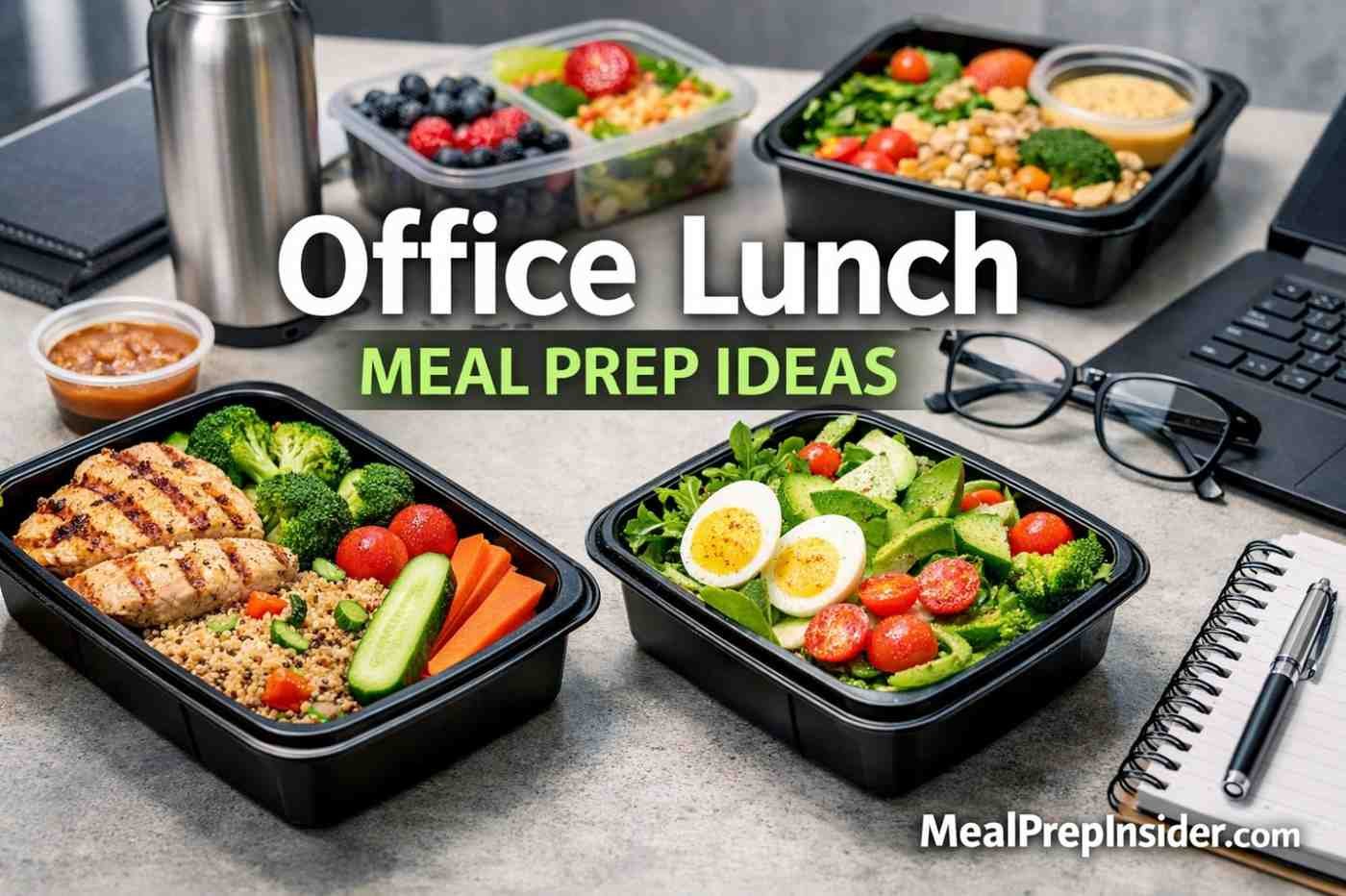
Office lunch meal prep ideas can transform your workweek from chaotic to controlled, saving you money, time, and the daily headache of deciding what to eat. Picture this: It’s 11:45 AM on a Wednesday. Your stomach’s growling. The cafeteria line snakes around the corner. Your wallet’s already feeling lighter from yesterday’s fifteen-dollar salad that left you hungry two hours later.
Sound familiar?
Here’s the thing nobody tells you about workplace eating. The average American spends roughly $3,000 annually on lunch alone. That’s vacation money. That’s a decent chunk of a house down payment. That’s… well, a lot of mediocre sandwiches.
But there’s another cost people ignore. The mental energy is wasted every single day deciding where to eat, what to order, and whether you can actually afford it right now. Decision fatigue is real, and it’s draining your productivity before you even tackle that afternoon presentation.
Meal prepping for work isn’t about eating sad desk salads from plastic containers. It’s not about choking down the same boring chicken and rice every day. The game has changed completely.
This guide breaks down everything you need to know about preparing office lunches that you’ll genuinely look forward to eating. We’re talking about meals that make your coworkers curious. Food that tastes better on day four than takeout tastes fresh. Systems that work even when you’re exhausted on Sunday evening.
No fluff. No unrealistic Instagram-perfect recipes that require seventeen exotic ingredients. Just practical strategies that fit into real American lives with real schedules and real budgets.
Let’s get into it.
Why Office Meal Prep Changes Everything
The resistance to meal prep usually stems from misconceptions. People imagine hours of Sunday evening cooking, expensive containers, and repetitive meals that bore them to tears by Wednesday.
The reality? Smart meal prep takes less time than you think and delivers returns that compound throughout your week.
Time savings hit you immediately. Preparing five lunches in one session takes roughly ninety minutes. Buying lunch daily? That’s easily thirty minutes per day when you factor in walking, waiting, ordering, and getting back to your desk. You’re looking at two and a half hours saved weekly. That’s over a hundred hours yearly.
The financial math is even more compelling. A prepped lunch averages three to five dollars. Restaurant lunches in most U.S. cities run ten to fifteen dollars minimum. The savings stack up to around $2,000-$3,000 annually for most people.
But the real benefit?
Mental clarity. When lunch is handled, you’ve eliminated one decision from your day. Your brain has more capacity for work that matters. You’re not standing in line scrolling your phone. You’re not experiencing the post-lunch energy crash from whatever carb-heavy option seemed good at the time.
Getting Your Kitchen Ready
Before diving into recipes, your setup determines your success rate. The right tools make meal prep feel effortless. The wrong ones create friction that kills your momentum.
Essential containers matter more than you think:
- Glass containers with snap-lock lids (microwave and dishwasher safe)
- Various sizes ranging from 2-cup to 6-cup capacity
- Compartmentalized containers for meals you want to keep separated
- Mason jars for salads, overnight oats, and soups
- Insulated lunch bags that actually keep food cold
Skip the cheap plastic containers. They stain, retain odors, and crack after a few months. Quality glass containers last longer and keep food fresher longer.
Kitchen tools that speed up prep:
- Sharp chef’s knife (dull knives slow everything down)
- Large cutting board
- Sheet pans for roasting vegetables
- Instant Pot or slow cooker for hands-off cooking
- Rice cooker for perfect grains every time
- Food processor for quick chopping
You don’t need everything at once. Start with good containers and a sharp knife. Add tools as you identify what would make your specific prep easier.

The Foundation Framework
Successful meal prep follows a formula. Once you understand the framework, you can mix and match ingredients based on what’s on sale, what’s in season, or what you’re craving that week.
The basic template:
Protein + Grain/Starch + Vegetables + Sauce/Flavor = Complete Meal
This simple structure works for almost every cuisine and dietary preference. It keeps meals balanced, satisfying, and interesting when you rotate components.
Protein rotation prevents boredom:
- Chicken (thighs stay moister than breasts)
- Ground turkey or beef
- Pork tenderloin
- Salmon or white fish
- Tofu or tempeh
- Hard-boiled eggs
- Canned tuna or chickpeas
Cook proteins in different ways throughout the month. Grilled chicken one week. Slow-cooked shredded chicken next. Baked with different spice blends the week after that.
Grain and starch options:
- Brown rice, white rice, or wild rice
- Quinoa
- Farro or barley
- Sweet potatoes
- Regular potatoes (roasted or mashed)
- Pasta (whole wheat or regular)
- Cauliflower rice for low-carb options
Batch-cook your grains. Rice cookers and Instant Pots make this ridiculously easy. Cook a big batch, portion it out, and freeze half for future weeks.
Vegetable variety keeps things interesting:
- Roasted broccoli, Brussels sprouts, or cauliflower
- Sautéed peppers and onions
- Steamed green beans
- Raw carrots, cucumber, cherry tomatoes
- Mixed greens or spinach
- Roasted root vegetables
Sheet pan roasting is your best friend. Toss vegetables with olive oil, salt, and pepper. Roast at 425°F for 20-30 minutes. Done.
Meal Prep Strategies That Work
Different people need different approaches. Your schedule, cooking skills, and preferences should determine your strategy.
Batch Cooking Method:
Make one or two recipes in large quantities. Portion them into containers. Eat the same lunch all week.
Best for: People who don’t mind repetition and want maximum efficiency.
Mix and Match Method:
Prepare several proteins, grains, and vegetables separately. Combine them differently each day.
Best for: People who crave variety and like having options.
Freezer Prep Method:
Cook double or triple batches. Freeze portions for future weeks. Build a lunch rotation from frozen meals.
Best for: People who want to prep once or twice monthly instead of weekly.
Partial Prep Method:
Prep ingredients (chopped vegetables, cooked grains, marinated proteins) but assemble meals fresh or the night before.
Best for: People who enjoy some cooking but want shortcuts.
Most people find success combining methods. Maybe you batch-cook grains and proteins, but keep vegetables flexible. Or you freeze half of what you make so you’re not eating identical meals four weeks in a row.
Office Lunch Meal Prep Ideas for Every Preference
Let’s get into specific meal ideas that work brilliantly for office lunches. These have been tested in real kitchens by real people with real time constraints.
Asian-Inspired Bowls
Teriyaki Chicken and Broccoli Bowls
Cook diced chicken thighs in a pan until browned. Add bottled teriyaki sauce (or make your own with soy sauce, honey, garlic, and ginger). Steam or roast broccoli. Serve over rice. The entire prep takes about forty minutes for five servings.
The magic? Chicken thighs stay tender all week. The sauce prevents everything from drying out. This meal reheats perfectly.
Korean Beef Bowls
Brown ground beef with garlic and ginger. Add soy sauce, brown sugar, sesame oil, and red pepper flakes. Serve over rice with cucumber, shredded carrots, and kimchi on the side. Quick-pickled vegetables add crunch and brightness.
This comes together in twenty minutes. Seriously. And it tastes better on day three than day one as flavors meld.
Thai Peanut Noodle Bowls
Cook rice noodles or spaghetti. Toss with peanut sauce (peanut butter, soy sauce, lime juice, honey, sriracha). Add shredded rotisserie chicken, julienned carrots, cucumber, and cilantro.
Serve cold or room temperature. Perfect for offices with limited microwave access.
Mediterranean Meals
Greek Chicken Bowls
Marinate chicken breasts in lemon juice, olive oil, oregano, and garlic. Grill or bake. Serve with quinoa, cucumber-tomato salad, kalamata olives, feta cheese, and tzatziki sauce.
The components are stored separately beautifully. Assemble just before eating for maximum freshness.
Mediterranean Chickpea Salad
Combine chickpeas, diced cucumber, tomatoes, red onion, feta, and parsley. Dress with lemon-olive oil vinaigrette. Add grilled chicken or hard-boiled eggs for extra protein.
No reheating needed. Holds up for five days easily. Actually improves as it sits and flavors develop.
Falafel Bowls
Use frozen falafel (way easier than homemade). Bake according to package directions. Serve with rice or pita, mixed greens, tomatoes, cucumbers, pickled onions, and tahini sauce.
The falafel stays crispy if you pack it separately and assemble it at lunch. Game-changer.
Mexican-Inspired Options
Burrito Bowls
Season ground turkey or beef with cumin, chili powder, garlic powder, and paprika. Serve with rice, black beans, corn, salsa, shredded cheese, lettuce, and sour cream.
Keep toppings separate until serving. This prevents soggy lettuce and keeps textures interesting.
Chicken Taco Salad
Use seasoned shredded chicken (slow cooker makes this effortless). Pack with romaine lettuce, black beans, corn, tomatoes, cheese, and crushed tortilla chips. Bring salsa or ranch dressing separately.
The chips stay crunchy when packed separately. Add them right before eating for that satisfying texture.
Sheet Pan Fajitas
Slice peppers, onions, and chicken breast. Toss with fajita seasoning and olive oil. Roast on sheet pans at 400°F for 25 minutes. Serve with tortillas, rice, or over salad.
One pan. Minimal cleanup. Maximum flavor.
Comfort Food Classics
Spaghetti and Meat Sauce
Make a big batch of meat sauce with ground beef, canned tomatoes, garlic, and Italian seasoning. Cook pasta separately. Pack sauce and pasta in separate containers to prevent mushiness.
Combine and reheat at work. Add fresh parmesan and a side salad.
Beef and Broccoli
Slice the flank steak thinly. Cook quickly in a hot pan. Add broccoli and sauce (soy sauce, oyster sauce, garlic, ginger, and cornstarch for thickening). Serve over rice.
Tastes like takeout. Costs a fraction of the price. Reheats wonderfully.
Loaded Baked Potato Bowls
Bake russet potatoes. Top with cooked broccoli, shredded cheese, sour cream, bacon bits, and green onions. Add grilled chicken for extra protein.
Comfort food that’s actually filling and reasonably balanced.
Salad Solutions That Don’t Suck
Salads get a bad reputation in meal prep circles because they often turn into soggy messes. The solution? Strategic layering and smart ingredient choices.
Mason Jar Salads
Layer in this exact order from bottom to top:
- Dressing
- Hearty vegetables (carrots, cucumbers, peppers)
- Grains or proteins
- Softer ingredients (tomatoes, avocado)
- Greens
The dressing stays at the bottom. Greens stay crisp. Shake and dump into a bowl when ready to eat.
Chopped Chicken Caesar
Chop romaine, grilled chicken, and parmesan. Pack croutons and dressing separately. Toss everything together at lunch.
Classic. Reliable. Never disappointing.
Southwest Salad
Romaine lettuce, seasoned ground turkey, black beans, corn, tomatoes, cheese, and tortilla strips. Use salsa-ranch dressing.
Hearty enough to keep you full all afternoon. Tastes nothing like typical sad desk salads.
Soup and Stew Options
Soups work brilliantly for meal prep. They often taste better after a day or two. They freeze exceptionally well. And they’re incredibly forgiving if you need to use up random vegetables.
Chicken Tortilla Soup
Combine chicken, black beans, corn, diced tomatoes, chicken broth, and taco seasoning in a slow cooker. Cook on low for 6-8 hours. Top with tortilla strips, cheese, sour cream, and cilantro.
Make a double batch. Freeze half. In the future, you will be grateful.
Italian Sausage and White Bean Soup
Brown Italian sausage. Add chicken broth, white beans, diced tomatoes, kale, and Italian seasoning. Simmer until kale is tender.
Filling, flavorful, and reheats perfectly in the office microwave.
Beef Chili
Brown ground beef with onions. Add kidney beans, diced tomatoes, tomato sauce, chili powder, cumin, and garlic. Simmer for 30 minutes. Top with cheese, sour cream, and green onions.
Chili is the ultimate meal prep food. It actually improves with time.
Cold Lunch Options for Limited Office Kitchens
Not every office has reliable microwave access. Some workplaces have kitchens that are perpetually occupied at lunchtime. These cold options solve that problem entirely.
Pasta Salads
Cook pasta (rotini or penne work best). Toss with Italian dressing, diced salami, mozzarella, cherry tomatoes, olives, and peppers. The dressing prevents drying out.
Serve cold. No reheating needed. Tastes great at room temperature.
Sandwich Rotation
Yes, sandwiches count as meal prep. Make them more interesting by varying breads, proteins, and toppings.
Options that hold up well:
- Turkey, cheese, lettuce, tomato on whole wheat
- Chicken salad with grapes and almonds
- Tuna salad with cucumber
- Ham and Swiss with mustard and pickles
- Peanut butter and banana
Pack wet ingredients separately to prevent sogginess. Assemble in the morning or keep components separate until lunchtime.
Cold Noodle Salads
Rice noodles or soba noodles with sesame-ginger dressing, shredded vegetables, and protein. Serve chilled.
Refreshing. Light but satisfying. Perfect for warmer months.
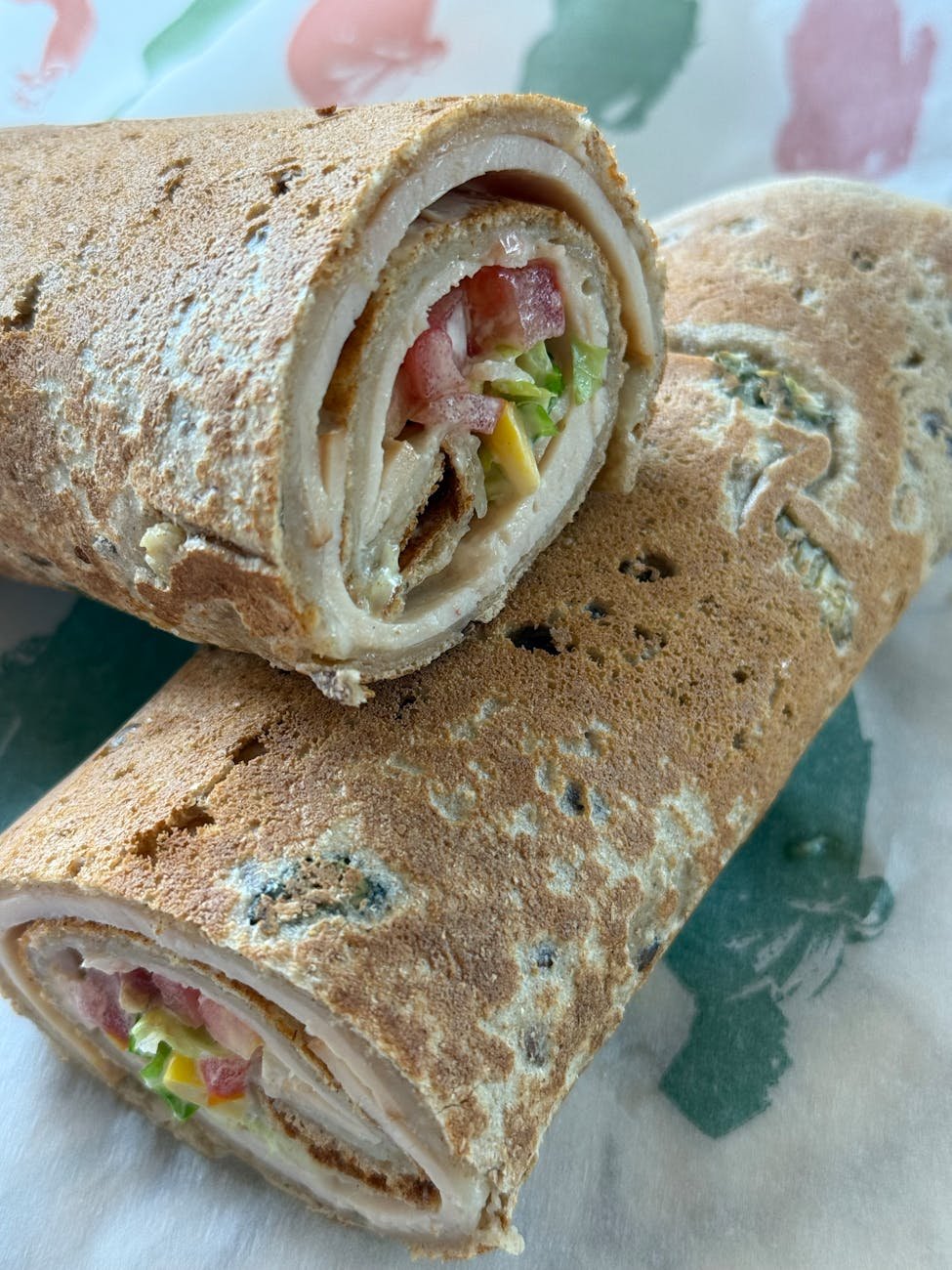
Wraps and Roll-Ups
Use large tortillas or lavash bread. Fill with hummus, turkey, cheese, lettuce, and vegetables. Wrap tightly in foil.
The key? Don’t overfill. Keep the wrap tight. Cut in half for easier eating.
Smart Snack Prep for Between Meetings
Office meal prep isn’t just about lunch. Having prepared snacks prevents the 3 PM vending machine trip or the overpriced cafe run.
Protein-Packed Snacks:
- Hard-boiled eggs (make a dozen at once)
- Greek yogurt with berries and granola
- String cheese and whole-grain crackers
- Hummus with vegetables
- Trail mix (make your own to control sugar and portions)
Sweet Options That Won’t Crash Your Energy:
- Apple slices with almond butter
- Energy balls (dates, oats, peanut butter, chocolate chips)
- Dark chocolate squares
- Homemade muffins or banana bread
Savory Choices:
- Roasted chickpeas
- Popcorn (air-popped with your favorite seasonings)
- Rice cakes with avocado
- Cheese and whole-grain crackers
Portion snacks into individual containers or bags. This prevents mindless overeating and makes grabbing them easy on rushed mornings.
The Sunday Prep Session
Consistency comes from having a system. Here’s a realistic timeline for a two-hour Sunday prep session that sets you up for the week.
Hour One: Cooking
- Get rice or grains cooking in the rice cooker (10 minutes active time)
- Chop vegetables for roasting (15 minutes)
- Get vegetables in the oven (5 minutes)
- Start protein cooking (chicken in the oven, ground meat on the stove, etc.) (10 minutes)
- Prep any salad ingredients or vegetables for raw snacking (15 minutes)
- Check and flip anything that needs attention (5 minutes)
Hour Two: Assembly and Storage
- Let everything cool slightly (10 minutes while you clean up)
- Portion grains into containers (5 minutes)
- Portion proteins into containers (5 minutes)
- Add vegetables to containers (5 minutes)
- Portion any sauces or dressings (5 minutes)
- Prep snacks (10 minutes)
- Label containers with contents and date (5 minutes)
- Store properly in refrigerator (5 minutes)
- Final cleanup (10 minutes)
Two hours. Five lunches. Snacks for the week. Kitchen cleaned.
The return on investment is massive.
Storage and Food Safety Guidelines
Meal prep only works if your food stays safe and fresh. Follow these guidelines to prevent food waste and potential illness.
Refrigerator Storage Times:
| Food Type | Safe Storage Time |
|---|---|
| Cooked chicken or turkey | 3-4 days |
| Cooked beef or pork | 3-4 days |
| Cooked fish | 1-2 days |
| Cooked grains | 4-6 days |
| Raw vegetables | 5-7 days |
| Cooked vegetables | 3-5 days |
| Soups and stews | 3-4 days |
If you’re eating lunch on Thursday or Friday, consider freezing those portions and moving them to the refrigerator the night before.
RELATED POST >> Best 46 Whole Food Meal Prep Ideas
Freezer-Friendly Meals:
These freeze and reheat beautifully:
- Soups and stews
- Chili
- Casseroles
- Cooked grains
- Cooked proteins (sliced or shredded)
- Burritos
- Pasta dishes with sauce
These don’t freeze well:
- Raw vegetables (they get mushy)
- Salads
- Dishes with mayonnaise
- Fried foods (they lose crispiness)
Food Safety Rules:
- Cool food completely before refrigerating
- Don’t let perishable food sit at room temperature for over 2 hours
- Use the “sniff test” – when in doubt, throw it out
- Keep your refrigerator at 40°F or below
- Reheat food to 165°F for food safety
Troubleshooting Typical Setbacks
Even with the best intentions, obstacles pop up. Here’s how to handle the most frequent challenges.
Problem: Food tastes bland by mid-week
Solution: Pack sauces, dressings, and seasonings separately. Add fresh herbs, a squeeze of lemon, or hot sauce right before eating. These small additions wake up flavors dramatically.
Problem: Textures get weird
Solution: Store components separately when possible. Keep crispy items (tortilla chips, croutons) in separate containers. Add them just before eating.
Problem: You get bored eating the same thing
Solution: Use the mix-and-match method instead of batch cooking. Or cook two different proteins and alternate throughout the week.
Problem: You don’t have time on Sunday
Solution: Shift to the partial prep method. Spend 30 minutes prepping ingredients. Cook fresh each evening (takes 15-20 minutes with prepped ingredients).
Problem: Your coworkers keep commenting on your food
Solution: This isn’t really a problem. Embrace it. But if it bothers you, eat at your desk or find a quieter space.
Problem: The office microwave makes everything smell weird
Solution: Use microwave covers to reduce splattering. Choose less pungent foods (fish is the notorious offender). Consider cold lunch options on days when microwaves are particularly problematic.
Budget-Friendly Meal Prep Strategies
Meal prep saves money, but strategic shopping maximizes those savings.
Shop sales and plan around them:
Check weekly grocery store ads before planning. Build your meals around what’s on sale. Chicken thighs on sale? That’s your protein this week.
Buy store brands:
Generic canned goods, grains, and frozen vegetables taste virtually identical to name brands. Save the money.
Use affordable proteins:
- Chicken thighs (cheaper and tastier than breasts)
- Ground turkey or chicken
- Canned tuna
- Eggs
- Dried beans and lentils
- Tofu
Embrace frozen vegetables:
Frozen vegetables are picked and frozen at peak freshness. They’re often more nutritious than “fresh” vegetables that have been sitting in transport and on shelves for days. They’re cheaper. They don’t spoil.
Cook grains from scratch:
Pre-cooked rice packets and microwave grains cost significantly more than cooking from dried. Rice cookers and Instant Pots make this effortless.
Stretch proteins with beans and grains:
You don’t need 6 ounces of meat per meal. Combine 3-4 ounces of protein with beans and grains for a complete, satisfying meal at a lower cost.
Making Meal Prep Sustainable Long-Term
The difference between people who meal prep for three weeks and quit versus those who maintain it for years? Mindset and systems.
Start smaller than you think necessary:
Don’t commit to prepping breakfast, lunch, dinner, and snacks immediately. Start with just lunches. Once that’s a habit, add more.
Accept imperfection:
Some weeks you’ll nail it. Other weeks you’ll skip it entirely. That’s fine. One week off doesn’t erase the benefits of the other three weeks in the month.
Keep a rotation of favorite meals:
Write down the meals you actually enjoyed eating. Create a rotation of 10-15 recipes. You’ll never get bored, but you won’t exhaust yourself finding new recipes constantly.
Prep with a friend or partner:
Double the recipes, split the containers. Or have a weekly prep session together. Makes it more enjoyable and splits the work.
Use time-saving shortcuts without guilt:
Pre-cut vegetables, rotisserie chicken, frozen grains, jarred sauces. These aren’t cheating. They’re tools that make meal prep sustainable.
Reassess regularly:
Your needs change. Your schedule shifts. Your taste preferences evolve. Every few months, evaluate what’s working and what isn’t. Adjust accordingly.
Advanced Meal Prep Techniques
Once you’ve mastered basic meal prep, these advanced strategies can level up your game.
Theme days create variety without complexity:
- Monday: Mexican
- Tuesday: Asian
- Wednesday: Mediterranean
- Thursday: Italian
- Friday: American comfort food
Same framework, different flavor profiles. Your brain perceives more variety.
Cook once, eat differently:
Roast a whole chicken on Sunday. Use it four ways throughout the week:
- Monday: Chicken with roasted vegetables and potatoes
- Tuesday: Chicken tacos
- Wednesday: Chicken Caesar salad
- Thursday: Chicken noodle soup (use the bones for broth)
One cooking session, four distinct meals.
Marinate and freeze raw:
Portion raw chicken, beef, or pork into freezer bags. Add marinade. Freeze flat. When ready to cook, thaw overnight in the refrigerator. The protein marinates as it thaws. Cook quickly.
Build a sauce library:
Having 4-5 go-to sauces transforms simple proteins and vegetables into exciting meals:
- Teriyaki
- Peanut sauce
- Lemon-herb vinaigrette
- Spicy mayo
- Tzatziki
Make larger batches on prep day. Use throughout the week on different meals.
Meal Prep for Special Dietary Needs
The meal prep framework adapts easily to various dietary requirements.
Low-Carb/Keto:
Replace grains with cauliflower rice, zucchini noodles, or additional vegetables. Increase healthy fats (avocado, olive oil, cheese). Focus on proteins and non-starchy vegetables.
Vegetarian/Vegan:
Swap animal proteins for tofu, tempeh, beans, lentils, or chickpeas. Ensure you’re getting complete proteins by combining grains and legumes. Nutritional yeast adds cheesy flavor to vegan dishes.
Gluten-Free:
Use rice, quinoa, potatoes, or gluten-free pasta instead of wheat-based grains. Check sauce labels for hidden gluten. Many traditional meal prep recipes are naturally gluten-free.
Dairy-Free:
Skip cheese or use dairy-free alternatives. Replace cream-based sauces with coconut milk-based versions. Many Asian and Mexican-inspired meals are naturally dairy-free.
High-Protein:
Double protein portions. Add Greek yogurt, cottage cheese, or protein powder to snacks. Include protein-rich sides like edamame, hard-boiled eggs, or chickpeas.
Tools That Make Everything Easier
Beyond basic containers, these tools can streamline your process significantly.
Meal prep containers with built-in compartments:
These keep foods from touching and mixing. Great for meals where you want distinct flavors separated.
Insulated food thermos:
Keeps soups hot for hours without refrigeration or reheating. Game-changer for offices with limited kitchen facilities.
Portable blender:
Make smoothies or protein shakes at work. Expand your lunch options beyond traditional meals.
Collapsible silicone containers:
Take up less space in your bag after eating. Perfect for people who commute on public transit.
Label maker or good markers:
Knowing what’s in each container and when you made it prevents confusion and food waste.
Bento boxes:
Japanese-style lunch boxes with multiple compartments. Makes portions look more appealing and interesting.
Creating Your Personal Meal Prep System
Here’s how to build a system that actually works for your specific situation.
Step 1: Assess your reality
How much time do you honestly have for prep? What’s your skill level in the kitchen? What’s your budget? Be honest. Build around your reality, not an idealized version.
Step 2: Identify your goals
Are you primarily trying to save money? Eat healthier? Save time? Lose weight? Your goal influences which strategies work best.
Step 3: Choose your approach
Based on your assessment and goals, pick your method (batch cooking, mix-and-match, freezer prep, or partial prep).
Step 4: Start with three recipes
Pick three simple recipes you already like. Prep those for two weeks. See what works and what doesn’t.
Step 5: Evaluate and adjust
After two weeks, assess. What did you enjoy? What felt like a struggle? What would make it easier next time?
Step 6: Gradually expand
Add one or two new recipes. Try a different method. Build your rotation slowly.
FAQ
How long does meal-prepped food last in the refrigerator?
Most meal-prepped lunches containing cooked proteins and vegetables last 3-4 days when stored properly in airtight containers at 40°F or below. If you’re preparing for a full work week, freeze Thursday and Friday’s meals and move them to the refrigerator the night before eating. Dishes with fish should be eaten within 1-2 days for the best quality and safety.
Can I meal prep if I don’t like leftovers?
Absolutely. Use the partial prep method instead of batch cooking. Prep ingredients (chop vegetables, cook grains, marinate proteins) but assemble and cook fresh each evening. This takes only 15-20 minutes with prepped components but gives you that “freshly made” experience.
What if I don’t have time for a full prep session?
Break it into smaller chunks. Prep proteins on Sunday, grains on Monday evening, and vegetables on Tuesday. Or use the “cook once, eat twice” method – make dinner, double the recipe, pack leftovers for lunch. Not all meal prep requires a dedicated marathon session.
How do I keep salads from getting soggy?
Store components separately or use the mason jar method with dressing on the bottom and greens on top. Pack wet ingredients (tomatoes, dressing, fruits) separately from dry ingredients (lettuce, croutons, nuts). Assemble right before eating for maximum crispness.
Is meal prep actually cheaper than buying lunch?
Significantly cheaper for most people. Prepped lunches average $3-5 per meal. Restaurant or cafeteria lunches typically run $10-15 in most U.S. cities. That’s $50-75 saved weekly, or roughly $2,500-3,500 annually. Even with occasional grocery splurges, the savings are substantial.
What are the best containers for meal prep?
Glass containers with snap-lock lids are the gold standard. They’re microwave-safe, don’t retain odors or stains, and last for years. Look for various sizes and consider compartmentalized options for meals where you want to keep components separated. Mason jars work beautifully for salads, oats, and soups.
How do I meal prep without getting bored?
Use the mix-and-match method to create variety from the same base ingredients. Keep a rotation of 10-15 favorite recipes instead of repeating the same three. Change up your sauces and seasonings – the same chicken and rice becomes different meals with teriyaki versus curry versus BBQ sauce. Theme days also create psychological variety.
Can I freeze meal-prepped lunches?
Many meal prep options freeze excellently. Soups, stews, chili, casseroles, and cooked grains freeze beautifully. Portion them into individual containers, freeze, and grab one the night before to thaw in the refrigerator. This lets you prep once or twice monthly instead of weekly. Avoid freezing raw vegetables, mayonnaise-based dishes, or anything you want to stay crispy.
What if my office doesn’t have a microwave?
Focus on cold lunch options that taste good at room temperature: pasta salads, sandwiches, wraps, cold noodle dishes, grain bowls with vinaigrette, or invest in an insulated food thermos that keeps hot foods hot for 4-6 hours without reheating.
How do I prevent my meal-prepped food from drying out?
Use chicken thighs instead of breasts (they stay moister). Include sauces or dressings in your meals. Don’t overcook proteins during prep. Store foods in airtight containers. Add a splash of broth or water when reheating. Some foods genuinely improve with time as sauces penetrate proteins and grains.
The Real Secret Nobody Talks About
Here’s what separates people who successfully meal prep long-term from those who quit after a few weeks.
It’s not recipes. It’s not containers. It’s not cooking skills.
It’s permission to be flexible.
The all-or-nothing mindset kills more meal prep attempts than lack of time or skills. You miss one Sunday prep session and decide you’ve failed. You eat out twice a week and think you’ve ruined everything.
Sustainable meal prep looks messy sometimes. It’s prepping only three days instead of five when you’re exhausted. It’s buying a rotisserie chicken instead of cooking from scratch. It’s occasionally choosing a nice lunch out with colleagues without guilt.
The goal isn’t perfection. It’s better than your baseline.
If you currently buy lunch five days a week, prepping even two lunches is a win. That’s $20-30 saved. That’s two fewer rushed decisions. That’s progress.
Start where you are. Use what you have. Do what you can.
The office workers who maintain meal prep for years don’t follow elaborate systems or Instagram-worthy presentations. They’ve found a few meals they genuinely enjoy, a prep routine that fits their schedule, and they’ve given themselves grace when life disrupts their plans.
Your version of meal prep doesn’t need to look like anyone else’s. It just needs to work for you.
This week, pick one meal. Prep it. Bring it to work. Eat it.
That’s how it starts. Everything else builds from there.
SUGGESTED POST >> Homemade Best Banana Bread Coffee Syrup Recipe: In 10 Mins