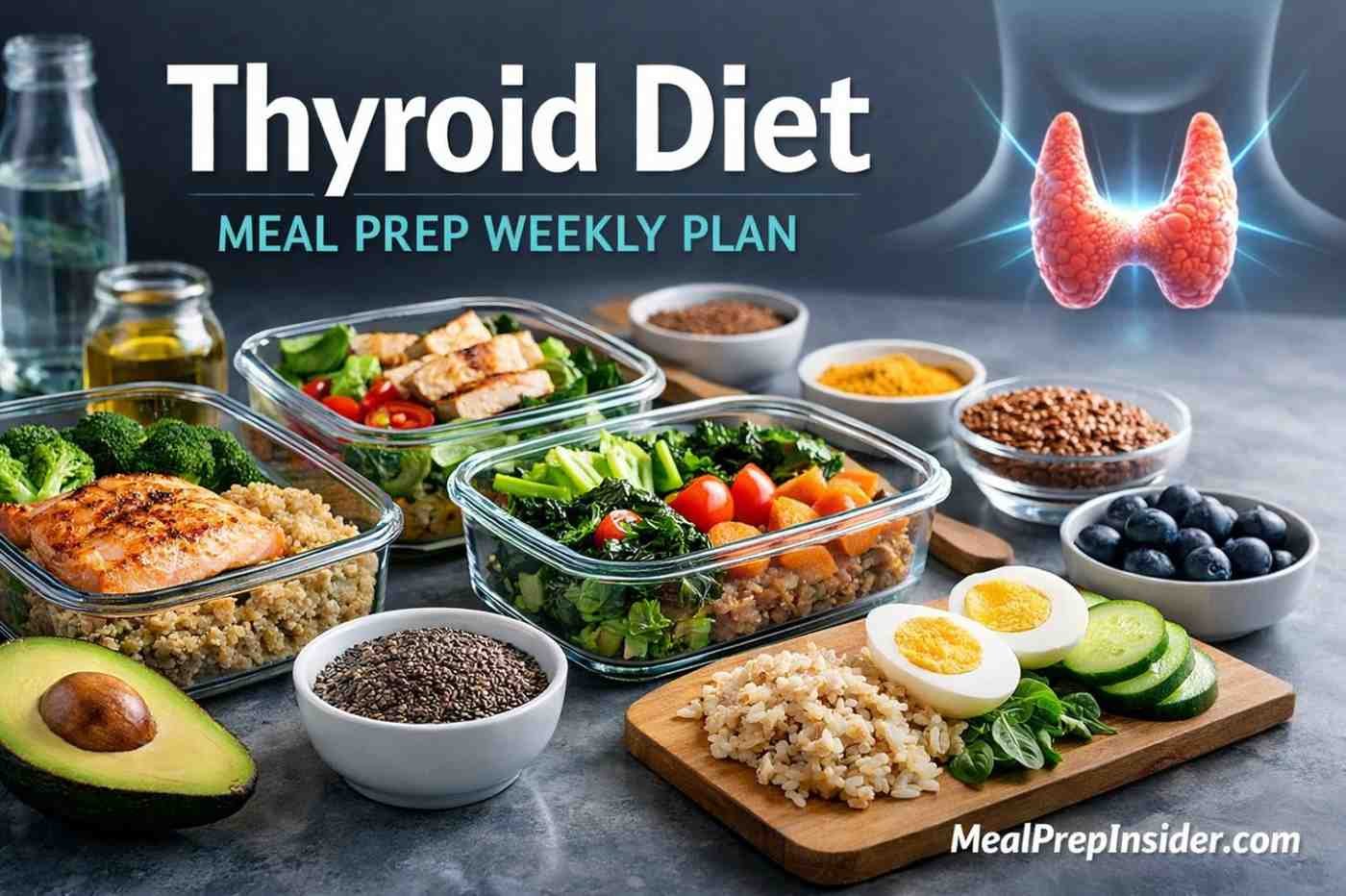
A thyroid diet meal prep weekly plan can transform how you manage your thyroid health without spending hours in the kitchen every single day.
Let me tell you about Sandra.
She’s a 42-year-old marketing manager from Delaware who was diagnosed with hypothyroidism three years ago. Between her medication, constant fatigue, and unexplained weight gain, she felt like she was losing control of her body. Her doctor kept telling her that diet mattered, but nobody gave her a concrete plan.
Sound familiar?
The truth is, most people with thyroid conditions receive a prescription and a vague suggestion to “eat healthy.” That’s about as helpful as telling someone to “be less tired.”
Sandra spent months researching thyroid-friendly foods, only to feel overwhelmed by conflicting information. One website said soy was the enemy. Another claimed it was perfectly fine. She’d buy groceries with good intentions, only to find herself ordering takeout by Wednesday because she hadn’t planned ahead.
Then she discovered meal prepping specifically for thyroid health.
Within six weeks, her energy levels improved. The brain fog lifted. She actually started losing the stubborn weight that had clung to her midsection since her diagnosis.
This guide will show you exactly how she did it—and how you can too.
Understanding the Thyroid Diet Connection
Your thyroid is a butterfly-shaped gland that sits at the base of your neck, but its impact reaches every corner of your body.
It controls your metabolism, energy production, body temperature, and even your mood. When it’s not functioning properly—whether you have hypothyroidism, hyperthyroidism, Hashimoto’s thyroiditis, or Graves’ disease—everything feels off.
Food isn’t medicine by itself. Let’s be clear about that.
But what you eat directly affects how well your thyroid functions and how effectively your body uses thyroid medication. Certain nutrients support thyroid hormone production. Others help convert inactive T4 hormone into active T3. Some foods can interfere with medication absorption or trigger inflammation that makes symptoms worse.
The challenge? Figuring out what works for your specific situation.
Most Americans eat on autopilot. We grab whatever’s convenient, tasty, or on sale. That approach doesn’t work when you’re managing a thyroid condition.
Why Meal Prepping Makes Sense for Thyroid Health
Meal prepping isn’t just about saving time, though that’s definitely a benefit.
For people with thyroid issues, consistent eating patterns matter more than you might think. Skipping meals, erratic eating times, and nutrient-poor food choices all stress your already-struggling thyroid.
Here’s what meal prepping solves:
- Medication timing: You can plan meals around the strict timing requirements of thyroid medication (which needs to be taken on an empty stomach, usually 30-60 minutes before eating)
- Nutrient consistency: You ensure you’re getting adequate selenium, zinc, iron, and other thyroid-supporting nutrients throughout the week
- Portion control: Thyroid conditions often make weight management difficult, and pre-portioned meals remove guesswork
- Reduced decision fatigue: When you’re already exhausted from hypothyroidism, deciding what to eat feels like climbing a mountain
- Budget-friendly: You buy exactly what you need and waste less food
- Stress reduction: Less stress means lower cortisol, which benefits thyroid function
Sarah used to come home from work completely drained. The thought of cooking seemed impossible. She’d either skip dinner or order something that made her feel worse.
Now she opens her fridge and finds ready-to-eat meals that actually support her health goals.
Essential Nutrients for Your Thyroid Diet
Before we get into the weekly plan, you need to understand which nutrients your thyroid craves.
Selenium
This mineral is crucial for the conversion of T4 to T3. Just two Brazil nuts daily provide your entire recommended intake. You’ll also find selenium in tuna, sardines, eggs, and turkey.
Iodine
Your thyroid literally cannot produce hormones without iodine. But here’s the catch—too much iodine can be just as problematic as too little, especially if you have Hashimoto’s. Sea vegetables, fish, dairy, and iodized salt provide iodine. Most Americans get enough from regular salt use.
Zinc
Low zinc levels are common in people with hypothyroidism. Oysters, beef, pumpkin seeds, and chickpeas are excellent sources.
Iron
Iron deficiency can reduce thyroid function and make hypothyroidism symptoms worse. Red meat, spinach, lentils, and fortified cereals help maintain healthy iron levels.
Vitamin D
Many people with thyroid disorders also have low vitamin D. Fatty fish, egg yolks, and fortified foods provide some, but most people need supplements to reach optimal levels.
B Vitamins
Particularly B12, which is often low in people with Hashimoto’s. Meat, fish, eggs, and nutritional yeast are good sources.
Omega-3 Fatty Acids
These reduce inflammation and support hormone production. Wild-caught salmon, sardines, walnuts, and flaxseeds are your best bets.
Foods to Emphasize in Your Thyroid Meal Prep
Building your meal prep around these foods sets you up for success:
Proteins
- Wild-caught fish (salmon, cod, sardines)
- Organic chicken and turkey
- Grass-fed beef
- Eggs (especially the yolks)
- Legumes in moderation
Vegetables
- Leafy greens (spinach, kale, Swiss chard)
- Cruciferous vegetables (broccoli, cauliflower, Brussels sprouts—cooked, not raw)
- Colorful vegetables (bell peppers, carrots, beets)
- Sea vegetables (nori, dulse)
Fruits
- Berries (blueberries, strawberries, raspberries)
- Apples
- Pears
- Citrus fruits
Healthy Fats
- Avocados
- Olive oil
- Coconut oil
- Nuts and seeds (Brazil nuts, walnuts, pumpkin seeds)
Gluten-free Grains (if tolerated)
- Quinoa
- Brown rice
- Oats
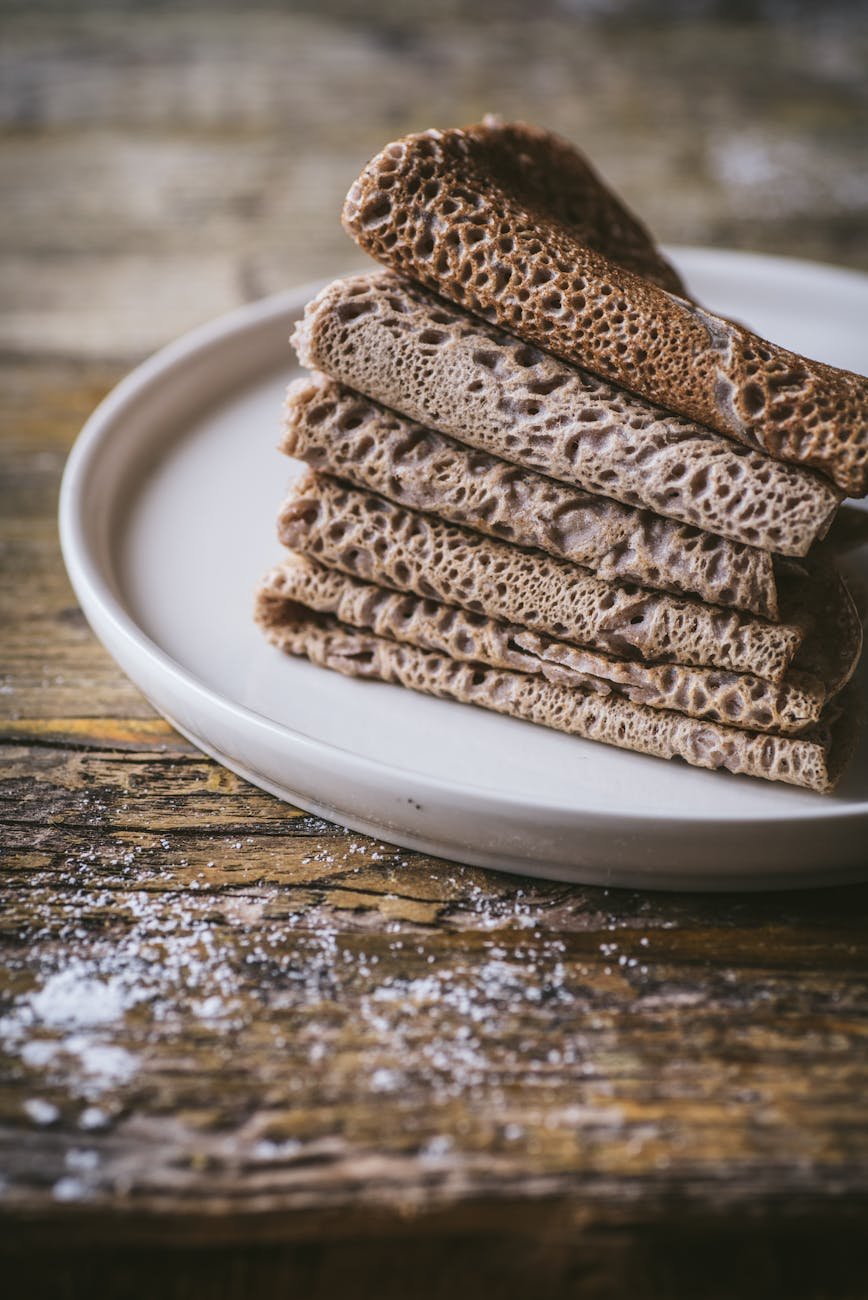
- Buckwheat
Foods to Limit or Avoid
I’m not going to tell you that certain foods are absolutely forbidden forever. Life’s too short for that level of restriction.
But these foods commonly cause problems for people with thyroid conditions:
Highly Processed Foods
They’re inflammatory and nutrient-poor. Your thyroid needs real food with actual nutrients.
Excessive Soy
Unfermented soy products may interfere with thyroid hormone absorption. Small amounts of fermented soy (like tempeh or miso) are usually fine.
Raw Cruciferous Vegetables in Large Amounts
Cooking deactivates the goitrogenic compounds that can interfere with thyroid function. A raw kale salad occasionally won’t hurt you, but daily raw kale smoothies might.
Gluten (for some people)
Many people with Hashimoto’s find that eliminating gluten reduces antibodies and inflammation. The molecular structure of gluten resembles thyroid tissue, potentially triggering autoimmune responses.
Excess Sugar
It spikes inflammation and insulin, both of which stress your thyroid.
Alcohol in Large Amounts
It interferes with thyroid hormone levels and liver function (your liver helps convert T4 to T3).
Your Complete Thyroid Diet Meal Prep Weekly Plan
Here’s where the rubber meets the road.
This plan assumes you’re prepping on Sunday for the week ahead. You can adjust the timing to whatever works for your schedule.
Shopping List
Proteins
- 2 lbs wild-caught salmon
- 1.5 lbs organic chicken breast
- 1 lb grass-fed ground beef
- 18 eggs
- 1 can of sardines
- 1 container Greek yogurt (if dairy tolerant)
Vegetables
- 2 bunches of kale
- 2 heads of broccoli
- 2 bell peppers (different colors)
- 1 bag baby spinach
- 4 sweet potatoes
- 2 zucchini
- 1 bag Brussels sprouts
- 2 cucumbers
- Cherry tomatoes
- 1 head of cauliflower
- Carrots
- Celery
- Onions
- Garlic
Fruits
- 2 containers of blueberries
- 2 containers of strawberries
- 4 apples
- 3 bananas
- 2 lemons
Pantry Items
- Quinoa
- Brown rice
- Rolled oats
- Brazil nuts
- Walnuts
- Pumpkin seeds
- Almond butter
- Coconut oil
- Olive oil
- Apple cider vinegar
- Bone broth
- Canned coconut milk
- Turmeric
- Sea salt
- Black pepper
- Various herbs (basil, oregano, thyme)
Sunday Prep Session (2-3 hours)
Step 1: Get Organized (10 minutes)
Clear your counter space. Get out your meal prep containers. Line up cutting boards, knives, and cooking vessels.
Put on some music or a podcast. Make this enjoyable, not a chore.
Step 2: Start the Grains (5 minutes active time)
Cook a large batch of quinoa and brown rice. These will be the base for several meals.
- 2 cups quinoa in 4 cups bone broth
- 2 cups of brown rice in 4 cups of water
Set them to cook while you work on other components.
Step 3: Roast Vegetables (15 minutes prep, 35 minutes cooking)
Preheat your oven to 425°F.
On one baking sheet: cubed sweet potatoes, Brussels sprouts, and carrots tossed with coconut oil and sea salt.
On another: broccoli florets and bell peppers, tossed in olive oil, garlic, and black pepper.
Roast for 25-35 minutes until golden and tender.
Step 4: Cook Proteins (30 minutes)
While vegetables roast, tackle the proteins.
Season salmon fillets with lemon, dill, and sea salt. Bake at 400°F for 12-15 minutes.
Season chicken breasts with oregano, thyme, and garlic powder. Bake at 375°F for 25-30 minutes.
Brown the ground beef in a skillet with diced onions and garlic. Season with turmeric, cumin, and sea salt.
Hard-boil a dozen eggs. (They’ll keep all week for quick protein snacks.)
Step 5: Prepare Raw Components (15 minutes)
Wash and chop vegetables for salads and snacks.
- Slice cucumbers
- Wash berries
- Chop celery and carrots for snacks
- Prepare a big batch of massaged kale salad (massage kale with lemon juice and olive oil to soften)
Step 6: Assemble Breakfast Containers (10 minutes)
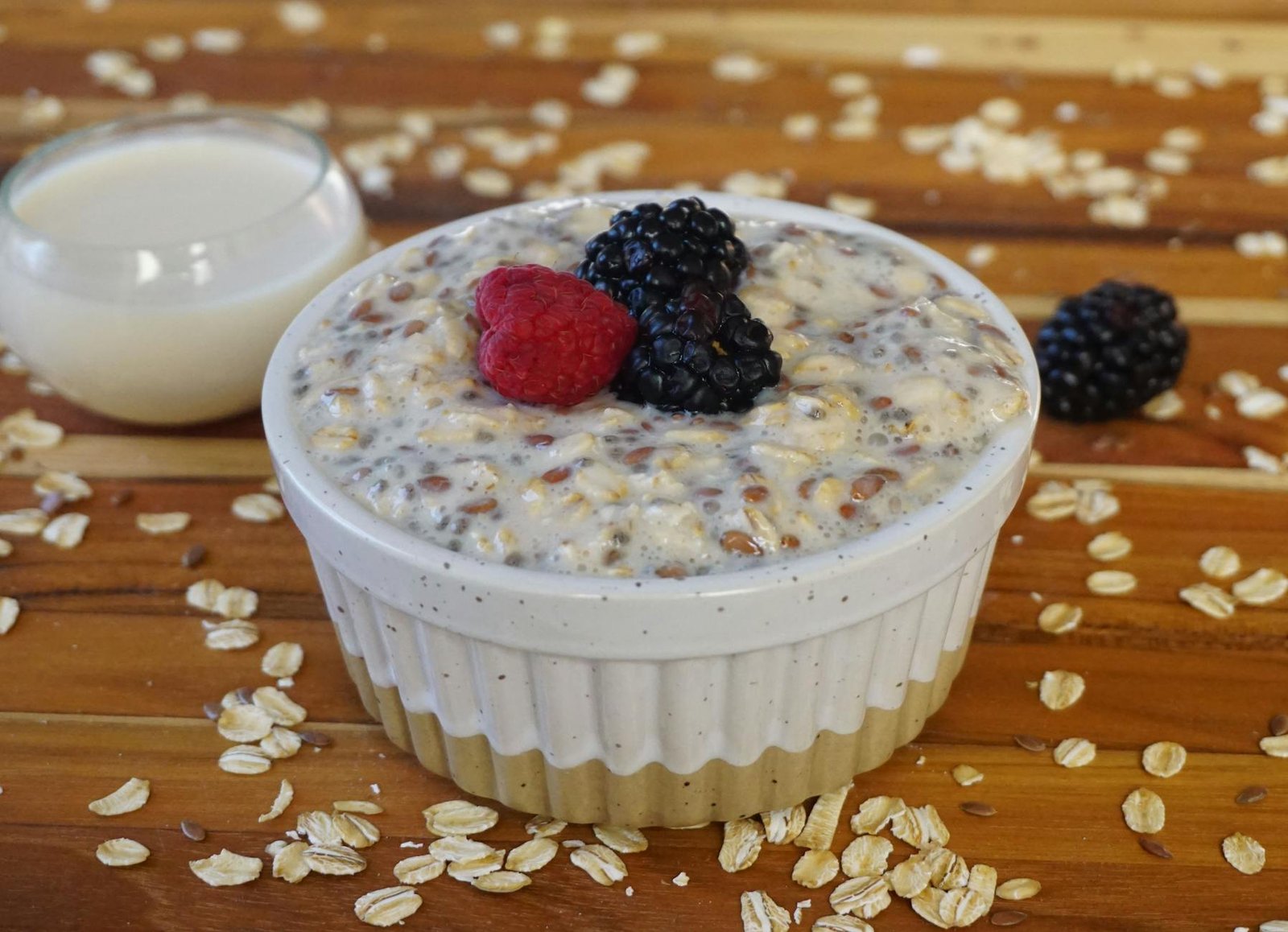
Create overnight oats in mason jars:
- ½ cup rolled oats
- ¾ cup coconut milk or almond milk
- 1 tablespoon chia seeds
- Handful of berries
- Sprinkle of walnuts
- Dash of cinnamon
Make 5 jars for weekday breakfasts.
Step 7: Pack Lunch Containers (15 minutes)
Use divided containers to create balanced lunches:
Option 1: Salmon Bowl
- 4 oz baked salmon
- 1 cup quinoa
- Roasted vegetables
- Side of massaged kale salad
- Lemon tahini dressing
Option 2: Chicken and Rice Bowl
- 4 oz chicken breast
- 1 cup brown rice
- Steamed broccoli
- Sliced cucumbers and tomatoes
- Olive oil and apple cider vinegar dressing
Option 3: Beef and Sweet Potato Bowl
- 4 oz ground beef
- Roasted sweet potato cubes
- Sautéed spinach
- Avocado slices (add fresh daily)
Make at least 2-3 of each option, so you have variety throughout the week.
Step 8: Prep Dinner Components (10 minutes)
You don’t have to completely prepare dinners, but having components ready makes weeknight cooking much faster.
Portion proteins into dinner-sized servings and refrigerate or freeze. Chop vegetables for quick stir-fries. Make a batch of bone broth-based soup that you can eat throughout the week.
Step 9: Portion Snacks (10 minutes)
Put together grab-and-go snack containers:
- 2 Brazil nuts + small handful of berries
- Hard-boiled egg + cucumber slices
- Apple slices + almond butter
- Greek yogurt + walnuts + strawberries
- Sardines on cucumber rounds
Having these ready prevents you from reaching for chips or crackers when hunger strikes.
RELATED POST >> PCOS Friendly Meal Prep for the Week: Best 7-Day Guide
Daily Meal Schedule
Here’s how your week might look. Remember to take thyroid medication first thing in the morning, then wait 30-60 minutes before eating.
Monday
- Breakfast: Overnight oats with berries and walnuts
- Snack: 2 Brazil nuts + apple slices
- Lunch: Salmon quinoa bowl with roasted vegetables
- Snack: Hard-boiled egg + cucumber
- Dinner: Baked chicken with roasted sweet potato and steamed broccoli
Tuesday
- Breakfast: Overnight oats with berries and walnuts
- Snack: Greek yogurt with strawberries
- Lunch: Chicken and rice bowl with greens
- Snack: Almond butter on apple slices
- Dinner: Ground beef stir-fry with cauliflower rice and mixed vegetables
Wednesday
- Breakfast: Overnight oats with berries and walnuts
- Snack: 2 Brazil nuts + berries
- Lunch: Beef and sweet potato bowl
- Snack: Sardines on cucumber rounds
- Dinner: Salmon with quinoa and roasted Brussels sprouts
Thursday
- Breakfast: Overnight oats with berries and walnuts
- Snack: Hard-boiled egg + celery sticks
- Lunch: Salmon quinoa bowl
- Snack: Greek yogurt with walnuts
- Dinner: Chicken vegetable soup with a side salad
Friday
- Breakfast: Overnight oats with berries and walnuts
- Snack: Apple with almond butter
- Lunch: Chicken and rice bowl
- Snack: 2 Brazil nuts + berries
- Dinner: Grass-fed beef burger (no bun) with sweet potato fries and coleslaw
Saturday
Give yourself flexibility. Use up leftovers. Try a new recipe. Go out to eat if you want—just make thyroid-friendly choices.
Sunday
Prep day! Start the cycle again.
Customizing the Plan for Your Needs
Not everyone has the same thyroid condition or dietary needs.
For Hashimoto’s Thyroiditis
Consider eliminating gluten completely. Many people with Hashimoto’s see significant improvements in antibody levels when they go gluten-free. You might also benefit from eliminating dairy for 30 days to see if it reduces inflammation.
For Hyperthyroidism
You need more calories than someone with hypothyroidism. Add more healthy fats and complex carbohydrates. Include more cruciferous vegetables (they’re actually helpful for hyperthyroidism). Avoid excessive iodine.
For Hypothyroidism
Focus on nutrient density rather than calorie restriction. Your metabolism is already slow—severe calorie restriction will make it worse. Prioritize protein at every meal to support metabolism.
For Weight Loss Goals
Keep portions consistent but slightly smaller. Increase non-starchy vegetables. Track your progress over months, not weeks—thyroid-related weight loss is slow but sustainable.
For Vegetarians
Replace meat proteins with legumes, tempeh, and eggs. Pay special attention to iron, B12, and zinc supplementation. Consider algae-based omega-3 supplements.
Pitfalls to Watch Out For
Let’s talk about what usually goes wrong.
Pitfall #1: Trying to Prep Too Much at Once
Sarah’s first attempt at meal prepping was ambitious. She tried to prep breakfast, lunch, dinner, and snacks for seven full days.
She spent five hours in the kitchen and felt so exhausted she swore she’d never do it again.
Start smaller. Maybe just prep lunches for the first week. Add breakfast next week. Build up gradually.
Pitfall #2: Making Foods You Don’t Actually Like
Just because kale is trendy doesn’t mean you have to eat it if you hate it. Find thyroid-friendly foods you genuinely enjoy.
If you don’t like salmon, try sardines, cod, or chicken. If Brussels sprouts make you gag, roast some carrots and bell peppers instead.
Pitfall #3: Not Storing Food Properly
Most prepped meals stay fresh for 3-4 days in the refrigerator. If you’re prepping for a full week, freeze half of it.
Use airtight containers. Label everything with dates. Keep raw and cooked foods separate.
Pitfall #4: Forgetting About Medication Timing
Your thyroid medication needs to be taken on an empty stomach, typically 30-60 minutes before breakfast. Plan your morning schedule accordingly.
Some people set an alarm for 6:00 AM, take their medication, then go back to sleep until 7:00 AM. Others take it as soon as they wake up and use that hour to shower, get dressed, and prepare for the day.
Pitfall #5: Being Too Rigid
Life happens. You’ll have late nights at work, unexpected social events, and days when you just don’t feel like eating what you prepped.
That’s fine. Meal prepping is a tool, not a prison sentence. The goal is to make your life easier, not to create more stress.
Adjusting Based on Your Results
Give any new eating plan at least 6-8 weeks to take effect before judging results.
Thyroid conditions respond slowly to dietary changes. You won’t feel dramatically different after a week.
Track these markers:
- Energy levels throughout the day
- Quality of sleep
- Digestive health
- Mood stability
- Weight (but don’t obsess over it)
- Hair thickness and skin quality
- Body temperature (many people with hypothyroidism run cold)
- Thyroid lab values (TSH, Free T3, Free T4, antibodies)
Work with your doctor to monitor lab values every 6-12 weeks, especially when making significant dietary changes.
If you’re not seeing improvements, consider these adjustments:
If energy is still low: Increase protein, check for hidden gluten, assess B12 and iron levels
If weight isn’t budging: Check portion sizes, reduce grain servings, increase vegetables, add more movement to your day
If digestion is off: Try eliminating dairy, reducing raw vegetables, adding more fermented foods, and consider digestive enzymes
If symptoms are worsening: Consult your doctor—your medication may need adjustment, or something else might be going on
Making It Sustainable for the Long Haul
The best diet is the one you can stick with.
Sarah has been meal prepping for thyroid health for over a year now. Some weeks, she preps elaborate meals. Other weeks, she keeps it super simple—maybe just cooking a big batch of chicken, roasting vegetables, and cooking rice.
She’s learned what works for her schedule, her taste preferences, and her body.
You’ll develop your own rhythm too.
Here are strategies that help:
Batch Cook Staples
Always keep cooked proteins, grains, and roasted vegetables in your fridge. You can mix and match them into countless meals.
Use Theme Nights
Seafood Monday. Poultry Tuesday. Beef Wednesday. This simplifies planning without being boring.
Embrace Leftovers
Cook dinner with extra portions intentionally. Tomorrow’s lunch is already done.
Keep Emergency Options
Stock your freezer with thyroid-friendly frozen meals for nights when life gets chaotic. Wild-caught fish, organic frozen vegetables, and pre-portioned proteins save the day.
Build in Flexibility
Plan for 5-6 days of meals, leaving 1-2 days for eating out, using up leftovers, or experimenting with new recipes.
Involve Your Family
If you’re cooking for others, find thyroid-friendly meals everyone enjoys. Most of the foods that support thyroid health are just… healthy foods. Your family benefits too.
Beyond Food: The Complete Picture
Meal prepping thyroid-friendly foods is powerful, but it’s not the only piece of the puzzle.
Sarah also improved her thyroid health by:
Managing Stress
Chronic stress elevates cortisol, which suppresses thyroid function. She started a simple meditation practice—just five minutes a day.
Improving Sleep Quality
Your body repairs and produces hormones during sleep. She created a consistent sleep schedule, aiming for 7-9 hours nightly.
Moving Her Body
Not intense exercise (which can stress an already-taxed thyroid), but regular gentle movement. Walking, yoga, swimming.
Reducing Toxin Exposure
She switched to natural cleaning products and personal care items. Many common chemicals disrupt endocrine function.
Supporting Gut Health
Your gut health directly impacts thyroid function. She added fermented foods and took a quality probiotic.
Working with Healthcare Providers
She found doctors who listened and were willing to optimize her medication, not just get her TSH into “normal” range.
The meal prep plan created a foundation. These other lifestyle factors are built on that foundation.
Frequently Asked Questions
How long does it take to see results from a thyroid diet?
Most people notice subtle improvements in energy and digestion within 2-3 weeks. More significant changes in weight, hair quality, and overall symptoms typically take 6-12 weeks. Thyroid conditions respond slowly, so patience is essential. Continue working with your doctor to monitor lab values.
Can diet alone manage my thyroid condition?
No. If you have hypothyroidism, you need thyroid hormone replacement medication. Diet supports thyroid function and helps your body use medication effectively, but it doesn’t replace medical treatment. Some people with subclinical hypothyroidism or borderline thyroid function may manage with diet and lifestyle alone, but this should be done under medical supervision.
Do I need to avoid all goitrogenic foods?
No. The goitrogen concern is overblown. Cooking cruciferous vegetables deactivates most goitrogenic compounds. You’d need to eat massive amounts of raw cruciferous vegetables to negatively impact your thyroid. The nutrients in these vegetables—especially when cooked—benefit most people with thyroid conditions.
Should I take iodine supplements?
Not without testing your iodine levels first. Most Americans get adequate iodine from iodized salt and food. Taking iodine supplements when you don’t need them can worsen thyroid problems, especially autoimmune thyroid conditions like Hashimoto’s. Work with your doctor to test levels before supplementing.
Is it okay to eat soy with a thyroid condition?
The research is mixed. Small amounts of fermented soy (tempeh, miso, natto) are generally fine for most people. Large amounts of unfermented soy products (soy protein isolate, soy milk, tofu) may interfere with the absorption of thyroid medication. If you eat soy, do so several hours away from taking thyroid medication and stick to moderate amounts.
How do I meal prep if I have a busy schedule?
Start small. Even prepping just lunches makes a difference. Use time-saving strategies like buying pre-cut vegetables, using a slow cooker or Instant Pot, or doing a shorter prep session twice weekly instead of one long Sunday session. Some people prefer prepping components (proteins, grains, vegetables) rather than complete meals, which offers more flexibility and takes less time.
What if my family doesn’t want to eat “thyroid diet” foods?
Most thyroid-friendly foods are simply nutritious whole foods that benefit everyone. You’re not making weird, specialized meals—you’re cooking salmon, chicken, vegetables, and healthy grains. Your family can add bread, pasta, or other items to their plates if they want more variety. Many people find that their whole family feels better eating this way.
Can I eat out while following a thyroid diet?
Absolutely. Choose restaurants with whole food options. Order grilled fish or chicken with vegetables and rice or sweet potato. Ask for olive oil and lemon for dressing. Skip the bread basket. Most restaurants can accommodate requests for simple, whole food preparations. Don’t let your thyroid condition prevent you from enjoying social meals.
Should I go gluten-free even if I don’t have celiac disease?
Many people with Hashimoto’s thyroiditis benefit from eliminating gluten, even without celiac disease. The connection between gluten and thyroid antibodies is well-documented in research. Try eliminating gluten completely for 30 days and monitor how you feel. If you notice improvements, that’s your answer. If you feel no different, you may not need to avoid it.
What’s the best breakfast for thyroid health?
A breakfast with quality protein, healthy fats, and some complex carbohydrates works well for most people. Eggs with avocado and vegetables. Greek yogurt with berries and nuts. Smoothie with protein powder, berries, and nut butter. Leftover salmon with sweet potato. The key is eating something substantial within an hour of taking your thyroid medication (after the required waiting period).
How much should I meal prep at once?
Most foods stay fresh in the refrigerator for 3-4 days. Fish is best within 2-3 days. If you want to prep for a full week, freeze half of your meals and move them to the fridge as needed. Alternatively, do a big prep on Sunday and a smaller mid-week prep on Wednesday. Find a rhythm that fits your schedule and food preferences.
Do I need to buy all organic foods?
Organic is ideal, but not always necessary or affordable. Prioritize organic for the “Dirty Dozen” produce (strawberries, spinach, kale, etc.) and for animal products (meat, dairy, eggs). Conventional options for the “Clean Fifteen” produce are generally fine. Do the best you can within your budget. Eating conventional vegetables is better than not eating vegetables at all.
Your Next Steps
You’ve got the information. You’ve got the plan.
Now it’s time to take action.
Start this weekend. Pick one day. Spend a couple of hours prepping. See how it feels.
You don’t have to be perfect. Your first attempt might be messy. Your timing might be off. Some foods might not turn out exactly right.
That’s completely normal.
Sarah’s first meal prep session resulted in overcooked chicken, mushy quinoa, and vegetables that got soggy by Wednesday. She didn’t give up. She adjusted. She learned.
Now, meal prepping is second nature.
Managing a thyroid condition isn’t easy. The fatigue is real. The weight struggles are frustrating. The brain fog makes everything harder.
But you have more control than you might think.
What you put on your plate matters. How you organize your week matters. The small, consistent actions you take matter.
A weekly meal prep plan for a thyroid diet gives you a framework. It removes the need for decision-making when you’re exhausted. It ensures you’re nourishing your body with foods that support your thyroid rather than stress it.
You deserve to feel better. You deserve to have energy. You deserve to live fully despite your thyroid condition.
This plan is one tool to help you get there.
Start where you are. Use what you have. Do what you can.
Your thyroid—and your whole body—will thank you.
SUGGESTED POST >> Easy Mediterranean Diet Meal Prep for Beginners: Healthy Tip