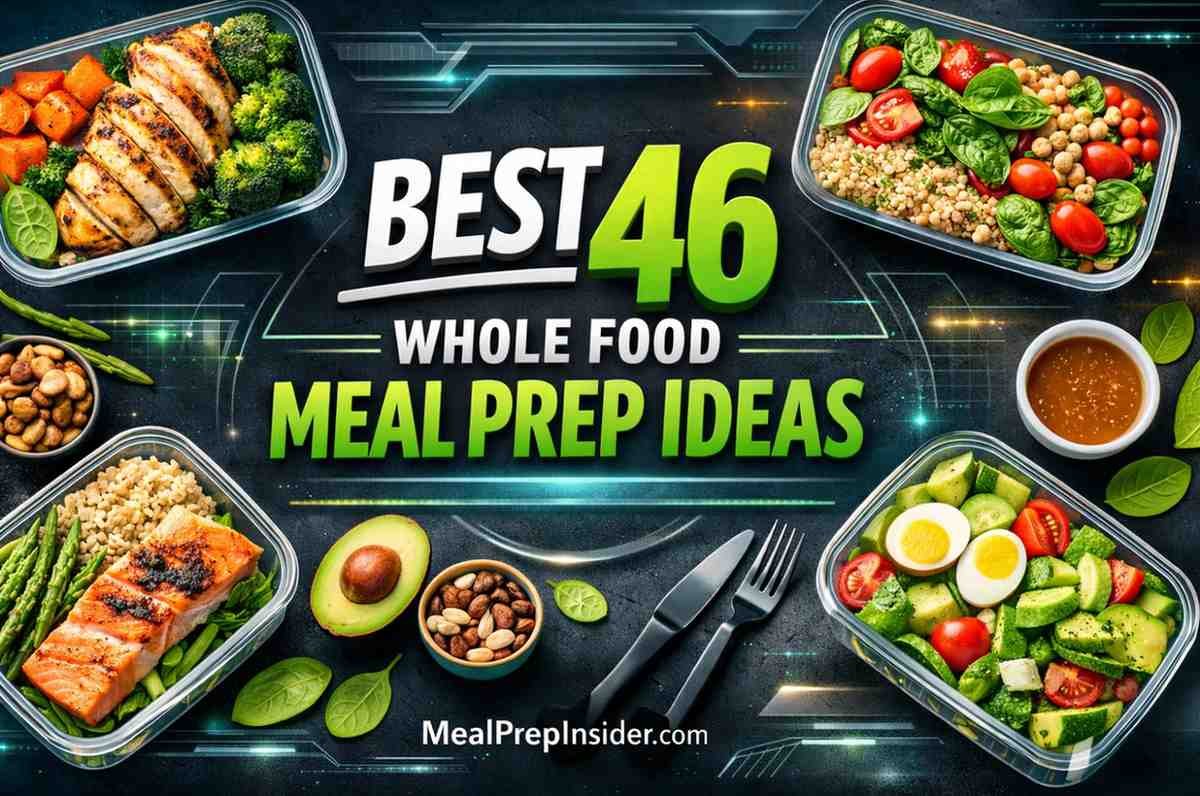
Whole food meal prep ideas have transformed the way Americans approach their weekly cooking routines, turning chaotic weeknight dinners into simple, nutritious solutions.
If you’ve ever stood in front of your refrigerator at 7 PM, staring blankly while your stomach growls, you know exactly why meal prepping has become a lifesaver for millions of people across the United States.
I remember when my friend Sarah, a busy pediatric nurse in Denver, told me she was spending nearly $400 a month on takeout because she was too exhausted to cook after her shifts.
Two months after starting whole food meal prep, she’d cut that number in half and lost 15 pounds without even trying. That’s the power of planning ahead with real, unprocessed ingredients.
This isn’t about restrictive dieting or eating bland chicken and broccoli for seven days straight. Whole-food meal prepping means using ingredients that come from nature, are minimally processed, and are prepared in ways that actually make you excited to open your lunch container.
Let’s jump into these 46 ideas that’ll change how you think about food preparation.
Why Whole Food Meal Prep Ideas Matter for Your Health
The standard American diet has drifted far from what our grandparents ate. Pre-packaged convenience foods might save time in the moment, but they’re loaded with preservatives, added sugars, and ingredients you can’t pronounce.
Whole foods are different. They’re ingredients you recognize: vegetables, fruits, whole grains, legumes, nuts, seeds, and quality proteins. When you prep meals using these foods, you’re giving your body the nutrients it truly needs.
Research shows that people who meal prep eat more nutritious meals throughout the week. You’re not making decisions when you’re hungry and stressed. You’re making them when you’re calm, focused, and thinking clearly about your health goals.
The financial benefits hit hard, too. Americans waste approximately 30-40% of the food supply, according to the USDA. That’s money literally thrown in the garbage. Meal prepping helps you buy what you need and use it.
The Foundation: Essential Whole Food Ingredients to Stock
Before we explore specific meal prep ideas, let’s talk about building your whole food pantry and refrigerator.
Proteins:
- Chicken breast and thighs
- Ground turkey and beef
- Wild-caught salmon and other fish
- Eggs
- Canned tuna and sardines
- Tempeh and tofu
- Dried and canned beans (black beans, chickpeas, lentils)
Whole Grains:
- Brown rice and wild rice
- Quinoa
- Oats
- Farro
- Whole-grain pasta
- Sweet potatoes and regular potatoes
Vegetables (Fresh and Frozen):
- Leafy greens (spinach, kale, arugula)
- Broccoli and cauliflower
- Bell peppers
- Onions and garlic
- Carrots and celery
- Tomatoes
- Zucchini and squash
- Brussels sprouts
Healthy Fats:
- Avocados
- Olive oil and coconut oil
- Nuts (almonds, walnuts, cashews)
- Seeds (chia, flax, pumpkin, sunflower)
- Nut butters
Flavor Builders:
- Fresh herbs
- Spices (cumin, paprika, turmeric, cinnamon)
- Apple cider vinegar
- Lemon and lime juice
- Tahini
- Tamari or coconut aminos
Having these staples means you can always throw together a nutritious meal, even when you haven’t had time to plan.
46 Whole Food Meal Prep Ideas That’ll Transform Your Week
Breakfast Options
1. Overnight Oats Bar
Prepare five mason jars with different overnight oat combinations. Mix rolled oats with your choice of milk (dairy or plant-based), then add toppings like berries, sliced banana, chia seeds, cinnamon, or almond butter. Each morning, you’ve got breakfast waiting.
2. Veggie-Packed Egg Muffins
Whisk a dozen eggs with diced vegetables like spinach, tomatoes, and bell peppers. Pour into muffin tins and bake. These protein powerhouses reheat beautifully and last all week.
3. Breakfast Burrito Bowls
Layer scrambled eggs, black beans, diced sweet potato, avocado, and salsa in containers. Skip the tortilla to keep it lighter, or add one when you’re ready to eat.
4. Quinoa Breakfast Bowls
Cook quinoa in almond milk with cinnamon. Top with fresh berries, sliced almonds, and a drizzle of honey. It’s like a warm hug in a bowl.
5. Chia Seed Pudding Parfaits
Mix chia seeds with coconut milk and let sit overnight. Layer with fresh fruit and a sprinkle of granola. The texture is surprisingly satisfying.
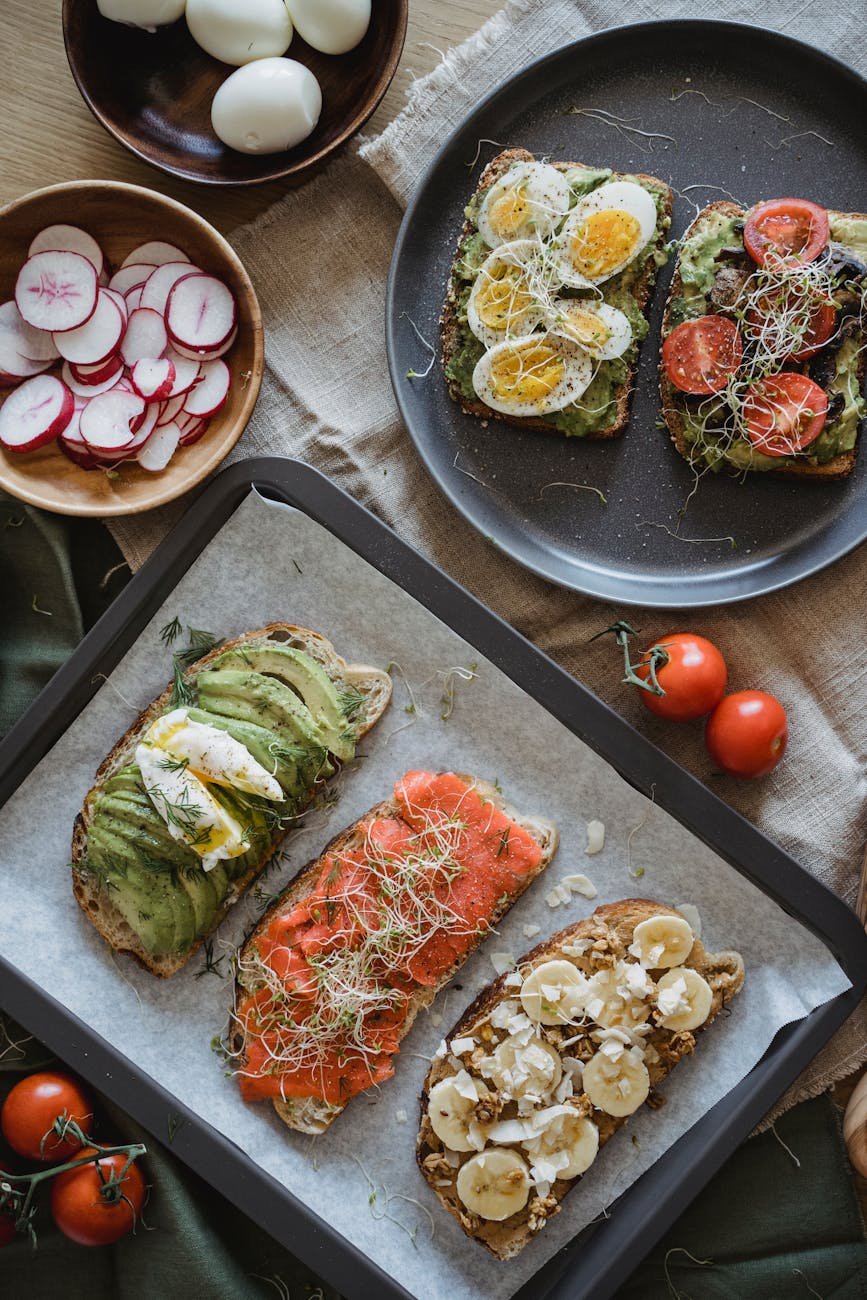
6. Sweet Potato Toast Toppings
Slice sweet potatoes lengthwise, toast them, and prep various toppings: mashed avocado, almond butter with banana, or ricotta with tomatoes.
7. Banana Oat Pancakes
Blend oats, banana, and eggs to make simple pancakes. Cook a big batch and freeze it. Pop them in the toaster when you need a quick breakfast.
Lunch and Dinner Proteins
8. Mediterranean Baked Chicken
Season chicken breasts with oregano, garlic, lemon, and olive oil. Bake until juicy and tender. This works cold in salads or reheated with sides.
9. Slow Cooker Pulled Chicken
Throw chicken breasts in a slow cooker with salsa or tomato sauce. Eight hours later, shred it for tacos, bowls, or salads throughout the week.
10. Sheet Pan Salmon
Bake salmon fillets with a simple lemon-herb seasoning. Pair with roasted vegetables for a complete meal in one pan.
11. Turkey Meatballs
Mix ground turkey with egg, almond flour, garlic, and Italian herbs. Bake on a sheet pan. These freeze wonderfully.
12. Lentil and Vegetable Curry
Cook lentils with coconut milk, curry spices, and tons of vegetables. This gets better as the flavors meld throughout the week.
13. Grass-Fed Beef Taco Meat
Brown grass-fed beef with homemade taco seasoning (cumin, chili powder, garlic powder, paprika). Use it in bowls, lettuce wraps, or with sweet potato.
14. Baked Tofu Cubes
Press firm tofu, cut into cubes, toss with tamari and sesame oil, and bake until crispy. Perfect protein for Buddha bowls.
15. White Fish with Herbs
Cod or halibut baked with fresh dill, parsley, and lemon stays moist when stored properly and tastes fresh all week.
Vegetable Sides and Bases
16. Roasted Rainbow Vegetables
Cut bell peppers, zucchini, red onion, and cherry tomatoes. Toss with olive oil, season, and roast. These add color and nutrients to any meal.
17. Garlic Roasted Broccoli
Roasted broccoli with garlic becomes slightly crispy and addictively good. Way better than steamed.
18. Cauliflower Rice
Pulse cauliflower in a food processor, then sauté lightly. It’s a low-carb base that absorbs flavors beautifully.
19. Maple Roasted Brussels Sprouts
Halve Brussels sprouts, toss with a tiny bit of maple syrup and olive oil, then roast until caramelized.
20. Sautéed Greens Mix
Cook spinach, kale, and Swiss chard with garlic. They shrink down considerably, so you can eat a ton of nutrients in one serving.
21. Spiralized Veggie Noodles
Spiralize zucchini or sweet potato ahead of time. Store them raw, then quickly sauté when ready to eat.
22. Roasted Root Vegetables
Carrots, parsnips, and beets roasted together create an earthy, sweet combination that works with nearly any protein.
Complete Bowl Meals
23. Mediterranean Quinoa Bowl
Quinoa topped with cucumber, tomatoes, olives, feta, chickpeas, and a lemon-tahini dressing.
24. Mexican Cauliflower Rice Bowl
Cauliflower rice as the base, topped with seasoned black beans, corn, avocado, salsa, and grilled chicken.
25. Asian-Inspired Buddha Bowl
Brown rice, edamame, shredded cabbage, carrots, cucumber, and baked tofu with a ginger-sesame dressing.
26. Southwest Sweet Potato Bowl
Roasted sweet potato cubes, black beans, corn, bell peppers, avocado, and a lime-cilantro dressing.
27. Greek Chicken Bowl
Chicken, cucumber, tomato, red onion, olives, and tzatziki over spinach or quinoa.
28. Teriyaki Salmon Bowl
Baked teriyaki salmon over brown rice with steamed broccoli and snap peas.
29. Harvest Bowl
Roasted Brussels sprouts, butternut squash, wild rice, dried cranberries, and pecans with a maple-mustard dressing.
Soups and Stews
30. Hearty Vegetable Soup
A base of vegetable broth loaded with whatever vegetables you have: carrots, celery, tomatoes, zucchini, and white beans.
31. Butternut Squash Soup
Roast butternut squash with onions and garlic, blend with vegetable broth and coconut milk. Silky smooth and naturally sweet.
32. Chicken and Vegetable Soup
Classic comfort food with shredded chicken, carrots, celery, and herbs in bone broth.
33. Lentil and Spinach Stew
Red lentils cook quickly and create a thick, protein-rich stew when combined with spinach, tomatoes, and warming spices.
34. White Bean and Kale Soup
Tuscan-inspired soup with white beans, kale, tomatoes, and Italian seasonings.
Salad Prep Ideas
35. Mason Jar Salads
Layer dressing on the bottom, then hearty vegetables, proteins, and greens on top. Shake when ready to eat.
36. Chopped Salad Mix
Prep all your salad vegetables, chopped and ready. Keep dressing separate until serving time.
37. Kale Caesar Salad Prep
Massage kale with a bit of lemon juice, store separately from homemade Caesar dressing and grilled chicken.
38. Asian Crunch Salad
Shredded cabbage, carrots, edamame, and almonds with a ginger-sesame dressing on the side.
Snacks and Sides
39. Energy Balls
Blend dates, nuts, oats, and cocoa powder. Roll into balls. These satisfy sweet cravings with whole ingredients.
40. Veggie Sticks and Hummus
Cut carrots, celery, bell peppers, and cucumber. Portion out homemade hummus for the week.
41. Hard-Boiled Eggs
Make a dozen at once. They’re portable protein that lasts five days in the fridge.
42. Trail Mix Portions
Combine raw nuts, seeds, and a few dark chocolate chips. Portion into small containers to avoid overeating.
43. Apple Slices and Almond Butter
Pre-portion almond butter so you’re not standing at the jar with a spoon at 3 PM.
44. Roasted Chickpeas
Toss chickpeas with olive oil and spices, then roast until crispy. Crunchy, satisfying, and full of fiber.
RELATED POST >> Top 37 High Fiber Meal Prep Ideas: Best Quick Fixes
Weekend Batch Cooking
45. Slow Cooker Bean Chili
Combine different beans, tomatoes, peppers, onions, and chili spices. Let it cook all day. Freeze half for later.
46. Whole Roasted Chicken
Roast a whole chicken on Sunday. Use the meat throughout the week in salads, soups, and bowls. Save the bones for homemade broth.
How to Build Your Whole Food Meal Prep Strategy
Starting can feel overwhelming. Trust me, you don’t need to prep 46 different things your first week.
Begin with three recipes. Maybe a breakfast option, a protein, and a vegetable side. That’s enough to make a difference without burning you out.
Pick a prep day. Most people choose Sunday, but Wednesday works too if you want to split your week. Block out 2-3 hours. Put on a podcast or music you love. Make it enjoyable.
Invest in good containers. Glass containers are worth the investment. They don’t stain, don’t hold odors, and you can see what’s inside. Different sizes help you portion appropriately.
Write it down. Create a simple list of what you’re making and what ingredients you need. Wandering the grocery store trying to remember is a recipe for frustration and forgotten items.
Prep in stages. Cook the longest-cooking items first. While the chicken roasts or the quinoa simmers, chop the vegetables. Layer tasks so you’re not standing around waiting.
Common Pitfalls People Face (And How to Avoid Them)
Making the same thing every single week. You’ll get bored. Rotate at least two or three different proteins and grain bases. Variety keeps you interested.
Prepping food that doesn’t reheat well. Some foods just don’t work. Crispy things get soggy. Delicate fish can overcook when reheated. Stick with foods that hold up throughout the week.
Going overboard the first week. You get excited and prep 15 different recipes. Then you’re exhausted and never want to meal prep again. Start small. Build momentum.
Not labeling containers. Three days later, you’re playing “guess which sauce is which.” Date your containers and label them. In the future, you will be grateful.
Forgetting to actually eat what you prepped. Life happens. Set reminders on your phone if needed. Put your prepped meals front and center in the fridge where you can’t miss them.
Storage Guidelines for Maximum Freshness
Different foods have different shelf lives. Here’s what you need to know:
| Food Type | Refrigerator Storage | Freezer Storage |
|---|---|---|
| Cooked chicken | 3-4 days | 2-3 months |
| Cooked fish | 2-3 days | 1-2 months |
| Cooked ground meat | 3-4 days | 2-3 months |
| Cooked beans/lentils | 4-5 days | 3-4 months |
| Cooked grains | 4-6 days | 1-2 months |
| Cut raw vegetables | 3-4 days | Not recommended |
| Cooked vegetables | 3-5 days | 2-3 months |
| Salad greens (washed) | 3-5 days | Not recommended |
| Soups and stews | 3-4 days | 2-3 months |
Keep your refrigerator at 40°F or below. Your freezer should stay at 0°F.
When in doubt, smell it. If something seems off, toss it. Food safety matters more than hating to waste food.
Making Meal Prep Work with Different Dietary Needs
For Vegetarians and Vegans
Focus on plant-based proteins like beans, lentils, tofu, tempeh, and quinoa. These prep beautifully and provide complete nutrition when combined properly. Hemp seeds and nutritional yeast add protein to salads and bowls.
For Gluten-Free Eaters
Stick with naturally gluten-free whole grains like quinoa, rice, and certified gluten-free oats. Sweet potatoes and regular potatoes work as excellent bases.
For Paleo Followers
Emphasize quality proteins, vegetables, and healthy fats. Use cauliflower rice, spiralized vegetables, and sweet potatoes as your base carbohydrates.
For Keto Enthusiasts
Focus on proteins, non-starchy vegetables, and healthy fats. Cauliflower rice, zucchini noodles, and leafy greens become your staples.
The beauty of whole food meal prep is its flexibility. These aren’t rigid recipes requiring specific ingredients. They’re frameworks you can adapt to whatever eating style supports your health.
Time-Saving Techniques from Experienced Meal Preppers
People who’ve been doing this for years develop tricks that make everything faster.
Use your appliances strategically. While something bakes in the oven, cook grains on the stovetop and chop vegetables on the counter. Multi-tasking cuts your time dramatically.
Buy pre-cut vegetables when it makes sense. Yes, they cost more. But if buying pre-cut butternut squash means you’ll eat it instead of ordering pizza, it’s worth every penny.
Cook once, use twice. Make an extra dinner and transform leftovers into tomorrow’s lunch. Roasted chicken becomes chicken salad. Extra quinoa becomes breakfast bowls.
Embrace repetition strategically. Cook one protein three different ways with different seasonings. It’s technically the same ingredient, but your taste buds won’t notice.
Keep it simple. Five-ingredient recipes can be just as satisfying as complex ones. Don’t overcomplicate things.
The Mental Health Benefits Nobody Talks About
Beyond the physical health and money savings, meal prepping does something powerful for your mental state.
Decision fatigue is real. Every choice you make during the day drains a little bit of your mental energy. By lunchtime, you’ve made hundreds of decisions. When you’ve prepped your meals, that’s one less choice.
There’s also something deeply satisfying about opening your refrigerator and seeing organized, healthy food ready to go. It feels like you’ve got your life together, even if everything else feels chaotic.
My cousin James, a high school teacher in Austin, said meal prepping helped his anxiety more than he expected. Having his lunches ready meant one less thing to stress about during his already overwhelming days.
Adapting These Ideas for Families
Prepping for one person is straightforward. Prepping for a family requires different strategies.
Involve everyone. Even young kids can wash vegetables or stir ingredients. When children help prepare food, they’re more likely to eat it.
Build a “mix and match” system. Prep several proteins, grains, and vegetables. Let family members build their own bowls based on preferences. Your daughter doesn’t like broccoli? She can have extra sweet potato.
Make it visually appealing. Use colorful vegetables. Arrange food nicely in containers. We eat with our eyes first, and this matters more with kids.
Prep kid-friendly, whole food snacks. Cutting fruit and veggie sticks with ranch (made with Greek yogurt), homemade energy balls, and trail mix portions makes after-school snacking healthier.
Budget-Friendly Whole Food Meal Prep
Eating whole foods doesn’t have to cost more. In fact, it often costs less than people expect.
Buy in bulk. Dried beans, lentils, rice, and oats are incredibly cheap when bought in larger quantities. They store for months.
Shop seasonal produce. In-season vegetables cost significantly less and taste better. Farmers’ markets often discount produce toward closing time.
Use frozen vegetables. They’re flash-frozen at peak ripeness, just as nutritious as fresh, and cheaper. Plus, there’s zero waste.
Buy whole chickens instead of parts. You’ll pay less per pound and can use every bit of the bird, including making broth from the bones.
Plan around sales. Check your store’s weekly ad. If chicken thighs are on sale, make them your protein this week.
A sample weekly meal prep might cost:
- Chicken (3 pounds): $9
- Sweet potatoes (5 pounds): $4
- Frozen broccoli (2 bags): $3
- Brown rice (2 pounds): $3
- Eggs (dozen): $3
- Canned black beans (3 cans): $3
- Bananas: $2
- Oats: $3
That’s $30 for staples that create multiple meals. Compare that to eating out where one meal often costs $12-15.
How to Prevent Meal Prep Burnout
Even people who love meal prepping sometimes hit a wall. Here’s how to keep it sustainable.
Take a week off occasionally. It’s okay to not prep every single week. Sometimes you need a break. Order takeout or keep it super simple with sandwiches.
Swap recipes with friends. Create a meal prep group where you trade ideas and containers. It’s like a potluck that lasts all week.
Follow inspiring accounts. Instagram and Pinterest have beautiful meal prep ideas that can reignite your motivation when it’s waning.
Keep a running list of favorites. When you make something delicious, write it down. Having a go-to list means you’re never starting from scratch.
Remember your why. Whether it’s health, saving money, or reducing stress, reconnect with the reason you started.
Seasonal Whole Food Meal Prep Variations
Your meal prep should shift with the seasons. Eating seasonally means better flavor and lower prices.
Spring: Asparagus, peas, radishes, strawberries, and fresh herbs become the stars. Lighter meals with lots of fresh flavors.
Summer: Tomatoes, zucchini, bell peppers, berries, and stone fruits are abundant. Cold salads and grain bowls shine.
Fall: Brussels sprouts, butternut squash, apples, and root vegetables. Heartier preparations with warming spices.
Winter: Citrus fruits, kale, sweet potatoes, and cruciferous vegetables. Soups, stews, and roasted dishes feel right.
Eating with the seasons connects you to natural rhythms and supports local farmers.
Whole Food Meal Prep Ideas for Specific Goals
For Weight Loss
Focus on high-volume, low-calorie foods. Fill half your container with non-starchy vegetables. Include lean protein and a small portion of complex carbs. Measure portions to stay aware of intake without obsessing.
For Muscle Building
Increase protein portions. Include quality carbs around workouts. Don’t shy away from healthy fats. Timing matters less than total daily intake, but having protein-rich meals ready helps hit your targets.
For More Energy
Balance your macros in each meal. Include complex carbs for sustained energy, protein to prevent crashes, and fats for satiety. Avoid carb-only meals, which spike and crash blood sugar.
For Better Digestion
Include fermented foods like sauerkraut. Add fiber-rich beans and vegetables. Stay hydrated. Give your digestive system real food instead of processed ingredients it struggles to break down.
The Environmental Impact of Whole Food Meal Prep
Eating whole foods and meal prepping is better for the planet.
You’re reducing packaging waste from processed foods and takeout containers. You’re using what you buy instead of wasting food. You’re likely eating more plant-based meals, which have a lower environmental footprint.
Shopping with reusable bags and containers, buying in bulk, and choosing local produce when possible amplify the positive impact.
Small choices add up. If every American reduced food waste by even 10%, the environmental impact would be enormous.
Getting Started This Week
You’ve read through 46 ideas. You understand the benefits. Now it’s time to take action.
Here’s your simple starting plan:
Monday: Decide on three recipes you’ll make this weekend. Write your grocery list.
Tuesday: Check your pantry and adjust your list based on what you already have.
Wednesday: Go grocery shopping. Stick to your list.
Saturday or Sunday: Block out three hours. Prep your meals. Start small.
Following week: Eat the meals you prepped. Notice how you feel. Adjust for next time.
That’s it. Don’t overthink it. Action beats perfection every single time.
Frequently Asked Questions
How long does meal prep usually take?
For beginners, expect 2-3 hours to prep meals for the week. As you get more efficient, you might cut this down to 90 minutes. The time investment pays off when you’re not cooking every single day.
Can I meal prep if I don’t have much refrigerator space?
Absolutely. Focus on 3-4 days of fresh meals and freeze the rest. You can also prep components rather than complete meals, which takes less space. Stackable containers help maximize limited space.
Do meal-prepped foods taste as good later in the week?
Some foods get better as flavors meld, like soups and stews. Others stay perfectly fine, like roasted proteins and grains. A few things (crispy foods, delicate fish) are best eaten within a day or two. Planning which meals to eat when solves this.
Is it safe to reheat chicken and rice multiple times?
You should only reheat food once. Take out the portion you’ll eat, reheat it thoroughly to 165°F, and don’t reheat leftovers from that reheating. Proper storage and handling prevent foodborne illness.
What if I get tired of eating the same things?
Build variety into your prep with different sauces and seasonings. Prep components rather than complete meals so you can mix and match. Rotate recipes every few weeks. You don’t have to prep every meal—maybe just lunches or dinners.
Can I meal prep on a budget?
Definitely. Whole food meal prepping often costs less than buying processed foods or eating out. Focus on inexpensive staples like beans, lentils, rice, oats, frozen vegetables, and whatever protein is on sale.
How do I prevent my salads from getting soggy?
Keep wet ingredients (dressing, tomatoes, cucumbers) separate from greens until you’re ready to eat. Mason jar salads work because dressing goes on the bottom and greens on top. Thoroughly dry your greens after washing.
Should I prep breakfast, lunch, and dinner?
Start with whatever meal causes you the most stress. For many people, that’s lunch. Once you’ve mastered one meal, add another. You don’t have to prep everything to see benefits.
What containers work best for meal prep?
Glass containers with snap-on lids are the gold standard. They’re microwave-safe, don’t stain or hold odors, and last for years. BPA-free plastic containers work too and are lighter for taking to work.
How do I add variety without buying tons of different ingredients?
Change up your spice blends and sauces. Italian herbs one week, curry spices the next, Mexican seasonings after that. The same chicken and vegetables taste completely different depending on the seasonings.
Whole food meal prep transforms how you eat, how you feel, and how you use your time. These 46 ideas give you a starting point, but the real magic happens when you make them your own. Start this weekend. Your future self will thank you.
SUGGESTED POST >> How to Meal Prep to Save Money on Groceries: Smart Tips