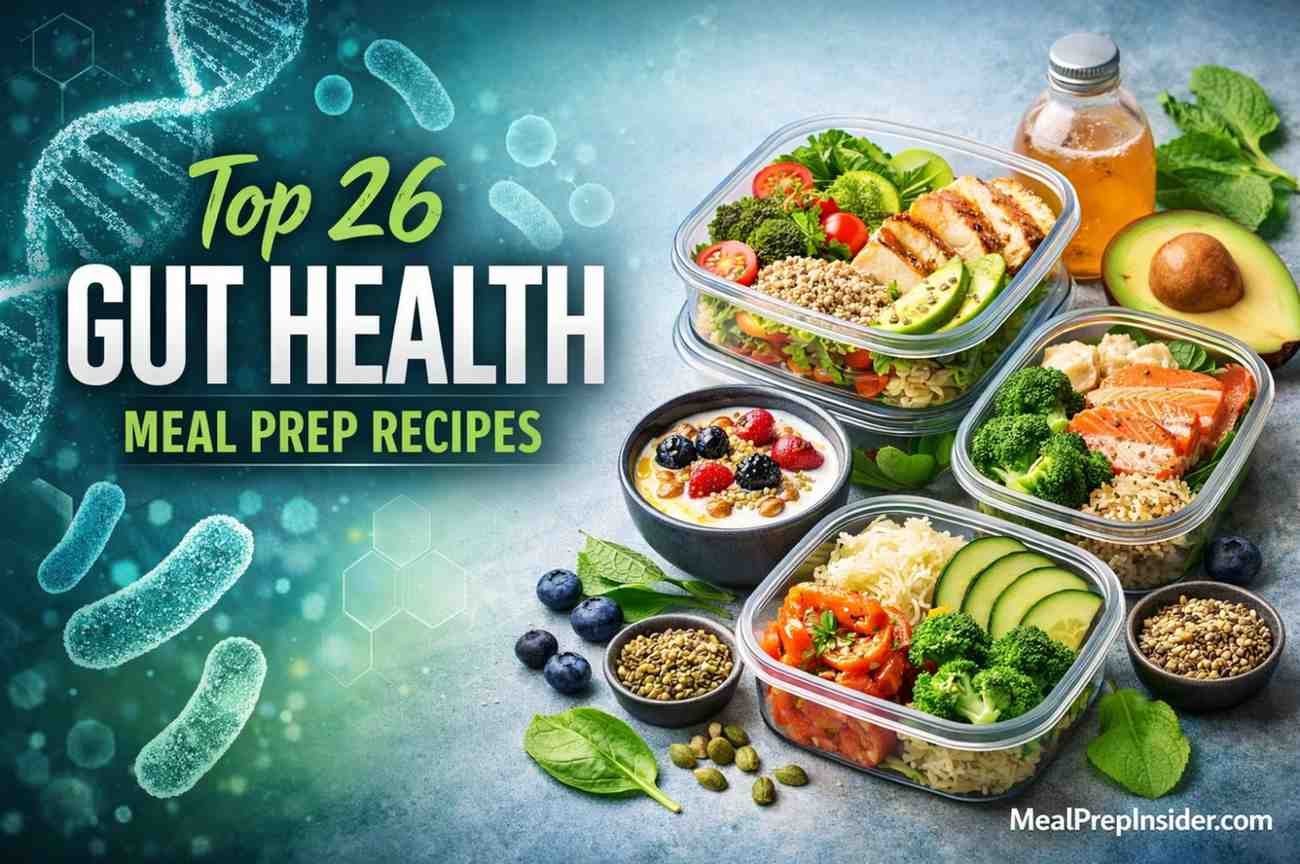
Gut health meal prep recipes have become the cornerstone of wellness routines across America, and honestly, it’s about time. Your digestive system doesn’t just handle food—it influences your mood, energy levels, immune function, and even how clearly you think.
I remember when my sister Sarah started complaining about constant bloating and afternoon crashes. She was living on takeout and quick fixes, totally disconnected from what her body needed. Fast forward six months of intentional meal prepping focused on gut health, and she’s a different person.
The thing is, most people know they should eat better for their gut. They just don’t know where to start or how to make it sustainable. That’s where meal prep changes everything.
Why Gut Health Meal Prep Recipes Matter More Than You Think
Your gut isn’t just a digestive organ. It’s home to trillions of bacteria that form your microbiome—a complex ecosystem that talks directly to your brain, regulates inflammation, produces vitamins, and guards against pathogens.
When you feed these beneficial bacteria the right stuff, they thrive. When you don’t? They struggle, and you feel it everywhere.
Meal prepping for gut health means you’re consistently feeding your body:
- Prebiotic fibers that nourish good bacteria
- Probiotic-rich foods that introduce beneficial strains
- Anti-inflammatory ingredients that reduce gut irritation
- Diverse whole foods that promote microbiome diversity
The beauty of prepping these meals ahead is that you remove the daily decision fatigue. No more standing in front of the fridge at 7 PM, exhausted, reaching for whatever’s convenient.
The Foundations Every Gut-Friendly Meal Needs
Before we dive into specific recipes, let’s talk about what makes a meal genuinely supportive of digestive health.
Fiber Comes First
Your gut bacteria feast on fiber. Without enough of it, they literally starve. The average American gets maybe 15 grams daily. You need closer to 30-40 grams from diverse sources.
Fermented Foods Are Non-Negotiable
Kimchi, sauerkraut, yogurt, kefir, miso—these aren’t trendy additions. They’re ancient foods that deliver live beneficial bacteria directly to your system.
Healthy Fats Reduce Inflammation
Omega-3s from fish, flax, and walnuts calm inflammatory responses in the gut lining. Olive oil and avocados provide additional anti-inflammatory benefits.
Variety Beats Perfection
Eating 30 different plant foods weekly creates more microbiome diversity than eating the same “healthy” meal seven times. Mix it up.
Gut Health Meal Prep Recipes: Breakfast Options
1. Overnight Oats with Kefir and Berries
Swap regular milk or water for kefir. You’re getting probiotics and prebiotics from the oats and polyphenols from berries.
Prep it Sunday night in mason jars. Grab and go all week.
Ingredients per jar:
- ½ cup rolled oats
- ¾ cup plain kefir
- ½ cup mixed berries
- 1 tablespoon ground flaxseed
- Drizzle of honey
2. Chia Pudding Parfaits
Chia seeds expand in liquid, creating that pudding texture while delivering massive fiber and omega-3s.
Layer with:
- 3 tablespoons chia seeds
- 1 cup almond milk
- ½ cup yogurt with live cultures
- Sliced kiwi and walnuts
Make five at once. They last beautifully in the fridge.
3. Savory Quinoa Breakfast Bowls
Not everyone wants something sweet in the morning. Quinoa provides complete protein and prebiotic fiber.
Combine cooked quinoa with:
- Sautéed spinach and mushrooms
- Soft-boiled egg
- Kimchi (yes, for breakfast)
- Sesame oil drizzle
- Pumpkin seeds
4. Banana Almond Butter Smoothie Packs
Freeze individual portions with:
- 1 banana (sliced)
- 1 tablespoon almond butter
- Handful of spinach
- 1 tablespoon ground flaxseed
- Probiotic powder
Just blend with kefir or yogurt each morning.
5. Sweet Potato Toast with Avocado
Slice sweet potatoes lengthwise into ½-inch planks. Bake until tender. Store in the fridge.
Toast until ready, then top with mashed avocado, sauerkraut, and hemp seeds.
The resistant starch in cooled-then-reheated sweet potatoes feeds beneficial bacteria.
Lunch Recipes That Love Your Gut Back
6. Mediterranean Chickpea Bowls
Chickpeas provide fiber and resistant starch. Pair with:
- Cucumber, tomatoes, red onion
- Kalamata olives
- Feta cheese
- Lemon-tahini dressing
- Fresh parsley
Prep the components separately. Assemble fresh.
7. Miso Ginger Chicken and Veggie Jars
Layer in wide-mouth jars:
- Miso ginger dressing at the bottom
- Shredded cabbage
- Edamame
- Grilled chicken
- Shredded carrots
- Sesame seeds
Shake and eat. The miso delivers probiotics while ginger calms inflammation.
8. Tempeh Buddha Bowls
Tempeh is fermented soy—probiotic-rich and packed with protein.
Marinate and bake tempeh strips. Serve over:
- Brown rice or farro
- Roasted Brussels sprouts
- Purple cabbage slaw
- Tahini drizzle
- Microgreens
9. Lentil and Vegetable Soup
Lentils are legit gut superstars. High in prebiotic fiber and protein.
Make a big batch with:
- Green or brown lentils
- Carrots, celery, onion
- Tomatoes
- Garlic and turmeric
- Vegetable broth
- Leafy greens added at the end
Portion into containers. Freezes beautifully.
10. Rainbow Slaw with Grilled Salmon
Salmon provides omega-3s. The slaw offers crunch and a diverse mix of fiber sources.
Shred together:
- Red and green cabbage
- Carrots
- Radishes
- Scallions
Dress with apple cider vinegar, olive oil, and Dijon mustard. Add grilled salmon on top.
11. Quinoa Tabbouleh with White Beans
Traditional tabbouleh uses bulgur, but quinoa works wonderfully.
Mix:
- Cooked quinoa
- Tons of fresh parsley and mint
- Tomatoes and cucumber
- Lemon juice and olive oil
- White beans for protein and fiber
12. Turkey and Veggie Roll-Ups
Sometimes you need something simple.
Spread hummus on turkey slices. Add:
- Sliced bell peppers
- Cucumber sticks
- Shredded carrots
- Baby spinach
Roll tight. Slice in half. Pack with fermented pickles.
Dinner Solutions for Digestive Wellness
13. Sheet Pan Chicken with Root Vegetables
One pan. Minimal cleanup. Maximum nutrition.
Roast together:
- Chicken thighs (bone-in for gut-healing collagen)
- Sweet potatoes
- Beets
- Parsnips
- Red onion
Season with herbs and olive oil. The fiber diversity here is fantastic.
14. Coconut Curry with Chickpeas and Spinach
Turmeric in curry reduces gut inflammation. Coconut milk soothes the digestive tract.
Simmer:
- Chickpeas
- Spinach
- Tomatoes
- Coconut milk
- Curry spices (turmeric, cumin, coriander)
- Fresh ginger and garlic
Serve over cauliflower rice or regular rice.
15. Baked Salmon with Asparagus and Quinoa
Asparagus contains inulin, a prebiotic fiber that feeds beneficial bacteria.
Bake salmon and asparagus together. Prep quinoa ahead.
Drizzle with lemon and dill.
16. Turkey Meatballs in Marinara Sauce
Make meatballs with:
- Ground turkey
- Almond flour or oat flour
- Egg
- Italian herbs
- Finely chopped spinach
Bake and simmer in marinara sauce. Portion with zucchini noodles or whole grain pasta.
17. Stir-Fry with Ginger, Garlic, and Loads of Veggies
The combination of ginger and garlic is powerful for gut health.
Stir-fry:
- Broccoli
- Bok choy
- Snap peas
- Mushrooms
- Your choice of protein
- Fresh ginger and garlic
- Tamari or coconut aminos
Prep all vegetables ahead. Cooking takes minutes.
18. Slow Cooker Bone Broth Stew
Bone broth provides collagen and gelatin that heal the gut lining.
Throw in your slow cooker:
- Bone broth
- Chicken or beef
- Root vegetables
- Onions and garlic
- Herbs
Cook on low for 8 hours. Portion and freeze.
19. Stuffed Bell Peppers with Ground Turkey and Quinoa
Bell peppers provide vitamin C and fiber. The filling offers protein and whole grains.
Mix:
- Cooked quinoa
- Ground turkey
- Diced tomatoes
- Onion and garlic
- Spices
Stuff peppers. Bake. Freeze extras.
Snacks and Sides That Support Your Microbiome
20. Homemade Sauerkraut
Simpler than you think. Just cabbage, salt, and time.
Shred cabbage. Massage with salt until the liquid releases. Pack tightly in a jar. Let ferment at room temperature for one to four weeks.
The probiotics here are powerful.
21. Roasted Chickpeas
Drain, rinse, and thoroughly dry the chickpeas. Toss with olive oil and spices.
Roast at 400°F until crispy.
Pack in small containers for grab-and-go protein and fiber.
22. Veggie Sticks with Fermented Hummus
Add miso paste to your regular hummus recipe for probiotic benefits.
Prep carrot sticks, celery, bell peppers, and cucumber. Portion with hummus.
23. Apple Slices with Almond Butter and Flaxseed
Apples contain pectin—a prebiotic fiber. Almond butter provides healthy fats. Flaxseed adds omega-3s and fiber.
Slice apples. Store in water with lemon juice to prevent browning. Pack almond butter and ground flaxseed separately.
24. Gut-Healing Gummies
Make gelatin gummies using:
- Fresh juice
- Grass-fed gelatin powder
- A touch of honey
Pour into molds. Refrigerate.
Gelatin supports gut lining integrity.
RELATED POST >> 33 Meal Prep Recipes for Lunch That Are Very Healthy
Complete Meal Combinations
25. The Five-Day Reset Prep
Here’s what one full week might look like:
Monday:
- Breakfast: Kefir overnight oats
- Lunch: Mediterranean chickpea bowl
- Dinner: Sheet pan chicken with root vegetables
- Snack: Veggie sticks with fermented hummus
Tuesday:
- Breakfast: Chia pudding parfait
- Lunch: Miso ginger chicken jar
- Dinner: Coconut curry with chickpeas
- Snack: Roasted chickpeas
Wednesday:
- Breakfast: Sweet potato toast with avocado
- Lunch: Lentil vegetable soup
- Dinner: Baked salmon with asparagus
- Snack: Apple with almond butter
Thursday:
- Breakfast: Savory quinoa bowl
- Lunch: Rainbow slaw with salmon
- Dinner: Turkey meatballs
- Snack: Gut-healing gummies
Friday:
- Breakfast: Smoothie pack
- Lunch: Quinoa tabbouleh
- Dinner: Stir-fry
- Snack: Sauerkraut and crackers
26. The Weekend Warrior Batch Cook
Dedicate three hours on Sunday to:
- Cook three pounds of chicken thighs
- Roast five types of vegetables
- Make two large batches of soup
- Prep all breakfast jars
- Ferment vegetables for the week
- Portion snacks
- Cook grains in bulk
Store everything in glass containers. Label with dates.
Your weekday self will thank you.
Pitfalls to Sidestep When Meal Prepping for Gut Health
Relying on the Same Five Ingredients
Your microbiome craves diversity. Eating chicken, broccoli, and rice every day won’t cut it. Rotate proteins. Variety vegetables. Switch up grains.
Ignoring Fermented Foods
I get it—kimchi smells strong. Sauerkraut seems weird. But these foods transform your gut health in ways supplements can’t match.
Start small. A tablespoon daily. Work up from there.
Over-Restricting Food Groups
Unless you have diagnosed allergies or intolerances, eliminating entire food groups often backfires. Your gut bacteria need different fuel sources.
Legumes, whole grains, diverse vegetables, fruits, nuts, seeds—they all play roles.
Forgetting About Hydration
All that fiber needs water to move through your system properly. Dehydration plus high fiber equals constipation and discomfort.
Drink water throughout the day.
Meal Prepping Without a Plan
Sunday arrives. You feel motivated. You start cooking randomly. Three hours later, you’ve made four servings of three different things that don’t go together.
Plan first. Shop second. Prep third.
How to Store Your Gut Health Meals Properly
Glass containers beat plastic every time. They don’t absorb odors, they’re microwave-safe, and they don’t leach chemicals.
Refrigerator Storage:
- Most prepped meals last 3-5 days
- Keep dressings separate until eating
- Store leafy greens with paper towels to absorb moisture
Freezer Storage:
- Soups and stews freeze beautifully for 3 months
- Cooked grains last about 1 month frozen
- Proteins maintain quality for 2-3 months
- Label everything with dates
Fermented Foods:
- Keep in the fridge after fermenting
- Use clean utensils when serving to prevent contamination
- Most ferments last months when properly stored
The Science Behind Why This Works
Research increasingly shows that gut health influences everything from mental health to weight management to immune function.
Studies indicate that people who eat more than 30 different plant foods weekly have more diverse gut microbiomes than those eating fewer than 10.
Fermented foods introduce beneficial bacteria strains that produce short-chain fatty acids—compounds that reduce inflammation, strengthen gut barriers, and even influence neurotransmitter production.
The fiber from whole foods feeds these bacteria, allowing them to thrive and outcompete potentially harmful microbes.
This isn’t about perfection. It’s about consistency. Small daily actions compound into significant health shifts over time.
Making It Work for Your Real Life
Listen, I know you’re busy. I know meal prep sounds time-consuming. I know starting new habits feels overwhelming.
Here’s the truth: You don’t need to prep every single meal. Start with one.
Maybe you just prep breakfasts. That’s huge. You’ve eliminated morning stress and decision fatigue.
Or perhaps you focus on lunches, so you stop eating sad desk sandwiches.
Some people only prep snacks. That’s valid too.
The point is progress, not perfection.
Sarah, my sister I mentioned earlier? She started by making overnight oats on Sundays. That’s it. Just breakfast for five days.
After a month, she added lunch prep. Three months in, she had a full routine.
Now she doesn’t even think about it. It’s just what she does.
Your gut didn’t get unhealthy overnight. It won’t heal instantly either. But with consistent, nutrient-dense meals, you’ll notice changes within weeks.
Better digestion. More energy. Clearer thinking. Improved mood.
Those benefits motivate you to keep going.
Shopping Tips for Maximum Efficiency
Buy in Bulk:
- Rolled oats
- Quinoa and brown rice
- Nuts and seeds
- Canned beans
- Frozen vegetables
Visit Farmers Markets:
Fresh, local produce often has a more diverse array of bacterial strains on it, which sounds gross but is beneficial for your microbiome.
Plus, it’s fresher and tastes better.
Keep Fermented Foods Stocked:
- Sauerkraut
- Kimchi
- Plain yogurt or kefir
- Miso paste
- Kombucha
Don’t Sleep on Frozen:
Frozen vegetables are picked at peak ripeness and flash-frozen. They’re nutritious, convenient, and reduce waste.
Shop Your Pantry First:
Before buying more, use what you have. This reduces waste and saves money.
Quick Meal Prep Timeline for Beginners
Sunday (2-3 hours):
Hour 1:
- Wash and chop all vegetables
- Start cooking grains
- Get proteins in the oven
Hour 2:
- Assemble breakfast jars
- Portion out snacks
- Make one big batch item (soup or stew)
Hour 3:
- Cool everything
- Portion into containers
- Label and store
- Clean kitchen
Wednesday Night (30 minutes):
- Quick refresh prep
- Wash any additional produce
- Make a fresh batch of something simple
- Restock snack containers
This rhythm keeps food fresh and prevents burnout.
Customizing Recipes for Your Specific Needs
For SIBO or IBS:
- Start with low-FODMAP versions
- Limit beans initially
- Focus on cooked vegetables
- Introduce fermented foods slowly
For Constipation:
- Emphasize high-fiber foods
- Include prunes or kiwi
- Add ground flaxseed to everything
- Increase water intake
For Diarrhea:
- Include soluble fiber (oats, bananas)
- Add probiotic foods gradually
- Include bone broth
- Avoid excess insoluble fiber initially
For Inflammation:
- Load up on omega-3s
- Use turmeric and ginger liberally
- Include berries daily
- Choose wild-caught fish over farmed
Everyone’s gut is different. What works for one person might not work for another. Pay attention to how you feel after eating certain foods.
FAQs
How long does it take to notice gut health improvements from these recipes?
Most people notice changes within 2-4 weeks. You might experience better digestion, more regular bowel movements, increased energy, or reduced bloating. Significant microbiome changes typically occur over 3-6 months of consistent dietary changes.
Can I meal prep if I have a small fridge?
Definitely. Focus on 3-4 days of meals instead of a full week. Use your freezer for items like soups, cooked grains, and proteins. Prep components rather than complete meals to save space.
Are fermented foods safe if I have a compromised immune system?
Consult your healthcare provider first. Some people with severely compromised immune systems need to avoid certain fermented foods. However, many fermented foods are safe and beneficial. Start with small amounts of pasteurized options if you’re concerned.
What if I hate the taste of fermented foods?
Start small. Add a teaspoon of sauerkraut to a meal. Mix miso into dressings. Blend kefir into smoothies. Your taste buds adapt over time. Also, homemade fermented foods often taste much better than store-bought versions.
How much should I spend on gut health meal prep?
You can do this on any budget. Buying whole foods in bulk, choosing seasonal produce, and making your own fermented foods keep costs down. Many people spend $50-100 weekly feeding one person with these recipes, which is comparable to or less than typical grocery bills.
Can kids eat these gut health meals?
Absolutely. Children benefit enormously from gut-healthy foods. You might need to adjust spice levels or textures for younger kids. Starting children early on a diverse, whole-food diet sets them up for better health long-term.
Do I need to take probiotics if I’m eating these foods?
Not necessarily. Food sources of probiotics are often more effective than supplements because they come with prebiotic fibers and other beneficial compounds. That said, certain strains in supplement form can help specific conditions. Discuss with a healthcare provider.
How do I meal prep if I work irregular hours?
Prep individual components rather than complete meals. Keep cooked proteins, grains, and chopped vegetables ready. Assemble meals whenever you eat. This flexibility prevents waste and accommodates unpredictable schedules.
What’s the biggest mistake people make with gut health meal prep?
Giving up too soon. Your taste preferences need time to change. Your gut bacteria need time to shift. Your habits need time to solidify. Commit to at least a month before deciding if this approach works for you.
Can I still eat out and maintain gut health?
Of course. This isn’t about restriction. When eating out, choose restaurants that offer whole-food options. Look for dishes with vegetables, quality proteins, and whole grains. Add fermented sides when possible. Balance is key.
How do I know if my gut health is actually improving?
Watch for: more regular bowel movements, less bloating and gas, improved energy levels, better mood, clearer skin, stronger immune function, and fewer food sensitivities. Keep a journal to track changes.
What if I don’t have time to cook from scratch?
Use shortcuts. Pre-cut vegetables, rotisserie chicken, canned beans, frozen grains, and pre-made bone broth all work. The goal is to nourish your body, not to be a chef. Do what fits your life.
Your Next Steps
You’ve got 26 recipes. You understand the principles. You know the common mistakes.
Now pick one recipe. Just one. Make it this week.
Next week, add another.
The month after that, you’ll have a rotation of gut-friendly meals you love.
Your digestive system is waiting for you to feed it well. Those trillions of bacteria are ready to thrive.
They’ll reward you with energy, mental clarity, better moods, and stronger immunity.
Start small. Stay consistent. Trust the process.
Your gut—and your whole body—will thank you.
SUGGESTED POST >> Easy High Protein Vegan Meal Prep No Tofu: Ultimate Guide