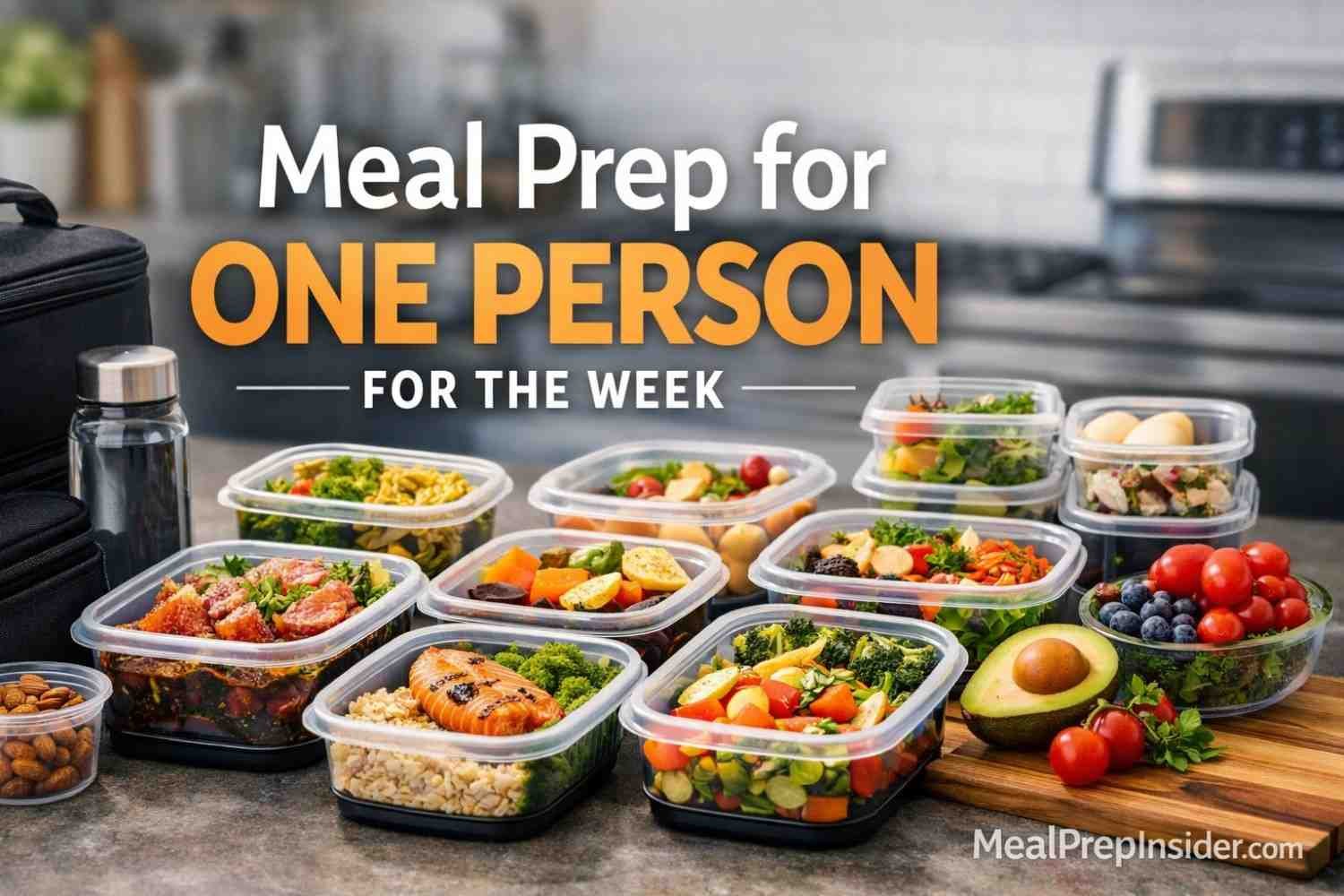
Meal prep for one person for the week has completely changed my Sunday mornings. I used to think preparing food in advance was only for bodybuilders or people with massive families. Boy, was I wrong.
Living alone in a cramped studio apartment in Brooklyn taught me something valuable. Cooking one meal at a time wasn’t just inefficient—it was draining my wallet and my energy. Between work deadlines and attempting to maintain some sort of social life, I found myself ordering takeout four nights a week. The financial damage? Roughly $400 a month on mediocre food.
That’s when everything shifted.
The Solo Meal Prep Revolution
Here’s the thing about preparing meals for just yourself: the rules are different. You’re not feeding a household of four. You don’t need industrial-sized containers or a second refrigerator.
You need a strategy.
The beauty of solo meal prepping lies in its flexibility. You control every ingredient, every portion, and every flavor profile. No compromises because your roommate hates cilantro or your partner won’t touch mushrooms.
This guide will walk you through everything you need to become a meal prep master—even if your kitchen is the size of a closet.
Why Bother with Meal Prep?
Let me paint you a picture. It’s Tuesday night. You’re exhausted from a twelve-hour workday. Your stomach is growling. The last thing you want to do is chop vegetables and wait for the chicken to cook.
What do you do?
Without meal prep: Order something greasy, expensive, and probably regrettable.
With meal prep: Open your fridge, grab a balanced meal, heat it up, and you’re eating within five minutes.
The benefits stack up quickly:
- Save 8-12 hours per week on cooking and cleaning
- Reduce food waste by up to 70%
- Cut your food budget by 40-60%
- Eat healthier because you’re in control
- Eliminate decision fatigue about what to eat
- Reduce stress during busy weekdays
A study from the American Journal of Preventive Medicine found that people who meal prep consume more nutritious foods and have lower obesity rates. The data doesn’t lie.
Getting Started: What You Really Need
Forget those Pinterest-perfect setups with matching containers and color-coded labels. You don’t need to spend $200 on gear.
Start with the basics:
Essential Equipment
Glass containers (4-6 containers with lids) work better than plastic. They don’t stain, they’re microwave-safe, and they last forever. I’ve had the same set for three years.
A decent chef’s knife makes everything easier. You don’t need a $300 Japanese blade. A sharp $30 knife beats a dull $100 one every time.
Cutting board, sheet pans, and mixing bowls round out your arsenal.
Optional But Helpful
Slow cooker or Instant Pot for hands-off cooking. Throw ingredients in before work, come home to finished meals.
Food scale if you’re tracking macros or watching portions closely.
Mason jars for salads, overnight oats, or snacks.
Freezer bags for long-term storage.
The Weekly Game Plan
This is where most people stumble. They dive in without a plan and end up with seven containers of bland chicken and broccoli.
Don’t be that person.
Step One: Choose Your Cooking Day
Sunday works for most people, but Wednesday or Saturday might fit your schedule better. Pick a day when you have 2-3 uninterrupted hours.
I prefer Sunday mornings. Coffee brewing, podcast playing, sunlight streaming through the windows. It’s become meditative.
Step Two: Plan Your Meals
Think in building blocks, not complete meals.
You need:
- 2-3 protein sources
- 3-4 vegetable options
- 2-3 carbohydrate bases
- Sauces and seasonings for variety
This approach prevents boredom. You can mix and match throughout the week instead of eating identical meals five days straight.
Sample Weekly Blueprint
Proteins:
- Baked chicken thighs with lemon and herbs
- Ground turkey taco meat
- Baked salmon fillets
Vegetables:
- Roasted broccoli and carrots
- Sautéed spinach with garlic
- Bell peppers and onions
Carbs:
- Brown rice
- Sweet potato cubes
- Quinoa
Sauces:
- Tahini dressing
- Salsa verde
- Teriyaki sauce
On Monday, you might have chicken, rice, and broccoli with tahini. Wednesday switches to turkey taco bowls with peppers and quinoa. Friday brings salmon with sweet potato and spinach.
Same ingredients. Different combinations. Zero boredom.
Shopping Like a Pro
Walking into the grocery store without a list is financial suicide.
Write everything down before you go. Organize by store section to save time wandering aisles.
Budget-Friendly Protein Sources
Chicken thighs cost less than breasts and taste better. They’re harder to overcook, too.
Eggs remain the cheapest complete protein. A dozen eggs provides six meals for under $4.
Canned tuna and salmon offer convenience without the premium price.
Ground turkey goes on sale frequently. Buy extra and freeze it.
Vegetable Strategy
Frozen vegetables get a bad reputation they don’t deserve. They’re picked at peak ripeness, flash-frozen, and often more nutritious than “fresh” produce that’s been sitting for days.
Buy what’s in season for fresh vegetables. Asparagus in spring, tomatoes in summer, squash in fall, root vegetables in winter.
Pre-cut vegetables save time but cost more. Decide if the convenience is worth the markup. On hectic weeks, it absolutely is.
Carb Considerations
Rice, pasta, and dried beans are dirt cheap. Stock up when they’re on sale.
Potatoes and sweet potatoes last weeks in a cool, dark place.
Bread can be frozen and toasted as needed.
The Prep Session: Step by Step
You’ve got your groceries. Your containers are clean. You’re ready.
Hour One: Prep Work
Wash and chop all vegetables first. This clears counter space and gets the tedious work done.
Season your proteins and get them ready for cooking.
Start anything that takes the longest—rice in the rice cooker, potatoes in the oven.
Hour Two: Active Cooking
This is when multiple things happen simultaneously.
Chicken goes in the oven. While that bakes, sauté your vegetables. Cook your ground turkey on the stovetop. Steam your broccoli.
Use every burner. Maximize your oven space with multiple sheet pans.
Professional kitchens call this “mise en place”—everything in its place. You’re essentially running a one-person restaurant.
Hour Three: Assembly and Storage
Let everything cool slightly before packing. Hot food creates condensation, which leads to soggy meals and faster spoilage.
Portion your meals into containers. Label them with dates if you’re freezing anything.
Clean as you go. In the future, you will appreciate walking into a clean kitchen on Monday morning.
Recipes That Actually Work for One
Theory is nice. Recipes are better.
Lemon Herb Chicken Thighs
Ingredients:
- 6 chicken thighs (bone-in, skin-on)
- 2 lemons
- 4 garlic cloves, minced
- Fresh rosemary and thyme
- Olive oil
- Salt and pepper
Method:
Pat chicken dry. Season generously with salt and pepper. Rub with minced garlic, chopped herbs, and lemon zest. Drizzle with olive oil.
Bake at 425°F for 35-40 minutes until skin is crispy and internal temperature hits 165°F.
Squeeze fresh lemon juice over the top before serving.
This makes 6 servings. Each thigh is one meal’s protein.
Sheet Pan Teriyaki Salmon and Vegetables
Ingredients:
- 4 salmon fillets
- 2 cups broccoli florets
- 1 bell pepper, sliced
- 1 cup snap peas
- Teriyaki sauce
- Sesame seeds
Method:
Arrange vegetables on a sheet pan. Drizzle with oil and season.
Place salmon fillets among the vegetables. Brush with teriyaki sauce.
Roast at 400°F for 12-15 minutes.
Garnish with sesame seeds.
Four complete meals from one pan. Minimal cleanup.
Turkey Taco Bowl Base
Ingredients:
- 1.5 lbs ground turkey
- Taco seasoning
- 1 onion, diced
- 1 bell pepper, diced
- Black beans
- Corn
Method:
Brown turkey in a large skillet. Add onion and pepper, cooking until soft.
Stir in taco seasoning, black beans, and corn. Cook for 5 minutes.
This pairs with rice, quinoa, or salad. Top with salsa, avocado, or Greek yogurt.
Makes 5-6 servings.
Overnight Oats (No-Cook Breakfast)
Basic Formula:
- 1/2 cup rolled oats
- 1/2 cup milk (dairy or non-dairy)
- 1 tablespoon chia seeds
- Sweetener to taste
- Toppings of choice
Method:
Mix everything in a mason jar. Refrigerate overnight.
In the morning, add fresh fruit, nuts, or nut butter.
Make five jars on Sunday. Breakfast is handled for the week.
Flavor Variations:
- Apple cinnamon with diced apples and cinnamon
- Chocolate peanut butter with cocoa powder and PB
- Berry vanilla with mixed berries and vanilla extract
- Banana nut with mashed banana and walnuts
Storage Secrets That Extend Freshness
Even perfectly cooked food goes bad if you store it incorrectly.
The Three-Day Rule
Keep meals you’ll eat within the next 3 days in the fridge. Everything else goes in the freezer.
Cooked proteins last 3-4 days refrigerated. Rice and grains last 4-5 days. Cooked vegetables last 3-5 days, depending on water content.
Freezer Strategy
Most cooked foods freeze beautifully for 2-3 months.
Exceptions: anything with high water content, like cucumbers, lettuce, or cream-based sauces.
Freeze meals flat in freezer bags to save space. They stack like books once frozen.
Container Wisdom
Glass containers prevent flavors from transferring between meals. Nobody wants their breakfast oats tasting like yesterday’s curry.
Leave space at the top of containers. Food expands when frozen.
Store sauces and dressings separately to prevent soggy situations.
RELATED POST >> Meal Prep Manual: Best Meal Prep Made Simple (Finally)
Mix-and-Match Meal Matrix
Here’s a framework that prevents meal prep monotony.
| Meal | Protein | Carb | Vegetable | Sauce |
|---|---|---|---|---|
| Monday | Chicken | Rice | Broccoli | Tahini |
| Tuesday | Salmon | Sweet Potato | Spinach | Lemon Butter |
| Wednesday | Turkey | Quinoa | Peppers | Salsa |
| Thursday | Chicken | Pasta | Spinach | Pesto |
| Friday | Salmon | Rice | Carrots | Teriyaki |
Same ingredients. Different combinations. That’s the secret.
Pitfalls to Sidestep
I’ve made every mistake in the book. Learn from my failures.
Trap Number One: Over-Complicating Things
Your first meal prep doesn’t need to be Instagram-worthy. Simple food prepared well beats complex recipes executed poorly.
Start with three or four basic recipes. Master those before adding complexity.
Trap Number Two: Prepping Too Much
Enthusiasm is great. Making twelve meals when you eat out twice a week is wasteful.
Be honest about your actual eating habits. Prep for the meals you’ll genuinely eat at home.
Trap Number Three: Skipping Seasoning
Underseasoned food is the number one reason people abandon meal prep.
Season generously. Taste as you cook. Add acid (lemon, vinegar) and fat (olive oil, butter) to make flavors pop.
Trap Number Four: Ignoring Texture
Reheated crispy chicken will never be crispy again. Accept this truth.
Focus on meals that reheat well: stews, curries, grain bowls, soups. Save dishes requiring textural perfection for fresh cooking.
Trap Number Five: Not Planning for Snacks
You’ll get hungry between meals. If healthy snacks aren’t prepped, you’ll raid the vending machine.
Prep snacks too:
- Cut vegetables with hummus
- Hard-boiled eggs
- Mixed nuts portioned into bags
- Greek yogurt with berries
- Apple slices with almond butter
Budget Breakdown: What It Really Costs
Let’s talk numbers. Real numbers from my actual grocery receipts.
Weekly Shopping List and Costs
Proteins ($15-20):
- Chicken thighs: $8
- Ground turkey: $6
- Eggs (dozen): $4
Vegetables ($12-15):
- Broccoli: $3
- Spinach: $3
- Bell peppers: $4
- Onions: $2
- Carrots: $2
Carbohydrates ($8-10):
- Rice (bulk): $2
- Sweet potatoes: $4
- Quinoa: $3
Pantry staples ($10-15):
- Olive oil, spices, and sauces (buying in bulk and using across weeks)
Total Weekly Cost: $45-60
That’s $6.50 to $ 8.50 per day for all meals. Compare that to $15- $ 20 per restaurant meal.
Monthly savings compared to eating out? Over $300.
Time Investment vs. Time Saved
People say they don’t have time to meal prep. Let’s do the math.
Traditional cooking:
- 30-45 minutes per dinner × 5 nights = 150-225 minutes
- Breakfast prep each morning: 15 minutes × 7 days = 105 minutes
- Lunch decision-making and acquisition: 20 minutes × 5 days = 100 minutes
Total weekly time: 355-430 minutes (6-7 hours)
Meal prep approach:
- Sunday prep session: 2-3 hours (120-180 minutes)
- Reheating throughout the week: 5 minutes × 15 meals = 75 minutes
Total weekly time: 195-255 minutes (3-4 hours)
You’re saving 3-4 hours every single week. That’s over 150 hours annually.
Adapting for Different Diets
Solo meal prep works regardless of your dietary preferences.
Plant-Based Approach
Swap animal proteins for:
- Lentils and beans (cheap and protein-dense)
- Tofu and tempeh (marinate before cooking)
- Chickpeas (roast them for snacks)
- Seitan for a meaty texture
The prep method stays identical. Building blocks remain the same.
Low-Carb Strategy
Replace traditional carbs with:
- Cauliflower rice
- Zucchini noodles
- Spaghetti squash
- Extra vegetables
Increase intake of healthy fats from avocados, nuts, and olive oil to maintain calorie intake.
High-Protein Focus
Double your protein portions. Add Greek yogurt, cottage cheese, and extra eggs throughout the day.
Prep protein-focused snacks like beef jerky, protein balls, or turkey roll-ups.
Meal Prep Beyond Dinner
Most people prep lunch and dinner but neglect breakfast and snacks.
Breakfast Options
Egg muffins: Whisk eggs with vegetables and cheese. Pour into muffin tins. Bake. Grab and go.
Breakfast burritos: Scrambled eggs, beans, cheese, and salsa wrapped in tortillas. Freeze individually.
Chia pudding: Similar to overnight oats but with chia seeds as the base.
Portable Lunches
Mason jar salads: Dressing on the bottom, hearty vegetables and proteins in the middle, greens on top. Shake and eat.
Bento-style boxes: Multiple compartments keep foods separate. Perfect for variety without mixing flavors.
Wraps and sandwiches: Make several at once. Wrap tightly in foil.
The Mental Game
Here’s what nobody tells you about meal prep: the biggest obstacle isn’t time or money.
It’s consistency.
The first two weeks feel like a chore. You’re learning systems, figuring out timing, making mistakes.
Push through.
By week three or four, it becomes automatic. You stop thinking about it. Your body adapts to the routine.
Building the Habit
Start small. Prep just dinners for the first month. Once that feels natural, add breakfasts.
Schedule your prep session like a meeting. Put it on your calendar. Treat it as non-negotiable.
Prepare your environment. Clean your kitchen on Saturday night. Have all equipment ready.
Staying Motivated
Track your savings. Seeing $300+ stay in your bank account each month is powerful motivation.
Take photos of your meals. Progress pictures aren’t just for weight loss. Documenting your improved prep skills feels rewarding.
Find a meal prep buddy. Share recipes, compare notes, create friendly competition.
Advanced Techniques
Once you’ve mastered the basics, these strategies level up your game.
Batch Cooking Specific Components
Instead of complete meals, prep in bulk:
- Cook 3 pounds of chicken at once
- Roast entire sheet pans of vegetables
- Make huge batches of grains
Assemble meals throughout the week, adding fresh elements as you go.
Freezer Meal Stashes
Dedicate one prep session monthly to freezer meals. Make double batches of soups, chilis, and casseroles.
Build a rotating freezer inventory. You’ll always have backup options for busy weeks.
Protein Prep Variations
Marinate proteins in different flavors before freezing. Thaw and cook later for instant variety.
One grocery trip, multiple flavor profiles.
Cooking Methods That Change Everything
Sheet Pan Mastery
Everything cooks in one pan at the same temperature. Minimal cleanup, maximum efficiency.
Protein in the center, vegetables around the edges. Different items finish at different times—remove as they’re done.
Slow Cooker Efficiency
Dump ingredients in the morning. Return to finished meals.
Perfect for tougher cuts of meat that become tender with low, slow cooking. Pot roasts, pulled chicken, and stews shine here.
Instant Pot Speed
Pressure cooking slashes cooking time. Dried beans become tender in 30 minutes instead of hours.
Rice, grains, and proteins cook faster while you prep other components.
Troubleshooting Guide
Problem: Food Tastes Bland
Solution: Season more aggressively than you think necessary. Add finishing touches before eating—fresh herbs, a squeeze of citrus, a pinch of flaky salt.
Problem: Meals Get Boring
Solution: Change your sauce game. Five different sauces transform the same base meal into five distinct experiences.
Problem: Food Spoils Before You Eat It
Solution: Freeze more aggressively. Only keep three days of meals refrigerated.
Problem: Reheated Food Is Gross
Solution: Add moisture when reheating. A splash of water or broth prevents drying out. Reheat at lower temperatures for longer times.
Making It Sustainable Long-Term
The best meal prep system is the one you’ll maintain for months and years, not weeks.
Flexibility Is Key
Some weeks you’ll have more time. Others, you’ll be slammed. Adjust accordingly.
Keep frozen emergency meals for those weeks when life gets chaotic.
Eating Out Still Has Its Place
Meal prep isn’t about enjoying restaurant food again. It’s about intentional choices versus desperate decisions.
Budget for one or two restaurant meals weekly. Make them special, not just convenient.
Seasonal Rotation
Change your recipes with the seasons. Hearty stews in winter, light salads in summer.
This prevents burnout and takes advantage of seasonal produce pricing.
Meal Prep for One Person for the Week: FAQs
How long does meal-prepped food last in the fridge?
Most cooked proteins and vegetables last 3-4 days refrigerated. Grains and starches can last 4-5 days. Anything you won’t eat within three days should go directly into the freezer, where it stays fresh for 2-3 months.
Can I meal prep if I have a tiny kitchen?
Absolutely. You don’t need a massive kitchen for successful meal prep. Focus on one-pan meals and dishes that cook in a single pot. Use vertical storage for containers. A slow cooker or Instant Pot maximizes results while taking up minimal space.
What if I get tired of eating the same things?
Prepare components rather than complete meals, then mix and match throughout the week. Different sauces and seasonings transform basic ingredients into varied meals. Swap one or two elements each week to maintain variety.
Is meal prep worth it for just one person?
Yes, especially for one person. You waste less food, save significant money, and maintain better eating habits. The time and cost savings are proportionally greater for solo eaters than families since you avoid the temptation of expensive single-serving takeout.
Do I need expensive containers?
No. Start with whatever you have. Basic glass containers with lids work perfectly and cost $15-25 for a set. They last for years and don’t absorb odors or stains like plastic. This is one of your only essential investments.
Can I meal prep without a freezer?
You can, but it limits you to 3-4 days of meals. Shop and prep twice weekly instead of once. Focus on ingredients with longer refrigerator life—root vegetables, cabbage, and citrus last longer than delicate greens.
How do I prevent freezer burn?
Remove as much air as possible from containers or bags before freezing. Use freezer-specific bags or containers. Wrap items in plastic wrap before placing them in containers for extra protection. Label everything with dates and eat frozen meals within 2-3 months.
What meals don’t reheat well?
Crispy foods lose texture when reheated. Cream-based sauces can separate. Delicate fish can dry out. Fresh salads become soggy. Pasta can get mushy. Stick with grain bowls, roasted proteins, steamed vegetables, and heartier dishes that improve with time.
How do I calculate portions for just myself?
Plan for 4-6 ounces of protein, 1/2 to 1 cup of carbs, and 1-2 cups of vegetables per meal. Adjust based on your activity level and goals. Use your plate as a guide: half vegetables, a quarter protein, and a quarter carbs.
What if I work irregular hours?
Prep on your actual day off, whenever that falls. Focus on foods that work for any meal—grain bowls, egg dishes, and versatile proteins. Store meals in individual portions so you can grab whatever fits your schedule.
The transformation isn’t overnight. It’s gradual.
But three months from now, you’ll wonder how you ever survived without meal prep. Your bank account will be healthier. Your body will feel better. Those Sunday mornings in the kitchen will become your favorite part of the week.
Start this weekend. Pick three simple recipes. Spend two hours prepping.
Then watch everything change.
SUGGESTED POST >> Best Meal Prep Storage Tips: Doing It the Right Way