What Is Meal Prep and How Does It Work?: Meal prep saves time, money, and stress. Learn exactly how it works, what to cook first, and how real people in the US make it stick every single week.
You’ve probably heard someone say they “meal prepped Sunday” like it’s the most productive thing a human can do. And honestly? It kind of is.
But what does it actually mean? And more importantly, does it work for regular people — not just fitness influencers with $400 worth of matching glass containers?
Yes. It does. Let’s break it down.
What Is Meal Prep and How Does It Work? What Meal Prep Actually Means
Meal prep is the practice of preparing some — or all — of your meals ahead of time. That could mean cooking full dinners on Sunday, so you’re not scrambling on Tuesday night. Or it could mean chopping vegetables, portioning snacks, or batch-cooking grains so your week runs smoother.
It’s not one-size-fits-all. There’s no single right way to do it.
Some people prep every single meal for seven days. Others just get dinner ready for the workweek. Both count. Both work.
The goal is simple: reduce the number of decisions you have to make when you’re tired, hungry, and standing in front of an open fridge at 6:47 PM.
Why So Many Americans Are Doing It
Meal prep isn’t a trend that quietly faded. It’s grown. A lot.
Between busy work schedules, rising grocery prices, and the general exhaustion of modern life, more people in the US are turning to meal prep as a practical solution — not a lifestyle statement.
Here’s what’s driving it:
- Time pressure. The average American spends over an hour a day on food preparation and cleanup. Meal prep compresses that.
- Money. Eating out is expensive. The average American spends around $ 3,000 a year on dining out. Home-prepped meals cut that significantly.
- Health goals. When food is already made, people are less likely to reach for fast food or processed snacks.
- Mental load. Deciding what to eat every single day is exhausting. Prep eliminates most of that.
It’s not about being perfect. It’s about making your week easier before it starts.
The Different Types of Meal Prep
This is where people get confused. They think meal prep means spending eight hours in the kitchen making identical Tupperware containers of chicken and broccoli. It doesn’t have to look like that.
There are actually several distinct styles. Pick the one that fits your life.
1. Full Meal Prep
You cook everything — breakfast, lunch, dinner, and snacks — for the entire week in one or two sessions. Everything is portioned and stored. You just grab and go.
This works well for people with very predictable schedules and specific fitness or dietary goals.
2. Batch Cooking
You make large quantities of specific dishes and freeze or refrigerate them in portions. Think: a giant pot of chili, a tray of lasagna, or a batch of turkey meatballs.
You’re not eating the same thing every day, but you always have something ready to defrost.
3. Ingredient Prep
Instead of making full meals, you prep the building blocks. Cook rice. Roast vegetables. Grill chicken. Hard-boil eggs. Wash and chop produce.
Then during the week, you mix and match to build meals quickly. This gives you flexibility without starting from scratch every night.
4. Partial Prep
You just tackle the most annoying parts of cooking in advance. Marinate the protein. Make the sauce. Portion out dry ingredients. So when it’s time to cook, 60% of the work is already done.
5. Freezer Prep
You cook in bulk specifically to freeze. These are meals designed to last weeks or months. Great for busy months ahead or unexpected schedule changes.
Most people end up combining two or three of these approaches without even realizing it.
How Meal Prep Actually Works: Step by Step
Let’s walk through the process from scratch. No assumptions. No skipping steps.
Step 1: Pick Your Prep Day
Most people use Sunday. Some prefer Saturday morning or Wednesday evening for a midweek refresh.
It doesn’t matter which day. What matters is consistency. Pick a day you can protect for at least 2–3 hours and stick with it.
Step 2: Plan Your Meals for the Week
Before you buy anything, decide what you’re actually going to eat.
Ask yourself:
- How many meals do I need to prep? (Just dinners? Lunches too?)
- What do I already have in the fridge or pantry?
- What does my week look like? Any nights out? Any events?
- Am I cooking for just myself, or a family?
Write it down. Even a rough sketch works. A meal plan doesn’t have to be elaborate — it just has to exist.
| Day | Breakfast | Lunch | Dinner |
|---|---|---|---|
| Monday | Overnight oats | Grain bowl | Sheet pan chicken |
| Tuesday | Same | Leftover grain bowl | Pasta with marinara |
| Wednesday | Egg muffins | Turkey wraps | Slow cooker chili |
| Thursday | Same | Chili leftovers | Stir fry |
| Friday | Smoothie | Out | Pizza night |
Simple. Flexible. Doable.
Step 3: Build Your Grocery List
Work backwards from your meal plan. List every ingredient you need and check what you already have.
Group the list by section — produce, proteins, pantry, dairy — so you’re not wandering the store back and forth. This alone saves 15–20 minutes per shopping trip.
Pro tip: Shop with a list and don’t deviate much. Impulse buys are fine occasionally, but they also introduce the “what do I do with this?” problem later in the week.
Step 4: Grocery Shop
Pretty self-explanatory. But a few things are worth mentioning:
Buy proteins in bulk when they’re on sale and freeze what you don’t need this week. Chicken thighs, ground turkey, and salmon freeze well.
Don’t overlook frozen vegetables. They’re just as nutritious as fresh, often cheaper, and they don’t go bad before you get to them.
Canned goods — beans, tomatoes, coconut milk — are meal prep’s best friends. Always keep them stocked.
Step 5: Set Up Before You Start Cooking
Before you touch anything, read through all your recipes. Pull out every pan, bowl, cutting board, and container you’ll need. Clear your counter.
This sounds tedious. It saves you from chaos halfway through.
Preheat your oven before you start chopping. Get things moving in parallel. Experienced preppers are always running 2–3 things at once — something in the oven, something on the stove, something being chopped on the counter.
Step 6: Cook in the Right Order
This matters more than people realize. Start with what takes the longest.
A general sequence:
- Get grains started (rice, quinoa, take 15–20 minutes)
- Put proteins in the oven (chicken, salmon, meatballs)
- Roast vegetables
- Prep raw ingredients (chop, marinate, portion)
- Make sauces, dressings, or soups last
By the time you finish the quick stuff, the long stuff is almost done. You’re working smart, not just hard.
RELATED POST >> How Long Does Meal Prep Last in the Fridge?: Safe to Eat
Step 7: Cool, Store, and Label
Don’t rush this part. Hot food placed in the fridge raises the internal temperature, which can cause other food to spoil faster.
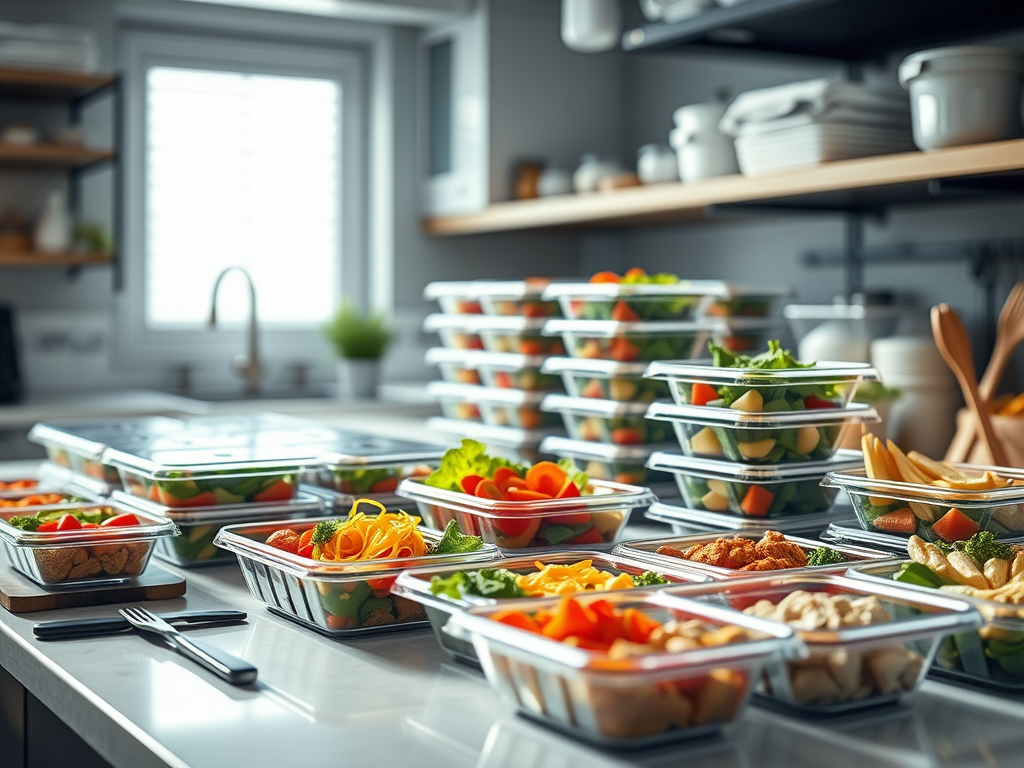
Let everything cool for 20–30 minutes before sealing containers. Then label them — what they are and when you made them. This sounds unnecessary until you’re staring at three identical containers of mystery protein at 7 AM.
Most prepped meals last:
| Food Type | Fridge | Freezer |
|---|---|---|
| Cooked chicken/turkey | 3–4 days | 2–6 months |
| Cooked fish | 2–3 days | Up to 3 months |
| Cooked grains (rice, quinoa) | 4–6 days | Up to 2 months |
| Soups and stews | 4–5 days | 2–3 months |
| Cut raw vegetables | 3–5 days | Not ideal |
| Hard-boiled eggs | Up to 1 week | Not recommended |
| Cooked pasta | 3–5 days | Up to 2 months |
Step 8: Actually Use What You Prepped
This is where it breaks down for many people. They prep on Sunday, feel amazing, and then forget about it by Wednesday.
Put your containers at eye level in the fridge. Not stuffed in the back. Not behind leftovers from last Thursday. Right in front, visible.
If you prepped it, eat it. That’s the deal.
What to Meal Prep First (If You’re Brand New)
Don’t start with an ambitious 12-recipe spread. You’ll burn out before week two.
Start small. Here’s what beginners should focus on first:
Proteins:
- Baked chicken thighs (olive oil, salt, pepper — that’s it)
- Ground beef or turkey (cook a big batch plain, season later)
- Hard-boiled eggs (make 6–8 at a time)
Grains and Carbs:
- White or brown rice
- Quinoa
- Roasted sweet potatoes
Vegetables:
- Roasted broccoli, cauliflower, or zucchini
- A big salad base (without dressing — add it fresh each day)
- Pre-washed salad greens
Breakfast:
- Overnight oats (make 4–5 jars at once)
- Egg muffins (bake in a muffin tin, grab one each morning)
These basics mix and match easily. You can go from “I have nothing to eat” to “I have six meals ready” in about 90 minutes.
Common Meal Prep Mistakes and How to Avoid Them
Everyone makes these. Most people just don’t know they’re doing it.
Prepping too much variety at once. Five different recipes on day one sounds exciting. It’s also a recipe for spending four hours in the kitchen and hating the whole process by the end. Stick to three or four things when you’re starting out.
Not accounting for food fatigue, if you make one giant batch of the exact same meal for seven days, you will be sick of it by day four. Build in some variety — even small things like different sauces or seasonings make a big difference.
Skipping the label, you’ll forget. You always forget. Label everything.
Using the wrong containers, flimsy containers leak. Mismatched lids waste your time every morning. Invest in a basic set of glass containers with secure lids. You don’t need anything fancy — just functional.
Prepping food that doesn’t reheat well. Some foods are terrible after a few days. Dressed salads get soggy. Fried foods lose their texture. Scrambled eggs get rubbery. Know what reheats well before you commit to prepping it.
Foods that reheat well: grains, soups, roasted proteins, stews, casseroles, and pasta with sauce.
Foods that don’t: anything crispy, fresh salads with dressing, delicate fish.
Overcomplicating the recipes. Meal prep isn’t the time to try a new complicated dish. Save the experiments for a weekend dinner. Prep meals should be simple, familiar, and predictable.
Meal Prep for Different Goals
Meal prep looks different depending on what you’re working toward.
For weight loss: Focus on portion control and protein. Weigh or measure portions before storing. Pack meals with lean protein, fiber-rich vegetables, and modest amounts of complex carbs. Keep calorie-dense sauces and dressings on the side.
For muscle building: Prioritize protein at every meal. Think chicken, eggs, Greek yogurt, cottage cheese, and legumes. Make sure your carb sources are substantial — rice, oats, sweet potatoes — to fuel workouts.
For busy families: Double everything. Cook once, feed twice. Focus on crowd-pleasers that kids and adults both like — pasta, tacos, soups. Make components that can be assembled differently for different preferences.
For budget eating: Build meals around cheap staples. Rice, beans, lentils, eggs, oats, cabbage, and frozen vegetables are incredibly affordable. A week of meals for one person can cost as little as $25–30 with good planning.
For eating healthier in general: You don’t need a specific goal. Just having healthy food readily available is enough to shift your habits. When the good option is the easy option, you choose it more often.
What Containers to Use
You don’t need a matching set of anything. But the container you choose does matter.
| Container Type | Best For | Pros | Cons |
|---|---|---|---|
| Glass (with locking lids) | General all-purpose use | Durable, non-toxic, microwave safe | Heavier, breakable |
| BPA-free plastic | On-the-go, lightweight needs | Lightweight, affordable | Can stain, less durable over time |
| Mason jars | Overnight oats, salads, soups | Airtight, cheap, versatile | Breakable, not ideal for large portions |
| Silicone bags | Freezer storage, snacks | Reusable, flexible | More expensive upfront |
| Divided containers | Meals with multiple components | Keeps foods separate | Bulkier to store |
A starter kit: 10 glass containers in two sizes (one for meals, one for snacks). That’s really all you need.
How Long Does Meal Prep Take?
This is probably the biggest hesitation people have. “I don’t have time to spend all Sunday in the kitchen.”
Fair concern. Here’s the reality:
For a beginner prepping 4–5 dinners and some lunches: 2–3 hours, including grocery shopping.
For someone who’s been doing it for a few months: 60–90 minutes.
For an experienced prepper who knows their recipes cold: 45–60 minutes.
It gets faster. Every week, you’re refining your process, getting more efficient with your time, and making fewer decisions because you know what you’re doing.
The first few weeks feel slow. Stick with it.
Meal Prep on a Budget
This is where meal prep really shines for many Americans.
The average cost of a restaurant meal in the US is around $13–20. A home-cooked meal with quality ingredients? Often $2–5 per serving.
Here’s how to keep costs low:
- Shop sales and plan around them. If chicken is on sale, build your week’s meals around chicken.
- Use cheaper protein sources. Eggs, canned tuna, beans, and lentils are nutritious and extremely affordable.
- Buy frozen produce. Frozen spinach, broccoli, peas, and corn are nutritionally equivalent to fresh and cost significantly less.
- Make use of pantry staples. Olive oil, garlic, dried herbs, soy sauce, and vinegar can make simple ingredients taste great without adding much cost.
- Don’t waste anything. Use vegetable scraps for stock. Use leftover rice for fried rice. Use wilted greens in a soup or smoothie.
A realistic weekly meal prep grocery budget for one person: $40–60. For two: $70–100. Less if you’re strategic.
Keeping It Sustainable Week After Week
Most people quit within a month. Here’s why — and how to avoid it.
It felt like a chore, not a system. Reframe it. Meal prep isn’t punishment. It’s the thing that makes your week not suck. That shift in mindset matters.
They got bored. Rotate your proteins every week. Change up your sauces. Try one new recipe per prep session alongside your reliable staples. Novelty keeps it interesting.
Life got in the way. Sometimes you’re not going to prep. That’s fine. Don’t let one missed Sunday turn into a month-long gap. Even a partial prep — just getting some rice and chicken cooked — is better than nothing.
They were too rigid. If you planned grilled salmon but the salmon looks bad at the store, pivot. Flexibility is part of the process.
The people who stick with meal prep long-term aren’t more disciplined than everyone else. They just build realistic systems and forgive themselves when it doesn’t go perfectly.
FAQs
Q: How do I start meal prepping if I’ve never done it before? Start with just one component — protein. Cook a big batch of chicken or ground beef and use it throughout the week in different ways. Once that becomes easy, add grains. Then vegetables. Build slowly.
Q: Is meal prep actually healthier? Generally, yes. Home-cooked food typically has fewer additives, less sodium, and better portion control than restaurant meals. But it’s also about consistency — eating well most of the time is more impactful than any one perfect meal.
Q: Can I meal prep if I have dietary restrictions? Absolutely. Meal prep works exceptionally well for people with dietary needs — gluten-free, dairy-free, vegan, keto, whatever — because you control every ingredient. No guessing what’s in your food.
Q: Do I need special equipment? No. A sheet pan, a large pot, a cutting board, a sharp knife, and some storage containers will carry you through most meal prep sessions. A slow cooker or Instant Pot is useful but not necessary.
Q: What if my family has different tastes? Prep components separately and let people assemble their own plates. Cook the protein plain and let people add their own sauces. Build “base + toppings” style meals that everyone can customize.
Q: Can I meal prep breakfast? Yes, and it makes a noticeable difference in morning routines. Overnight oats, egg muffins, smoothie bags you just blend and go, and pre-made breakfast burritos are all excellent options.
Q: How do I keep from getting bored eating the same things? Variety doesn’t have to come from different meals — it can come from different seasonings, sauces, or textures. The same grilled chicken can become tacos, a grain bowl, a pasta topping, or a salad, depending on what you put with it.
Q: Is meal prep worth it for just one person? Absolutely. Single-person meal prep is actually easier because you only have to satisfy one set of preferences. It’s one of the best ways to eat well without spending a lot or wasting food.
Meal prep isn’t magic. It’s just cooking with some foresight.
You don’t need to overhaul your entire life to do it. You don’t need a perfect kitchen or a nutrition degree. You just need a plan, a grocery list, and a couple of hours.
Start small. Stay flexible. And eat well all week without thinking about it.
That’s the whole point.
SUGGESTED POST >> 20 Make Ahead Meal Prep Recipes to Cook Once: Save Time Now