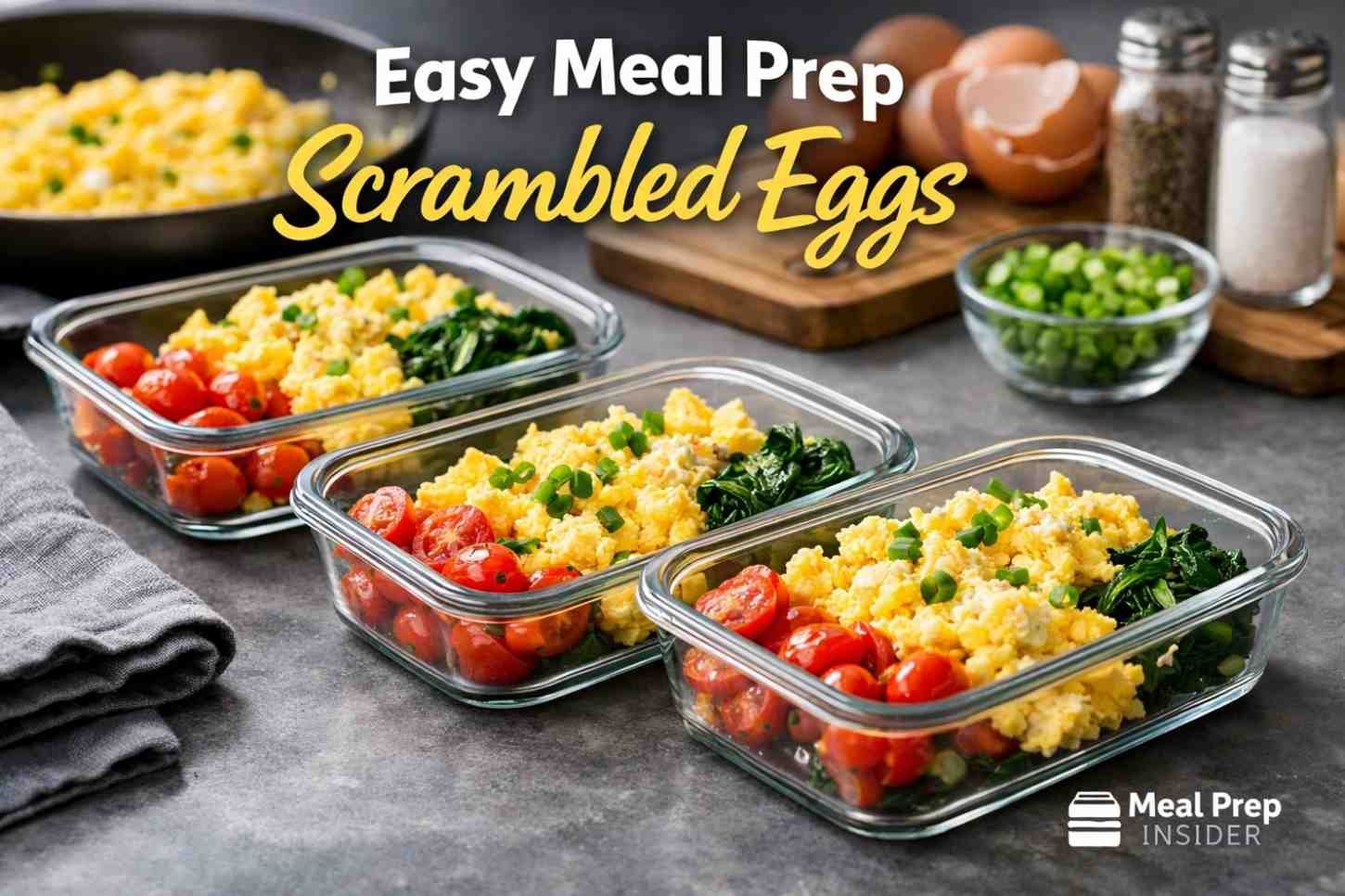
Learn how to meal prep scrambled eggs the right way — soft, reheatable, and still good on day four. Tips, storage hacks, flavor variations, and the mistakes most people make.
Easy Meal Prep Scrambled Eggs (And Why Most People Get Them Wrong)
There’s a version of mornings that most Americans are quietly chasing. No dishes. No staring into a pan at 6:47 a.m. Just grab something, heat it, eat it, leave.
Scrambled eggs feel like they belong in that dream. But then reality hits — reheated eggs are rubbery. They smell weird. They turn gray in the fridge. You tried it once, threw out a whole container, and decided prepped eggs just weren’t a thing.
Here’s what actually happened: the technique was wrong. Not you.
Scrambled eggs can absolutely be meal prepped. Done right, they’re soft, flavorful, and just as good reheated as they are fresh. Done wrong, they’re exactly what you’re picturing. This guide is about doing it right.
Why Scrambled Eggs Are Tricky to Prep
Most foods get better with time. Soups thicken, stews develop flavor, and rice absorbs everything nicely. Eggs do the opposite.
Scrambled eggs are protein-heavy, and protein continues to cook even after the heat is off. That’s called carryover cooking, and it’s the number one reason prepped eggs turn out awful. You pull them off the stove, and they look fine. Two hours later? Rubbery. The next morning? Greenish-gray and bouncy in a bad way.
The fix is in the undercooking.
You need to pull scrambled eggs off the heat before they look done. Not just a little early — actually early. Soft, glossy, slightly underdone. They’ll finish cooking in their own residual heat, and when you reheat later, they’ll land right where you want them.
That one change fixes about 80% of the problems people have with prepped eggs.
What You Need Before You Start
You don’t need anything exotic. But a few things make a real difference.
Eggs — Obviously. Large eggs are standard. For meal prep, a dozen will yield 4–5 servings, depending on how hungry you are. Free-range eggs tend to have richer yolks, which hold up better during reheating. Not required, but worth noting.
Fat — Butter is the best option here. It adds flavor and creates a protective layer around the proteins, which slows down the rubbery transformation during reheating. Some people use olive oil. It works, but the texture isn’t quite the same.
Dairy (optional but helpful) — A tablespoon of heavy cream or whole milk per two eggs keeps things loose and creamy. Don’t skip this if you’re prepping for multiple days. It matters.
A good nonstick pan — Stainless steel works if you’re skilled. For meal prep volume, nonstick is more forgiving.
Low heat — This isn’t negotiable. High heat is fast and bad. Low-to-medium is slower and good.
Airtight containers — Glass containers with tight-sealing lids are better than plastic ones here. Less moisture loss, easier reheating, and no weird smells absorbed.
The Base Recipe (Makes 4 Servings)
Here’s the starting point. Everything else builds on this.
Ingredients:
- 8 large eggs
- 4 tablespoons whole milk or heavy cream
- 1.5 tablespoons unsalted butter
- Salt, to taste
- Black pepper, to taste
Instructions:
- Crack all eight eggs into a bowl. Add the milk or cream, salt, and pepper. Whisk until everything is fully combined, and the yolks are broken up — about 45 seconds of actual whisking.
- Let the bowl sit for five minutes. This step gets skipped constantly, but it matters. Resting the egg mixture before cooking makes the scramble more even and slightly more tender.
- Heat your nonstick pan over low to medium heat. Add the butter and let it melt fully. Don’t rush this. The butter should foam a little but not brown.
- Pour the egg mixture in. Don’t touch it immediately. Let the edges start to set — maybe 30 to 45 seconds.
- Using a silicone spatula, slowly push the eggs from the outside toward the center. Keep moving them gently. You’re not scrambling fast. You’re folding.
- Pull the pan off the heat when the eggs still look slightly underdone. They should be soft and glossy, not fully set. If they look perfectly done on the pan, they’re already overcooked for meal prep.
- Spread them out on a plate or sheet pan to cool quickly. Don’t let them sit in the warm pan.
- Once they reach room temperature, divide into containers and refrigerate.
That’s it. Four servings, about 20 minutes of actual effort.
Storage: What Works and What Doesn’t
| Storage Method | How Long | Notes |
|---|---|---|
| Refrigerator (airtight) | 3–4 days | Best for weekly prep |
| Freezer | Up to 2 months | Texture changes slightly |
| Room temperature | Do not do this | Serious food safety issue |
| Covered plate in fridge | 1–2 days max | Not airtight, dries out fast |
For most people doing weekly meal prep, three to four days in the fridge is plenty. Make them on Sunday, eat them through Wednesday.
If you want to freeze, do it in individual servings. Reheat from frozen on 50% microwave power in 30-second intervals. The texture will be slightly denser, but it’s totally edible and still miles better than skipping breakfast.
How to Reheat Without Ruining Everything
Reheating is where most people stumble. Too fast, too hot — and suddenly the eggs are dry and weirdly chewy.
Microwave method: Cover the container loosely (don’t seal it airtight while reheating). Heat on medium power — not full — for 30 seconds. Stir. Another 20–30 seconds if needed. The whole thing should take under a minute.
Stovetop method: Put a small nonstick pan on low heat, add a tiny pat of butter, then add the eggs and stir gently for about 2 minutes. This takes longer but results in better texture. Worth it on days you have the time.
What to avoid: Full power microwave heating. No butter. Cover with a tight lid while microwaving. All of these lead to sadness.
One more thing — don’t reheat the same portion twice. Take out only what you’ll eat.
Flavor Variations Worth Trying
Plain scrambled eggs are fine. But meal prep is a great excuse to rotate through different flavors, so you’re not eating the same thing every morning for four days.
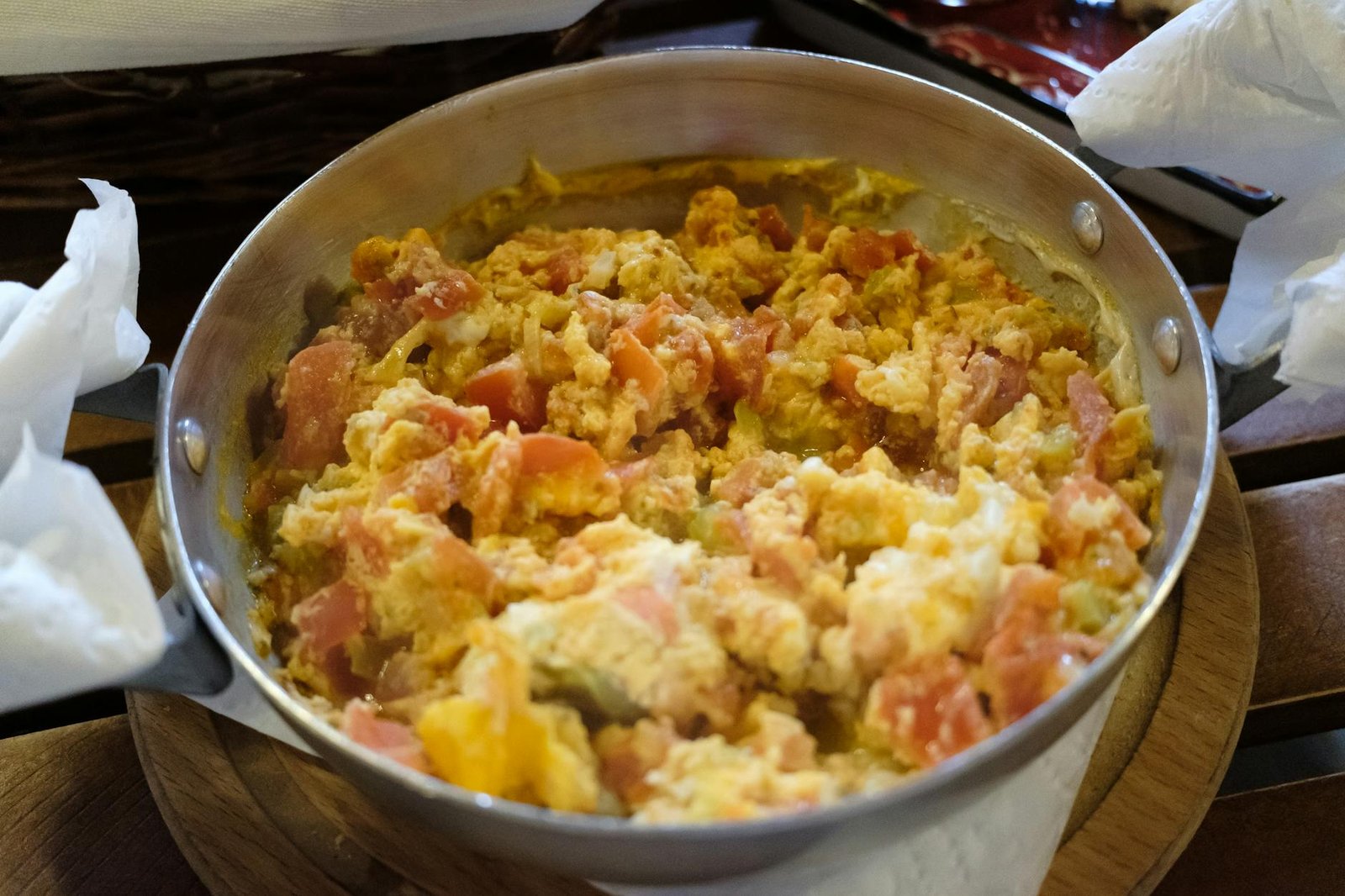
Southwest Style: Add diced red bell pepper, a few tablespoons of canned black beans (drained), and a small amount of cumin to the egg mixture before cooking. Top with a little shredded pepper jack cheese when reheating. Serve with tortillas for a full breakfast burrito.
Herb and Cream Cheese: Fold in a tablespoon of softened cream cheese while the eggs are still in the pan. Finish with fresh chives or dill. Tastes way more elevated than it sounds. Good for people who want something that feels a little fancy on a Tuesday.
Spinach and Feta Sauté a handful of baby spinach in the butter before adding the eggs. Crumble in feta at the end. This adds protein, some greens, and a salty punch that makes plain eggs feel boring by comparison.
Sun-Dried Tomato and Basil Chop sun-dried tomatoes (the kind packed in oil) and fold them into the mixture as you cook. Add a small amount of fresh or dried basil. Pair with crusty bread or grain toast.
Smoked Salmon and Dill. This one isn’t cheap, but it’s excellent. Flake in a small amount of smoked salmon while folding the eggs. Finish with fresh dill and a squeeze of lemon. Great for Sunday meal prep when you’re feeling a bit more generous with yourself.
Building a Full Meal Prep Breakfast Around the Eggs
Scrambled eggs alone aren’t a complete meal for everyone. Here’s how to build them into a real breakfast without much extra work.
Grain base: Cook a batch of farro, quinoa, or even brown rice on the same day you prep the eggs. Add a scoop to each egg container, or keep separate and combine when reheating. Adds fiber and keeps you full longer.
Roasted vegetables: Sheet pan vegetables take minimal effort. Cube some sweet potato, zucchini, or mushrooms, toss with olive oil and seasoning, and roast at 400°F for 20–25 minutes. Store separately and pair with the eggs each morning.
Pre-sliced fruit or berries: Keep a container of sliced melon, grapes, or mixed berries in the fridge. No prep required beyond washing.
| Component | Prep Time | Shelf Life |
|---|---|---|
| Scrambled eggs | 20 min | 4 days |
| Roasted veggies | 25 min | 5 days |
| Grain base | 25 min | 5 days |
| Fresh fruit | 5 min | 3–4 days |
One prep session. Breakfast sorted for the entire workweek.
SEE POST ALSO: 17 Healthy Simple Quick Meal Prep Ideas with Ground Beef
Common Mistakes (And How to Actually Fix Them)
Cooking at too high a heat. This is the most common problem. High heat seizes the proteins quickly and creates that rubbery, dry texture. Low and slow is the rule.
Not adding dairy. People skip the milk or cream, thinking it doesn’t matter. It does. Dairy adds moisture and slows protein bonding, which means better texture after reheating.
Let the eggs cool in the pan. The pan holds heat. If the eggs sit in it after you turn off the stove, they keep cooking. Move them to a cold plate immediately.
Storing them hot. Putting hot eggs straight into a glass container and sealing it traps steam, which condenses and makes the eggs wet and weird. Cool them down first.
Overcrowding containers. If you’re stacking eggs in a deep container, the ones at the bottom get compressed. Shallow, wide containers are better.
Adding toppings before storing. Fresh herbs, hot sauce, and cheese are all fine — but add them when you reheat, not before storing. Some toppings break down, release liquid, or change flavor after days in the fridge.
Meal Prep for Specific Situations
For one person: Scale the recipe down. Six eggs give you three solid servings. Don’t over-prep — even good prepped eggs start to decline by day four.
For a family: Double or triple the base recipe. Keep in separate portions to make reheating easier. Label containers if multiple people eat at different times.
For people who train in the morning: Add extra eggs per serving (three or four eggs instead of two) for more protein. Pair with a grain base to get carbohydrates in early.
For people who don’t own a microwave: Stovetop reheating is easy and actually gives better texture. Just needs a small pan and two minutes.
For college students: Six-egg batch, two containers, $2–3 total cost. Add whatever leftovers you have — shredded cheese, leftover rice, whatever’s in the fridge. Cheap and functional.
Nutrition at a Glance
This is approximate, based on two large eggs with butter and whole milk:
| Nutrient | Per Serving (2 eggs) |
|---|---|
| Calories | ~180–200 kcal |
| Protein | ~13–14g |
| Fat | ~13–15g |
| Carbohydrates | ~1–2g |
| Cholesterol | ~370mg |
Eggs are one of the most nutrient-dense foods available. They contain choline (important for brain function), vitamin B12, selenium, and riboflavin — most of which are in the yolk. Don’t make egg whites-only scrambles for meal prep. The yolk is where most of the nutritional value lives, and it also contributes to the texture that makes prepped eggs actually edible.
The Tools Worth Having
You don’t need much. But these make the process easier.
- Silicone spatula — More gentle on eggs than a wooden spoon or metal spatula.
- Glass meal prep containers — Better insulation, no plastic smell after repeated microwave use.
- Kitchen scale — Not essential, but helpful if you’re tracking macros.
- A wide, shallow nonstick pan — More surface area means more even cooking at low temperatures.
- A reliable timer — Because at low heat, it’s easy to forget the eggs are on the stove and come back to something overcooked.
Meal Prep Scrambled Eggs vs. Other Breakfast Options
Here’s an honest comparison for people deciding whether this is worth it:
| Breakfast Option | Prep Time | Cost | Reheatable | Protein |
|---|---|---|---|---|
| Meal prep scrambled eggs | 20 min once | Low | Yes | High |
| Overnight oats | 10 min each | Low | No | Moderate |
| Greek yogurt + fruit | 5 min each | Moderate | No | Moderate |
| Drive-through breakfast | 0 min prep | High | N/A | Varies |
| Protein shake | 2 min each | Varies | No | High |
Scrambled eggs win on cost and protein. They lose slightly on convenience compared to yogurt or shakes. But if you already have a meal prep routine, they slot in naturally.
A Few Things Nobody Tells You
Scrambled eggs expand when they cool. Don’t fill your container all the way to the lid — leave a little room.
The smell of reheated eggs is noticeable. If you work in an open office, maybe reheat before you leave the house.
Salting before cooking versus after makes a real difference. Salt before (in the egg mixture) draws out moisture and can lead to slightly watery eggs. Some chefs salt at the very end. Try both, see what you prefer.
Eggs from different brands actually taste different. If your prepped eggs taste flat, try switching egg brands before adjusting the recipe.
Fat-free cooking spray is fine for a fresh scramble. For meal prep, use actual butter. It genuinely makes a difference in how the eggs hold up over days.
FAQs
Can you meal prep scrambled eggs for the whole week? Technically, yes, but four days is the recommended maximum for best quality. By day five, even perfectly cooked eggs start to lose texture and flavor. Make two small batches throughout the week if you need to cover a full seven days.
Why do my reheated scrambled eggs turn gray or green? This happens when eggs are overcooked or stored too long. The sulfur compounds in egg whites react with iron in the yolks at high temperatures, producing a greenish discoloration. It’s not dangerous, but it’s a sign the eggs were cooked too hot or reheated too aggressively.
Can I add vegetables to scrambled eggs before storing them? Yes, but cook the vegetables first. Raw vegetables release water as they sit, which makes the eggs soggy. Sautéed peppers, mushrooms, onions, and spinach all work well. Pat them dry after cooking, then mix them in.
Is it safe to eat reheated scrambled eggs? Yes, as long as they were stored properly — in an airtight container, refrigerated within two hours of cooking, and consumed within four days. Reheat to an internal temperature of 165°F if you want to be precise.
Do scrambled eggs freeze well? They freeze adequately. The texture becomes slightly denser after thawing, but they’re still good. Freeze in individual portions and reheat on low power. Plain eggs freeze better than eggs mixed with dairy.
Can I add cheese before storing? Shredded cheese mixed in before storing tends to make eggs a little greasy after reheating. It’s better to add cheese on top when reheating — it melts fresh and tastes better.
What’s the best container for storing prepped eggs? Glass containers with airtight lids. They don’t absorb odors, they reheat evenly in the microwave, and they’re easier to clean than plastic after repeated use.
How do I scale the recipe up for a larger household? Scale linearly — two eggs and one tablespoon of dairy per serving is the base ratio. For six people, use twelve eggs and six tablespoons of dairy. Use a larger pan or cook in two batches rather than overcrowding.
Meal prep scrambled eggs are one of those things that seem like they shouldn’t work — and then, once you do them correctly, you wonder why it took so long to figure out.
The technique is simple. The effort is minimal. The payoff is real breakfast, every morning, with almost zero active time after the initial prep.
Start with the base recipe. Get comfortable with undercooking. Learn your microwave’s quirks. Then start experimenting with the flavor variations.
It’s not glamorous. But most of the things that actually improve your mornings aren’t.
SUGGESTED POST >> Cheapest Meal Prep Services for Seniors Under $7 Per Meal