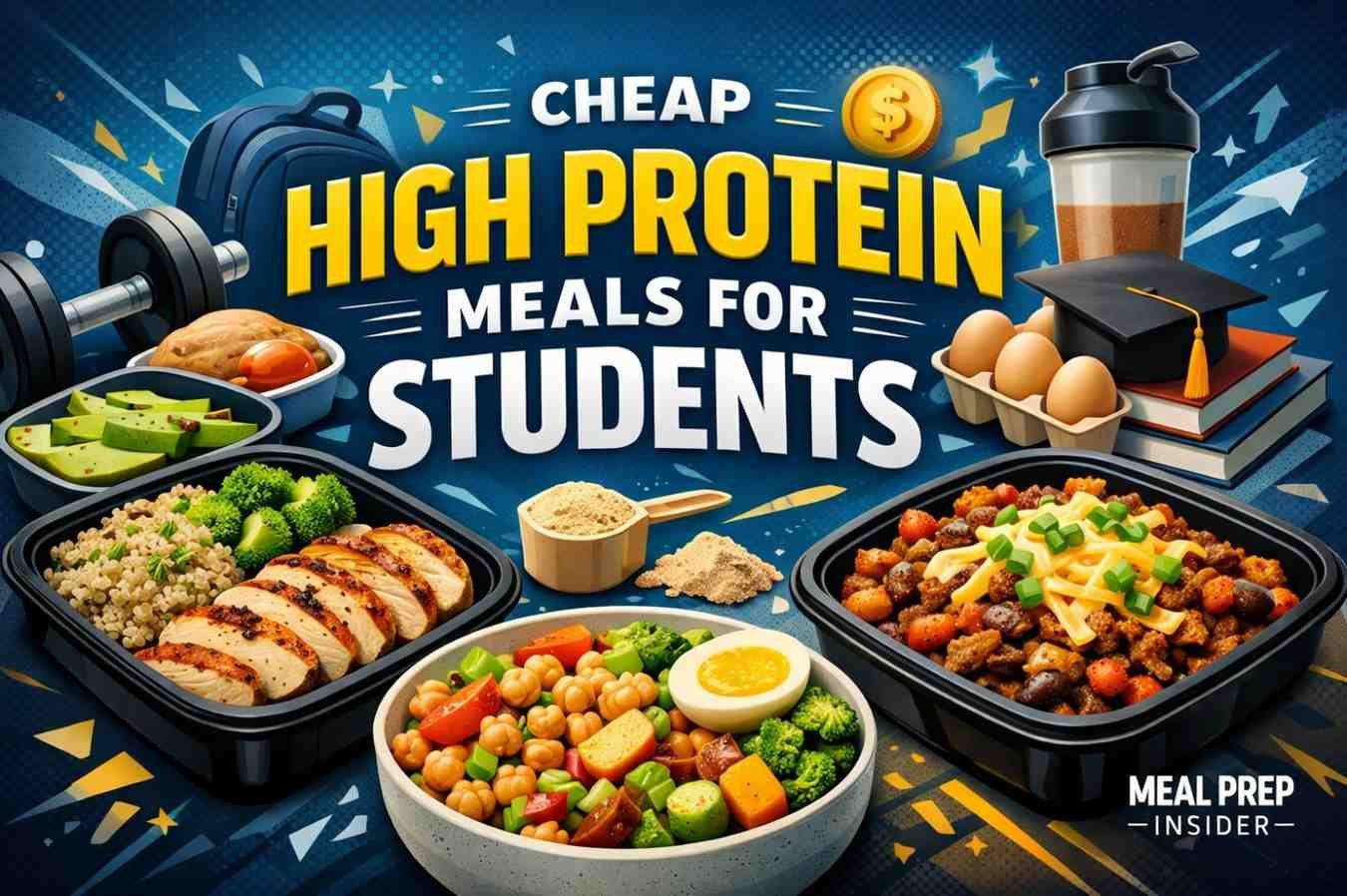
Cheap High Protein Meals for Students: Struggling to eat enough protein without spending a fortune? These cheap high-protein meals for students are quick, filling, and budget-friendly — perfect for dorms, apartments, and tight schedules.
Cheap High Protein Meals for Students
Let’s be honest. Eating well in college is hard.
You’re juggling classes, assignments, maybe a part-time job, and somehow you’re supposed to find time to cook something that isn’t instant ramen or a sad granola bar. Protein, specifically, gets neglected. It’s either expensive or inconvenient — or both.
But it doesn’t have to be that way.
High-protein eating on a student budget is entirely doable. You just need the right ingredients, a few simple recipes, and a realistic approach. No fancy kitchen equipment. No $15 salmon fillets. Just real, affordable food that actually keeps you full and supports your body — whether you’re trying to build muscle, stay focused, or just stop crashing at 2 pm.
This guide is built for U.S. college students. Prices referenced are approximate and based on typical grocery store averages across the country.
Why Protein Actually Matters (Especially in College)
Protein isn’t just a gym thing. It matters for everyone.
Your brain uses amino acids (the building blocks of protein) to produce neurotransmitters like dopamine and serotonin. That means what you eat actually affects how clearly you think, how focused you stay, and how your mood holds up during finals week.
Protein also keeps you full longer. That matters when you’re trying not to spend money on snacks every few hours.
The average college-age adult needs somewhere between 0.7 and 1 gram of protein per pound of body weight, depending on activity level. For a 150-pound student, that’s roughly 105–150g per day. Most students barely hit half of that.
The problem isn’t awareness. It’s cost and convenience. Let’s fix both.
The Cheapest High-Protein Ingredients You Should Know
Before jumping into recipes, let’s talk building blocks. These are the staples you want to keep in your dorm kitchen or apartment pantry.
| Ingredient | Avg. Cost | Protein per Serving |
|---|---|---|
| Eggs (dozen) | ~$3.50 | ~6g per egg |
| Canned tuna | ~$1.00/can | ~25g per can |
| Canned chickpeas | ~$1.10/can | ~15g per cup |
| Ground turkey (1 lb) | ~$4.50 | ~22g per 3 oz |
| Cottage cheese (16 oz) | ~$3.00 | ~14g per ½ cup |
| Greek yogurt (32 oz) | ~$5.50 | ~17g per cup |
| Lentils (dry, 1 lb) | ~$2.00 | ~18g per cooked cup |
| Peanut butter (18 oz) | ~$3.50 | ~8g per 2 tbsp |
| Black beans (canned) | ~$1.00/can | ~15g per cup |
| Rotisserie chicken | ~$5–7 | ~25g per 3 oz |
These aren’t exciting. But they’re powerful. When combined correctly, they form the backbone of a cheap, high-protein diet.
10 Cheap High Protein Meals for Students
1. Tuna Rice Bowl
This is one of the cheapest, fastest high-protein meals you can make.
Cook a cup of white or brown rice. Open a can of tuna (in water, not oil — better macros). Mix it together with soy sauce, a little sesame oil if you have it, and whatever vegetables are in your fridge. Frozen peas or corn work great.
Estimated cost: ~$2.00 per serving Protein: ~30g
It sounds boring. It’s really not once you start playing with the seasonings.
2. Egg Fried Rice
Leftover rice is actually ideal for this. Day-old rice fries better than fresh.
Heat a pan with a little oil. Add the rice. Crack two or three eggs and scramble them right in. Add soy sauce, garlic powder, and any frozen vegetables. Done in under ten minutes.
Estimated cost: ~$1.50 per serving Protein: ~18–22g
This is dorm cooking at its finest. It tastes like something you’d order at a restaurant, and it costs you basically nothing.
3. Black Bean Quesadillas
Flour tortillas, canned black beans, and shredded cheese. That’s it for the basic version.
Drain and rinse the black beans. Add them to a tortilla with cheese, fold it in half, and cook it in a dry pan until crispy on both sides. Add salsa, hot sauce, or sour cream if you’ve got it.
Estimated cost: ~$1.75 per serving Protein: ~20g
You can make four of these in about twelve minutes. They reheat well, too.
4. Greek Yogurt Parfait (As a Meal, Not a Snack)
Greek yogurt gets undersold as a “snack.” Made right, it’s a full meal.
Use a full cup of plain Greek yogurt (not flavored — those have way too much sugar). Add a scoop of peanut butter, a handful of granola, and some banana slices or frozen berries you’ve thawed. That’s a solid 30+ grams of protein, and it takes under three minutes.
Estimated cost: ~$2.50 per serving Protein: ~28–32g
This works as breakfast, a post-gym meal, or a late-night option when you don’t want to cook.
5. Lentil Soup
Don’t skip this one because it sounds boring.
Lentils are arguably the best value protein source for students. One pound of dry lentils costs about two dollars and makes multiple servings. They’re also incredibly filling and loaded with fiber.
Basic recipe: dice an onion and a couple of cloves of garlic. Sauté in a pot with oil. Add 1 cup of dry lentils, 1 can of diced tomatoes, 2 cups of broth or water, salt, cumin, and chili flakes. Simmer for 25 minutes.
That’s it. That’s the whole recipe.
Estimated cost: ~$1.25 per serving Protein: ~18g per bowl
Make a big batch on Sunday. Eat it throughout the week.
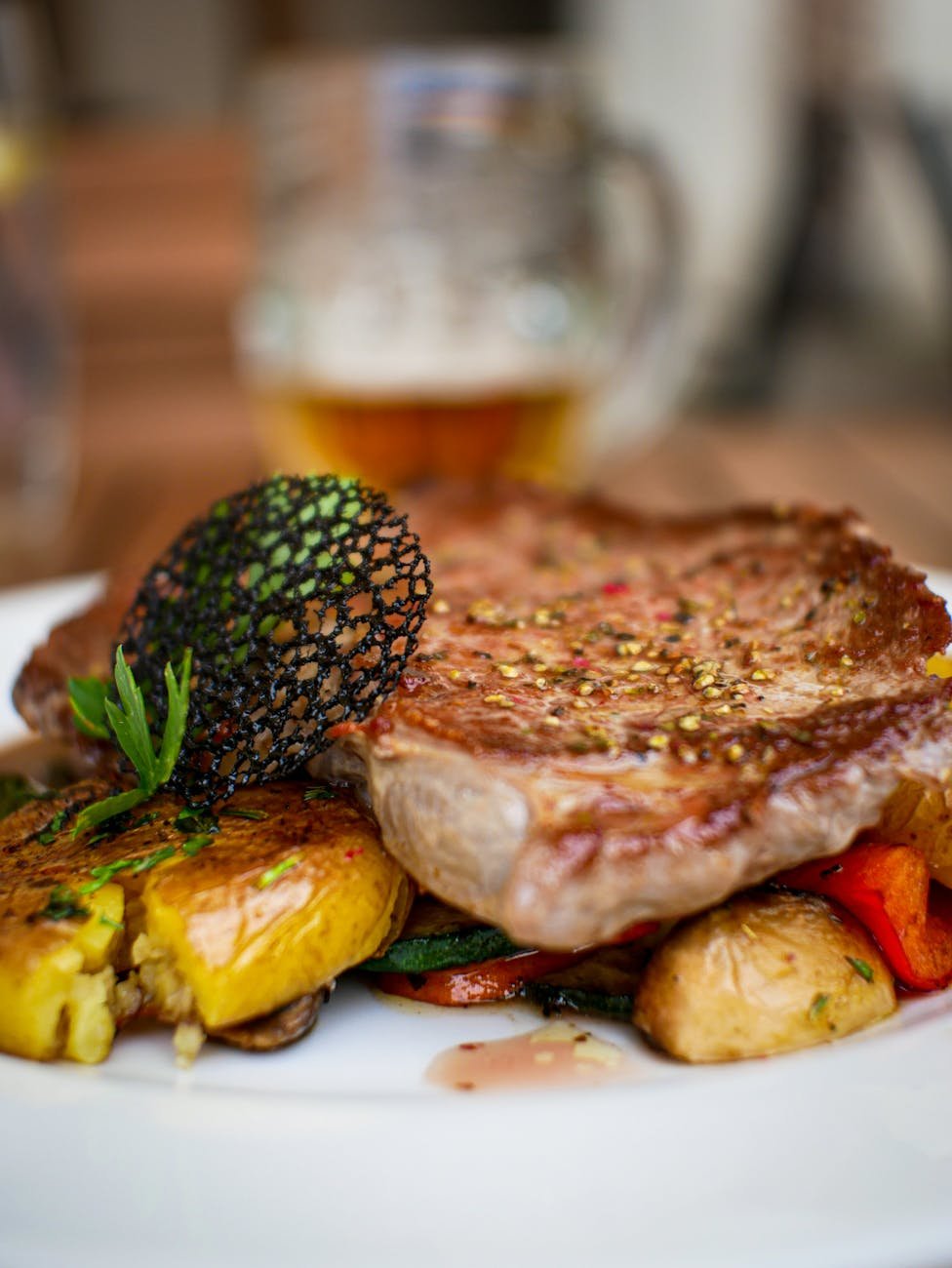
6. Cottage Cheese Toast
This one surprises people.
Cottage cheese on toast sounds wrong. It’s not. Top it with everything bagel seasoning or just salt and pepper. Add a sliced tomato if you want. Some people add hot honey. It’s oddly good.
Estimated cost: ~$1.50 Protein: ~20–24g (depending on portion)
High protein, minimal effort, actually delicious. The trifecta.
7. Ground Turkey Stir-Fry
Ground turkey is consistently one of the cheapest lean protein sources at U.S. grocery stores. It’s versatile too.
Brown the turkey in a pan with garlic and a little oil. Add frozen stir-fry vegetables (usually $1.50–2.00 a bag). Toss in soy sauce, a bit of honey, and red pepper flakes. Serve over rice.
Estimated cost: ~$3.00–3.50 per serving Protein: ~35g
This one’s a bit pricier than the others, but it’s still well under $4 and genuinely satisfying.
8. Chickpea Scramble
If you eat plant-based or just want to mix things up, this is a solid egg alternative.
Drain and roughly mash a can of chickpeas. Cook them in a pan with oil, garlic powder, onion powder, turmeric (for color), salt, and black pepper. Add spinach at the end if you want vegetables. Takes about eight minutes.
Estimated cost: ~$1.50 Protein: ~15g
It’s not eggs. But it’s surprisingly good with hot sauce and on toast.
9. Rotisserie Chicken + Whatever
Most grocery stores sell whole rotisserie chickens for $5–7. That’s a lot of meat for the price.
You don’t need a recipe here. Pull the chicken apart and eat it with rice, in wraps, on top of salads, or straight off the bone while standing over your kitchen sink after class. No judgment.
A single rotisserie chicken provides roughly four to five servings if you’re using it strategically.
Estimated cost: ~$1.25–1.75 per serving Protein: ~25g per serving
This is meal prep without the meal prep.
10. Peanut Butter Banana Protein Wrap
This one’s for when you have five minutes and negative motivation.
Grab a flour tortilla. Spread two tablespoons of peanut butter. Add banana slices. Roll it up. Eat it.
Optional upgrade: add a drizzle of honey and a sprinkle of cinnamon.
Estimated cost: ~$1.00 Protein: ~10–12g
Lower protein than the others, but it’s fast, cheap, and way better than not eating anything.
Meal Prepping on a Student Budget
Meal prep sounds intense. It’s not, really. Not at this level.
Here’s a simple approach: cook once or twice a week. Big batches of rice, a pot of lentils or beans, and some protein (ground turkey, eggs, tuna). Then, throughout the week, you just combine things differently.
Monday: Tuna rice bowl Tuesday: Egg fried rice with leftover rice Wednesday: Turkey stir-fry Thursday: Lentil soup from Sunday Friday: Rotisserie chicken + whatever
You’re not cooking every night. You’re assembling. That’s a much easier habit to stick to.
A useful container setup for students:
- 3–4 glass or plastic containers (32 oz size works well)
- 1 large pot for grains and soups
- 1 non-stick skillet for eggs and stir-fry
That’s genuinely all you need.
Where to Buy: Cheapest Stores for Protein Ingredients in the U.S.
Not all grocery stores are equal when it comes to budget shopping.
Aldi is consistently the cheapest option for staples like eggs, canned beans, Greek yogurt, and ground turkey. If there’s one near your campus, use it.
Walmart and Walmart Neighborhood Market are also strong choices for value. Their store-brand canned goods and proteins are usually well-priced.
Trader Joe’s — people think it’s expensive, but it’s actually competitive on items like canned fish, lentils, and cottage cheese. The frozen meal sections there are worth exploring, too.
Costco (or Sam’s Club) is only worth it if you’re sharing costs with a roommate or two. Buying a 6-pound bag of chicken breast in bulk dramatically lowers the per-serving cost.
Dollar Tree / Dollar General — useful for things like canned beans, peanut butter, and basic pantry items. Quality varies, but for shelf-stable proteins, it’s usually fine.
Grocery Shopping Tips (That Actually Work)
A few practical things that’ll save you money without making your life harder:
- Buy frozen vegetables instead of fresh. They’re just as nutritious, and they don’t go bad before you use them.
- Check the unit price, not the sticker price. The bigger size isn’t always cheaper per ounce.
- Canned and dried beans over fresh. Dried lentils and chickpeas are dramatically cheaper than their canned equivalents, though they require more prep.
- Don’t ignore store brands. Great Value, Kirkland, Simply Nature — they’re usually identical to name brands.
- Plan before you shop. Even a rough mental list significantly reduces impulse buying.
- Shop after eating. Grocery shopping hungry is expensive.
A Sample Weekly Meal Plan (~$40–50/week)
Here’s a rough structure for eating high-protein on about $40–50 a week. This assumes you’re cooking most meals.
| Day | Breakfast | Lunch | Dinner |
|---|---|---|---|
| Monday | Greek yogurt + peanut butter | Tuna rice bowl | Black bean quesadilla |
| Tuesday | Eggs + toast | Chickpea scramble wrap | Ground turkey stir-fry |
| Wednesday | Cottage cheese toast | Lentil soup | Egg fried rice |
| Thursday | Peanut butter banana wrap | Leftovers | Rotisserie chicken + rice |
| Friday | Greek yogurt parfait | Tuna rice bowl | Turkey + beans |
| Saturday | Eggs any style | Whatever’s left | Cook a new batch |
| Sunday | Simple | Meal prep | Lentil soup + grains |
You’ll hit 100–130g of protein daily on this plan without trying too hard. And you won’t be spending more than $7–8 a day.
What About Protein Supplements?
Worth addressing.
Protein powder can be a useful supplement, the keyword being supplement. If you’re getting enough whole-food protein, you probably don’t need it. But if your schedule makes it difficult to eat full meals, a scoop of whey or plant-based protein powder in yogurt, oatmeal, or a smoothie is a convenient top-up.
Cheapest options in the U.S. right now include Optimum Nutrition Gold Standard Whey, Orgain (for plant-based), and Dymatize ISO100. Buying through Amazon or Costco usually beats retail pricing.
A 5-pound tub of quality whey runs $50–60 and provides 70+ servings. That’s under $1 per serving for 24–25g of protein. It’s actually one of the most cost-efficient protein sources available, though real food should still come first.
Common Mistakes Students Make With Protein
Let’s cover a few things that quietly sabotage people.
Relying too heavily on one source. All eggs, all the time, get boring and create gaps in other nutrients. Rotate your proteins.
Forgetting protein at breakfast. Most students eat carb-heavy breakfasts — cereal, toast, a bagel. Adding Greek yogurt, eggs, or peanut butter to your morning can significantly improve your energy levels.
Underestimating plant proteins. Beans, lentils, chickpeas, tofu — plant-based proteins are cheaper than meat and just as useful. They don’t build muscle well. The research no longer supports that claim.
Buying expensive “healthy” convenience foods. Protein bars, pre-packaged meals, fancy protein shakes — these are expensive per gram. Real food is almost always cheaper.
Skipping meals when stressed. Ironically, skipping meals tends to worsen focus and increase fatigue, making the stressful period harder to manage. A quick five-minute meal is almost always better than nothing.
FAQs
Q: How do I get enough protein if I don’t eat meat?
Totally doable. Eggs, Greek yogurt, cottage cheese, beans, lentils, tofu, tempeh, and edamame are all strong non-meat options. Combining different plant proteins throughout the day (beans with rice, for example) covers all essential amino acids.
Q: What’s the cheapest protein per gram in grocery stores?
Eggs and canned tuna consistently rank at the top. Dry lentils and canned beans are close behind. These three alone could form the core of a complete high-protein diet on very little money.
Q: Is it possible to hit 150g of protein a day on a tight budget?
Yes, but you’d need to be intentional. Three meals a day, each hitting 40–50g of protein, is achievable with eggs, tuna, ground turkey, Greek yogurt, and beans. Using protein powder to bridge any gaps makes it even easier.
Q: Can I eat high protein without cooking a lot?
Yes. No-cook options include Greek yogurt, cottage cheese, canned tuna, hard-boiled eggs (batch-cooked), peanut butter, and rotisserie chicken. A day of no-cook high-protein eating is entirely realistic.
Q: How do I store meal-prepped food safely?
Cooked proteins and grains stay fresh in the refrigerator for 3–4 days. Beyond that, freeze them. Label containers with the date. Use glass containers if possible — they’re easier to reheat and don’t absorb odors the way plastic does.
Q: What if I only have a microwave?
Microwaves can do more than most students realize. You can scramble eggs, cook canned beans, heat up precooked rice, and warm soups all in a microwave. There are also microwave-specific egg cookers and rice makers designed for dorm use that run under $15.
Q: Are protein bars worth buying?
Occasionally, sure. But as a regular protein strategy, they’re expensive. A Quest bar costs around $2.50 for 20g of protein. That same $2.50 buys you two cans of tuna, each with 50g of protein. The bar is convenient — the tuna is strategic.
Final Thoughts
Eating high protein on a student budget isn’t about being perfect. It’s about making smarter choices with what you’ve got — even when you’re tired, broke, and behind on reading.
You don’t need a meal plan. You don’t need a nutrition coach. You need eggs, a can of tuna, some beans, and a rough idea of what you’re doing for the week.
Start simple. Pick two or three meals from this list. Buy the ingredients once and see how it goes. After a few weeks, it becomes second nature — and your body, your focus, and your bank account will all be better off for it.
SUGGESTED POST >> 7-Day High Protein Meal Prep for Muscle Gain: Proven Guide