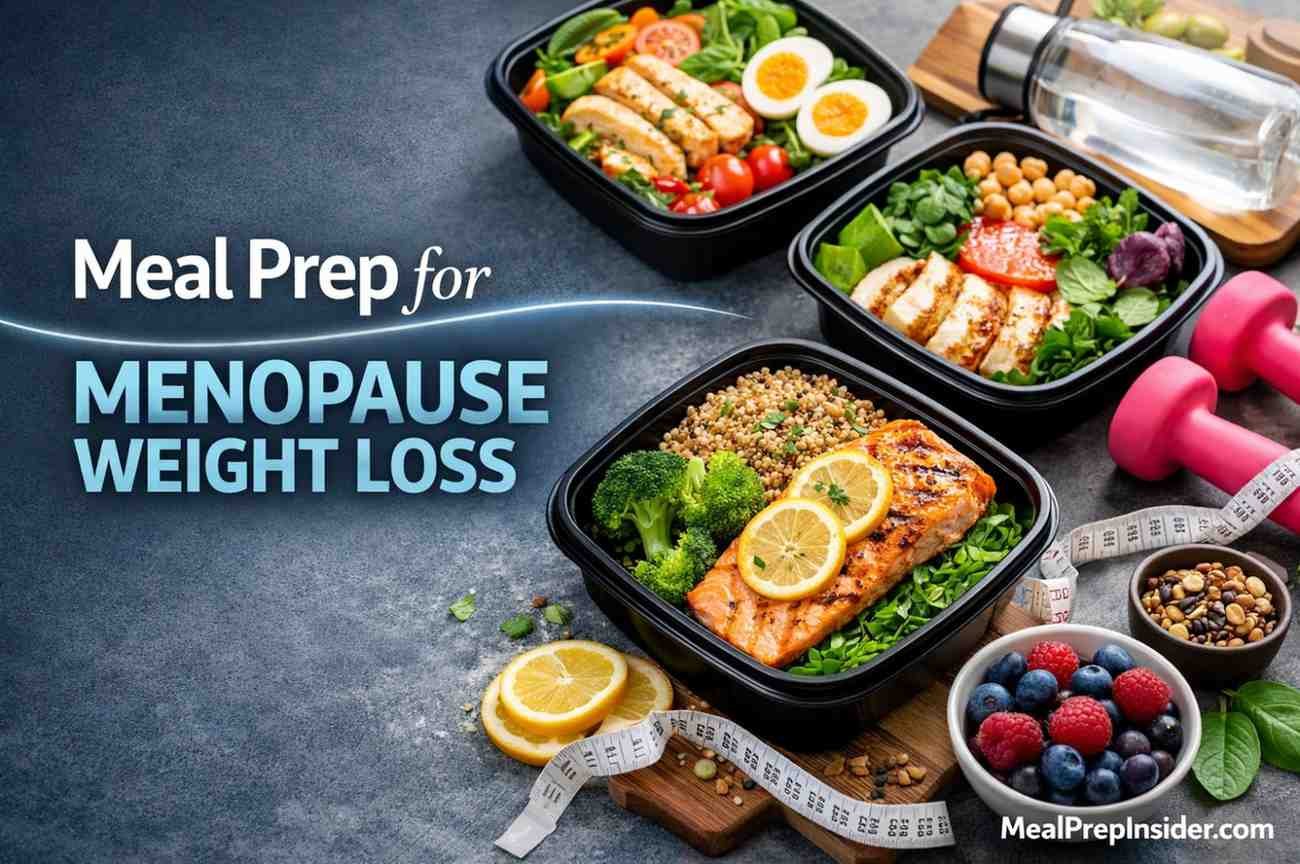
Meal Prep for Menopause Weight Loss sounds simple. Chop a few veggies. Cook some chicken. Pack containers. Done.
But if you’re in menopause (or perimenopause), you already know the truth is messier.
You can eat “pretty healthy” and still feel puffy by dinner.
You can cut calories and somehow gain.
You can work out more and sleep worse.
And then the cravings show up. Loud. Specific. Usually at 9:17 p.m.
Here’s the suspenseful part: the issue often isn’t willpower. It’s a strategy. The wrong strategy.
Because menopause weight loss doesn’t respond well to random salads, tiny lunches, and “I’ll figure out dinner later.” It responds to structure. Protein. Fiber. Smart carbs. Anti-inflammatory fats. And a meal prep plan that fits your life in the United States—busy schedules, big grocery stores, takeout everywhere, and stress that sneaks into your bloodstream.
This post is a detailed, practical, not-boring blueprint.
No extreme rules. No sad meals. No weird ingredients you can’t find at Target or Kroger.
Just meal prep that works with your hormones. Not against them.
Why menopause makes weight loss feel unfair (and why meal prep helps)
Menopause changes the game in a few key ways:
- Estrogen drops, and fat distribution shifts (hello, belly area).
- Muscle mass tends to decline with age unless you actively protect it.
- Insulin sensitivity can dip, making high-sugar or refined-carb meals hit harder.
- Sleep and stress often worsen, which amplifies hunger and cravings.
- Your “normal” calorie needs may decrease, but your appetite might not get the memo.
In reality, many women aren’t eating “too much” all day. They’re under-eating early, then overeating at night. Or they’re missing protein. Or they’re stuck in a cycle of dieting and rebound cravings.
Meal prep fixes that because it creates:
- Predictable protein (the single most useful lever for menopause body composition)
- Fiber, you don’t have to remember to eat
- Planned carbs that support energy without triggering a snack spiral
- Less decision fatigue, which is sneaky but powerful
- A calmer nervous system (yes, your food environment matters)
And in the United States, where portions are large and convenience food is everywhere, meal prep is also a quiet form of protection.
Meal Prep for Menopause Weight Loss: the system that beats “eating clean.”
Meal Prep for Menopause Weight Loss is not about eating perfectly. It’s about eating prepared.
Prepared means you can open the fridge at 6:40 p.m. and assemble a balanced dinner in six minutes.
Prepared means your lunch doesn’t accidentally become a muffin and iced coffee.
Prepared means you don’t wait until you’re starving to decide what to eat.
The core targets (simple, not obsessive)
You don’t need to track forever. But you do need a direction. These targets work for many menopausal women aiming for fat loss while protecting muscle.
Daily anchors:
- Protein: 25–35g per meal (or 100–130g/day for many women, depending on body size and medical needs)
- Fiber: 25–35g/day (most Americans don’t get close)
- Plants: 2–4 cups of non-starchy vegetables daily
- Carbs: choose mostly slow-digesting carbs (beans, oats, quinoa, brown rice, berries, sweet potato)
- Fats: include anti-inflammatory fats (olive oil, avocado, nuts, seeds, salmon)
To be frank: if your meal prep doesn’t reliably deliver protein and fiber, it’s just “cooking.” Not a weight-loss system.
The menopause meal prep method (5 building blocks)
Instead of prepping full Pinterest meals that you’ll hate by Thursday, use building blocks.
You prep 5 components. Then mix-and-match.
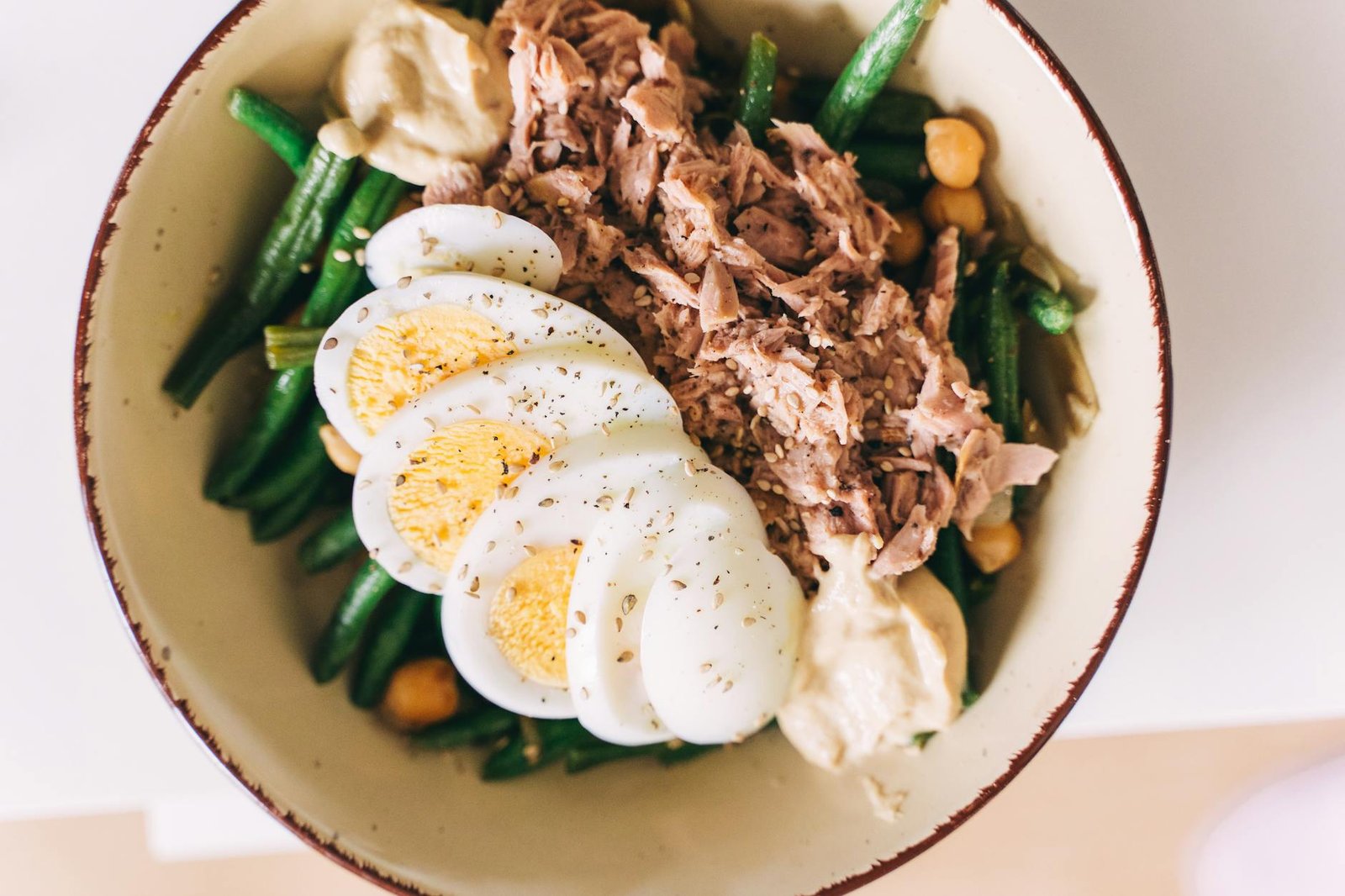
1) Protein (the non-negotiable)
Pick 2–3 proteins per week. Prep them simply.
Great options for menopause weight loss:
- Chicken thighs or breasts (baked, grilled, shredded)
- Turkey meatballs (easy to portion)
- Salmon (bake in bulk; tastes good cold too)
- Shrimp (fast; high protein)
- Lean ground beef or bison (iron support)
- Eggs or egg bites (breakfast prep hero)
- Greek yogurt or cottage cheese (high protein, minimal effort)
- Tofu or tempeh (if you like plant-based)
Smart portioning tip:
Most women do well starting with 4–6 ounces cooked protein per meal (adjust based on your needs).
2) High-fiber carbs (not the scary kind)
Carbs aren’t the enemy. The wrong carbs, in the wrong portion, at the wrong time? Different story.
Prep 1–2 fiber-rich carb bases:
- Quinoa
- Brown rice
- Farro
- Lentils
- Black beans
- Sweet potatoes
- Oats (overnight oats or baked oats)
These keep energy steady. They also help with constipation—an unglamorous menopause bonus.
3) Non-starchy vegetables (volume + micronutrients)
Prep 2–4 veggies so you can build big plates without big calories:
- Broccoli, cauliflower, Brussels sprouts (roast)
- Bell peppers, onions, zucchini (sheet pan)
- Green beans (steamed or sautéed)
- Salad kits (yes, they count)
- Cabbage slaw mix (crunch without effort)
Completely valid shortcut: buy frozen vegetables. They’re consistent. They’re cheap. They reduce waste.
4) Flavor boosters (so you don’t quit)
If your food is bland, you’ll “mysteriously” end up in a drive-thru.
Prep quick flavor add-ons:
- Salsa, pico de gallo
- Chimichurri
- Pesto (use lightly)
- Tzatziki
- Pickled onions
- Spice blends (lemon pepper, taco seasoning, Cajun, everything bagel)
- Fresh herbs, lemon wedges
5) “Emergency foods” (for the craving hour)
This is where most plans fail.
Stock 5–7 emergency options:
- Turkey jerky + apple
- Greek yogurt + berries
- Protein shake + banana
- Cottage cheese + pineapple or cherry tomatoes
- Hard-boiled eggs
- Hummus + baby carrots
- Edamame
- Dark chocolate (pre-portioned squares)
In fact, having these on hand isn’t a lack of discipline.” It’s discipline with foresight.
A realistic meal prep schedule (for busy U.S. weeks)
You don’t need a three-hour Sunday ritual. You need a repeatable rhythm.
Option A: The 75-minute Sunday reset
0:00–0:10 Preheat oven. Start rice/quinoa.
0:10–0:25 Chop veggies. Mix seasonings.
0:25–0:55 Roast veggies + bake proteins.
0:55–1:10 Assemble sauces, wash greens, portion snacks.
1:10–1:15 Clean-up sprint.
Option B: The “split session” method (best for low energy)
- Wednesday: prep one protein + veggies (30–45 min)
Honestly, this approach is gold if Sundays are chaotic or you’re caring for family.
Option C: The “assembly only” method
No cooking marathon. Just:
- Rotisserie chicken
- Microwave rice cups (check ingredients)
- Bagged salad
- Frozen veggies
- Store-bought hard-boiled eggs
- Pre-cut fruit
This still counts. It’s still meal prep.
The grocery list that makes menopause meal prep easier
Here’s a U.S.-friendly list you can take to any standard supermarket.
Proteins
- Chicken (breasts/thighs)
- Lean ground turkey
- Salmon (fresh or frozen)
- Eggs
- Nonfat or 2% Greek yogurt
- Cottage cheese
- Canned tuna/salmon
- Tofu/tempeh (optional)
High-fiber carbs
- Old-fashioned oats
- Quinoa or brown rice
- Sweet potatoes
- Canned beans (black, chickpeas, lentils)
- Whole-grain tortillas (check fiber)
Vegetables + fruit
- Salad kits or spinach tubs
- Broccoli/cauliflower (fresh or frozen)
- Bell peppers, onions
- Cherry tomatoes, cucumbers
- Berries (fresh or frozen)
- Apples, citrus, bananas
Fats + crunch
- Olive oil
- Avocados
- Walnuts/almonds
- Chia seeds or ground flax
- Pumpkin seeds
Flavor and sauces
- Salsa
- Dijon mustard
- Low-sugar marinara
- Tzatziki or plain yogurt + garlic
- Spices (smoked paprika, garlic powder, chili flakes)
Menopause-support extras (not mandatory, just helpful)
- Prunes or kiwi (digestion)
- Electrolyte packets (low sugar)
- Herbal tea (peppermint, chamomile)
- Calcium/vitamin D foods (yogurt, fortified milk alternatives, sardines)
5-day meal prep plan (mix-and-match, not boring)
Below is a practical plan using repeat ingredients. Less waste. Less effort. More consistency.
Batch cook list (what you prep once)
- Protein #1: Sheet-pan lemon garlic chicken
- Protein #2: Turkey taco meat
- Carb: Quinoa
- Veggies: Roasted broccoli + peppers/onions
- Sauce: tzatziki + salsa
- Snack prep: 6 hard-boiled eggs + portioned nuts
How to portion it (simple plate formula)
At meals:
- 1–2 palms of protein
- 1 fist high-fiber carbs (optional at dinner if you prefer)
- 2 fists of veggies
- 1 thumb fat (olive oil, avocado, nuts)
Table: 5-day example menu
| Day | Breakfast | Lunch | Dinner | Snack (choose 1–2) |
|---|---|---|---|---|
| Mon | Greek yogurt + berries + chia | Chicken quinoa bowl + roasted broccoli | Turkey taco salad + salsa + avocado | Hard-boiled egg; apple + nuts |
| Tue | Egg scramble + peppers/onions | Turkey quinoa bowl + tzatziki | Lemon chicken + veggies + small sweet potato | Cottage cheese + tomatoes |
| Wed | Overnight oats + protein powder (optional) | Chicken salad wrap (whole grain tortilla) | Turkey tacos (corn tortillas) + slaw | Greek yogurt; dark chocolate square |
| Thu | Egg bites + fruit | Quinoa power salad + chicken | Big veggie stir-fry + shrimp (quick cook) | Edamame; jerky + orange |
| Fri | Cottage cheese + berries + flax | Leftover turkey bowl | Salmon + roasted veggies | Hummus + carrots |
You’ll notice something: the meals are not “diet meals.” They’re normal food, built with intention.
Recipes (high impact, low drama)
These are streamlined. No chef cosplay required.
Sheet-pan lemon garlic chicken (prep once, eat 3–4 times)
Ingredients
- 2–3 lbs chicken (breasts or thighs)
- 2 tbsp olive oil
- Lemon juice + zest
- Garlic powder, salt, pepper
- Optional: rosemary or Italian seasoning
Steps
- Heat oven to 425°F.
- Toss chicken with oil, lemon, and spices.
- Bake 20–30 minutes (until 165°F internal temp).
- Rest, slice, portion.
Why it works in menopause: high protein, low effort, versatile.
Turkey taco meat (the weeknight rescue)
Ingredients
- 2 lbs lean ground turkey
- 1 onion (optional)
- Taco seasoning (or chili powder + cumin + garlic)
- Splash of broth or water
Steps
- Brown turkey.
- Add seasoning + splash liquid.
- Simmer 5 minutes. Portion.
Use it for bowls, salads, tacos, stuffed peppers, and breakfast hashes. It doesn’t get boring if you swap sauces.
Quinoa + veggie base (the “I can’t think” meal)
Cook quinoa. Roast veggies. Combine. Add:
- chicken + salsa, or
- turkey + tzatziki, or
- salmon + lemon
Done.
Menopause-specific nutrition moves that speed results (without extremes)
Meal prep is the tool. These are the rules of the road.
Prioritize protein earlier in the day
A tiny breakfast can trigger a big evening appetite.
Try:
- Eggs + veggies
- Greek yogurt + berries + chia
- Cottage cheese + fruit + flax
- Protein smoothie with fiber (spinach + berries + chia)
In truth, breakfast doesn’t have to be huge. It just needs to be protein-forward.
RELATED POST >> Meal Prep for People Who Hate Leftovers: 5 Freshness Hacks
Don’t let carbs “float” alone
Carbs paired with protein + fat + fiber are usually easier on the appetite and blood sugar.
Example:
- Instead of: plain oatmeal
- Do: oatmeal + Greek yogurt + chia + berries
Build in crunch and volume
Menopause cravings often want texture: salty, crispy, snacky.
Prep:
- Cucumbers, pickles, carrots
- Air-popped popcorn (portion it)
- Roasted chickpeas (watch portions)
- Cabbage slaw with vinegar-based dressing
Hydration is not a cute tip
Mild dehydration can feel like hunger.
Aim for a steady baseline:
- Water
- Sparkling water
- Unsweetened tea
If you sweat a lot or wake up with headaches, consider electrolytes (low sugar), especially in hot U.S. climates.
Alcohol: the quiet saboteur (especially for belly fat)
You don’t need perfection. But you do need honesty.
Alcohol can:
- reduce sleep quality
- increase appetite
- slow fat loss
- worsen hot flashes for some
If weight loss is stalled, experiment with reducing it for 2–4 weeks. Data beats guesses.
Frequent slip-ups that derail menopause meal prep (and how to fix them)
You asked for creativity, so let’s call these what they are: the usual missteps.
1) Prepping “diet food” you don’t want to eat
Fix: prep normal meals with better structure. Add sauces. Add crunch. Add variety with spice blends.
2) Skimping on protein, then blaming cravings
Fix: pre-cook protein and make it visible at eye level in the fridge.
3) Forgetting fiber until digestion rebels
Fix: keep fiber defaults:
- berries in freezer
- beans in the pantry
- chia/flax on counter
- salad kits in fridge
4) Making the plan too complicated
Fix: limit weekly choices:
- 2 proteins
- 1–2 carbs
- 3 veggies
- 2 sauces
That’s it. Complexity is a classic derailer.
5) Packing lunches that aren’t satisfying
Fix: follow a “3-part lunch” rule:
- protein + fiber + fat
Example: chicken + quinoa + olive oil dressing, plus vegetables.
6) Not planning for the “snack window.”
Fix: create a snack box. Portion it once. Eat it calmly. No grazing.
7) Ignoring sleep like it’s optional
Fix: prep a light, protein-forward evening option so you’re not going to bed overfull:
- cottage cheese + berries
- small yogurt bowl
- egg + avocado toast (half portion)
To be clear: sleep won’t replace a calorie deficit, but it can absolutely make your appetite harder to manage.
Portion guidance without calorie counting (but still results-driven)
Some people love tracking. Many don’t. If you hate it, use this.
The hand-portion method (easy, portable)
Per meal:
- Protein: 1–2 palms
- Veggies: 2 fists
- Carbs: 1 fist (adjust based on activity and results)
- Fat: 1 thumb
If progress is slow after 2–3 consistent weeks:
- Reduce carbs slightly at dinner, or
- reduce added fats (oil, nuts), or
- Tighten snack portions
In reality, the “healthy” calorie surplus often comes from fats and snacks, not meals.
Meal prep for menopause weight loss on a budget (U.S. reality edition)
Food prices are not subtle right now. So let’s be practical.
Budget-friendly staples:
- Eggs
- Canned tuna/salmon
- Frozen vegetables
- Store-brand Greek yogurt
- Chicken thighs (often cheaper than breasts)
- Beans and lentils
- Oats and brown rice
- Seasonal fruit
Cost-saving tactics:
- Buy family packs, portion, freeze
- Use one “premium” item per week (like salmon) and keep the rest simple
- Make one meatless dinner (lentil chili, tofu stir-fry)
A helpful mindset: you’re not buying “ingredients.” You’re buying future decisions.
The “restaurant-proof” plan (so meal prep survives real life)
You will eat out sometimes. You should. Life is not a wellness contest.
Here’s how to keep momentum:
Fast-casual ordering rules
Choose:
- a protein bowl or salad
- double veggies if possible
- sauce on the side
- Swap fries for salad or fruit when you can
Examples:
- Chipotle: salad bowl, chicken, fajita veggies, salsa, beans (watch cheese/sour cream portions)
- Panera: salad + extra chicken, vinaigrette on side
- Diners: veggie omelet + fruit cup
The “next meal” rule
If you eat a heavy dinner out, don’t punish yourself the next day. Just return to structure at the next meal.
Punishment leads to rebound. Structure leads to results.
Supplements and menopause weight loss (brief, careful, useful)
Supplements can help, but they’re not the foundation.
Discuss with your clinician, especially if you take medications or have thyroid, blood sugar, or blood pressure concerns.
Often-considered options:
- Protein powder (whey or plant-based) for convenience
- Creatine monohydrate (may support strength and lean mass; ask your provider)
- Vitamin D (common deficiency; test if possible)
- Omega-3s (if you don’t eat fatty fish)
In fact, the best “supplement” for menopause weight loss is still a consistent protein-and-fiber meal structure.
A 2-hour meal prep blueprint (step-by-step, no guesswork)
If you want a more detailed run-of-show, use this.
Your menu (example)
- Baked salmon (4 portions)
- Turkey meatballs (6–8 portions)
- Quinoa (6 portions)
- Roasted veggie mix (8 portions)
- Salad base (spinach + slaw)
- Two sauces (salsa + tzatziki)
Timeline
- Start quinoa.
- Oven to 425°F.
- Mix meatballs, bake.
- Roast veggies on another tray.
- Bake salmon last (so it stays fresh).
- Assemble sauces and wash greens.
- Portion into containers.
Table: Container plan (so you don’t overthink it)
| Container type | What goes in | How many |
|---|---|---|
| Lunch bowls | quinoa + protein + roasted veg + sauce | 4–5 |
| Dinner base | roasted veg + protein (carb optional) | 3–4 |
| Snack boxes | 2 portions of turkey meatballs | 5–7 |
| “Backup freezer” | 2 portions turkey meatballs | 2 |
This is the kind of prep that makes weekday weight loss feel… oddly calm.
How to know your meal prep is working (metrics that matter)
Scale weight is one metric. Not the only one.
Track:
- Waist measurement (weekly)
- How your clothes fit
- Energy at 3–5 p.m.
- Strength in workouts (or daily function)
- Sleep quality
- Hunger levels at night
If you’re getting stronger and your waist is shrinking, you’re winning—even if the scale is dramatic.
FAQs
How often should I meal prep during menopause?
Most people do best with one main prep day plus a mini-prep midweek. If that feels like too much, do one main prep and rely on “assembly foods” (rotisserie chicken, salad kits, frozen veggies).
What is the best breakfast for menopause weight loss?
One that starts with protein. Great options include eggs with vegetables, Greek yogurt with berries and chia, cottage cheese with fruit and flax, or a protein smoothie with fiber. The goal is steadier hunger and fewer cravings later.
Do I need to cut carbs to lose weight in menopause?
Not necessarily. Many women lose weight with strategic carbs: oats, beans, quinoa, fruit, and sweet potatoes. The bigger issue is usually refined carbs in large portions without enough protein and fiber.
Why am I gaining weight even though I’m eating less?
In reality, it can be a mix of lower muscle mass, stress, sleep disruption, under-eating early, then overeating later, and “hidden calories” from snacks, alcohol, and cooking oils. Also, certain medications and thyroid issues can contribute—worth discussing with a clinician.
What should my plate look like at dinner?
A practical template: half vegetables, a solid portion of protein, and a smaller portion of high-fiber carbs if you want them. Add a measured fat (olive oil, avocado) instead of free-pouring.
Can meal prep help with hot flashes and bloating?
It can help indirectly. Consistent meals with protein and fiber may stabilize blood sugar and reduce reactive cravings. Reducing alcohol and ultra-processed foods may help some women. For bloating, many benefit from more cooked vegetables, adequate water, and consistent fiber (not sudden massive increases).
Is intermittent fasting good for menopause weight loss?
It depends. Some women feel great. Others overeat later or sleep worse. If fasting leads to bigger night cravings, it’s not the right tool. A protein-forward breakfast often improves appetite control.
How long does it take to see results?
If you’re consistent, you may notice better energy and less evening hunger within 7–10 days. Visible body composition changes often show up in 4–8 weeks. Track waist and strength—not just scale weight.
The bottom line
Meal Prep for Menopause Weight Loss works because it removes the daily chaos that hormones love to exploit.
You’re not trying to be perfect.
You’re trying to be prepared.
Start small:
- Pick 2 proteins.
- Pick 1 fiber-rich carb.
- Roast 2 veggies.
- Choose 2 sauces.
- Stock 5 emergency snacks.
Do that for two weeks.
Then watch what happens when your body stops negotiating with your calendar.
SUGGESTED POST >> How to Meal Prep on a Budget: Steal These Best 5 Formula