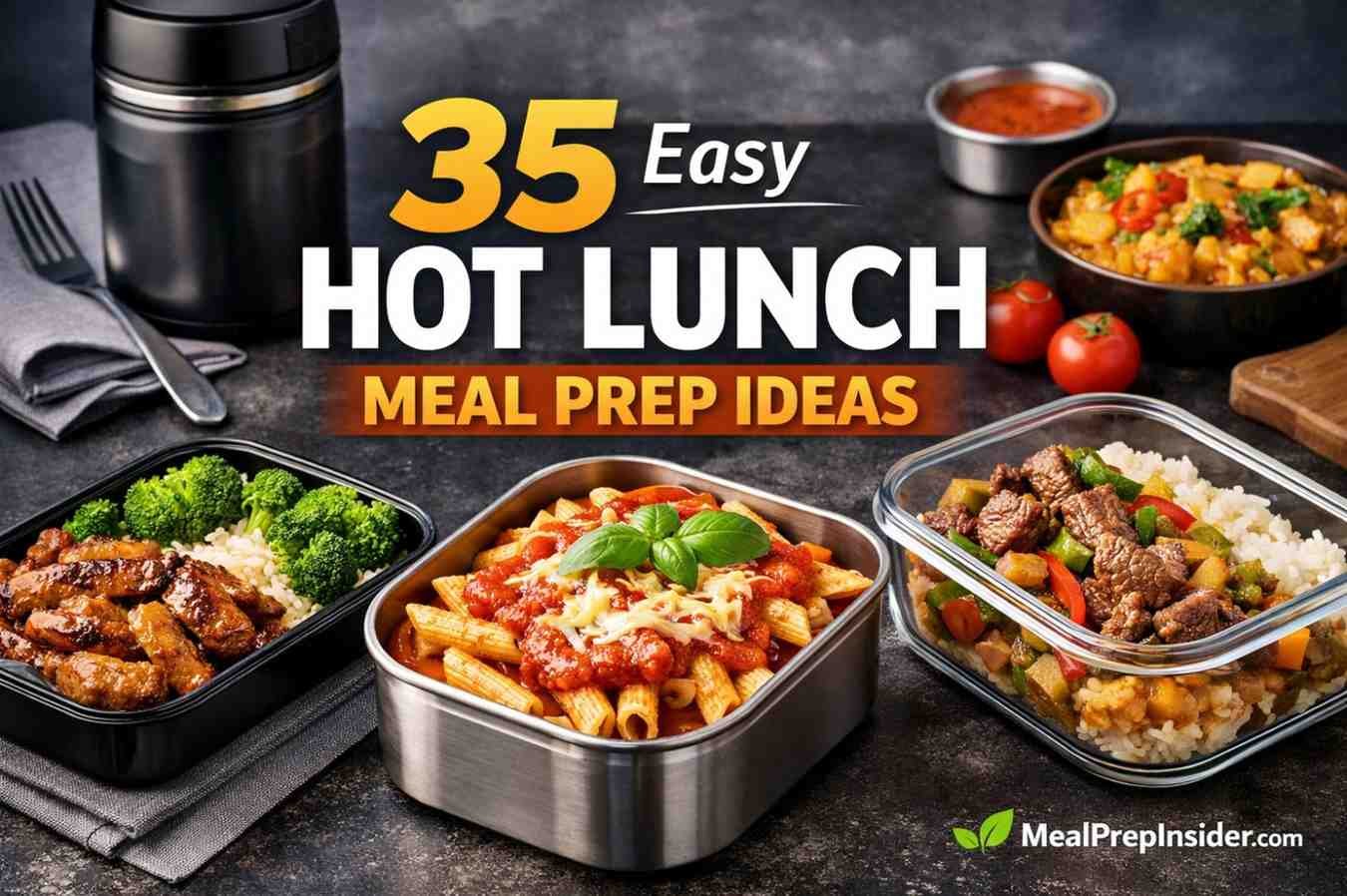
Hot lunch meal prep ideas transform chaotic weekday afternoons into moments of calm satisfaction. Picture this: you open your fridge at noon, and instead of staring blankly at random ingredients, you grab a perfectly portioned container of steaming, flavorful food that took you minutes to assemble days ago.
That’s the power of prepping.
Most people think meal prep means eating sad, cold salads for five days straight. Wrong. Dead wrong.
Hot lunches that reheat beautifully exist in abundance. They’re diverse. They’re delicious. And they don’t require culinary school credentials to pull off.
The difference between surviving lunch and actually enjoying it comes down to preparation. Not the boring kind that sucks your Sunday away. The smart kind that respects your time while feeding you properly.
Let’s dive into 35 options that’ll make your coworkers jealous.
Why Hot Lunch Meal Prep Changes Everything
Cold leftovers have their place. But that place isn’t every single day of your working life.
Hot meals satisfy differently. They comfort. They energize. They make lunch feel like an actual meal instead of fuel you’re cramming down between meetings.
The mental shift matters too. When you know a proper hot lunch waits for you, decision fatigue disappears. No more scrolling through delivery apps. No more standing in line at overpriced cafes.
Just heat and eat.
Your wallet notices the difference first. Your energy levels follow. Then your clothes fit better because you’re not stress-eating mystery ingredients from takeout containers.
The Smart Way to Prep Hot Lunches
Forget spending entire Sundays trapped in your kitchen. That’s not sustainable.
Here’s what genuinely works: batch cooking proteins on one day, carbs on another, and keeping prep sessions under 90 minutes. You’re not running a restaurant. You’re feeding one person (or maybe a few) for a handful of days.
Invest in quality containers that don’t leak, warp in the microwave, or make your food taste like plastic. Glass works best for reheating. The right containers prevent that sad, soggy texture that ruins otherwise good meals.
Season aggressively. Food loses flavor in the fridge. What tastes perfect on Sunday might taste bland by Wednesday. Compensate with bolder spices, fresh herbs added before eating, and sauces stored separately.
35 Hot Lunch Meal Prep Ideas That Actually Reheat Well
1. Chicken Burrito Bowls
Rice, seasoned black beans, grilled chicken strips, peppers, onions, and cheese in separate compartments. Add fresh salsa and avocado right before eating.
Reheats perfectly. Customizable. Never boring.
2. Beef and Broccoli Stir-Fry
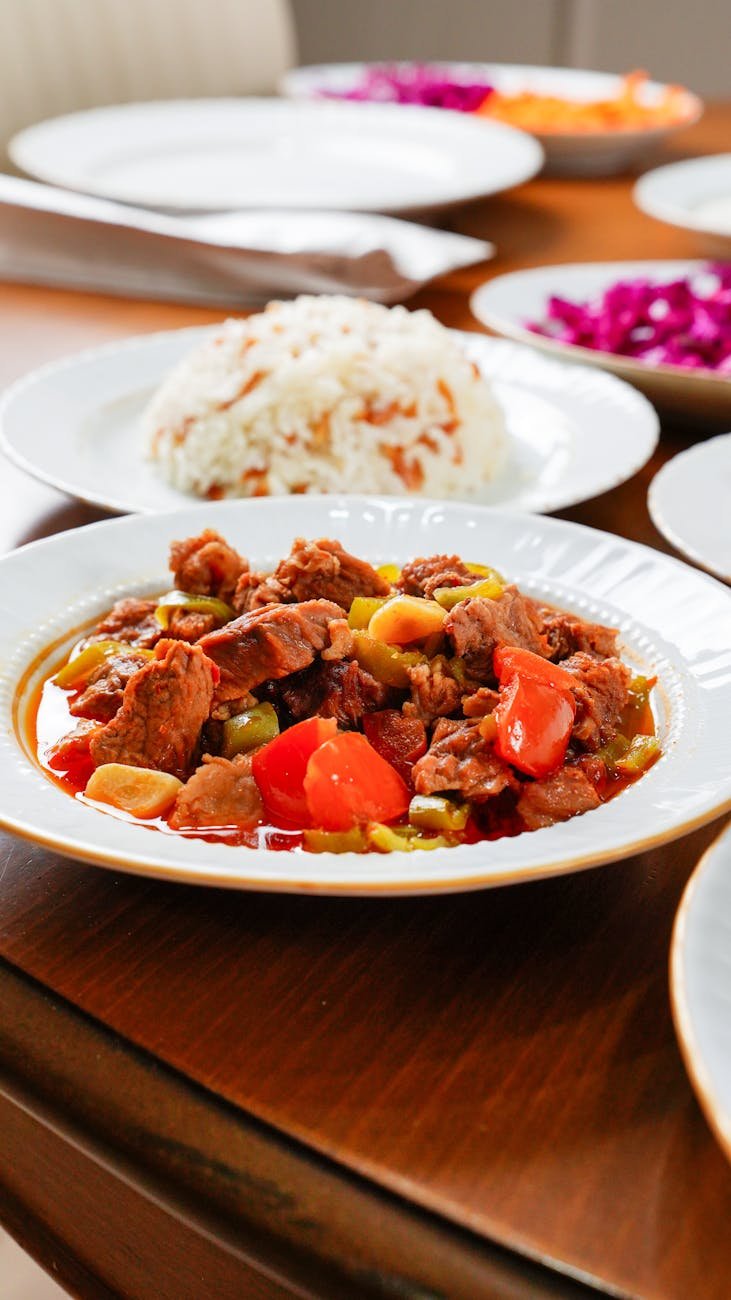
Tender beef strips with crisp broccoli florets in a savory sauce over rice. The secret is slightly undercooking the broccoli during prep so it stays vibrant green after reheating.
3. Turkey Chili
This one improves with time. The flavors deepen. The beans get creamier. Make a huge pot on Sunday, portion it out, and you’re set for days.
Top with cheese, sour cream, and green onions after heating.
4. Baked Ziti
Pasta, marinara, ricotta, mozzarella, and Italian sausage layered in individual portions. Comfort food that transports well and reheats like a dream.
5. Teriyaki Salmon with Vegetables
Glazed salmon portions with roasted asparagus and sweet potato chunks. Fancy enough to impress yourself. Simple enough to prep in bulk.
6. Pulled Pork with Coleslaw
Slow-cooker pulled pork stays moist for days. Pair with tangy coleslaw (stored separately) and whole wheat buns or sweet potato rounds.
7. Chicken Tikka Masala
Creamy, spiced perfection over basmati rice. Indian food meal preps beautifully because the flavors intensify overnight.
8. Stuffed Bell Peppers
Peppers filled with ground turkey, quinoa, black beans, and cheese. Each pepper is already portioned. Just grab and go.
9. Meatball Marinara Subs
Make meatballs in advance, freeze extras, and assemble with sauce and cheese in containers. Toast the bread fresh at lunch.
10. Coconut Curry Chicken
Thai-inspired comfort with chicken thighs, vegetables, and coconut milk curry over jasmine rice. The sauce keeps everything moist during reheating.
11. Beef Taco Salad
Seasoned ground beef, lettuce (packed separately), tomatoes, cheese, crushed tortilla chips, and southwest dressing. Assemble right before eating for maximum crunch.
12. Honey Garlic Pork Tenderloin
Sliced pork with roasted Brussels sprouts and butternut squash. Sweet and savory in perfect harmony.
13. Chicken Fried Rice
Better than takeout. Use day-old rice for the best texture. Load it with vegetables, scrambled eggs, and soy sauce.
14. Lasagna Cups
Individual lasagna portions baked in muffin tins. Genius for portion control and reheating without drying out.
15. Mongolian Beef
Tender beef in a sticky, slightly sweet sauce with scallions over noodles or rice. Restaurant quality from your microwave.
16. Chicken Enchiladas
Rolled tortillas filled with chicken, cheese, and enchilada sauce. Make a tray, cut into portions, and pack with Mexican rice and beans.
17. Sausage and Peppers
Italian sausages with bell peppers and onions. Serve over pasta, rice, or in hoagie rolls. Simple and satisfying.
18. Thai Peanut Noodles
Rice noodles with chicken, snap peas, carrots, and creamy peanut sauce. Cold or hot, this one delivers.
19. Shepherd’s Pie
Ground lamb or beef with vegetables under a layer of mashed potatoes. Pure comfort in a container.
20. Orange Chicken
Crispy chicken pieces in tangy orange sauce with steamed broccoli and rice. Skip the deep-frying and bake the chicken instead.
21. Chicken Fajita Bowls
All the fajita flavors without the tortilla. Chicken, peppers, onions, rice, and beans with toppings on the side.
22. Beef Stew
Chunks of beef, potatoes, carrots, and celery in rich gravy. Stews are meal prep champions because they actually improve over several days.
23. Teriyaki Meatballs
Homemade or store-bought meatballs in teriyaki sauce with pineapple chunks, served over rice with steamed vegetables.
24. Chicken Parmesan
Breaded chicken cutlets with marinara and mozzarella, paired with pasta or zucchini noodles.
25. Korean Beef Bowls
Ground beef with ginger, garlic, and soy sauce over rice with cucumber, carrots, and kimchi. Quick to make, quick to reheat.
26. White Chicken Chili
A creamy alternative to traditional chili with white beans, green chiles, and chicken in a flavorful broth.
27. Balsamic Chicken and Vegetables
Chicken breasts with roasted tomatoes, zucchini, and red onion, drizzled with balsamic reduction.
28. Jambalaya
Rice, sausage, shrimp, chicken, and Creole seasoning. One-pot wonder that portions beautifully.
29. Beef and Mushroom Stroganoff
Tender beef strips in creamy mushroom sauce over egg noodles. Rich, hearty, and reheat-friendly.
30. Sesame Ginger Chicken
Asian-inspired chicken with snap peas, carrots, and sesame seeds over brown rice or quinoa.
31. Chicken Sausage with Roasted Vegetables
Sliced chicken sausage with roasted bell peppers, zucchini, and red potatoes. Simple and endlessly customizable.
32. Pork Carnitas Bowls
Slow-cooked pork with cilantro lime rice, black beans, corn, and all your favorite toppings.
33. Thai Basil Beef
Spicy ground beef with Thai basil, chilies, and vegetables over jasmine rice. Bold flavors that wake up your taste buds.
34. Chicken and Wild Rice Soup
Creamy, comforting soup loaded with chicken, wild rice, carrots, and celery. Perfect for cooler months.
35. Mediterranean Chicken Bowls
Grilled chicken with couscous, roasted red peppers, cucumbers, olives, feta, and tzatziki sauce.
Protein Rotation: Keep Things Interesting
Eating chicken seven days straight kills motivation faster than anything.
Rotate your proteins throughout the week. Monday might be beef. Tuesday brings pork. Wednesday features fish. Thursday goes vegetarian with beans or lentils. Friday circles back to chicken.
Your body gets different nutrients. Your taste buds stay engaged. Meal prep stops feeling like punishment.
Here’s a simple rotation framework:
Week 1:
- Monday: Beef
- Tuesday: Chicken
- Wednesday: Pork
- Thursday: Fish
- Friday: Turkey
Week 2:
- Monday: Chicken (different preparation)
- Tuesday: Pork
- Wednesday: Beef (different recipe)
- Thursday: Vegetarian
- Friday: Fish
Mix and match based on sales, preferences, and what sounds good.
Carb Choices That Reheat Like Champions
Not all carbs handle reheating equally.
Rice reheats beautifully with a splash of water or broth. Pasta can get mushy, so slightly undercook it initially. Quinoa holds texture well. Sweet potatoes maintain their integrity better than regular potatoes.
Avoid delicate pasta shapes. Stick with penne, rigatoni, or farfalle. These sturdy shapes withstand the microwave.
For rice, jasmine and basmati work best. Brown rice stays fluffy. Instant rice turns to mush.
Store carbs separately when possible. This prevents them from absorbing too much sauce and becoming soggy.
Vegetable Strategies for Meal Prep Success
Vegetables are tricky. They can go from crisp to sad surprisingly fast.
Roast them slightly less than you normally would. They’ll finish cooking when you reheat the meal. Broccoli, cauliflower, Brussels sprouts, and bell peppers all handle this well.
Keep delicate vegetables separate. Add fresh spinach, arugula, or tomatoes right before eating.
Frozen vegetables work brilliantly for meal prep. They’re already blanched, they’re nutritious, and they don’t wilt in your fridge.
Steam-in-bag frozen vegetables make prep even easier. Toss them into your container still frozen. They’ll thaw and reheat with the rest of your meal.
Sauce Secrets Nobody Tells You
Sauces make or break reheated meals.
Too much sauce makes everything soggy. Too little leaves your food dry and sad.
Pack sauces separately whenever possible. This gives you control over moisture levels and keeps components from getting waterlogged.
Consider these sauce storage options:
- Small silicone containers (reusable and microwave-safe)
- Mini mason jars (perfect for dressings and thin sauces)
- Squeeze bottles (great for sriracha, ranch, or hot sauce)
For creamy sauces, add a splash of milk or cream when reheating to restore consistency. Tomato-based sauces often need a touch of water.
Containers That Make the Difference
Cheap containers leak, warp, and make your food taste weird.
Invest once in quality glass containers with locking lids. They lasted years. They don’t stain. They heat evenly.
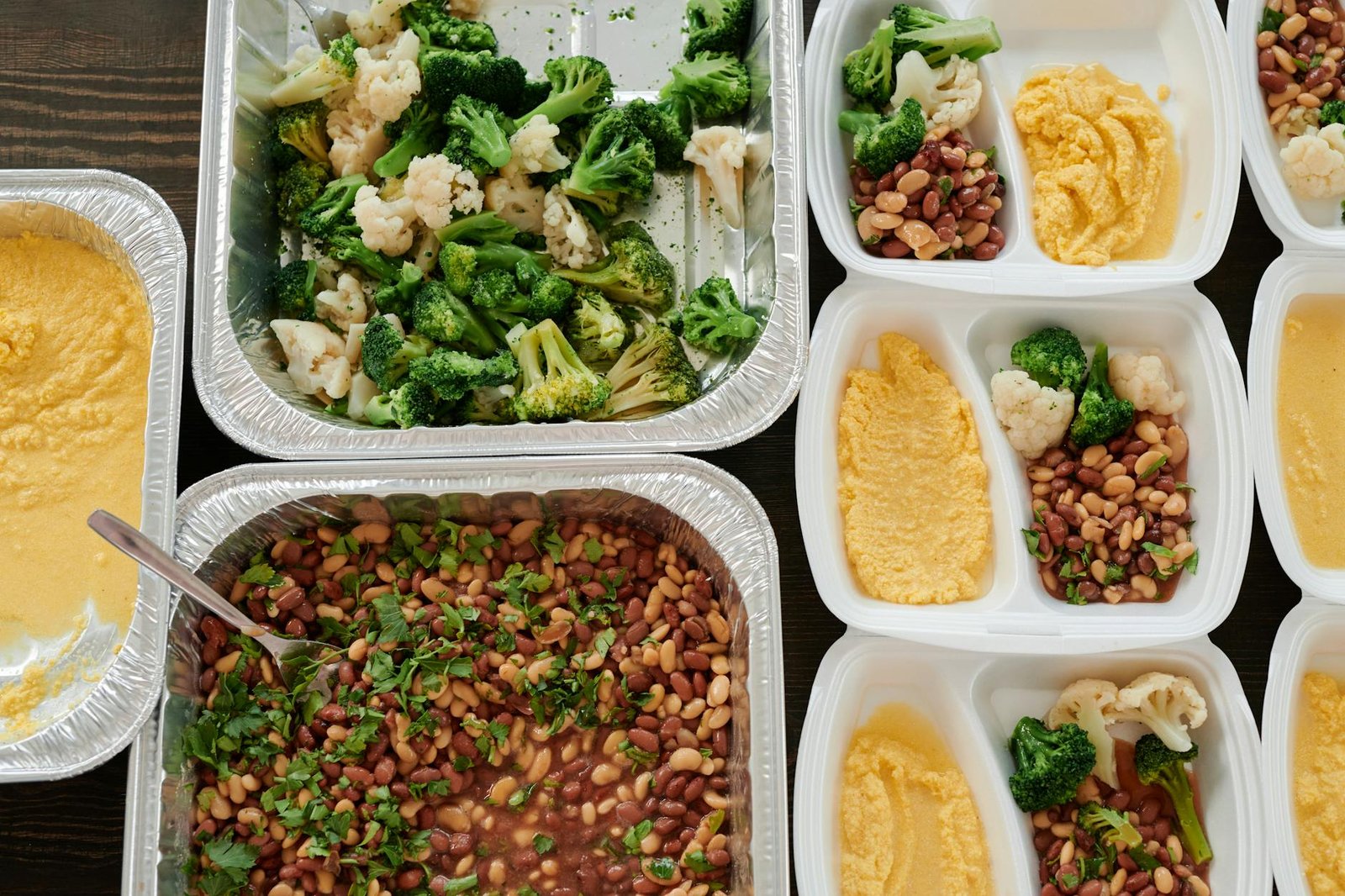
Look for compartmentalized options for meals with multiple components. Keeping rice separate from the sauce prevents mushiness.
Get containers in multiple sizes:
- Large (16-20 oz) for hearty bowls and stews
- Medium (12-16 oz) for standard meals
- Small (4-8 oz) for sides, snacks, or sauces
Microwave-safe and dishwasher-safe aren’t optional features. They’re requirements.
Time-Saving Shortcuts That Don’t Sacrifice Quality
Pre-cut vegetables from the grocery store cost more, but they save massive amounts of time.
Rotisserie chicken provides cooked protein instantly. Shred it, portion it, use it in five different recipes.
Frozen pre-cooked grains exist now. Quinoa, rice, and farro—all available in steam-in-bag formats. Not as cheap as cooking from scratch, but infinitely faster.
Canned beans are your friend. Rinse them well, and nobody will know you didn’t soak dried beans overnight.
Jarred sauces work when you don’t have time to make everything from scratch. Doctor them up with fresh garlic, herbs, or spices.
Common Pitfalls to Dodge
Mistake #1: Prepping for the entire week on Sunday
By Friday, that food tastes like it’s been in your fridge for five days. Because it has.
Better approach: Prep twice weekly. Sunday for Monday-Wednesday. Wednesday evening for Thursday-Friday.
Mistake #2: Not cooling food before refrigerating
Hot food creates condensation. Condensation makes everything soggy and reduces shelf life.
Let meals cool to room temperature before sealing and refrigerating. Use shallow containers to speed cooling.
Mistake #3: Ignoring seasoning needs
Food loses flavor over time in the fridge. Season more generously than you think necessary. Add finishing touches like fresh herbs, lemon juice, or hot sauce right before eating.
Mistake #4: Prepping foods that don’t reheat well
Crispy foods get soggy. Delicate fish falls apart. Cream-based sauces can separate.
Stick with recipes specifically designed for reheating until you understand which foods hold up.
Mistake #5: Forgetting about food safety
Keep hot foods hot and cold foods cold during the danger zone (40°F to 140°F). Cool meals quickly. Refrigerate within two hours.
Label containers with dates. Most prepped meals stay good for 3-4 days in the fridge.
RELATED POST >> 25 Cold Meal Prep Ideas for Work: Top-Rated Delicious Meals
How to Reheat Without Ruining Everything
Microwaves are convenient but can create texture issues.
For best results:
- Add a splash of water or broth to prevent drying
- Cover containers with a damp paper towel
- Heat at 70% power for longer rather than 100% power quickly
- Stir halfway through for even heating
Some meals deserve better than the microwave. If you have access to an oven or toaster oven at work, use it for:
- Anything with cheese on top
- Crispy-coated proteins
- Dishes that benefit from a little browning
Stovetop reheating at home works beautifully for stir-fries, curries, and pasta dishes.
Weekly Planning Template
Planning prevents the Sunday panic where you’re Googling “what to meal prep” while standing in the grocery store.
Friday or Saturday: Decide on your meals for the week. Check what ingredients you already have.
Saturday or Sunday morning: Shop for what you need.
Sunday afternoon: Execute your prep. Two to three different recipes max. Any more and you’ll burn out.
Wednesday evening: Quick refresh prep for Thursday and Friday lunches.
Keep a running list of successful recipes. When a meal prep idea works well, add it to your rotation. Within a few months, you’ll have 15-20 reliable options.
Budget-Friendly Protein Options
Meat gets expensive fast when you’re buying for multiple meals.
Chicken thighs cost less than breasts and stay moister during reheating.
Ground turkey offers lean protein at reasonable prices. Use it anywhere you’d use ground beef.
Pork shoulder goes on sale regularly. One shoulder makes pulled pork for weeks if you freeze portions.
Eggs provide the cheapest protein per serving. Frittatas, egg muffins, and scrambles all meal prep well.
Canned tuna and salmon work for quick protein additions to salads and bowls.
Dried beans and lentils give you protein for pennies per serving. Batch cook them as you would rice.
Spice Blends That Transform Basic Ingredients
The same chicken and rice combo becomes five different meals with different seasonings.
Keep these blends on hand:
- Taco seasoning: Cumin, chili powder, paprika, garlic powder, onion powder
- Italian blend: Oregano, basil, thyme, rosemary, garlic powder
- Asian-inspired: Ginger, garlic powder, five-spice, sesame seeds
- Mediterranean: Oregano, thyme, lemon pepper, garlic
- Cajun: Paprika, cayenne, oregano, thyme, garlic powder, onion powder
Make your own blends in bulk. They’re cheaper than store-bought and contain no fillers or anti-caking agents.
One-Pot Wonders for Minimal Cleanup
Fewer dishes mean less resistance to meal prepping.
Sheet pan meals require one pan. Throw protein and vegetables on a baking sheet, season, and roast. Done.
Slow cooker meals need almost zero hands-on time. Dump ingredients in the morning. Portion at night.
Instant Pot recipes pressure-cook complete meals in under an hour. Rice, protein, and vegetables all together.
The easier the cleanup, the more likely you’ll prep consistently.
Mix-and-Match Bowl System
Instead of prepping complete meals, prep components.
Make three proteins, three carbs, three vegetable options, and several sauces. Mix and match throughout the week.
Proteins:
- Grilled chicken strips
- Seasoned ground beef
- Baked tofu cubes
Carbs:
- Brown rice
- Quinoa
- Sweet potato cubes
Vegetables:
- Roasted broccoli
- Sautéed peppers and onions
- Steamed green beans
Sauces:
- Teriyaki
- Salsa
- Peanut sauce
- Ranch
This system prevents boredom while maximizing efficiency.
Freezer-Friendly Options for Extended Prep
Some meals freeze beautifully, letting you prep further in advance.
Best freezer candidates:
- Soups and stews
- Chili
- Meatballs
- Enchiladas
- Stuffed peppers
- Lasagna
- Curries
Pack in freezer-safe containers. Label with contents and date. Most prepped meals stay good frozen for 2-3 months.
Thaw overnight in the fridge before reheating. Some items (like soup) can go straight from the freezer to the microwave.
International Flavors to Explore
Don’t limit yourself to the same five cuisines.
Japanese: Teriyaki bowls, miso-glazed salmon, yakisoba
Mexican: Burrito bowls, enchiladas, taco salad
Thai: Pad Thai, green curry, basil chicken
Indian: Tikka masala, palak paneer, dal
Mediterranean: Greek bowls, shakshuka, falafel
Korean: Bibimbap, bulgogi, and kimchi fried rice
Each cuisine offers dozens of meal prep possibilities. Expand your repertoire gradually to keep lunches exciting.
Tracking What Works
Keep notes on your meal prep successes and failures.
Which recipes reheated perfectly? Which ones were dry by Wednesday? What flavor combinations did you love? Which ones were just okay?
A simple notebook or phone notes app works. Record:
- Recipe name
- How well it reheated (scale of 1-10)
- Any modifications you’d make next time
- Whether you’d make it again
This eliminates guesswork. You build a personalized collection of proven winners.
Making Meal Prep a Sustainable Habit
Don’t aim for perfection.
Some weeks, you’ll prep five perfect lunches. Other weeks, you’ll throw together two and improvise the rest. Both are fine.
The goal isn’t Instagram-worthy containers arranged in rainbow order. It’s having decent food available when you need it.
Start small. Prep two lunches for your first week. Once that feels manageable, add a third. Build gradually.
Prep with a friend, partner, or roommate. Split costs, share recipes, make it social instead of a chore.
Listen to podcasts or audiobooks while you cook. The time passes faster when you’re entertained.
Frequently Asked Questions
How long do meal-prepped hot lunches last in the fridge?
Most properly stored hot lunch meal preps stay fresh for 3-4 days. Meals containing seafood should be eaten within 2 days. Always check for off smells or appearance before eating. When in doubt, throw it out.
Can I freeze all of these meal prep ideas?
Not all meals freeze equally well. Soups, stews, chilis, casseroles, and most rice-based dishes freeze beautifully. Pasta can get mushy. Dishes with dairy-based sauces may separate. Meals with lots of fresh vegetables often have texture issues after freezing.
What’s the best way to reheat rice without it getting dry?
Add a tablespoon of water or broth to your rice before reheating. Cover the container with a damp paper towel. Heat at 70% power in 30-second intervals, stirring between each one. The moisture creates steam that rehydrates the rice.
Do I need to let food cool before putting it in the fridge?
Yes, but don’t leave it out for hours. Let food cool at room temperature for about 30 minutes, then refrigerate. Hot food raises your fridge temperature and creates condensation that leads to sogginess. Use shallow containers to speed cooling.
How do I keep vegetables from getting soggy in meal prep?
Slightly undercook vegetables during prep. Store them in separate compartments from wet ingredients. Add delicate vegetables like lettuce or tomatoes right before eating. Roasted vegetables hold up better than steamed ones.
What containers work best for hot lunch meal prep?
Glass containers with locking lids are ideal. They’re microwave-safe, don’t retain odors, and heat food evenly. Look for compartmentalized options to keep ingredients separate. Avoid cheap plastic that warps or leaches chemicals when heated.
Can I meal prep if I don’t have much time on weekends?
Absolutely. Split your prep into two shorter sessions—Sunday for half the week, Wednesday for the rest. Use shortcuts like pre-cut vegetables, rotisserie chicken, and frozen grains. Even 30 minutes of prep beats scrambling every day.
How do I prevent meal prep burnout?
Don’t prep the same meals every week. Rotate proteins, try new cuisines, and use different flavor profiles. Prep components instead of complete meals so you can mix and match. Take a break when needed—meal prepping isn’t all-or-nothing.
Are meal prep ideas expensive to start?
Initial container investment runs $30-50, but they last for years. Food costs depend on what you choose. Rice, beans, chicken thighs, and seasonal vegetables keep costs low. You’ll save money compared to eating out or ordering delivery.
What if I don’t have a microwave at work?
Pack meals in thermos containers that keep food hot for hours. Choose room-temperature options like grain bowls with cold proteins. Some offices have toaster ovens. You can also eat meals cold—many dishes work both ways.
How do I make sure my food is safe to eat?
Cool food quickly and refrigerate it within two hours of cooking. Keep your fridge at 40°F or below. Store raw meats separately from cooked foods. Label containers with dates and eat within 3-4 days. Trust your senses—if something looks or smells off, skip it.
Can vegetarians and vegans use these meal prep ideas?
Many of these ideas work perfectly with plant-based proteins. Swap chicken for tofu, chickpeas, or tempeh. Use vegetable broth instead of chicken broth. Bean-based dishes, grain bowls, and vegetable curries all prep beautifully.
SUGGESTED POST >> 18 Easy Meal Prep Ideas with Rice: Quick Weekly Lunches