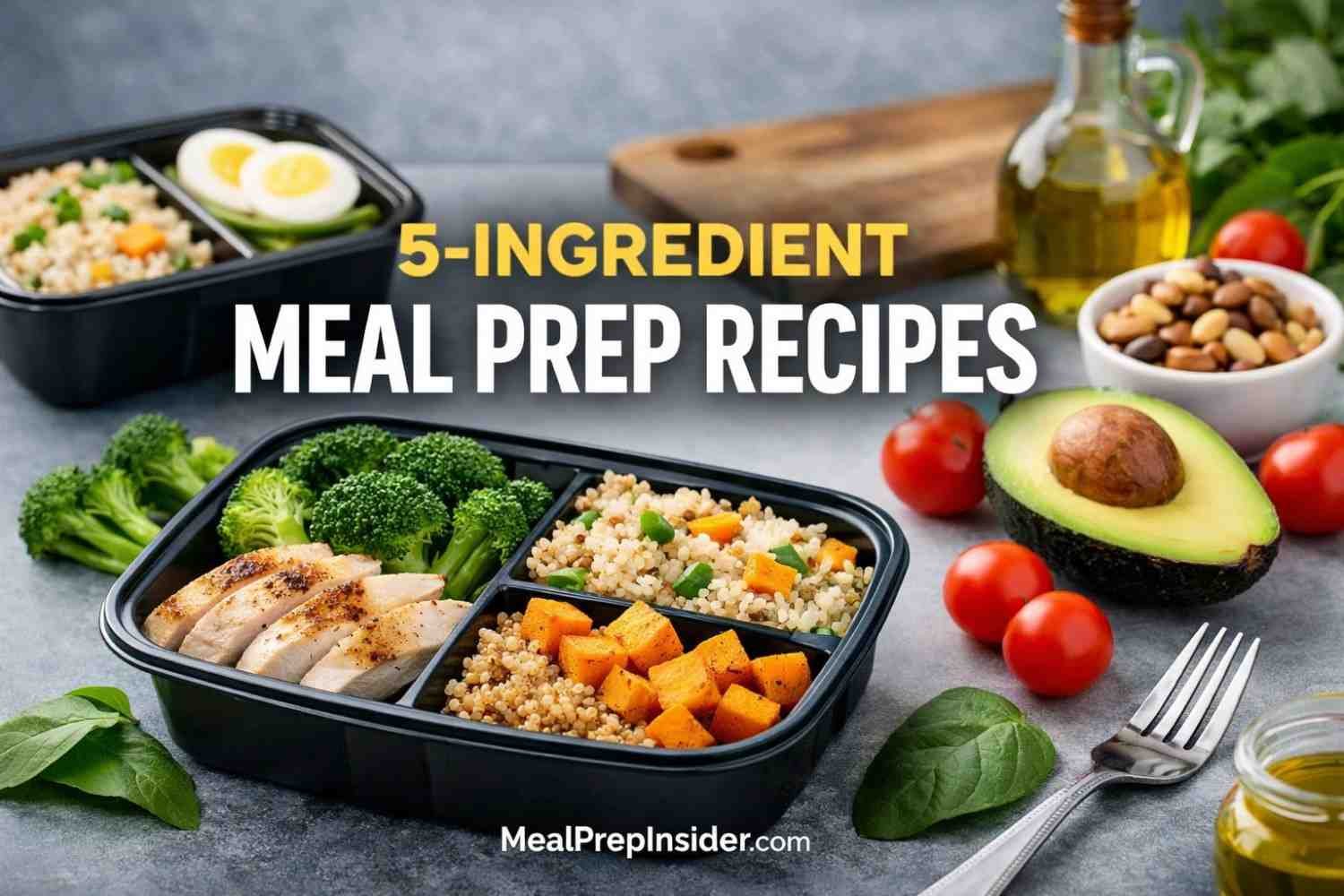
5-ingredient meal prep recipes are changing the game for busy Americans who refuse to live on takeout and frozen dinners. You know that Sunday panic when you realize Monday through Friday are staring you down like a marathon with no finish line? That stops now.
Here’s what nobody tells you about meal prep: it doesn’t have to be complicated.
The Instagram photos with seventeen matching containers and color-coded spreadsheets? Forget them. Real people with real schedules need something that works without requiring a culinary degree or a grocery budget that rivals a car payment.
This isn’t another collection of recipes that claim to be simple but somehow require twelve spices you’ll use once and a mandoline slicer gathering dust in your cabinet. These are legitimately five ingredients. Not “five ingredients plus pantry staples that include fourteen different things.” We’re talking honest-to-goodness simplicity.
Ready to meal prep like someone who understands that your time matters?
Let’s get into it.
Why 5-Ingredient Meal Prep Recipes Work Better Than Complex Plans
The psychology behind meal prep failure is straightforward. When recipes demand too many ingredients, three things happen: you spend more money than planned, waste food you’ll never use again, and burn out before week two.
Five ingredients hit the sweet spot.
Your brain can handle five things. Your wallet can absorb five items without flinching. Your pantry won’t become a graveyard of half-used jars with expiration dates from two administrations ago.
But there’s another reason this approach crushes the competition. Decision fatigue is real, and Americans deal with enough choices without turning dinner into a philosophy debate. When you limit ingredients, you limit variables. Fewer variables mean fewer opportunities to mess up, quit, or order pizza instead.
The constraint forces creativity. Chefs call this “limitations breeding innovation,” but you can call it “making something delicious without overthinking.”
What You Need to Know Before Starting
Setting yourself up properly makes the difference between actually doing this and abandoning ship by Wednesday.
Essential Equipment:
- Five to seven glass or BPA-free plastic containers
- One decent knife that doesn’t fight you
- Two sheet pans
- A cutting board that doesn’t slide around
- Measuring cups, if you’re not confident eyeballing
That’s genuinely it.
No Instant Pot. No air fryer. No sous vide setup that costs more than your monthly streaming subscriptions combined. If you have those tools, great. They’re not required.
Time Investment Reality Check:
Most people overestimate how long meal prep takes. Two hours on Sunday handles four to five days of lunches or dinners. That’s less time than binge-watching three episodes of whatever show you’re currently obsessed with.
The key is batching similar tasks. Chop everything first. Cook everything at similar temperatures together. Don’t bounce between recipes like a caffeinated squirrel.
Storage Guidelines That Won’t Give You Food Poisoning:
Cooked proteins last four days in the fridge. Cooked grains and vegetables can be stored for five days. When in doubt, freeze half. Future you will appreciate past you’s paranoia.
The Foundation: Building Blocks for Success
Understanding how ingredients work together transforms random items into actual meals.
Protein Options:
- Chicken thighs (cheaper and more forgiving than breasts)
- Ground turkey or beef
- Eggs
- Canned beans
- Salmon or white fish
Vegetables That Hold Up:
- Broccoli
- Bell peppers
- Sweet potatoes
- Zucchini
- Brussels sprouts
- Cauliflower
Flavor Carriers:
- Salsa
- Pesto
- Soy sauce
- Hot sauce
- Jarred marinara
These aren’t fancy. They’re workhorses that show up and do their job without complaining.
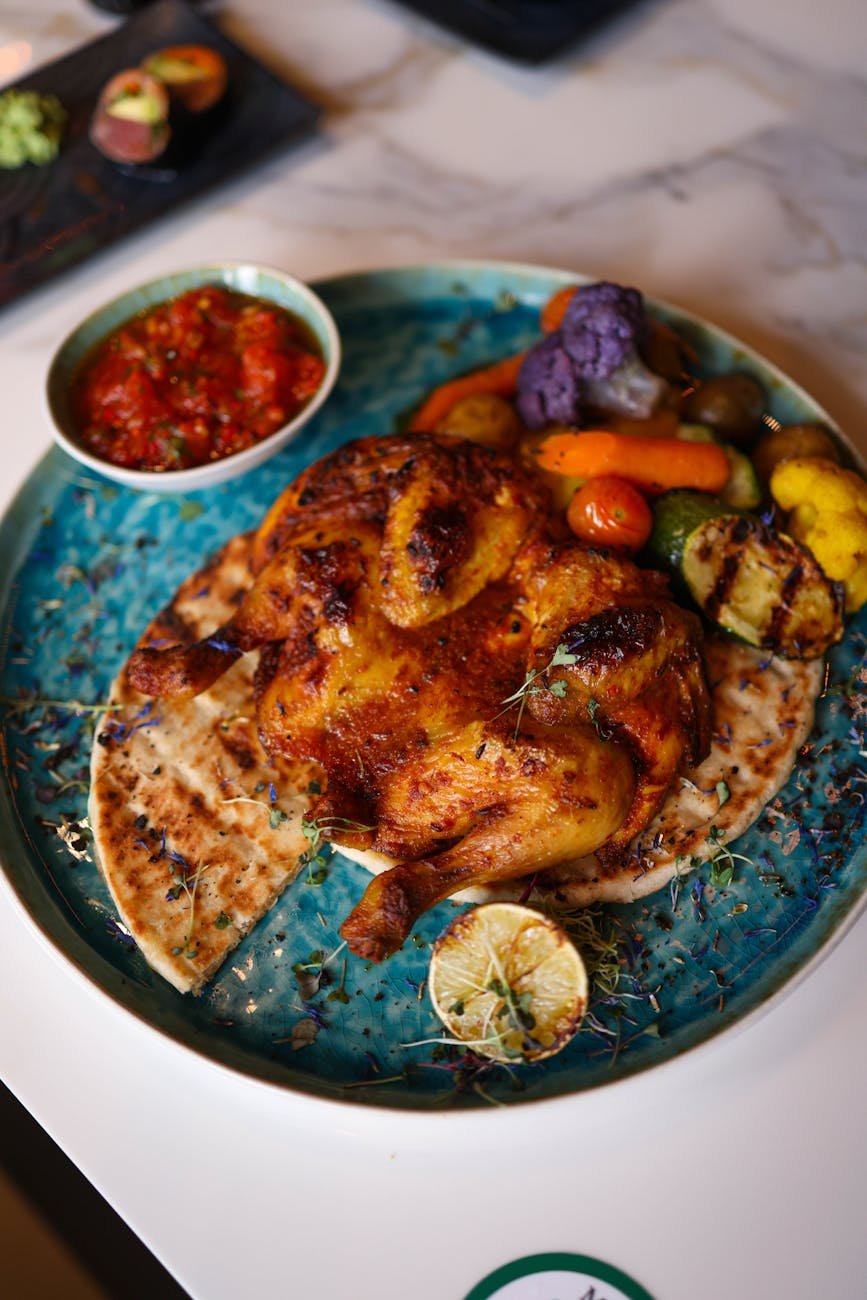
Recipe 1: Sheet Pan Chicken Fajita Bowls
This one tastes like you put in way more effort than you did.
What You Need:
- 2 pounds chicken thighs
- 3 bell peppers (different colors make it prettier)
- 1 large onion
- 1 packet fajita seasoning
- 2 tablespoons olive oil
How to Make It:
Preheat your oven to 425°F. Cut the chicken into strips. Slice the peppers and onion into similar-sized pieces so everything cooks evenly.
Toss everything on a sheet pan. Drizzle with olive oil. Sprinkle the seasoning over the top. Use your hands to mix it around—no one’s watching.
Roast for 25-30 minutes. The chicken should hit 165°F internal temperature, and the vegetables should have some char on the edges.
Divide into containers. Done.
Variations:
Swap chicken for shrimp and cut the cooking time to 12 minutes. Use taco seasoning instead of fajita seasoning. Add a can of drained black beans before cooking for extra protein.
Serve over rice, in tortillas, or with cauliflower rice if you’re into that.
Recipe 2: Teriyaki Salmon and Broccoli
Fish intimidates people. It shouldn’t.
Ingredients:
- 4 salmon fillets
- 1 pound broccoli florets
- 1/2 cup teriyaki sauce
- 2 tablespoons sesame oil
- Sesame seeds for garnish
Instructions:
Line a sheet pan with parchment paper because washing pans is for people with free time.
Place salmon fillets skin-side down. Arrange broccoli around them. Brush everything with sesame oil. Pour teriyaki sauce over the salmon, letting some drip onto the broccoli.
Bake at 400°F for 15 minutes. The salmon should flake easily with a fork.
Sprinkle sesame seeds on top because you’re not an animal.
The Storage Trick:
Keep the salmon separate from the broccoli if you’re prepping more than two days out. Fish gets fishier faster when stored with vegetables.
Recipe 3: One-Pot Salsa Chicken and Rice
This recipe has converted more non-cooks into meal preppers than any other.
What You’re Grabbing:
- 1.5 pounds of chicken breasts
- 2 cups rice (white or brown)
- 1 jar salsa (16 ounces)
- 2.5 cups chicken broth
- 1 cup shredded cheese
The Process:
Put everything except the cheese into a large pot or Dutch oven. Yes, raw chicken. Yes, uncooked rice. Trust the process.
Bring to a boil, then reduce to a simmer. Cover and cook for 25 minutes without lifting the lid. Patience.
After 25 minutes, check if the rice is tender and the chicken is cooked through. Shred the chicken right in the pot using two forks.
Stir in the cheese. Let it melt into everything.
This reheats like a dream and tastes better on day two.
Recipe 4: Italian Sausage and Peppers
The meal your Italian grandmother would approve of, simplified.
Shopping List:
- 1.5 pounds Italian sausage (sweet or spicy)
- 4 bell peppers
- 1 large onion
- 1 jar marinara sauce (24 ounces)
- Parmesan cheese for serving
Cooking Method:
Slice the sausages into coins. Cut peppers and onions into strips.
Brown the sausage in a large skillet over medium-high heat. Don’t move it around too much—let it develop that caramelized exterior.
Add the peppers and onions. Cook until they start softening, about 7 minutes.
Pour in the marinara. Simmer for 15 minutes.
Serving Ideas:
Over pasta. In hoagie rolls. With polenta. On its own, if you’re watching carbs.
The leftovers improve as the flavors meld together overnight.
Recipe 5: Greek Chicken Bowls
Mediterranean flavors without the ingredient list that reads like a novel.
Ingredients:
- 2 pounds chicken breast
- 1 container cherry tomatoes
- 1 cucumber
- 1 container of hummus
- Feta cheese
Preparation:
Season chicken with salt, pepper, and oregano (okay, that’s technically more ingredients, but spices don’t count in this economy). Grill or bake at 375°F for 25 minutes.
Slice the chicken. Halve the tomatoes. Dice the cucumber.
Assemble bowls with chicken, vegetables, a scoop of hummus, and crumbled feta.
The hummus acts as your dressing, eliminating another ingredient.
Recipe 6: Beef and Broccoli Stir-Fry
Better than takeout, and you’ll know exactly what’s in it.
What You Need:
- 1.5 pounds of flank steak or sirloin
- 1 pound broccoli florets
- 1/2 cup soy sauce
- 3 tablespoons honey
- 2 tablespoons cornstarch
Steps:
Slice the beef thin against the grain. Mix soy sauce, honey, and cornstarch in a bowl.
Heat a large skillet or wok until it’s screaming hot. Cook the beef in batches—crowding the pan steams the meat instead of searing it.
Remove beef. Add broccoli with a splash of water. Cover and steam for 3 minutes.
Return beef to the pan. Pour in the sauce. Stir until everything’s coated and the sauce thickens.
Serve over rice or noodles.
Recipe 7: Turkey Taco Meat Prep
Versatility is the entire point here.
Ingredient List:
- 2 pounds ground turkey
- 1 packet taco seasoning
- 1 can of black beans
- 1 cup salsa
- 1 cup corn (frozen is fine)
How It Works:
Brown the turkey in a large skillet, breaking it up as it cooks. Drain any excess liquid.
Add taco seasoning and follow the packet directions. Stir in drained beans, salsa, and corn. Simmer for 10 minutes.
Ways to Use It:
Taco Tuesday, obviously. But also: burrito bowls, stuffed peppers, nachos, quesadillas, salad topping, or straight from the container if you’re standing in front of the fridge at midnight.
Recipe 8: Balsamic Chicken and Vegetables
Sounds fancy. Isn’t.
Ingredients:
- 2 pounds chicken thighs
- 1 pound Brussels sprouts
- 1 pint cherry tomatoes
- 1/3 cup balsamic vinegar
- 3 tablespoons olive oil
Directions:
Trim Brussels sprouts and cut them in half. Toss chicken, sprouts, and tomatoes on a sheet pan.
Whisk together balsamic vinegar and olive oil. Pour over everything.
Roast at 425°F for 30-35 minutes. The balsamic caramelizes and creates this glaze that makes you look like you know what you’re doing.
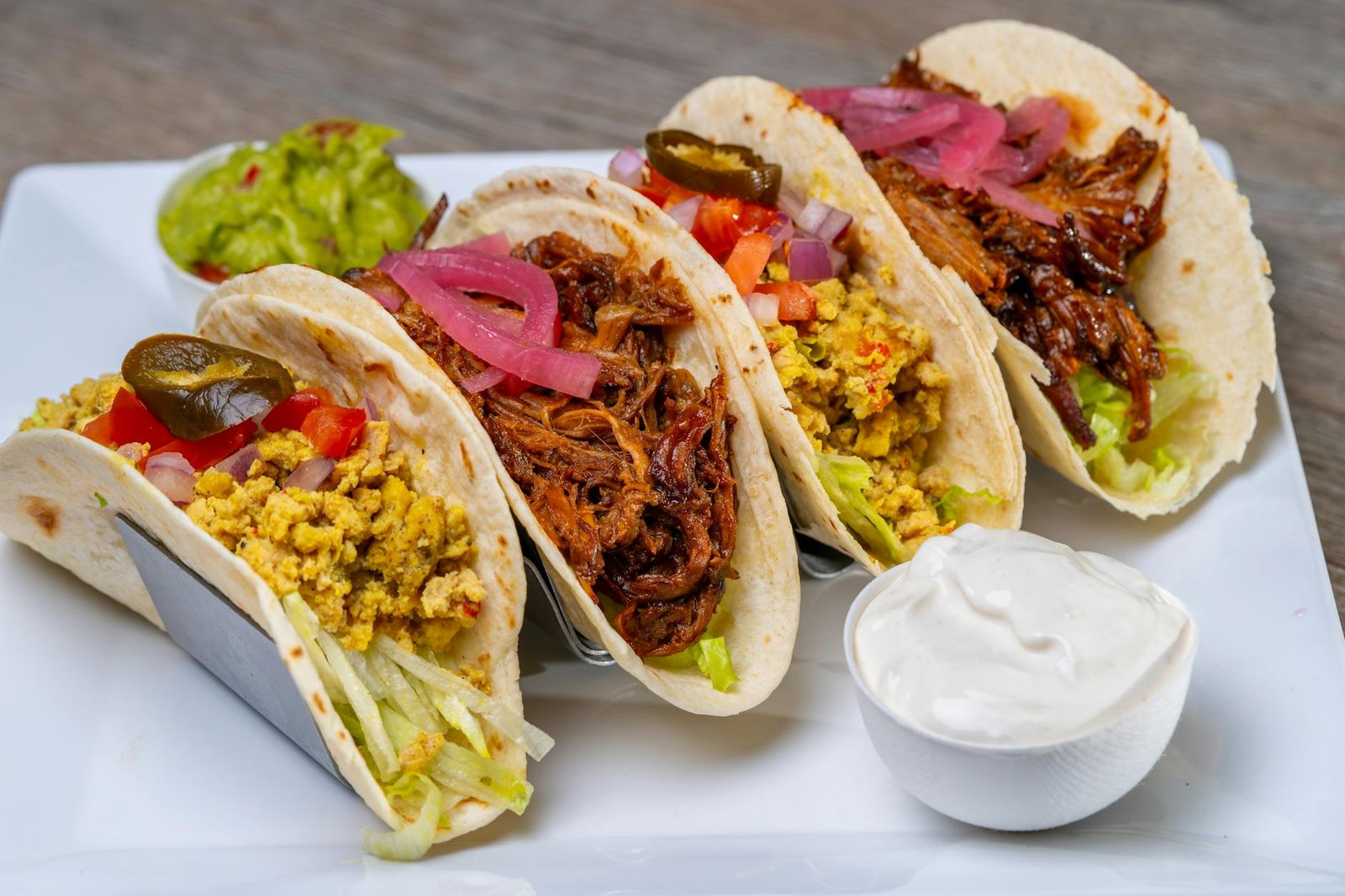
RELATED POST >> Plant Based Meal Prep Recipes for Muscle Building
Recipe 9: Pesto Shrimp and Zucchini Noodles
Low-carb without feeling like punishment.
What to Buy:
- 1.5 pounds large shrimp (peeled and deveined)
- 4 medium zucchinis
- 1 container pesto (about 7 ounces)
- Cherry tomatoes
- Parmesan cheese
Preparation:
Spiralize the zucchini or use a vegetable peeler to make ribbons. If you don’t have a spiralizer, buy pre-made zucchini noodles and save yourself the trouble.
Sauté shrimp in a large pan until pink, about 2-3 minutes per side. Remove.
Add zucchini noodles and cook just until slightly softened, maybe 2 minutes. Nobody wants mushy zucchini.
Toss with pesto. Add shrimp and halved cherry tomatoes. Top with parmesan.
Storage Note:
This one’s best eaten within three days. Zucchini releases water over time.
Recipe 10: BBQ Pulled Pork
Your slow cooker’s moment to shine.
Ingredients:
- 3-pound pork shoulder
- 1 bottle BBQ sauce (18 ounces)
- 1 onion
- 1/2 cup apple cider vinegar
- Brown sugar (2 tablespoons)
Method:
Slice the onion and put it at the bottom of your slow cooker. Place the pork on top. Mix BBQ sauce, vinegar, and brown sugar. Pour over the pork.
Cook on low for 8 hours or high for 4-5 hours. The pork should shred easily.
Remove the pork and shred it. Return to the sauce and mix.
This freezes beautifully. Make a double batch.
Common Pitfalls to Sidestep
People sabotage their meal prep in predictable ways.
Mistake Number One: Making Everything on Sunday
You don’t have to prep seven days of food in one session. That’s burnout waiting to happen. Prep Monday through Wednesday on Sunday. Do Thursday and Friday on Wednesday night.
Blunder to Avoid: Ignoring Your Actual Eating Habits
If you hate eating the same lunch three days in a row, don’t make five identical containers. Prep components instead of complete meals. Cook three proteins, roast different vegetables, and mix and match.
Error People Make: Forgetting to Label
Everything looks the same in containers. Write the date and contents. Your future self, who’s staring into the fridge half-asleep, will thank you.
Misstep That Ruins Progress: Overcomplicating Seasoning
Salt, pepper, garlic powder, and one additional spice handle most situations. You don’t need a rack of thirty spices you’ll never use.
How to Scale These Recipes
All these recipes multiply or divide easily.
Cooking for one? Cut everything in half. Feeding a family of five? Double it. The cooking times stay mostly the same, though larger quantities might need an extra 5-10 minutes.
Batch cooking proteins separately from sides gives you maximum flexibility. Grill four pounds of chicken on Sunday. Roast three sheet pans of different vegetables. Cook a big pot of rice or quinoa. Mix and match throughout the week.
Money-Saving Strategies
Meal prep saves money, but only if you’re strategic.
Buy Proteins on Sale
Stock up when chicken thighs or ground beef hit a good price. Freeze in meal-sized portions. Most proteins last 3-6 months frozen.
Shop Seasonal Vegetables
Zucchini in summer. Brussels sprouts in the fall. Seasonal produce costs less and tastes better.
Generic Brands Work Fine
The store-brand salsa performs the same job as the name-brand. Same with canned beans, pasta, rice, and most pantry staples.
Compare Unit Prices
Bigger isn’t always cheaper. Check the price per ounce, not the package price.
Reheating Without Ruining Everything
The microwave gets a bad reputation, but user error causes most problems.
For Proteins:
Reheat at 70% power. Covering the container with a damp paper towel keeps things from drying out. Add a splash of water or broth if needed.
For Vegetables:
Quick blasts at full power work better than long, slow heating, which turns them to mush.
For Rice and Grains:
Sprinkle with water before reheating. Fluff with a fork afterward.
Oven Reheating:
Takes longer but resurrects crispy textures better. 350°F for 10-15 minutes.
Grocery Shopping Template
Making a consistent list eliminates decision fatigue at the store.
Proteins (Pick 2-3):
- Chicken (thighs or breasts)
- Ground meat
- Fish
- Eggs
- Beans
Vegetables (Pick 3-4):
- Broccoli
- Peppers
- Onions
- Sweet potatoes
- Leafy greens
- Tomatoes
Flavor/Sauce (Pick 2):
- Salsa
- BBQ sauce
- Teriyaki
- Marinara
- Pesto
Grains (Pick 1-2):
- Rice
- Pasta
- Quinoa
- Tortillas
Extras:
- Cheese
- Olive oil
- Seasoning packets
Shop the perimeter of the store first. That’s where the real food lives.
Making Meal Prep Sustainable
The goal isn’t perfection. It’s consistency.
Start with prepping just lunches. Once that feels manageable, add dinners. Trying to overhaul your entire food life overnight leads to burnout and delivery apps.
Permit yourself to have backup frozen meals. Sometimes life happens, and meal prep doesn’t. That’s fine.
Track what works. If you loved the teriyaki salmon but hated the turkey taco meat, make notes. Double down on winners, eliminate losers.
Find your rhythm. Some people prefer Sunday prep. Others do better with Wednesday and Saturday sessions. There’s no wrong answer.
Adapting Recipes for Dietary Needs
These recipes adapt easily to most dietary preferences.
For Low-Carb:
- Swap rice for cauliflower rice
- Use zucchini noodles instead of pasta
- Focus on protein and vegetable combinations
For Dairy-Free:
- Skip the cheese or use nutritional yeast
- Check sauce labels (many are already dairy-free)
- Use olive oil instead of butter
For Gluten-Free:
- Most of these recipes already qualify
- Check seasoning packets and sauces for hidden gluten
- Use tamari instead of soy sauce
For Vegetarian:
- Replace meat with extra beans or tofu
- Double up on vegetables
- Add eggs for protein
The Meal Prep Mindset Shift
This isn’t about becoming someone who has their life together. It’s about making one area slightly easier.
You’re not training for a cooking competition. You’re feeding yourself real food without the daily stress of figuring out dinner at 6 PM when you’re exhausted.
Meal prep is a tool, not an identity. Some weeks you’ll nail it. Other weeks, you’ll eat cereal for dinner three times. Both are fine.
The point is having options that don’t require a decision tree every single day.
Frequently Asked Questions
How long does meal-prepped food stay fresh?
Most cooked proteins and vegetables last 4-5 days in the refrigerator when stored properly in airtight containers. If you’re prepping for longer, freeze half and thaw as needed.
Can I freeze these meals?
Yes, most of these freeze well. Let food cool completely before freezing. Use freezer-safe containers and leave a bit of space for expansion. Most meals last 2-3 months frozen.
Do I need expensive containers?
Not at all. Glass containers with snap lids work great and last forever. Cheap plastic containers from the dollar store work too. Just avoid containers that crack easily or don’t seal properly.
What if I get bored eating the same thing?
Prep components instead of complete meals. Cook different proteins and vegetables, then mix and match. Use different sauces to change flavors. Or prep two different recipes and alternate days.
Can I meal prep if I don’t have much fridge space?
Focus on 2-3 days at a time instead of a full week. Freeze what doesn’t fit in your fridge. Prep ingredients that take up less space, like proteins and grains, then add fresh vegetables daily.
How do I keep food from getting soggy?
Store wet ingredients separately from dry ones. Keep dressings and sauces in small containers on the side. Don’t overfill containers, which traps steam. Let hot food cool before sealing.
Is meal prep actually cheaper than eating out?
Significantly. Most of these meals cost $3-5 per serving versus $10-15 for takeout. Over a month, that’s easily $300-400 in savings for one person.
What if I’m cooking for just one person?
All these recipes scale down. Cut ingredients in half or thirds. Freeze individual portions for variety throughout the month. Most people cooking for one find freezing portions works better than eating the same thing five days straight.
How do I prevent chicken from drying out?
Use thighs instead of breasts—they’re more forgiving. Don’t overcook. Add a splash of broth or water when reheating. Store with sauces or in the cooking liquid when possible.
Can I meal prep breakfast, too?
Absolutely. Egg muffins, overnight oats, and breakfast burritos all prep well. Most breakfast items freeze exceptionally well and reheat in minutes.
What’s the best way to reheat meal-prepped food at work?
Microwave at 70% power rather than full blast. Add a splash of water and cover to create steam. If you have access to a toaster oven, many items crisp up better that way.
Do I need to prep every single week?
No. Meal prep when it helps. Skip when it doesn’t. Some weeks you’ll prep everything. Other weeks, you might just cook extra protein and call it a day. Flexibility keeps you from burning out.
The thing about 5-ingredient meal prep recipes is that they meet you where you are. Not where Instagram influencers pretend to be. Not where your overachieving coworker claims to exist.
Right here, in real life, where you’re trying to eat something besides drive-through food without spending your entire Sunday in the kitchen.
These recipes work because they respect your time, your budget, and your skill level. They don’t demand perfection. They don’t require special equipment or ingredients you can’t pronounce.
Start with one recipe this week. Just one. Make it on Sunday. Eat it through Wednesday. See how it feels.
Then maybe next week, try two recipes. Before you know it, you’ve built a system that actually fits your life instead of the other way around.
That’s the real win here.
SUGGESTED POST >> Top 10 Macro Meal Prep Recipes Made Easy for Busy Lifestyle