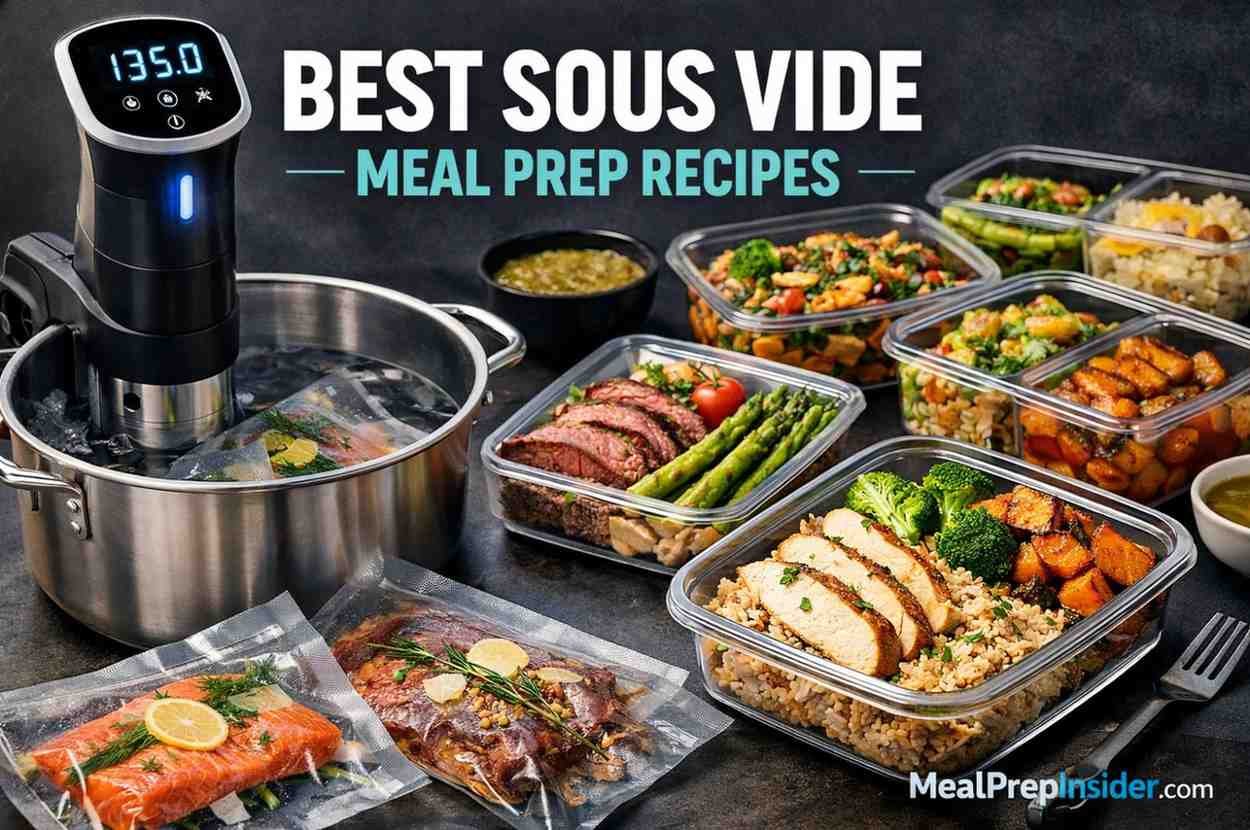
Sous vide meal prep recipes have quietly revolutionized how smart home cooks approach their weekly food planning. And honestly? Most people are still sleeping on this game-changing technique.
Here’s the thing. You’ve probably heard whispers about sous vide cooking from that one friend who won’t stop talking about their perfectly cooked steaks. Maybe you’ve scrolled past those fancy water bath machines on Amazon and wondered if they’re worth the hype.
They are. But not for the reasons you might think.
Forget restaurant-quality dinners for a moment. The real magic happens when you combine sous vide precision with strategic meal prep. We’re talking about transforming your entire week with just a few hours of Sunday cooking. No more sad desk lunches. No more 6 PM panic about what’s for dinner. No more wasted groceries rotting in your fridge.
What if I told you that you could cook 15 different proteins to absolute perfection, portion them out, and have restaurant-worthy meals ready in minutes for the entire week ahead?
That’s exactly what we’re diving into today.
But fair warning. Once you discover how ridiculously easy this approach makes healthy eating, there’s no going back to your old ways. Your meal prep game is about to level up permanently.
Ready to see what all the fuss is about?
Why Sous Vide Changes Everything About Meal Prep
Traditional meal prep has a fatal flaw. Reheated chicken breast tastes like cardboard. Overcooked steak becomes shoe leather. Vegetables turn to mush.
Sound familiar?
Sous vide cooking eliminates these problems. When you cook food in a precisely controlled water bath, you’re essentially creating a protective environment. The sealed bags prevent moisture loss. The exact temperature ensures nothing overcooks. The results stay tender and juicy even after refrigeration and reheating.
This isn’t just marginally better. It’s a completely different experience.
Consider this comparison:
| Traditional Meal Prep | Sous Vide Meal Prep |
|---|---|
| Chicken dries out when reheated | Chicken stays moist and tender |
| Inconsistent doneness throughout protein | Edge-to-edge perfect cooking |
| Limited holding time before quality degrades | Proteins stay fresh longer in vacuum bags |
| Requires constant monitoring | Set it and forget it approach |
| Easy to overcook during reheating | Almost impossible to ruin |
The precision factor matters more than most people realize. When you set your sous vide circulator to 140°F, that water stays at exactly 140°F. Not 145°F. Not 138°F. Exactly where you want it.
This consistency translates directly to meal prep success. You know precisely what you’re getting every single time.
The Meal Prep Advantage Most People Miss
Here’s what separates casual sous vide users from meal prep masters.
Batch cooking becomes effortless. You can fill an entire cooler or large container with water, drop in multiple proteins, and walk away. The machine handles everything while you live your life.
Most sous vide meal preppers cook once or twice weekly. They spend roughly 2-3 hours total. They end up with enough perfectly cooked proteins to cover 10-15 meals.
The math works out beautifully.
You’re essentially trading a small time investment for enormous convenience throughout the week. Those quick weeknight dinners become genuinely quick. Throwing together a salad with already-cooked chicken takes five minutes. Searing a pre-cooked steak for dinner takes three minutes per side.
Now let’s get into the actual recipes that make this system work.
Recipe 1: Foolproof Chicken Breast for Any Dish
Chicken breast sits at the foundation of any serious meal prep rotation. The problem? Traditional cooking methods destroy it.
Sous vide fixes this completely.
Temperature: 145°F for juicy, tender results (150°F if you prefer slightly firmer texture)
Time: 1.5 to 2 hours
Prep Method:
- Season chicken breasts with salt, pepper, and garlic powder
- Add a small amount of olive oil to each bag
- Seal using the water displacement method or a vacuum sealer
- Cook in batches of 4-6 breasts simultaneously
Meal Prep Applications:
- Slice for salads and grain bowls
- Shred for tacos, burritos, and wraps
- Cube for stir-fries and pasta dishes
- Serve whole with quick pan sauce
The chicken keeps beautifully in the refrigerator for up to five days when stored properly in its cooking bag. For quick meals, simply slice cold and add to dishes, or do a 60-second sear in a hot pan to warm through.
Pro tip: Season different batches with different flavor profiles. One batch gets Italian herbs. Another gets Southwest spices. A third stays plain for maximum versatility.
Recipe 2: Tender Beef Sirloin Strips
Beef sirloin offers excellent value for meal prep. It’s affordable, lean, and packed with protein. The challenge lies in cooking it properly without turning it tough and chewy.
Sous vide handles sirloin beautifully.
Temperature: 130°F for medium-rare, 135°F for medium
Time: 2 to 3 hours
Prep Method:
- Cut the sirloin into strips approximately 1 inch thick
- Season generously with salt and coarse black pepper
- Add fresh rosemary or thyme to bags
- Include a tablespoon of butter per portion
Meal Prep Applications:
- Slice thin for Philly cheesesteak sandwiches
- Serve over rice with vegetables
- Add to fajita bowls with peppers and onions
- Top salads for protein-packed lunches
The strips reheat exceptionally well. A quick 30-second sear in a screaming hot cast-iron pan brings back that fresh-cooked quality instantly.
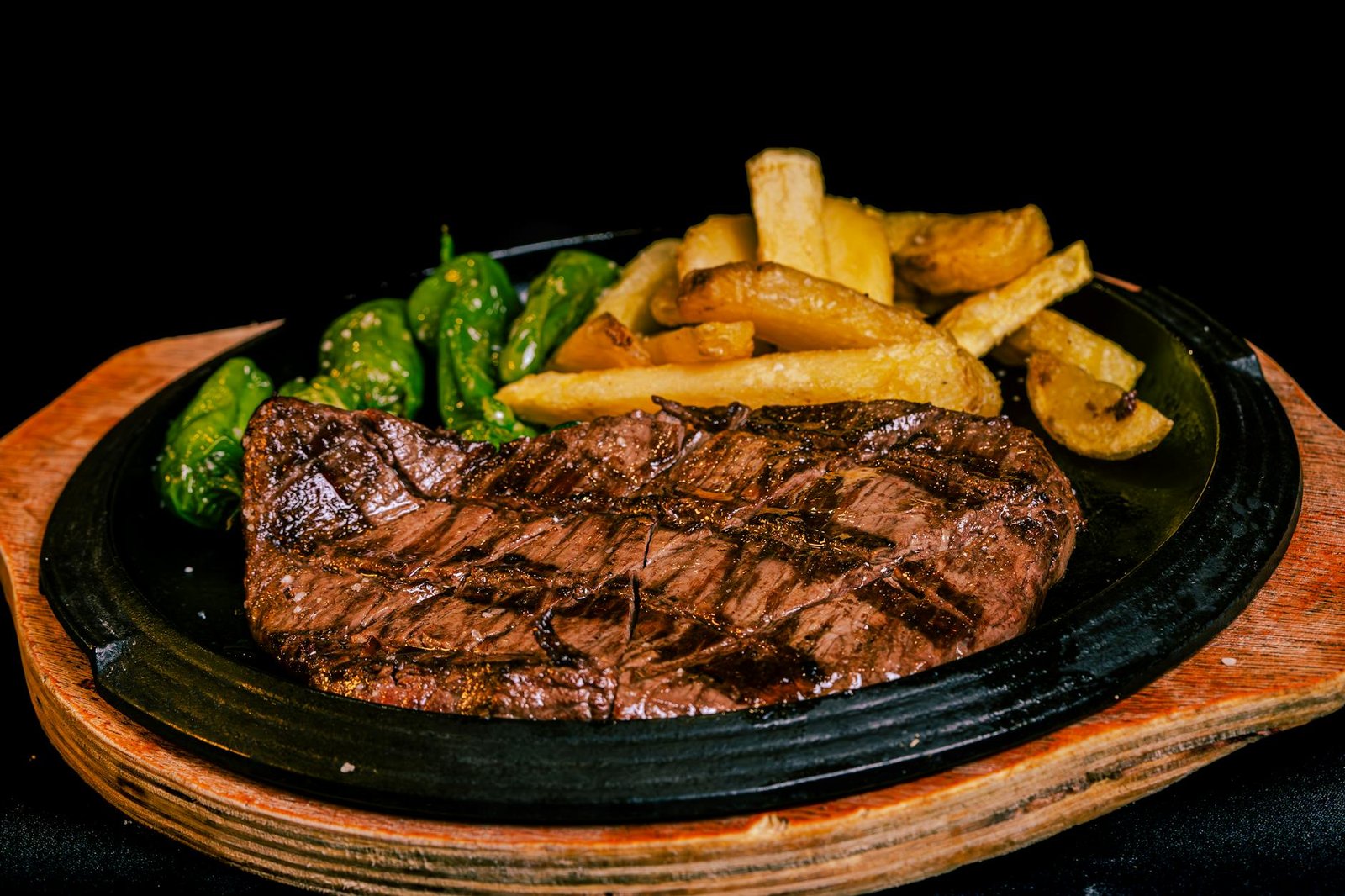
Recipe 3: Japanese-Style Chashu Pork Belly
This recipe takes longer but delivers massive flavor payoff. Chashu pork belly forms the foundation of incredible ramen bowls, rice dishes, and Asian-inspired meals throughout your week.
Temperature: 154°F
Time: 12 to 16 hours (overnight cook)
Prep Method:
- Roll pork belly and tie with kitchen twine
- Create a marinade with soy sauce, mirin, sake, and sugar
- Add the marinade to the bag with the pork
- Cook overnight while you sleep
Meal Prep Applications:
- Slice for homemade ramen bowls
- Dice for fried rice
- Serve over steamed rice with soft-boiled egg
- Add to noodle salads
The long cook time transforms pork belly into something extraordinary. The fat renders completely while the meat stays incredibly tender. This is restaurant-quality cooking with minimal effort.
Start cooking before bed. Wake up to finished pork belly ready for the week.
Recipe 4: Perfect Salmon Fillets Every Time
Fish intimidates many home cooks. Overcooking happens easily. The window between raw and rubbery shrinks dramatically with traditional methods.
Sous vide removes all the guesswork.
Temperature: 122°F for silky, almost buttery texture (130°F for more traditional flaky texture)
Time: 30 to 45 minutes
Prep Method:
- Pat the salmon fillets completely dry
- Season with salt, pepper, and dill
- Add lemon slices and butter to bags
- Cook in small batches for even heat distribution
Meal Prep Applications:
- Serve cold over salads
- Flake into grain bowls
- Pair with roasted vegetables
- Create salmon patties or salad
Important note: Salmon cooked sous vide has a different texture from traditionally prepared fish. The lower temperature creates a more delicate, almost custard-like consistency. Some people love this. Others prefer higher temperatures for familiar flakiness.
Experiment to find your preference.
Recipe 5: Greek-Style Lamb Shoulder
Lamb shoulder becomes incredibly tender through extended sous vide cooking. The resulting meat shreds effortlessly and works perfectly in Mediterranean-inspired meal prep.
Temperature: 165°F
Time: 18 to 24 hours
Prep Method:
- Season lamb with oregano, garlic, lemon zest, and cumin
- Add olive oil and fresh rosemary to bags
- Cook during an overnight session
- Shred while still warm
Meal Prep Applications:
- Fill pita pockets with tzatziki sauce
- Top hummus bowls with shredded lamb
- Create Mediterranean rice bowls
- Serve with Greek salad
This is hands-off cooking at its finest. The long duration might seem intimidating initially. In practice, you’re doing almost nothing. The machine works while you go about your regular life.
Recipe 6: Tender Turkey Breast for Sandwiches
Deli turkey from the grocery store contains preservatives, excess sodium, and questionable additives. Making your own takes minimal effort and tastes dramatically better.
Temperature: 145°F
Time: 3 to 4 hours
Prep Method:
- Use boneless turkey breast, skin removed
- Season with poultry seasoning, salt, and pepper
- Add sage and thyme for classic flavor
- Cook in large portions for efficiency
Meal Prep Applications:
- Slice thin for sandwiches
- Dice for turkey salad
- Add to wraps and grain bowls
- Serve with cranberry sauce for a twist
One large turkey breast yields enough meat for sandwiches throughout the entire week. The cost per serving drops significantly compared to deli purchases. The taste? Incomparable.
Recipe 7: Barbecue Pulled Pork Without the Smoker
Traditional pulled pork requires hours of babysitting a smoker. Sous vide achieves similar tenderness with a fraction of the effort.
Temperature: 165°F
Time: 18 to 24 hours
Prep Method:
- Apply dry rub generously to the pork shoulder
- Add liquid smoke for authentic barbecue flavor
- Include apple cider vinegar for tanginess
- Cook overnight for convenience
Meal Prep Applications:
- Classic pulled pork sandwiches
- Top nachos for game day
- Fill tacos with coleslaw
- Serve over mac and cheese
After cooking, shred the pork and toss it with your favorite barbecue sauce. The meat stays moist and tender even after refrigeration. Reheating takes seconds in the microwave or a quick warm-up in a covered pan.
Recipe 8: Garlic Butter Shrimp
Shrimp overcooks faster than almost any other protein. The difference between perfectly cooked and rubbery happens in seconds with traditional methods.
Sous vide provides insurance against disaster.
Temperature: 135°F
Time: 15 to 20 minutes
Prep Method:
- Peel and devein shrimp (tail on or off, your choice)
- Combine with garlic butter, lemon juice, and parsley
- Spread shrimp in a single layer in bags
- Cook immediately before meal prep day ends
Meal Prep Applications:
- Add to pasta dishes
- Top salads for elegant lunches
- Serve with rice and vegetables
- Create a shrimp cocktail for snacking
One important consideration: shrimp should be cooked last on meal prep day and consumed within 2-3 days for best quality. They don’t hold as long as heartier proteins.
RELATED POST >> 15 Simple Halloumi Meal Prep Recipes: Easy, Quick, & Crispy
Recipe 9: Tender Pork Chops That Stay Juicy
Pork chops suffer from the same problems as chicken breast. They dry out quickly and become tough when overcooked.
The solution? Precision temperature control.
Temperature: 140°F for slightly pink center, 145°F for completely done
Time: 1.5 to 2 hours
Prep Method:
- Choose bone-in chops for maximum flavor
- Season with salt, pepper, and smoked paprika
- Add fresh thyme and garlic cloves
- Finish with a quick sear after cooking
Meal Prep Applications:
- Serve whole with roasted vegetables
- Slice for grain bowls
- Cube for stir-fries
- Pair with apple sauce for a classic combination
These chops reheat beautifully. A quick sear in a hot pan restores the crust while warming the interior without overcooking.
Recipe 10: Flank Steak for Multiple Meals
Flank steak offers incredible value. It’s lean, flavorful, and versatile. The downside? Traditional cooking can leave it tough and chewy.
Extended sous vide cooking transforms this affordable cut.
Temperature: 135°F
Time: 12 to 24 hours (longer time = more tender)
Prep Method:
- Season generously with salt and pepper
- Add soy sauce and garlic for Asian-inspired flavor
- Consider a coffee rub for a bold taste
- Slice against the grain after cooking
Meal Prep Applications:
- Slice thin for steak salads
- Create steak fajita bowls
- Top rice dishes
- Fill wraps and sandwiches
The extended cook time breaks down tough connective tissue while keeping the meat at a safe temperature. The result rivals much more expensive cuts.
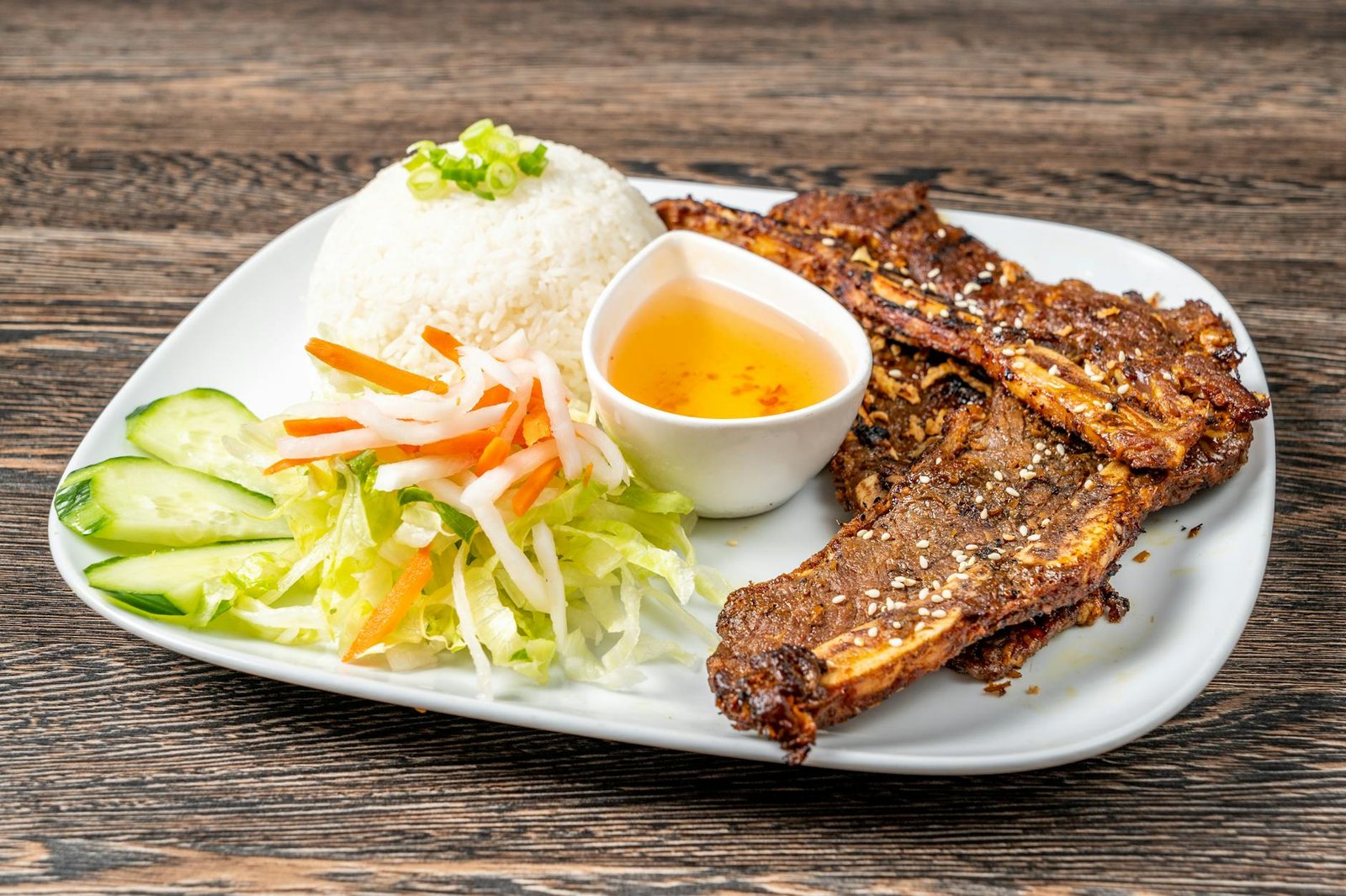
Recipe 11: Herb-Crusted Pork Tenderloin
Pork tenderloin offers lean protein with subtle flavor. It takes well to herbs and seasonings, making it perfect for meal prep variety.
Temperature: 140°F
Time: 1.5 to 2 hours
Prep Method:
- Create an herb crust with Dijon mustard, breadcrumbs, and herbs
- Season the tenderloin with salt and pepper first
- Sear before bagging to set the crust
- Finish with a quick broil after cooking
Meal Prep Applications:
- Slice for elegant dinner portions
- Dice for grain bowls
- Serve cold on salads
- Create pork tenderloin sandwiches
This recipe requires the additional broiling step but delivers an impressive presentation. Worth the extra effort when you want meal prep to feel special.
Recipe 12: Beef Short Ribs
Short ribs represent peak sous vide achievement. The transformation from tough to tender happens magically during extended cooking.
Temperature: 155°F for traditional braised texture, 135°F for steak-like texture
Time: 24 to 72 hours, depending on desired texture
Prep Method:
- Season ribs with salt, pepper, and brown sugar
- Add red wine and aromatics to bags
- Cook during the weekend for time convenience
- Finish with high-heat sear
Meal Prep Applications:
- Serve over mashed potatoes
- Shred for tacos
- Create Korean-style short rib bowls
- Pair with polenta
The longer cooking times sound extreme. In reality, you’re doing nothing during that time. Set it up on Friday evening. Finish Sunday afternoon. Eat like royalty all week.
Recipe 13: Chicken Thighs for Dark Meat Lovers
Dark meat offers more flavor and fat than breast meat. It also stays moister during storage and reheating.
Temperature: 165°F for traditional texture, 150°F for juicier results
Time: 2 to 4 hours
Prep Method:
- Use boneless skinless for easier meal prep
- Season with various spice blends for variety
- Add liquid (stock, wine, or citrus) for moisture
- Crisp skin separately if desired
Meal Prep Applications:
- Shred for tacos and burritos
- Slice for Asian noodle dishes
- Serve over rice with sauce
- Add to soups and stews
Chicken thighs forgive longer cook times. If life gets busy and you can’t pull them right at the target time, they’ll still turn out perfectly.
Recipe 14: Eggs for Breakfast Prep
Sous vide eggs might seem excessive. They’re not. The precision creates genuinely superior results for meal prep purposes.
Temperature: 145°F for custardy soft yolks, 165°F for fully cooked
Time: 45 minutes to 1 hour
Prep Method:
- Place eggs directly in water (no bag needed)
- Cook in large batches simultaneously
- An ice bath immediately after cooking
- Store in the refrigerator in the shell
Meal Prep Applications:
- Add to breakfast bowls
- Top ramen and grain dishes
- Slice for salads
- Create deviled eggs for snacking
Soft-cooked eggs from sous vide have silky yolks unlike anything achieved through boiling. They’ve become a meal prep staple for good reason.
Recipe 15: Vegetables That Maintain Texture
Proteins get all the sous vide attention. Vegetables deserve recognition, too. They maintain texture and color better than any other cooking method.
Temperature: 183°F to 185°F for most vegetables
Time: 30 minutes to 2 hours, depending on the vegetable
Prep Method for Carrots:
- Cut into uniform pieces
- Add butter, honey, and thyme
- Cook for 45 minutes to 1 hour
- Season after cooking
Prep Method for Asparagus:
- Trim woody ends
- Add olive oil and lemon zest
- Cook for 12 to 15 minutes
- Season to taste
Prep Method for Green Beans:
- Trim and wash thoroughly
- Add garlic butter
- Cook for 30 to 45 minutes
- Finish with toasted almonds
Meal Prep Applications:
- Side dishes for any protein
- Add to grain bowls
- Mix into salads
- Serve as healthy snacks
Vegetables cooked sous vide maintain vibrant color and snap. They don’t turn mushy during storage. This alone justifies adding them to your meal prep rotation.
Essential Equipment for Sous Vide Meal Prep
Success requires proper tools. Here’s what you need:
Must Have:
- Sous vide immersion circulator (quality brands: Anova, Joule, Breville)
- Large container or cooler for water bath
- Vacuum sealer or quality zip-top bags
- Instant-read thermometer for verification
Nice to Have:
- Sous vide container with lid (reduces evaporation)
- Weights to keep bags submerged
- Bag racks for organizing multiple portions
- Cast iron pan for finishing sears
The initial investment pays for itself quickly. Restaurant-quality results at home save significant money over dining out. Reduced food waste adds additional savings.
Errors to Avoid When Starting Out
New sous vide meal preppers often stumble in predictable ways. Learn from others’ mistakes.
Not using enough water. Bags need room to circulate. Overcrowding leads to uneven cooking.
Skipping the sear. Many proteins benefit from quick high-heat finishing. The Maillard reaction creates flavor and texture that sous vide alone cannot provide.
Storing incorrectly. Keep proteins in their cooking bags until ready to use. This extends freshness significantly.
Ignoring food safety. While sous vide cooking is safe, leaving cooked food in the “danger zone” (40°F to 140°F) for extended periods invites bacterial growth. Cool quickly and refrigerate promptly.
Setting unrealistic expectations. Your first few attempts might not be perfect. The learning curve exists but isn’t steep. Persistence pays off.
Overcooking during reheating. The beauty of sous vide meal prep lies in proteins already being cooked perfectly. Reheating should be brief. You’re warming, not cooking further.
Weekly Meal Prep Schedule That Works
Here’s a realistic schedule for implementing sous vide meal prep:
Saturday Evening:
- Start long-cook items (pork belly, short ribs, pulled pork)
- These cook overnight
Sunday Morning:
- Remove long-cook items and cool
- Start medium-cook items (chicken breast, pork chops, steak)
Sunday Afternoon:
- Remove medium-cook items
- Quick-cook items (shrimp, fish, vegetables)
- Portion and store everything
Total Active Time: Approximately 2-3 hours spread across the weekend
Result: 10-15 meals ready for the week
This schedule maximizes efficiency while minimizing actual hands-on work. The machine does the heavy lifting.
Storage and Reheating Best Practices
Proper storage extends the life of your meal prep significantly.
Refrigerator Storage:
- Keep proteins in sealed bags when possible
- Most items last 5-7 days properly stored
- Fish should be consumed within 2-3 days
- Label everything with the cooking date
Freezer Storage:
- Most sous vide proteins freeze excellently
- Vacuum-sealed items last 2-3 months
- Thaw overnight in the refrigerator
- Reheat gently to avoid overcooking
Reheating Methods:
- Quick sear in hot pan (best for steaks, chops)
- Gentle warm-through in covered pan (good for chicken)
- Brief microwave (acceptable for shredded meats)
- Return to water bath at lower temp (optimal but time-consuming)
The key to reheating: remember the food is already cooked. You’re simply warming it to serving temperature.
Cost Analysis: Is Sous Vide Meal Prep Worth It?
Let’s examine the economics honestly.
Initial Investment:
- Immersion circulator: $100-200
- Vacuum sealer: $50-150
- Containers and accessories: $30-50
- Total startup: $180-400
Ongoing Costs:
- Vacuum bags: approximately $0.20-0.50 per bag
- Electricity: negligible (similar to a slow cooker)
- Proteins: same as any meal prep approach
Savings:
- Reduced food waste (precise portions, longer storage)
- Fewer restaurant meals (home cooking tastes better)
- Less expensive cuts work beautifully (flank steak rivals ribeye)
- Bulk buying becomes practical
For most households, the initial investment pays for itself within 2-3 months through reduced food waste and dining out savings.
FAQs About Sous Vide Meal Prep
Is sous vide cooking safe for meal prep?
Absolutely. The precise temperature control ensures food reaches safe internal temperatures throughout. Following proper cooling and storage procedures afterward maintains safety. The FDA and food safety organizations recognize sous vide as a legitimate and safe cooking method when executed properly.
How long can I store sous vide-cooked proteins?
Most proteins keep 5-7 days in the refrigerator when stored properly in sealed bags. Fish should be consumed within 2-3 days. Freezing extends storage to 2-3 months for most items without significant quality loss.
Do I need a vacuum sealer for sous vide meal prep?
Not necessarily. The water displacement method works well with quality zip-top bags. However, vacuum sealers provide superior results, especially for longer cooks and frozen storage. If you’re serious about meal prep, the investment makes sense.
Can I cook different proteins at the same temperature simultaneously?
Yes, with planning. Chicken breast and pork chops both cook well at 145°F. Beef and lamb often share temperature ranges. Grouping compatible proteins maximizes efficiency during meal prep sessions.
What if my sous vide cook runs longer than planned?
Most proteins handle extended cooking time gracefully. An extra hour rarely causes problems. However, extended overcooking (many hours beyond the target) can affect texture, particularly with fish and chicken breast. Set timers as reminders.
Is the texture of sous vide food different from traditional cooking?
Sometimes. Proteins cooked sous vide tend to be more uniformly tender throughout. Some people notice texture differences, particularly with fish cooked at lower temperatures. Experimentation helps you find preferred temperatures for your taste.
Can I reheat sous vide meal prep in the microwave?
You can, though it’s not optimal. Microwave reheating works fine for shredded meats and cubed proteins. For whole portions like steaks and chops, a quick sear in a hot pan delivers superior results.
How much electricity does sous vide cooking use?
Surprisingly little. Most immersion circulators use roughly the same electricity as a light bulb once the water reaches temperature. Extended cooks don’t significantly impact energy bills.
Making Sous Vide Meal Prep Your New Normal
The recipes and techniques covered here represent a starting point. Not an ending.
Once you experience the convenience of having perfectly cooked proteins waiting in your refrigerator, the old ways of meal prep seem primitive. Dry chicken breast? Never again. Overcooked steak? A problem of the past. Last-minute dinner panic? Eliminated.
The learning curve proves shorter than most people expect. After two or three meal prep sessions, the process becomes second nature. You’ll develop your own preferences for temperatures and timing. You’ll discover flavor combinations that work for your family. You’ll wonder how you ever managed without this approach.
Start with one or two recipes from this list. Master them. Add more gradually. Before long, you’ll have a complete rotation of meal prep options that carry you through any week.
Your future self will thank you for investing. Better meals. Less stress. More time for things that matter.
That’s the promise of sous vide meal prep. And it delivers.
SUGGESTED POST >> Easy ADHD Meal Prep Recipe Ideas: Best Top 15